

What to Eat in Furano: 12 Best Foods and Restaurants (2026 Guide)
What to eat in Furano: certified Omukare curry, Wagyu sukiyaki, and lavender sweets, with 2026 prices for budget-to-splurge restaurants near the station and farms.
On this page
Last updated August 2026, this guide breaks down what to eat in Furano, the farm town at the center of Hokkaido known for its own certified omelette curry. Restaurants here split between walkable classics near Furano Station and farm stops that need a car, with hotpots dominating winter and melon stands running only in summer. Budget options start around ¥1,000, while a Wagyu sukiyaki dinner can run past ¥10,000.
The Furano Food Identity: Farm-to-Table in Hokkaido's Heart
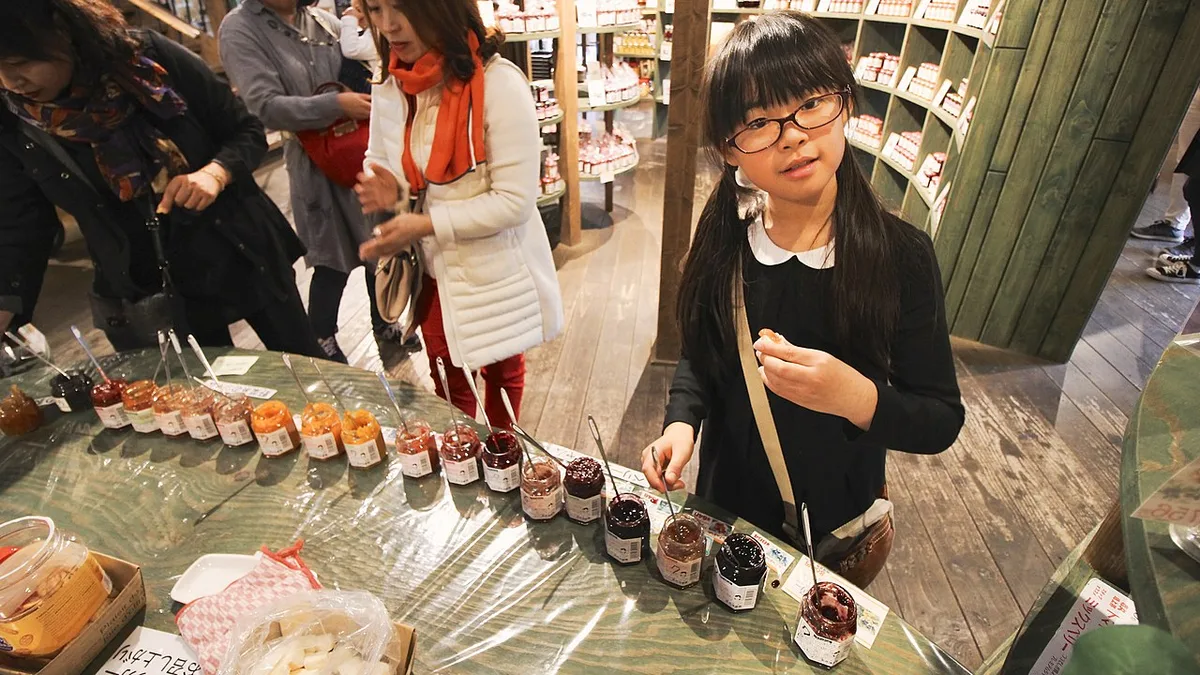
Furano's kitchens draw straight from the farmland around them, not from a food-import network. Dairy cattle, melon vines, and small vineyards ring the town, and menus routinely name the specific farm behind the milk, beef, or vegetables on the plate. Rice paddies and root vegetables fill much of the flat land between the hills, and several of the town's curry kitchens use that same local rice in their omukare. Local growers sell direct at Furano Marche, a farmers' market near downtown stocked with seasonal produce, jams, and sauces you won't find at a typical supermarket. Restaurants that build their whole menu around this local sourcing are covered in Furano's farm-to-table restaurants guide, which goes deeper into the sit-down spots that lean hardest into it. Two zones matter for planning where to eat. Furano City sits around the train station, packed with the walkable restaurants covered below. Kitanomine, the ski-area cluster, sits apart and is reached by bus or taxi rather than on foot. Confirm hours before visiting, since several of the restaurants below are documented in sources that are a few years old, and small, family-run operations do change their schedules.
12 Best Foods to Eat in Furano
These are the dishes and restaurants that define eating in Furano right now, ordered from the signature dish through splurge-worthy Wagyu to seasonal dairy and produce. Each entry notes where it sits relative to Furano Station, roughly what it costs, and whether it runs year-round or only in season. Prices and hours reflect the most recent listings available, so double-check anything time-sensitive before you go.
- Furano Omukare (Certified Omelette Curry)
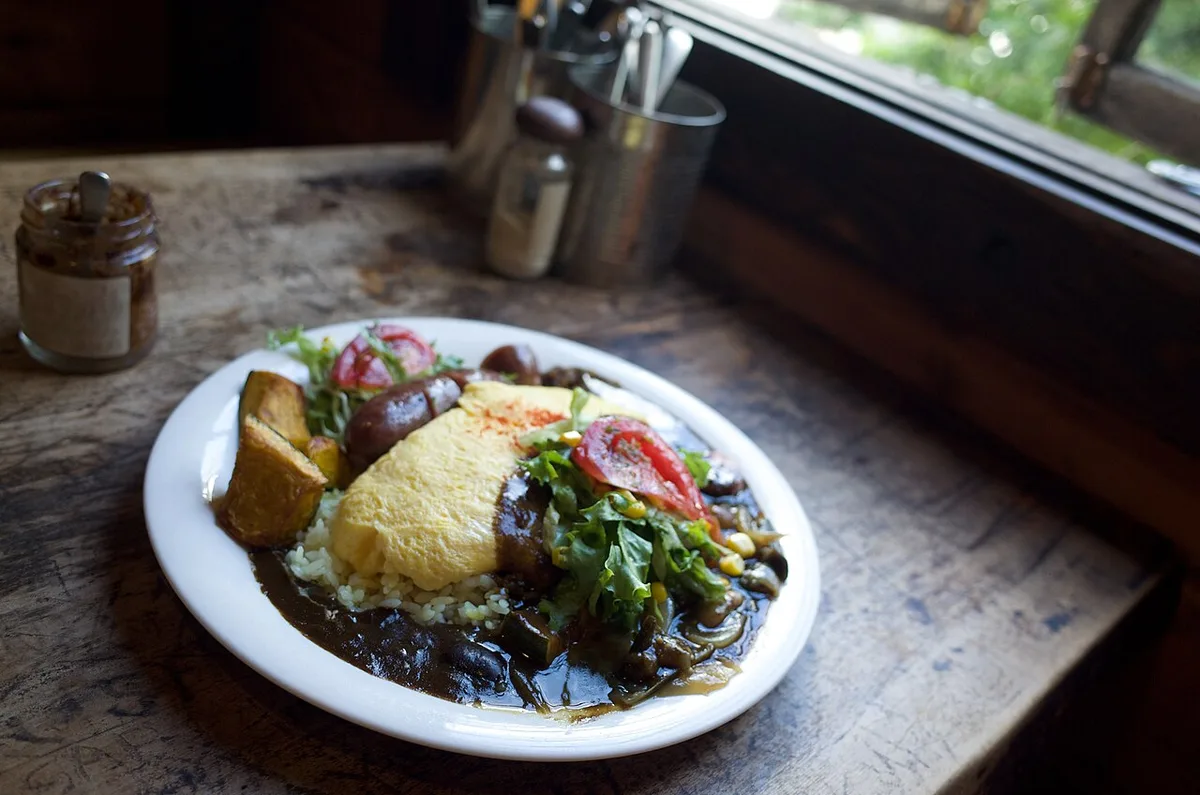
- Omukare is Furano's own omelette curry, built from rice under a sheet of egg and topped with Japanese curry.
- Certified kitchens have to use Furano-grown rice and local milk, and the dish arrives with a small paper flag marking it official.
- Roughly a dozen restaurants around town serve a certified version, each with its own spin on toppings and curry base.
- Furano's omu-curry guide ranks the certified kitchens if you want to compare more than one version.
- Yuiga Doxon's Smoked, 29-Spice Curry
- Yuiga Doxon serves its omukare inside a wooden building shaped like a treehouse, and the kitchen smokes its own sausages to go alongside the curry.
- Its curry recipe is reportedly built from 29 spices, giving it a smokier profile than most other certified versions in town.
- The smoked sausage plate is usually ordered as a side to the curry rather than a separate main.
- This is one of Furano's most established omukare stops, so confirm current hours before treating it as a fixed plan.
- Natural Dining's Lavender-Cheese Omukare
- Natural Dining is the in-house restaurant at Natulux hotel, next to Furano Station, which makes it easy to fit around an early departure.
- Its omukare is topped with a slice of lavender-veined cheese that melts into the curry underneath.
- Dinner service also runs a fondue made with local cheese, sausage, and vegetables, a heartier option than the curry alone.
- Kumagera's Wagyu Sukiyaki and Mountain-Priest Hotpot
- Kumagera is a reported three-minute walk from Furano Station and specializes in shabu shabu and sukiyaki built around local Wagyu.
- Its menu also includes a Sanzoku, or mountain-priest, ginger hotpot, alongside lightly seasoned vegetables and meat.
- Furano diners generally favor fresh produce and meat served with minimal seasoning, and Kumagera's hotpots lean into that style.
- Sukiyaki here isn't cheap, but it's one of the more established splurges within walking distance of the station.
- Sennari's Budget Pork and Beef Hotpot
- Sennari is a family restaurant a short walk from Furano Station, and its prices have reportedly held steady for around 30 years.
- A plate of sliced pork with vegetables and a hotpot runs about ¥1,000, and the beef version is about ¥1,600.
- Both sets come with the hotpot included rather than as an add-on, part of why locals treat it as the best-value meal in town.
- Portions use imported pork and US beef, sliced fresh to order rather than Wagyu, which keeps the price down.
- Wagyu Yakiniku at Nikudarake
- Wagyu Yakiniku Nikudarake sits about 490 feet from Furano Station and grills long-raised Tamura beef alongside local vegetables and Hokkaido seafood.
- Tabelog lists it around ¥10,000-14,999 per person, making it one of the priciest sit-down meals in town.
- The menu runs in a multilingual format with photos, useful if you're ordering unfamiliar cuts.
- Online reservation is listed on Tabelog, and booking ahead is worth it for weekend dinners.
- A bientot furano's Splurge Sukiyaki
- A bientot furano is about a seven-minute walk from Furano Station, roughly 0.3 miles, and specializes in sukiyaki made with Furano Wagyu.
- Tabelog prices it around ¥8,000-9,999 per person, in the same splurge tier as Nikudarake's yakiniku.
- Its multilingual menu and photo listings make it a workable choice for a first dinner, a business meeting, or an anniversary.
- Furano Melon at Tomita Melon House
- Tomita Melon House sits about 0.9 miles from Naka Furano Station and sells Furano's own orange-fleshed melon directly, along with melon soft serve and bread.
- Tabelog lists its season as roughly May 17 through October 14, so it's closed to winter travelers.
- As a direct-sales spot rather than a full restaurant, it's built for a quick stop rather than a sit-down meal.
- Furano's melon and lavender sweets guide covers related stands and pairings.
- Lavender Soft Serve and Oil at Farm Tomita
- Farm Tomita grows the lavender fields the region is known for and sells lavender soft serve alongside its own lavender oil at the on-site shop.
- An on-site gallery covers the farm's history, including the period when lavender oil demand dropped and growers nearly gave up the fields.
- Like the melon farms nearby, its food stands run on a warm-season schedule rather than year-round.
- Furano Delice's Bottled Milk Pudding
- Furano Delice is a pastry shop built around one flagship item, a milk pudding served in a bottle and made from just milk, eggs, and sugar.
- Its founder is credited with the bottled-custard idea, and the shop is said to bottle a few thousand servings a day for distribution around the region.
- Bottles turn up at other shops around Furano too, so you don't have to visit the original counter to try one.
- Cheese-Making and Soft Cream at Furano Cheese Factory
- Furano Cheese Factory runs hands-on workshops where you can churn butter or turn Hokkaido milk into curds and whey.
- Workshops are popular enough that booking ahead is recommended, especially in peak travel months.
- Its soft cream shop next door is worth a stop on its own, and Furano's cheese and dairy workshops guide covers session details.
- Furano Burger's Farm-Ingredient Burgers
- FB Furano Burger sits about a 10-minute drive from Furano city and builds its burgers from carefully selected local ingredients.
- Meals run roughly ¥1,000-1,999, and takeout is available if you'd rather eat at a viewpoint than at a table.
- It sits in the countryside outside the main station area, so pair it with a farm stop rather than a walking loop.
Seasonal Eating: Summer Melons vs. Winter Hotpots
Furano's menu shifts hard between seasons, and knowing the calendar keeps you from a wasted stop. Melon stands and lavender soft serve run only while the fields are active, typically the warmer half of the year. Farm Tomita's lavender fields and Tomita Melon House both follow that same warm-season pattern, with the melon farm's own listed window running roughly May 17 through October 14. Hotpots take over once temperatures drop, and locals describe the area as cold for around nine months of the year. That's part of why sukiyaki, shabu shabu, and Sennari's pork set stay in demand well outside a typical winter-only window. Omukare, bottled milk pudding, and the cheese factory's workshops run year-round regardless of season, which makes them safe picks on any visit, including shoulder-season trips in spring or late fall.
| Season | What's in Season | Where to Find It |
|---|---|---|
| Late spring to early fall (roughly May-Oct) | Furano melon, lavender soft serve, lavender oil | Tomita Melon House, Farm Tomita |
| Fall harvest | Wagyu, root vegetables | Kumagera, A bientot furano, Wagyu Yakiniku Nikudarake |
| Cold months (locals count about nine months a year) | Sukiyaki, shabu shabu, mountain-priest ginger hotpot | Kumagera, Sennari, A bientot furano |
| Year-round | Omukare, bottled milk pudding, cheese workshops | Yuiga Doxon, Natural Dining, Furano Delice, Furano Cheese Factory |
Booking in Furano: Tabelog Reservations vs. Walk-Ins
Reservation habits vary a lot by price tier in Furano. Higher-end spots like Wagyu Yakiniku Nikudarake and A bientot furano list online reservation options directly on Tabelog, and both sit in the splurge tier rather than the quick-stop tier. Booking ahead matters most on weekend evenings and during the summer lavender season, when day-trip traffic from Sapporo and Asahikawa peaks. Budget spots like Sennari read as walk-in only on Tabelog, with no listed booking option, which fits its stripped-down, decades-old pricing model. Mid-range and casual spots, including Furano Burger and the cheese factory's soft cream counter, generally don't require booking either, though the cheese factory's hands-on workshops are popular enough that reserving ahead is recommended. Payment habits are the other variable worth planning around. Larger restaurants near the station list credit cards as accepted on Tabelog, but smaller, rustic counters and roadside stands can still be cash-only, so carry yen as backup even after your first few stops take cards without issue.
Getting Around: Walking the Station Area vs. Driving to the Farms
Furano rewards a little route planning before you sit down anywhere. Buses from Asahikawa Airport to Furano Station run about ¥570 per person and take just over an hour, so budget that transfer before your first meal. Downtown Furano City and Kitanomine, the ski-area cluster, sit apart from each other, linked by bus or taxi rather than a walk. Everything within about a mile of Furano Station is realistically walkable. Anything farther, including the melon and lavender farms, is easier by rental car or taxi. Seicomart Furano near the station covers convenience-store basics and Hokkaido-exclusive snacks without any reservation, useful for an extreme-budget stop between farm visits. Local pours from Hokkaido pair well with dinner at the town's izakayas. See Furano's wine and local drinks guide for which pours to look for. Travelers staying in Furano but curious about Biei can reach Sim~Restaurant&Food Lab~ near Kita Biei Station, which runs a tasting menu priced at ¥15,000-19,999 roughly 30-40 minutes away by transit. Round out a food day with sights nearby using Furano's attractions guide, which maps viewpoints near several of these kitchens.
Furano Burger costs ¥1,000-1,999 but requires a 10-minute drive from the city center, while Nikudarake at ¥10,000-14,999 sits 490 feet from the station, revealing price and walkability don't correlate in Furano.
| Restaurant | Distance | Getting There |
|---|---|---|
| Wagyu Yakiniku Nikudarake | About 490 ft from Furano Station | Walk |
| A bientot furano | About 0.3 miles from Furano Station (7-min walk) | Walk |
| Kumagera | About a 3-minute walk from Furano Station | Walk |
| Tomita Melon House | About 0.9 miles from Naka Furano Station | Walk or short taxi |
| Furano Burger | About a 10-minute drive from Furano city | Car or taxi |
| Sim~Restaurant&Food Lab~ | About 1.9 miles from Kita Biei Station | Car, or 30-40 min by transit |
Mistakes to Avoid When Dining in Furano
A few planning slips show up again and again for first-time visitors, and each one is easy to avoid once you know about it.
Melon stands operate May 17 through October 14, yet year-round options—omukare, bottled pudding, cheese workshops—provide backup plans, so visiting off-season requires choosing alternatives rather than skipping Furano entirely.
- Assuming Every Restaurant Takes Cards
- Larger sit-down restaurants list credit cards on Tabelog, but smaller counters and roadside stands can still be cash-only.
- Carry yen as backup even after your first few stops accept cards without issue.
- This matters most for farm stands and soft-serve counters outside the main station strip.
- Skipping Reservations at the Splurge Spots
- Wagyu Yakiniku Nikudarake and A bientot furano both show online booking through Tabelog.
- Walking in on a weekend evening risks a wait or a full house at either one.
- Summer lavender-season weekends see the heaviest day-trip crowds, so book those dates furthest ahead.
- Showing Up to Tomita Melon House Off-Season
- Its listed season runs roughly May 17 through October 14.
- Arrive in winter and the melon stand is simply closed, so plan a dairy or curry stop instead.
- Farm Tomita's lavender fields and food stands follow a similar warm-season pattern.
- Treating Furano City and Kitanomine as Walkable From Each Other
- These are two separate zones connected by bus or taxi, not a short stroll.
- Confirm which zone a hotel or dinner reservation sits in before locking in a plan.
- A dinner booked in the wrong zone can cost you a taxi ride you didn't budget for.
- Only Looking Inside Furano's Town Center
- Some of the region's more ambitious kitchens, like Sim~Restaurant&Food Lab~, sit closer to Biei.
- Budget an extra 30-40 minutes of transit if a farm stop or tasting menu is on the list.
- Weigh that travel time against how much of the day you want left for the fields and viewpoints.
- Booking a Farm Stop Without Checking the Season First
- Farm Tomita's lavender fields and food stands, like the melon farm nearby, run on a warm-season schedule.
- Check current listings before building a whole day around a single farm stop.
- A backup plan, like an omukare kitchen or the cheese factory, covers you if a farm stand turns out to be closed.
Explore food in other cities
Frequently Asked Questions
What is the signature food of Furano?
Omukare, a local omelette curry served over rice, is Furano's signature dish. A certified version has to use Furano-grown rice and local milk, and it comes to the table with a small paper flag marking it official.
Do you need a car to eat well in Furano?
Not for the station-area spots. Kumagera, Sennari, A bientot furano, and Wagyu Yakiniku Nikudarake all sit within a short walk of Furano Station. Farm stops like Tomita Melon House, Farm Tomita, and Furano Burger sit outside town and are easier to reach by car or taxi.
When can you get Furano melon and lavender soft serve?
Tomita Melon House lists its season as roughly May 17 through October 14. Outside that window, plan on omukare, bottled milk pudding, or a cheese-factory workshop instead.
How much should you budget for a meal in Furano?
Sennari's pork hotpot set runs about ¥1,000, and its beef version is about ¥1,600. A splurge sukiyaki dinner at A bientot furano runs roughly ¥8,000-9,999. Wagyu Yakiniku Nikudarake can reach ¥10,000-14,999 per person for a full yakiniku spread.
Should you eat in Furano or head to Biei?
Most of the dishes on this list are in Furano itself. Ambitious tasting menus like Sim~Restaurant&Food Lab~ near Kita Biei Station sit roughly 30-40 minutes away by transit, worth the trip if a multi-course dinner is the goal.
Is Furano food budget-friendly for a day trip from Asahikawa?
It can be. Buses from Asahikawa Airport to Furano Station run about ¥570 per person, and a filling meal at Sennari costs roughly ¥1,000. Splurge options exist too, so a single day trip can work for a tight budget or a bigger one.
What should you order in Furano on a tight budget?
Sennari's sliced pork set is the clearest budget pick, at about ¥1,000 with the hotpot included. FB Furano Burger runs roughly ¥1,000-1,999 and offers takeout if you'd rather eat on the move. Seicomart Furano near the station covers snacks and drinks for an even lighter budget.
Explore Furano Food and Dining
Use these guides to compare local dishes, dining areas and practical food experiences in Furano.
Food and Dining Guides
Free guide: Japan's Hidden Gems
12 under-the-radar places beyond Tokyo & Kyoto — with the best season to visit each and a local tip you won't find in the guidebooks.
You might also like


Continue reading
More guides you'll find useful


