Hokkaido Winter Food Guide: What to Eat From December to February (2026)
A 2026 Hokkaido winter food guide to snow crab, Lake Saroma oysters, Sapporo miso ramen, soup curry, and snow-aged potatoes, with winter dining logistics.
On this page
Last updated August 2026, this Hokkaido winter food guide breaks down what actually changes on the plate once temperatures drop and snow piles up across Sapporo, Niseko, and Hakodate. Cold water sweetens crab and oysters, sub-zero storage concentrates sugar in Niseko's potatoes, and steaming ramen becomes the default lunch order from December through February. Below, find which seafood peaks, which ramen style suits which city, and how to reach Susukino's restaurants without long stretches outdoors.
Hokkaido Winter Food Guide: Why the Cold Season Tastes Different
Water temperature drives flavor in Hokkaido's winter seafood. Fish and crab build extra fat reserves in cold water, and that fat carries sweetness into the meat. Snow works the same trick on produce. Potatoes and root vegetables stored near freezing convert starch into sugar as their enzymes slow down, a process locals call snow-aging. Ramen, soup curry, and grilled lamb round out the season because Hokkaido's winters push diners toward hot, high-calorie meals eaten indoors.
- Zuwaigani (snow crab) hot pot or sashimi, at its best through the winter months
- Sapporo miso ramen topped with butter and corn
- Soup curry with a spice level you choose yourself
Winter Seafood: Crab, Oysters, and Roe at Their Peak
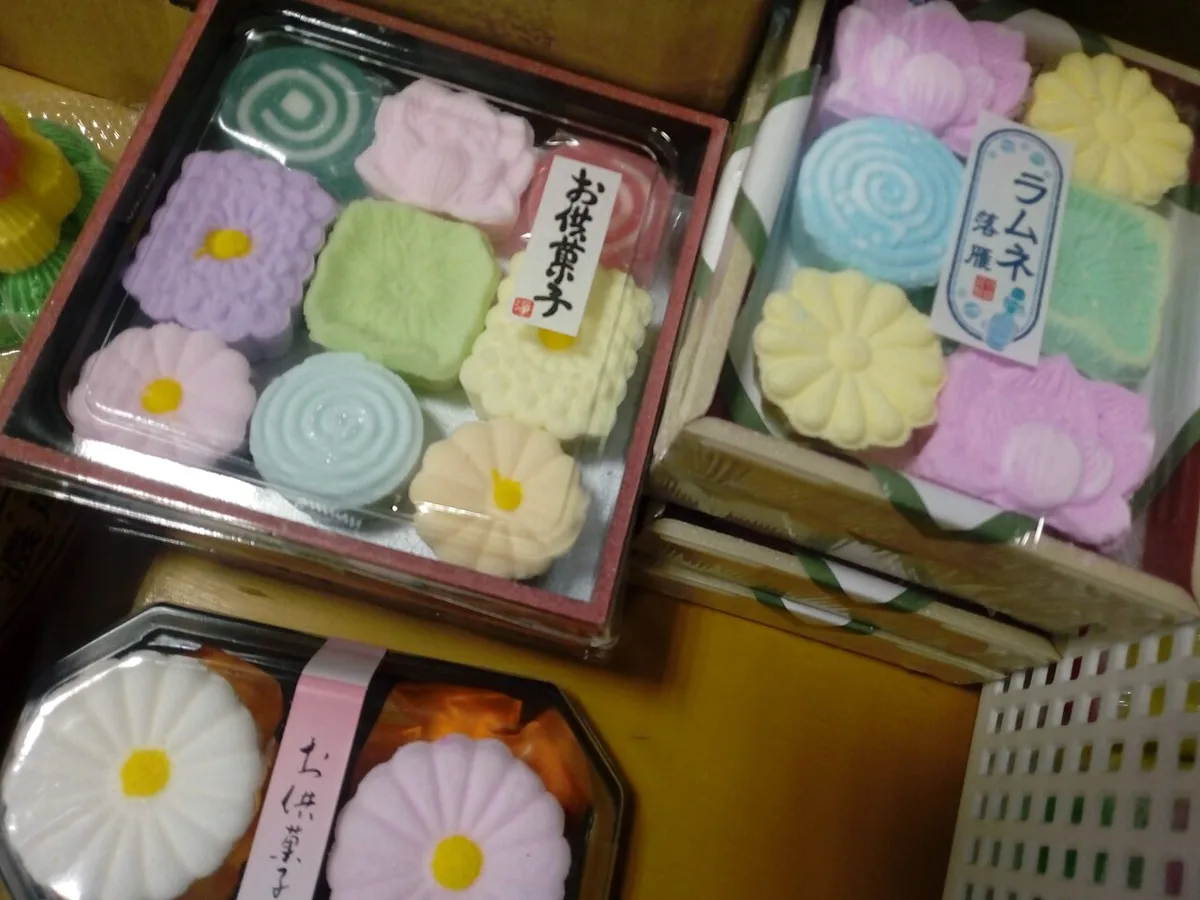
Two crabs define the season. Kegani (horsehair crab) peaks in winter and spring, prized for a dense, concentrated flavor that many diners rank above larger crab varieties. Zuwaigani (snow crab) is the true winter headliner, with sweet, umami-rich meat that improves as coastal waters cool. For a full month-by-month rundown of what else comes into season, the seafood season calendar guide breaks down each species by month. Ikura (salmon roe) rounds out the winter seafood lineup, spooned generously over rice at market donburi counters. Most markets serve this as a donburi breakfast, a rice bowl topped with a choice of uni, ikura, or squid, and it is a fast way to sample several kinds of seafood in one sitting. Lake Saroma's oysters reach peak quality in December and January. Brackish water there blends sea and mountain runoff, a mix that shapes their flavor before the coldest weeks of the year.

- Sapporo Nijo Market — closest to downtown hotels and roughly a 5 to 10 minute walk from Susukino Station, the simplest option when you want to avoid a long walk in the cold
- Hakodate Morning Market — favors early risers and is known for hands-on squid fishing
- Kushiro Washo Market — try katte-don, building your own rice bowl from individual stalls
How Winter Compares to Hokkaido's Other Food Seasons
Winter is not Hokkaido's only food season, but it concentrates the most extreme flavors. This table compares what changes across the year.
| Season | Peak Foods | Typical Temperatures | What Changes |
|---|---|---|---|
| Winter (Dec–Feb) | Zuwaigani snow crab, kegani, Lake Saroma oysters, soup curry, Genghis Khan | -7°C to -1°C (19°F to 30°F) | Crab pricing peaks around Snow Festival week; markets close earlier |
| Spring (Mar–May) | Kegani crab, early asparagus | 2°C to 10°C (36°F to 50°F) | Fewer crowds than winter or summer; easier same-day reservations |
| Summer (Jun–Aug) | Fresh corn from Odori Park stalls, melon, uni | 18°C to 24°C (64°F to 75°F) | Peak tourist season; lodging books up earliest |
| Autumn (Sep–Nov) | Fruit-picking, new-season salmon roe, dairy-farm visits | 5°C to 15°C (41°F to 59°F) | Shoulder-season pricing before winter demand returns |
Soul-Warming Dishes for Sub-Zero Days
Hokkaido's three signature ramen styles solve the cold in different ways. Each city built its broth around local ingredients and local weather. Soup curry started in Sapporo during the 1970s and has become a winter staple across the city since. It pairs a thin, spice-forward curry broth with chicken and a stack of vegetables, and most shops let you raise the spice level as a kind of internal heater against the weather outside. Genghis Khan, or Jingisukan, takes its name from the founder of the Mongol Empire. Diners grill mutton and vegetables on a dome-shaped metal plate at the table, then dip the meat in a shoyu-based sauce. A beer hall at the Sapporo Beer Museum, which traces back to Hokkaido's first brewery in 1876, is one of the better-known spots to grill it indoors, away from the wind.
Miso ramen's butter component benefits from Hokkaido producing roughly half of Japan's milk supply, with 60 percent of it directed to drinking, leaving local butter abundant for regional dishes.
- Sapporo miso ramen — thick miso broth finished with butter and corn, plus bean sprouts and pork; try the stalls at Susukino's Ramen Yokocho
- Asahikawa shoyu ramen — soy-based broth topped with a layer of oil that traps heat and keeps the soup hot longer; sample it in Asahikawa's dedicated Ramen Village
- Hakodate shio ramen — a clear, salt-based broth, lighter than the other two styles
Snow-Aged Potatoes, Dairy, and Yoichi Whisky
Niseko's snow potatoes get their sweetness from storage, not variety. Farmers leave harvested potatoes in fields covered by snow, where temperatures hold just below 0°C (32°F). At that edge, the potatoes' enzymes convert starch into sugar as a defense against cold, producing a noticeably sweeter potato than the same variety kept at room temperature. Growers sell snow-aged produce directly at stalls covered in the farmers markets guide. Hokkaido produces roughly half of Japan's milk supply, and about 60 percent of it goes straight to drinking, with the rest processed into butter, cheese, yogurt, and ice cream. Local ramen shops often add a pat of butter to the bowl, and butter cookie sandwiches remain a standard souvenir. Hokkaido also grows nearly ten times as much wheat as any other prefecture, and its potatoes, corn, and onions fill produce stalls even in winter. Ice cream stays on the menu through winter too. Indoor farm cafes and covered market stalls make it easy to order a scoop without stepping back into the cold. The dairy and ice cream trail maps out the best stops by region. Nikka's Yoichi distillery sits on Hokkaido's west coast. Founder Masataka Taketsuru trained in Scotland before choosing Yoichi for its cold, clean climate and mineral water, conditions he judged close to Scotland's own distilling regions. A dram of the original blend is a reasonable way to warm up after a day on Niseko's slopes or Sapporo's streets.
Planning a Winter Food Route Around Sapporo
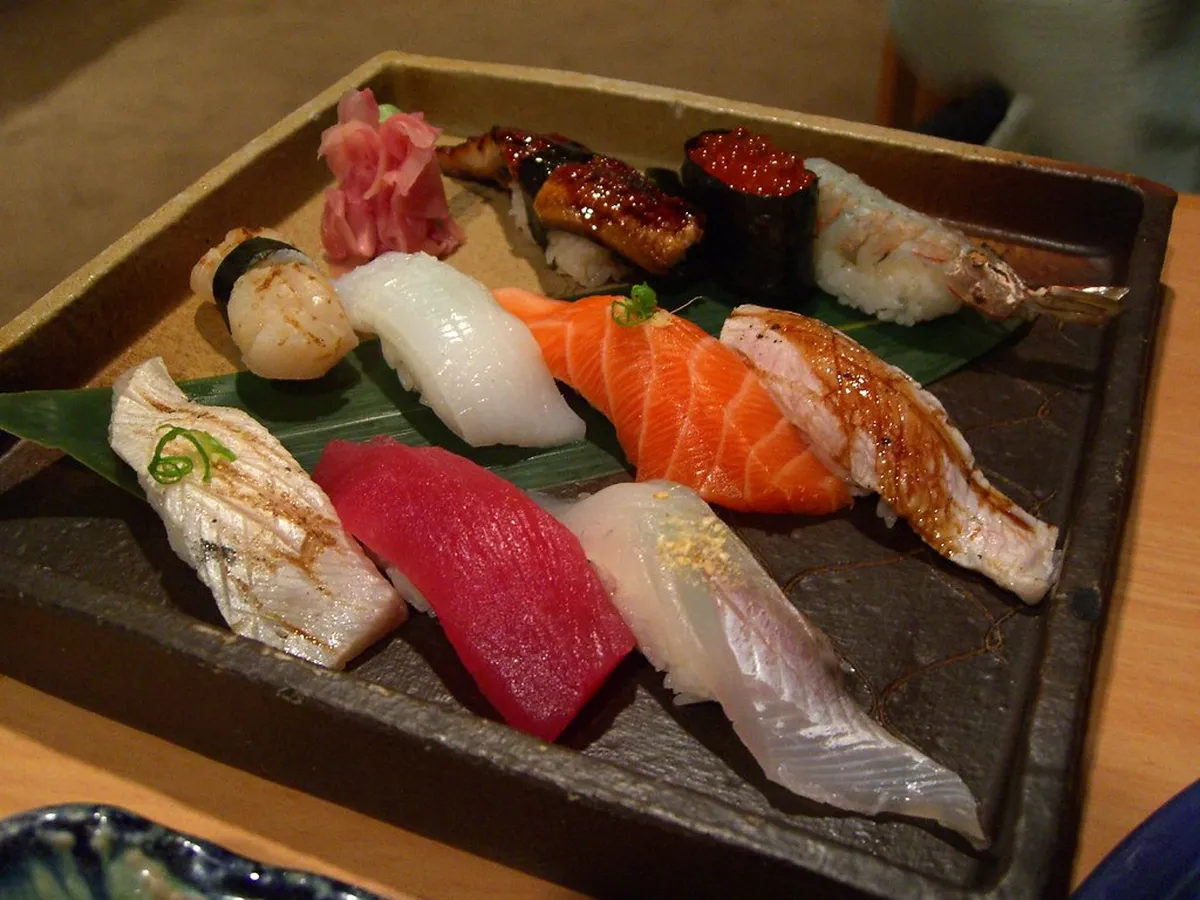
Sapporo's underground pedestrian space, known locally as Chi-Ka-Ho, connects Sapporo Station to the Susukino area over about 1.9km without a single outdoor crossing. It is the easiest way to reach Susukino's Ramen Yokocho and nearby crab specialty restaurants when the sidewalks above turn icy. Crab specialty restaurants in Susukino fill up fast during Sapporo Snow Festival week, so book a table at least a few days ahead. Expect a kegani (horsehair crab) course to run around ¥8,000 to ¥10,000 per person during the December and January peak. Prices ease to roughly ¥5,000 to ¥6,000 in the quieter October and November shoulder weeks. Stringing these stops together works well as a drive between towns. The road trip itinerary lays out a day-by-day version of that route. Beyond winter, the year-round food guide covers the rest of Hokkaido's food scene.
Winter temperatures plunge to -7°C to -1°C (19°F to 30°F), making the 1.9km Chi-Ka-Ho underground walkway from Sapporo Station to Susukino essential for reaching restaurants without extended outdoor exposure.
- Near Susukino Station — suits late-night ramen access; Odori Park is roughly a 19-minute walk away
- Near Sapporo Station — keeps you close to Odori Park, about 1 to 1.5km away, and within easy reach of day trips to Otaru or Asahikawa
- Okadama Airport — sits roughly 8 to 11km from central hotels, depending on which one you book
Common Winter Dining Mistakes to Avoid
A few habits trip up first-time winter visitors. Avoid these before planning a full day of eating. Check other winter attractions nearby before you go, since Snow Festival crowds affect nearby restaurants too.
- Arriving at a fish market after lunch — many stalls, including sections of Nijo and Hakodate's morning market, close by 2:00 PM
- Skipping a reservation during Snow Festival week — crab houses and popular ramen counters across central Sapporo fill early once the festival draws crowds
- Assuming every restaurant takes cards — small-town izakayas outside Sapporo are frequently cash-only, so carry yen
King Crab vs. Snow Crab: Which Should You Order?
King crab, called tarabagani, suits diners who want large portions and firm, substantial leg meat. Its mild flavor works especially well grilled or steamed.
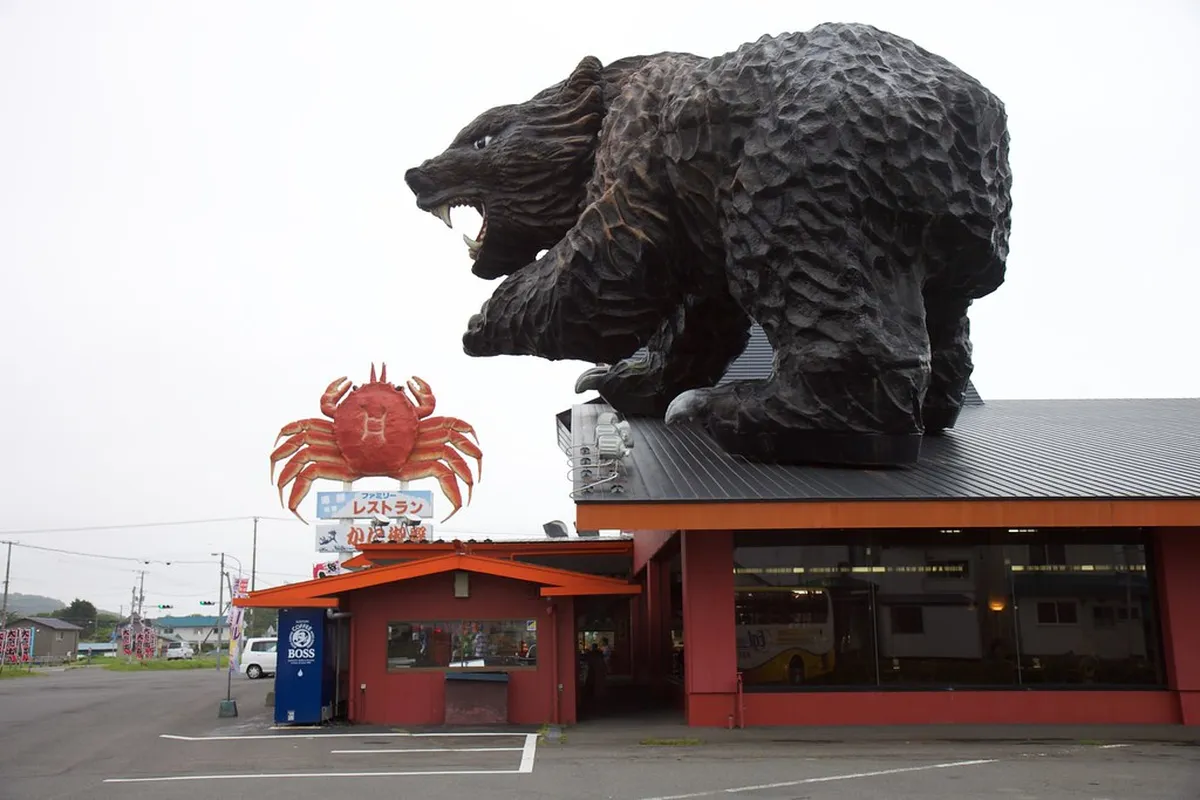
Snow crab, or zuwaigani, has thinner legs and sweeter, more delicate meat. Choose it for sashimi, shabu-shabu, or kani-suki hot pot, where the broth captures its flavor.
Menus at Nijo Market and Susukino crab restaurants may offer both species in tasting courses. Ask whether the listed weight includes the shell and whether the crab is served fresh, chilled, or previously frozen.
- Choose king crab for thick legs, easy handling, and a meatier texture.
- Choose snow crab for sweetness, winter hot pot, and a more delicate meal.
- Choose kegani when rich crab miso and concentrated flavor matter more than leg size.
Check the stated origin before ordering. Hokkaido restaurants also serve imported king crab, while a Japanese name on the menu does not guarantee local catch.
Frequently Asked Questions
When is Hokkaido's winter seafood at its best?
Zuwaigani (snow crab) and kegani (horsehair crab) both peak in the winter months, and Lake Saroma oysters are best from December through January. Cold water raises fat content across the board, which is why winter servings taste richer than the same seafood in summer.
What is the difference between Sapporo, Asahikawa, and Hakodate ramen?
Sapporo ramen uses a thick miso broth with butter and corn. Asahikawa's shoyu broth carries a layer of oil that keeps the soup hot longer. Hakodate's shio ramen is a clear, salt-based broth with a lighter finish.
How cold does it get in Sapporo in winter?
Sapporo's January afternoons typically sit around -1°C (30°F), with overnight lows dropping near -7°C (19°F). Niseko's slopes run colder after dark, often toward -10°C (14°F).
Do you need reservations for crab restaurants during the Sapporo Snow Festival?
Yes. Crab specialty restaurants in Susukino book up quickly during Snow Festival week, so reserve a table a few days ahead rather than walking in.
How do you get around Sapporo without going outside in the cold?
The Chi-Ka-Ho underground walkway links Sapporo Station to the Susukino area over about 1.9km. It is the main route locals use to reach ramen shops and crab restaurants without crossing icy sidewalks.
Why are Niseko's snow potatoes sweeter in winter?
Farmers store harvested potatoes under snow at temperatures just below 0°C (32°F). At that point, the potatoes' enzymes convert starch into sugar, producing a sweeter potato than the same variety stored at room temperature.
Is Hokkaido crowded during the Sapporo Snow Festival?
Yes, Snow Festival week is Hokkaido's busiest winter stretch, and restaurant tables in Susukino go fast. Reserve crab restaurants and popular ramen counters ahead of time, since fish markets also sell out of top-grade cuts earlier than usual.
Free guide: Japan's Hidden Gems
12 under-the-radar places beyond Tokyo & Kyoto — with the best season to visit each and a local tip you won't find in the guidebooks.
You might also like


Continue reading
More guides you'll find useful