Hokkaido Winter Itinerary: How to Plan Your Route and Days
Plan a Hokkaido winter itinerary with day-count options, ski-base comparisons, no-car vs. rental-car logistics, and realistic timing between cities.
On this page
Last updated September 2026, this Hokkaido winter itinerary guide focuses on the route itself, not general winter weather or events. Most trips need five to seven days for a city-and-ski loop, or up to fourteen days for two ski bases. For month-by-month conditions and festival dates, see the Hokkaido winter overview.
How Many Days Do You Need for a Hokkaido Winter Itinerary?
Trip length depends on what the itinerary needs to cover: city sights only, one ski base, or two. A five-day loop covers Sapporo, Otaru, and Niseko for travelers who want both city time and skiing. A seven-day version adds Furano for more resort variety without a second flight or long transfer. Longer trips of ten to fourteen days work best for skiers who want two separate resort bases, such as Niseko or Furano plus Tomamu. According to the official Hokkaido travel guide, the region's winter season runs roughly December through March, which is the window every route below assumes. For a broader, non-winter route through the island, see the year-round Hokkaido itinerary. For help picking the best weeks within that window, check the best time to visit Hokkaido. For a fuller list of sights to weave into any of these routes, see the Hokkaido attractions guide.
Choose Your Route: Short, Mid, or Long Trip
Three route shapes cover most Hokkaido winter trips, and each trades time for depth. Each tier below assumes the same Sapporo-anchored start and end, since New Chitose Airport connects to the city by train in about 35 minutes. Month-specific planning details live on three separate guides. December conditions and early-season crowds are covered in the December Hokkaido guide. January's coldest stretch and New Year crowds get their own page in the January Hokkaido guide. February, the Snow Festival month, has its own breakdown in the February Hokkaido guide.
- Short (5-7 days): Sapporo-based, with day trips to Otaru and optionally one ski base added on the seven-day version. Best for first-timers and non-skiers who still want a taste of the slopes.
- Mid (8-10 days): Sapporo plus one full ski base, usually Niseko, Furano, or Tomamu, with two to four full ski days. Best for a single-resort ski trip without rushing the transfers.
- Long (12-14 days): Sapporo plus two ski bases, for example Niseko or Furano combined with Tomamu, for six or more full ski days. Best for dedicated skiers who want two distinct resort experiences in one trip.
Season Comparison: December Through March in Hokkaido
Winter in Hokkaido changes noticeably by month, which affects both crowds and cost. The Sapporo Snow Festival's official site lists the event in the first week of February most years, which is when Sapporo hotel rates climb the most. Outside that week, December and March offer a calmer, less expensive version of the same route. This snapshot exists to support route decisions; day-level detail on weather and crowds sits on the month guides linked above.
February's Snow Festival peak adds costs—Sapporo hotel rates climb, and Niseko's family meals run ¥9,000—while December and March offer the same routes at lower prices.
| Month | Typical Daytime High | Typical Overnight Low | Conditions |
|---|---|---|---|
| December | -1°C (30°F) | -7°C (19°F) | Snow builds through the month; lighter crowds than February |
| January | -3°C (27°F) | -9°C (16°F) | Coldest month on average; deep base for skiing, New Year crowds early on |
| February | -2°C (28°F) | -8°C (18°F) | Peak season; Sapporo Snow Festival draws the heaviest crowds and highest rates |
| March | 3°C (37°F) | -3°C (27°F) | Milder and less crowded; ski season winds down by late month |
5-Day Hokkaido Winter Itinerary: Sapporo, Otaru, and Niseko
This route suits travelers who want city time, one classic day trip, and two or three days of skiing without adding a second resort town.
- Day 1: Fly into New Chitose Airport and take the train to Sapporo, a roughly 35-minute ride into Hokkaido's capital, home to close to 2 million residents. Settle in and try butter miso ramen, a Sapporo specialty covered in the Hokkaido winter cuisine guide.
- Day 2: Spend the day in central Sapporo. In February, center the day on the Sapporo Snow Festival guide in Odori Park. In other months, prioritize the Susukino district instead.
- Day 3: Take the train to Otaru, about 30 minutes from Sapporo, for canal walks, glass workshops, and fresh seafood. In winter evenings, especially during its dedicated light event, the canal path stays lit after dark. Check the Otaru Snow Light Path guide for exact dates. Seafood here draws on the same catch calendar covered in the Hokkaido seafood season guide.
- Day 4: Travel from Sapporo to Niseko, a trip of around 3 hours on JR lines with a transfer, then use the afternoon for a first run or gear pickup. Trains on this route do not run frequently, so build in buffer time for weather delays.
- Day 5: Ski a full day at Niseko, then head back toward New Chitose Airport for a departure the following morning if needed.
7-Day Hokkaido Winter Itinerary: Adding Furano
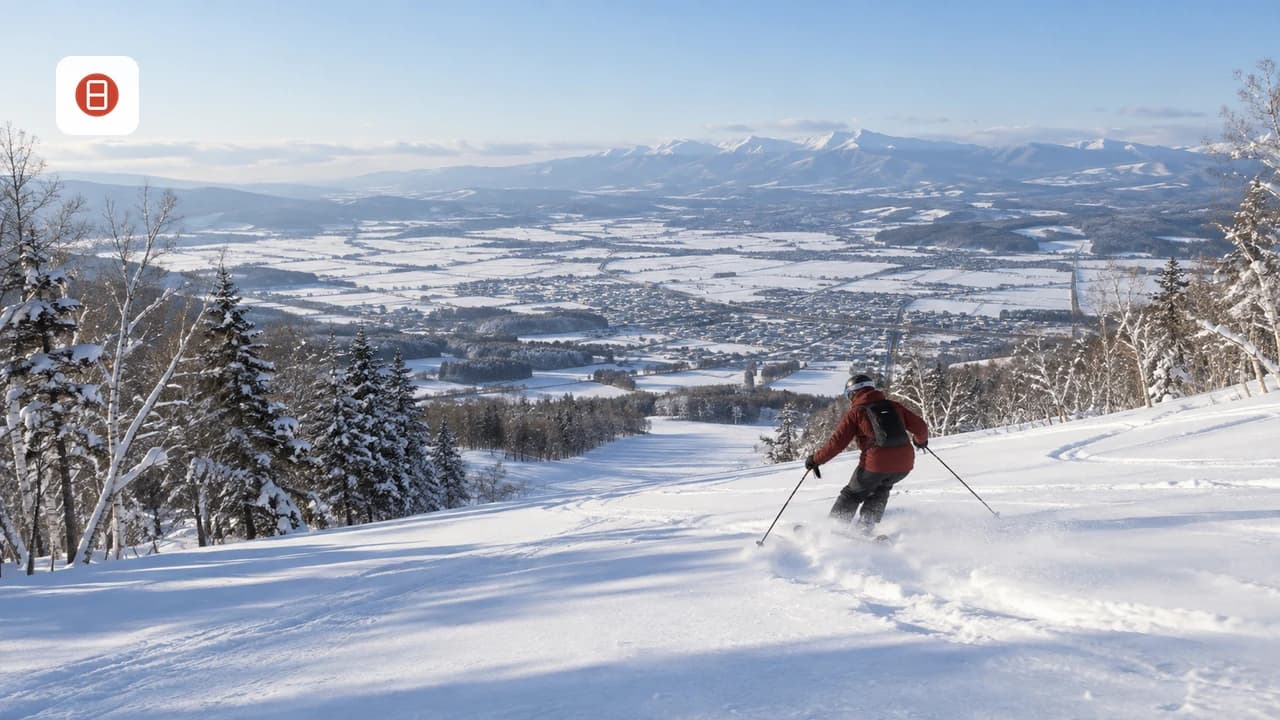
Extending the same loop by two days makes room for Furano, a central Hokkaido ski town with a lower-key, more local feel than Niseko. Furano's terrain sits apart from Niseko's entirely, with its own pace and fewer overseas visitors.
- Days 1-5: Follow the same Sapporo, Otaru, and Niseko sequence described above.
- Day 6: Transfer from Niseko toward Furano, allowing a full travel day since the route runs back through Sapporo or Asahikawa rather than directly. Break up the trip with a stop at the Asahiyama Zoo in winter near Asahikawa before continuing to Furano.
- Day 7: Ski or snowshoe around Furano, then head back toward New Chitose Airport the following morning. For lodging picks and terrain notes, see the Furano in winter guide.
Longer Trips: Stretching to 10-14 Days With a Second Ski Base
Travelers with more time can turn either route above into a genuine two-resort ski trip. Add Tomamu, reached from Sapporo in about 1.5 hours on the Ozora line plus a short bus transfer, as a second base after Niseko or Furano. Tomamu's terrain and facilities read as calmer and more family-oriented than Niseko's, with wider beginner runs by most travelers' accounts. Travelers who want more city variety instead of a second ski base can swap in Hakodate, about 5 hours from Sapporo by train. Hakodate also has one of Japan's larger fish markets, and its star-shaped moat area is better known as a cherry-blossom-season draw than a winter one. See the Hakodate in winter guide for what the city adds to a longer trip. This length only makes sense for travelers who genuinely want two full ski weeks; otherwise, the five- or seven-day loop covers the highlights more efficiently.
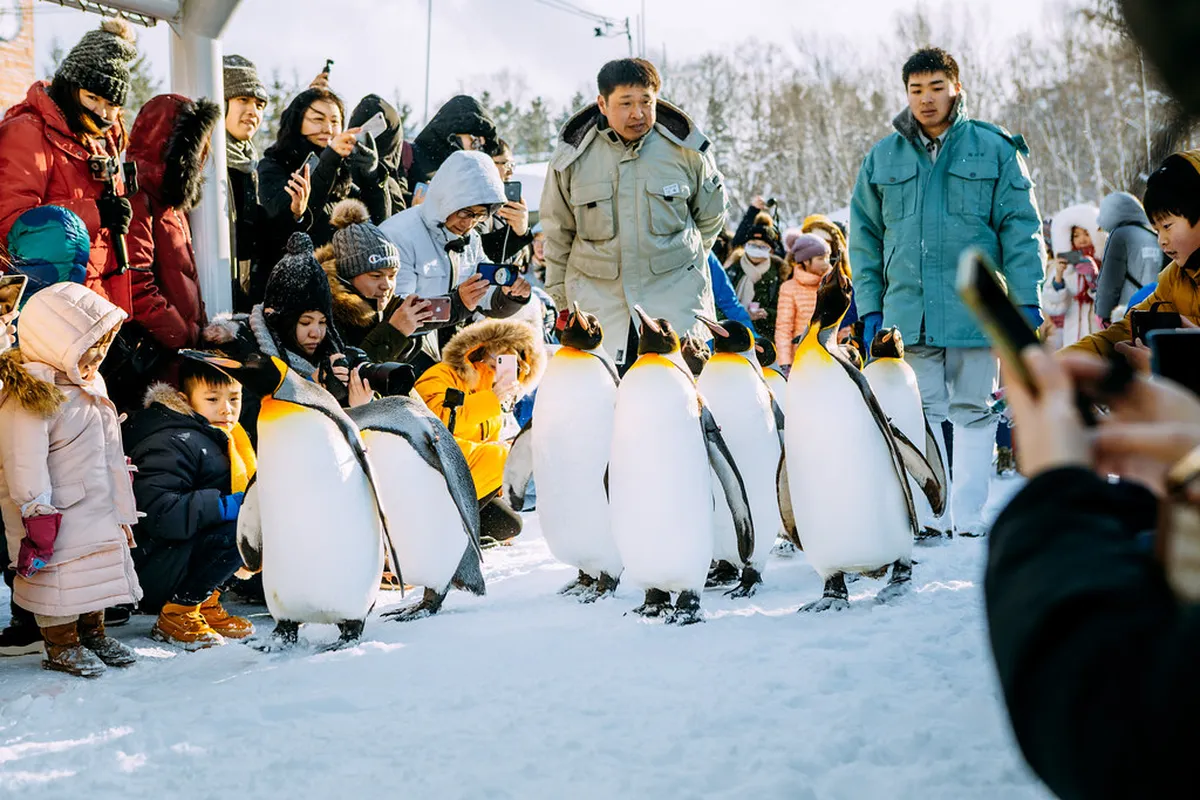
Choosing a Ski Base: Niseko vs Furano vs Tomamu
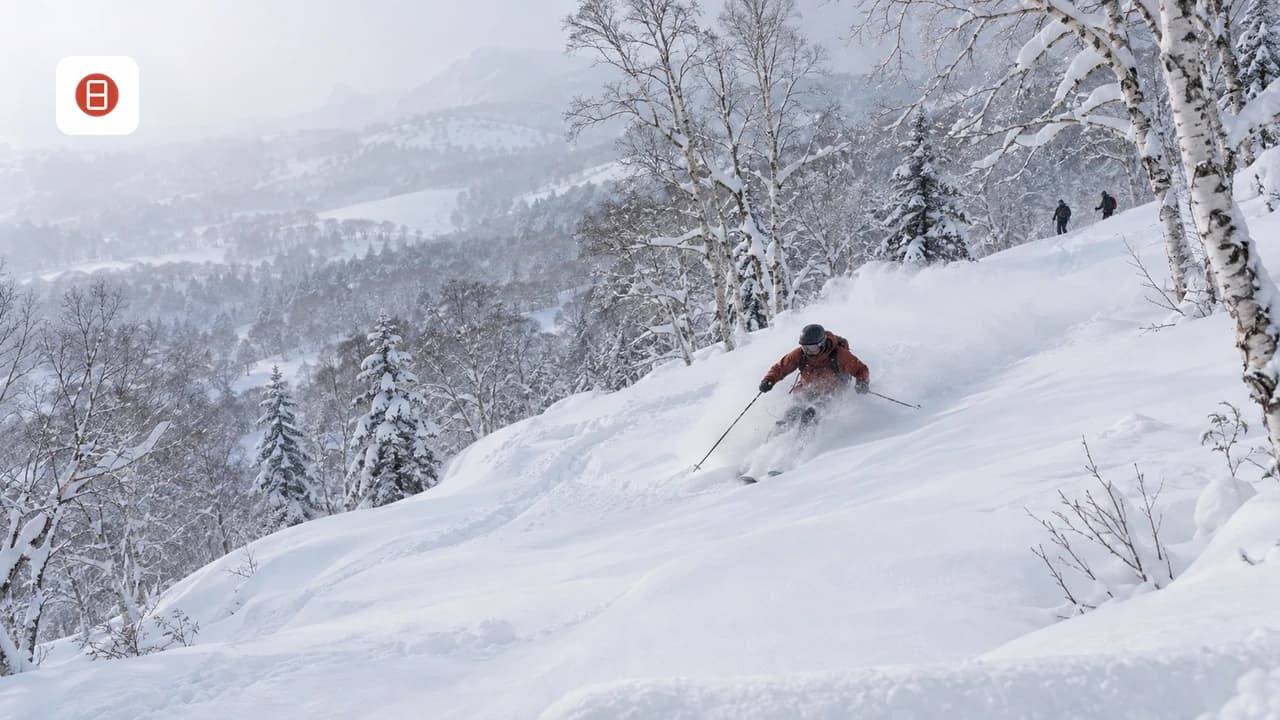
Each resort area fits a different kind of trip, and none of them is a universal best choice. Niseko's four interconnected ski fields, Annupuri, Niseko Village, Grand Hirafu, and Hanazono, give it the widest single-resort terrain of the three. Crowd levels and price tiers vary just as much as terrain does between the three areas.
| Resort | Distance/Transit | Typical Crowd | Price Tier | Best For |
|---|---|---|---|---|
| Niseko | About 3 hours from Sapporo or New Chitose Airport by train | Busy, heavily marketed to overseas skiers | Higher — family lunches in the village have run close to ¥9,000 | Advanced skiers who want the biggest international ski scene |
| Furano | Central Hokkaido, reached via Asahikawa | Lower-key, more local visitors than Niseko | Moderate | Families and travelers who want a quieter resort town |
| Tomamu | About 1.5 hours from Sapporo on the Ozora line plus a short bus transfer | Calmer than Niseko, family-oriented | On-site ski gear rental has run around ¥3,500 per person per day | Beginners and families who want wide, easy runs |
Getting Around Hokkaido in Winter: No Car vs Rental Car
Most of the routes above work entirely without a car, using JR Hokkaido trains and resort shuttle buses. Trains between Niseko and Sapporo do not run frequently, and winter weather adds delays, so no-car travelers should avoid scheduling anything tight on transfer days. A rental car changes the calculus mainly for onsen day trips and travelers who want flexibility beyond fixed train and bus schedules. Winter driving in Hokkaido requires snow tires and experience with icy roads, so a car is not the default recommendation for first-time visitors. Winter storms can also delay flights into New Chitose Airport, so no-car itineraries benefit from at least one buffer day in the schedule. For flight options and first-leg arrival logistics, see the guide to getting to Hokkaido.
Where to Base Yourself: City vs Resort Town
Basing in Sapporo keeps costs lower and adds flexibility. Otaru is about 30 minutes away by train, and Noboribetsu is roughly 1 hour 40 minutes, both manageable as single-day trips. Basing in a resort town instead cuts the daily commute to the lift line to a walk or short shuttle ride, at the cost of paying resort-town prices for food and lodging every night. A hybrid trip, city nights bookended around a resort stay, is what both sample itineraries above are built around. Travelers who want a soak between ski days should route it through Noboribetsu or another onsen town, ideally on a day already set aside as a rest day from skiing. City bases also put a wider range of restaurants and late-evening options within walking distance, which resort towns rarely match outside their own hotel strips.
Sapporo's day-trip radius spans just 1 hour 40 minutes; Niseko is around 3 hours away by transfer, so no-car travelers should anchor longer trips to the city.
Budgeting and Booking Lead Time
Prices vary by season and by whether the base is a city hotel or a resort property, but rough patterns hold. Food and rental costs in busier resort towns run higher than in Sapporo. A simple lunch for a family in Niseko's village has cost close to ¥9,000. On-site ski gear rental in Tomamu has run around ¥3,500 per person per day. Rooms at popular ski-in-ski-out properties sell out well ahead of the season. Travelers who book around eight months out have still found only limited availability at some hotels, so booking closer to twelve months ahead gives more room-type choice and typically a better rate. Peak-week Sapporo hotel rates during the Snow Festival's first week of February run noticeably higher than the same nights in early December or late March. Flights into New Chitose Airport and JR train tickets make up the rest of a typical budget, and both are worth comparing before the peak-week rush.
Mistakes to Avoid When Planning a Hokkaido Winter Itinerary
A few planning mistakes show up repeatedly in traveler reports and are easy to avoid with a bit of lead time.
- Booking ski-in-ski-out rooms less than six months out, when the best-located properties are often already gone for peak weeks.
- Scheduling a tight connection on a transfer day between Niseko, Sapporo, or Furano, when trains run infrequently and winter weather adds delays.
- Skipping snow boots for city sidewalks, which stay packed with compacted snow and ice well outside the ski resorts.
- Assuming Niseko is the only ski option, when Furano and Tomamu both suit travelers who want a calmer, less internationally-marketed resort town.
- Treating Hakodate or Shiretoko National Park, a UNESCO World Heritage Site, as day trips from Sapporo, when both sit far enough away to need dedicated overnight time.
Add Biei and Asahikawa for a Non-Ski Winter Route
Travelers who prefer winter scenery to ski days can replace Niseko with an overnight around Asahikawa and Biei. This works especially well on a six- or seven-day route from Sapporo. Biei is not a practical day trip from Sapporo in winter, so allow at least one night in Asahikawa or Furano.
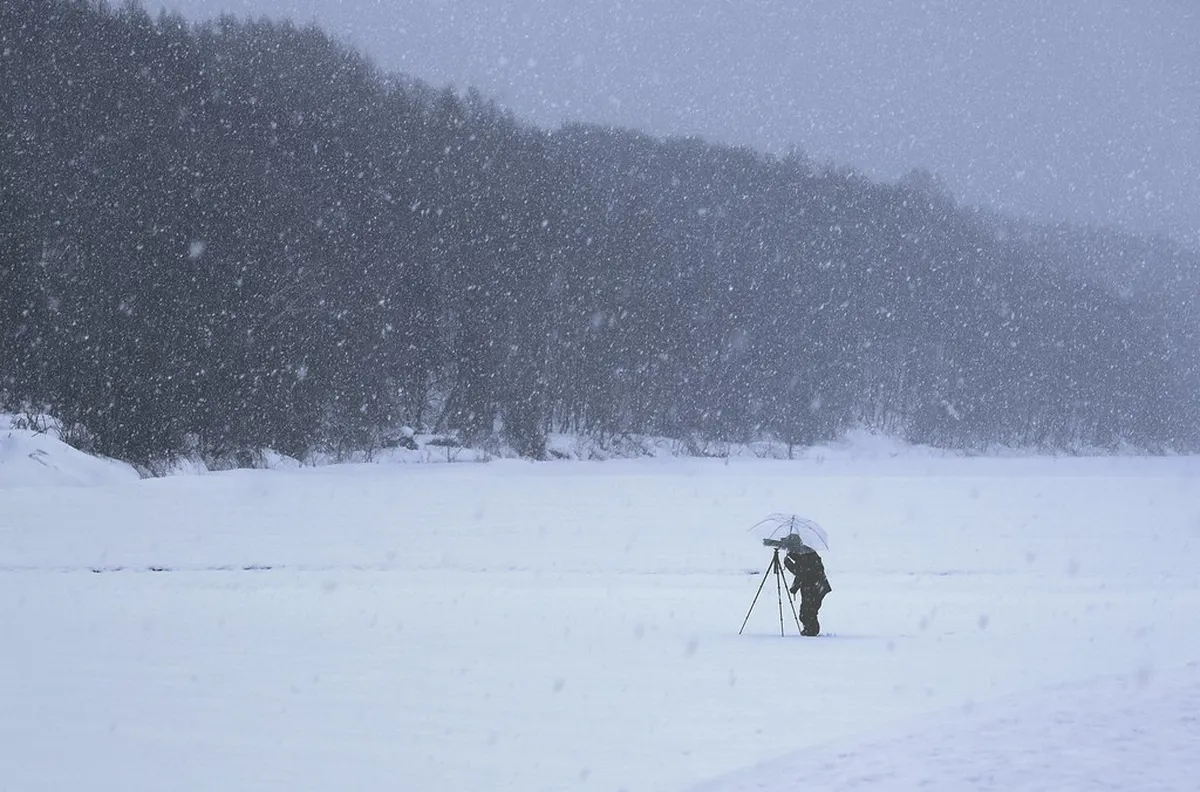
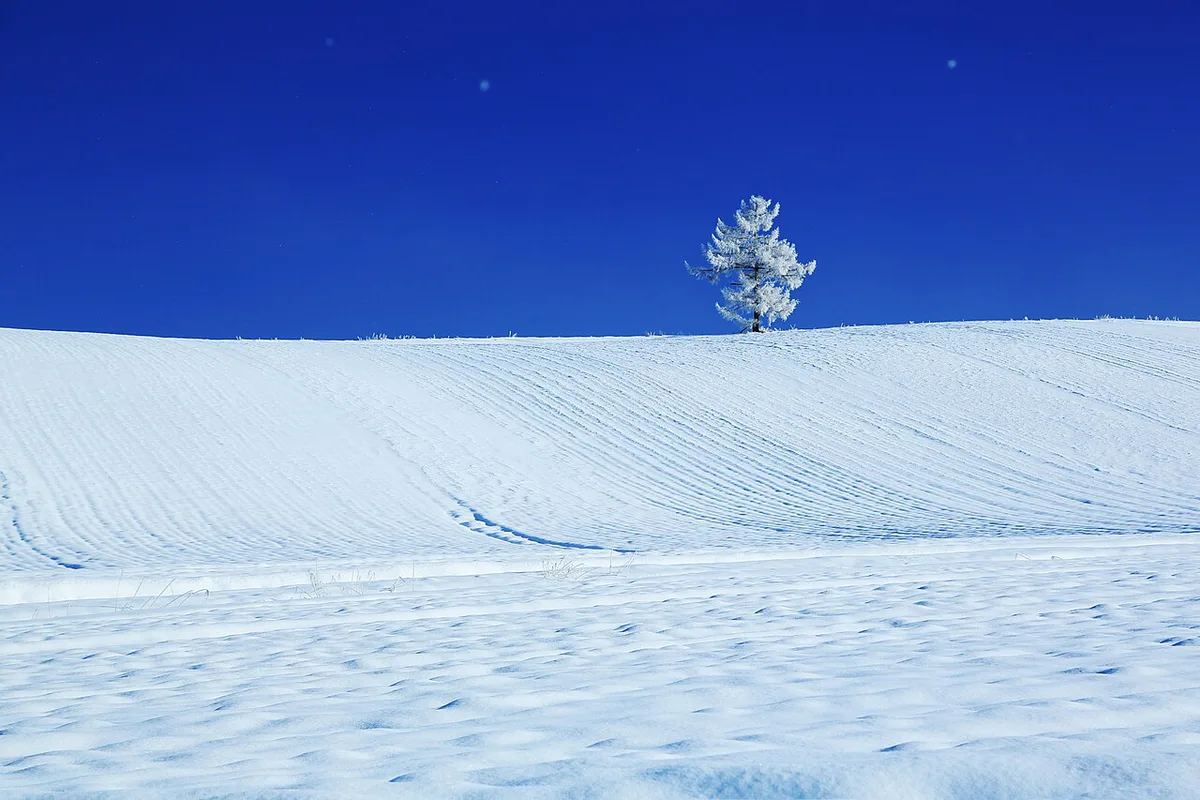
Use Asahikawa as the transport base, then check local road and bus conditions before heading into Biei. Snow-covered fields, the Blue Pond area, and the Shirahige Falls area are more rewarding with time to spare. Conditions can limit access or change the appearance of outdoor sites.
- Day 1–3: Sapporo and an Otaru day trip
- Day 4: Travel to Asahikawa; visit Asahiyama Zoo if its winter program is operating
- Day 5: Biei scenery day, with a flexible return plan
- Day 6: Return to Sapporo or continue to Furano for a resort stay
This variation avoids resort lodging costs while keeping the itinerary focused on winter landscapes and manageable rail connections.
Frequently Asked Questions
How many days do you need for a Hokkaido winter itinerary?
Most travelers need five to seven days for a Sapporo-based loop that includes Otaru and one ski base. Travelers who want two full ski resorts, or more time in each place, should plan for ten to fourteen days instead.
Is it possible to do a Hokkaido winter trip without a car?
Yes, JR Hokkaido trains and resort shuttle buses cover every leg in the routes above, including Sapporo, Otaru, Niseko, Furano, and Tomamu. Trains run infrequently between some towns, so build buffer time into transfer days rather than scheduling anything tight.
Which is better for skiing: Niseko, Furano, or Tomamu?
Niseko has the widest terrain across its four interconnected ski fields, but it is also the busiest and most expensive of the three. Furano offers a quieter, more local-feeling resort town in central Hokkaido. Tomamu tends to suit beginners and families best, with wider, calmer runs than Niseko.
How far in advance should you book a Hokkaido winter trip?
Book ski-in-ski-out rooms and peak-week Sapporo hotels eight to twelve months ahead for the best selection. Some properties have shown only limited availability even at eight months out, so twelve months gives more room-type choice and typically a better rate.
What's the best base city for a first Hokkaido winter itinerary?
Sapporo is the strongest first-timer base, since New Chitose Airport connects to it by train in about 35 minutes. From there, Otaru is a 30-minute day trip and Niseko is reachable in around 3 hours for a ski add-on.
Free guide: Japan's Hidden Gems
12 under-the-radar places beyond Tokyo & Kyoto — with the best season to visit each and a local tip you won't find in the guidebooks.
You might also like


Continue reading
More guides you'll find useful