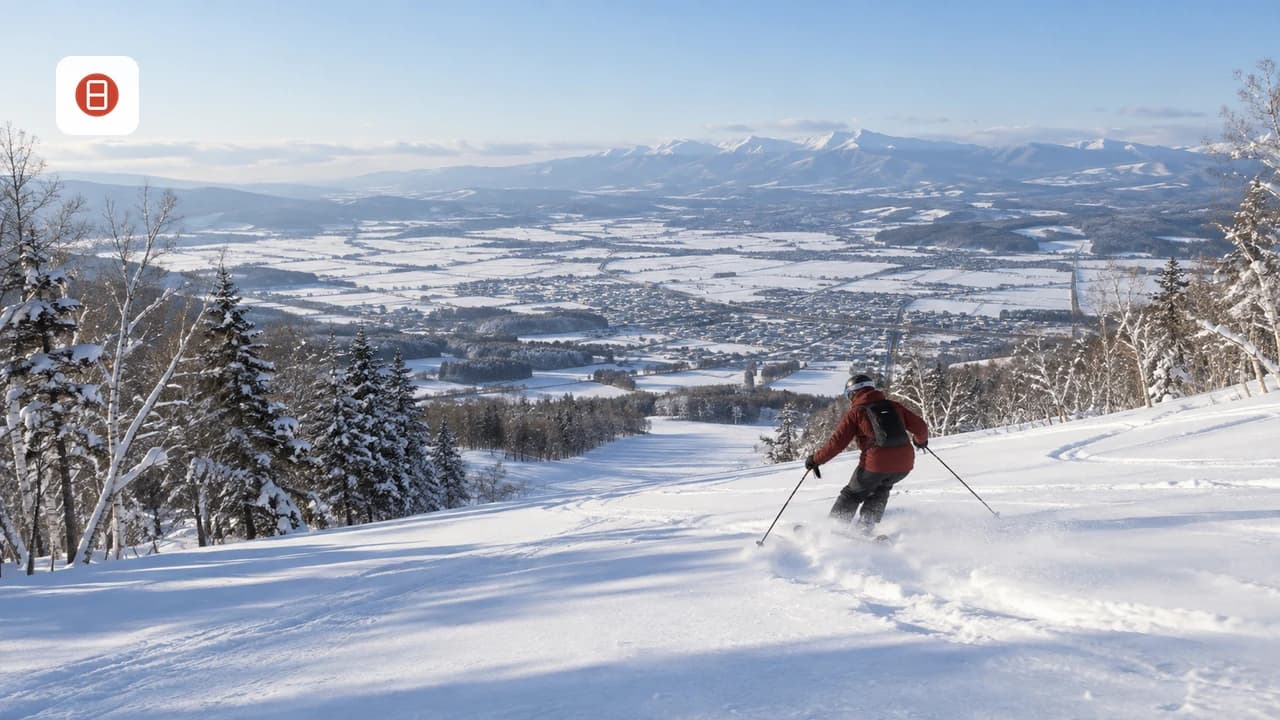
Hokkaido in February: Weather, Snow Festival Timing & Travel Guide
Plan Hokkaido in February — Sapporo Snow Festival timing, how it compares to December and January, costs, logistics, and mistakes to avoid.
On this page
Last updated September 2026, Hokkaido in February delivers Japan's coldest, snowiest, festival-packed month, anchored by the week-long Sapporo Snow Festival. February sits between January's quieter post-holiday lull and March's thaw, which makes timing the deciding factor for this trip. This guide compares February against the neighboring months, then covers costs, logistics, and common mistakes.
Quick Verdict: Is February a Good Time to Visit Hokkaido?
Yes — for travelers chasing Hokkaido's festival season and its deepest snow, February is the strongest month of the winter. Two events define Hokkaido in February: the week-long Sapporo Snow Festival and Otaru's Snow Light Path Festival, layered on top of the season's heaviest snow cover. According to Hokkaido's official travel guide, the region carries Japan's heaviest winter snowfall, part of why these festivals concentrate here rather than farther south. It runs colder and snowier than Hokkaido in December: What's Actually Open, Costs, and How to Plan. Crowds run bigger and rates higher than during Hokkaido in January: Weather, Snow, and What to Expect's quieter post-New-Year weeks. February suits festival-chasers, snow-sport travelers, and photographers chasing sculpture lighting and lantern displays. Travelers who prefer milder crowds and lower lodging rates may prefer January's calmer weeks instead, or check the complete season trade-off in the Hokkaido winter guide.
Hokkaido in February vs. December, January, and March
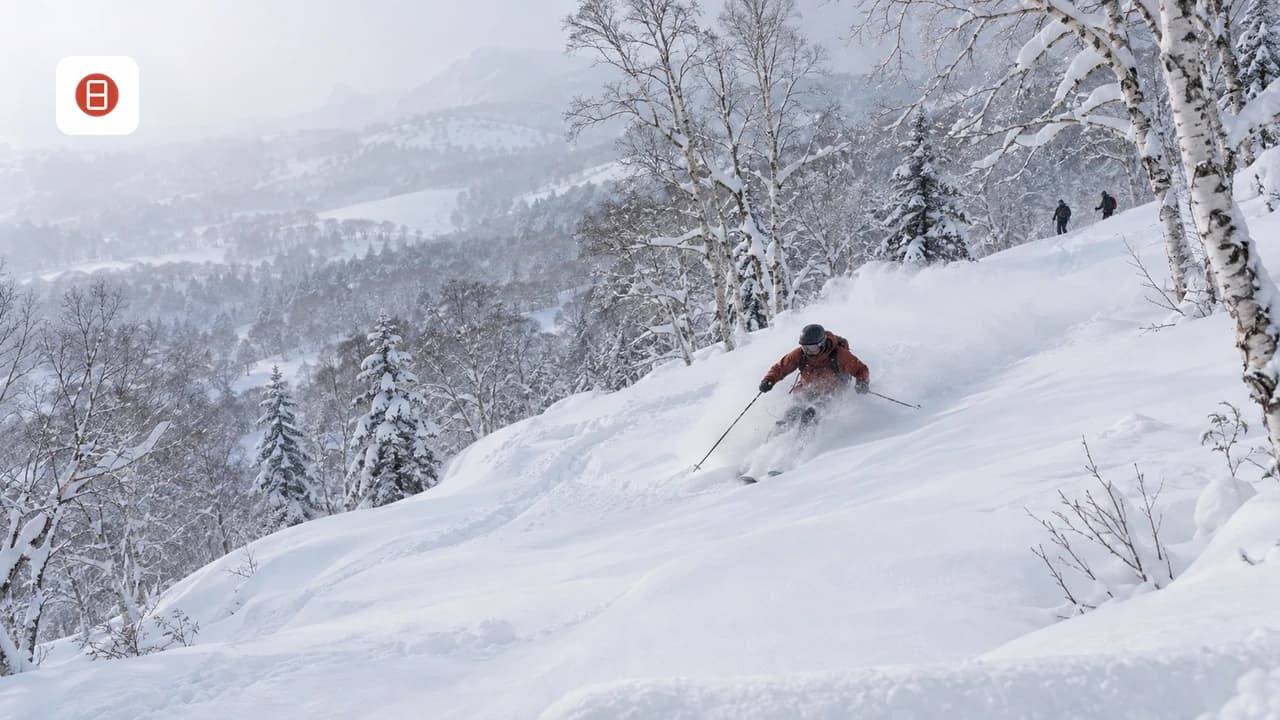
Hokkaido's winter runs across four months, December through March, and each one carries a different trade-off. December is the coldest entry point as snow cover builds, covered in full in Hokkaido in December: What's Actually Open, Costs, and How to Plan. January is generally the calmest month once New Year's crowds clear, per Hokkaido in January: Weather, Snow, and What to Expect. February brings the deepest snowpack of the season alongside the region's two headline festivals, and March starts to thaw. Travelers choosing between February and March should weigh festival access against milder, less crowded conditions later in the season. For a fuller month-by-month breakdown across the whole year, see the best time to visit Hokkaido.
| Month | Weather Trend | Snow & Crowds | Festival Calendar | Relative Cost |
|---|---|---|---|---|
| December | Winter arrives; snow cover builds through the month | Building snowpack, moderate crowds around Christmas and New Year | Illuminations begin; no major snow festival yet | Moderate, rising toward New Year |
| January | Coldest air of the season, consistent powder | Quieter once New Year's crowds clear | Low-key month between the holidays and February's festivals | Lower — the season's calmer window |
| February | Coldest month overall with the deepest snowpack | Peak crowds during festival week | Sapporo Snow Festival and Otaru Snow Light Path Festival | Highest — book lodging and trains early |
| March | Temperatures start to climb; snow begins to soften | Crowds ease as festivals end | Festival season winds down | Moderate, easing as the month progresses |
Best Things to Do in Hokkaido in February
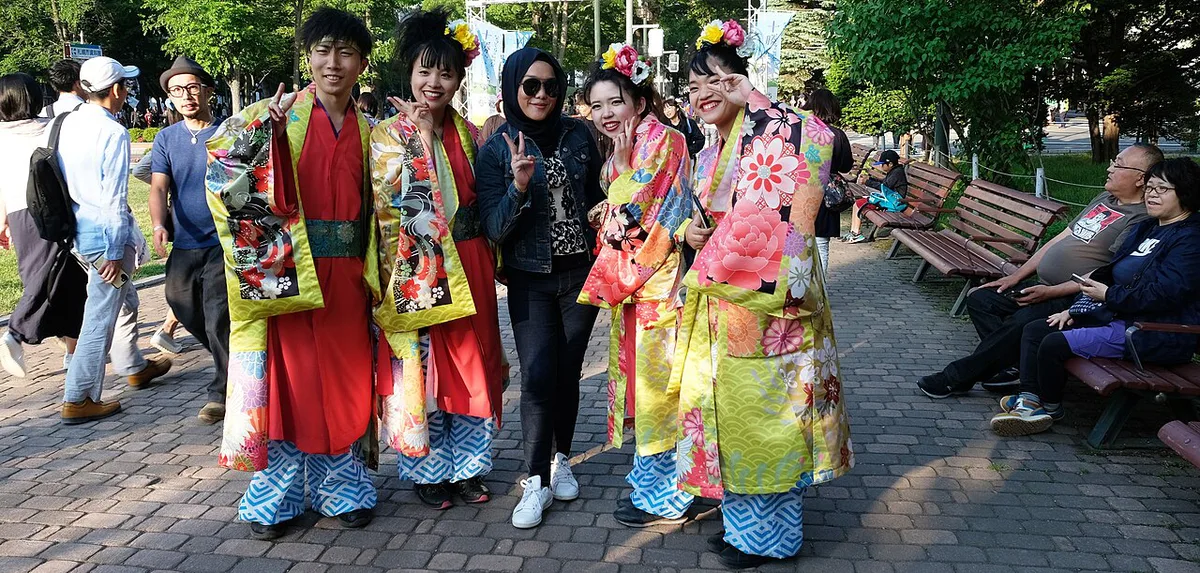
The Sapporo Snow Festival, or Yuki Matsuri, is Hokkaido's biggest February draw. It fills Odori Park, Susukino, and the Tsudome site with large-scale snow and ice sculptures for about a week each year. Beyond the sculptures, the festival grounds also host ice-carving demonstrations, athletic competitions, live music, and food stalls throughout the week. Exact dates shift annually, so confirm the current schedule through the Sapporo Snow Festival's official site before booking flights. For a full sculpture map, judging schedule, and venue-by-venue breakdown, see the dedicated Sapporo Snow Festival guide.
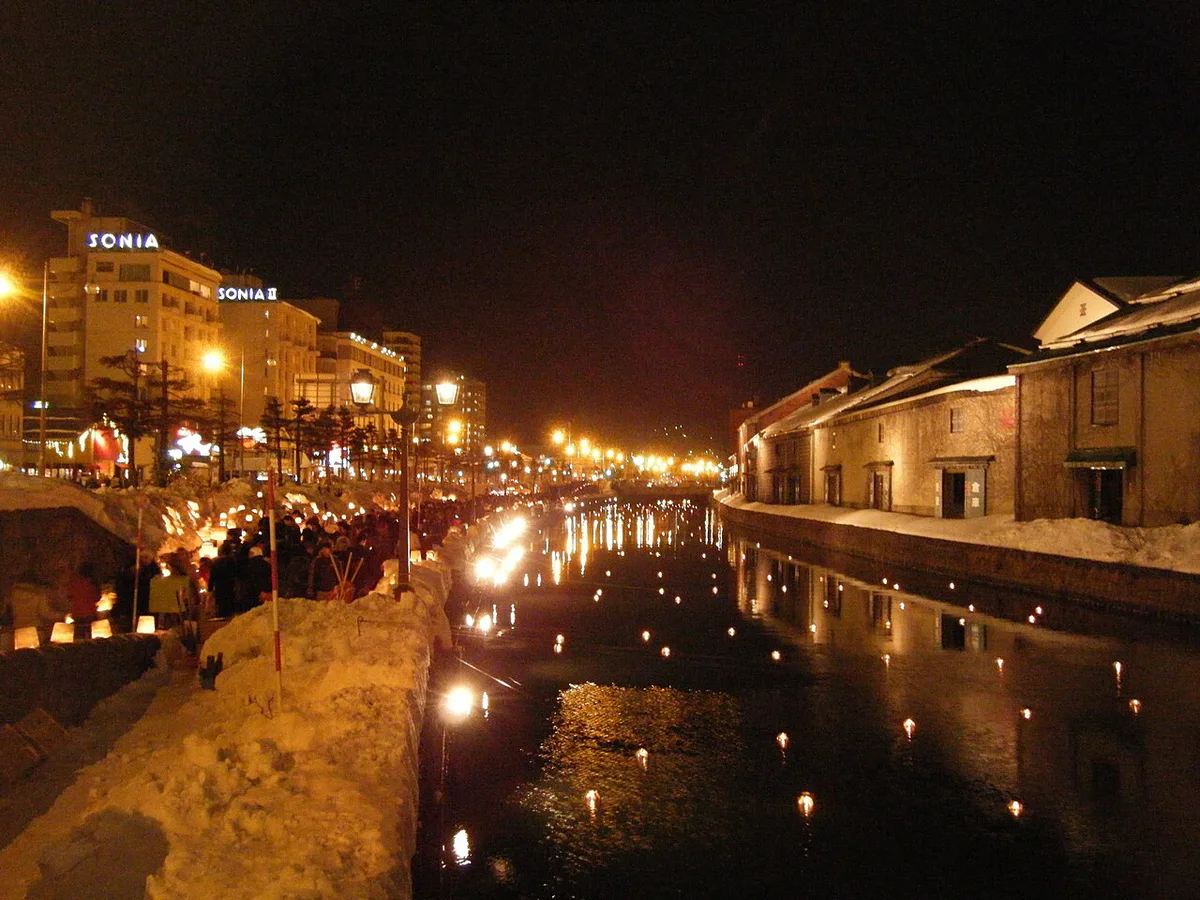
Otaru runs its own Snow Light Path Festival in the same window, lining the historic canal and Otaru Art Base backstreets with candlelit snow lanterns. The nightly lantern displays typically run along the Otaru Canal and through the historic Sakai-machi Street district in central Otaru. It typically overlaps with the Sapporo festival, so pairing both events in one trip is straightforward given Otaru's short rail link to Sapporo. Full route maps and lantern-lighting hours are in the Otaru Snow Light Path Festival Guide: Venues, Timing, and Local Tips.
Further east on the Tokachi coast, the JEWELRY ICE phenomenon forms when ice chunks from the Tokachi River wash onto the Otsu shoreline and get polished smooth by the surf. According to Japan's official tourism guide, it's typically visible from mid-January to late February, depending on that year's weather. That makes February a reliable but not guaranteed window to catch it.
Asahiyama Zoo stays open through the winter, and outdoor animal areas are part of the draw even in February cold. See Asahiyama Zoo in winter for current hours and access from Asahikawa. Furano's snow season pairs well with a Sapporo Snow Festival trip when time allows. Details are in the Furano in winter guide. Hakodate's winter port views and cable-car sightline make it a longer add-on rather than a day trip. Check Hakodate In Winter Travel Guide before planning that leg.
February also sits deep in Hokkaido's cold-season seafood and comfort-food calendar, and both are worth building meals around. The Hokkaido winter cuisine guide covers soup curry, Genghis Khan grills, and butter-corn ramen. Crab, uni, and other February catches are mapped out in the Hokkaido seafood season calendar. Beyond the festival circuit, the broader Hokkaido attractions guide rounds out sights that stay open regardless of season.
Weather, What to Pack, and Daylight in Hokkaido in February
February is Hokkaido's coldest month, with hard-packed snow and ice underfoot across sidewalks in Sapporo, Otaru, and every other city on this itinerary. Dress in layers rather than one heavy coat, since indoor spaces run warm and outdoor sculpture-viewing runs well below freezing. Train station platforms are typically unheated beyond the ticket gates, so a short wait can turn cold fast. Specific sunrise and sunset times shift each winter, so check a current daylight almanac before planning early starts for sculpture photography or day trips. The packing list below covers footwear, layering, and cold-platform essentials specific to a February trip. For a full month-by-month temperature and packing comparison across the season, see the Hokkaido winter guide.
- Waterproof, insulated snow boots with real tread — fashion boots and thin-soled sneakers are a fall risk on packed sidewalk snow
- A layered system: a moisture-wicking base, an insulated mid layer, and a waterproof, wind-blocking outer shell
- Hand and toe warmers for outdoor festival viewing and unheated train platforms
- Sunglasses or snow goggles for glare off snow and ice sculptures
- A daypack that keeps gloves free for icy stairs and railings, including at trails like Jigokudani near Noboribetsu
Costs, Crowds, and Booking Lead Time During Festival Week
Sapporo Snow Festival week is Hokkaido's highest-demand week of the winter. Hotel rates and train seats around Sapporo tighten well before the festival opens, and rooms in Noboribetsu fill early too. International flights into New Chitose Airport also see heavier demand around the festival window, so lock in air travel alongside lodging. Viewing the main sculpture displays across Odori Park, Susukino, and the Tsudome site costs nothing. Sapporo TV Tower's observation deck runs under ¥1,000 for an adult ticket, which gives a sense of the price range to budget around festival week. Book lodging and any Sapporo-Otaru or Sapporo-Noboribetsu train segments at least a few weeks ahead of festival week, since rooms near Odori Park sell out first. Traveling a quieter February week away from the festival dates trades the sculptures and lantern displays for easier last-minute booking and calmer trains.
| Factor | Festival Week (dates vary by year) | A Quieter February Week |
|---|---|---|
| Lodging | Books up first, especially near Odori Park | Easier to book close to your travel dates |
| Trains | Sapporo-Otaru and Sapporo-Noboribetsu segments fill faster | Seats generally available with normal lead time |
| Sights | Snow sculptures, ice carving, and Otaru's lantern displays running | Same winter scenery and onsen, without the festival crowds |
| Overall cost | Highest of the winter season | Lower than festival-week rates |
- Sapporo TV Tower observation deck: about ¥720 for adults, ¥100 to ¥600 for children (confirm the current rate before visiting)
- Onsen Tengoku day pass in Noboribetsu: around ¥2,000 for adults, ¥1,000 for children (confirm the current rate before visiting)
Where to Stay and How to Get Around in Hokkaido in February
Basing in Sapporo is the practical choice for a February trip, since it puts the festival grounds, transit connections, and day trips within easy reach. From New Chitose Airport, a train reaches central Sapporo in about 35 minutes. Full route and transfer details are in the getting to Hokkaido guide. Susukino, Sapporo's dining and nightlife district, is reachable on foot or by a short subway ride from most central Sapporo hotels, and it doubles as one of the Snow Festival's venues alongside Odori Park and the Tsudome site. Ramen Alley, a narrow row of ramen counters inside Susukino, is a reliable stop for Sapporo's butter-and-corn miso ramen style on a cold February night. Otaru makes an easy half-day or full-day trip, roughly 30 minutes from Sapporo by train. That's close enough to pair with the Snow Light Path Festival on the same evening as the Sapporo festival grounds. Noboribetsu Onsen is home to the Jigokudani, or Hell Valley, hiking trail and several hot-spring bathhouses. It sits farther out, roughly an hour and 40 minutes from Sapporo by train and bus, so plan it as a dedicated day trip or an overnight rather than an add-on. The 10 Best Hokkaido Onsen Resorts to Visit (2026 Guide) covers etiquette, tattoo policies, and which towns suit a February soak best.
Mistakes to Avoid in Hokkaido in February
Planning mistakes for first-time February visitors show up again and again. Avoiding them mostly means confirming details early rather than assuming a previous year's trip repeats exactly.
- Assuming last year's Sapporo Snow Festival or Otaru Snow Light Path Festival dates repeat — both shift annually, so confirm before booking flights
- Underestimating packed-snow and ice sidewalks — fashion boots without real tread are a fall risk in every city on this itinerary
- Booking festival-week lodging late — rooms near Odori Park and Susukino sell out first
- Skipping layers for indoor-outdoor temperature swings — heated interiors sit right next to open-air sculpture viewing
- Forgetting that train platforms are typically unheated beyond the ticket gates — pack hand warmers for waits
- Booking rigid, non-changeable train tickets during festival week, when Sapporo-bound trains are hardest to rebook on short notice
Sample February Itinerary Snapshot
A short February trip works best anchored on Sapporo, with day trips layered around the festival schedule. A 3-day trip covers the Sapporo Snow Festival grounds, one Otaru day trip for the Snow Light Path Festival, and a Sapporo city day for ramen, the TV Tower, and local museums. A 5- to 7-day trip adds Noboribetsu Onsen plus either Asahiyama Zoo or Furano as a longer rail day trip. Either length can layer in the JEWELRY ICE viewing window on the Tokachi coast as an extra long day trip from Sapporo, weather permitting. For a complete day-by-day version with transit legs and timing, see the Hokkaido Winter Itinerary: How to Plan Your Route and Days. For trip-length options beyond winter, the Hokkaido itinerary guide covers year-round planning.
Noboribetsu is roughly an hour and 40 minutes from Sapporo, which is why the 5-7 day itinerary recommends it as an overnight stay rather than a quick day trip.
- 3 days: Sapporo Snow Festival grounds, an Otaru day trip, and a Sapporo city day
- 5-7 days: add Noboribetsu Onsen plus Asahiyama Zoo or Furano as a rail day trip
Frequently Asked Questions
Is February a good time to visit Hokkaido?
Yes, for travelers prioritizing festivals and heavy snow. February combines the Sapporo Snow Festival, the Otaru Snow Light Path Festival, and the season's deepest snowpack, though it's also the coldest and most crowded month of winter. Travelers who prefer lighter crowds and lower costs should compare the quieter window covered in Hokkaido in January: Weather, Snow, and What to Expect.
Is Hokkaido colder in January or February?
February typically runs as cold as or colder than January, with the season's deepest snow cover. Hokkaido in January: Weather, Snow, and What to Expect is generally the calmer month for crowds, since it falls between New Year's travel and February's festival rush.
How crowded and expensive is Hokkaido during the Sapporo Snow Festival?
Festival week is Hokkaido's busiest and priciest week of the winter. Hotel rooms near Odori Park and Susukino, plus Sapporo-Otaru and Sapporo-Noboribetsu train seats, book up first. Reserve lodging and key train segments several weeks ahead if your dates land during festival week.
How many days do you need in Hokkaido in February?
Three days covers the Sapporo Snow Festival grounds plus a single Otaru day trip. Five to seven days allows time for Noboribetsu Onsen and either Asahiyama Zoo or Furano, following the snapshot in the Hokkaido Winter Itinerary: How to Plan Your Route and Days.
What should you pack for Hokkaido in February?
Pack waterproof, insulated snow boots with real tread. Add a layered system: a moisture-wicking base, an insulated mid layer, and a wind-blocking waterproof shell. Bring hand warmers for outdoor festival viewing and unheated train platforms, plus sunglasses for glare off snow and ice sculptures.
What mistakes should first-time visitors avoid in Hokkaido in February?
The most common mistake is assuming festival dates repeat from a prior year. Both the Sapporo Snow Festival and the Otaru Snow Light Path Festival shift annually, so confirm current dates before booking flights or lodging. The second common mistake is underestimating packed-snow sidewalks, where fashion boots without real tread are a fall risk in every city on this itinerary.
Free guide: Japan's Hidden Gems
12 under-the-radar places beyond Tokyo & Kyoto — with the best season to visit each and a local tip you won't find in the guidebooks.
You might also like


Continue reading
More guides you'll find useful