Otaru Events Calendar: A Month-by-Month Guide to Festivals
An Otaru events calendar covering the Snow Light Path, Ushio Matsuri, and Tanabata Festival month by month, with dates, admission, and travel tips.
On this page
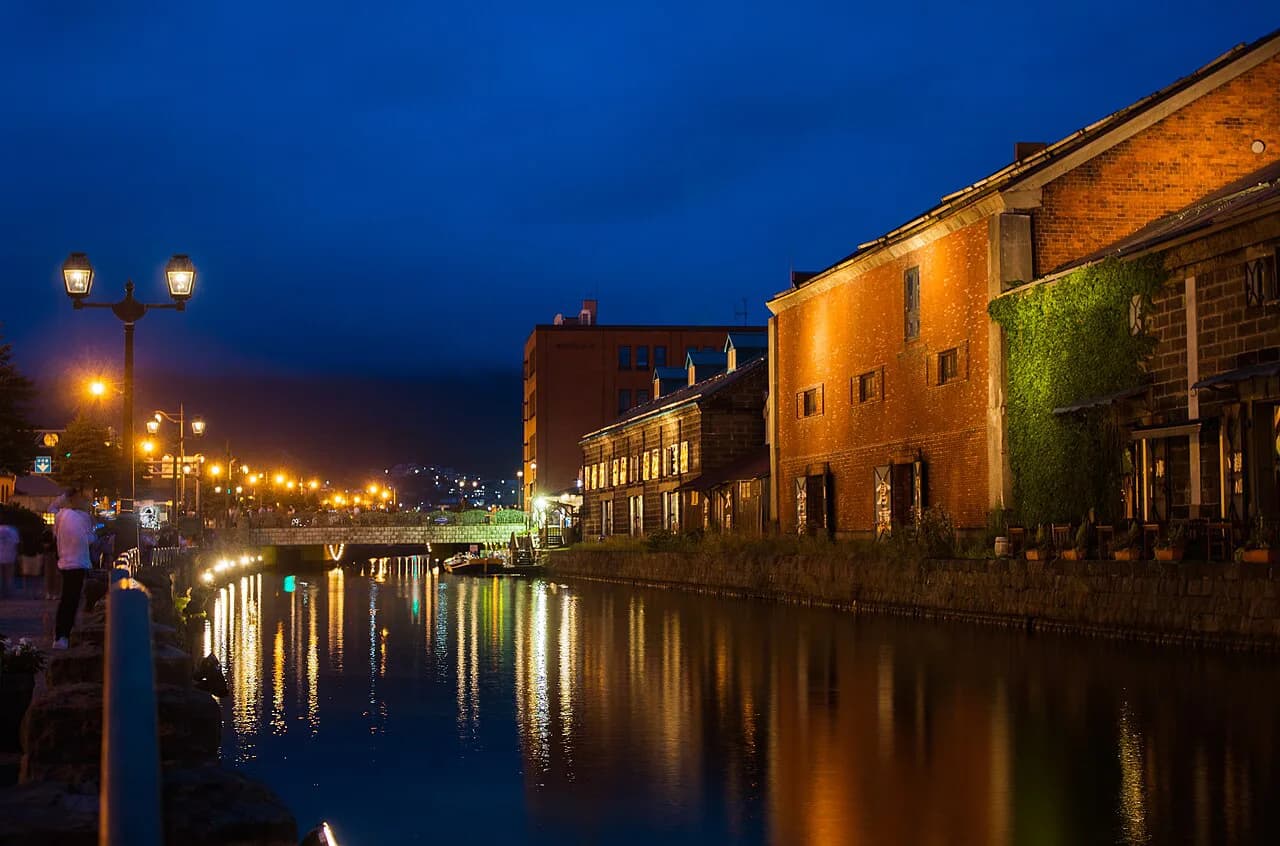
Last updated September 2026, this Otaru events calendar tracks the city's festivals season by season. February brings the candlelit Snow Light Path, and July brings the harbor parades of the Ushio Matsuri. Otaru's calendar also reflects its history as a herring-trade port and its present role as a Sakaimachi glass and music-box district with its own seasonal events.
Otaru Events Calendar: The Big Three Festivals at a Glance
Three festivals anchor the Otaru events calendar. February brings the Snow Light Path, July brings the Ushio Matsuri, and Tanabata runs across July and August. Each draws a different visitor: winter photographers, maritime-culture travelers, and families on summer break. Winter draws photographers, summer draws families and history-minded travelers, and each event reflects a different side of Otaru's port and glassworks heritage. This Otaru festivals overview ties all three back to the city's canal district and its Sakaimachi glassworks quarter. Typical months and signature features appear in the table below. Exact dates shift by a week or two most years. Confirm current dates on the Otaru Tourism Association calendar before booking transport.
| Festival | Typical Month | Signature Feature |
|---|---|---|
| Otaru Snow Light Path | February | Candlelit paths along the canal and the former Temiya rail line |
| Otaru Ushio Matsuri (Tide Festival) | Last weekend of July | Three-day maritime parade with fireworks on the first and last nights |
| Otaru Tanabata Festival | July 1 to August 31 | Blue-lantern and umbrella illuminations at three Sakaimachi-area venues |
Otaru Month-by-Month Events Calendar
Winter dominates the early part of the calendar. Snow Light Path runs through February. Sapporo hosts its own Sapporo Snow Festival guide that same month. The Visit Hokkaido calendar lists 2027 dates as February 4 to 11. Sapporo and Otaru sit about 30 minutes apart by train, so one trip can cover both events. Spring shifts the focus to cherry blossoms at Temiya Park and quieter canal walks as the snow melts. Canal-side spring events also draw on Otaru's herring-trade history, when the port anchored Hokkaido's herring fishery. Summer is the busiest stretch. Ushio Matsuri takes over the last weekend of July. Tanabata illuminations then run from July 1 through August 31. Autumn moves the action to Sakaimachi. Glass-craft and music-box shops hold seasonal events, alongside fall seafood markets. Check the Otaru food guide for where to eat nearby. For a fuller seasonal breakdown beyond festival dates, see the best time to visit Otaru guide. If you're routing through wider Hokkaido, pair an Otaru trip with Niseko's festival calendar.
| Season | Months | Key Events |
|---|---|---|
| Winter | December–February | Snow Light Path (Feb); pairs with Sapporo Snow Festival (Feb 4–11, 2027) |
| Spring | March–May | Cherry blossoms at Temiya Park; herring-heritage canal events |
| Summer | June–August | Ushio Matsuri (late July); Tanabata illuminations (Jul 1–Aug 31) |
| Autumn | September–November | Sakaimachi glass-craft and music-box events; seafood markets |
Deep Dive: Otaru Snow Light Path in February
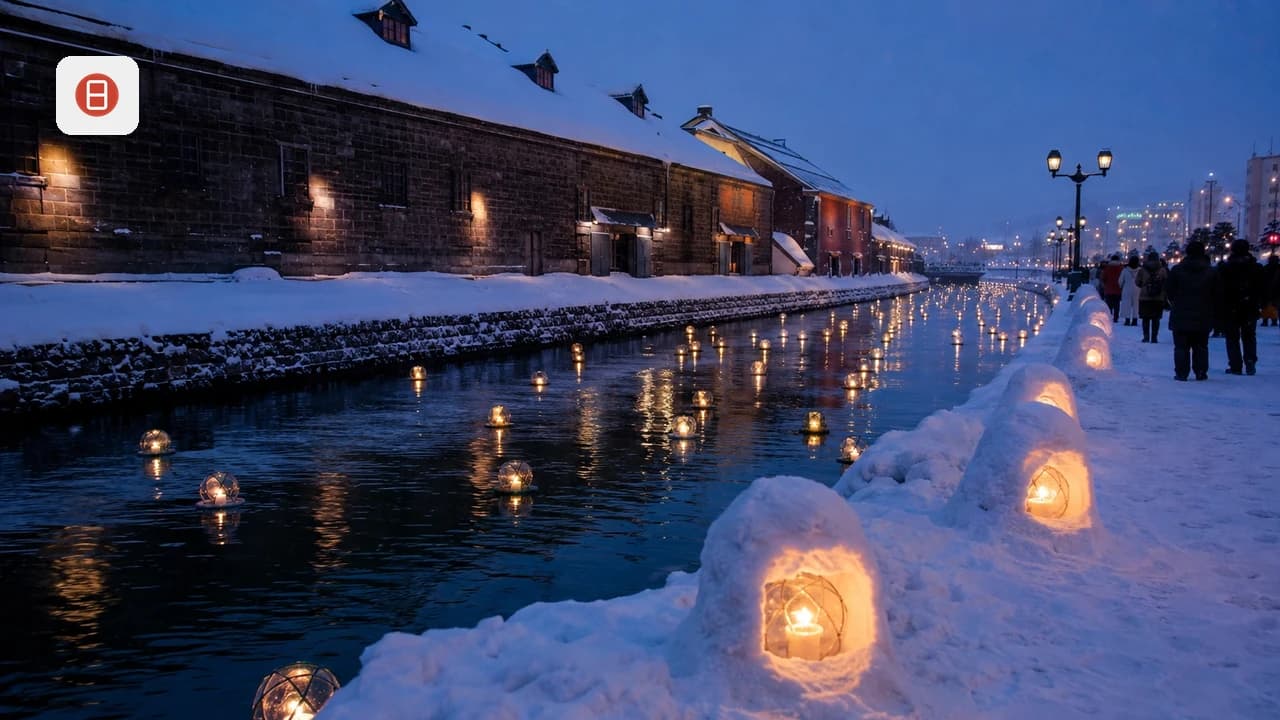
Hand-lit candles line Otaru's canal and the former Temiya rail line each February for the Snow Light Path. Local organizers report roughly 500,000 visitors across the event's run, according to the Visit Otaru events page. A network of residents, shops, schools, and neighborhood associations sets up and tends the candles each night. Events typically run from about 5:00 PM to 9:00 PM, after full darkness makes the candlelight visible. Temperatures stay below freezing after dark, so pack insulated boots, a heavy coat, and hand warmers rather than city-weight winter gear. Arrive early on weekend evenings; the canal-side path narrows in places and foot traffic backs up near the main viewing points. Several restaurants along the canal stay open late during the festival; see the Otaru canal restaurants guide for a warm-up stop after viewing the candles. For a full logistics and photography breakdown, the dedicated Otaru Snow Light Path guide covers current viewing spots. That candlelight follows the same Otaru Canal walk used for daytime sightseeing.
Roughly 500,000 visitors come to the Snow Light Path in February, many drawn specifically for the candlelit canal scenes that appeal to photographers.
- Canal-side route: candles float along the waterfront promenade beside Otaru Canal.
- Former Temiya Line: candles sit directly in the snow along the old rail bed, a quieter stretch away from the canal crowds.
Deep Dive: Otaru Ushio Matsuri (Tide Festival) in July
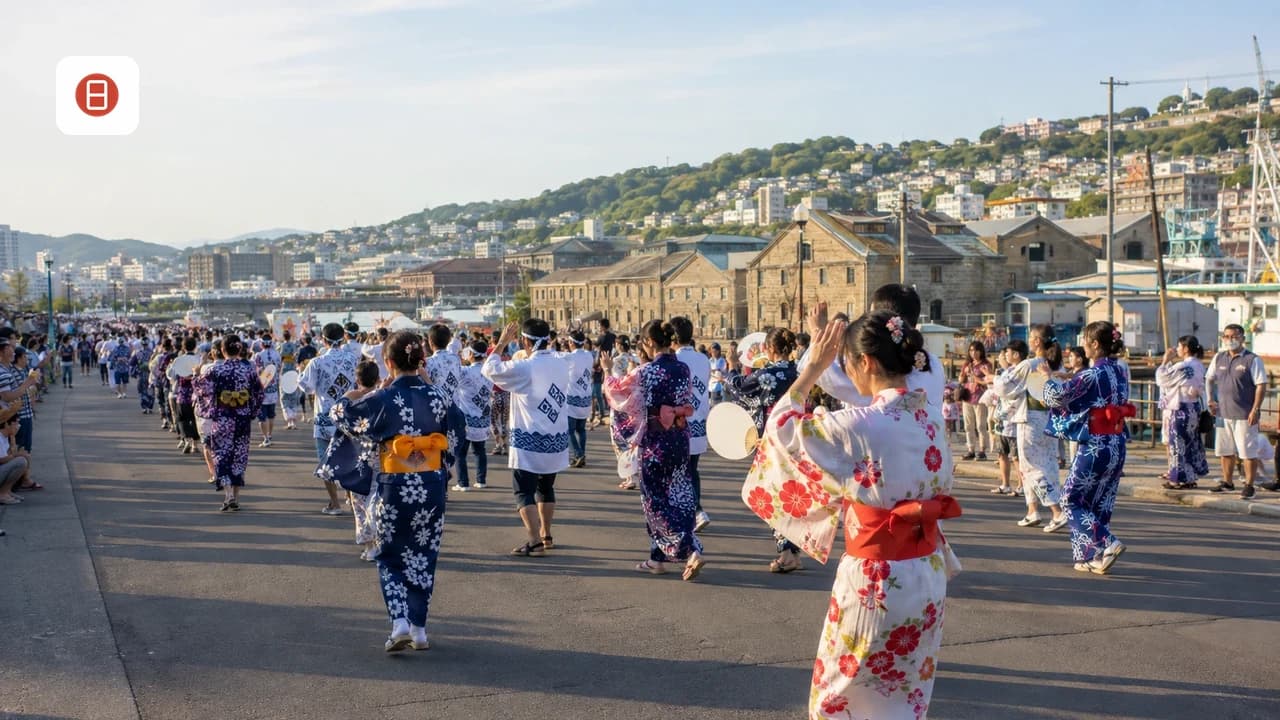
Ushio Matsuri, Otaru's Tide Festival, traditionally runs on the last Friday, Saturday, and Sunday of July, according to the Visit Otaru events page. Three distinct days give the festival its structure, each with its own name and role. In 2026, the festival's published schedule listed a July 25 street procession followed by a July 26 mikoshi parade and harbor fireworks. Events run roughly 5:00 PM to 9:00 PM, and admission is free. Otaru Station sits roughly 60 feet from the main venue, on the Hakodate Main Line's Sapporo section, station code S15. Harbor-side food stalls line the parade route; the Otaru food guide covers what's typically on offer nearby. For a day-by-day parade breakdown, see the dedicated Otaru Ushio Matsuri guide.
- Shio Furekomi (Tide Announcement): opens the festival on day one, with fireworks over the harbor that night.
- Shio Nerikomi (Tide Kneading): a dance parade moves through Otaru's streets on day two.
- Shio Watari (Tide Crossing): fishing boats and houseboats parade through Otaru Port on day three, closing with a second fireworks display.
Deep Dive: Otaru Tanabata Festival
Otaru Tanabata Festival runs illuminations from July 1 through August 31, lighting three venues around Sakaimachi each night from about 6:00 PM to 9:00 PM. Each venue has a distinct look, useful to know before choosing where to shoot photos or spend an evening. Otaru Art Base sits at 1-3-10 Ironai, about a 10-minute walk from JR Otaru Station. Recent festival editions also added a Milky Way Beer Garden and a haunted house. Both ran 11:00 AM to 9:00 PM on the festival's main weekend. The haunted house closed an hour earlier on its last day. Stage shows, Tanabata Dream Bingo, a candy-throwing event, and Bon Odori dancing round out the program on those weekend dates. Otaru Canal sits about a third of a mile from the Art Base venue, and the Otaru Canal guide covers what else to see nearby. Otaru Music Box Museum is roughly half a mile away, one more stop worth adding via the Otaru attractions guide. Exact dates shift slightly year to year, so confirm the current festival calendar on Otaru City's official site before finalizing a summer trip.
- Otaru Art Base courtyard: blue lanterns and string lights arranged to mimic the Milky Way.
- Kofutsu River: blue illuminations along the riverbank create a cooler, quieter atmosphere.
- Otaru Shusse-mae Plaza: decorated mainly with Japanese umbrellas, a warmer visual contrast to the other two venues.
Getting to Otaru and Where to Stay for Festival Season
JR Hakodate Line trains connect Sapporo and Otaru in about 30 minutes, making a day trip easy for any single festival. Staying overnight in Otaru keeps you close to evening events like the Snow Light Path or Tanabata illuminations, both of which run past typical last-train times during peak crowds. Lodging near Sakaimachi or the canal puts most venues within a 10 to 15 minute walk, similar to the roughly 10-minute walk from Otaru Station to Tanabata's Art Base venue. Sapporo offers far more hotel inventory, useful during the Snow Light Path when rooms also fill up for the nearby Sapporo Snow Festival. The where to stay in Otaru guide compares neighborhoods near the canal and Sakaimachi. For festival dates in Sapporo itself, the Sapporo events guide lists what else overlaps with an Otaru trip. Either base works for the Ushio Matsuri and Tanabata, since both wrap up by 9:00 PM most nights.
Which Otaru Festival Should You Choose?
Each of Otaru's three major festivals suits a different kind of trip. Matching the event to your travel style makes a short Hokkaido window more efficient.
- Families: Tanabata Festival brings a haunted house, a candy-throwing event, and Tanabata Dream Bingo, alongside Bon Odori dancing that welcomes all ages.
- Couples: Snow Light Path pairs candlelit canal walks with quieter, low-crowd evening hours in February.
- Culture and heritage travelers: Ushio Matsuri centers on traditional dance and a maritime parade tied to Otaru's port history.
Mistakes to Avoid When Timing an Otaru Festival Visit
A few planning mistakes come up often around Otaru's festival season.
- The day-trip trap: evening festivals like the Snow Light Path and Ushio Matsuri run close to 9:00 PM, and Hakodate Line service back to Sapporo thins out later at night. Check return train times before dark, or book a room in Otaru for that night.
- Underestimating the cold: February evenings during the Snow Light Path stay below freezing after dark. Icy sidewalks and packed snow make slip-resistant boots as important as warm layers.
- Booking too late: hotel demand spikes in February when the Snow Light Path overlaps with the Sapporo Snow Festival. Ushio Matsuri, often described as Otaru's largest summer festival, also fills nearby hotels well before the last weekend of July.
How to Combine Otaru Snow Light Path with the Sapporo Snow Festival
The two February festivals can fit into one winter day, but plan around daylight and the evening candle displays. View Sapporo’s snow and ice sculptures during the afternoon, then travel to Otaru before darkness. Otaru’s Snow Light Path is most atmospheric after about 5:00 PM, when the canal and former Temiya Line are illuminated.
JR Hakodate Line trains link Sapporo and Otaru in roughly 30 minutes. Allow extra time for snowy platforms, station crowds, and the walk from Otaru Station to the canal area. Start at the canal if it is your first visit, then continue to the former Temiya Line for a quieter candlelit route.
- Choose Sapporo first for daytime sculpture viewing.
- Reach Otaru before dusk for the canal and Temiya Line.
- Book an Otaru stay if you want an unhurried evening or dinner afterward.
Otaru offers a smaller-scale contrast to Sapporo’s busy festival sites. It is especially appealing for travelers who prefer canal reflections, candlelight, and slower photography stops.
Frequently Asked Questions
When does the Otaru Snow Light Path happen in 2027?
Snow Light Path traditionally runs throughout February, based on past years' scheduling. Exact 2027 dates were not yet published at the time of writing. Confirm the current schedule on the Otaru Tourism Association calendar before booking transport or lodging.
What happens during the Otaru Ushio Matsuri?
Ushio Matsuri unfolds over three days: Shio Furekomi, Shio Nerikomi, and Shio Watari. Fireworks light the harbor on the first and last nights, according to the Visit Otaru events page. The festival traditionally falls on the last Friday, Saturday, and Sunday of July.
How do you get from Sapporo to Otaru?
A 30-minute ride on the JR Hakodate Line connects Sapporo and Otaru. Otaru Station carries the code S15 on the Hakodate Main Line's Sapporo section. Most travelers use it for a half-day or full-day festival visit.
Which Otaru festival works best for families?
Tanabata Festival suits families best among Otaru's three major events. Recent editions included a haunted house, a candy-throwing event, and Tanabata Dream Bingo. Bon Odori dancing rounds out the program and welcomes all ages.
Can you combine the Snow Light Path with the Sapporo Snow Festival?
Otaru sits about 30 minutes from Sapporo by train, so pairing both festivals in one trip is straightforward. The Visit Hokkaido calendar lists the Sapporo Snow Festival for February 4 to 11 in 2027, overlapping with Otaru's usual February run. See the Sapporo Snow Festival guide for site locations and hours.
Are Otaru's festivals free to attend?
Ushio Matsuri carries no admission fee, based on its published event listing. Snow Light Path is also free to view, with donations or food-stall purchases as the main on-site costs. Budget mainly for transport, food, and lodging rather than tickets.
Free guide: Japan's Hidden Gems
12 under-the-radar places beyond Tokyo & Kyoto — with the best season to visit each and a local tip you won't find in the guidebooks.
You might also like

Continue reading
More guides you'll find useful