

Otaru Herring Nishin Dishes: Where to Eat Them in 2026
A 2026 guide to Otaru herring nishin dishes: where to eat nishin soba, grilled herring, and migaki-nishin near Otaru Canal, Sakaimachi, and Shukutsu.
On this page
Last updated July 2026, this guide explains why herring anchors Otaru's food scene more than any other catch. Otaru herring nishin dishes trace back to a Meiji-era fishing boom. Herring shoals off the Shakotan coast funded the stone warehouses along the canal and the mansion now preserved as a herring museum. That wealth still shows up on menus today as nishin soba, salt-grilled fillets, and dried migaki-nishin.
Otaru's Herring Gold Rush: How Fishing Wealth Built Nishin Goten
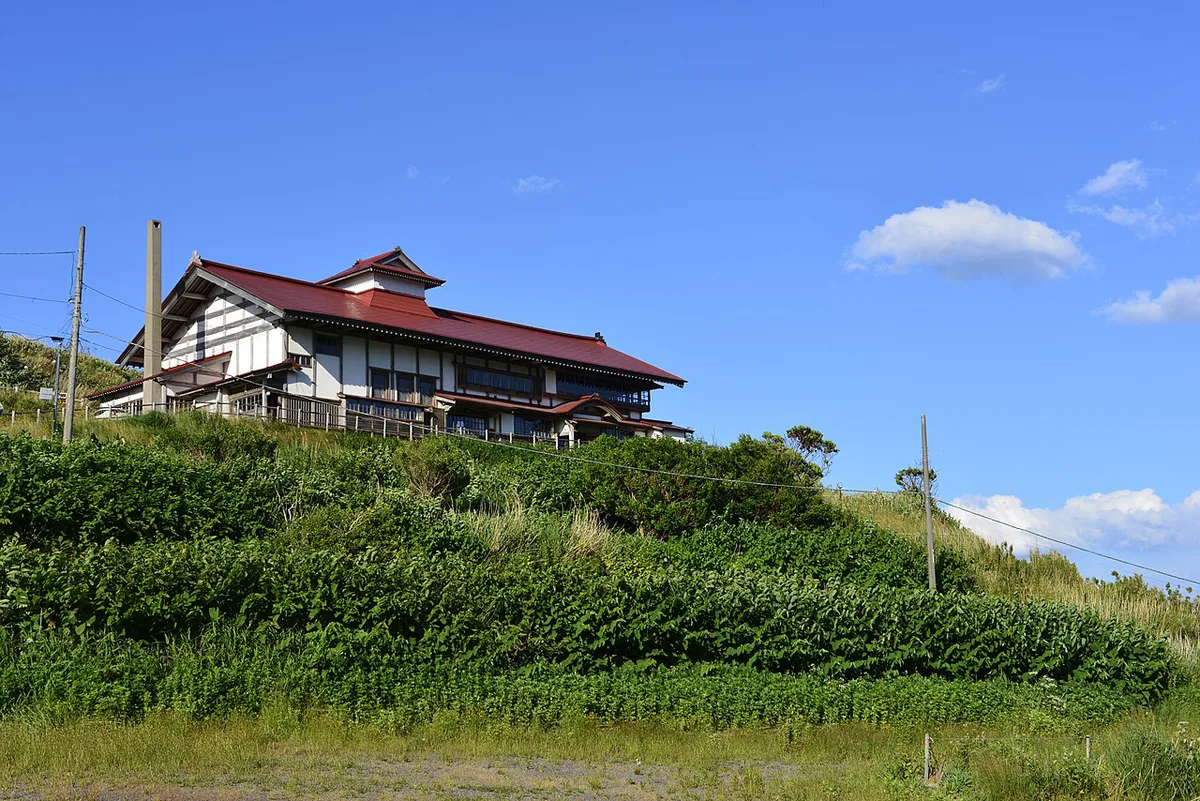
Herring wealth reshaped Otaru starting in the Meiji era. Massive herring runs migrated along the Shakotan coast each spring, and the catch funded a fishing boom that transformed the city. Herring barons used the profits to build stone warehouses along what is now the Otaru Canal: Ultimate Travel Guide & Things to Do. One family raised a coastal mansion that stands today as Nishin Goten, the Herring Mansion. Its scale is the clearest physical proof of how much money herring generated in a single generation. The canal itself, lined with those original warehouses, is now a walking route through that same history, easy to combine with a meal before or after. Herring runs eventually declined, but the fish never left local kitchens. It moved from an export commodity into the everyday dishes covered below, from simmered nishin soba to salt-grilled fillets. Nishin Goten is now a museum documenting the fishery, from tools to household life during the boom years. Pairing that visit with a meal nearby is how most travelers experience this history firsthand.
The Essential Otaru Herring Nishin Dishes to Try
Four preparations turn up again and again on Otaru menus. Each is tied to a different part of the herring story, from cheap lunch counters to seasonal splurges. First-time visitors usually start with nishin soba, since it needs no prior knowledge of herring cuts to order. Nishin soba leans savory-sweet from the simmering broth. Grilled herring stays simpler and saltier, with the fish itself doing the work. Herring roe, known as kazunoko, is a related product you may spot in gift shops rather than on a restaurant menu; it's a broader Japanese New Year specialty rather than an Otaru-only dish, but the shared fish makes it worth recognizing while you're browsing.

- Nishin soba: buckwheat noodles topped with a herring fillet simmered slowly in sweetened soy broth until the bones soften. A bowl at a casual counter typically runs under ¥1,500.
- Grilled herring (nishin no shioyaki): a whole or filleted herring salted and grilled over direct heat, prized for the fatty oils Hokkaido's cold waters produce. It pairs naturally with a dry local sake.
- Herring sushi and sashimi: rare on standard menus because fresh herring is highly seasonal. Check the 10 Best Sushi Restaurants in Otaru (2026): A Local's Guide for which counters serve it raw when the catch allows.
- Migaki-nishin: herring dried and preserved using techniques the fishing boom depended on, now served as a side dish or simmered with vegetables. Unlike fresh herring, it stays available essentially year-round.
How to Order: Reading an Otaru Menu for Nishin
Herring appears on menus as nishin, written either in hiragana as にしん or in kanji as 鮪. Grilled herring is usually labeled nishin no shioyaki, while the soup dish is simply nishin soba. A menu listing kuki-nishin is naming spring herring specifically, not a preserved cut. Staff at smaller counters may not have an English menu. Pointing at にしん or asking whether the herring is fresh or dried is usually enough to get a clear answer.
Where to Eat Nishin in Otaru: Shukutsu, the Canal, or Sakaimachi
Where you eat nishin changes the experience as much as which dish you order. Otaru offers three restaurant settings, plus a market option, and each trades convenience for history differently. Canal-area restaurants can get busy around midday, so an earlier or later lunch is worth considering if you'd rather skip a wait.

- Shukutsu district: home to Nishin Goten and a handful of restaurants near the original herring-boom architecture. This is the most historically immersive setting, though it sits outside the main tourist core.
- Otaru Canal area: dense with canal-side restaurants serving nishin soba and grilled herring alongside craft beer. Most are walkable from central 15 Best Things to Do in Otaru, Japan (2026).
- Local seafood markets: stalls at a seafood market sell fresh herring by weight when it's in season. You can build a plate around whatever the boats brought in that morning.
- Sakaimachi Street: a fast stop for a herring snack while you browse Kitaichi Glass or the shops along Sakaimachi Street. It suits travelers who want a taste without a full sit-down meal.
Quick Lunch or Historical Meal? Comparing Your Two Options
The two ends of the nishin experience differ mainly in time and setting, not in dish quality. A soba stop fits into almost any itinerary without disrupting the rest of the day.
About 2 hours at Nishin Goten combines the preserved Herring Mansion with a meal, letting you directly witness how Meiji-era fishing wealth shaped Otaru's architecture and taste the dishes that financed that transformation.
| Option | Time to Budget | Setting | Best For |
|---|---|---|---|
| Nishin soba lunch | About 20 minutes | Canal-area or Sakaimachi noodle counter | Tight schedules, first-time tasting |
| Nishin Goten meal | About 2 hours | Preserved Herring Mansion in Shukutsu | Combining history with a full meal |
- A Nishin Goten visit needs real planning, since the museum itself takes time to see.
- Budget the full two hours if you're combining the tour with a meal nearby.
- Anyone weighing an overnight stay to reach Shukutsu ahead of the lunch crowds can compare options at Where to Stay in Otaru: Best Hotels & Areas (2026).
Budgeting for a Nishin Meal in Otaru
A canal-area or Sakaimachi bowl of nishin soba is the cheapest way to try the dish, typically under ¥1,500. Grilled herring plates at the same casual counters usually cost a similar amount, sometimes a little more depending on the cut. A meal built around a Nishin Goten visit costs more than a standalone soba lunch, since the price reflects both the food and the mansion's preserved rooms. Herring sushi and sashimi sit at the top of the range, closer to standard seafood-restaurant pricing than to a quick noodle lunch, and availability depends entirely on the season. Treat the soba option as the budget benchmark and price everything else relative to it, rather than expecting a fixed number for the pricier choices.
A bowl under ¥1,500 at a canal counter turns a herring tasting into a quick-lunch stop rather than a reserved dining event, freeing both budget and schedule for Sakaimachi's shops, glassware galleries, and nearby cafes.
When to Visit for Fresh Herring
Fresh herring is a seasonal catch, not a year-round guarantee. Spring herring, known locally as kuki-nishin, arrives during the same late-winter-to-early-spring window covered in the Best Time to Visit Otaru: Seasonal Guide & Itineraries guide. Outside that window, kitchens lean on migaki-nishin and other preserved preparations. Nishin soba and simmered dishes still stay on menus in every season because of that. Menus don't always specify fresh versus preserved, so ask directly if kuki-nishin is what you want. Plan around that late-winter start if the freshest catch is the priority.
Getting to the Shukutsu Herring District
Shukutsu sits apart from the canal and Sakaimachi tourist core, so reaching it takes some planning. A bus or taxi from the canal area is the standard route. Neither trip suits a rushed schedule well. That timing matters most for day-trippers. Anyone doing an Otaru Day Trip from Sapporo: The Perfect 1-Day Itinerary & Guide should budget extra time for the crossing. The same applies to an Otaru Day Trip From Niseko: 7-Step Itinerary & Guide. Shukutsu restaurants can also run shorter hours in winter, so confirm same-day opening times before heading out. Combine the stop with other Shukutsu sights if you're already making the trip, since the transit rarely pays off for a single errand.
Pairing Nishin with Otaru Sake
Grilled herring's fat content is exactly what dry sake is built to cut through. That pairing shows up on menus across the city for good reason. A dry, crisp pour balances the richness of nishin no shioyaki better than a sweeter style does. For background on the producers behind that pour, the Otaru Sake Breweries: 3 Best Picks & Visitor Guide (2026) guide covers what's available for tastings and takeaway bottles. Migaki-nishin, being dried and salty, also works as an izakaya-style snack alongside sake. Nishin soba is mild enough to pair with almost anything, including the craft beer served at canal-area restaurants. Travelers skipping alcohol can stick with tea, which is standard at most of these restaurants regardless of what's on the table.
After Your Nishin Meal: Sakaimachi and Beyond
A Shukutsu meal or a canal-area lunch both loop back naturally toward Sakaimachi. Build the rest of the afternoon around that return route. Glassware browsing at Kitaichi Glass is a common next stop. A cone of soft serve works well after grilled herring. A slice at a cheesecake cafe is another easy option nearby. Most of these stops sit within the same walkable core as the rest of Otaru's sightseeing. For a general primer on the city's food scene, start with the What to Eat in Otaru: 9 Best Foods to Try (2026 Guide) overview. It frames how nishin fits alongside the rest of Otaru's seafood and dairy specialties.
Why Migaki-Nishin Became Otaru’s Essential Preserved Food
Fresh herring spoiled quickly during Otaru’s enormous spring catches, long before refrigerated transport existed. Fishing crews therefore removed the heads and entrails, then dried the fish into migaki-nishin.
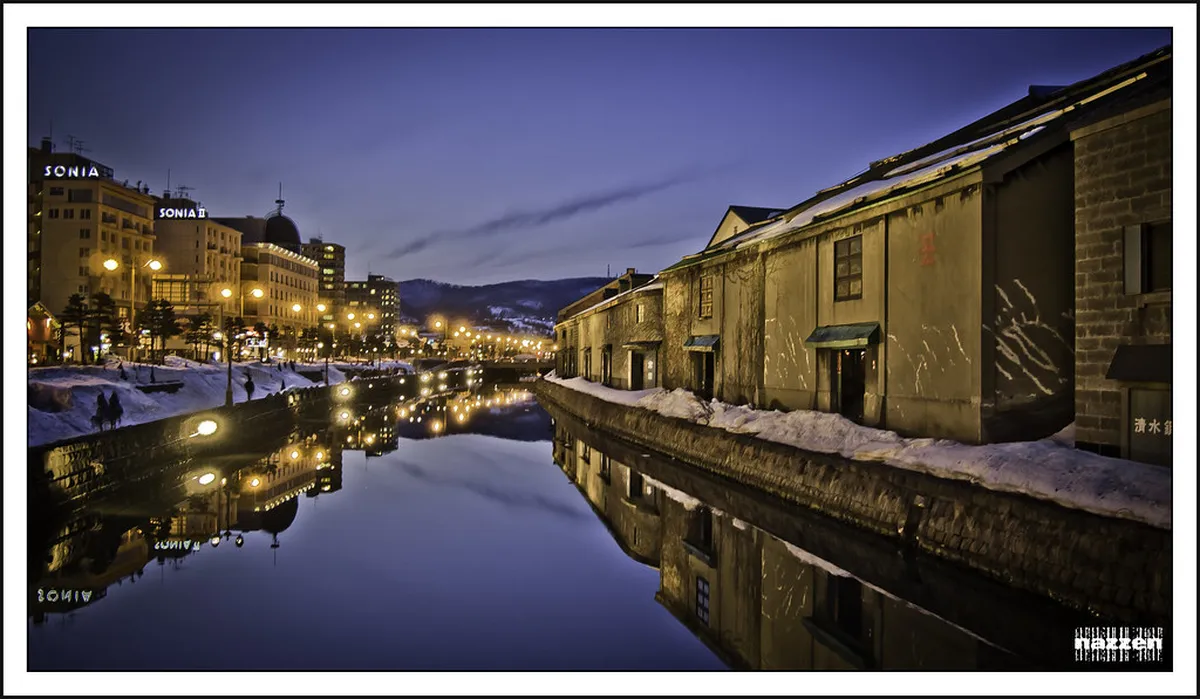
Drying reduced weight and extended storage, allowing merchants to ship Hokkaido herring from Otaru to ports across Honshu. It became especially important in inland Kyoto, where fresh northern fish was difficult to obtain. Kyoto cooks softened the dried fillets before simmering them in sweetened soy sauce. That preparation eventually became the topping associated with nishin soba.
In Otaru, migaki-nishin offers a direct taste of the trade that financed Shukutsu’s fishing houses and warehouses. Its texture is firmer than fresh herring, while simmering restores moisture and mellows its concentrated flavor. Look for it in nishin soba, kombu-maki seaweed rolls, or vegetable simmered dishes. These preserved preparations remain the most dependable choice outside the late-winter and spring fresh-herring season.
Further reading: Otaru on Wikivoyage · Otaru on Wikipedia
Frequently Asked Questions
Is Otaru herring different from herring elsewhere in Japan?
Otaru herring comes from cold Hokkaido waters, and locals point to its fat content as the main difference from herring caught further south. The city's Meiji-era herring boom also left specific preparation methods, like migaki-nishin and simmered nishin soba, that are less common outside Hokkaido.
Can you find nishin dishes in Otaru during winter?
Yes. Preserved and simmered preparations, especially migaki-nishin and nishin soba, stay on menus year-round. Fresh herring is more seasonal, with the best window running from late winter into early spring.
Is it worth visiting Nishin Goten just for the food?
Nishin Goten works best as a combined visit rather than a food-only stop. Budgeting the full two hours lets you tour the mansion and eat nearby in the same trip. That's more efficient than treating them as separate errands.
What should you drink with Otaru's herring dishes?
Dry local sake is the standard pairing for grilled herring, since it cuts through the fish's fat content. The Otaru Sake Breweries: 3 Best Picks & Visitor Guide (2026) guide covers where to taste it before or after your meal.
What's the difference between nishin soba and migaki-nishin?
Nishin soba is a hot noodle dish built around a herring fillet simmered until tender. Migaki-nishin is dried, preserved herring served as a side dish rather than a noodle course. It's the version most likely to appear outside herring season.
Where should you eat nishin if you're short on time?
A canal-area or Sakaimachi noodle counter is the fastest option, since a bowl of nishin soba takes about 20 minutes and needs no advance planning. Save the Shukutsu trip for a day when you can budget closer to two hours.
What's the easiest first herring dish to try in Otaru?
Nishin soba is the easiest starting point, since it's inexpensive, widely available, and doesn't require choosing a specific cut. Grilled herring is a close second if you'd rather skip the noodles and go straight for the fish.
Is Shukutsu walkable from the Otaru Canal?
No. Shukutsu sits far enough away that a bus or taxi is the standard way to get there, not a walk. Budget extra transit time on top of the two hours you'd spend at Nishin Goten itself.
Free guide: Japan's Hidden Gems
12 under-the-radar places beyond Tokyo & Kyoto — with the best season to visit each and a local tip you won't find in the guidebooks.
You might also like


Continue reading
More guides you'll find useful


