

Otaru Seafood Market Kaisendon Guide: Sankaku Market Vendors, Prices, and Wait Times
A 2026 guide to Otaru Sankaku Market kaisendon: vendor prices, hours, wait-time strategy, and the best arrival window for a Sapporo or Niseko day trip.
On this page
Last updated July 2026, this otaru seafood market kaisendon guide covers Otaru Sankaku Market, the stall cluster beside JR Otaru Station. Vendors build rice bowls to order from sea urchin, salmon roe, scallops, and crab, and queues can run 90 minutes by mid-morning. This guide compares the two best-known vendors, prices a typical bowl, and times the visit around a Sapporo or Niseko day trip.
The Otaru Seafood Market Kaisendon Guide: Why the Wait Is Worth It
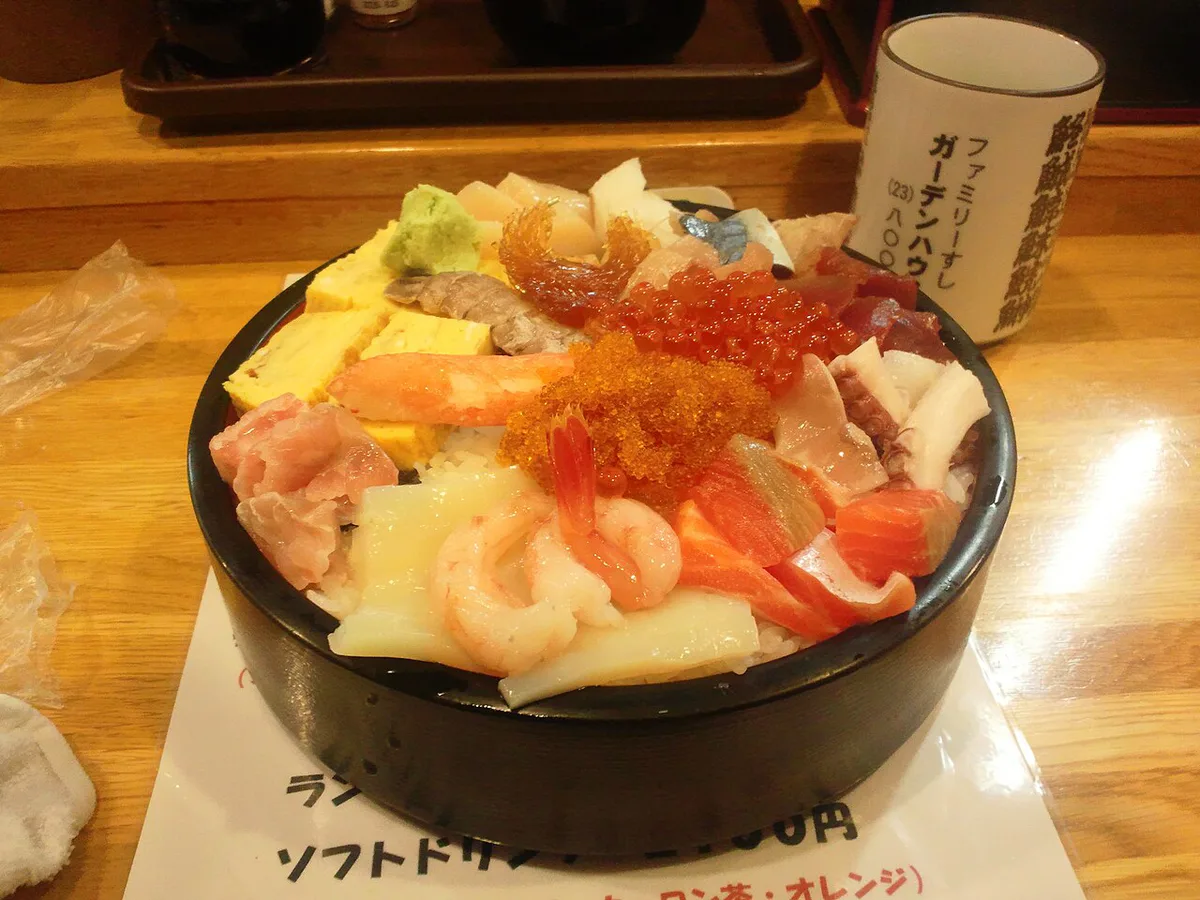
Otaru sits on the Sea of Japan, and boats unload sea urchin, salmon roe, scallops, and crab within walking distance of the market stalls. That short supply chain is the practical reason kaisendon here tastes different from a rice bowl assembled hours from the coast. The word kaisendon simply means seafood rice bowl. Otaru builds its reputation around one cluster of vendors: Otaru Sankaku Market, named for the triangular shape of its roof and the plot beneath it. Most counters serve breakfast and lunch only, which is part of why the evening food trail later in this guide shifts to yakiniku instead of seafood. For a wider view of the city's food scene beyond this one market, the Otaru food guide is the place to start. Herring is Otaru's other signature protein, covered separately in the nishin herring dishes guide. Readers deciding between a rice-bowl breakfast and a sit-down sushi lunch can compare both formats in the 10 Best Sushi Restaurants in Otaru (2026): A Local's Guide.
Otaru Sankaku Market: Location, Hours, and How to Arrive
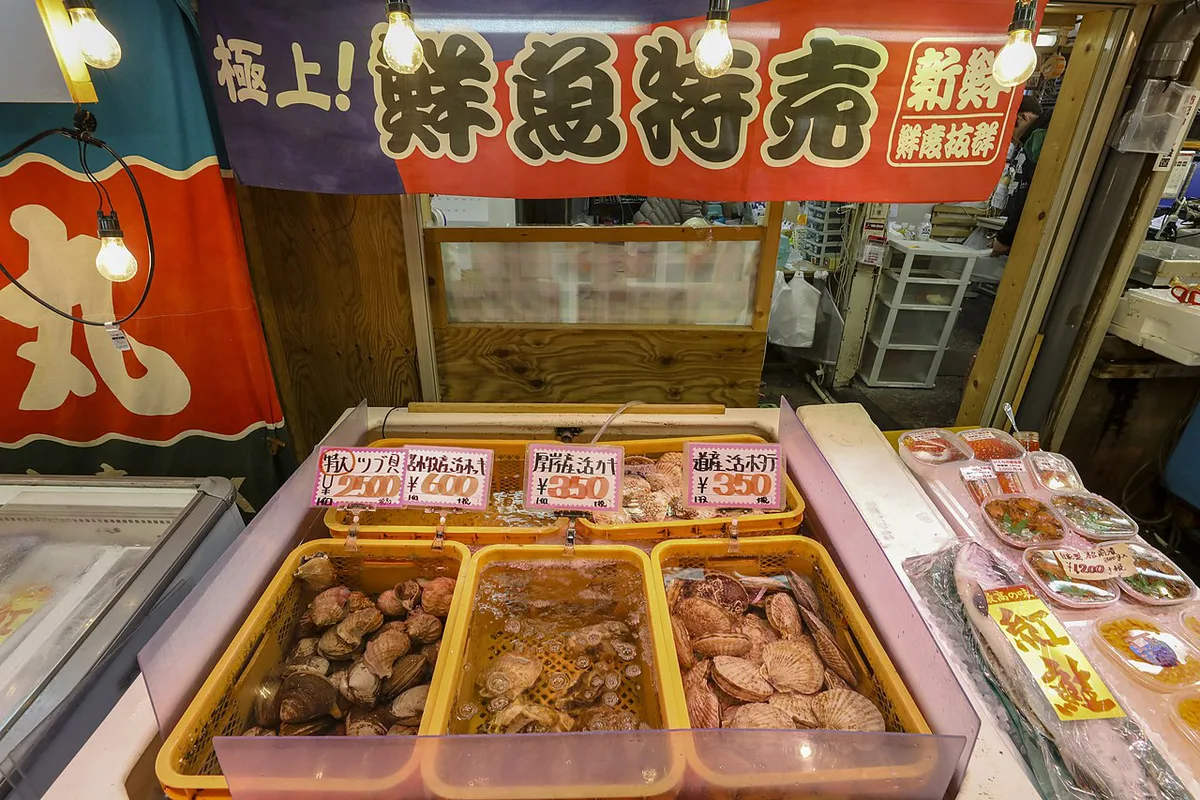
Otaru Sankaku Market sits in the city's Inaho neighborhood, about one minute on foot from JR Otaru Station. Around 20 individual shops operate under the market's namesake triangular roof. Most combine a seafood counter with a handful of stools for eating on the spot. Several stalls beyond the sit-down counters specialize in salted and dried seafood, suited for gifts to take home. Most visitors arrive by train from Sapporo or Niseko. Transit details for the Sapporo route are covered in the day trip from Sapporo guide. The Niseko route gets its own breakdown in the day trip from Niseko guide.
The one-minute walk from JR Otaru Station draws day-trippers by default; waits reach 90 minutes mid-morning during peak season, creating a hidden cost of that accessibility.
- Hours: 6:00 AM to 5:00 PM overall, though most individual eateries stop serving by 3:00 or 4:00 PM
- Vendors: about 20 shops under the triangular roof
- Closed: January 1
- Parking: on-site parking available, fees apply
- By car: about 15 minutes from the Otaru interchange on the Sasson Expressway
- By train: about one minute on foot from JR Otaru Station
The Name-List Wait: How to Use the System Instead of Fighting It
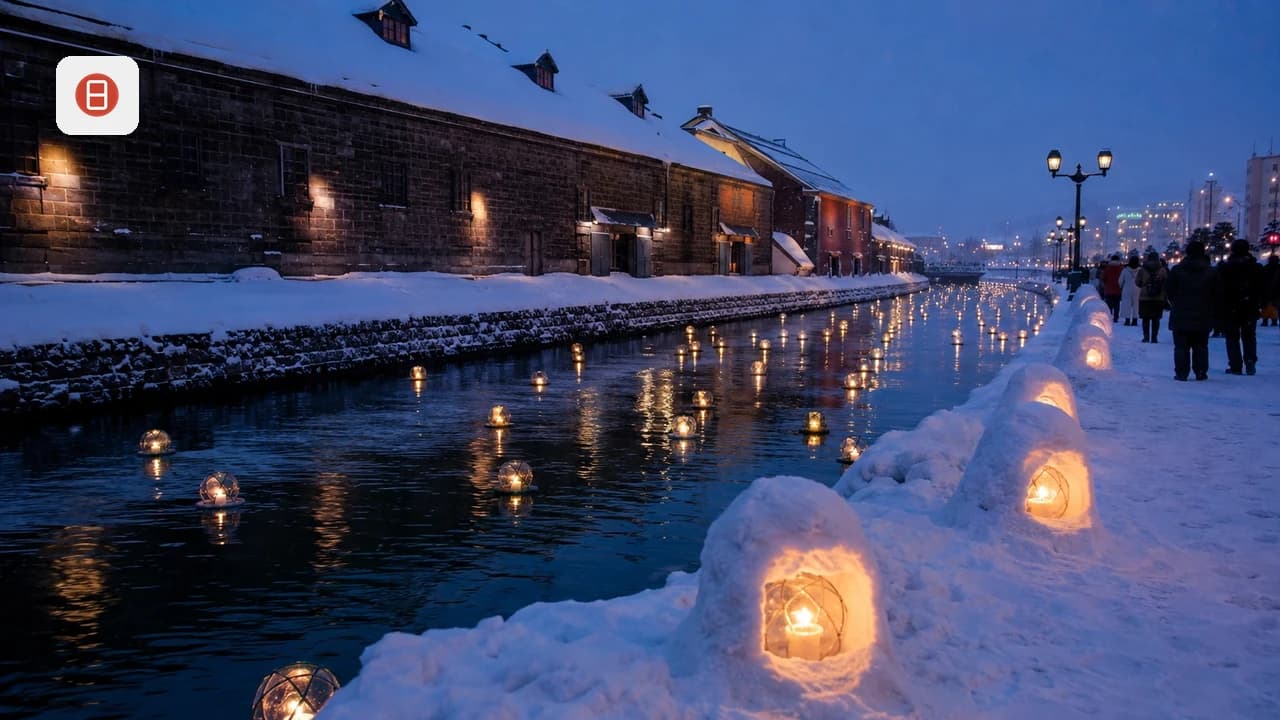
Nearly every sit-down counter in Sankaku Market runs on a name-list system rather than a formal reservation. Staff take the order and a name when a line forms, then hand back an estimated wait. That system frees you to leave the counter instead of standing in it. Documented waits have reached 90 minutes for a table at 10:00 AM during peak season, with the busiest stretch running roughly August through October. Arriving at noon has pushed that wait past two hours. The fix is timing: aim for the counter between 8:30 AM and 9:00 AM, before the wait builds. Funami-zaka Slope and the Former JNR Temiya Line Site both sit in the market's immediate area and make an easy stop while a name is on the list. Otaru Canal is roughly a 10-minute walk from JR Otaru Station, close enough for a loop back before the name is called. Broader sightseeing options for the same wait window are collected in the Otaru attractions guide. Canal-side scenery gets its own coverage in the Otaru Canal: Ultimate Travel Guide & Things to Do guide.
Takinami Donburi vs Ajidokoro Takeda: The Big Two Vendors
Two counters get named most often inside Sankaku Market: Takinami Donburi and Ajidokoro Takeda. Both build bowls to order and both draw name-list queues, but the bowls differ enough to matter when planning a light breakfast versus a full lunch. Takinami Donburi is known for large portions and a 10-topping deluxe bowl piled with a wide mix of seafood. A 6-topping version covers the same idea for a smaller appetite, at a lower price. Ajidokoro Takeda leans on freshness as its selling point, with sea urchin, salmon roe, scallops, and sweet shrimp as signature ingredients. Its sea urchin and salmon roe bowl is a common order for visitors who want a smaller, more focused plate. Business hours run roughly 7:00 AM to 4:00 PM, in line with the market's general pattern of individual counters closing mid-afternoon even though the building stays open until 5:00 PM. Neither vendor currently takes advance reservations; both remain walk-in, name-list only as of 2026.
| Vendor | Bowl | Price |
|---|---|---|
| Takinami Donburi | 10-topping deluxe bowl | ¥4,400 |
| Takinami Donburi | 6-topping bowl | ¥3,300 |
| Ajidokoro Takeda | Sea urchin and salmon roe bowl | ¥3,300 |
| Ajidokoro Takeda | Typical main-dish range | ¥2,000–¥5,000 |
Crab Soup and What a Bowl Actually Costs
Crab soup, known locally as teppo-jiru, is the one side dish that shows up on nearly every recommendation for the market. A bowl costs ¥660 and comes with a visible portion of crab in a clear broth. Pair it with a lighter seafood bowl and the whole meal still lands under ¥4,000. Budget planning for a Sankaku Market meal comes down to one decision: how many toppings to order. A premium bowl in the ¥3,000 to ¥4,500 range typically means the 10-topping build, a genuinely large portion. A lighter 6-topping bowl costs closer to ¥3,300 and still covers sea urchin, salmon roe, and scallops without the extra volume. That gap between a ¥3,000-plus premium bowl and a ¥660 side dish is the main lever for controlling the total bill. Light eaters, or anyone planning a second meal later in the day, should default to the smaller bowl plus the crab soup rather than the full deluxe version.
Beyond the Bowl: The Otaru Gourmet Trail
A kaisendon breakfast is only the start of Otaru's food trail. Konnichi Wagyu sells menchi katsu, a wagyu minced-meat cutlet, as a walk-and-eat snack for the stretch between the market and Sakaimachi Street. This route from breakfast to dessert follows the path covered in the Sakaimachi Street guide. Dessert stops cluster around the canal and Sakaimachi Street. Rokkatei's Yukikon Cheese, an Otaru-limited item, costs ¥280 and pairs rich cheese with a light ice cream base. Matcha Sweets Dokoro Chawawa's Otaru store covers the matcha side of the dessert trail. A fuller rundown of both sits in the Otaru cheesecake cafes guide. Cold-weather dairy options get their own breakdown in the soft serve dairy treats guide. Travelers building a longer day can add herring history at the Nishin Goten herring mansion. Glasswork at the Kitaichi Glass workshops rounds out an afternoon itinerary. Dinner shifts away from seafood in most local recommendations. Yakiniku Sanshirou is the name that comes up most often, known for Hokkaido wagyu and horumon grilled tableside. Dinner runs roughly ¥4,000 to ¥6,000 per person, with weekday hours from 5:00 PM to 1:00 AM and slightly earlier opening on Sundays and holidays. The restaurant closes every Monday. A stop covered in the Otaru Sake Breweries: 3 Best Picks & Visitor Guide (2026) guide pairs well with the grilled courses. The canal-side craft beer restaurants guide covers a second option for extending the evening.
Sankaku Market vs Nantaru Market: Which One Fits Your Trip
Sankaku Market and Nantaru Market solve different problems. Sankaku sits about one minute from JR Otaru Station and packs in seafood-bowl variety and easy access, which make it the default stop for a day trip. That convenience comes with a trade-off: name-list queues and a steady stream of other visitors, especially once the late-morning crowd builds. Nantaru Market sits a short bus or taxi ride away and skews toward local grocery shopping, fruit, and vegetables rather than tourist-facing seafood bowls. Visitors who have made the trip report a market with local prices and close to no other tourists, a contrast to Sankaku's queues. Both markets can fit into one day if breakfast starts early enough at Sankaku. For travelers who have already tried one seafood-bowl breakfast and want a quieter look at how residents shop, Nantaru works better as a second stop than as a replacement for Sankaku.
| Factor | Sankaku Market | Nantaru Market |
|---|---|---|
| Distance from JR Otaru Station | About 1 minute on foot | Short bus or taxi ride |
| Best for | Seafood-bowl variety, easy access | Local prices, fruit and vegetables |
| Crowd level | High, especially late morning | Minimal, few tourists |
Practical Planning: Timing, Cash, and Seasonal Picks
A handful of practical details separate a smooth visit from a frustrating one. Seasonal timing also interacts with the wider question of when to visit Otaru at all. The Best Time to Visit Otaru: Seasonal Guide & Itineraries guide covers weather and crowd patterns beyond just the seafood calendar. Travelers staying overnight rather than day-tripping can compare neighborhoods in the Where to Stay in Otaru: Best Hotels & Areas (2026) guide.
Arrive between 8:30 AM and 9:00 AM to beat queues; vendors close by 4:00 PM, so this narrow window represents a hard deadline for actual access, not just shorter waits.
- Arrive between 8:30 AM and 9:00 AM to avoid the worst of the wait
- Noon arrivals have meant waits of two hours or longer
- Bring cash; many individual stalls inside the market remain cash-only or strongly cash-preferred
- Uni (sea urchin) is at its best in the summer months
- Crab is the stronger seasonal pick in winter
- Budget at least half a day at Otaru overall when combining the market with a Sapporo or Niseko day trip
Further reading: Otaru on Wikivoyage · Otaru on Wikipedia
Frequently Asked Questions
How much does a kaisendon bowl cost at Otaru Sankaku Market?
Prices span a wide range. A 10-topping deluxe bowl runs about ¥4,400, and a 6-topping bowl runs about ¥3,300. Crab soup adds ¥660, and a full seafood-bowl meal typically lands between ¥3,000 and ¥4,500.
What time should you arrive to avoid the wait?
Aim for 8:30 AM to 9:00 AM. Documented waits have reached 90 minutes at 10:00 AM, and arriving at noon has pushed the wait past two hours.
How does the name-list system at Sankaku Market work?
Staff take an order and a name when a counter has a line. That frees you to walk nearby streets, the canal, or Funami-zaka Slope, then return once the counter is ready.
Is Sankaku Market within walking distance of JR Otaru Station?
Yes, the market sits about one minute on foot from the station. That proximity is why most day-trippers from Sapporo or Niseko start their morning here.
Should you visit Nantaru Market instead of Sankaku Market?
Treat it as an addition rather than a replacement. Nantaru sits a short bus or taxi ride away and suits travelers who want local grocery shopping and fewer crowds after already trying a Sankaku bowl.
Do the market stalls accept credit cards?
Plan on cash. Many individual stalls inside the market remain cash-only or strongly cash-preferred, even in 2026.
What's the best single dish to order if only trying one thing?
Crab soup at ¥660 is the easiest single add-on. For a full meal, the 6-topping bowl balances variety and price better than the 10-topping version for most visitors.
Free guide: Japan's Hidden Gems
12 under-the-radar places beyond Tokyo & Kyoto — with the best season to visit each and a local tip you won't find in the guidebooks.
You might also like


Continue reading
More guides you'll find useful


