
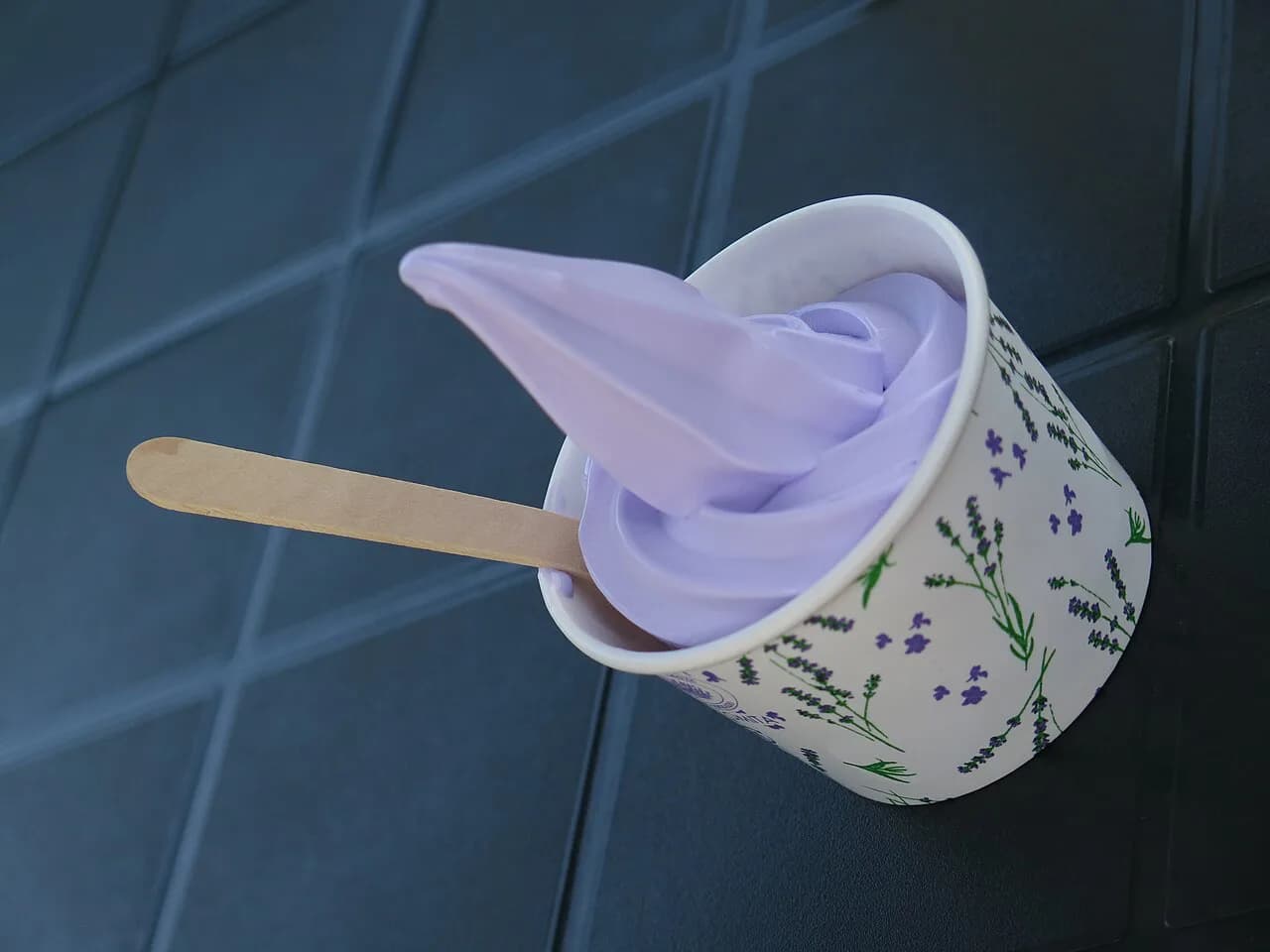
Otaru Soft Serve and Dairy Treats: The Ultimate 2026 Guide
Compare Otaru soft serve and dairy treats in 2026, from Yamanaka Dairy Farm's high-fat classics to LeTAO's Cinq Fromage and the Rainbow tower at Otaru Venice.
On this page
Last updated July 2026. Otaru sits close to Shiribeshi region dairy farms, and that proximity shows up in the soft serve sold along the canal. This guide to otaru soft serve and dairy treats compares farm-fresh purists with layered "Rainbow" towers. It also shows how the treats fit into the wider Otaru food scene. Most shops cluster along Sakaimachi Street, an easy add-on to an day trip from Sapporo.
Why Otaru Is Hokkaido's Dairy Town
Otaru's reputation usually centers on seafood. Kaisendon at the seafood market gets most of the attention. Sushi counters around town get the rest. Dairy is the quieter half of the story that this guide covers instead. Hokkaido overall is known for rich milk and dairy, and Otaru's shops lean into that reputation more directly than most other stops on a typical itinerary. Shiribeshi region dairy farms sit close enough that soft serve here uses genuinely local milk rather than trucked-in supply. That proximity is why so many shops name a specific farm or dairy instead of using a generic "milk soft cream" sign. Sakaimachi Street alone can feel dense with dessert options, since several soft-serve counters and cafes sit within a few storefronts of each other. That density is part of why a dedicated dairy walk works better than trying to fit dessert stops between the rest of the Otaru attractions list. Travelers combining Otaru with a wider Hokkaido trip can arrive via the day trip from Sapporo. Niseko day-trippers get the same access via the day trip from Niseko. Either way, the dairy stops sit within reach of the same afternoon as the Otaru Canal: Ultimate Travel Guide & Things to Do walk.
The Science Behind Otaru's Rich, Dense Soft Serve
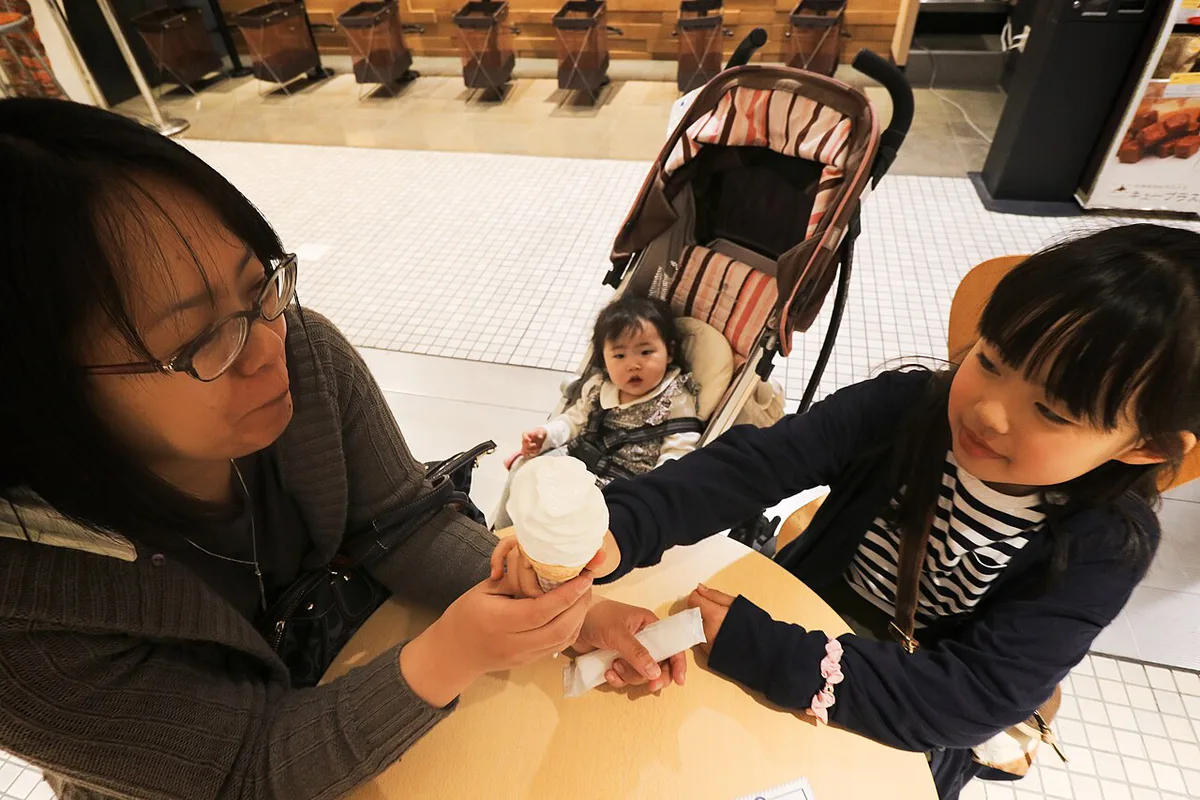
Hokkaido's dairy industry sets a milk fat standard of about 3.6% to 4.0%, noticeably richer than milk used for soft serve elsewhere in Japan. Otaru shops that source from local farms build their soft serve around that higher fat content. That extra fat produces a denser, slower-melting texture instead of the airy mouthfeel typical of standard soft-serve mix. Texture is where the trade-off shows up. High-fat, single-origin dairy tastes richer and coats the palate longer. Lower-fat or sorbet-blended versions taste lighter and more refreshing, which matters more on a hot August afternoon than in February. Grass-fed cattle and Hokkaido's cooler climate are often credited for the flavor, though exact fat content still varies farm to farm. Because of that variation, the "purist" farm-direct options taste different from a standard convenience-store soft serve, even before any topping is added. Shops that blend in sorbet or lower-fat mixes are chasing a different goal, a refreshing finish rather than a rich one. Farms such as Yamanaka lean into that single-origin identity by naming their milk source directly on the menu board rather than listing a generic "soft cream" item.
Otaru's 3.6% to 4.0% milk-fat standard should slow melting, but summer heat defeats this advantage—save the richest farm-direct stops for cooler seasons when speed isn't dictated by the cone's melt rate.
Where to Find Otaru's Best Soft Serve and Dairy Treats
Four stops account for most of the soft serve photos taken in Otaru. Each rewards a different priority: flavor purity, cheese-forward variety, atmosphere, or spectacle.
Kitaichi Glass No. 3 serves different seasonal needs—it's a summer draw for its photo-worthy stacked layers and kerosene-lit atmosphere, yet offers the heated indoor seating essential for winter visits to Sakaimachi Street.
- Yamanaka Dairy Farm is the purist's choice, built on organic, high-fat milk. The classic vanilla shows off that base dairy flavor without toppings. Seasonal fruit blends rotate through the year for variety.
- LeTAO's Pathos and Main Store locations split their signature soft serve by flavor. Pathos leans on a Jersey Milk version. Its Main Store flagship offers a five-cheese Cinq Fromage flavor that plays off the brand's cheesecake reputation, covered in the guide to Otaru cheesecake cafes.
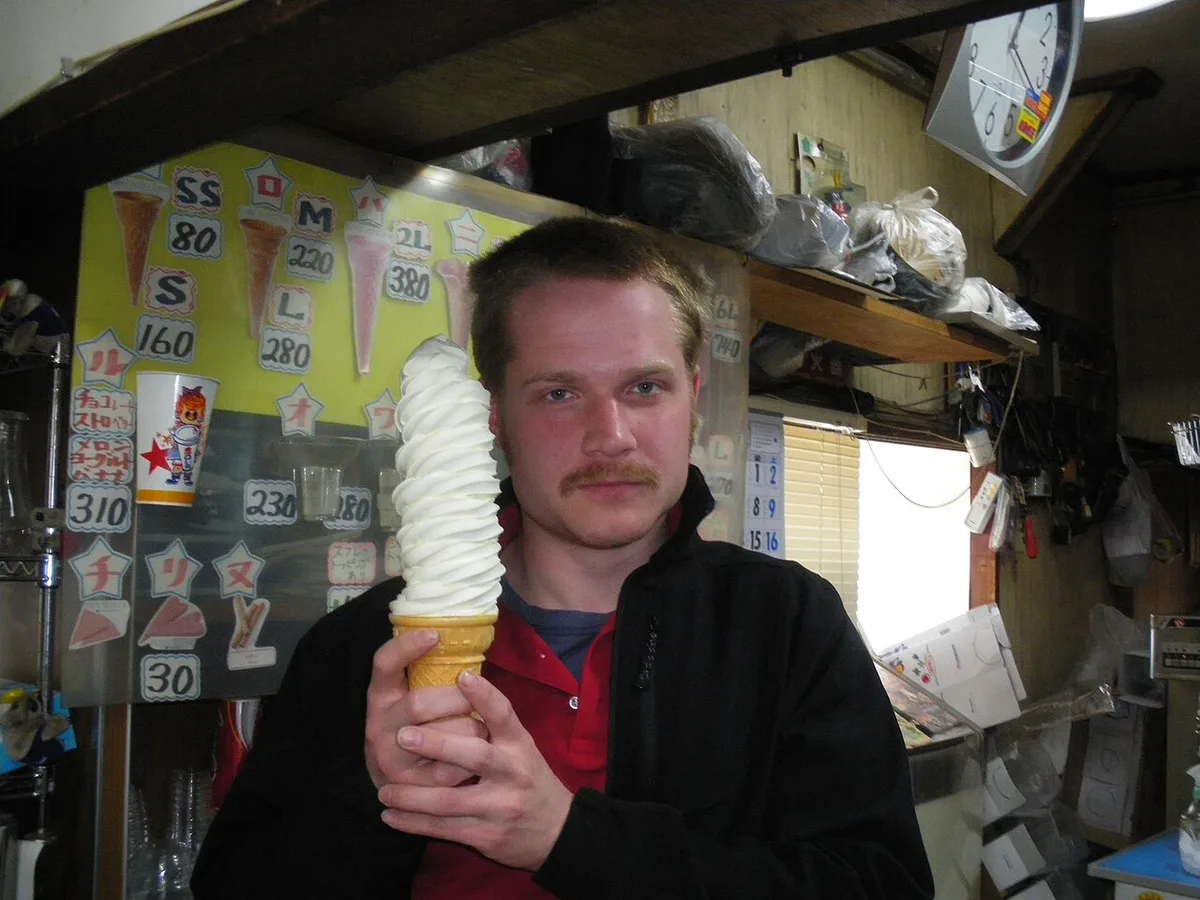
- Kitaichi Glass No. 3 sells the atmosphere as much as the dessert, with kerosene-lamp lighting inside a converted glass warehouse. Its towers stack six or eight layers of soft serve, making it a photo stop as much as a snack. Full detail on the building and shopping floors is in the Kitaichi Glass guide.
- Otaru Venice is the source of the viral "Rainbow" tower, a stack of seven flavors sold as one cone. Eat from the top down and rotate the cone as you go, since the outer layers soften first in warm weather.
Untangling the LeTAO Lineup: Which Outpost Has Which Treat
LeTAO's name covers more than one storefront in Otaru, and that causes confusion for first-time visitors chasing a specific flavor. Pathos and the Main Store are the two locations most often mentioned for soft serve specifically, and each keeps one flavor as its calling card. Pathos serves a Jersey Milk soft serve built around a single dairy source, aimed at showing off milk flavor rather than variety. The Main Store instead offers Cinq Fromage, a five-cheese flavor that borrows from the brand's broader cheesecake and cafe menu. Picking the right outpost matters more than picking the right time of day, since the two flavors are not interchangeable between locations. Both outposts sit among the dessert shops that cluster along Sakaimachi Street, so visiting both in one walk is realistic.
Beyond the Cone: Other Dairy Treats Worth a Stop
Soft serve is not the only dairy option worth the stop in Otaru. A few other treats show up across Sakaimachi Street stalls and cafes.
- Double Fromage sits at the intersection of cheesecake and dairy dessert, layering a cheese-forward filling with a lighter cream top. It is the closest thing on this list to a fork-and-plate dessert rather than a walking snack.
- Glass-jar milk puddings are sold along Sakaimachi Street in small, resealable jars, an easy option for anyone who wants a dairy treat without a queue at a soft-serve counter. Jars travel well, making them one of the few Otaru dairy treats suited to enjoying later at a hotel room rather than on the street.
- Toppings worth asking for include local Otaru honey and sweet red bean paste. Honey keeps the milk flavor dominant, while red bean paste adds a heavier, dessert-like finish.
The Sakaimachi Dairy Walk: Route, Cost, and Etiquette
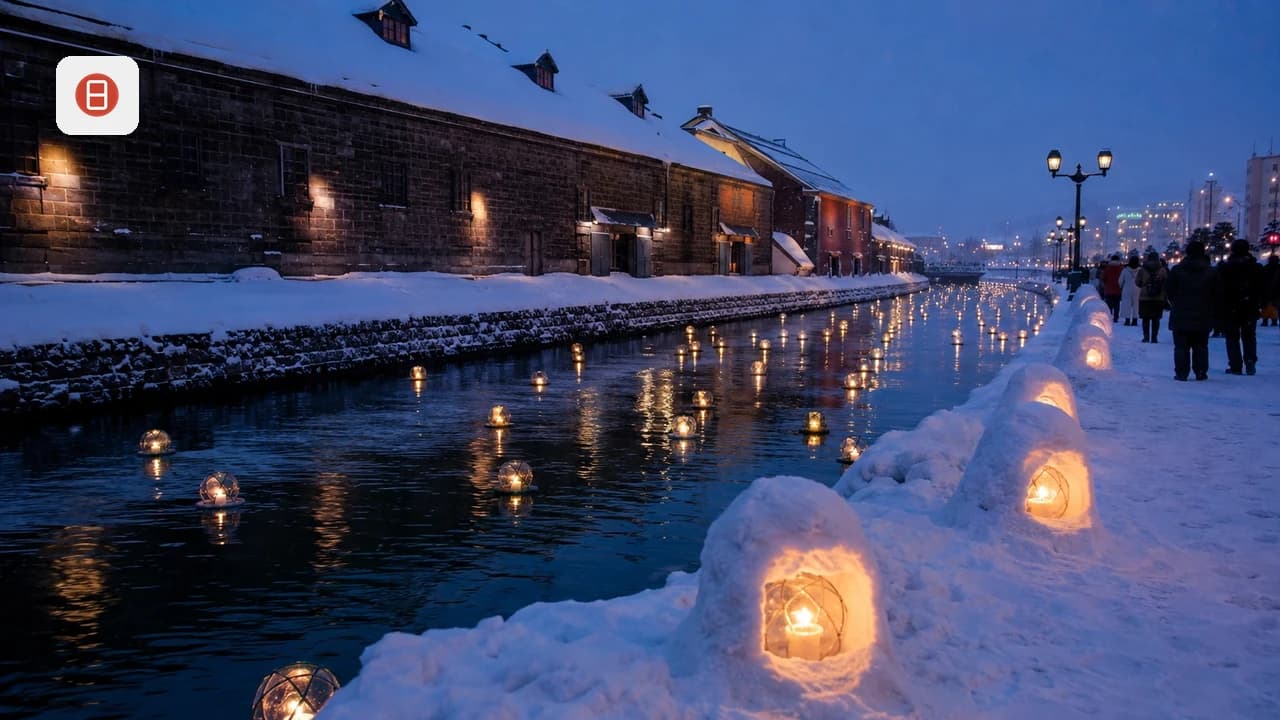
A simple dairy walk starts at the Otaru Canal: Ultimate Travel Guide & Things to Do, continues through Sakaimachi Street, and finishes near the Music Box Museum, where the last few dessert stalls tend to cluster. Budget for a slow pace rather than a straight line, since Sakaimachi Street is dense with stalls and window displays that invite stopping. Several stops on the wider Otaru attractions list sit near the Music Box Museum area too, so the dairy walk doubles as sightseeing. Pair the dairy crawl with something savory to avoid a full afternoon of sugar. Herring dishes make a good contrast earlier in the day. Otaru's sake breweries are another option if the group wants something besides dessert. A guide to canal-side restaurants and craft beer covers savory and drink options within a few minutes of the same stretch. Travelers staying overnight can also check Otaru lodging options for hotels close enough to beat the afternoon queues that build up around peak dessert hours. History-focused travelers can extend the walk toward the herring mansion at Nishin Goten after the last cone. Planning around seasonal planning for Otaru helps decide which format, summer walking or winter indoor seating, suits the trip.
- Cost: expect ¥400 to ¥800 per cone, with layered towers and specialty flavors landing at the higher end. That range sits close to a typical Sakaimachi Street snack, so budgeting for two or three stops keeps the crawl affordable.
- Hours: most shops along Sakaimachi Street close early, generally by 5:00 or 6:00 PM, so plan dairy stops earlier in the day rather than after dinner.
- Etiquette: eating while walking is often discouraged in Otaru. Look for a shop's designated standing area or a nearby bench before unwrapping a cone.
- Season: summer favors speed, since melting picks up fast and seasonal flavors such as melon typically appear, with strawberry more common in spring. Winter favors shops with heated indoor seating, such as LeTAO's Pathos location and Kitaichi Glass No. 3.
Comparison Table: Top Otaru Dairy Spots
These five stops compare side by side in the table below. Use it to match a stop to the day's priority: flavor, cheese, atmosphere, or a photo. Treat it as a quick reference before setting out, not a ranking of one shop over another.
| Shop | Signature Flavor | Texture | Best For |
|---|---|---|---|
| Yamanaka Dairy Farm | Classic vanilla, seasonal fruit blends | Rich, high-fat, creamy | Flavor purity |
| LeTAO Pathos | Jersey Milk soft serve | Creamy | Milk-forward flavor |
| LeTAO Main Store | Cinq Fromage (five-cheese) | Creamy, tangy | Cheese lovers |
| Kitaichi Glass No. 3 | Six- or eight-layer tower | Creamy | Atmosphere and photos |
| Otaru Venice | Seven-flavor Rainbow tower | Mixed, softens fast at the edges | Photos and novelty |
Further reading: Otaru on Wikivoyage · Otaru on Wikipedia
Frequently Asked Questions
What is the "Rainbow" soft serve in Otaru?
The "Rainbow" soft serve is a stacked tower most famously sold at Otaru Venice, built from seven flavors piped into one cone. Some shops, including Kitaichi Glass No. 3, sell six- or eight-layer versions of the same idea. Eat from the top down, since the outer flavors soften first.
Where can I find dairy-free or vegan options in Otaru?
Dairy-free options are limited in a town built around milk fat and cream. Most stands do not stock a plant-based soft serve, so the closest substitute is usually a fruit sorbet or an ice-based dessert rather than a true dairy-free soft serve. Ask directly at each counter, since selection can change stall to stall.
Is Otaru soft serve better than Sapporo's?
Otaru's advantage is proximity rather than a fixed quality gap. Sitting closer to Shiribeshi region dairy farms lets local shops build soft serve around specific, single-origin milk instead of a generic supply chain. Whether that translates to "better" is a matter of taste, but the farm-to-cone distance is shorter in Otaru.
Which shop has the best indoor seating for winter?
LeTAO's Pathos location and Kitaichi Glass No. 3 are the two most consistent choices for heated indoor seating in the colder months. Both let you sit down with a cone or a hot drink instead of eating on the move. Check the seasonal planning guide for Otaru before planning a winter trip around dessert stops.
How much time should I plan for an Otaru dairy walk?
There is no fixed length. Budget enough time to cover Otaru Canal, Sakaimachi Street, and the Music Box Museum area at a relaxed pace. Build in extra time for any queue at Otaru Venice or LeTAO.
What is Double Fromage?
Double Fromage sits between a cheesecake and a dairy dessert. It layers a cheese-forward filling with a lighter cream top. Treat it as a fork-and-plate option rather than a walking snack, and pair it with other Otaru cheesecake options for a fuller dessert stop.
Free guide: Japan's Hidden Gems
12 under-the-radar places beyond Tokyo & Kyoto — with the best season to visit each and a local tip you won't find in the guidebooks.
You might also like


Continue reading
More guides you'll find useful


