Otaru Day Trip From Niseko: 7-Step Itinerary & Guide
Plan the ultimate Otaru day trip from Niseko. Discover the best transport options, a 7-step itinerary for the Canal and Sakaimachi Street, and local seafood tips.
On this page
An otaru day trip from niseko is one of the most rewarding excursions you can make from the Hirafu slopes. Otaru sits roughly 100 km west of Niseko along Hokkaido's coast — close enough to do in a single day, distinctive enough to feel like a different world. The town built its wealth on herring fishing and Meiji-era canal trade, and that history is still visible in every stone warehouse and cobbled alley.
This guide covers every step in practical order: which station to leave from, what to eat first, where to spend your afternoon, and how to time the gas-lamp canal walk. Budget around ¥5,000–¥8,000 per person for transport, food, and one or two paid attractions.
Transportation Options: Getting from Niseko to Otaru
The JR Hakodate Main Line is the default choice for most visitors. Board at Kutchan Station, not Niseko Station — this is an important distinction that many guides skip. Kutchan is the hub for the Hirafu ski village and sits 20 minutes closer to Otaru by rail; using Niseko Station instead adds roughly a 20-minute taxi ride on top of an already long journey. A one-way ticket from Kutchan to Otaru costs approximately ¥1,500 and takes about 90 minutes. Check JR Hokkaido's English timetable for seasonal schedule changes, as services thin out on slower winter days. For broader Hokkaido transport and regional context, the official Hokkaido Tourism Organization covers all rail routes across the island.
Private taxi vans are a practical option for groups or families with ski gear. Expect to pay ¥25,000–¥35,000 one-way for a private van from Hirafu to Otaru. Book at least 48 hours in advance through your accommodation concierge; same-day availability is rare during peak ski season. The drive takes about 75–90 minutes via Route 5 along the coast, though mountain passes between Kutchan and Yoichi can carry black ice in January and February — rental-car drivers should fit winter tyres (mandatory in Hokkaido winter) and allow extra time.
Driving gives you the flexibility to stop in Yoichi on the way back, but parking in central Otaru near the canal costs around ¥500–¥800 for a full day. In summer, the coastal drive via Route 5 is genuinely scenic with views of the Sea of Japan; in winter, stay on the main road and avoid mountain shortcuts.
Morning Exploration: The Historic Otaru Canal
Aim to arrive in Otaru by 09:00. The canal was dug between 1914 and 1923 to handle the overflow of trade ships that could not dock directly at the harbor. Tugboats ferried goods between the ships and the stone warehouses lining the banks — at the canal's peak in the 1920s, Otaru was Hokkaido's financial and commercial capital. The warehouses were slated for demolition in the 1970s but were saved by a citizen preservation campaign and are now protected. For a deeper dive into Otaru's Meiji-era history, the full historical timeline includes the port's opening in 1899 and designation as a city in 1922.
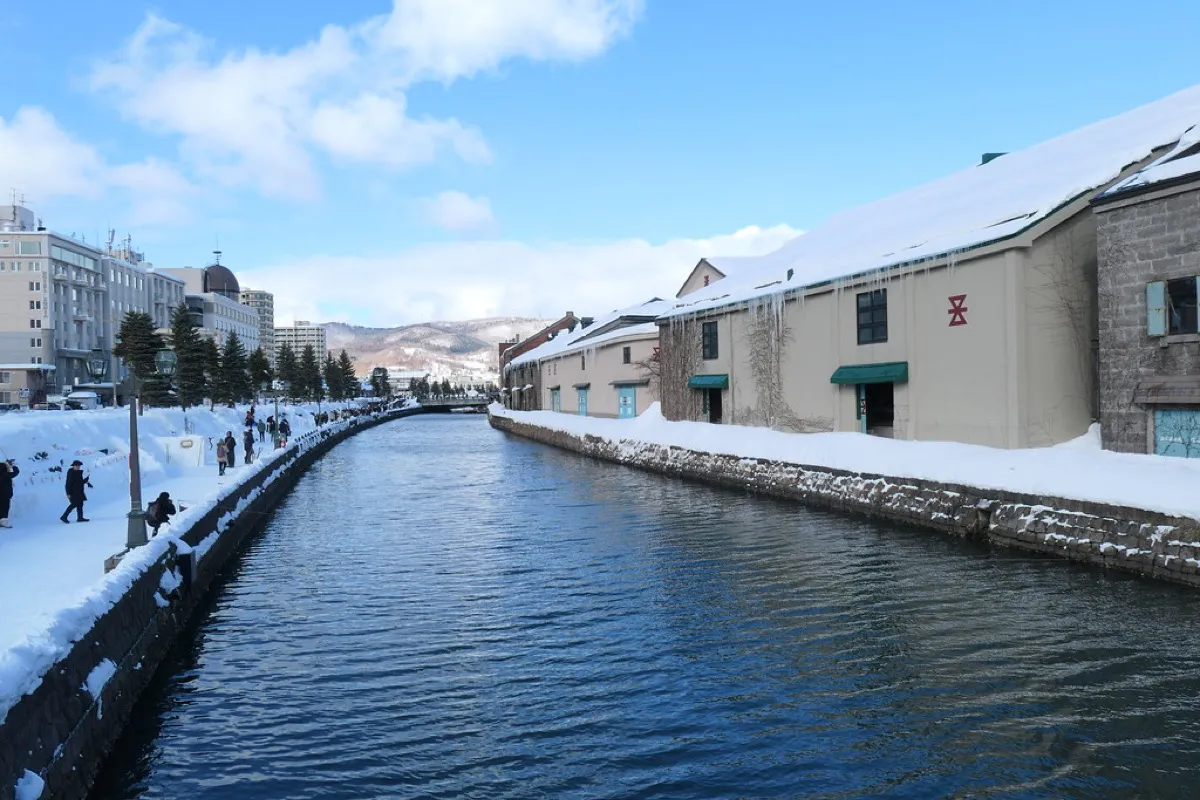
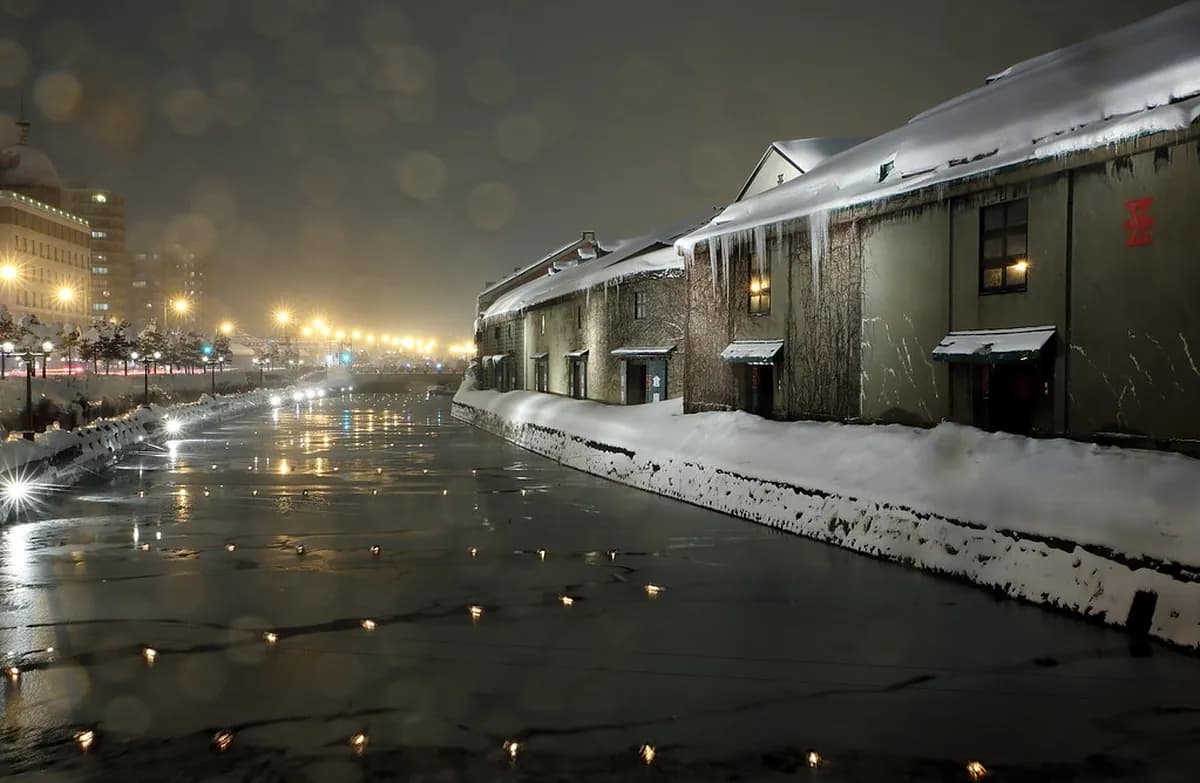
Walk the 1.3 km paved path along the main canal stretch. The original Victorian-style iron gas lamps still line the route; they are lit from dusk. Morning light falls on the stone facades cleanly, with fewer tourists than mid-afternoon. Stop at the retaining wall near the central bridge for the widest-angle canal photo — this is the shot that appears on most Otaru tourism posters. In winter, snow settles on the lamp tops and eaves, turning the scene into something that looks slightly unreal.
The warehouses themselves now house restaurants, craft shops, and glass-blowing studios. Admission to walk the canal path is free. If you want a guided boat perspective, short sightseeing cruises (around ¥1,500 per person) depart from the canal's southern end; these run more reliably in summer.
The 63 Victorian gas lamps along the canal are lit daily at dusk. Winter sunsets occur around 16:20–16:55, so plan to reach the canal by 16:00–16:30 for the best photograph light before darkness falls. In summer, sunset is 19:00–19:30, making the lamp-lit walk an evening activity instead.
Lunch Stop: Fresh Seafood at Otaru Sankaku Market
Sankaku Market (三角市場) is a covered market directly behind Otaru Station, open daily from approximately 07:00 to 17:00. It is one of the few places in Hokkaido where you can eat a kaisendon (seafood rice bowl) for breakfast or an early lunch without paying Sapporo city prices. A premium kaisendon with crab, uni, and salmon runs ¥2,500–¥3,500; a simpler ikura-don (salmon roe) bowl starts around ¥1,500.

The market's dozen or so stalls each operate their own small eatery. There is no single "best" stall — the quality across all of them is consistently high because they source from the same early-morning fishing boats. Arrive before noon to avoid the lunchtime queue; walk-ins at noon on a weekend face 20–30 minute waits. The herring (nishin) dishes here are worth ordering specifically: herring was Otaru's founding industry and the local preparation — simmered or grilled with a sweet soy glaze — is distinct from anything you will find in Niseko or Sapporo.
For a more formal sushi lunch, Sushi Zen-dori (Sushi Street) runs a few blocks from the market. Counter seats at the top restaurants require reservations three days in advance. Check the Otaru Tourism Association for a current list of recommended restaurants with English menus.
Afternoon Walk: Sakaimachi Street and Glass Crafts
Sakaimachi Street runs parallel to the canal and is the commercial heart of historic Otaru. The preserved Meiji and Taisho-era merchant buildings now house around 20 glass craft shops, several music box studios, confectioners, and local sake sellers. The street is about 400 m long and entirely walkable in 30 minutes — but budget 90 minutes if you plan to browse properly or try a glass-blowing session.
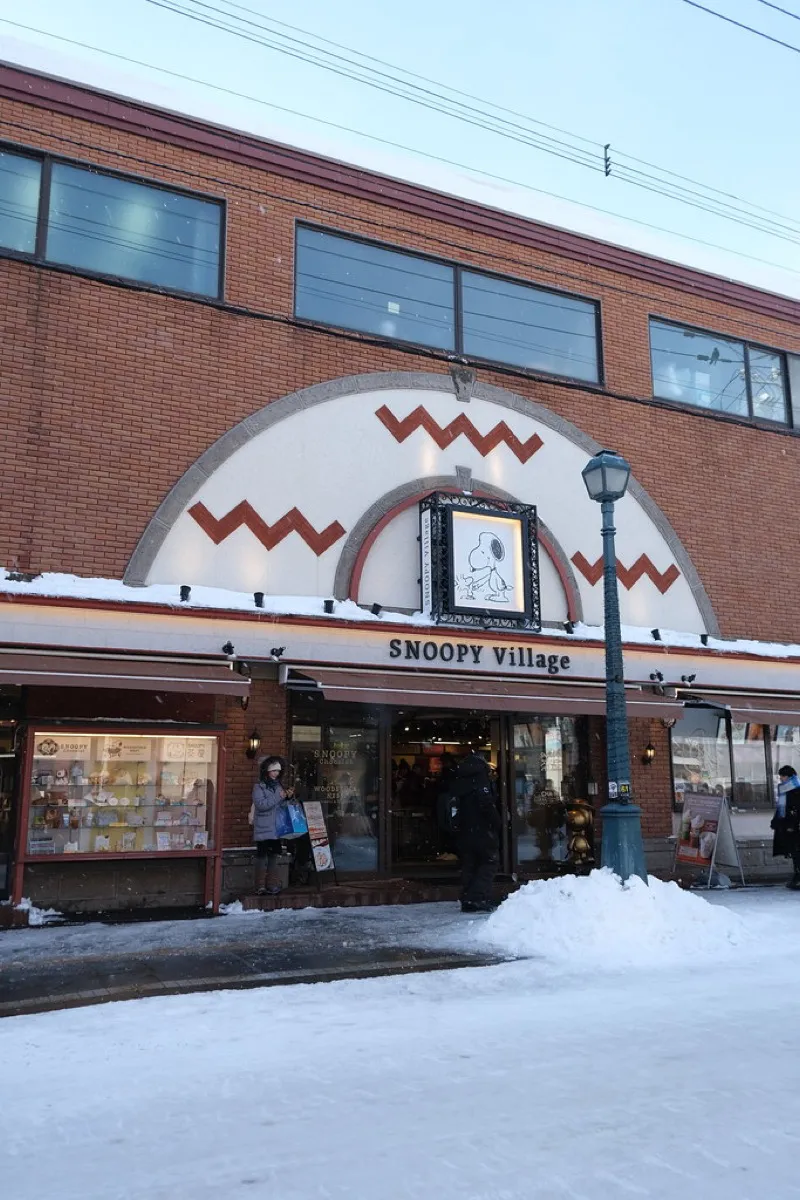
Otaru's glass industry dates to the late 19th century, when local craftsmen made fishing floats and oil lamps. The craft pivoted to decorative glassware as the fishing industry declined, and the town is now considered Japan's leading center for hand-blown glass. Kitaichi Glass is the largest retailer on the street, with eight showroom buildings; Tanaka Glass Workshop offers 30-minute float-blowing sessions for around ¥3,000 per person if booked in advance. Walk-in availability is common on weekday mornings.
The Steam Clock near the Otaru Station end of Sakaimachi is a gift from Vancouver (1977) and whistles on the hour — worth a two-minute stop. The covered arcade on the west side of the street has the better confectionery shops, including LeTAO, which makes a double-layer cheesecake that has become genuinely famous across Japan. A small box costs around ¥1,500 and travels well as a souvenir.
Glass-blowing workshops fill quickly on weekend mornings. If you want to try a 30-minute float-blowing session at Tanaka Glass Workshop (¥3,000 per person), book by phone the night before or arrive by 10:00 on weekday mornings for walk-in availability. Finished pieces can be shipped home for an additional fee.
Cultural Highlights: Otaru Music Box Museum and Aquarium
The Otaru Orgel-do (Music Box Museum) sits at the top of Sakaimachi Street and is open daily 09:00–18:00; admission is free to browse the retail floors, though a small gallery with antique boxes charges around ¥600. The collection spans hundreds of mechanical music boxes from the 18th century onward — a reflection of Otaru's role as an import hub when Western goods first reached Hokkaido. It is best suited to couples and older children; toddlers may find the fragility rules frustrating.
The Otaru Aquarium sits on a seaside cliff about 3 km from central Otaru (a ¥600 taxi ride or 20-minute walk along the coast). Opened in 1958, it covers 107,000 square metres and houses over 5,000 marine creatures across 250 species. The outdoor sea-lion and dolphin shows run three to four times daily in summer; in winter the aquarium reduces hours and focuses on indoor tanks. It is the better choice for families with young children who need an active, hands-on experience. If your group includes toddlers, prioritize the aquarium over the music box museum, where the "please don't touch" rule is strictly enforced.
On a tight day-trip schedule you have time for one of the two, not both. The music box museum is a 10-minute walk from the canal and fits naturally into the Sakaimachi afternoon. The aquarium requires a dedicated 2-hour block and a short transit, so skip it unless you are specifically interested in marine life or traveling with young children.
Local Tasting: Coastal Flavors and Otaru Sake
Tanaka Sake Brewery (Kikkogura) operates one of the oldest sake breweries in Hokkaido, located a short walk from Sakaimachi Street. The Tanaka family has been brewing since 1899, using soft local water drawn from the mountains behind Otaru. Drop-in tastings run daily; a three-cup flight of their main labels costs around ¥500. The brewery shop stocks limited seasonal releases that are not available outside Hokkaido — the Tanaka 720ml junmai daiginjo is a reliable souvenir choice at around ¥2,500.
Yoichi — 30 minutes east of Otaru by train — adds the Nikka Whisky Distillery if you have time for a detour. Masataka Taketsuru founded Nikka here in 1934, choosing Yoichi for its cold climate and peat-influenced water, which he believed mirrored the conditions in Scotland where he trained. Free guided tours of the distillery run hourly and include a tasting; the single malt expressions aged in local oak are the ones worth trying. The Yoichi detour adds roughly 90 minutes to your day, so it works best if you skip the Otaru Aquarium or start from Niseko early.
Otaru Beer, housed in a restored warehouse near the canal, is a Bavarian-style brewpub that has been operating since 1995. The dunkel and weiss are the house specialties; a 500 ml glass runs ¥900. It opens at 11:00 and fills quickly by 13:00, so it works better as an early afternoon stop after the canal walk than as an evening anchor.
Station Logistics: Coin Lockers and the Kutchan Distinction
Otaru Station has coin lockers on the ground floor near the ticket gates — small lockers cost ¥300 per day and medium lockers ¥500. This matters if you are combining an Otaru stop with onward travel to Sapporo rather than returning to Niseko. The standard routing for Niseko guests moving between resorts and the city is Kutchan → Otaru (day) → Sapporo (night); storing bags at Otaru Station for the day lets you walk freely without hauling ski or luggage bags through the canal and market areas.
The locker bank can fill quickly during peak winter weekends by 10:00. If lockers are full, the coin locker staff at Otaru Station can sometimes arrange temporary bag storage at the station office (ask at the counter marked 手荷物). Alternatively, most hotels near Sapporo Station will accept luggage ahead of check-in if you have a booking — call ahead and arrange a courier transfer through your Niseko concierge the night before.
One more practical note: confirm your return train from Otaru to Kutchan before 16:00. Late-evening trains from Otaru toward Kutchan run infrequently — gaps of 90 minutes between departures are common after 19:00. If you plan to stay for the canal gas-lamp hour (dusk, roughly 17:30–18:30 in winter), check the last viable train so you are not caught choosing between the canal light show and your final connection back to Hirafu.
Essential Travel Tips for a Smooth Day Trip
Leave Hirafu by 07:30 to reach Otaru before 09:30 and get a full day. In winter, carry hand warmers — the coastal wind off the Sea of Japan is several degrees colder than Niseko's sheltered mountain valleys. Comfortable flat-soled boots work better than ski boots or heels on Otaru's cobbled canal path, which can be icy in January and February. For broader Japan travel planning, the official JNTO site covers Hokkaido as a region and seasonal travel tips across the country.
The gas lamps along the canal are lit from dusk year-round, but the visual payoff peaks in winter when snow frames the lamp tops. In 2026, Otaru's average sunset times are approximately 16:20 in January, 16:55 in February, and 17:45 in March. Aim to be at the canal by 30 minutes before sunset for the best photography light. In summer (July–August), sunset is not until 19:00–19:30, making the lamp-lit walk an evening affair rather than a late-afternoon one.
The Snow Light Path Festival runs annually in early February (typically the first two weekends). Ice sculptures and snow lanterns line both the canal and Sakaimachi Street; the festival draws large crowds, so book accommodation and transport at least two weeks ahead if your Niseko trip overlaps with it. Cherry blossoms in Otaru peak in late April to early May — one of Hokkaido's least-crowded sakura experiences because the timing falls after most domestic cherry-blossom tourists have already moved north from Honshu.
For a broader picture of what to do between Niseko ski days, the nearby day-trip ideas guide covers Otaru alongside Lake Toya, Sapporo, and Shakotan. If you are still planning your base in the region, check the choosing your Niseko base guide for notes on Hirafu vs Niseko Village access to Kutchan Station.
Add an Extra Day: Yoichi and Beyond
Yoichi is 30 minutes east of Otaru by JR Hakodate Line and pairs well if you have a second free day or want to extend the Otaru trip slightly. Beyond the Nikka Whisky Distillery, Yoichi is known for fruit farms (the peaches and apples grown here are sold at premium prices across Japan) and a compact fishing heritage museum at the Old Shimoyoichi Unjoya building. The town is quieter and less touristy than Otaru, which appeals to travelers who find Sakaimachi Street too souvenir-heavy.
A a trip out to Lake Toya makes a strong alternative on a separate day. Lake Toya lies in the opposite direction from Otaru, south of Kutchan, and the landscape — volcanic caldera, lakeside onsen, the looming silhouette of Mount Usu — is entirely different from Otaru's coastal urban feel. The two trips cover different sides of Hokkaido's character and complement rather than compete with each other.
Planning the rest of your trip? Start with our main Niseko attractions guide, then look at other day trips from Niseko and a Lake Toya day trip.
Frequently Asked Questions
How long is the train from Niseko to Otaru?
The train ride takes about 90 minutes from Kutchan Station. You should check the schedule for seasonal changes. The route offers beautiful views of the Hokkaido coastline.
What is the best time to visit the Otaru Canal?
Visit the canal just before sunset to see the gas lamps. This timing provides the most romantic atmosphere for photos. Winter evenings are especially beautiful with the snow.
Can I do an Otaru day trip in winter?
Yes, the city is very accessible during the winter months. The Snow Light Path festival in February is a major highlight. Just wear warm layers for the coastal wind.
An Otaru day trip from Niseko rewards the effort with a side of Hokkaido that the ski resort cannot offer — Meiji-era stone, fresh crab over rice, hand-blown glass, and a canal that glows at dusk. Use Kutchan Station, arrive early, and leave the canal for last. The day will run itself from there.
Free: The Niseko Essentials guide
Top things to do, where to stay, a perfect day plan, getting around, and the best time to go — a Niseko mini-guide you can take offline.
You might also like


Continue reading
More guides you'll find useful