10 Essential Niseko Travel Tips for First-Timers
Plan your perfect Japan ski trip with these 10 Niseko travel tips. Includes advice on gear rentals, Niseko United resorts, and 2026/27 travel updates.
On this page
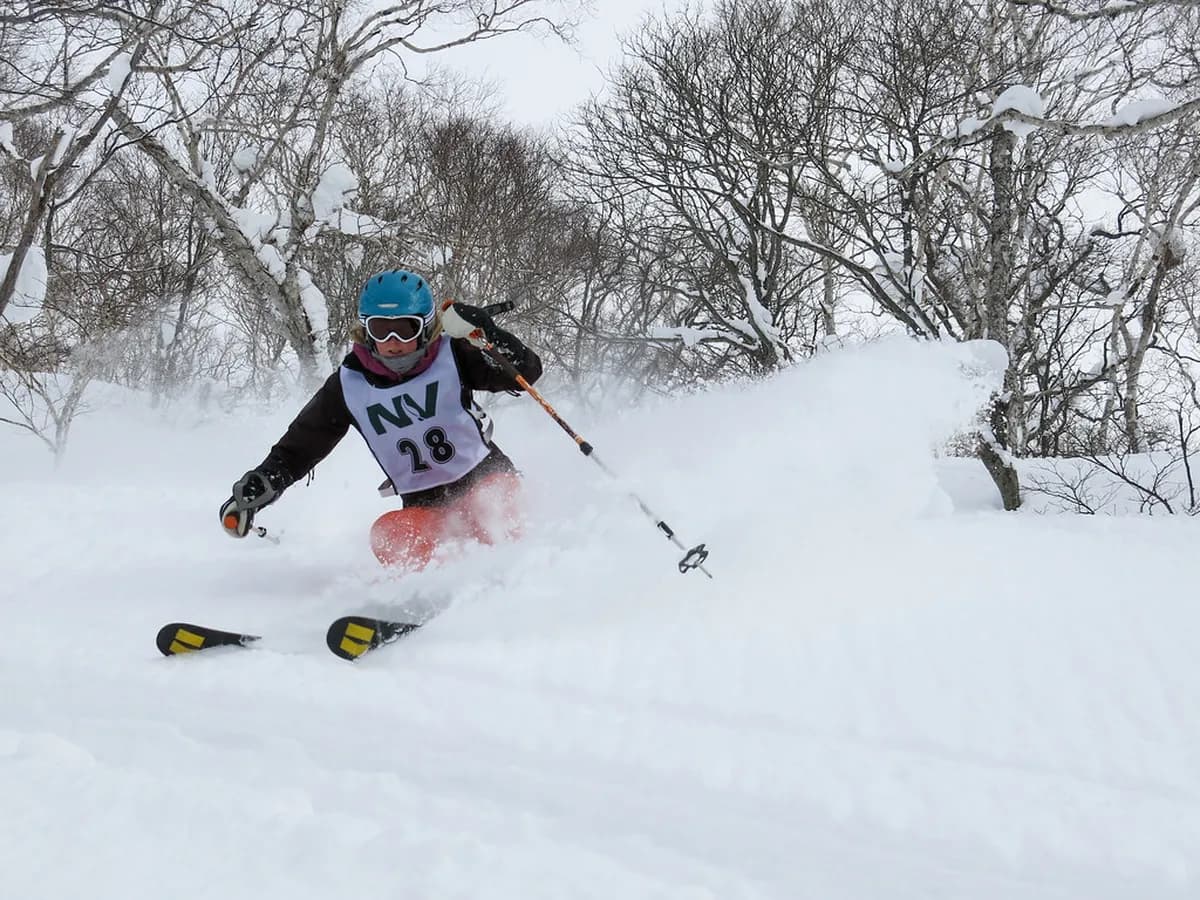
Niseko is Japan's premier winter destination, famous worldwide for its legendary "Japow" powder snow and the four interconnected resorts that make up Niseko United.
First-time visitors often find the logistics — transport from New Chitose Airport, resort comparisons, gear rental timing, and dinner bookings — more complex than expected.
This guide covers the practical tips that genuinely matter, from current 2026 transport options to cash realities and the booking lead times most generic guides understate.
Best Time to Visit Niseko: From Powder to Spring Slush
Peak season runs from late December through February, when the "Japow" snowfall averages 15–20 metres annually. Temperatures hover around -2.9°C during this window and all four Niseko United resorts operate at full capacity, including night skiing. January is the single best month for deep, dry powder and consistent snowfall. Book flights and accommodation at least six to twelve months ahead for this window — rooms sell out fast.
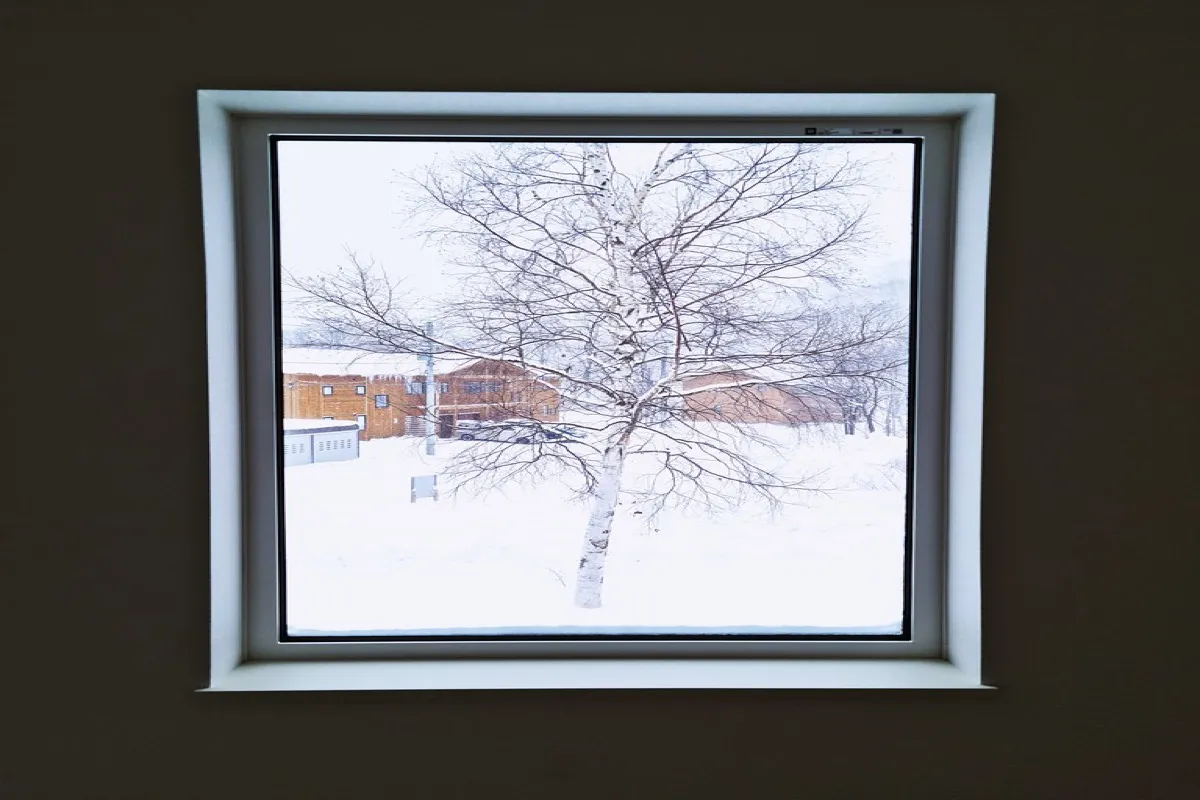
Early season (late November to mid-December) is worth considering if you are budget-conscious. Lift passes and accommodation run cheaper, slopes are quieter, and base depths already reach 100–150 cm by mid-December. Some restaurants and night skiing areas open gradually rather than all at once, so check resort schedules before you book. Niseko United is typically scheduled to open late November — the 2025/26 opening was November 29, 2025.
Spring skiing in March and April offers a completely different experience: softer corn snow, bluebird days, and accommodation prices that drop noticeably. Slopes are less intimidating for beginners and families, and restaurants finally have tables available without months-in-advance bookings. Check out our the ideal season to visit guide for a full seasonal breakdown.
Summer in Niseko is growing fast as a destination in its own right. The Niseko Classic 2026 UCI Gran Fondo World Championships — the first in Asia — is held in August, drawing cyclists from around the world. Niseko's geography and elevation make it ideal for hiking Mount Yotei and rafting the Shiribetsu River, popular warm-weather alternatives for those who want the landscape without the ski gear.
Getting to Niseko: New Flight Paths and Ground Transport
Most visitors fly into New Chitose Airport (CTS) near Sapporo, the main international gateway to Hokkaido. For the 2026/27 winter season, four airlines — United Airlines, Air Canada, Philippine Airlines, and Singapore Airlines — are launching direct winter flights to Sapporo, which significantly shortens the connection from North America, Southeast Asia, and Australia. This removes the Tokyo layover that many visitors previously had to factor in. For more information on entering Japan and visa requirements, consult Japan's official tourism website.
From New Chitose, the journey to Niseko takes roughly 2.5 to 3.5 hours depending on your chosen method. Here is how the three main options compare:
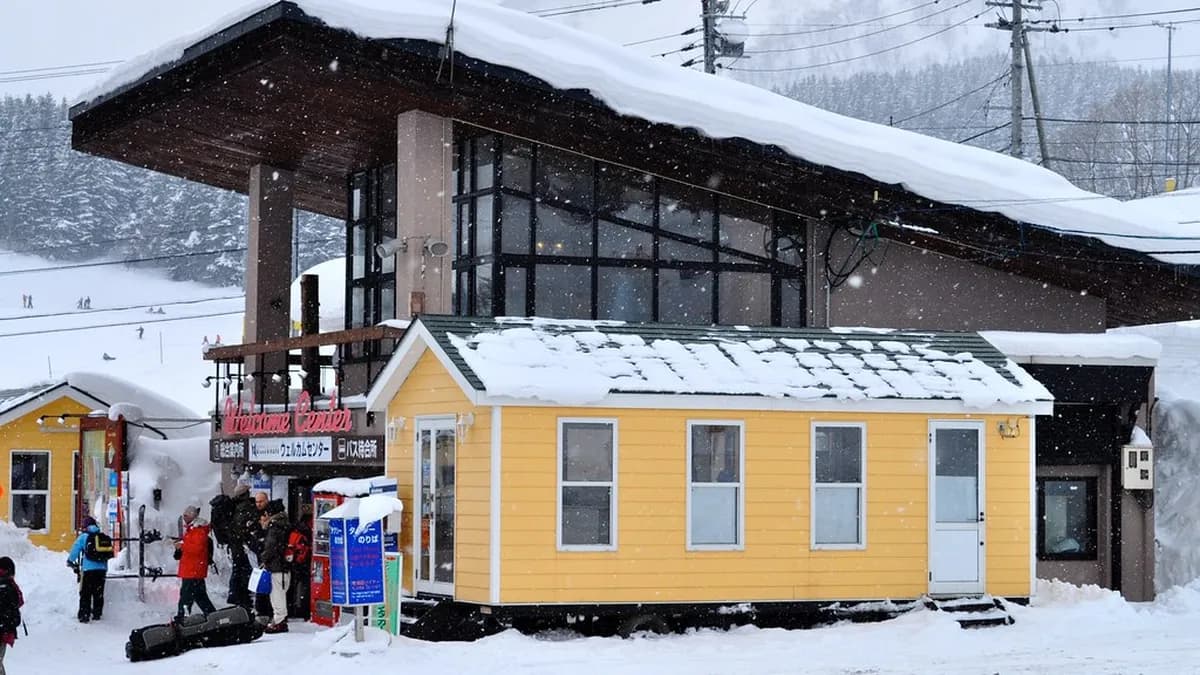
- Airport Limousine Bus (Hokkaido Resort Liner / White Liner): the most popular option, departing directly from the airport arrivals hall to Hirafu Welcome Centre. Journey time around 3.5 hours. Cost approximately ¥3,000–¥3,500 per adult one way. Book seats in advance — they fill during peak periods. See the Niseko Access Timetables for current schedules.
- JR Train: take the JR Rapid Airport to Otaru, transfer to the Hakodate line to Kutchan Station (the main hub near Grand Hirafu). Total journey around 3 hours. Cost around ¥3,940 per adult. Note that parts of JR Hokkaido do not accept IC/Suica cards — buy a paper ticket all the way to Kutchan at the airport. From Kutchan Station you need a taxi or local bus (15 minutes) to reach Hirafu; taxis are scarce so pre-arrange through your hotel.
- Private Transfer (e.g. SkyExpress, KS Limousine Taxi): door-to-door comfort, around 2.5 hours. Costs roughly ¥55,000 for a group of four from Niseko to/from Sapporo. Worth the price divided across a group, particularly in bad weather when train cancellations become a risk.
If you are coming from the capital, read our guide on traveling up from Tokyo for the domestic flight and onward connection details. Tokyo Haneda to New Chitose is about 90 minutes by air.
Where to Stay: Comparing the Four Niseko United Resorts
Niseko United consists of four interconnected resort villages built around Mount Annupuri. Choosing your base affects everything from dining access to how much time you spend on shuttle buses, so it is worth understanding each area before booking.
Grand Hirafu is the largest and most vibrant village. It is the hub for dining, nightlife, gear shops, and ski schools — most first-timers stay here because everything is within walking distance. AYA Niseko in Upper Hirafu is a well-regarded ski-in-ski-out option that ticks the key boxes: beginner-friendly slopes at the door, walking distance to restaurants, private onsen, and a daily breakfast buffet. Book at least 12 months ahead for peak January dates — it reliably sells out. You can find a range of Niseko accommodation options in Hirafu from hostels to luxury chalets.
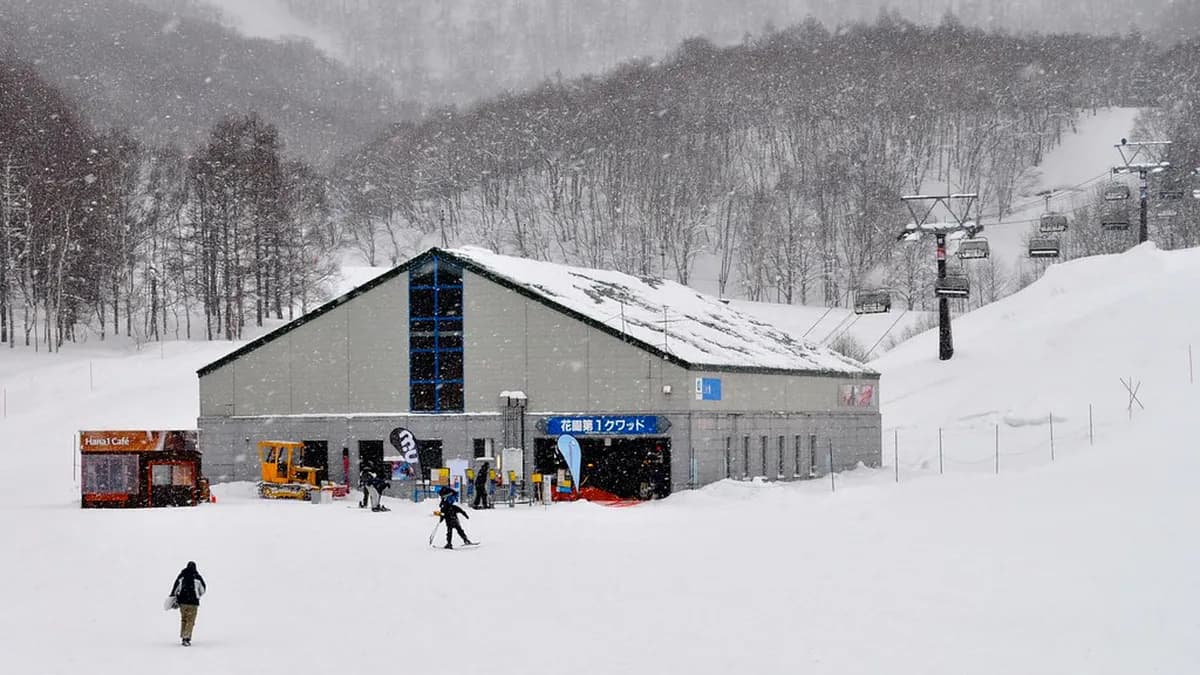
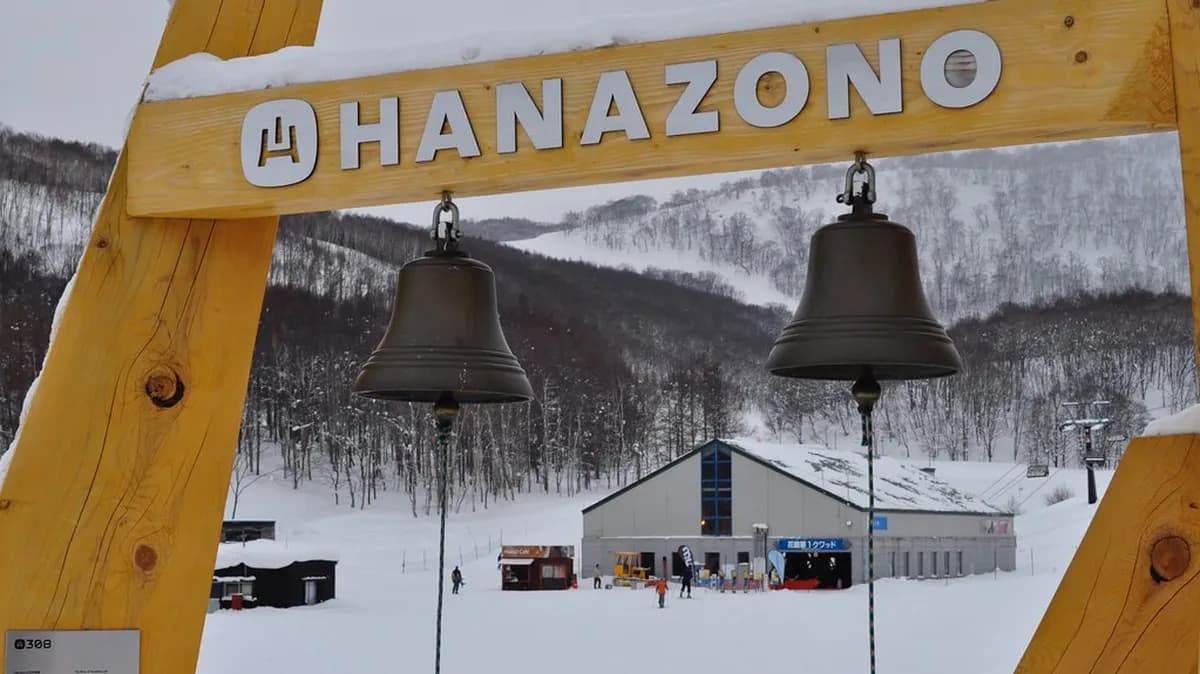
Hanazono sits just east of Hirafu and offers a more modern, upscale feel with excellent family facilities. Its ski school (Niseko International Snowsports School, NISS) is particularly well-regarded for children and multilingual instruction. Niseko Village is quieter and self-contained, suited to those who want ski-in-ski-out luxury without the Hirafu buzz. Annupuri is the most traditional in feel, with mellow slopes, natural onsens, and far fewer crowds — a favourite among repeat visitors who have already done the Hirafu experience.
- Grand Hirafu — energetic, central, best for nightlife, dining, and convenience; high crowd levels in peak season
- Hanazono — modern, family-friendly, excellent ski school, moderate crowds
- Niseko Village — upscale, ski-in-ski-out, self-contained, moderate crowds
- Annupuri — traditional, calm, great onsens, lowest crowd levels
Understanding Niseko United: Lift Passes and Terrain
Niseko United links all four resorts via shared lifts at the mountain summit and a dedicated shuttle bus system. The All Mountain Pass covers all four areas and is the default choice for most visitors — it costs around ¥33,200 for adults and ¥19,900 for children for a three-day pass, with online booking saving roughly 10% over counter prices. Buy passes from the official Niseko United website and pick up your physical QR-coded pass at the GoSnow centre ticket machines on arrival day so you are ready for the first lift the next morning.
Beginners will find the Ace Family Quad Lift area near Hirafu and Hanazono's lower runs the most approachable starting points. One practical caveat: green runs on Hanazono, Niseko Village, and Annupuri are only reachable from the mountain summit, which means traversing a black run first. For true beginners, the Hirafu base area near the Ace Family Chairlift is the safest and most convenient zone. Our hitting the slopes covers terrain breakdowns across all four resorts.
Advanced skiers will find the off-piste side-country gates, tree runs, and deep powder stashes irresistible. Cat skiing — guided access to untouched terrain via snowcat vehicle — is a popular upgrade for experienced riders who want fresh tracks without a full backcountry setup. It costs more than a standard day pass but delivers access to runs that see almost no traffic. Always check the daily avalanche report before venturing outside resort boundaries.
Night skiing is one of Niseko's genuine highlights. Hirafu and Niseko Village run floodlit terrain into the evening and the powder that accumulates during the day creates surprisingly good conditions after dark. It is an easy way to extend your time on the mountain without leaving the resort.
Gear Rental and Lessons: Booking Tips for Beginners
Standard rental skis work fine on groomed runs, but premium skis — wider, rockered, designed for powder — make a dramatic difference in deep Hokkaido snow. If you are visiting in January, upgrade to premium gear. The difference in float and control in 50 cm of powder is significant and worth the extra cost. Either way, book your rental online before you travel: inventory runs tight in peak February, and walk-in options at prime times are limited.
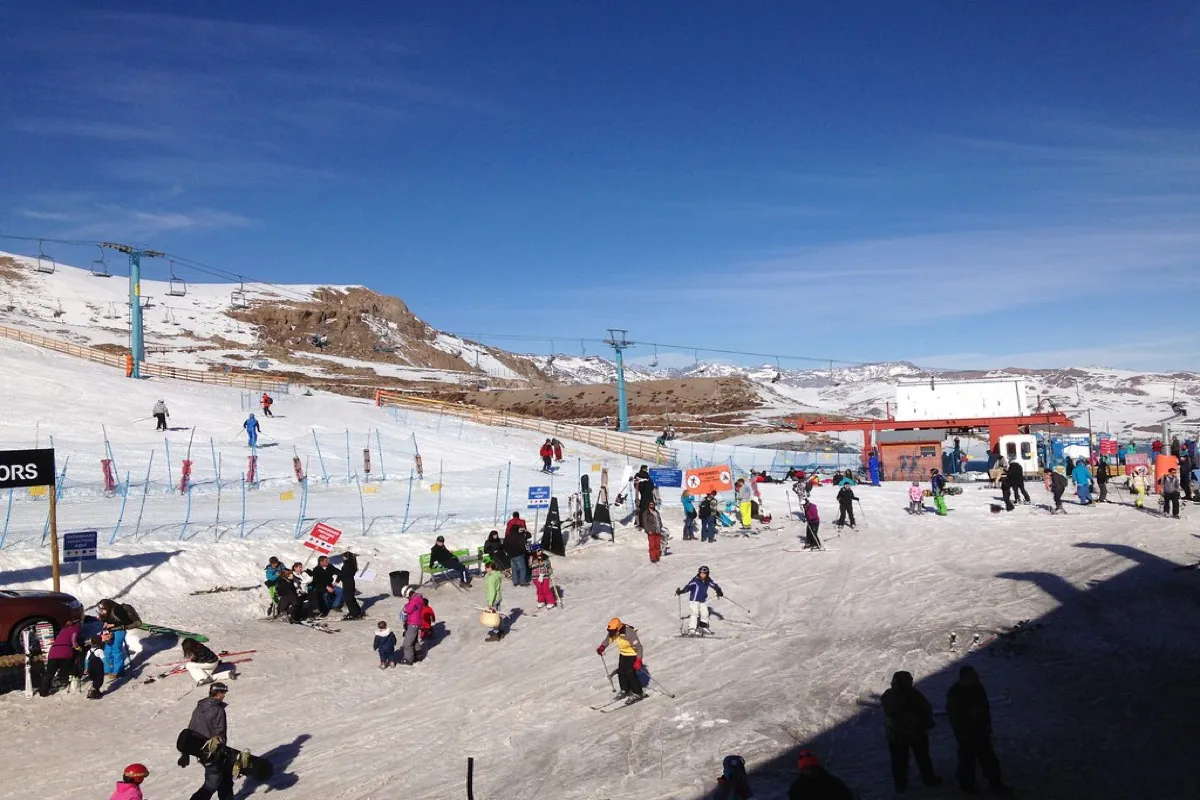
Rhythm Niseko is one of the most convenient options, with a store a short walk from AYA Niseko in Hirafu. They offer free shuttle pickup from their store to nearby hotels, and a useful rental-return arrangement with some properties that means you can drop gear at your hotel on your final night without a separate trip. Book a fitting appointment for your arrival evening so you are ready to ski from the first lift the next morning. YamaSport (three locations) and Niseko Sports are strong alternatives, with Niseko Sports offering free overnight storage and equipment transfers between Grand Hirafu and Hanazono.
For lessons, GoSnow operates out of the Ace Family Chairlift area near AYA Niseko in Hirafu. They offer priority lift lane access, reducing queue time for lesson groups. NISS in Hanazono is the preferred option for families with young children, offering multilingual instruction in English, Japanese, French, Spanish, and Portuguese. Both schools book out weeks in advance during peak season — secure your slot at least one month ahead, and two months for peak January dates.
Families with children should look specifically at Hanazono's dedicated kids' area and full-day programs that include lunch. This keeps younger skiers in a structured and safe environment while adults tackle more challenging terrain on the same mountain.
Getting Around: Shuttles, Taxis, and Uber in Niseko
The Niseko United Shuttle bus connects all four resort bases and is free for All Mountain Pass holders. It runs frequently throughout the day and into the evening, making it practical for moving between villages without a car. The Hirafu Village Shuttle loops through the residential areas of Hirafu and stops near major hotels — use it rather than walking in ski boots through snowy streets.
A significant practical update for 2026: Uber is now available within Niseko as of December 15, 2025, covering Niseko town, Kutchan, Kimobetsu, and Kyogoku. The GO taxi app also operates in the same area. This removes the previous pain point of trying to flag down a taxi for evening dinner runs or late-night rides. Note that neither service allows long-distance rides out of the area — for airport transfers you still need to arrange a private car or bus separately.
Traditional taxis remain difficult to find during evening dinner hours without advance booking, so even with Uber available, it is worth pre-booking through your hotel if you have a specific departure time. Ask your accommodation's concierge rather than trying to book on the street. The free shuttles that many hotels run for guests — typically once per hour — are often the most reliable option for short hops within the village.
If you plan to explore beyond the resorts — day trips to Otaru, Sapporo, or outlying onsens — a private transfer or train from Kutchan Station are your main options. Renting a car is possible but winter driving on icy Hokkaido roads requires experience and an International Driving Permit. Most first-timers find the shuttle and taxi combination sufficient for the duration of their stay.
Dining and Après-Ski: Where to Eat and Drink
Niseko's dining scene is exceptional for a mountain resort: Hokkaido dairy, seafood, and produce feature on menus everywhere from ramen shops to omakase counters. The range spans konbini hot food through to multi-course kaiseki. The catch is that the best restaurants run small and fill up fast. Popular spots book out weeks ahead during peak season — once your trip dates are confirmed, start making dinner reservations immediately.
A practical workaround that saves both money and the frustration of being turned away: eat early. Arriving at restaurants at 5:00 PM means you can typically get a table without a reservation, eat well, and leave before the fully-booked 7:00 PM crowd arrives. This tactic works across most of Hirafu's mid-range spots. It also saves significant money — restaurant lunches on the mountain are expensive (expect ¥2,000–¥3,000 for a basic lunch at a slope-side restaurant).
For affordable daily eating, Seicomart is the local Hokkaido convenience store chain and the best konbini option in the region — it stocks hot food, local dairy products, and even champagne. Buying your next day's lunch from Lawson or Seicomart the evening before and keeping it in your room is the most effective budget strategy in an otherwise expensive resort.
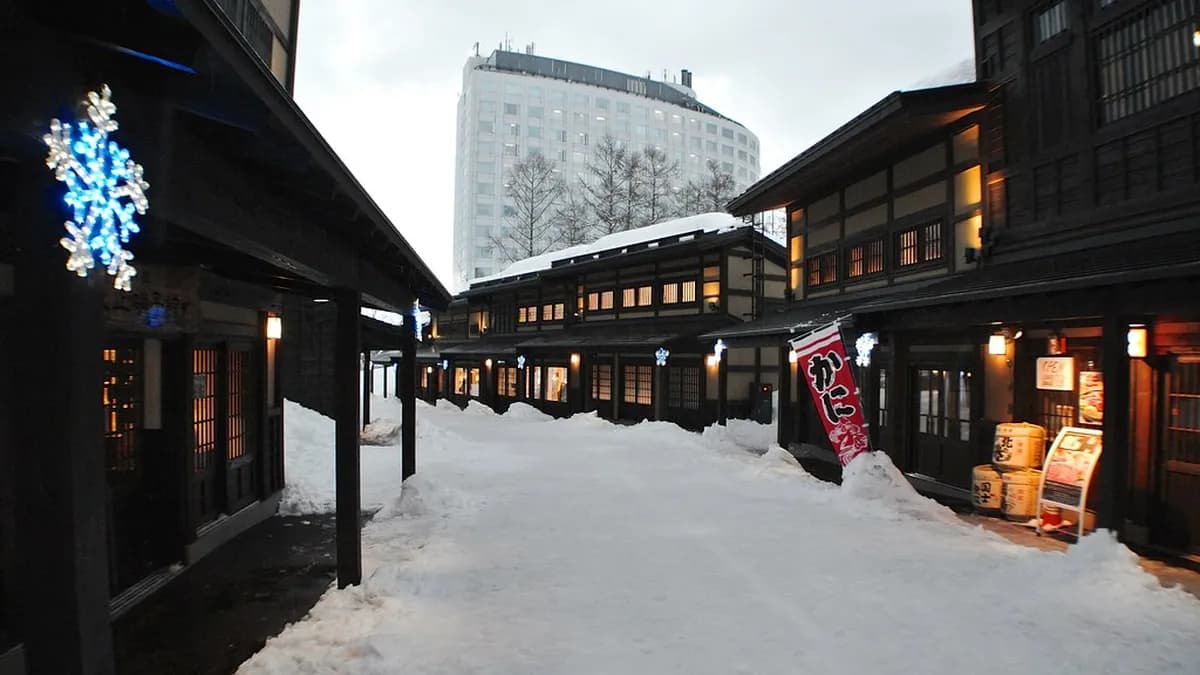
The après-ski scene in Hirafu is lively from the moment the lifts close. Craft beer bars, sake-focused spots, and izakayas are all within walking distance of the main lift base. For a more local feel, the town of Kutchan — a short taxi or bus ride away — has quieter izakayas with better prices and fewer tourist crowds. Our the local food scene has specific restaurant recommendations across all four villages.
Money, ATMs, and Cash Essentials in Niseko
Japan remains a cash-first country in many contexts, and Niseko is no exception despite being one of the more internationally-facing resorts in the country. Major hotels, ski rental shops, and larger restaurants typically accept Visa, Mastercard, and Amex. But smaller cafés, local izakayas, taxis (outside of app-based rides), and some lift-ticket windows still require yen. Arriving with no cash and assuming card-everywhere will catch you out. Japan's official visitor etiquette guide covers cultural payment norms in detail.
The most reliable ATMs for international cards are inside convenience stores: 7-Eleven, Lawson, and Seicomart all accept foreign Visa, Mastercard, and Maestro cards and charge modest withdrawal fees. There are multiple Seicomart and Lawson branches within easy walking distance of the main Hirafu village area. Withdraw enough to cover 2–3 days of incidentals each time rather than visiting the ATM daily.
Bring yen in smaller denominations — ¥1,000 and ¥5,000 notes rather than a stack of ¥10,000 notes. Small bills make transactions smoother at local eateries and food trucks, where exact-change payment is culturally appreciated. Japan has no tipping culture: do not leave tips at restaurants, for taxi drivers, or at hotels. It can cause confusion or embarrassment rather than gratitude. IC cards (Suica, ICOCA) work on buses in some parts of Hokkaido, but note that parts of the JR Hokkaido train line between Otaru and Kutchan do not accept them — buy paper tickets for that segment.
Niseko is gradually shifting toward cashless options. Some newer restaurants and lift ticket machines accept QR-code payments (PayPay) and contactless. But do not rely on this — treat every small transaction as cash until you know otherwise, and keep at least ¥10,000–¥20,000 accessible at all times during your stay.
Most smaller restaurants, local izakayas, and taxis in Niseko still require cash. Always withdraw from convenience store ATMs (7-Eleven, Lawson, or Seicomart) and keep ¥10,000–¥20,000 on hand at all times. Use smaller yen denominations (¥1,000 and ¥5,000 notes) for easier transactions, and remember: Japan has no tipping culture—gratuity can cause confusion.
Packing Essentials: Preparing for Hokkaido's Climate
Layering is the foundation of dressing for Hokkaido winters. Start with moisture-wicking thermal base layers against your skin. Add a fleece or down mid-layer for insulation. Finish with a waterproof, windproof outer shell that can handle both heavy snowfall and the icy wind on exposed chairlifts. This three-layer system lets you regulate temperature as you move between the slopes and the village.
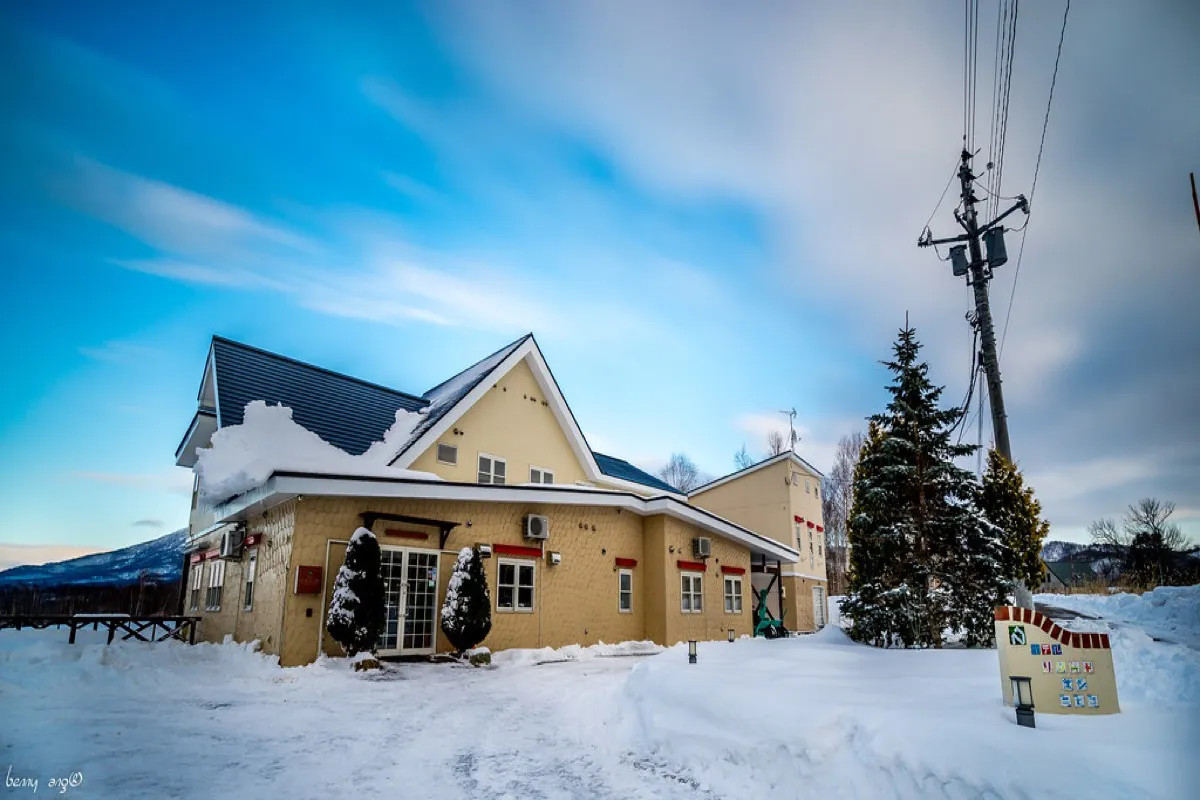
For your extremities: warm, waterproof gloves or mittens are non-negotiable — January mornings in Niseko bite hard. Goggles with yellow or low-light lenses are essential for the frequent snowy, flat-light days when standard dark lenses make visibility difficult. A neck gaiter or balaclava adds significant warmth on cold days. Spring visitors (March–April) can pack lighter mid-layers but should still bring a waterproof jacket.
Sturdy, insulated, non-slip snow boots are essential for walking through the village. Icy sidewalks in Hirafu are genuinely treacherous. Small rubber crampons or ice spikes — available for a few hundred yen at local convenience stores — slip over your boots and prevent falls on the ice. Pick them up on your first day if you are not bringing your own.
Sunscreen is often forgotten but is important: snow reflects UV intensely even on overcast days, and you can burn noticeably after several hours on the slopes. Pack lip balm with SPF for the same reason. A small day pack for the mountain is useful for carrying layers you peel off as you warm up, plus snacks, water, and your phone.
Icy sidewalks throughout Hirafu are genuinely treacherous, especially in January and early February. Sturdy, insulated, non-slip snow boots are non-negotiable for village walking. Consider packing small rubber crampons or ice spikes (available at convenience stores for a few hundred yen) to wear over your boots—they prevent falls on ice and are used by locals year-round during winter.
Budgeting for Niseko: How to Save on Your Trip
Niseko is one of the most expensive ski destinations in Asia. A realistic daily budget for accommodation, lift passes, rental gear, food, and transport runs ¥30,000–¥60,000 per person depending on your choices. The good news is that strategic timing and a few habits make a material difference.
Book early: flights, accommodation, gear rentals, and ski lessons all cost less when booked months in advance. Lift passes bought online before the season save around 10% over counter prices. Early season (late November to mid-December) and late season (March–April) both offer noticeably cheaper accommodation while maintaining good snow. The shoulder weeks immediately after New Year are the sweet spot of powder and slightly lower prices.
Food is the easiest place to reduce costs. Eating a large hotel breakfast, buying konbini lunches from Seicomart or Lawson (¥500–¥800 for a satisfying meal), and eating dinner at 5:00 PM to avoid peak crowds will cut your food spend dramatically compared to three restaurant meals a day. A ¥9,000 cheese-toastie-and-drinks lunch for four on the mountain is not unusual — the konbini habit eliminates that entirely.
Traveling as a group unlocks further savings: private transfers, apartment rentals with kitchens, and multi-day lift pass discounts all become more cost-effective with three or more people. You can find more planning details in our a sample itinerary for budget-conscious visitors. For broader regional context, our guide to things to do in the area covers the full range of activities across the mountain and beyond.
Planning the rest of your trip? Start with the full Niseko things-to-do guide, then look at getting around the resort and when the snow is best.
Frequently Asked Questions
What is the best time to visit Niseko for powder?
The best time for powder is from late December to early February. During this peak window, the 'Japow' snow is at its deepest and most consistent. You will experience heavy snowfall almost every day, creating perfect conditions for skiing. Plan your trip in January for the absolute best powder experience.
How do I get from Sapporo to Niseko?
You can take the Airport Limousine Bus or the JR Train from Sapporo. The bus is the most direct option and takes about three hours. Trains require a transfer at Otaru and a bus or taxi from Kutchan Station. Check our how to get to Niseko guide for more details.
Do I need a car in Niseko?
A car is not necessary if you stay in the main resort villages like Hirafu. The Niseko United Shuttle and village buses cover most areas effectively. Taxis are available but can be difficult to book during peak dinner hours. Renting a car is only recommended for exploring remote areas beyond the resorts.
What should I pack for a Niseko ski trip?
Pack high-quality thermal layers, a waterproof outer shell, and insulated gloves. Sturdy snow boots with good grip are essential for walking on icy village streets. Don't forget low-light goggle lenses for the frequent snowy conditions. Sunscreen and a reusable water bottle are also important for long days on the slopes.
Is Niseko beginner-friendly?
Yes, Niseko is very beginner-friendly with excellent English-speaking ski schools. Hanazono and Annupuri offer mellow slopes that are perfect for learning the basics. Many resorts have dedicated areas for children and first-time skiers to practice safely. Booking a few lessons will help you navigate the mountain with confidence.
Niseko offers a world-class winter experience that every skier should try at least once.
Using these practical travel insights will help you navigate the resorts with ease and confidence.
Focus on booking your essentials early to ensure a stress-free and memorable Japanese holiday.
We hope you enjoy the incredible powder and unique culture of this beautiful mountain region.
Free: The Niseko Essentials guide
Top things to do, where to stay, a perfect day plan, getting around, and the best time to go — a Niseko mini-guide you can take offline.
You might also like

Continue reading
More guides you'll find useful