Niseko Snow Season Guide: Best Time to Ski & Ride
Plan your Niseko winter trip with our snow season guide. Includes month-by-month conditions, resort comparisons, transport tips, and local secrets for 2025.
On this page
Niseko's season runs from late November to early May, and the timing of your visit shapes everything — snow quality, lift queue length, restaurant availability, and price. Most travelers aim for mid-December to late February for the densest crowds and deepest powder. But the smartest bookings often land in early December or the second half of March, when the "Japow" is still outstanding and the resort exhales.
This guide covers the 2025/26 season opening dates, a month-by-month snowfall breakdown, a resort comparison across all four Niseko United mountains plus the independent Moiwa, transport options from Sapporo and Tokyo with real costs, and ski hire logistics. Use it to match your skill level, budget, and crowd tolerance to the right window.
Understanding Niseko's Ski Season: Dates and Snowfall
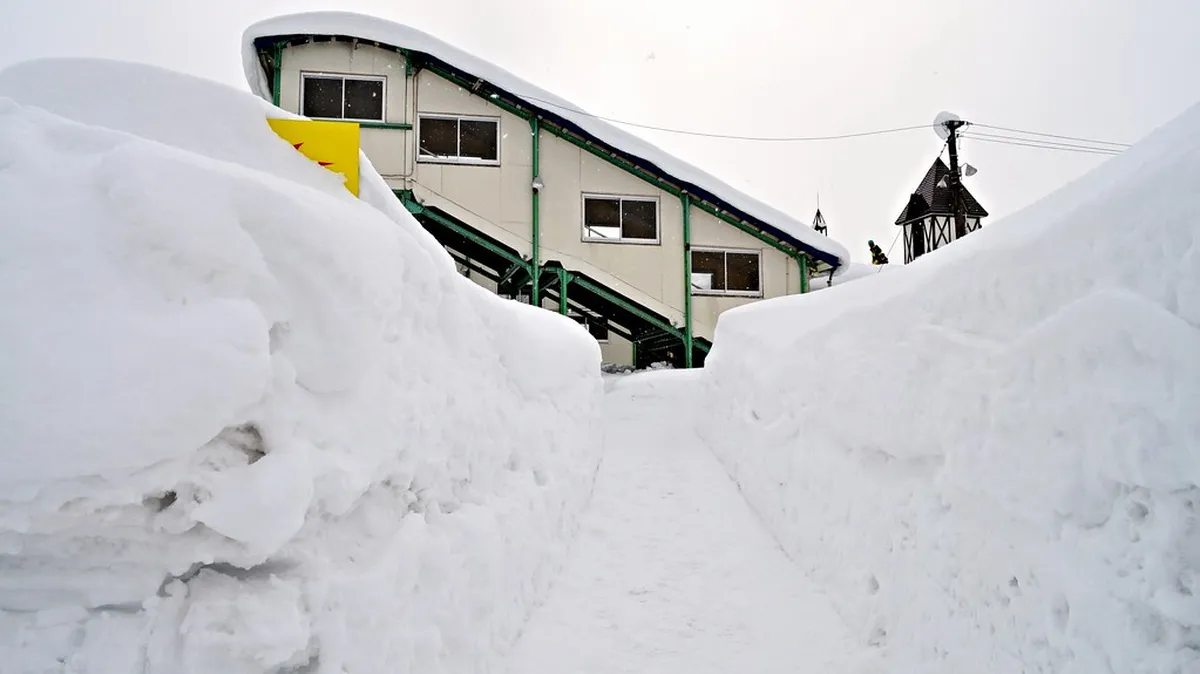
Niseko sits on the northwestern side of Mt. Annupuri in Hokkaido, Japan's northernmost main island. Cold dry winds blow in from Siberia, absorb moisture crossing the Sea of Japan, then dump it as snow when they hit the mountain. This Japan Sea effect delivers an average of 14 to 15 metres of snowfall per winter — more than most European and North American resorts see in their best years.
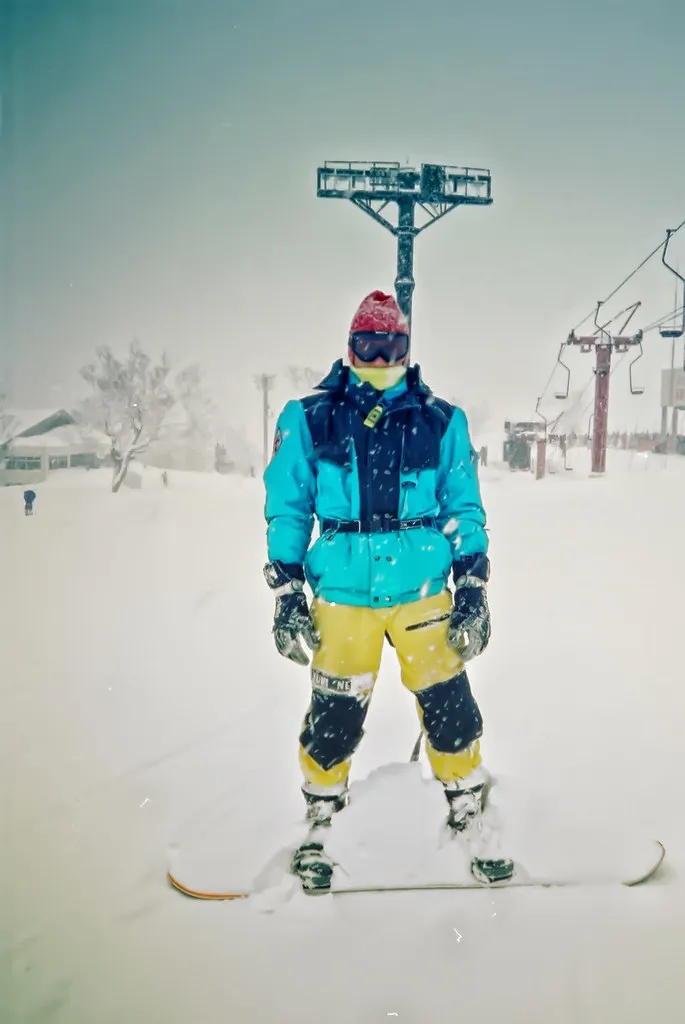
The 2025/26 Niseko United season opened in late November 2025 across Grand Hirafu and Annupuri, with Niseko Village and Hanazono following in early December. All four resorts typically operate until late April, with Hirafu sometimes extending into early May depending on snowpack. Night skiing runs from mid-December to late March, 17:00–20:30 daily.
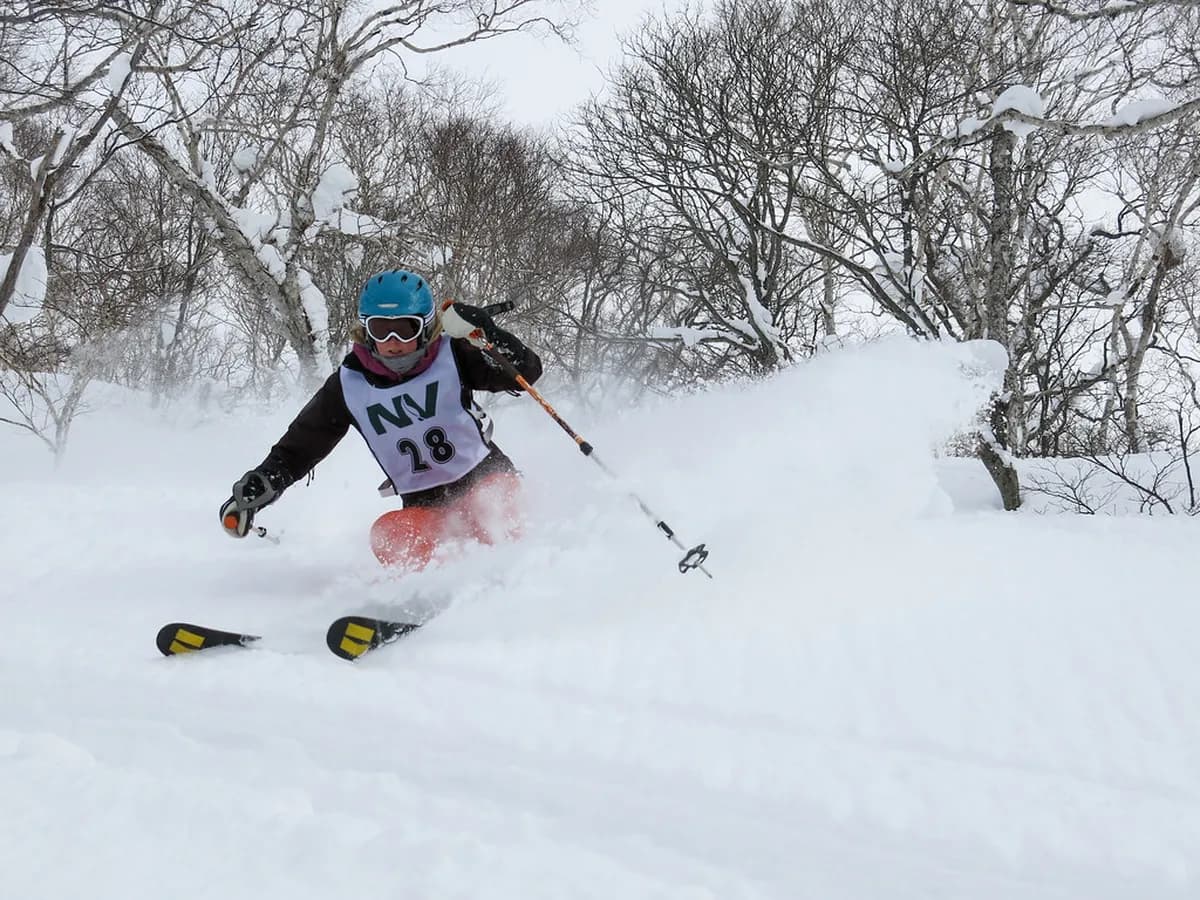
Peak snowfall falls between December and February. January records the most snow days — typically 20 or more — and village snow depths regularly hit 3 metres by mid-month. The snow is famously dry and light because temperatures stay consistently below -5°C. This low humidity keeps the powder from bonding, giving Niseko its reputation for the world's best lift-accessed powder.
Month-by-Month Breakdown: When to Visit Niseko
Choosing when to visit comes down to trading off snow depth, crowd density, and price. The table below reflects averages for the Niseko United village base area. Actual conditions vary by year — check the Niseko lift status page for real-time updates before you travel.
| Period | Avg High / Low (°C) | Snow Depth (cm) | Avg Snow Days | Crowd Level | Notes |
|---|---|---|---|---|---|
| Late Nov – Mid Dec | −1 / −6 | 120 | 8 | Low | Season opens; uncrowded; some runs limited; bamboo still visible off-piste |
| Dec 20 – Jan 3 (Holiday Peak) | −3 / −9 | 205 | 12 | Very High | Guaranteed 1m+ snow; festive atmosphere; highest prices; book months ahead |
| January (Japanuary) | −3 / −9 | 262 | 20+ | High–Very High | Deepest powder of the season; busiest weeks; restaurant queues from 18:00 |
| February | −2 / −9 | 311 | 18 | Moderate–High | Snow depths peak; Sapporo Snow Festival (early Feb); watch for Chinese New Year spike |
| March | 4 / −4 | 295 | 14 | Low–Moderate | Crowds thin; afternoon sun; often the deepest base; best value of the main season |
| April | 9 / 0 | 221 | 6 | Very Low | Lift passes drop 40%; soft afternoon snow; some lifts close; Easter can spike briefly |
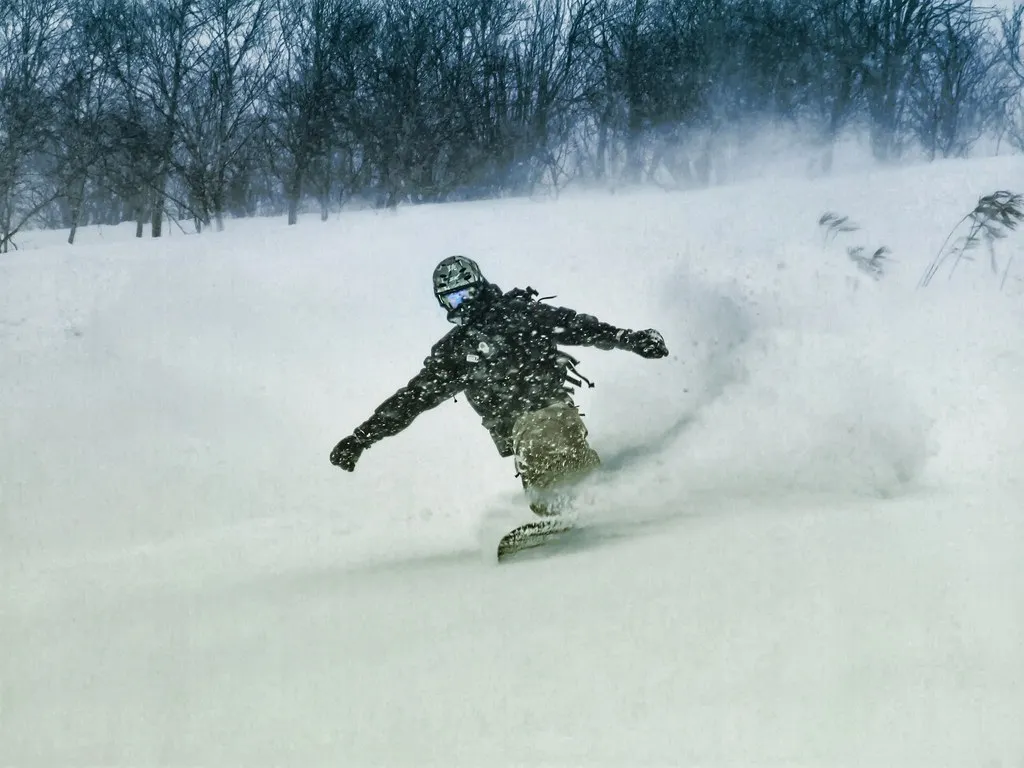
The 2025/26 season opened in late November 2025 across Grand Hirafu and Annupuri, with Niseko Village and Hanazono following in early December. Night skiing runs from mid-December to late March, 17:00–20:30 daily on most mountains.
Late November to mid-December suits experienced skiers who want uncrowded terrain at a lower price and are comfortable with variable coverage. The holiday peak (20 December to 3 January) delivers a full resort atmosphere and near-guaranteed powder, but accommodation books out six to twelve months in advance. January's "Japanuary" — a term coined by the local ski community for the peak powder weeks of mid-January to mid-February — brings the most consistent snowfall but also the longest morning lift queues. Arrive at the gondola base by 08:00 on a powder day or expect 30-minute waits.
February is arguably the shrewdest window for most travelers. Snow depths are at or near their seasonal maximum, the holiday crowd has thinned, and the Sapporo Snow Festival (usually the first week of February) makes for an easy day trip. March is Niseko's most underrated month: depths are still excellent, lift lines almost disappear, afternoon temperatures climb to around 4°C, and prices drop noticeably. The trade-off is springier afternoon snow from around 13:00 onward.
Temperatures consistently stay below -5°C during peak season (Dec–Feb), keeping Niseko's famous powder dry and light. This low humidity is why the snow refuses to bond and delivers the world-class "Japow" experience. Once temperatures climb above 0°C in April, the snow becomes heavier and less desirable for powder skiing.
Choosing Your Base: The Four Niseko United Resorts
Niseko United comprises four separate resorts on Mt. Annupuri, connected by lifts and a free shuttle network. A single all-mountain pass covers all four, which is essential if you want to chase fresh tracks across the full 2,191 acres of skiable terrain. Each resort has a different character; your choice of base shapes your whole trip.
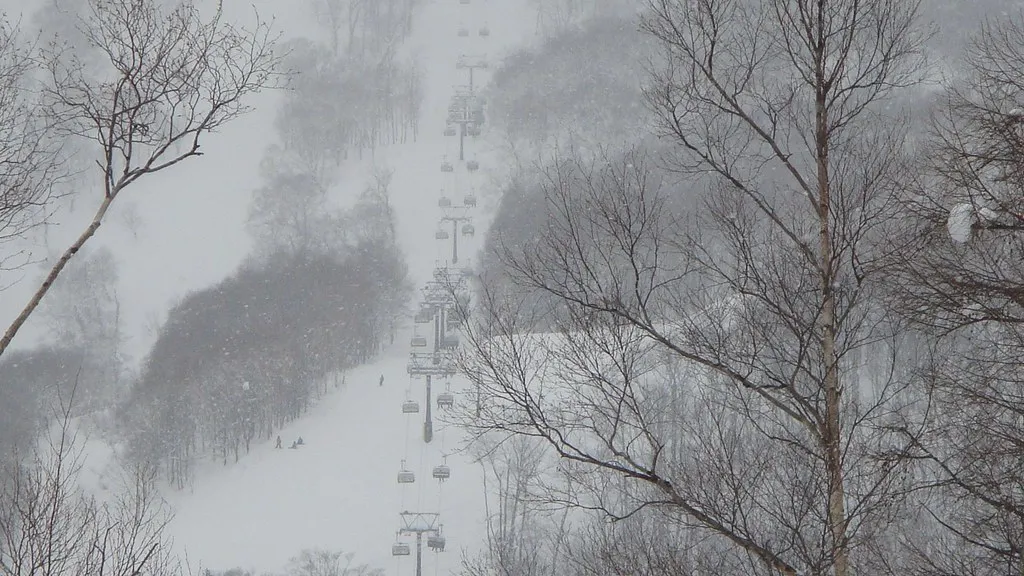
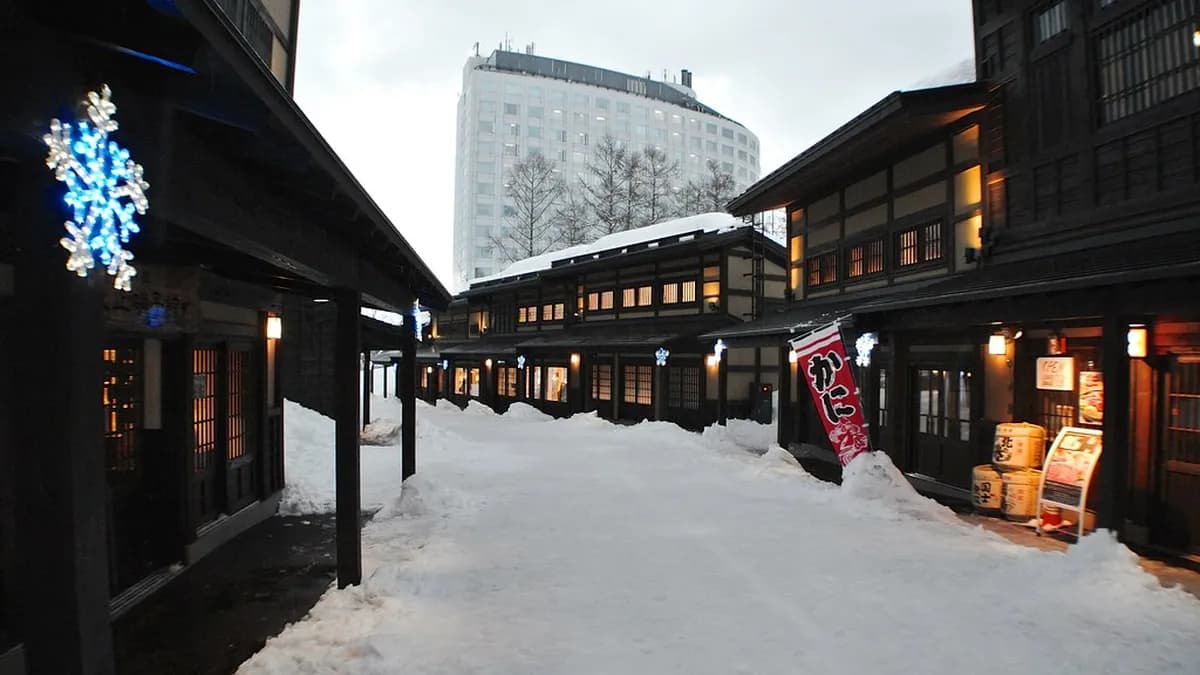
- Grand Hirafu is the largest resort with 15 lifts and 30+ runs. It has the liveliest village, the most restaurant and bar options, and the best infrastructure for beginners and intermediates. Night skiing until 20:30 is a highlight. The flip side: the busiest lift queues and the highest accommodation prices in the area.
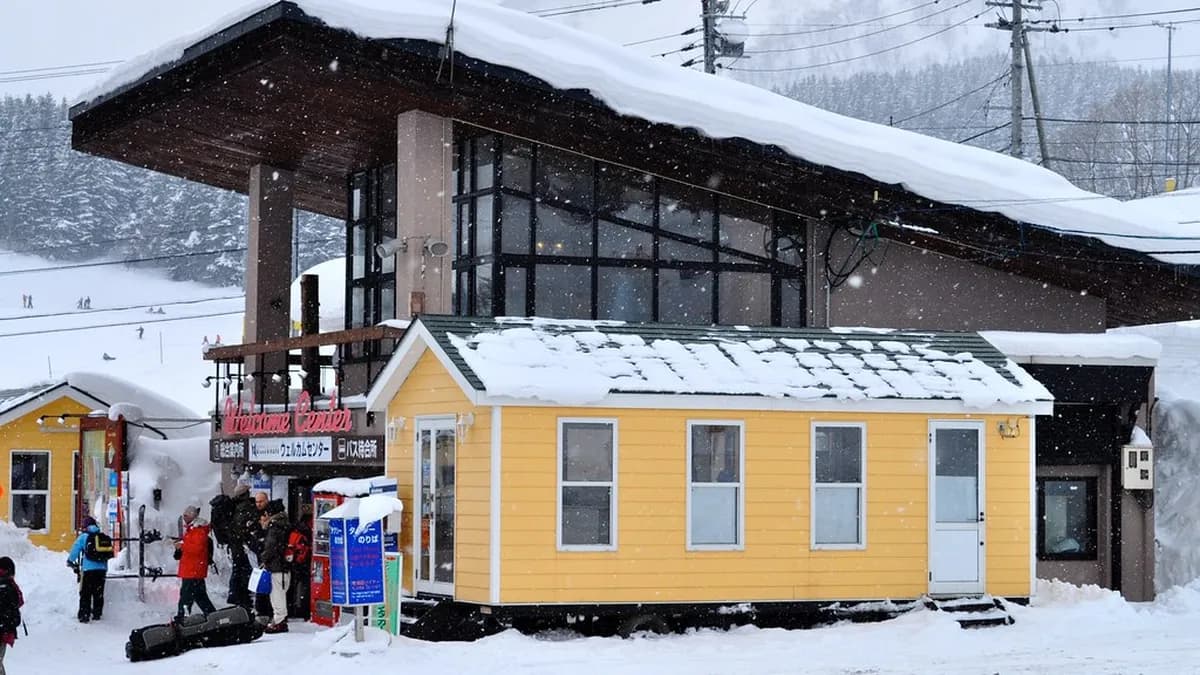
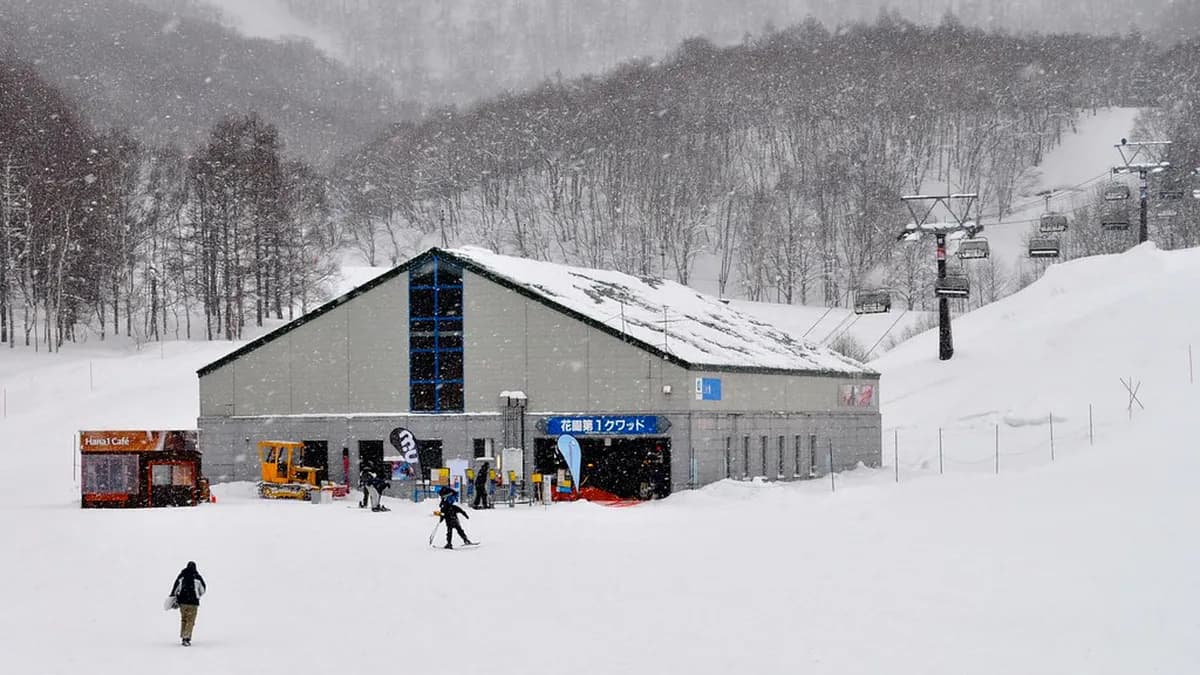
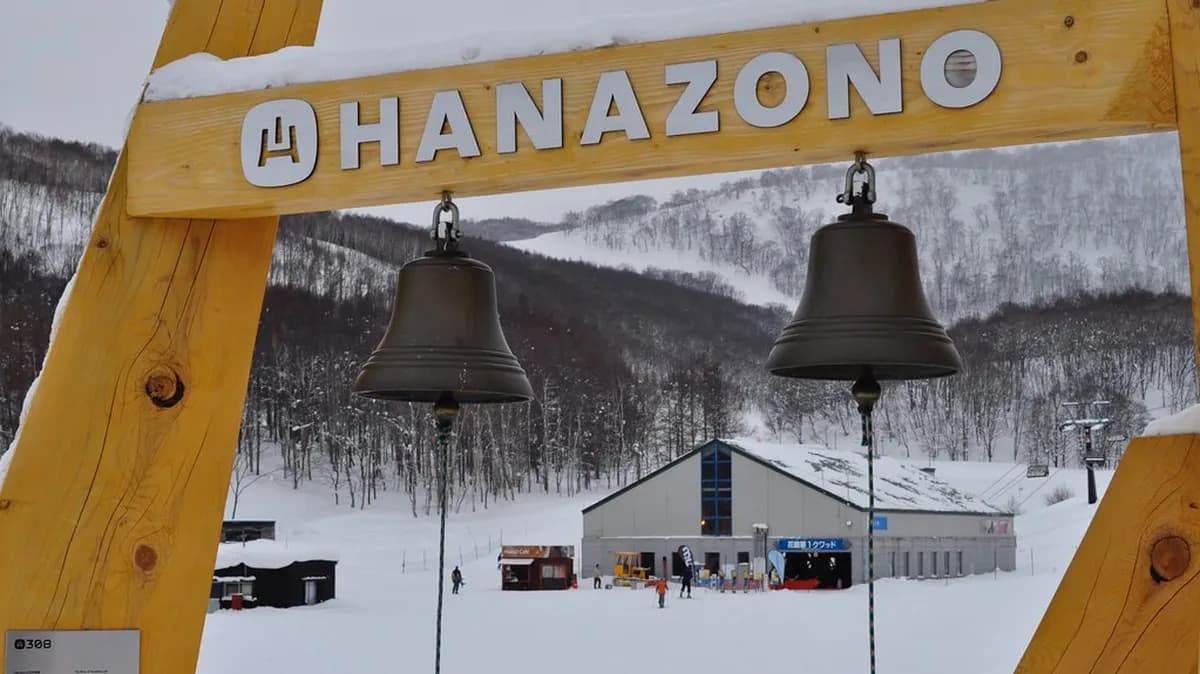
- Hanazono adjoins Hirafu to the east. It is quieter, with wide powder bowls and excellent family facilities including snow tubing, kids' ski school, and a six-seat gondola. Best suited for families and those who want good intermediate terrain without the Hirafu crowds.
- Niseko Village leans luxury: steep inbound runs, plentiful tree skiing, and some of the highest-end hotels in Japan. Steeper terrain makes it better for intermediate to advanced skiers. The trail network connects naturally to Annupuri via lift.
- Annupuri sits at the western end of the connected area and has the most relaxed atmosphere of the four. Wide, gentle runs suit beginners and intermediates; the surrounding area has a more traditional Japanese feel with local ryokans and onsen close to the base. Fewer international visitors means shorter queues even in January.
For beginners, Annupuri or Hanazono give gentler learning terrain away from the peak crowds. Intermediate and advanced skiers who want the most terrain options should base in Hirafu or Niseko Village. Families with young children do well in Hanazono, which has the most purpose-built kids' infrastructure. Solo travelers and snowboarders focused on après-ski should head straight to Hirafu.
Niseko Moiwa: The Quiet Alternative
Moiwa is a smaller, independent resort a short drive from Niseko United that most first-timers overlook entirely. It is not included on the Niseko United all-mountain pass — you buy a separate day ticket (around ¥5,000 for adults in 2026) — which immediately filters out the peak-season crowd. On a Saturday in Japanuary when Hirafu's gondola has a 45-minute queue, Moiwa's three lifts are largely empty.
The terrain is west-facing, which means more sunlight than the north-facing Hirafu slopes. That gives Moiwa warmer, sometimes slightly heavier snow in the afternoon, but genuine powder mornings are still excellent after a fresh dump. The five marked runs are best suited to intermediates; advanced riders tend to use the resort mainly for backcountry access. There are a handful of cozy lodges and onsen facilities near the base, making it a good day-trip option rather than a standalone base for a full week.
If your priority is crowd avoidance during Japanuary rather than maximising terrain, consider booking a Niseko United base but spending one or two days at Moiwa. The contrast in atmosphere alone is worth the drive.
Getting to Niseko: Transport from Sapporo and Tokyo
The standard arrival point is New Chitose Airport (CTS) near Sapporo, roughly 1 hour 30 minutes by air from Tokyo's Haneda or Narita airports. From CTS, you have three main options to reach Niseko, each with a different cost and convenience trade-off.
- Direct ski shuttle bus (CTS to Niseko) — the most popular option. Multiple operators including Chuo Bus and Hokkaido Access Network run direct services during winter. Journey time is 2.5 to 3 hours depending on road conditions. Cost: approximately ¥2,800–3,500 per person one-way. No transfers needed; luggage goes in the hold.
- Train (JR Hakodate Line) — take the JR Rapid Airport to Otaru (about 1 hour from CTS), then transfer to the JR Hakodate Line to Kutchan Station (1.5 hours). From Kutchan a local bus or taxi covers the final 15–20 minutes to the resort. Total cost on a JR Pass: effectively free from Otaru; otherwise approximately ¥2,500 in fares. Slower and requires baggage management at transfers, but scenic and reliable.
- Private transfer — door-to-door from CTS in around 2 hours, no transfers, will carry ski bags and luggage. Best for groups of three or more who split the cost. Expect ¥20,000–28,000 per vehicle.
From Tokyo without flying, the Hokkaido Shinkansen runs from Tokyo Station to Shin-Hakodate-Hokuto in about 4 hours (covered by the JR Pass), then a further 4.5 to 5 hours by train to Kutchan. The total journey is roughly 9 hours — scenic but practical only if you are already holding a JR Pass for a longer Japan itinerary. For most visitors, the CTS shuttle bus is the clearest value.
Within Niseko, a free inter-resort shuttle network connects Hirafu, Hanazono, Niseko Village, and Annupuri throughout the season. The last shuttles typically run around 22:00. Taxis are available but expensive: a Hirafu–Annupuri ride costs approximately ¥2,500–3,000.
Ski Hire in Niseko
Ski and snowboard rental is widely available across all four resort villages, with quality ranging from basic resort counters to premium demo shops. Booking in advance — at least two weeks before your arrival during Japanuary — saves time and often gets you better equipment. Walk-in availability is fine in early December or March but unreliable during peak weeks.
Rhythm Japan is the largest independent rental operator in Niseko, with stores in Hirafu, Annupuri, and Niseko Village. They stock high-end demo skis and boards and offer online pre-booking with delivery to your accommodation during the busy season. Burton has two stores in Japan (Tokyo and Sapporo) for new gear purchases, but for rentals Rhythm and Niseko United's own rental centres are the main options in resort. Prices for a full ski or snowboard package (board/skis, boots, poles) run roughly ¥5,500–8,500 per day depending on equipment tier; multiday packages reduce the daily rate.
If you are bringing your own boots, factor in that Niseko's powder calls for a mid-fat ski (100–105mm underfoot) rather than a standard groomer ski. Most rental shops stock powder-appropriate skis specifically — it is worth asking for them by description rather than just "demo skis," which could mean anything.
Surviving Japanuary: Crowd and Booking Strategy
Japanuary — the local term for the peak powder window running roughly mid-January through the first week of February — is when Niseko earns its global reputation. It is also when every decision requires planning that most first-timers underestimate. The deep snow is real; so is the competition for it.
On powder mornings, the Hirafu gondola queue forms before 08:00. Being on the lift by 08:15 gives you access to untracked snow in the tree runs and higher bowls before they are tracked out; arriving at 09:30 means groomed runs only. If you are staying outside the immediate Hirafu village, factor in the shuttle or taxi time when setting your alarm. Annupuri and Hanazono open slightly later but also attract fewer powder hunters, making them a tactical alternative even for advanced skiers who want fewer people on their first runs.
Restaurant reservations in Hirafu need to be made weeks in advance during this window. Popular spots like Kamimura (Michelin-starred, French-Japanese fusion), Bang Bang (casual izakaya, yakitori), and Ezo Seafoods fill up months out for prime dinner slots. Book simultaneously with your accommodation. For spontaneous dining, earlier sittings (17:30–18:00) or the quieter Annupuri and Niseko Village dining strips are your best fallback options.
The iconic Yukoro Onsen — a small, traditional rotenburo (outdoor bath) near Hirafu that closed for renovations — has recently reopened as of the 2025/26 season, making it once again one of the best post-ski soaks in the area. Check current hours locally as they adjust through the season.
Beyond the Slopes: Onsens, Dining, and Day Trips
After skiing, Niseko's hot springs are a near-mandatory experience. The Niseko area has multiple onsen fed by volcanic water with different mineral compositions. Annupuri's local ryokans have private baths with mountain views; Hirafu's hotel onsens are convenient but busier. The newly reopened Yukoro Onsen near Hirafu is a small outdoor bath open to non-guests and one of the most atmospheric options in the area.
For off-mountain days — whether forced by poor visibility or a rest from skiing — two day trips stand out. Lake Toya is approximately an hour's drive south and offers a caldera lake, natural hot springs, and easy winter walking trails. In early February, the Sapporo Snow Festival (about 90 minutes from Niseko by shuttle and train) is the most spectacular side trip available: enormous illuminated snow sculptures fill Odori Park across a full week, and it aligns well with the February skiing window. Booking your Niseko accommodation around festival dates — especially if Chinese New Year overlaps — requires extra lead time as visitor numbers spike.
The Nikka Whisky Distillery in Yoichi, about 45 minutes from Niseko toward Otaru, is worth a half-day for non-skiers or rest days. Entry is free, the tasting is ¥500–900 per dram, and it pairs well with the train journey back toward Sapporo at the end of a trip.
Planning Your Trip: Costs, Crowds, and Booking Timeline
Niseko is one of the more expensive ski destinations in Asia, and costs vary significantly by timing. A Niseko United all-mountain pass for the 2025/26 season costs approximately ¥7,800 per day or ¥33,500 for five days. Accommodation in Hirafu during peak Japanuary runs ¥25,000–80,000+ per room per night depending on hotel tier. Early December and March rates can be 30–50% lower for comparable rooms.
Booking timeline matters more here than at most ski destinations. For Japanuary (15 January to 10 February), aim to have accommodation confirmed by August or September of the preceding year. The holiday peak (20 December to 3 January) books even earlier — quality ski-in ski-out properties can be fully committed by May. For March, two to three months in advance is generally sufficient, though popular hotels still fill quickly.
Budget travelers who are flexible should target early December (low crowds, good early-season snow in most years, 20–30% cheaper lift passes) or mid-to-late March (excellent snow depth, thin crowds, significant accommodation discounts). Both windows deliver genuinely good skiing with none of the Japanuary pressure on bookings and queues.
Planning the rest of your trip? Start with our complete guide to things to do in Niseko, then look at practical trip-planning tips and where to base yourself.
Frequently Asked Questions
When is the best time to visit Niseko for powder snow?
The absolute best time for deep powder in Niseko is during 'Japanuary,' from mid-January to mid-February. This period consistently delivers the legendary dry, light snowfall. Expect cold temperatures and frequent snowstorms during these weeks.
How many days do you need for a Niseko ski trip?
A typical Niseko ski trip ideally spans 5 to 7 days of skiing to fully explore the resorts. This allows for rest days, exploring the town, and experiencing local culture. Consider adding travel days on either side for a comfortable journey.
Is Niseko expensive for a ski trip?
Niseko can be expensive, especially during peak 'Japanuary' season for accommodation and lift passes. However, visiting in early December or late March can significantly reduce costs. Booking flights and lodging far in advance also helps manage your budget.
Can beginners ski in Niseko?
Yes, Niseko is very beginner-friendly with extensive green runs and excellent ski schools. Each of the four Niseko United resorts has dedicated beginner areas. You will find gentle slopes perfect for learning and building confidence.
Niseko delivers world-class powder from late November to early May, but the right timing for you depends on what you are willing to trade. January gives you the deepest snow and the most competition for it. March gives you nearly as much snow with far fewer people and lower prices. Early December suits flexible travelers who want a quieter resort and good value. Whatever window you choose, the fundamentals — the Sea of Japan snowfall, the dry light Japow, the connected resort terrain — remain constant.
Book accommodation early for peak windows, pre-arrange ski hire, and map out your transport from CTS before you arrive. Niseko rewards preparation more than most ski destinations.
Free: The Niseko Essentials guide
Top things to do, where to stay, a perfect day plan, getting around, and the best time to go — a Niseko mini-guide you can take offline.
You might also like

Continue reading
More guides you'll find useful