Niseko Annupuri is the quietest and most beginner-friendly of the four Niseko United resorts, sitting on the southwestern flank of Mount Niseko Annupuri in Hokkaido. While Grand Hirafu draws the biggest crowds, Annupuri offers the same legendary powder snow in a calmer, more intimate setting. This visitor guide covers everything from lift tickets and ski hire to dining, après ski, and reaching the backcountry gates — so you can plan your 2026 trip with confidence. For a comprehensive Niseko Itinerary for First-Timers, check our dedicated guide.
Niseko Annupuri Resort Overview
Annupuri forms part of the Niseko United network, which links four interlinked resorts across roughly 100 km of skiable terrain. A single Niseko United all-mountain pass gives you access to all four areas, letting you ski from Annupuri across to Niseko Village and Grand Hirafu in a single day.
Annupuri's south-westerly orientation means its forested lower slopes often stay skiable on storm days when high lifts elsewhere in Niseko United close — a smart backup plan on bad-weather mornings.
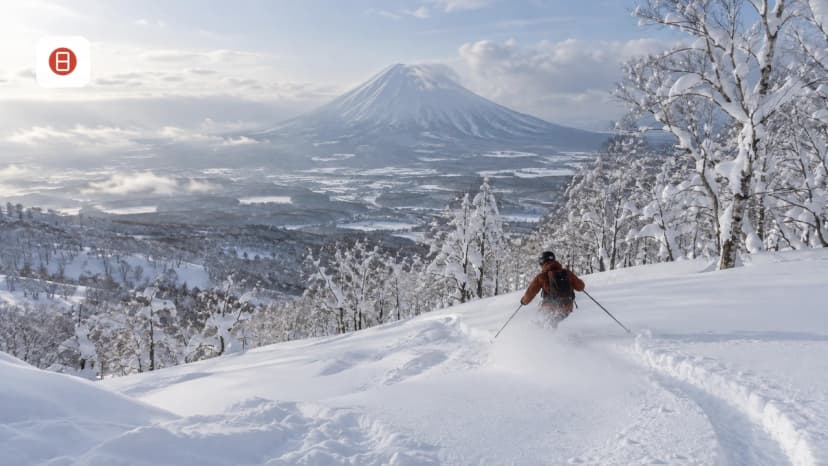
The resort sits at a lower elevation than Hirafu, which means its forested lower slopes hold snow exceptionally well even on warmer days. Wide green and blue runs like Silver and Paradise make this one of the most confidence-building areas on the mountain. Advanced skiers are not overlooked: summit gates above the Jumbo Pair #4 Lift open access to the Osawa Bowl and deeper backcountry terrain when conditions allow.
Accommodation in Annupuri ranges from traditional Japanese inns (minshuku) to modern chalets and boutique hotels. Popular options include Kamui Niseko and the Annupuri Onsen Chalet, both of which integrate natural hot spring baths. The 2025-26 ski season runs November 29, 2025 through May 6, 2026 — one of the longest operating windows in Japan.
Skiing in Niseko Annupuri
Beginner and early-intermediate skiers find Annupuri the most welcoming base in Niseko United. The lower mountain is wide, the gradient is gentle, and the soft Hokkaido powder cushions any falls. The Annupuri Gondola run offers a long top-to-bottom descent with consistent snow quality. Intermediates can progress quickly here before venturing across to the steeper terrain at Hirafu or Hanazono. For expert tips and techniques, see our Niseko Skiing Guide: 9 Essential Tips for Your Trip.
Advanced skiers should check the daily bulletin from the Niseko Avalanche Information Center (NAIC) before targeting the backcountry gates. Gate 1 — the L-Ji Gate — sits on the skier's right at the top of the Jumbo Pair #4 Lift and drops into well-spaced tree runs in Osawa Bowl. Gate 2 — the Annupuri Peak Gate — requires a short hike from the same lift but unlocks Centre Ridge (Naka-one) and longer open pow fields. Both gates re-enter the resort at the base of Annupuri.
Annupuri's south-westerly orientation provides natural shelter during storms, so visibility here often stays good after high lifts elsewhere in the network have closed. This makes it the smart choice on bad-weather days when powder laps are still possible in the trees. Night skiing runs 16:30–19:30 during the regular season (December 13, 2025 – March 22, 2026).
Is Niseko Annupuri Family Friendly?
Annupuri is widely considered the most family-friendly of the four Niseko United resorts. The slower pace, quieter slopes, and gentle beginner runs at the base create an environment where children can build confidence without the pressure of busy lift queues. Many lodges offer family-sized rooms, connecting suites, and home-cooked dinners — closer to a Japanese homestay experience than a large resort hotel.
Off the slopes, families can join snowshoe tours through the birch forests, watch ice-sculpture demonstrations, or try tubing. Evening soaks in a natural onsen — particularly the outdoor baths at Niseko Konbu Onsen nearby — are a highlight for most children visiting Hokkaido for the first time. The hot spring water is mineral-rich, the pools are well-maintained, and the experience is deeply Japanese.
Kids' ski lessons are offered by multiple English-speaking schools based in the Annupuri area. GoSnow provides priority lift-lane access, which cuts waiting times on busy days. Book your children's lesson at least four to six weeks in advance for peak dates in January and February 2026.
Ski Hire in Niseko
Renting gear locally is straightforward and usually more practical than flying with your own equipment. For powder conditions, request fat or all-mountain skis rather than standard carving skis — the difference in floatation on deep snow is significant. Rhythm Japan operates a flagship store minutes from the Hirafu Gondola and allows the same rental package to be used across multiple Niseko United resorts, making it a good choice if you plan to ski at Annupuri one day and Hanazono the next.
YamaSport has three convenient locations across the mountain, including bases near both the Gondola and Family runs. Niseko Sports offers free overnight gear storage and equipment transfers between Grand Hirafu and Hanazono — useful if you book a lesson at Hanazono with NISS but are staying in Annupuri. All three shops are experienced with international customers and offer English-speaking staff for fitting adjustments.
To avoid the long morning queues, visit the rental shop the evening before your first ski day. Staff can pre-fit your boots and have everything ready for collection at 08:00. Outer clothing — waterproof jackets, salopettes, helmets, and goggles — is also available if you prefer to travel light. Bring your passport or ID and accommodation address when collecting gear.
Booking Ski Lessons in Niseko
Professional instruction sharpens progress faster than self-guided practice, especially in deep powder that behaves differently from groomed-run snow. GoSnow, Niseko's largest international ski school, offers group and private lessons across ability levels and includes priority lift access so lesson time isn't eaten up by queues. Niseko International Snowsports School (NISS), based in Hanazono, is well-regarded for family programs and teaches in English, Japanese, French, Spanish, and Portuguese.
Private instructors are worth the premium if you want to target specific terrain. A skilled local guide knows which gates are skiing well on a given day and can take you to tree runs that never appear on the official piste map. They also know the best-hidden spots to grab fresh tracks at 09:00 before the queues form. Plan to spend ¥30,000–¥60,000 for a full-day private lesson during peak season, depending on the instructor and school.
Book at least three to four weeks before your arrival for January or February dates. Most schools hold a small allocation of walk-in group places daily, but these fill quickly during busy periods. Confirming your lesson before you fly also lets you plan your equipment rental and lift pass around the session timing.
Après Ski Scene and Dining in Niseko Annupuri
Après ski in Annupuri is quieter and more authentically Japanese than the international party scene at Hirafu. Most visitors wind down with an onsen soak at their hotel or one of the public baths in the area, followed by dinner at a local restaurant. The mood is calm and unhurried — closer to a mountain ryokan experience than a European ski resort bar crawl.
Rakuichi Sake Bar is the most popular spot in the village for local craft sake and Japanese whisky. The lounge at Kamui Niseko works well for a pre-dinner fireside drink. Visitors wanting more energy can take the inter-resort shuttle to Hirafu, where izakayas, cocktail bars, and a livelier international crowd are easy to find. The shuttle is free with most accommodation in the Niseko United area and runs until late in the evening.
Dining options in Annupuri include Rakuichi Soba — a small counter-style restaurant with handmade soba noodles that has near-legendary status locally. Reservations are essential. Pizza del Sole serves wood-fired pizzas that work well for families. For those staying at the mountain, Niseko Ramen is a reliable post-ski meal that requires no reservation. Several boutique lodges also serve multi-course dinners using Hokkaido ingredients: scallops from Abashiri, lamb from Tokachi, and dairy from Biei are common features. Ask your accommodation to book ahead of your arrival.
How to Get to Niseko Annupuri
Most international visitors arrive via New Chitose Airport (CTS) near Sapporo, which receives direct flights from Sydney, Singapore, Hong Kong, and Manila during winter. From Tokyo or Osaka, connect to Sapporo on a domestic flight. New Chitose to Annupuri is approximately 2.5 hours by road. Sapporo Okadama Airport is slightly closer at roughly 2 hours.
Scheduled shuttle buses — including the Hokkaido Resort Liner and White Liner — depart New Chitose and Sapporo directly to Niseko-Hirafu throughout the season. Private transfers via SkyExpress or similar operators deliver groups directly to their accommodation, which is practical with ski bags. JR train travel to Niseko Station or Kutchan Station is a scenic alternative; a short taxi or local bus then connects you to Annupuri base.
Getting around within Niseko is straightforward. The inter-resort Niseko United shuttle connects Annupuri, Niseko Village, Hanazono, and Grand Hirafu at no extra cost with most accommodation. As of December 15, 2025, Uber now operates within Niseko town and the neighboring areas of Kutchan, Kimobetsu, and Kyogoku — useful for short transfers between the villages. Note that Uber cannot be used for long-distance rides to Sapporo or the airport; arrange those separately. Japan's Go taxi app also covers Kutchan and Niseko for short intra-resort journeys.
Niseko Annupuri Insider Tips
January and February deliver the deepest and most consistent powder.
Cash still matters in Niseko — smaller cafes, taxis, and local food stalls often accept yen only. 7-Eleven, Lawson, and Seicomart convenience stores across the area have ATMs that accept international cards.
Annupuri's south-west-facing terrain makes it one of the most sheltered sectors on the mountain. On storm days when visibility is poor at Hirafu and Hanazono, Annupuri's lower forested runs often remain skiable. If you are staying at Hirafu, factor in shuttle time (around 15 minutes) when planning early-morning powder runs here. Arriving at the gondola by 08:30 gives you the best chance of untracked snow before the crowds arrive from the other resorts.
Cash still matters in Niseko despite an ongoing shift toward cashless payments. Smaller cafes, taxis, and local food stalls often accept yen only. 7-Eleven, Lawson, and Seicomart convenience stores across the area have ATMs that accept international cards. Bring yen in smaller denominations — no tipping is expected anywhere in Japan, and the custom is to pay the exact amount at local eateries. The Seicomart on the main Hirafu strip also stocks hot food and, unusually for a convenience store, champagne.
In summer 2026, the Annupuri Gondola reopens for sightseeing from mid-July. A round-trip adult gondola ticket is ¥2,700 and offers panoramic views over Mount Yotei and the surrounding national park. The frozen marshlands at Shinsen Numa are accessible in winter for snowshoe tours, offering a completely different kind of Hokkaido landscape away from the ski area. Pair a summer or shoulder-season visit with a stop at Fukidashi Park to experience the famously clear spring water that feeds the Niseko area.
Frequently Asked Questions
Is Niseko Annupuri family friendly?
Yes, the resort features wide slopes and dedicated areas for children to learn safely. Many facilities offer daycare services and English-speaking instructors for younger skiers. It is a welcoming environment for families of all skill levels.
What is the best time to visit Niseko?
January and February provide the most consistent powder snow for serious enthusiasts. March offers more sunshine and warmer temperatures for those who prefer spring skiing conditions. Both periods have unique advantages depending on your personal preferences.
How do I get to Niseko from Sapporo?
You can take a direct bus or a train from the city center for a convenient journey. Find more details on the official transport schedules here. The trip usually takes around two to three hours depending on the weather.
Are there hot springs in the area?
Niseko is famous for its natural onsens, including the popular Niseko Konbu Onsen facilities. Soaking in these mineral-rich waters is a perfect way to relax after a day on the slopes. Most hotels provide easy access to these traditional baths.
When does the Niseko United season start?
The resort typically opens in late November or early December depending on the snowfall. Dates are here for the 2025/26 season on the official resort website. Planning your visit for mid-January ensures you experience the peak powder conditions.
Niseko Annupuri remains a premier destination for those seeking the ultimate Japanese winter experience. This niseko annupuri visitor guide provides the foundation for a memorable and safe mountain adventure. Consider visiting Fukidashi Park for a scenic day trip during your stay. Discover more things to do by exploring our 10 Amazing Niseko Attractions. Enjoy the world-class snow and the warm hospitality of this iconic Hokkaido resort.
| Pass Type | Adult Price | Hours |
|---|---|---|
| 1-day regular season | ¥7,000 | 08:30–16:30 |
| 1-day early / spring | ¥6,200 | 08:30–16:30 |
| 1-day final season | ¥5,200 | 08:30–16:30 |
| 5-hour pass | ¥6,000 | Flexible |
| Night skiing pass | ¥3,300 | 16:30–19:30 |
| Summer gondola (round-trip) | ¥2,700 | Mid-July onward |
For official details, visit the Niseko Annupuri official site and Niseko Annupuri on Wikipedia.