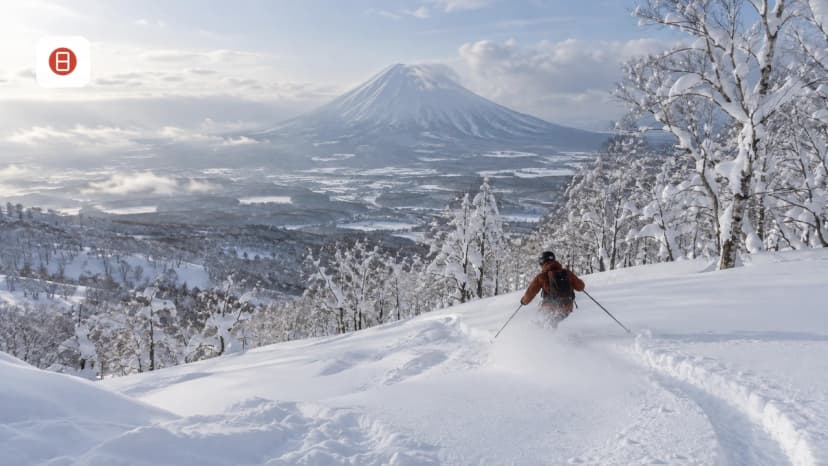
Niseko Konbu Onsen is the largest hot-spring resort area in Niseko-cho, sitting at the foot of Mount Yotei in Hokkaido's Abuta-gun district.
Unlike the ski-resort village of Hirafu, Konbu is a dedicated onsen district — a collection of ryokan, hotels, and day-use facilities all drawing from the same mildly alkaline mineral springs. This guide covers what makes Konbu distinct, which facilities to choose, how to get there in winter, and the etiquette rules you need before you strip down.The springs here are classified as a National Recreation Hot Spring Area, a designation that signals both water quality and long-term regulatory oversight. For broader trip planning around the region, check out Niseko travel options to combine your onsen visit with other activities.
What Is an Onsen, and Why Konbu Is Different
An onsen is a naturally occurring geothermal hot spring that meets strict Japanese government standards for mineral content and temperature. Not every hot bath qualifies — the water must flow from a volcanic source and contain measurable concentrations of specific minerals like sodium, sulfur, iron, or silicic acid. Niseko's volcanic geology gives the entire area exceptional spring quality, but each sub-district produces water with a different mineral profile.
Konbu's springs are mildly alkaline sodium-calcium chloride bicarbonate waters. They contain elevated levels of metasilicic acid, which is the compound responsible for the "beauty bath" (bihada-no-yu) reputation. This type of water coats the skin in a fine mineral film during soaking, which most bathers describe as a silky or softened feel afterward. It differs from Goshiki Onsen's sulfur-heavy milky water, which targets joint pain and blood pressure, and from Annupuri Yugokorotei's high-temperature (54°C) pure source water, which is prized for its unfiltered flow. If your primary goal is skin hydration and post-ski muscle recovery rather than treating a specific condition, Konbu's chemistry is well matched.
The springs at Konbu are also well-suited to longer soaks. The moderate alkalinity means less risk of irritation compared to high-sulfur or strongly acidic springs, making them a practical first choice for visitors new to Japanese hot springs.
Konbu's mildly alkaline sodium-calcium chloride bicarbonate water is classified as a "beauty bath" (bihada-no-yu) for its skin-softening effects — making it one of the most approachable springs in the Niseko area for first-time onsen visitors.
Top Facilities at Niseko Konbu Onsen
Several ryokan and resort hotels operate within the Konbu district, each with day-use access for non-staying guests. Day-use (higaeri) bathing typically runs from around 10:00 to 20:00, though hours shift between facilities and seasons — confirm directly before visiting. Entry fees for day-use baths generally fall between ¥600 and ¥1,500 per adult.
Niseko Konbu Tsuruga Moku-no-Sho is the area's best-known luxury property. It offers both gender-segregated outdoor baths and private kashikiri (reserved) baths that work for couples or guests with tattoos who need a separate space. The facility also runs an onsen-and-dinner package using produce from local Niseko farms, which makes it a strong option for an evening visit. Day-use entry is on the higher end of the price range.
Niseko Grand Hotel is historically the most visited public-access facility in the district. Its large mixed-gender outdoor rotenburo allows parents and children to soak together — a practical feature for families that most other Konbu properties do not offer. Entry is around ¥900 for adults and provides access to both indoor and outdoor baths. The historic wooden interiors are well-maintained and give the strongest sense of a classic Hokkaido onsen.
Koikawa Onsen Ryokan is the most budget-accessible day-use option in Konbu, with entry at the lower end of the ¥600–¥900 range. The baths are smaller and simpler than the resort hotels, but the water quality is the same geological source. It is the right choice when you want the full spring experience without paying resort prices.
Kanronomori Hotel offers forest-facing outdoor baths with a nature-retreat atmosphere. The water is soft and skin-friendly with mid-range day-use pricing. Families and couples who prefer a quieter setting than the Grand Hotel often choose this property.
| Facility | Day-Use Adult | Best For |
|---|---|---|
| Niseko Grand Hotel | ~¥900 | Families (mixed-gender rotenburo) |
| Koikawa Onsen Ryokan | ~¥600 | Budget visitors, classic baths |
| Kanronomori Hotel | Mid-range | Couples, quiet forest setting |
| Tsuruga Moku-no-Sho | Higher end | Luxury, private kashikiri baths |
Goshiki Onsen
For a truly different mineral experience, many visitors combine a Konbu visit with a trip to the remote Goshiki Onsen facility higher in the mountains. Goshiki sits near Mount Iwanupuri and draws high-sulfur water that runs milky white from volcanic minerals. The outdoor baths offer panoramic views of snow-draped peaks — especially striking in winter — and the rustic atmosphere is notably more rugged than anything in the Konbu resort district.
The water chemistry at Goshiki targets different health goals. The high sulfur content is traditionally associated with reducing blood pressure and easing joint inflammation, making it a popular choice for older visitors or anyone dealing with ski-related knee and hip fatigue. The access road to Goshiki requires careful navigation in winter and is only suitable for vehicles with proper snow tires or four-wheel drive. Budget at least 25 minutes of driving from the Konbu district.
While the facilities at Goshiki are simple — small locker rooms and basic shower stations — the quality of the water draws repeat visitors every season. Plan your Goshiki visit as a morning excursion before returning to Konbu for an afternoon soak; the sulfur water at Goshiki is invigorating rather than relaxing, which makes the sequence feel natural.
Health Benefits and Mineral Composition
Japanese researchers have studied geothermal spring therapy since the 18th century. The documented benefits vary by mineral profile, and Konbu's sodium-calcium chloride bicarbonate water addresses several of the most sought-after outcomes. The sodium chloride component maintains body heat during immersion, which extends the warming effect after you leave the water — relevant for anyone stepping out into Hokkaido winter air. The calcium content supports the skin barrier, while the bicarbonate fraction softens surface oils and improves the texture of rough or dry skin.
Metasilicic acid, the compound that gives Konbu its beauty-bath classification, forms a temporary mineral coating on the skin during a soak. This is what most bathers notice as a slippery or satiny feel on the skin surface. The effect is temporary but the repeated use — even over a two- or three-night stay — is measurably different from bathing in plain hot water. Skin hydration levels are typically higher for several hours after soaking.
Beyond dermatological effects, the heat itself improves peripheral circulation, helps clear metabolic byproducts from overworked muscles, and lowers cortisol. Skiers and snowboarders regularly report that a 30- to 45-minute evening soak reduces delayed-onset muscle soreness the following morning. The quiet environment reinforces the physiological response — the reduction in ambient noise and visual stimulation also lowers heart rate and stress markers in a measurable way.
Essential Onsen Etiquette Rules
Onsen bathing in Japan follows a closely observed set of customs that have been in place for centuries. Ignoring them creates friction with other guests and can result in being asked to leave. Learning a few basics before you arrive removes most of the anxiety first-timers experience.
Wash thoroughly at the shower stations before entering the pool — this is non-negotiable and enforced at every facility. Use the provided soap, shampoo, and showerhead to clean your entire body. Enter the water only when you are clean. Once in the pool, stay relatively still. Do not splash, do not shout, and do not bring your phone or camera. Leave your small modesty towel folded on the pool edge or on your head — do not let it touch the water.
Remove all clothing before entering. No swimwear is permitted in standard onsen baths. Long hair must be tied up to prevent strands from falling into the water. Avoid the onsen after drinking alcohol — the combination of heat and vasodilation significantly raises the risk of dizziness. Many facilities display this rule explicitly at the entrance.
On tattoos: most Konbu facilities follow the standard Japanese policy of restricting tattooed guests from communal baths.
Most Konbu facilities restrict guests with visible tattoos from communal baths. The practical solution is to book a private kashikiri bath at Moku-no-Sho or call ahead — covering small tattoos with waterproof bandages is permitted at some locations but not all.
Getting to Konbu Onsen in Winter
Niseko Konbu Onsen is located approximately 15 minutes by car from JR Niseko Station. The postal district is Konbu, Niseko-cho, Abuta-gun, Hokkaido (048-1500). Most visitors traveling from Hirafu or Kutchan will need about 20 to 25 minutes by road. The route passes through rural Hokkaido farmland and involves some narrow stretches that become tricky in heavy snowfall.
Winter driving in Hokkaido requires studded or winter tires — standard all-seasons are not adequate for this region in January and February. If you are renting a car, confirm tire type at the rental desk and ask for a vehicle with four-wheel drive if possible. Most of the larger resort hotels in Hirafu and Niseko Village run shuttle buses to Konbu on a schedule during the ski season; check with your accommodation the day before you plan to visit, as schedules change and some routes require advance booking.
Taxi from Niseko Station to Konbu costs approximately ¥2,000–¥2,500 one-way and is the most reliable option for those without a car. The Donan Bus network connects Kutchan, Niseko Station, and the Konbu area, though frequency is low (roughly 4–6 buses per day on the main route). Plan your departure time carefully if using public transport, especially for an evening soak — the last bus back to Niseko Station from Konbu typically departs before 18:00 in winter.
Saving Money with the Niseko Bathing Pass
The Niseko Yu Meguri Pass (bathing pass) is sold at Niseko View Plaza and major hotels. It covers entry to multiple participating hot spring facilities across the Niseko area and is cost-effective if you plan to visit three or more different onsens during your stay. For a single day-use visit to one Konbu facility, the math rarely works in your favor — individual entry at ¥600–¥1,500 will be cheaper. The pass earns its value for multi-day visitors who want to sample Konbu, Goshiki, Annupuri, and Hirafu onsens in sequence.
In 2026, many Konbu hotels also offer discounted daytime entry rates for children traveling with paying adults. The Niseko Grand Hotel's family rotenburo makes this the most practical day-use choice for groups with young children, as most other facilities enforce gender separation that prevents families from bathing together. Check with each property directly for current children's pricing, as it varies by age group and season.
If your budget is tight, the most affordable legitimate approach is a morning visit to Koikawa Onsen Ryokan for the entry-level day-use rate, a picnic lunch at nearby Fukidashi Park where you can drink the natural spring water, and then one higher-end facility in the late afternoon. This gives you genuine variety without paying for the most expensive options at both stops.
Best Time to Visit and Common Mistakes
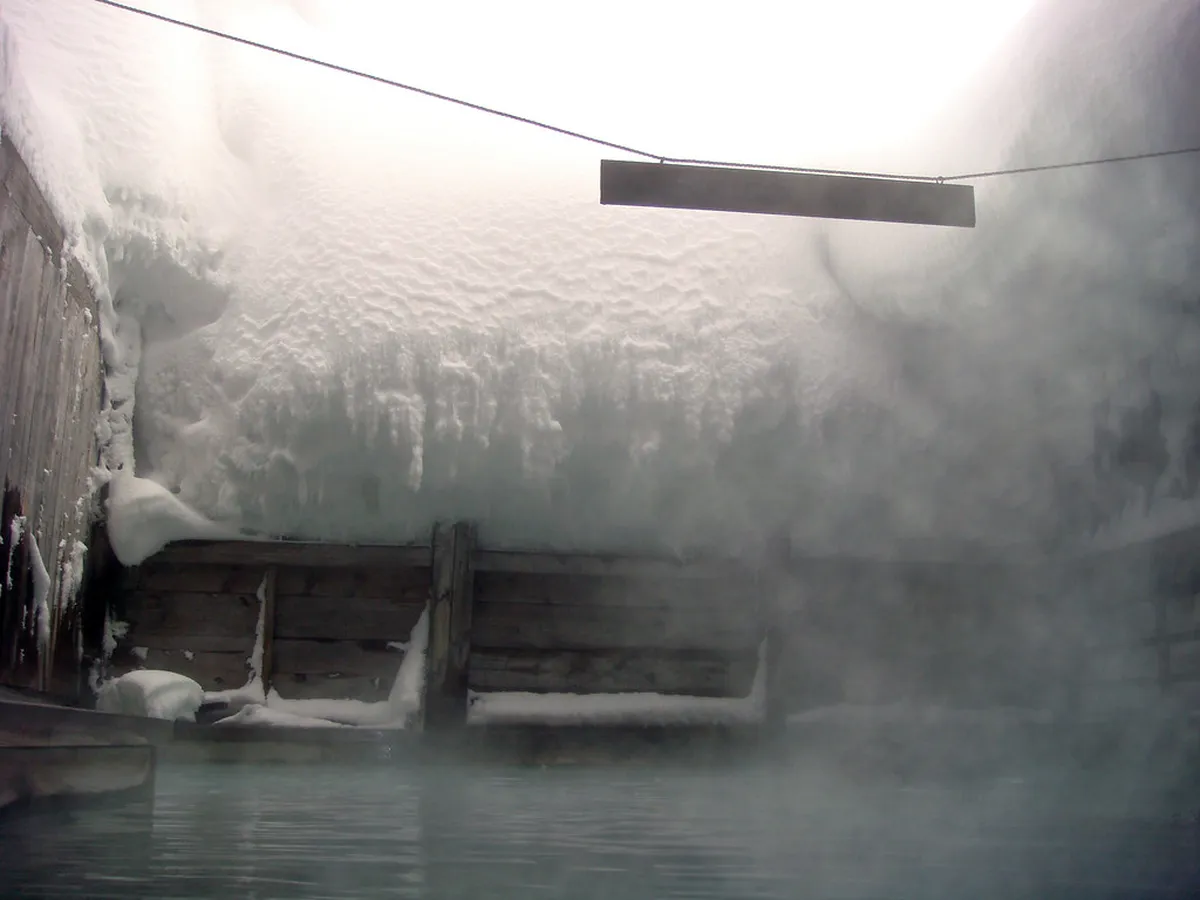
Konbu Onsen is a year-round destination, but the experience changes significantly by season. Winter (December to March) pairs the soak with outdoor snowscapes and après-ski recovery — the contrast between the hot water and freezing mountain air in the outdoor rotenburo is something many visitors describe as the best moment of their Hokkaido trip. Summer (June to August) brings lush green surroundings and quieter facilities, with significantly shorter lines and lower accommodation prices nearby. Spring and autumn shoulder seasons offer the best combination of value and comfort.
The peak hours for day-use baths are 11:00–13:00 and 16:00–19:00, when skiers arrive after morning runs or before dinner. Arriving at 10:00 when facilities open, or after 19:00 for facilities that stay open late, gives you noticeably quieter conditions. Weekend crowds in January and February are significantly heavier than weekdays — if your schedule is flexible, a Tuesday or Wednesday morning visit at Konbu is a markedly different experience from a Saturday afternoon.
The most common first-timer mistakes at Konbu: forgetting to confirm day-use hours before driving out (some facilities close their public baths midday for cleaning), arriving without yen cash (several smaller ryokan do not accept cards), and staying too long in very hot outdoor water. Limit each pool session to 10–15 minutes, exit when you feel lightheaded, and cool down in the intermediate-temperature or cold bath between sets. Dehydration is the most common minor medical issue at onsens — drink water before entering and after each session. For a comprehensive trip plan, our Niseko itinerary guide walks you through multiple attractions and day structures. Nearby, Niseko Annupuri is worth combining with an evening Konbu visit for a full-day Niseko circuit.
Frequently Asked Questions
Can I visit Niseko onsens if I have tattoos?
Many facilities in Niseko are becoming more tattoo-friendly for international visitors. However, some traditional spots still require you to cover small tattoos with waterproof patches. It is best to check with the specific hotel or public bath before you arrive.
Do I need to bring my own towels to the hot springs?
Most high-end hotels provide towels for their guests, but public baths might charge a small fee for rentals. Bringing your own small towel is a good idea for day trips. You can also visit Shinsen-numa nearby and keep a towel in your bag.
What is the best onsen in Niseko for families?
The Niseko Grand Hotel is highly recommended for families because it offers a large mixed-gender outdoor bath. This allows parents and children to soak together while wearing provided modesty garments. It is a great way to enjoy the culture as a group.
How much time should you plan for an onsen visit?
Most people spend between one and two hours at a hot spring facility. This includes time for washing, soaking in different pools, and relaxing in the lounge afterward. Rushing the experience takes away from the primary goal of relaxation and wellness.
Is the Niseko Yu Meguri Pass worth it?
The pass is definitely worth it if you plan to visit at least three different hot springs. It offers a significant discount compared to paying individual entry fees at each location. You can purchase the pass at most major hotels and tourist information centers.
Niseko Konbu Onsen is one of the few places in Hokkaido where you can spend an entire day moving between mineral springs, each with a different character, and still not have covered the district fully. The beauty-bath water chemistry, the range of facilities from budget ryokan to luxury resort, and the proximity to some of Hokkaido's best skiing make it a destination worth planning deliberately rather than squeezing in as an afterthought.
Check day-use hours before you go, bring yen cash, limit each pool to 15 minutes, and drink water between sessions. Done right, a morning in the outdoor rotenburo at Konbu with snow falling around you is among the best experiences Japan offers any visitor in 2026.
To explore beyond onsen, our guide to Niseko attractions covers the full range of seasonal and winter activities in the region.
For the latest official information, see the Niseko Konbu Onsen official site and Niseko Konbu Onsen on Wikipedia.