
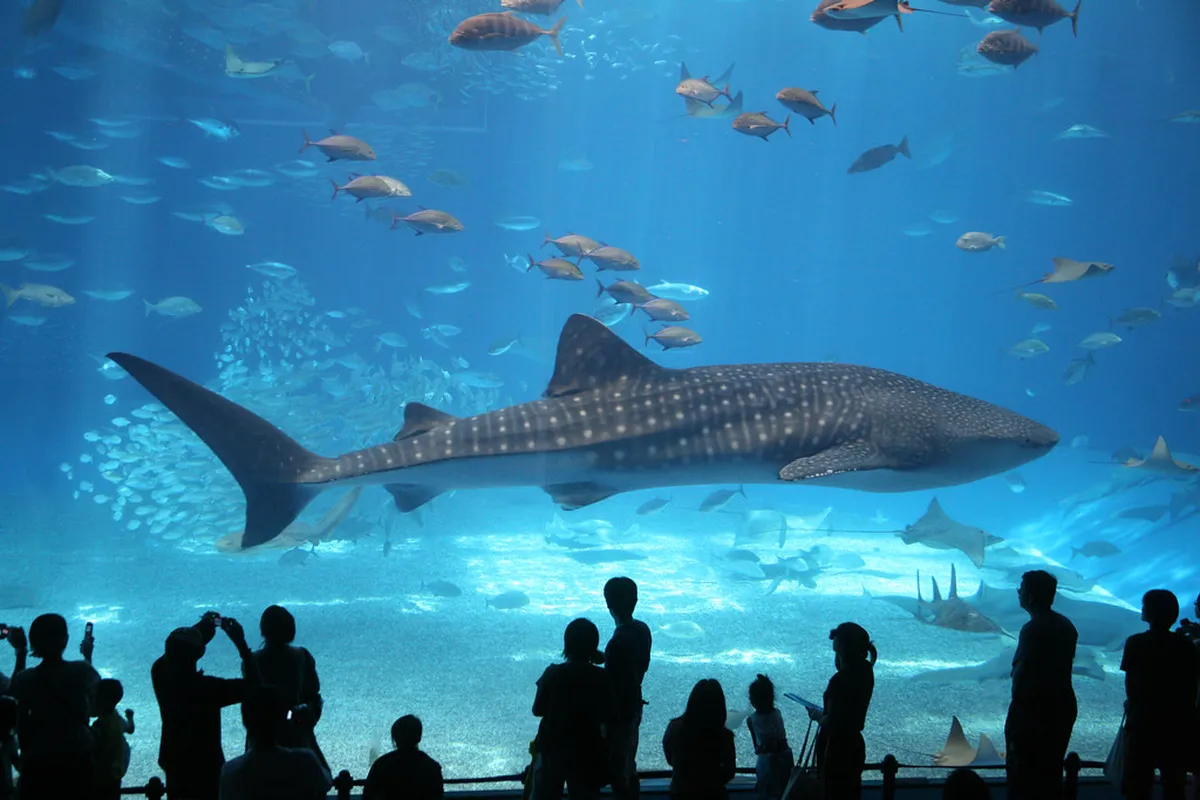
Okinawa Churaumi Aquarium
The Okinawa Churaumi Aquarium is a major aquarium in Ocean Expo Park, Motobu, on the Motobu Peninsula in northern Okinawa, renowned for its giant Kuroshio Sea tank displaying whale sharks and manta rays.
Visitor guide →
Things to do in Okinawa in 2026 — the top Okinawa tourist attractions mapped by area and category, free vs paid sights, itineraries, transport and the best time to visit.
Okinawa is Japan's subtropical island prefecture, a chain of more than 150 coral islands strung across the East China Sea, far closer to Taiwan than to Tokyo. Most visitors split their time between the main island (Okinawa Honto) — home to the famous Churaumi Aquarium, Ryukyu castles and the Mihama beach strip — and the remote outer islands: the easygoing Kerama Islands a short ferry from Naha, plus the Yaeyama group (Ishigaki and Iriomote) and Miyako far to the southwest, where the country's clearest water and most photographed beaches sit. The Okinawa attractions you choose depend on how far you want to roam.
This 2026 guide pulls together the island's most rewarding sights and the planning context first-timers actually need. Below you will find the top eight attractions on the main island and Ishigaki — each card links to a full visitor guide with verified opening hours and current ticket prices — followed by a breakdown of attractions by area and by category, a free-versus-paid cost guide, suggested itineraries, transport advice and the best time to visit. Okinawa rewards a slower pace than mainland Japan: distances are larger than the map suggests, and the islands' distinct Ryukyu culture and beaches reward travellers who linger rather than sprint.
Planning a wider trip? See our Japan travel guide, the things to do in Okinawa guide, and getting around Japan.
The Okinawa Churaumi Aquarium is a major aquarium in Ocean Expo Park, Motobu, on the Motobu Peninsula in northern Okinawa, renowned for its giant Kuroshio Sea tank displaying whale sharks and manta rays.
Visitor guide →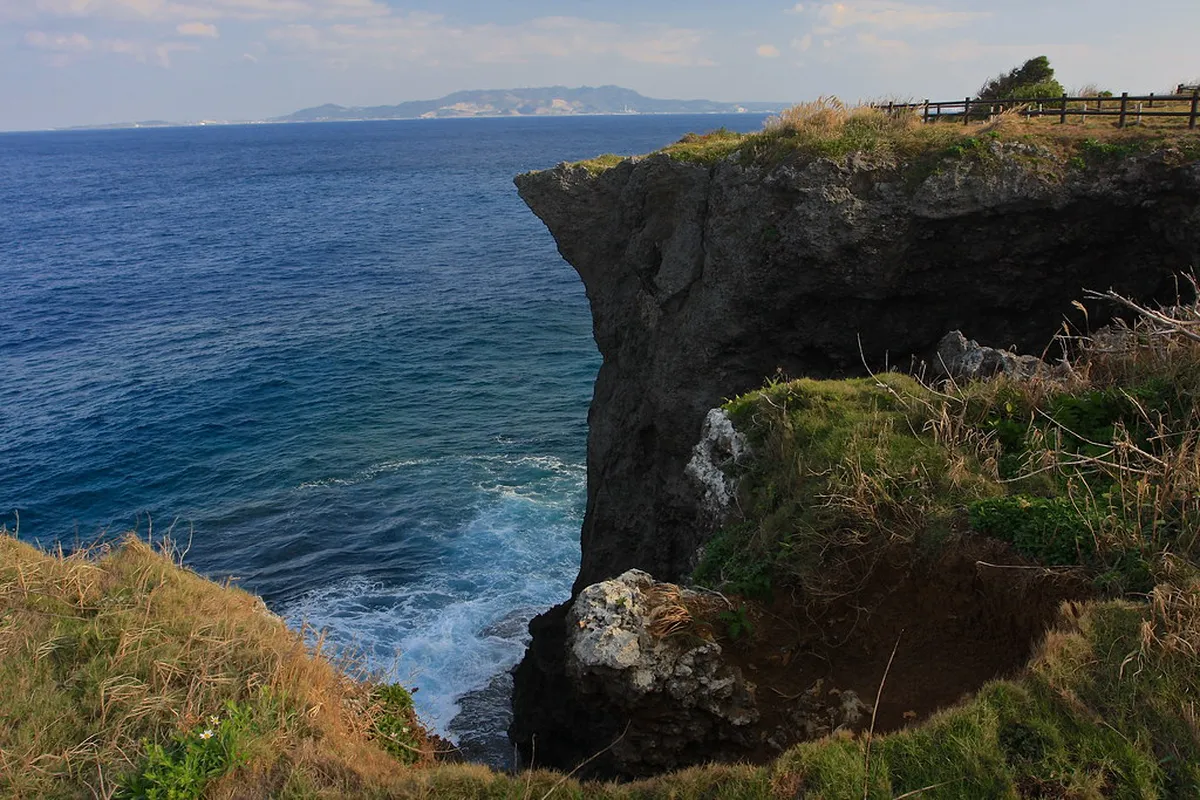
Cape Manzamo is a scenic limestone cliff in Onna Village, central Okinawa, named for its distinctive elephant-trunk shape rising about 20 meters above the East China Sea. A ¥100 viewing fee accesses the cliff-top promenade with panoramic ocean and Mount Onna views — one of the island's premier sunset spots.
Visitor guide →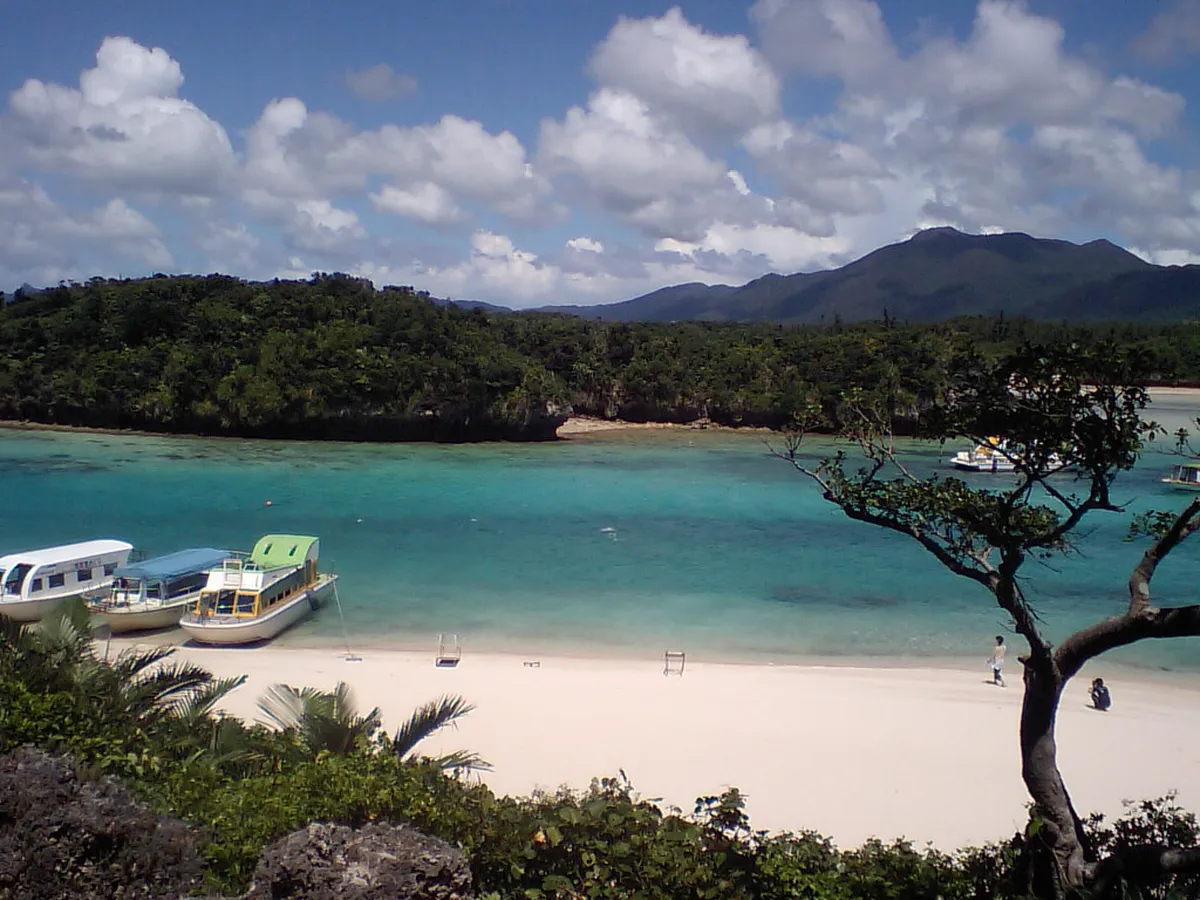
Kabira Bay is the most famous scenic spot on Ishigaki Island in Okinawa's Yaeyama Islands — turquoise water, white sand and forested islets, a designated national Place of Scenic Beauty. The bay is free to view but swimming is prohibited; the signature way to experience it is a glass-bottom boat over the coral gardens.
Visitor guide →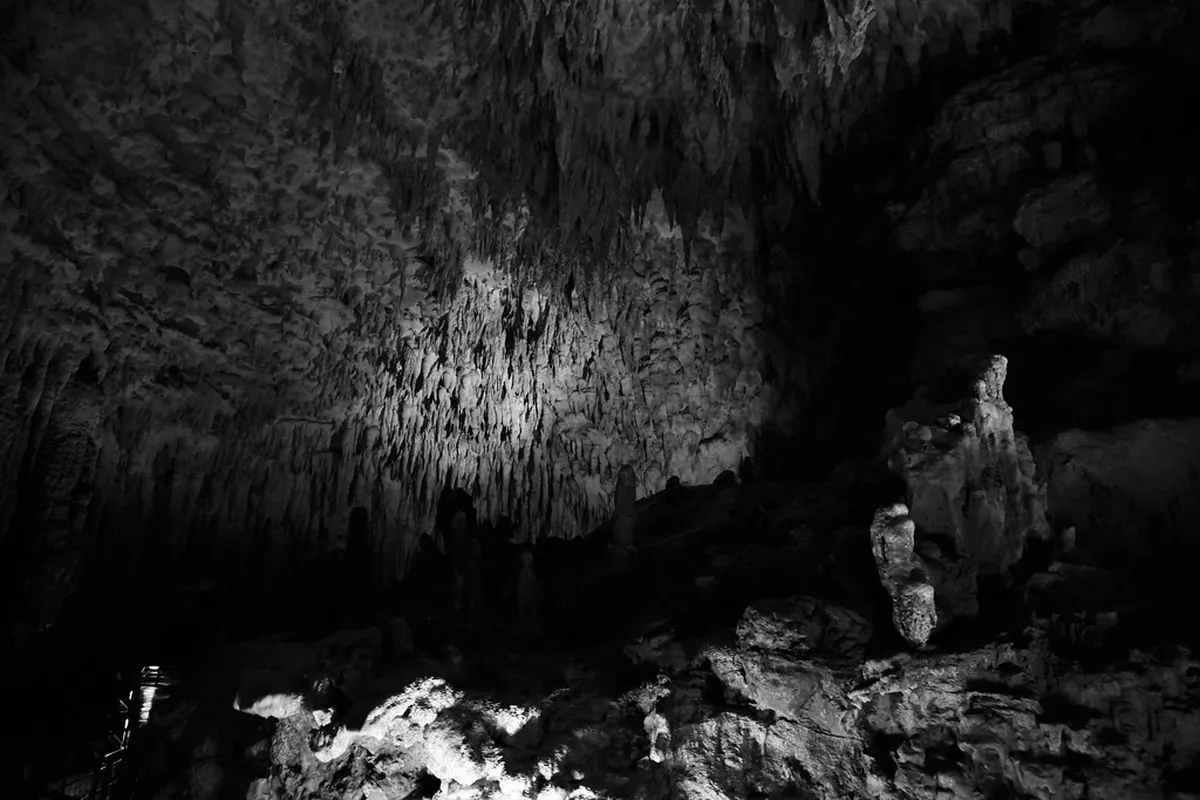
Okinawa World is southern Okinawa main island's flagship theme park in Nanjo City, centered on the Gyokusendo limestone cave (one of Japan's longest). It offers a recreated Ryukyu Kingdom Village, Super Eisa show, habu snake museum park, and tropical fruit garden, bookable as a full Passport or a cheaper cave-only ticket.
Visitor guide →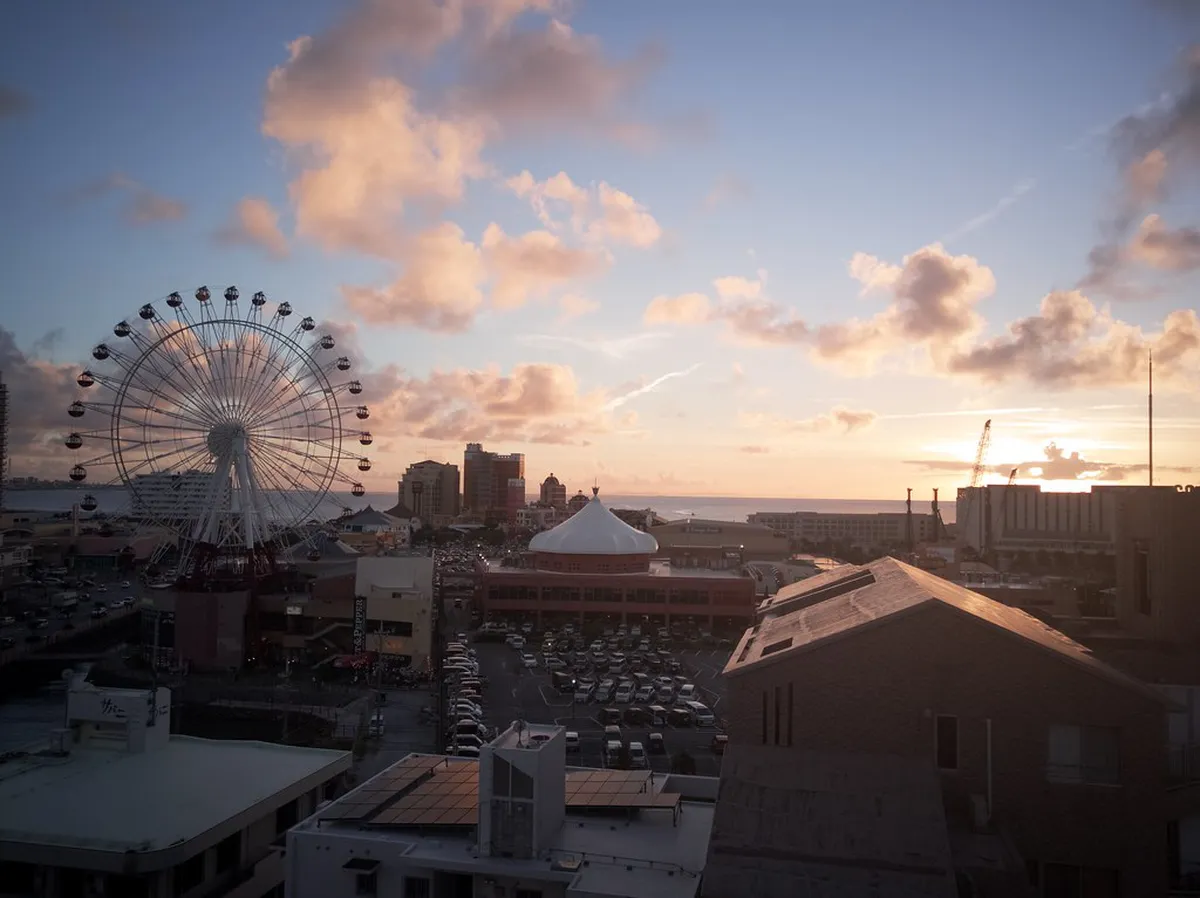
Mihama American Village is a large, free, open-air shopping and entertainment district on the seaside in Chatan, central Okinawa, about 15 km north of Naha. Designed to evoke an American town, it packs hundreds of shops and restaurants, a cinema, arcades, and the adjacent Sunset Beach into a colorful waterfront setting; entry is free, and it is especially lively at sunset.
Visitor guide →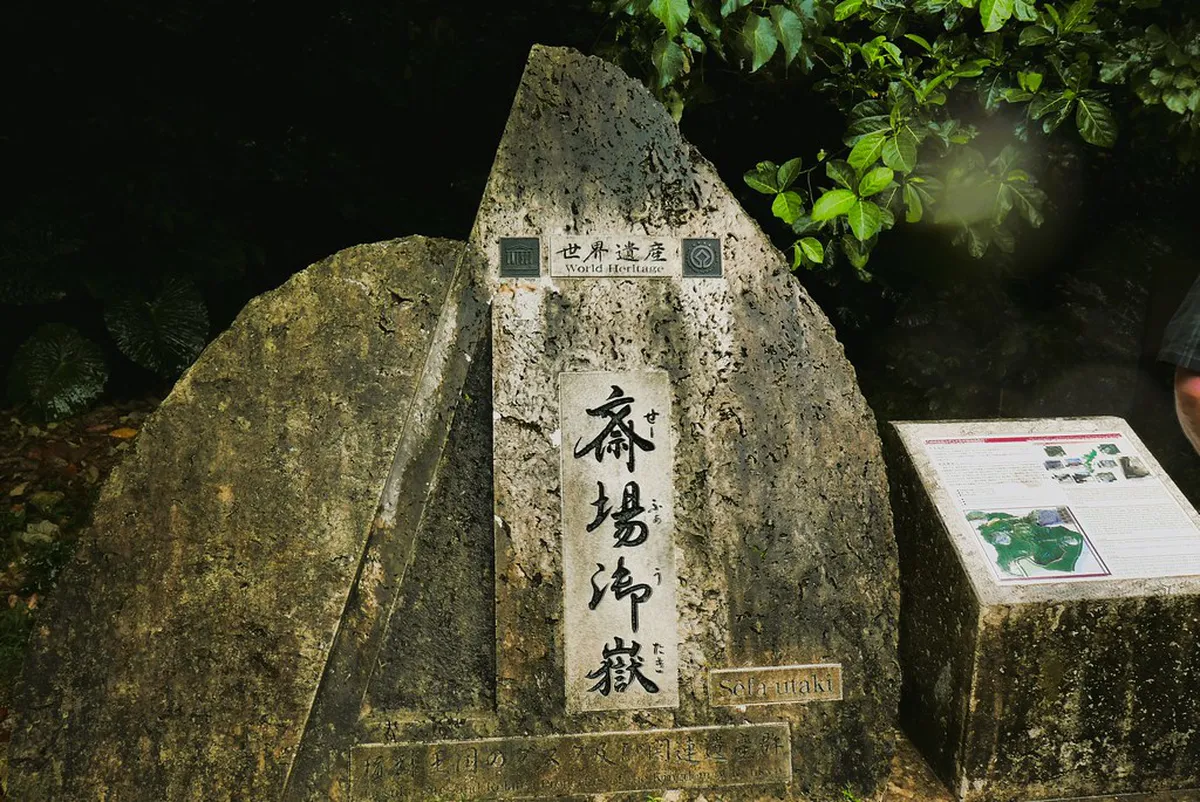
Sefa-utaki is a UNESCO World Heritage sacred site on the Chinen Peninsula in Nanjo City, southern Okinawa. Once the most sacred place of worship in the Ryukyu Kingdom, it consists of caves and rock formations overlooking Kudaka Island. Adult admission is ¥300, tickets are bought at the Nanjo City Local Products Center, and it closes briefly twice a year for religious observances.
Visitor guide →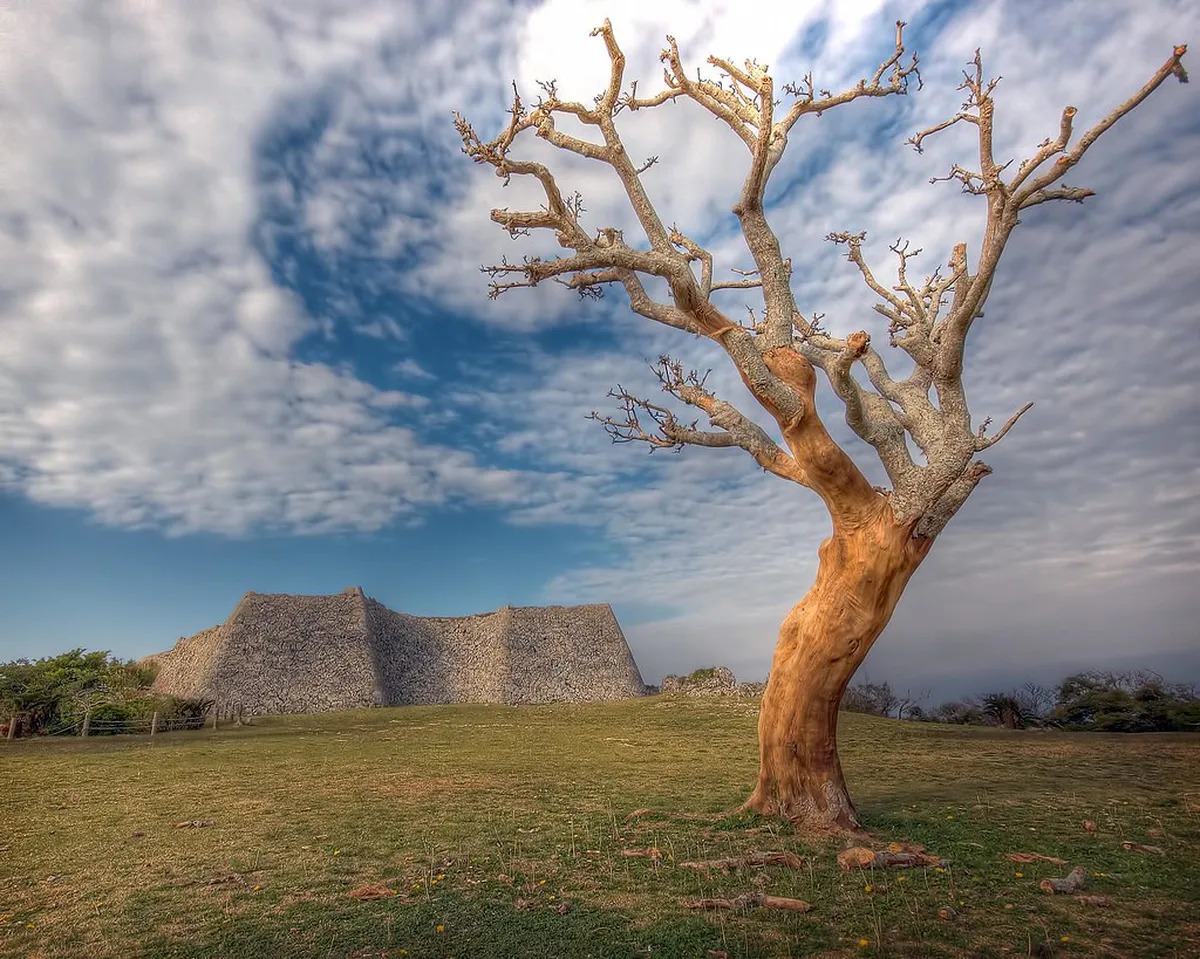
Nakagusuku Castle is a UNESCO World Heritage Ryukyuan castle ruin in central Okinawa, built around 1440 by Gosamaru and prized as the best-preserved gusuku in the prefecture. Visitors walk through six stone-walled enclosures with sweeping coastal views; open 8:30-17:00 (to 18:00 May-Sep), adult admission ¥500.
Visitor guide →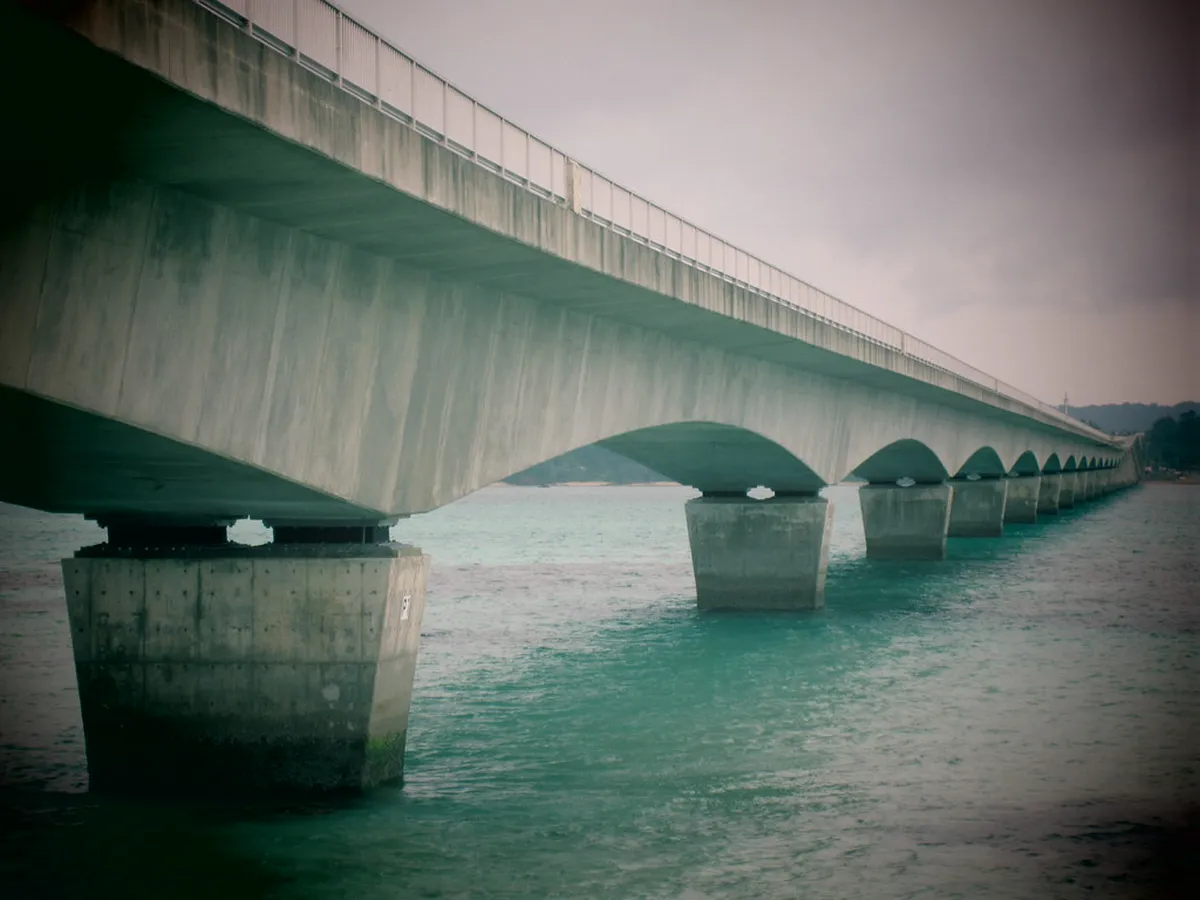
Kouri Island is a small (~3.13 km²) island off the Motobu/Nakijin area of northern Okinawa, linked to Yagaji Island by the free, ~2 km Kouri Bridge (opened 2005). Nicknamed 'Love Island' for the heart-shaped Heart Rock at Tinu Beach, it offers emerald coastal views and free beaches; the island, bridge and beaches are free, while spots like the Kouri Ocean Tower charge admission.
Visitor guide →Okinawa Honto (the main island) is roughly 100 km long, and its sights divide cleanly into three driving regions, with the best beaches and snorkelling waiting on the outer islands. Planning your trip by area is the easiest way to avoid backtracking.
The north is Okinawa's headline region. The Churaumi Aquarium in Ocean Expo Park, Motobu, is the prefecture's single most-visited attraction, built around a vast tank of whale sharks and manta rays. Nearby, Kouri Island is reached by a free two-kilometre bridge over electric-blue shallows and is famous for its heart-shaped rock and quiet beaches. Beyond them lie the Yanbaru subtropical forests and pineapple country — a full day's drive from Naha, so most travellers base a night or two up here.
Cape Manzamo in Onna Village is the island's premier sea-cliff viewpoint, its elephant-trunk rock framing the East China Sea at sunset. The Onna coast is also Okinawa's resort belt, lined with beaches and snorkel spots. Further south in Chatan, Mihama American Village is a free, colourful seaside shopping-and-entertainment district, while inland the UNESCO-listed Nakagusuku Castle ruins offer the best-preserved Ryukyu gusuku walls on the island.
The south packs in Ryukyu history and theme-park fun close to the airport. Okinawa World in Nanjo City pairs the long Gyokusendo limestone cave with a recreated kingdom village and an Eisa drum show. On the Chinen Peninsula, the sacred UNESCO grove of Sefa-utaki looks out over Kudaka Island. The capital, Naha, sits here too — for Shuri Castle, Kokusai-dori and the city's markets, see our dedicated Naha attractions guide.
The water gets bluer the further you travel. The Kerama Islands are a 35-minute ferry from Naha and offer some of Japan's clearest snorkelling. Far to the southwest, Ishigaki is the gateway to the Yaeyama group, where the postcard-perfect Kabira Bay — turquoise water, white sand and glass-bottom boats — is the signature stop. Miyako is famed for its bridges and beaches. Reaching these islands means a domestic flight or ferry; our Okinawa island-hopping guide covers the routes.
Prefer to plan around what you love rather than where it sits? Here are the island's attractions grouped by type.
The Churaumi Aquarium is the undisputed nature headliner, but Okinawa's wild side runs far deeper — limestone caves at Okinawa World, the Yanbaru rainforest in the north, and the mangrove-lined rivers of Iriomote out in the Yaeyamas. The subtropical climate means lush greenery year-round.
For scenery, head to Cape Manzamo for sunset cliffs, Kouri Island for bridge views and free beaches, and Kabira Bay on Ishigaki for the most famous lagoon in the prefecture. For a full ranking of the sand itself, see our best beaches in Okinawa guide.
Before it became part of Japan, Okinawa was the independent Ryukyu Kingdom, and its stone castles are collectively a UNESCO World Heritage Site. Visit Nakagusuku Castle for the best-preserved gusuku walls and Sefa-utaki for the kingdom's holiest sacred grove. The capital's reconstructed Shuri Castle (covered in our Naha guide) completes the picture.
Okinawa World rolls a cave walk, craft workshops, a snake museum and a stage show into one ticket — an easy win with kids — while American Village offers an arcade, a cinema, a Ferris wheel and a beach in one free, walkable strip. For more ideas geared to younger travellers, see our Okinawa with kids guide.
A good chunk of Okinawa's best sights cost little or nothing, which makes the island friendlier to a budget than its resort reputation suggests. Use the split below to balance your spending.
Free or near-free: American Village is free to wander (you only pay for what you buy or ride). Kouri Island, its bridge and beaches are all free. Kabira Bay is free to view from the shore (you pay only if you take a glass-bottom boat). And Cape Manzamo charges just a token ¥100 to access the cliff-top promenade.
Paid attractions: the Churaumi Aquarium is the priciest at ¥2,180 for adults, followed by Okinawa World at ¥2,000 for the full passport. The UNESCO castle Nakagusuku is ¥500 and the sacred grove Sefa-utaki is ¥300. Prices are the current adult rates verified for 2026 — check each linked visitor guide for child and senior discounts before you go.
How you sequence these attractions depends on how long you have and whether you venture beyond the main island.
A three-day trip is enough to cover Okinawa Honto's highlights with a rental car. Day one: explore the south near the airport — Okinawa World, Sefa-utaki and Naha's Shuri Castle and Kokusai-dori. Day two: drive the central coast, stopping at Nakagusuku Castle, Cape Manzamo and American Village for sunset. Day three: head north to the Churaumi Aquarium and Kouri Island.
With five to seven days you can pair the main-island circuit above with a flight or ferry to the outer islands. Add two or three nights on Ishigaki for Kabira Bay and Yaeyama snorkelling, or a Kerama Islands day trip from Naha for crystal water. Our island-hopping guide maps the ferry and flight connections so you do not lose a day in transit.
Outside central Naha, a rental car is effectively essential. The attractions on this page are spread across a 100-kilometre island, public buses are slow and infrequent, and the headline sights in the north are a two-hour drive from the airport. The Okinawa Expressway runs down the western spine of the main island and cuts that drive considerably. Naha itself has a monorail (the Yui Rail) that reaches the airport, Kokusai-dori and Shuri, so a car-free city stay is workable — but for everything beyond the capital, plan to drive. Our renting a car in Okinawa guide covers licences, insurance and pick-up tips, and the getting between Okinawa regions guide explains driving times. For the outer islands, you fly or take a ferry from Naha, then rent a separate car or scooter on arrival.
Okinawa's subtropical climate keeps it warm long after mainland Japan turns cold, but the season shapes which attractions shine. The official beach season runs roughly April to October, when the sea is warm enough for swimming and snorkelling. The catch is typhoon season, which overlaps from about May to October and can disrupt flights and ferries to the outer islands — build a buffer day into island-hopping plans. Winter (December to February) brings the clearest air and the best long-distance views from spots like Cape Manzamo, plus Japan's earliest cherry blossoms, which open in January and February rather than spring. For a month-by-month breakdown of weather, crowds and prices, see our best time to visit Okinawa guide.
Okinawa can be done affordably if you lean on its free sights. Anchor each day around no-cost attractions — Kouri Island, the beaches, American Village and the free Kabira Bay viewpoint — and reserve your budget for the one or two paid headliners like Churaumi. Booking aquarium tickets in advance often beats the gate price, and many sights offer cheaper child and senior rates noted in their visitor guides. The biggest single saving, though, is sharing a rental car: splitting a car between a couple or group turns Okinawa's one unavoidable cost into a modest per-person figure, and it unlocks the free coastal sights that buses simply cannot reach.
Three days is enough to see the main island's headline attractions with a rental car. If you want to add the outer islands — Ishigaki, the Keramas or Miyako — plan on five to seven days so you are not rushing the ferry and flight connections.
The Churaumi Aquarium in Motobu is Okinawa's single most-visited attraction, built around an enormous tank of whale sharks and manta rays. It is the one sight nearly every first-time itinerary includes.
Outside central Naha, yes. The attractions are spread across a 100-kilometre island and buses are slow and infrequent, so a rental car is effectively essential for the north, the central coast and the south. Naha city itself is workable with the monorail.
Many are. American Village, Kouri Island and its beaches, and the Kabira Bay viewpoint are all free, and Cape Manzamo costs just ¥100. The main paid sights are the Churaumi Aquarium (¥2,180), Okinawa World (¥2,000), Nakagusuku Castle (¥500) and Sefa-utaki (¥300).
For beaches and swimming, aim for late spring or early autumn; the broader beach season runs April to October. Typhoon risk peaks May to October. Winter brings the clearest views and Japan's earliest cherry blossoms in January and February.
The fastest way is a direct flight — Tokyo to Naha takes about two and a half to three hours, with frequent daily services from both Haneda and Narita. There is no bullet train or road connection, as Okinawa is an island chain far to the south.
Absolutely. Many travellers skip a long Naha stay entirely and base themselves on the central or northern coast near the beaches and the Churaumi Aquarium. Naha is worth a half-day for Shuri Castle and Kokusai-dori, but the prefecture's signature attractions and beaches all lie outside the city.
This hub maps the entity attractions across the islands; for deeper trip planning, lean on our blog guides. Start with the Okinawa things-to-do guide for the full island overview, then dig into the best beaches in Okinawa, plan your routes with the island-hopping guide, and sort logistics with renting a car in Okinawa. If you are spending time in the capital, our Naha attractions guide covers Shuri Castle, Kokusai-dori and the city's markets.