Getting Between Okinawa Regions: A Complete Transport Guide
Master Okinawa logistics with our guide on getting between regions. Covers flights from Naha to Ishigaki, ferries to Kerama, and local transit tips for a smooth trip.
On this page
Okinawa is an archipelago of more than 160 islands stretching 1,000 kilometres south-west from Kyushu toward Taiwan. Moving between its distinct island groups requires a different mindset than anywhere else in Japan — you are combining flights, high-speed ferries, and slow car-ferries depending on where you want to go.
The key to smooth logistics is understanding which options exist on each route. Some crossings have both a flight and a ferry. Others have only one. A handful of remote islands have one ferry per day, and nothing else. This guide maps it all out so you can plan with confidence.
Brief history of Okinawa and its island regions
The islands were the heart of the independent Ryukyu Kingdom, a maritime trading state that thrived from the 15th to the 19th century. Its geographic position between Japan, China, and South-East Asia made it a vital commercial hub. The kingdom's distinct culture and language still shape local identity across Okinawa today.
Okinawa was formally absorbed into Japan in 1879. The prefecture today divides into three main island groups beyond the main island (Honto): the Kerama Islands close to Naha, the Miyako group roughly 300 km south-west, and the Yaeyama group a further 100 km south-west, approaching Taiwan. Each group developed independently enough that transport between them is a real journey, not just a short bus ride.
Understanding this geography matters before you book anything. The Keramas are day-trip distance from Naha. Miyako and Ishigaki require either a flight or an overnight commitment. Yonaguni, the westernmost inhabited island, sits closer to Taiwan than to Naha.
How to get to Okinawa from mainland Japan
Most travelers begin by flying into Naha Airport (OKA). Direct flights depart from Tokyo (Haneda and Narita), Osaka (Kansai and Itami), Nagoya, Fukuoka, and about a dozen other cities. Flight time from Tokyo is roughly 2 hours 30 minutes; from Osaka around 2 hours. You can find many direct flights to Naha through full-service and budget carriers alike.
Budget airlines Peach and Jetstar Japan cover the Tokyo–Naha and Osaka–Naha routes at competitive prices when booked early. International visitors who already hold a Japan inbound flight can buy fixed-price domestic legs through the JAL Japan Explorer Pass or the ANA Experience JAPAN Fare — both are worth checking if you plan to also fly to Ishigaki or Miyako from the mainland.
There is one alternative to flying: a long-distance ferry from Kagoshima to Naha via the Amami Islands takes around 25 hours and suits travellers who want to see remote island ports along the way. It is not a fast option, but it is a scenic one. For speed, fly.
Getting around Okinawa Main Island (Honto)
The main island is 135 km long and home to Naha, the prefectural capital. The Yui Rail monorail connects Naha Airport to Shuri Castle with 15 stops — it is the fastest way to reach central Naha hotels and covers all the key sightseeing spots in the city. Read more about the Naha transport guide on foot and by monorail.
Beyond Naha, buses are the public option. Highway buses run the length of the island and reach Churaumi Aquarium in the north, but schedules are infrequent and journey times are long. For anything off the main highway — remote beaches, Nakijin Castle, the Yanbaru forest — a rental car is essentially required. Most rental agencies are clustered around the airport exit.
Driving is on the left, the same as in mainland Japan. International driving permits are required in Japan; most countries' standard IDP works, but confirm with the Japanese Automobile Federation (JAF) before you travel. Roads are well-maintained and distances are manageable — the full north–south run takes about 2 hours without stops.
Ferries from Naha to the Kerama Islands
The Kerama Islands — principally Tokashiki, Zamami, and Aka — are the closest island group to Naha and among the most popular for snorkelling and diving. Ferries depart from Tomari Wharf (Tomarin), a 10-minute taxi or bus ride from central Naha. Both high-speed and regular car ferries operate on the main routes.
The high-speed Queen Zamami reaches Zamami Port in about 50 minutes (via Aka Island) and costs around ¥3,500 one way. The slower car ferry on the same route takes roughly 2 hours but costs around ¥1,700 — useful if you want to bring a bicycle. Tokashiki is served by an express ferry in 35–40 minutes (¥2,530) and a regular ferry in 70 minutes (¥1,690). Services run two to three times daily on most routes.
Book at least a day in advance. Ferries fill quickly during Golden Week (late April–early May), Obon (early August), and summer weekends. Check the weather before you commit: rough seas regularly cause cancellations, especially from August through October. The ferry operators update cancellations on their websites the morning of departure.
High-speed ferries to the Kerama Islands cost nearly double the regular car ferries but save 60–90 minutes each way. For day trips from Naha, the time savings often justify the cost.
Flying or ferrying: Naha to Miyako and Ishigaki
For the two main remote island groups, you have a genuine choice on some routes. The table below gives you the practical comparison for 2026.
| Route | Mode | Time | Cost |
|---|---|---|---|
| Naha to Miyako | Flight | 50 minutes | ¥5,000–¥12,000 |
| Naha to Miyako | Ferry | N/A | No service |
| Naha to Ishigaki | Flight | 1 hour | ¥6,000–¥15,000 |
| Naha to Ishigaki | Ferry (A Line) | 22–24 hours | ¥7,000+ (shared cabin) |
- Naha to Miyako (MMY): Flight — 50 minutes, from around ¥5,000–¥12,000 one way depending on carrier and booking window. Ferry — no passenger ferry service exists between Naha and Miyako. Flying is the only option.
- Naha to Ishigaki (ISG): Flight — 1 hour, from around ¥6,000–¥15,000. Ferry — a cargo-passenger ferry (A Line Ferry) connects Naha to Ishigaki in approximately 22–24 hours; fares start around ¥7,000 in a shared cabin. The ferry calls at several ports along the way.
- Naha to Yonaguni: Flight via Naha–Ishigaki then Ishigaki–Yonaguni, or direct Naha–Yonaguni (less frequent). The Yonaguni–Ishigaki ferry takes around 4 hours.
The verdict is straightforward: fly to Miyako and fly to Ishigaki unless you have a strong reason to take the overnight ferry (budget, cargo, scenic interest). The flight fares are low enough — especially through Peach or ZIPAIR — that the time saving almost always wins. Book domestic legs at least 2–4 weeks ahead for the best prices.
Once on Miyako, there is no ferry connection to Ishigaki. If you want to visit both groups in one trip, fly Naha–Miyako, then fly or take the A Line Ferry from Ishigaki back to Naha. Planning a loop is usually the most efficient structure.
Typhoons suspend all ferry services 12–24 hours before arrival and for 24–48 hours after. Never schedule a connecting flight from Naha the same day as a planned ferry return during June–October typhoon season.
Getting around Miyako Island
Miyako is served by two airports. Miyako Airport (MMY) handles most domestic routes and sits close to Hirara, the main town. Shimojishima Airport (SHI), on an adjacent island connected to Miyako by bridge, receives some budget airline routes from mainland Japan — worth checking if you are flying direct from Tokyo or Osaka rather than via Naha.
A rental car is essential on Miyako. There is limited bus service, and the island's best beaches and the famous long bridges connecting the outer islands are spread over a large area. The drive from Miyako to Irabu Island via the Irabu Ohashi Bridge — the longest toll-free bridge in Japan at 3.5 km — is itself a highlight worth planning into your day.
You can find comfortable accommodation in Miyako near Hirara Port or along the west coast beach strips. Staying close to Hirara gives you quick access to ferry connections for Tarama Island.
Exploring the Yaeyama region: Ishigaki and Iriomote
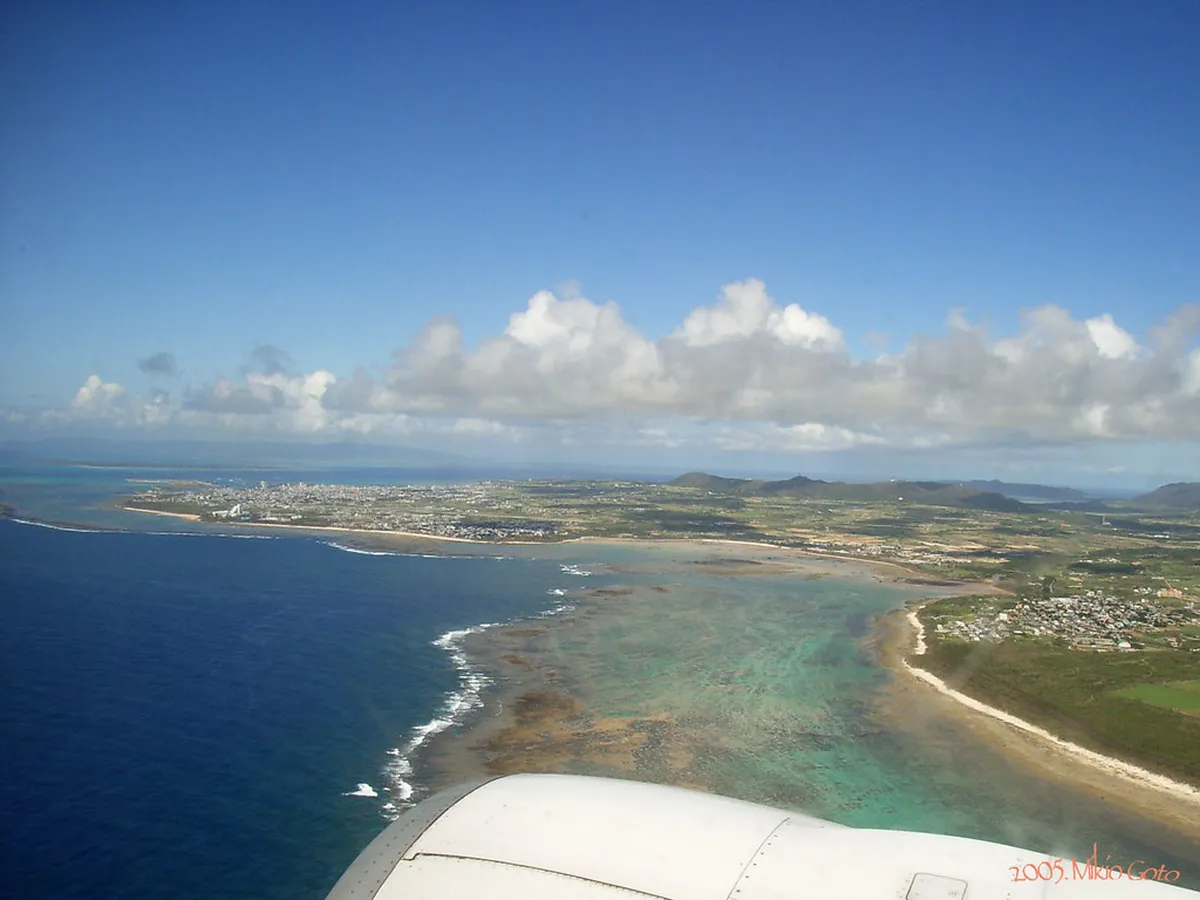
Ishigaki is the hub for the entire Yaeyama group. New Ishigaki Airport (ISG) receives direct flights from Naha (1 hour), Tokyo (3 hours), and Osaka. From Ishigaki Port, high-speed ferries fan out to the surrounding islands throughout the day — Taketomi in 15 minutes, Kohama in 30 minutes, Iriomote (Uehara Port) in 50 minutes, and Hateruma in 1 hour.
Staying near the port area in Ishigaki simplifies logistics considerably. Most ferries to outer islands operate on tight windows, especially the last return from Iriomote, which often departs around 17:00. Check the schedule at the port ticket office upon arrival — it changes seasonally. You can read an Iriomote Island guide for detailed trekking and kayaking routes.
Choosing the right accommodation in Ishigaki near the ferry terminal puts you within walking distance of every early-morning departure. This matters if you plan to maximise time on smaller islands rather than wasting an hour getting from your hotel to the port each morning.
Nanjo (Azama Port) to Kudaka Island
Kudaka Island is known as the Island of the Gods — the birthplace of Ryukyuan creation mythology and one of the most spiritually significant sites in the prefecture. It sits about 5 km off the coast of Nanjo city in the south-east of the main island. Most visitors pair Kudaka with a stop at Sefa-Utaki, the sacred Ryukyuan grove on the Chinen Peninsula, which is just a 10-minute drive from Azama Port.
The ferry from Azama Port to Kudaka Port takes 15–20 minutes on the high-speed boat and runs several times a day. One-way fares are around ¥680. On the island itself, bicycles are the only practical transport — rental shops at the port charge around ¥500–¥800 per hour. There are very few cars and almost no commercial establishments, so bring your own food and water.
Respect the restricted areas, particularly around the ceremonial grounds. Some parts of Kudaka remain closed to outsiders as active ritual spaces. The island's quiet character is precisely its appeal — go without expectations of tourist infrastructure and you will leave with a genuine sense of old Ryukyu.
Hirara Port to Tarama Island
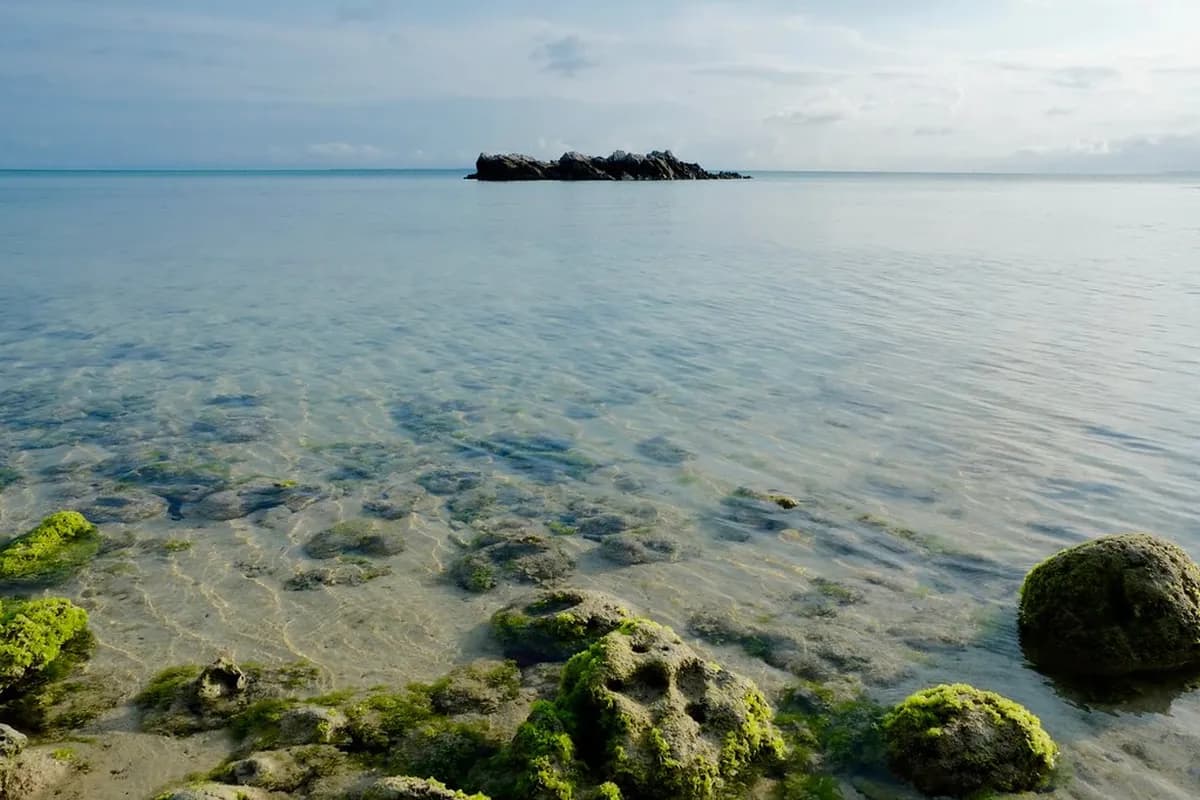
Tarama sits midway between the Miyako and Yaeyama groups and is one of the most genuinely remote destinations in the prefecture. One regular ferry connects it to Hirara Port in Miyako — the journey takes approximately 3 hours each way, and the service runs once daily. There is no flight option and no alternative ferry.
The single-daily ferry schedule means an overnight stay is almost always necessary to make the trip worthwhile. Check the return schedule before you board because rough weather between October and March occasionally results in cancellations, leaving visitors stranded for a second night. That said, the island's unhurried pace, coral-fringed beaches, and traditional sugarcane farming make it a high-reward destination for those who plan carefully.
Pack everything you need. Tarama has a small general store and a handful of minshuku guesthouses, but no ATM that accepts foreign cards. Withdraw cash in Hirara before you board.
Typhoon contingency: when ferries are cancelled
Typhoons are a real operational risk from June through October. When a typhoon warning is issued, all ferry services suspend — sometimes 12–24 hours before the storm arrives and for 24–48 hours afterwards. This is not a minor inconvenience if you are trying to return from Iriomote to Ishigaki, or from the Keramas back to Naha for a connecting flight.
The practical plan B is this: islands that have airports can always fall back on flights, which resume before ferries when winds drop. Ishigaki, Miyako, Yonaguni, and the main island all have airports. If you are on a small island with no airport — Tarama, Taketomi, Hateruma — you may simply have to wait. Build at least one extra night of buffer into any outer-island leg during typhoon season.
Monitor the Japan Meteorological Agency (JMA) typhoon tracker at jma.go.jp — it updates every 3 hours and shows the 5-day track cone. The Visit Okinawa Japan site also posts official typhoon precautions with port-specific guidance. If a storm is forecast, do not assume the ferry will run. Call the port office the morning of travel.
The broader lesson: never schedule a flight home from Naha the same day you plan to return by ferry from an outer island during typhoon season. Leave at minimum one full day's gap.
Top tips for scuba divers moving between islands
Divers face a specific logistical challenge: heavy tanks, BCDs, and wetsuit bags are cumbersome on ferries and often exceed checked-luggage allowances on domestic flights. The cleanest solution is Takkyubin, Japan's door-to-door luggage forwarding service run by Yamato Transport. Drop your heavy bags at your current hotel the evening before departure and they arrive at your next hotel the following day — typically for ¥1,500–¥2,500 per bag depending on size.
Most dive centres in Okinawa can help you ship gear or even lend equipment if you prefer to travel light. Always carry your dive computer and regulators in your hand luggage — they are expensive, delicate, and not well-suited to checked baggage. Read our essential Naha tips for additional advice on travelling efficiently with gear.
Certification rules are strict in Japan. If you do not hold a recognised dive card when you arrive, no dive centre will take you on a scuba dive — your only option will be a trial dive (taiken daibu) under direct instructor supervision, which limits the sites you can access. Organise your certification paperwork before you travel. For activity ideas beyond the reef, plenty of adventure activities in Okinawa sit above the waterline as well.
Best time to visit Okinawa
The two optimal windows for most visitors are April–May and September–early October. Both offer warm temperatures (24–29°C), manageable humidity, and lower crowds than the peak summer school-holiday rush. The sea is warm enough for swimming and snorkelling throughout both periods.
Avoid June through September if typhoon disruption would ruin your trip — that is the active typhoon window, with August and September as peak months. Storms do not hit every week, but the risk is real enough that it should factor into planning. The when to visit Naha and the outer islands differs slightly: the Yaeyama group is slightly warmer and drier in winter, making Ishigaki and Miyako viable destinations even in January when the main island can be chilly.
Winter (December–March) brings cooler temperatures to the main island — think 15–18°C with occasional rain — but water temperatures in the Yaeyama group remain around 22–24°C, making it viable for divers in 5mm wetsuits. If you travel in winter, the main island is quieter and cheaper, but plan activities that do not depend on beach weather. Golden Week and Obon are the two periods to avoid for budget or crowd reasons: prices spike and ferries book out weeks in advance.
Frequently Asked Questions
Can I take a Shinkansen all the way to Okinawa?
No, the Shinkansen bullet train does not reach Okinawa because it is an island chain far from the mainland. You must take a flight or a long-distance ferry to reach the islands. Most travelers choose to fly into Naha from major cities like Tokyo or Osaka for speed.
Should I fly from Narita or Haneda airport?
Haneda Airport is generally more convenient because it is closer to central Tokyo. However, Narita often offers cheaper flights through low-cost carriers like Peach. Choose Haneda for time savings or Narita if you are traveling on a tight budget. Check getting to Naha for more flight details.
How do I get to my hotel from Naha airport?
The Yui Rail monorail is the fastest way to reach hotels in central Naha. Taxis are also readily available outside the arrivals hall for a more direct trip. If your hotel is in the northern resort area, consider taking an airport limousine bus or renting a car.
Getting between Okinawa's regions rewards planning but punishes inflexibility. The key decisions are simple: fly to Miyako and Ishigaki, take the ferry to the Keramas, rent a car on every major island, and build buffer time during typhoon season. Everything else follows from those four principles.
Match your pace to the island you are on. The main island is fast and easy to navigate. The Kerama Islands slow you down in the best possible way. Tarama and Kudaka require deliberate effort and deliver proportional rewards. Decide which kind of trip you want, then let the transport options serve that goal.
For the full city overview, see our Naha attractions guide.
Getting around the islands is part of planning a wider trip — start with our Okinawa things-to-do guide for the full picture.
For the wider city overview, see our Okinawa attractions guide.
Free: The Naha Essentials guide
Top things to do, where to stay, a perfect day plan, getting around, and the best time to go — a Naha mini-guide you can take offline.
You might also like

Continue reading
More guides you'll find useful