Best Time to Visit Naha: Complete Seasonal Guide by Month
Mid-March to mid-April and October-November are best for Naha: warm, less humid, fewer crowds. Monthly weather, diving seasons and packing tips.
On this page
The best time to visit Naha is from mid-March to mid-April or during October and November. These shoulder months deliver warm temperatures, manageable humidity, and far fewer crowds than the July–August peak. Okinawa's capital sits at the southern tip of Japan, so the climate is genuinely subtropical — milder winters and longer, hotter summers than anywhere else in the country.
The table below gives a quick answer before the full seasonal breakdown.
| Goal | Best Window | Notes |
|---|---|---|
| Best overall weather | Late April / October–November | Low humidity, clear skies |
| Best for diving | October–November | Warm water, peak visibility |
| Best for festivals | May (Naha Hari) / October (Tug-of-War) | Book hotels early |
| Cheapest flights & hotels | January–February | Cold by Okinawa standards |
| Best for whale watching | January–March | Humpbacks in Kerama waters |
You can find many the Naha attractions guide that shine during these clear, sunny windows. Planning around the rainy season and typhoons ensures you maximize your time outdoors exploring Okinawa's wider attractions beyond the capital.
Okinawa Weather & Climate Overview
Naha experiences a humid subtropical climate with significant rainfall throughout the year. Summer temperatures regularly reach 27–32°C / 81–90°F with very high humidity. Winter stays mild compared to mainland Japan, rarely dropping below 13°C / 55°F, though northerly winds can make it feel noticeably colder after dark. Ocean breezes provide some relief, but the sun remains intense during the peak summer months.
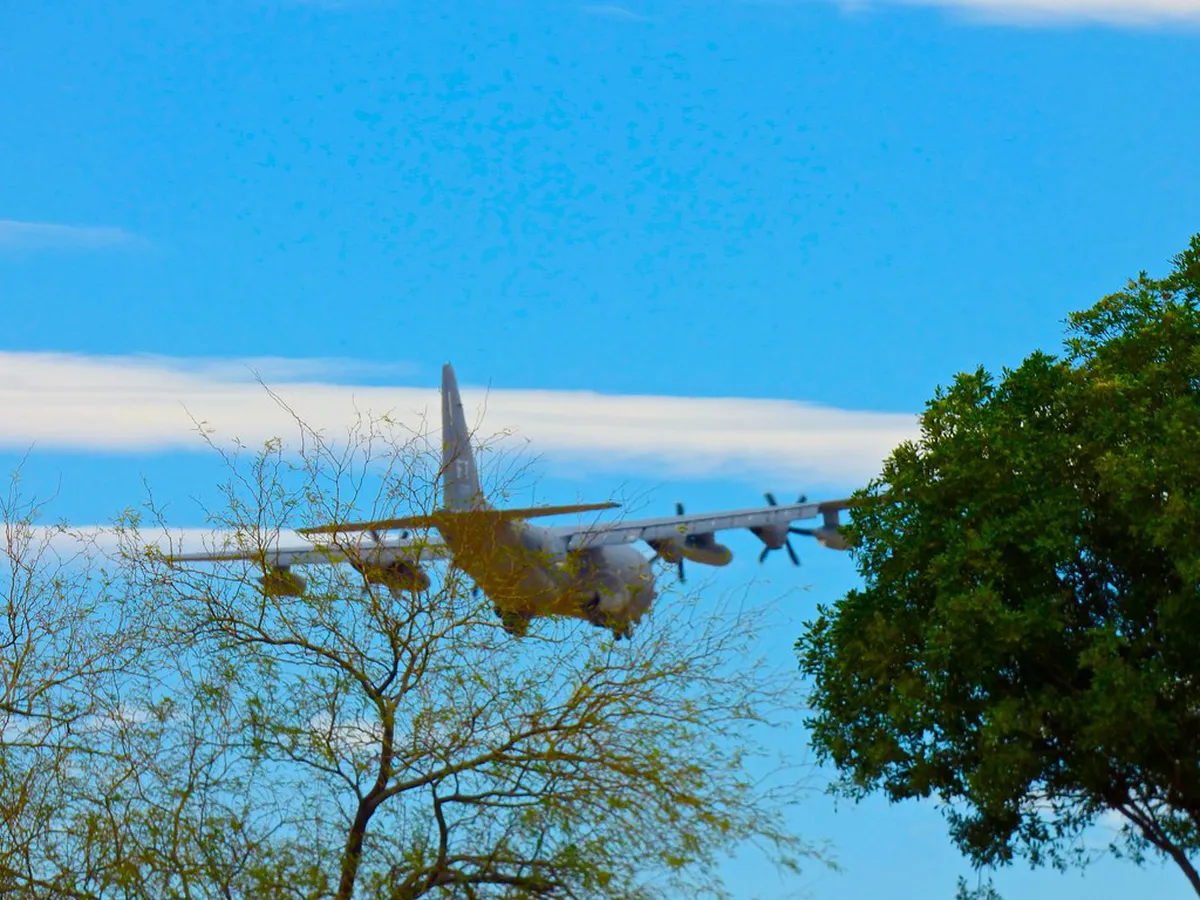
The rainy season, known as Tsuyu, typically runs from early May through mid-June. During this window, heavy downpours are frequent and the air feels oppressive even in the shade. Typhoon season peaks between July and September, occasionally forcing flight and ferry cancellations with little notice. Travelers should monitor official Okinawa weather advisories and JMA forecasts closely if visiting during these volatile months.
The year is broadly split into a dry season (October to April) and a wet season (May to September). That said, even the dry season can surprise with overcast drizzle, and summer days can be glorious and sunny. Pack flexibility into your itinerary rather than trusting any single month to deliver perfect skies. Spring and autumn offer the most consistent conditions for sightseeing and water activities such as Blue Cave Snorkeling and Diving in Okinawa.
| Month | Temperature (°C / °F) | Rainfall | Highlights & Notes |
|---|---|---|---|
| January–February | 14–19 / 57–66 | Low | Cheapest season; whale watching; cool evenings; 30–40% hotel discounts |
| March | 16–21 / 61–70 | Low | Beaches open mid-month; good for snorkeling with 3mm wetsuit |
| April | 19–26 / 66–79 | Low | Sweet spot: warm, cheap, pre-rainy season; sea 23–24°C |
| May–June | 23–28 / 73–82 | Very High | Tsuyu rainy season; oppressive humidity; indoor activities recommended |
| July–August | 27–32 / 81–90 | Medium | Peak season, highest prices, excellent diving visibility; typhoon risk; Eisa festival |
| September | 25–29 / 77–84 | Medium | Typhoon season continues; outdoor water activities risky |
| October–November | 23–27 / 73–81 | Low | Best overall: perfect weather, lowest typhoon risk, diving peak, cultural festivals |
| December | 19–24 / 66–75 | Low | Mild temperatures; fewer tourists; preparing for winter conditions |
Naha, Okinawa Geography, and the American Influence
Okinawa is Japan's southernmost prefecture, sandwiched between the East China Sea and the Philippine Sea. It is not a single island but an archipelago of more than 160 islands stretching nearly 350 miles. The main island — Okinawa Honto — is where Naha sits, and it accounts for the vast majority of tourist infrastructure. Day trips to the Kerama Islands, Miyako-Jima, and Ishigaki all depart from or connect through Naha's transport hubs.
Naha itself tells a story that no other Japanese city quite matches. The Ryukyu Kingdom governed these islands as a distinct maritime civilization for roughly 450 years before formal incorporation into Japan in 1879. Then, after fierce fighting in World War II, the islands were placed under U.S. administration from 1945 until reversion in 1972. There are currently 32 U.S. military bases on Okinawa, and their presence has permanently shaped local food, architecture, and commerce. You will see American-style diners and steakhouses alongside Ryukyu lacquerware shops on the same street in Naha.
This dual identity is most visible on Kokusai-dori, Naha's 1.6-km main shopping street. The strip mixes fast-food franchises and souvenir stalls with serious specialty shops selling Orion beer, Okinawan sea salt, and traditional bingata-dyed textiles. For a deeper look at both cultures in one visit, read our the Kokusai-dori shopping street before you go. Understanding this geography also matters for diving: the Kerama Islands sit about 35 km west of Naha, and sea conditions in the Kerama Gap channel differ markedly from those off the main island beaches.
Spring in Naha: Beach Openings and Festivals
Spring brings a sense of renewal to Naha as ocean temperatures begin to climb. Most beaches around the city officially open for swimming in mid-March, with daytime air temperatures hovering around 19–23°C / 66–73°F. This is the perfect time to explore the beaches around Naha without summer crowds or summer prices. Cherry blossoms bloom early here — typically in late January and early February at Nakijin Castle Ruins — so by March they have already passed.
The Naha Hari dragon boat races take place during Golden Week in early May and showcase traditional Ryukyu maritime culture to large local crowds. April is the sweet spot for first-time visitors: warm enough to swim, not yet afflicted by Tsuyu humidity, and far cheaper than the summer peak. Avoid the first week of May (Golden Week holidays) if possible — hotels fill months in advance and prices spike sharply. A focused our Naha itinerary planner built around April avoids both the holiday rush and the approaching rainy season.
Sea temperatures in March are around 21°C / 70°F, which feels brisk for extended snorkeling. A thin 3mm wetsuit makes the experience comfortable and extends your time in the water considerably. By late April, the sea has warmed to 23–24°C / 73–75°F and wetsuit use is optional for most people.
April is the ideal time for first-time visitors — warm enough to swim without discomfort, before the rainy season humidity arrives, and significantly cheaper than summer peak rates.
Summer in Naha: Diving and Peak Season
Summer is the busiest and hottest time to visit the island. Temperatures stay between 27–32°C / 81–90°F from July through August, and the humidity makes it feel several degrees hotter. Hydration and frequent indoor breaks are essential for comfortable sightseeing. That said, the Eisa festival season in August fills Naha's streets with energetic drum-and-dance performances that are genuinely worth the heat.
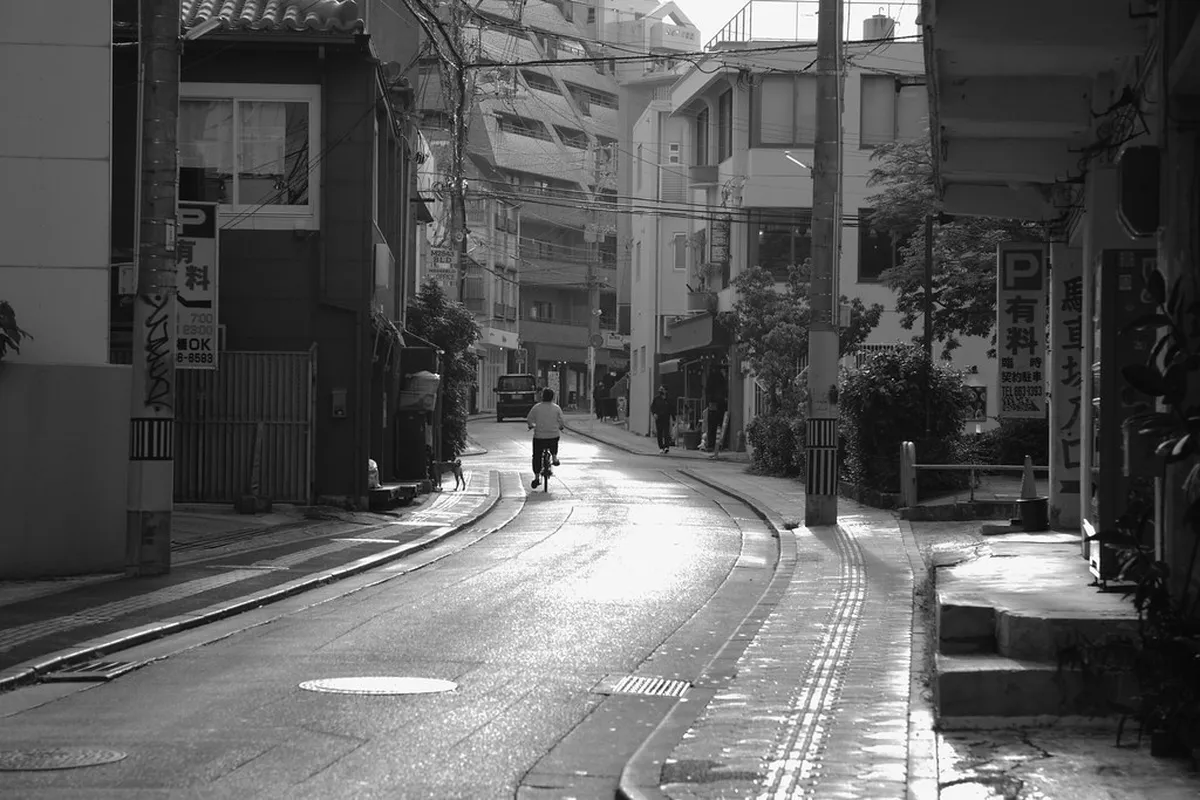
Underwater visibility in the Kerama Islands peaks during summer, often exceeding 30 metres. The warm sea temperatures — around 28–30°C / 82–86°F — make long dives comfortable without a drysuit. Sea turtles, manta rays, and dense coral gardens are regular sights. Book dive operators in Naha at least two weeks ahead for July and August; most reputable shops fill their daily slots fast during this period.
Typhoons are a real possibility from late June through September. A direct hit can close Kouri Ocean Tower Observation Deck and other coastal attractions for 24–48 hours. If a typhoon warning is issued while you are in Naha, stock up on food and water, stay in your hotel, and use the downtime for indoor options: the Okinawa Prefectural Museum and Art Museum on Omoromachi station road is climate-controlled and well worth several hours, and the Makishi Public Market on the edge of Kokusai-dori remains a lively covered space even in bad weather. Evening temperatures stay warm and the Naha after dark scene stays active through summer.
Typhoons peak July–September with potential for flight/ferry cancellations on short notice. Monitor JMA forecasts closely and avoid outdoor water activities during typhoon season.
Autumn in Naha: Cultural Events and Mild Weather
Autumn is many locals' favorite time because the oppressive heat fades and the sky clears. October temperatures settle around 23–27°C / 73–81°F with noticeably lower humidity than summer. The typhoon season officially ends by late November, though October still carries a small residual risk. Beaches and ferry services remain fully operational through October, giving you the best of all worlds: warm water, calm seas, and thinner crowds.
October's headline event is the Naha Giant Tug-of-War, listed in the Guinness World Records. A rope over 200 metres long and weighing roughly 40 tonnes is pulled through central Naha by tens of thousands of participants — the spectacle is unlike anything else in Japan. Read the visiting Shuri Castle for timing around the autumn Shuri Festival, which fills the castle grounds with traditional Ryukyu performances in early November. Cultural enthusiasts will appreciate the craft markets and traditional dance shows held across the city through this season.
Photography conditions are excellent in October and November. The harsh midday glare of summer softens into warm afternoon light, and the restored Shuri Castle complex provides exceptional backdrops. Humidity drops significantly, making long walks down Kokusai-dori far more pleasant. Foodies should dedicate time to the what to eat in Naha during these months — outdoor eating at the Makishi market, goya champuru, and Okinawa soba all taste better when it is not 32°C.
Winter in Naha: Whale Watching and Budget Travel
Winter is the quietest season, but it offers unique marine opportunities and the lowest prices of the year. Humpback whales migrate to Okinawa's warm waters from January through March, and boat tours depart daily from Naha Port. Air temperatures average 16–19°C / 61–66°F, which feels genuinely cool with the wind — a light jacket and sweater are necessary for evenings. Beaches are technically open but most people find casual swimming uncomfortably cold.
The price difference between winter and summer is substantial. A luxury hotel that charges ¥35,000–¥50,000 per night in August commonly drops to ¥15,000–¥22,000 in January. Even mid-range business hotels near Naha Airport run 30–40% cheaper in winter than in peak season. For budget-focused travelers, this makes winter by far the most compelling season, especially when paired with the indoor offerings at Okinawa World & Gyokusendo Cave, which remains popular year-round. You can find great deals on accommodation when you research the best Naha neighborhoods.
Warm up by trying Habushu — the famous Okinawan snake sake — on Kokusai-dori. The heavy cruise ship crowds that descend on Kokusai-dori in the mid-morning (roughly 09:30–12:00) ease off by mid-afternoon. If you want to shop or taste-test at the sake stalls without being jostled, aim for 14:00–16:00 on any weekday. Japan's earliest cherry blossoms typically bloom around Nakijin Castle in late January, offering a rare winter spectacle that mainland Japan cannot match until early April.
Best Time to Visit Naha for Diving and Snorkeling
Naha functions as the main gateway to some of the finest diving in Asia. The Kerama Islands — a 35-minute high-speed ferry from Tomari Port in Naha — offer consistent 20–40 metre visibility, wall dives, and dense marine life. Conditions vary enough by season that the right timing matters for the experience you want. Dive operators in Naha generally distinguish between the main island sites (shallower, more beginner-friendly) and the Kerama Gap sites (open-water currents, advanced conditions).
October and November are broadly considered the best months for diving in Okinawa. Water temperatures hold at 25–27°C / 77–81°F — warm enough to dive comfortably in a 3mm wetsuit — while typhoon season has passed and visibility is at its annual peak. Marine life is highly active as species fatten up before winter. Autumn also sees manta ray aggregations at sites near Ishigaki Island, reachable via inter-island flights from Naha.
Summer (July–August) offers the warmest water at 28–30°C / 82–86°F and is excellent for snorkeling close to shore since calm surface conditions make getting in and out of the water easy. The trade-off is typhoon risk and crowded dive boats. Winter diving (January–March) is for experienced divers: sea temperatures drop to 21–23°C / 70–73°F, which requires a 5mm wetsuit or semi-dry suit, but unique wildlife rewards the effort. Hammerhead sharks aggregate off Yonaguni Island (far southwest of Okinawa) in February, and humpback whale encounters are possible on surface intervals during Kerama dives.
Shuri Castle in 2026: Reconstruction Update for Visitors
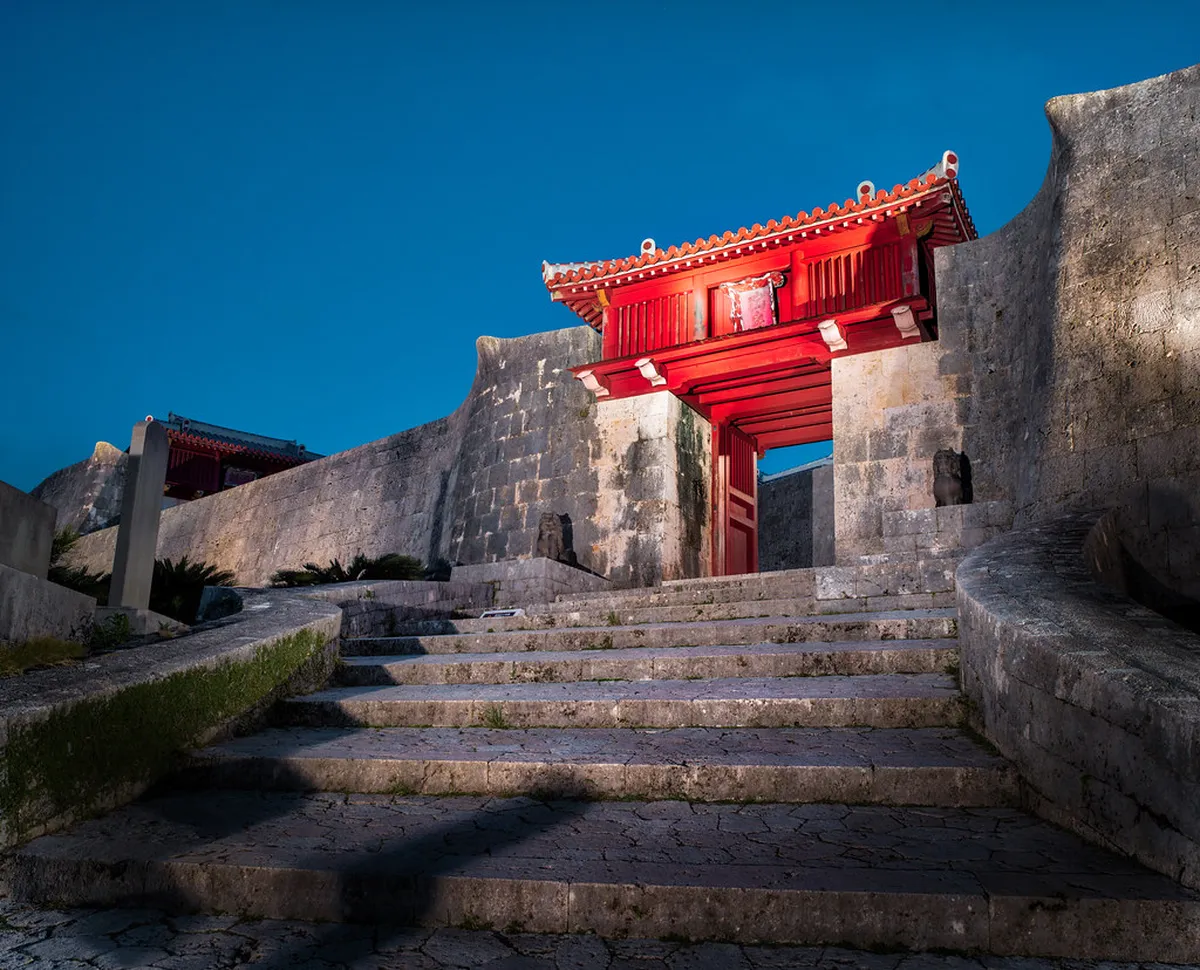
Shuri Castle is Naha's most visited landmark and the historic seat of the Ryukyu Kingdom. In October 2019, a fire destroyed the main hall (Seiden) along with several surrounding structures. Reconstruction has been underway since 2020, and the project is scheduled to complete in late 2026. This matters for trip planning because visitors in the first half of 2026 will still encounter scaffolding around the Seiden and construction barriers near the central courtyard. The outer grounds, Keijo Gate, and surrounding secondary buildings remain fully open and free to enter.
The autumn Shuri Festival — typically held in early November — proceeds every year regardless of construction status. Performances take place on the Higashi-no-Azana (east observation platform) and on the outer plaza, areas unaffected by the reconstruction zone. If the Seiden reopens as scheduled by late 2026, visitors from October onward may be among the first to enter the restored main hall. Check the official Shuri Castle website for month-by-month updates closer to your travel date.
For context on what the fully restored castle represents, the Seiden's crimson and gold interior was the ceremonial heart of a kingdom that maintained tributary relationships with both China and Japan for centuries. The reconstruction is using traditional Okinawan woodworking techniques and locally sourced Ryukyu pine. Understanding this history makes the visit far richer — and is the reason autumn, when the Shuri Festival brings the full cultural program to life, is the single most rewarding time to schedule the castle into your our Naha itinerary planner.
Where to Stay in Naha by Season
Naha's accommodation is concentrated in three areas, each with distinct advantages depending on when you visit. The Kokusai-dori district in central Naha puts you within walking distance of the main market, restaurants, and the Yui-Rail monorail that connects the airport to Shuri. The Tomari area near the ferry port is best for island-hopping-focused trips: the Tomari ferry terminal serves the Kerama Islands and is a short taxi ride from most hotels. The Naha Airport corridor (Akamine, Oroku) suits one-night stopovers and budget travelers.
In peak summer (July–August), book any accommodation at least 6–8 weeks ahead. The same window applies to Golden Week in late April through early May. Outside those periods, availability is generally fine with 2–3 weeks' notice. Mid-range business hotels near Kokusai-dori typically charge ¥8,000–¥15,000 per room per night in shoulder season, rising to ¥18,000–¥30,000 or more in August. January and February rates can drop well below ¥10,000 for comparable rooms. Use our full guide on the best Naha neighborhoods for specific hotel recommendations by budget and neighborhood.
What to Pack for Okinawa by Season
Packing correctly for Naha depends entirely on your chosen travel dates. The sun is strong year-round, so high-SPF (50+) sunscreen is always a necessity — Okinawa's UV index stays in the "very high" range even in November. The table below maps key months to essential items.
| Month | Temperature Range | Essential Items |
|---|---|---|
| January–February | 14–19°C / 57–66°F | Light jacket, sweater, layers; wetsuit (5mm) for diving |
| March–April | 19–23°C / 66–73°F | Light layers, sun hat, compact umbrella; 3mm wetsuit for snorkeling |
| May–June | 23–28°C / 73–82°F | Heavy rain gear, quick-dry shoes, insect repellent; UV shirt |
| July–August | 27–32°C / 81–90°F | UV-protection clothing, electrolyte tablets, waterproof phone case |
| September–October | 25–29°C / 77–84°F | Rash guard, sun hat, windbreaker for evenings |
| November–December | 19–24°C / 66–75°F | Light sweater, windbreaker; 3–5mm wetsuit for diving |
For the rainy season (May–June), standard umbrellas struggle against sideways rain. A quality short-handled travel umbrella paired with quick-dry footwear is more practical than a poncho. Moisture-wicking fabrics are worth every extra yen in July and August — cotton becomes unwearable within an hour of stepping outside.
Frequently Asked Questions
Does Okinawa get cold in the winter?
Okinawa remains mild with temperatures between 13–19°C / 55–66°F. While not freezing, strong northern winds can make it feel chilly. You will need a light jacket or sweater for evening walks.
When is the rainy season in Naha?
The rainy season, or Tsuyu, usually occurs from early May to mid-June. Expect high humidity and frequent heavy showers during this period. Indoor activities like shopping and museums are best for these days.
Can you swim in Naha in March?
Yes, many beaches officially open for swimming in mid-March. Water temperatures are around 21°C / 70°F, which may feel brisk for some. A thin wetsuit is recommended for longer snorkeling sessions.
Naha is a year-round destination with distinct charms in every season. Choosing the right time depends on your interest in festivals, diving, cultural history, or budget. Most travelers find the greatest satisfaction during the warm, dry shoulder months of late April and October–November. Whatever you choose, the unique Ryukyu heritage and the Kerama waters will provide a memorable experience that mainland Japan simply cannot replicate.
For the full city overview, see our Naha attractions guide. For more on planning your trip, explore the monthly weather breakdown and the ideal trip length.
Free: The Naha Essentials guide
Top things to do, where to stay, a perfect day plan, getting around, and the best time to go — a Naha mini-guide you can take offline.
You might also like


Continue reading
More guides you'll find useful