10 Best Naha Festivals and Events 2026: A Local's Guide
Plan Naha festivals and events 2026 with top picks, neighborhood context, and timing tips. Join the Great Tug-of-War and dragon boat races in Okinawa.
On this page
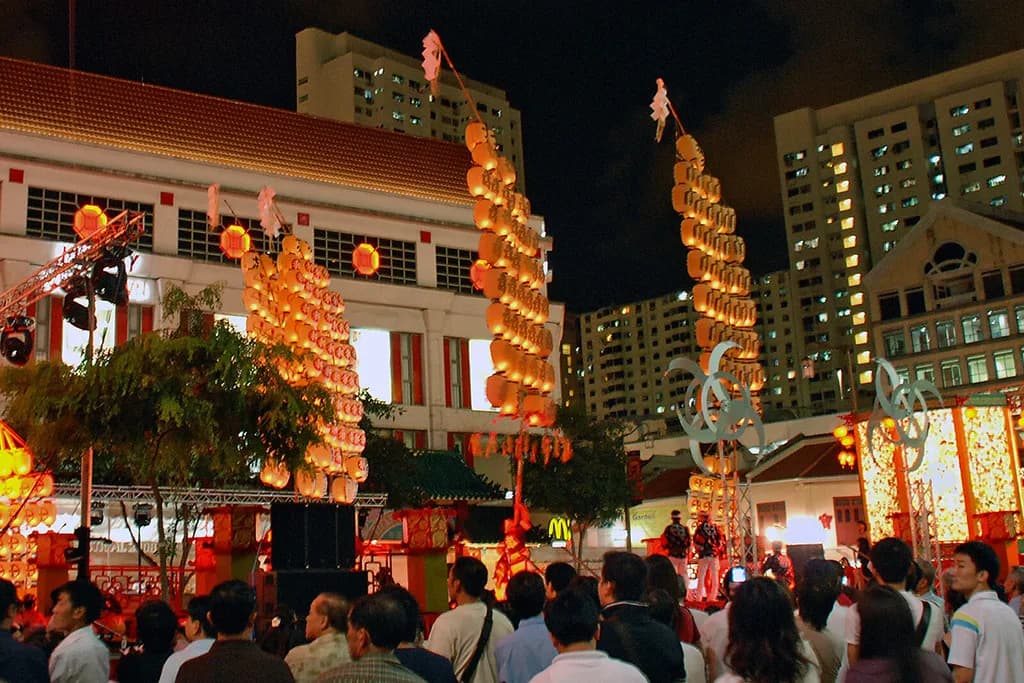
Naha's festival calendar runs year-round and reflects something you will not find anywhere else in Japan: a living Ryukyu culture that was a separate kingdom until 1879. The big three — Naha Hari in May, the 10,000 Eisa Parade in August, and the Great Tug-of-War in October — draw hundreds of thousands of visitors. But the quieter events between them are just as revealing.
This guide is structured as a month-by-month matsuri calendar so you can slot events directly into your trip. Every major festival includes the confirmed 2026 dates where available, the nearest Yui Rail station, and notes on crowd size and viewing strategy. We have also flagged the one event that almost no visitor considers but that is genuinely extraordinary to witness.
Understanding the when to visit Naha is easier once you know which festival aligns with your travel window. The subtropical climate means even January events are mild. Pack light layers and a folding umbrella regardless of the month.
What Makes Okinawan Festivals Different from Mainland Japan
Okinawan festivals draw on Ryukyu Kingdom heritage rather than the Shinto traditions that shape events in Kyoto or Tokyo. The background music is the sanshin — a three-stringed snakeskin lute — not the taiko drums that mainlanders associate with matsuri. Performers wear bingata robes, whose vivid indigo and crimson patterns reflect centuries of trade with China and Southeast Asia.
Community participation is expected rather than optional. At the end of most Naha parades, performers invite spectators into the kachashii — a freestyle hand-waving dance that signals celebration. Refusing is uncommon; joining in, even badly, earns approval from locals.
The lunar calendar still governs several key events. Shimi (Okinawan Qingming) falls in early April by the lunar reckoning, and the Naha Hari date shifts slightly each year for the same reason. Always verify exact 2026 dates with the event organizer websites as you approach your travel dates.
Most Naha parades invite spectators to join the kachashii—a freestyle hand-waving celebration dance. Refusing is uncommon; even awkward participation earns immediate approval from locals and creates the most authentic festival memory of your trip.
Naha Festivals Calendar by Month: 2026 Overview
The following month-by-month breakdown covers every significant public event in Naha's annual cycle. Spring and autumn are the busiest seasons. Summer is intense with heat but delivers the most visually dramatic street performances.
- January–February: Shuri Castle New Year events; smaller shrine ceremonies at Naminoue Shrine
- March: Okinawa Marathon (passes through Naha); Tomari Port market days
- April: Shimi — Okinawan Qingming ancestral observance (lunar calendar; see full section below)
- May: Naha Hari Dragon Boat Races (3–5 May 2026, confirmed)
- June–July: Naha Canival, Tsuboya Pottery Festival
- August: 10,000 Eisa Dance Parade on Kokusai Dori (first Sunday after Obon, typically late August)
- September: Orion Beer Festival at Naha Port; Naha City Marathon
- October: Naha Great Tug-of-War (10 October 2026); Shuri Castle Festival (late October)
- November: Ryukyu Dynasty Festival Shuri; Naha International Film Festival
- December: Naha illumination events; year-end Kokusai Dori market
The most competitive months for accommodation are May, August, and October. Book hotels at least two months ahead if your trip overlaps with any of those three anchor events.
| Festival | Month | Location |
|---|---|---|
| Shuri Castle New Year Events | January–February | Shuri Castle |
| Shimi (Okinawan Qingming) | April (Lunar) | Cemeteries, Shuri & Tomari areas |
| Naha Hari Dragon Boat Races | May 3–5 | Naha Port |
| Naha Canival & Tsuboya Pottery Festival | June–July | Central Naha |
| 10,000 Eisa Dance Parade | August 30 (1st Sunday after Obon) | Kokusai Dori |
| Neighbourhood Eisa Performances | August 13–15 & 29–31 (Solar & Lunar Obon) | Yogi, Makishi districts |
| Orion Beer Festival | September | Naha Port |
| Naha Great Tug-of-War | October 10 | Highway 58 |
| Shuri Castle Festival | October 30–November 1 | Shuri Castle |
| Ryukyu Dynasty Festival Shuri | November | Shuri |
| Naha Illumination Events | December | Kokusai Dori & city center |
Naha Hari Dragon Boat Races (May)
Naha Hari is the opening event of Okinawa's maritime festival season, held at Naha Port each year around 3–5 May during the Golden Week holiday. The festival dates to the 15th century Ryukyu Kingdom, when boats were blessed for safety before the summer fishing season. In 2026 the main race days are 3 and 4 May, with the competitive finals on 5 May.
The race course runs along the inner harbour between Tomari and Naha Port ferry terminals. Thirty-two-man crews in long, low dragon boats sprint approximately 430 metres in under two minutes. Professional teams from Okinawa's fishing cooperatives compete against neighbourhood associations, university crews, and the Okinawa branch of the Japan Maritime Self-Defence Force.
Admission to the waterfront viewing area is free. The best unobstructed sightlines are from the eastern pier near the Naha Port passenger terminal building — arrive by 09:00 to claim space before the first heat at 10:00. Food stalls serving goya champuru, taco rice, and shikuwasa juice operate from 09:00 until early evening. The nearest Yui Rail stop is Miebashi Station, a 10-minute walk south along Route 331.
The ceremonial Hari boats — distinct from the racing boats — are wooden, painted red and black, and carry musicians playing conch-shell horns. Watching the ceremonial procession before the competitive heats is worth arriving early for; it typically runs at 09:30 and lasts about 25 minutes.
Shimi: Okinawa's Ancestor Festival in April
Shimi is Okinawa's version of the Chinese Qingming festival and falls in April based on the lunar calendar — in 2026, the main observance period runs from approximately 4–18 April. It is almost never mentioned in mainstream travel guides, yet it is one of the most visually striking events in Naha. Entire extended families — sometimes 30 or 40 people — gather at ancestral tomb sites to share a meal with their deceased relatives.
The tombs are large turtle-back stone structures built into hillsides, and during Shimi they become outdoor dining rooms. Families spread mats in front of the tomb entrance, arrange offerings of rice, pork, fish, and Orion beer, and then share the food themselves after the ancestral spirits have been honoured. The atmosphere is festive rather than solemn: there is music, laughter, and children playing between the graves.
For visitors, the most accessible Shimi sites near central Naha are the cemeteries along the hillside roads east of Shuri (near the Shuri neighbourhood beyond Shuri Castle) and the older Chinese-community graves in the Tomari area. There is no formal event — you simply walk through a neighbourhood where tomb-visiting families are gathered. Respectful observation and photography from a distance is generally accepted. Approaching a family to say hello (Mensooree — "welcome" in Uchinaguchi) often leads to an invitation to share the food. No other festival in Japan creates this kind of spontaneous cross-cultural encounter.
10,000 Eisa Dance Parade (August)
The Naha 10,000 Eisa Dance Parade is the largest single-day street performance event in Okinawa. It takes place on the first Sunday after Obon — in 2026 that falls on 30 August. The route runs the full 1.6-kilometre length of Kokusai Dori, Naha's central shopping street, which is closed to vehicles for the day.
Eisa is a drum-dance tradition performed during the Obon period to guide ancestral spirits back to the other world. Each neighbourhood association fields a troupe of 30–200 dancers in matching robes, beating large odaiko drums strapped to their torsos while executing choreographed footwork. The combined sound of ten thousand drums is physical — you feel it in your chest from fifty metres away.
The parade begins at the Kencho-mae intersection near Prefectural Office Station (Yui Rail) at 13:00 and proceeds west toward Makishi Station, finishing around 17:30. Bleacher seats are set up at the Kencho-mae end for a fee (typically ¥2,000–¥3,000); standing along the barriers is free. The most photogenic position is the elevated crosswalk near Palette Kumoji shopping mall, mid-route, where you can shoot the full column of approaching performers.
Heat is intense in late August — 33–35°C is normal. Carry 1.5 litres of water minimum and position yourself near one of the convenience stores on Kokusai Dori before the route closes at 12:30. Festival food stalls set up on the parallel side streets (Heiwa Dori and Ichiba Hondori) from 11:00.
Late August heat in Naha reaches 33–35°C with 80%+ humidity. Medical stations positioned at 300-metre intervals along Kokusai Dori during the Eisa Parade; wear loose light-coloured clothing, UV-protection shirts, and bring minimum 1.5 litres of water. Heat stroke is a genuine risk.
Naha Great Tug-of-War — Naha Otsunahiki (October)
The Naha Great Tug-of-War on 10 October is the anchor event of Okinawa's autumn festival season and holds the Guinness World Record for the largest tug-of-war rope. The main straw rope is 200 metres long, weighs 40 tonnes, and is braided from rice straw by volunteers over the preceding weeks. Up to 270,000 participants and spectators crowd onto Highway 58 — the national road that bisects Naha — for the event.
The rope is divided into east and west halves that are connected at the centre via a horizontal bolt at the moment the contest begins. The east side represents female energy (a smaller rope) and the west side male energy (a thicker rope). Participants from any country are welcome to grab hold of the smaller subsidiary ropes — the tasuki — that branch off the main cable. You do not need to register in advance. Simply walk up to the rope after it is connected, grab a tasuki, and pull when the drum signal sounds.
Highway 58 is closed from Naha Port north to Asahibashi Station from approximately 14:00. The rope connection ceremony starts at 14:00, the main pull begins at 15:30, and lasts about five minutes. After the pull, sections of the rope are distributed to participants as good-luck charms. The Naha Great Tug-of-War Preservation Society posts the confirmed 2026 programme on its website in September.
Getting there: the Yui Rail runs as normal during the event. Asahibashi Station (two stops south of Naha Airport) deposits you 300 metres from the rope-connection point. Highway 58 itself is impassable by car from midday, so do not attempt to drive. For the full picture of the Naha neighbourhood surrounding this route, the our Naha itinerary planner shows which sights are within walking distance.
Shuri Castle Festival (Late October)
The Shurijo Castle Festival runs for three days in late October — in 2026 the dates are 30 October to 1 November — and recreates the royal processions and ceremonies of the Ryukyu Kingdom at the UNESCO World Heritage Site. The main event is the Ochaya-oke procession on the final afternoon, where performers in full period court costume walk the route from the Shuri neighbourhood up to the castle's Keikaemon Gate.
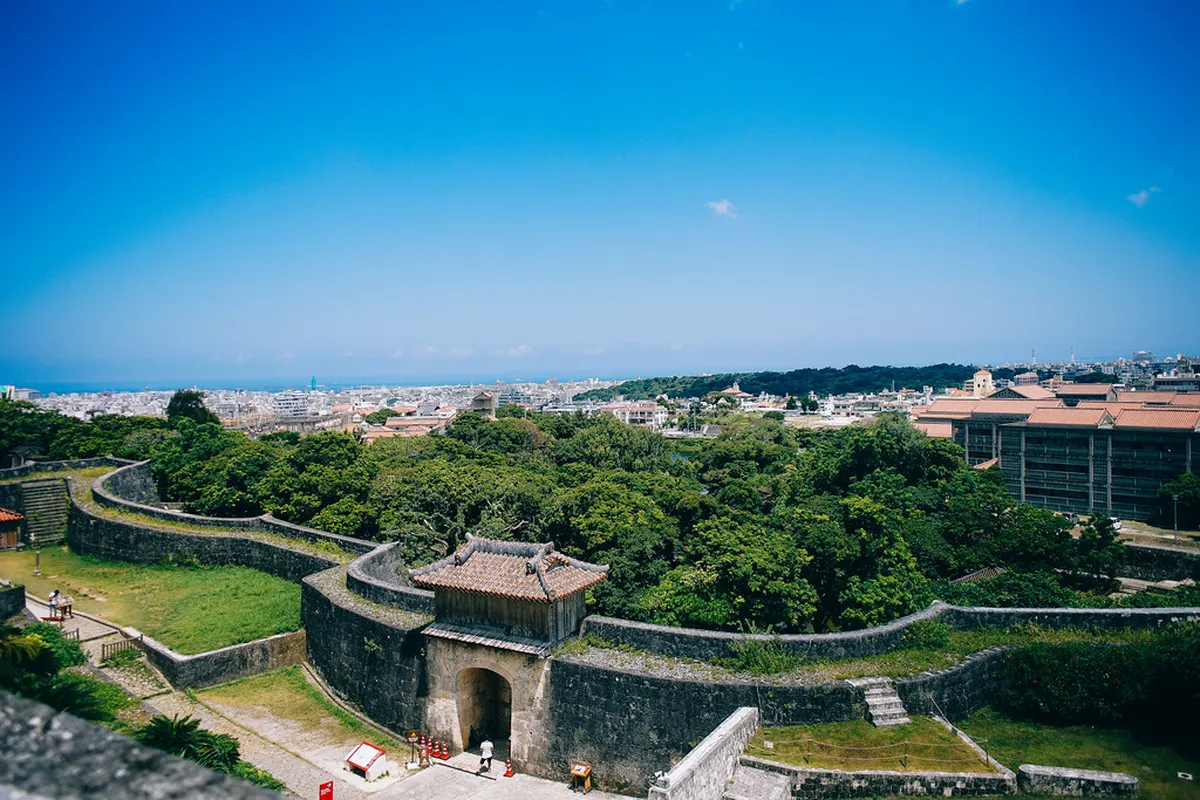
Day one features the Seiden ceremony inside the castle grounds, a re-enactment of royal court rituals with traditional Ryukyu music and dance. Day two is the night programme: lanterns are lit along the castle walls from 18:00, and outdoor stages host ryuka (Ryukyu classical songs) and kumi udui (Ryukyu opera) performances. Day three closes with the procession and public kachashii dance in the outer grounds.
Entry to the castle grounds requires a ticket (¥400 for adults, ¥160 for children) which also covers the inner museum. The procession route outside the walls is viewable for free. The nearest Yui Rail station is Shuri Station; the castle is a 15-minute uphill walk or a short taxi. For detailed background on the site itself — including the 2019 fire reconstruction timeline and which halls are currently open — see the Shuri Castle guide.
The Shurijo Castle Festival is smaller and more intimate than the Tug-of-War, which means shorter queues and a better chance of photographing performances without obstruction. The evening lantern programme on day two is consistently the most atmospheric moment — arrive at the castle by 17:30 to watch the lighting begin.
Obon Eisa Performances Across Naha Neighbourhoods
The 10,000 Eisa Parade on Kokusai Dori is the public climax of Obon, but the more authentic performances happen in residential neighbourhoods during the three nights of Obon itself — in 2026 that is 13–15 August on the solar calendar (Okinawan communities follow the lunar Obon, which in 2026 falls approximately 29–31 August). Neighbourhood troupes perform door-to-door along their local streets, stopping in front of homes where families have placed incense and offerings.
The Yogi and Makishi districts in central Naha both have active Eisa groups that perform street circuits on Obon evenings from around 19:00. No tickets, no schedule — you simply walk the residential lanes and follow the drum sound. This is how locals actually experience Eisa before the big parade formalises it.
If you are staying in Naha during mid-to-late August, checking the what to eat in Naha for izakayas near Yogi Park is a practical way to combine an evening meal with neighbourhood Eisa-watching on the same night. The informal performances are more intimate than anything on Kokusai Dori and run until around 22:00.
Practical Logistics: Getting Around Naha During Festivals
Highway 58 closes completely on Tug-of-War day (10 October), making buses and taxis unreliable from midday. The Yui Rail monorail runs on its normal schedule and is the only ground transport that crosses the city reliably during the closure. Buy a one-day pass (¥700 for adults) at any station to avoid queuing at machines mid-event. For a broader overview of transport options, the guide on the Naha transport guide covers the monorail map in detail.
During Naha Hari in May, Naha Port Road (Route 331) between Miebashi and Tomari experiences heavy pedestrian congestion from 09:00. Arriving from Asahibashi Station via the waterfront walkway is faster than the road route. During the Eisa Parade in August, Kokusai Dori closes from 12:30 — if you are staying in a hotel on Kokusai Dori, leave before noon or accept that you will not access your hotel by car until 18:00.
Heat management is a genuine safety consideration at the August events. The Okinawa Meteorological Observatory records average afternoon temperatures of 32–34°C in late August with 80%+ humidity. Festival medical stations are positioned at 300-metre intervals along Kokusai Dori during the Eisa Parade; locate the nearest one when you arrive. Wearing loose, light-coloured clothing and UV-protection shirts is standard practice among experienced Okinawa festival-goers.
More Naha Festivals & Things to Do
Round out a trip built around the Naha Great Tug-of-War with the city's other signature festivals and everyday highlights.
Explore festivals and events in other cities
- Nara's festivals and events
- Otaru's festivals and events
- Kanazawa's festivals and events
- Kawagoe's festivals and events
- Nagano's festivals and events
- Okayama's festivals and events
- Hakone's festivals and events
- Fukuoka's festivals and events
- Nagasaki's festivals and events
- Takayama's festivals and events
- Kobe's festivals and events
- Sendai's festivals and events
- Akita's festivals and events
- Yokohama's festivals and events
- Okinawa's festivals and events
- Aomori's festivals and events
- Kyoto's festivals and events
Frequently Asked Questions
Which Naha Festivals and Events 2026 options fit first-time visitors?
The Naha Great Tug-of-War and the Naha Hari dragon boat races are the best choices for first-time visitors. These events are massive in scale, free to attend, and represent the quintessential Okinawan spirit. They are also located near major transport hubs for easy access.
How much time should you plan for Naha Festivals and Events 2026?
You should dedicate at least half a day to major events like the Eisa Parade or the Tug-of-War. Factor in time for travel and finding a good viewing spot. Most festivals have peak activity in the afternoon, so arriving early is recommended.
Is Naha Festivals and Events 2026 worth including on a short itinerary?
Yes, including a festival is the fastest way to experience Okinawan culture on a tight schedule. Even a two-hour visit to a street parade provides more insight than a standard museum tour. Just be sure to check the dates against your travel plans.
Naha's matsuri calendar is one of the densest in southern Japan and spans every month of 2026. The three anchor events — Naha Hari in May, the 10,000 Eisa Parade in August, and the Great Tug-of-War on 10 October — are each singular in scale and worth planning a trip around. The quieter events, particularly Shimi in April and the neighbourhood Eisa performances during Obon, reward visitors who look beyond the obvious.
Book accommodation early for May, August, and October. Use the Yui Rail as your primary transport during road closures. And if you find yourself in Naha during early April, follow the drum sound into a residential neighbourhood and see what Okinawa actually looks like when it celebrates with its ancestors.
For the full city overview, see our Naha attractions guide.
Free: The Naha Essentials guide
Top things to do, where to stay, a perfect day plan, getting around, and the best time to go — a Naha mini-guide you can take offline.
You might also like
Continue reading
More guides you'll find useful