Nagoya Weather by Month: Best Time to Visit & What to Pack
Mid-October to mid-November is Nagoya's sweet spot: mild air, clear skies. See each month's temperatures, the four seasons, and what to pack.
On this page
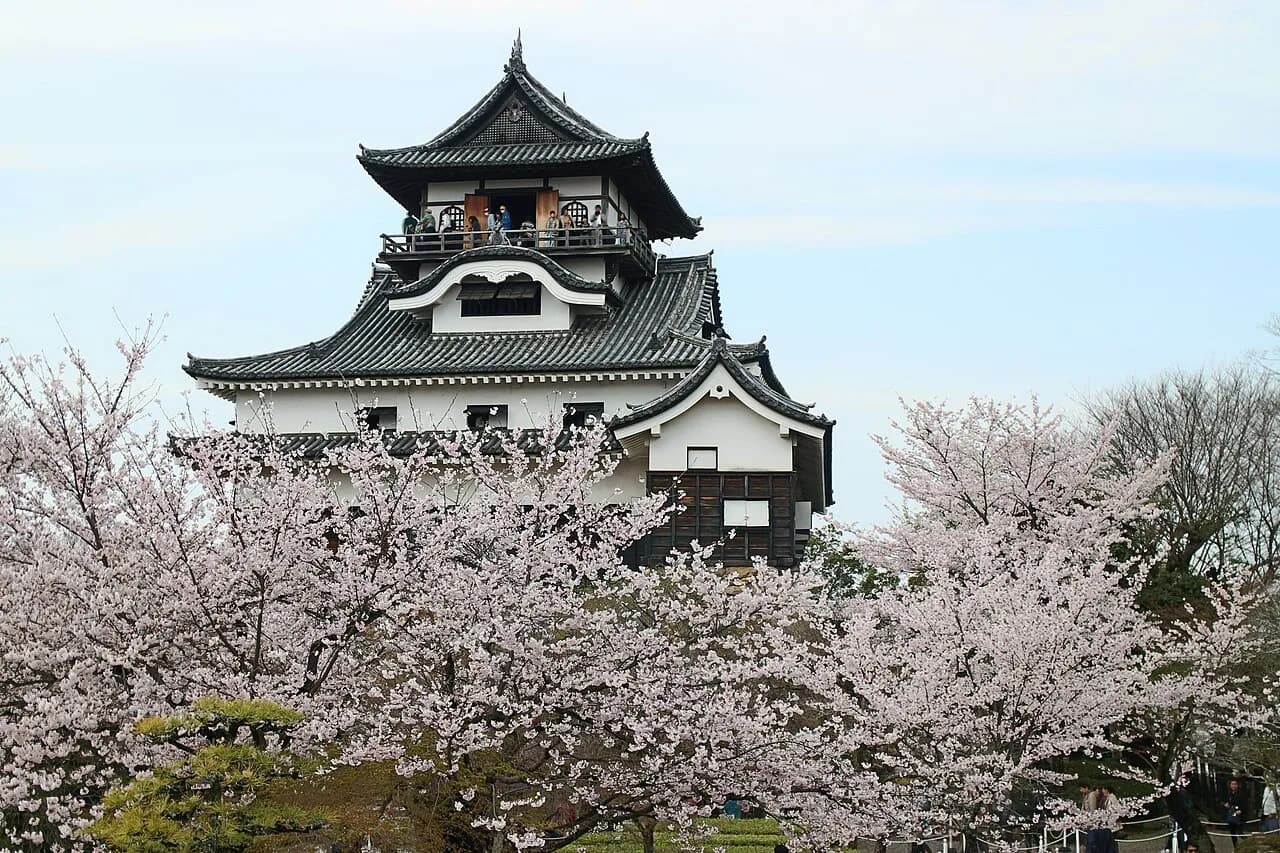
Mid-October to mid-November is the absolute best time for Nagoya due to mild air and clear skies. Shoulder seasons like late spring (April to May) and early fall (October to November) offer the most comfort. Updated June 2024 from my autumn 2023 visit, this guide helps you navigate the city's distinct climate. I visited in early November and found the crisp air perfect for exploring the castle grounds.
Nagoya experiences four very distinct seasons, each bringing a unique atmosphere to the Aichi Prefecture. Understanding the best time to visit Nagoya ensures you avoid the extreme summer humidity. Winter brings cold winds, while the summer months often feel like a steam bath. Careful planning helps you catch the cherry blossoms or the vibrant autumn leaves at their peak.
The city sits on the Nobi Plain, which influences local weather patterns significantly throughout the year. Rainfall peaks during the early summer monsoon and late summer typhoon season. Snow is rare but can occasionally dust the city streets in January or February. Most travelers find the moderate temperatures of spring and autumn ideal for long walking tours.
Season Comparison
Nagoya weather patterns shift dramatically between the humid summer and the dry, windy winter. Spring brings a sense of renewal as temperatures climb steadily from March through May. Summer is notoriously hot, often reaching peaks that feel much higher due to intense humidity. Autumn provides a welcome relief with dropping temperatures and some of the clearest skies of the year.
Winter is generally sunny but can feel quite biting because of the local wind patterns. Prices for accommodation often fluctuate based on these seasonal shifts and major Japanese holidays. Crowds are heaviest during the spring blossom peak and the autumn foliage season. Consulting a Nagoya itinerary can help you balance indoor and outdoor activities by season.
| Season | Weather | Crowds | Prices | Events | Best for |
|---|---|---|---|---|---|
| Late March to May | 10-22°C / 50-72°F | Very High | High | Cherry Blossoms | Sightseeing |
| June to August | 22-33°C / 72-91°F | Moderate | Medium | Nagoya Festival | Indoor Museums |
| Sept to November | 12-25°C / 54-77°F | High | Medium | Autumn Leaves | Photography |
| Dec to early March | 1-10°C / 34-50°F | Low | Low | Winter Lights | Budget Travel |
Monthly Temperature in Nagoya
Temperature ranges in Nagoya vary from chilly winter mornings to sweltering summer afternoons. In January, the coldest month,

April and May are delightful, with April seeing 9–20°C / 48–68°F and May hitting 14–24°C / 57–75°F. June introduces the heat at 19–27°C / 66–81°F, leading into the peak summer months. July and August are intense, with August averaging 24–33°C / 75–91°F and frequent heatwaves. September cools slightly to 21–29°C / 70–84°F, though it remains quite humid for most visitors.
October is a favorite for many, offering comfortable ranges of 14–23°C / 57–73°F. November sees a sharper drop to 8–17°C / 46–63°F, perfect for wearing light jackets. December returns to winter conditions with averages of 3–11°C / 37–52°F. These fluctuations mean you should always check a Weatherspark.com forecast before your flight.
Rainfall and Humidity in Nagoya by Month
Rainfall is a major factor for anyone planning their nagoya weather by month expectations. The Tsuyu rainy season typically arrives in June and lasts through mid-July. During this time, the city experiences frequent grey skies and persistent, drizzly rain. Humidity levels soar in July and August, often making the air feel thick and heavy.
September is another wet month due to the peak of the Pacific typhoon season. Heavy downpours can disrupt travel plans, though modern infrastructure handles the water well. If it pours, look for rainy day things to do in Nagoya like underground shopping. Winter months are the driest, providing crisp air and very little precipitation for travelers.
Relative humidity stays above 70% for much of the summer, which can be draining. Visitors from drier climates may find the August heat particularly challenging to manage. Always carry a portable umbrella if you visit between June and September. Spring and autumn offer a much more balanced humidity level for outdoor exploration.
Sunshine and Wind Speed in Nagoya
Nagoya is known for the "Ibuki-oroshi," a cold seasonal wind that blows in winter. This wind originates from Mt. Ibuki and can make 5°C / 41°F feel much colder. Winter actually provides the highest number of sunshine hours despite the lower temperatures. The clear winter air makes it a great time for viewing the distant mountains.
Summer months have fewer sunshine hours due to cloud cover and frequent rain. August remains sunny between storms, but the glare can be quite intense on concrete. Autumn offers a stable balance of light and clear skies for leaf-peeping. Wind speeds are generally low in spring, making it the best time for picnics.
Pick X If
Choosing the right month depends on what you value most in a Japanese holiday. Some travelers prefer the vibrant energy of festivals, while others seek quiet solitude. Nagoya offers something different in every season if you time it right. Use these simple rules to narrow down your preferred travel dates.
- Pick late March to mid-April if
- You want to see cherry blossoms
- Pick mid-October to November if
- You prefer mild air and foliage
- Pick January or February if
- You are traveling on a budget
- Pick July or August if
- You love summer festivals and heat
What to Pack
Packing correctly for Nagoya requires an understanding of the seasonal temperature swings. Layers are the most effective way to stay comfortable during the transition months. Indoor spaces like trains and malls are often heavily climate-controlled. Make sure your footwear is comfortable for walking on varied urban surfaces.
- Spring and Autumn essentials include
- Light jackets and comfortable walking shoes
- Summer travel requires these items
- Breathable linen clothing and portable fans
- Winter packing must have
- Thermal base layers and windproof coats
- Year-round necessities are
- A sturdy umbrella and travel adapter
What's Closed in Low Season
While Nagoya is a year-round city, some specific attractions have seasonal schedules. Rooftop beer gardens, a summer staple, typically close from October through April. Outdoor swimming pools and water parks only operate during the peak summer months. Some smaller local shrines might have shorter visiting hours during the winter.
Public gardens like Shirotori Garden may close specific sections for winter maintenance. The famous Nagoya festivals occur on specific dates and don't run year-round. Check the official calendar for Higashiyama Zoo as it closes every Monday. Winter illuminations usually end by late February or early March each year.
Must-See Nagoya Attractions
The weather will dictate how you enjoy the most popular spots in the city. A visit to the Nagoya Castle is best during the mild spring months. The cherry trees surrounding the moat create a stunning backdrop for your photos. In the heat of summer, seek refuge in the city's world-class indoor museums.
Foodies will enjoy exploring the Nagoya food guide regardless of the outdoor temperature. Hot miso katsu is perfect for winter, while cold noodles suit the summer humidity. Autumn is the ideal time to walk through the historic Osu Kannon district. Planning a Nagoya itinerary helps you stay flexible as the weather changes.
Frequently Asked Questions
Does it snow in Nagoya during the winter?
Snow is infrequent in Nagoya but does happen occasionally in January or February. It rarely stays on the ground for more than a day. Most winter days are sunny but cold due to the wind.
When is the rainy season in Nagoya?
The rainy season, known as Tsuyu, typically runs from early June to mid-July. You should expect high humidity and frequent overcast days during this window. Carrying a portable umbrella is highly recommended.
Is August too hot for sightseeing in Nagoya?
August is very hot and humid with temperatures often exceeding 33°C / 91°F. It can be uncomfortable for long outdoor walks. Plan indoor activities like museum visits during the midday heat.
Nagoya is a city of contrasts that offers unique rewards in every season. While the mid-October to mid-November window is the most comfortable, spring blossoms are equally captivating. Avoid the peak summer heat if you prefer a more relaxed pace of exploration. With the right preparation, your trip to Nagoya will be memorable regardless of the forecast.
For the full picture, see our complete Nagoya attractions guide to plan the rest of your trip.
Keep planning with our Best Time to Visit Nagoya 2026 and Cherry Blossom Season In Nagoya 2026 guides.
Free: The Nagoya Essentials guide
Top things to do, where to stay, a perfect day plan, getting around, and the best time to go — a Nagoya mini-guide you can take offline.
You might also like


Continue reading
More guides you'll find useful