Donichi Eco Kippu Nagoya: Essential Weekend Transit Pass Guide
Where to buy the Donichi Eco Kippu, how to save on Nagoya Castle entry, and the best weekend routes to ride. Updated for 2026.
On this page
Nagoya is a vibrant city with a mix of modern skyscrapers and historic landmarks. Exploring this industrial hub is easy when you understand the local transportation network. The city offers several ways to save money while moving between top attractions. Learning about the right tickets can significantly lower your daily travel expenses.
One of the best tools for budget travelers is the Donichi Eco Kippu. This specific pass is designed for weekend visitors and holiday explorers. It provides unlimited access to subways and buses for a very low price. Using this guide will help you master getting around Nagoya with total confidence.
Many visitors struggle to choose between various transit cards and paper tickets. This guide breaks down everything you need to know about the Weekend Eco Ticket. We will cover where to buy it and how to maximize your savings. Prepare for a smooth and affordable journey through one of Japan's most exciting cities.
Overview of the Nagoya Subway and Bus System
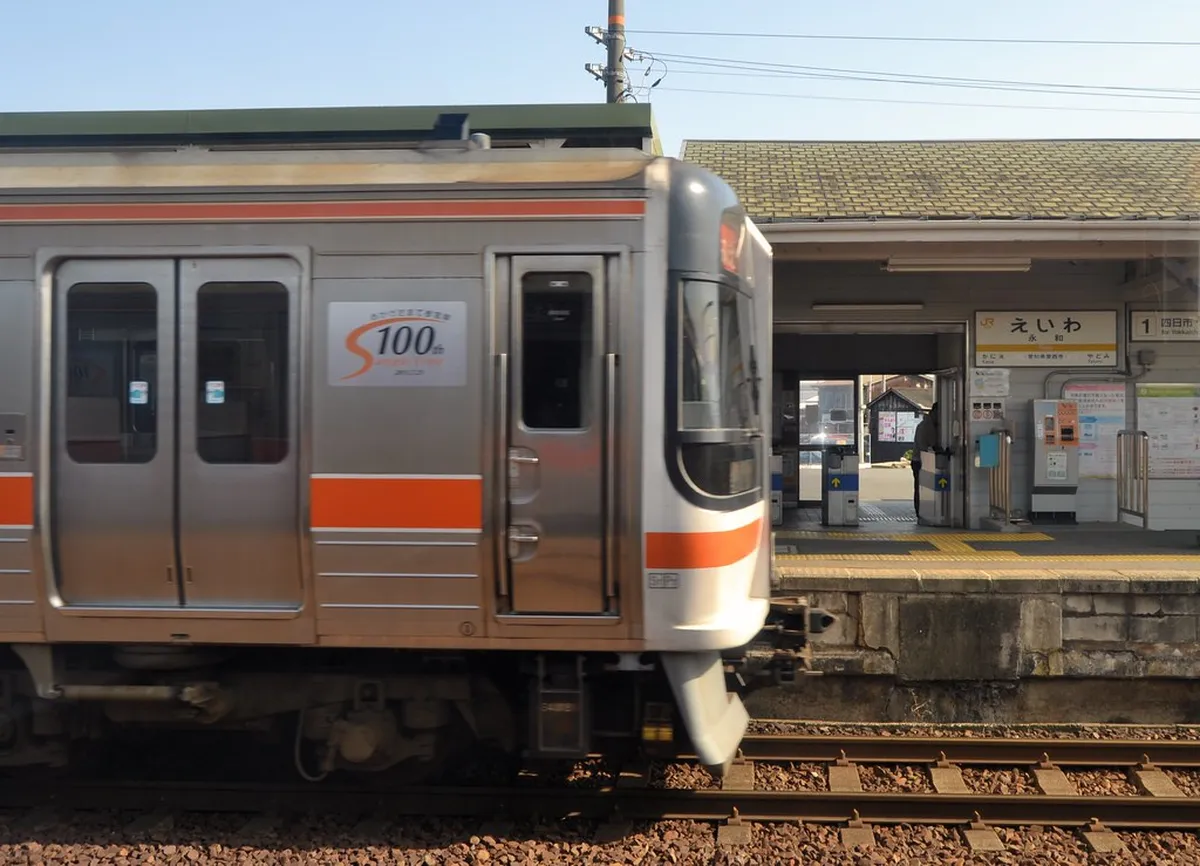
The Nagoya Municipal Subway consists of six main lines that cover the entire city. Most tourists spend their time on the **Higashiyama Line** and the **Meijo Line**. The **Higashiyama Line** connects the main station to the popular shopping district of Sakae. It is often the busiest line because it links major commercial and residential areas.
The **Meijo Line** is unique because it operates as a continuous loop around the city center. This loop makes it very easy to reach landmarks like Nagoya Castle and the Atsuta Shrine. Understanding how to use Nagoya subway lines is the first step to a great trip. Clear signage in English and color-coded maps help travelers find their way quickly.
Nagoya also runs an extensive city bus network that reaches areas the subway cannot. Buses are particularly useful for visiting specific museums and local neighborhoods. The network is reliable and runs frequently throughout the day and early evening. Most bus stops have digital displays showing when the next vehicle will arrive.
Combining the subway and bus systems allows you to see the best of the city. The transit layout is logical and designed to handle millions of passengers daily. You will find that most major sights are within a short walk from a station. This efficiency makes Nagoya one of the most accessible cities for international tourists.
Photo: tsuda via Flickr (CC) end-eco-ticket">What is the Donichi Eco Kippu (Weekend Eco Ticket)?
The Donichi Eco Kippu is a special one-day pass for unlimited travel. It covers all six subway lines and the entire city bus network. This pass is a favorite among locals who want to explore on their days off. It is specifically designed to encourage eco-friendly travel during peak leisure times.
Unlike standard tickets, this pass is valid for one full calendar day. It expires at the end of the day it is first used in the gates. This means you can ride the subway as many times as you like until midnight. It offers a level of freedom that single-ride tickets simply cannot match.
The name 'Donichi' refers to Saturday and Sunday in the Japanese language. The 'Eco' part highlights the city's push for sustainable public transportation. Travelers often find this ticket to be the most cost-effective option for sightseeing. It simplifies your day because you do not need to calculate fares for every trip.
This pass is a physical card that you keep with you throughout the day. It is small enough to fit in a wallet or a pocket for easy access. Keep the ticket safe, as you will need it to enter and exit every station. The card also serves as a voucher for various discounts at local landmarks.
Pricing and Where to Buy Your Transit Pass
The pricing for the Donichi Eco Kippu is very straightforward for all travelers. Adults can purchase the pass for 620 yen, which is a great bargain. Children between the ages of 6 and 12 pay only 310 yen for the day. These prices have remained consistent and offer excellent value compared to individual fares.
You can buy the pass at any subway station using the yellow vending machines. These machines have an 'English' button to make the process easy for visitors. Look for the 'One-Day Pass' section on the screen to find the Eco option. Payment can be made with cash or most major Japanese IC cards like Manaca.
If the machines seem confusing, head to the Station Master's Office for help. The staff at Nagoya Station are used to helping tourists with tickets. You can also buy the pass directly from bus drivers when you board. Simply ask for the 'Donichi Eco Kippu' when you are paying your fare.
Official pricing and updates are available from the Nagoya Transportation Bureau (Official Ticket Info) site. It is a good idea to check for any rare price changes before your trip. Buying your ticket in the morning ensures you get the most value for the day. Most vending machines are open from the first train until late at night.
Valid Dates: Weekends, Holidays, and the 8th of the Month
The Donichi Eco Kippu is primarily available on Saturdays, Sundays, and national holidays. This makes it perfect for a weekend Nagoya itinerary filled with sightseeing. You do not need to worry about the specific date if it falls on a weekend. The vending machines will automatically offer the discounted price on these days.
There is a special 'secret' rule that many tourists often overlook. The pass is also valid on the 8th day of every single month. This occurs regardless of whether the 8th falls on a weekday or a weekend. The city designates this day as 'Environment Conservation Day' to promote bus and subway use.
If you are in town on the 8th, you can save money even on a Tuesday. This is a fantastic tip for long-term travelers or those on a mid-week stopover. Always check the calendar to see if your visit aligns with this special day. It is one of the best local secrets for saving money in Nagoya.
Note that the pass is not valid on regular weekdays from Monday to Friday. If you travel on a normal weekday, you must buy a standard 24-hour ticket. The 24-hour ticket is more expensive but covers the same subway and bus lines. Always double-check the day of the week before attempting to buy the Eco pass.
How to Use the Pass on Subways, Buses, and the Me~guru Loop
Using the pass on the subway is identical to using a standard paper ticket. Insert the card into the slot at the automatic ticket gate when entering. The machine will pop the card out at the other end for you to take. Remember to repeat this process every time you exit a station during the day.
On city buses, the process is slightly different but still very simple. You usually board the bus through the rear door and exit at the front. When you exit, show the date printed on your pass to the bus driver. They will nod to confirm and you can step off without paying extra.
The pass also covers the famous **Me~guru Sightseeing Bus** for tourists. This bus stops at major landmarks like the Toyota Museum and the Noritake Garden. You can find more details on the Visit Nagoya (Me~guru Guide) official page. It is a convenient way to see the city without navigating the regular bus lines.
Keep your ticket away from magnets and water to avoid damaging the magnetic strip. If the ticket stops working, take it to a station office for a replacement. The staff can usually verify the validity and issue a new card quickly. Always keep the ticket in a dedicated spot so you do not lose it.
Maximizing Value: Discounts at Nagoya Castle and Beyond
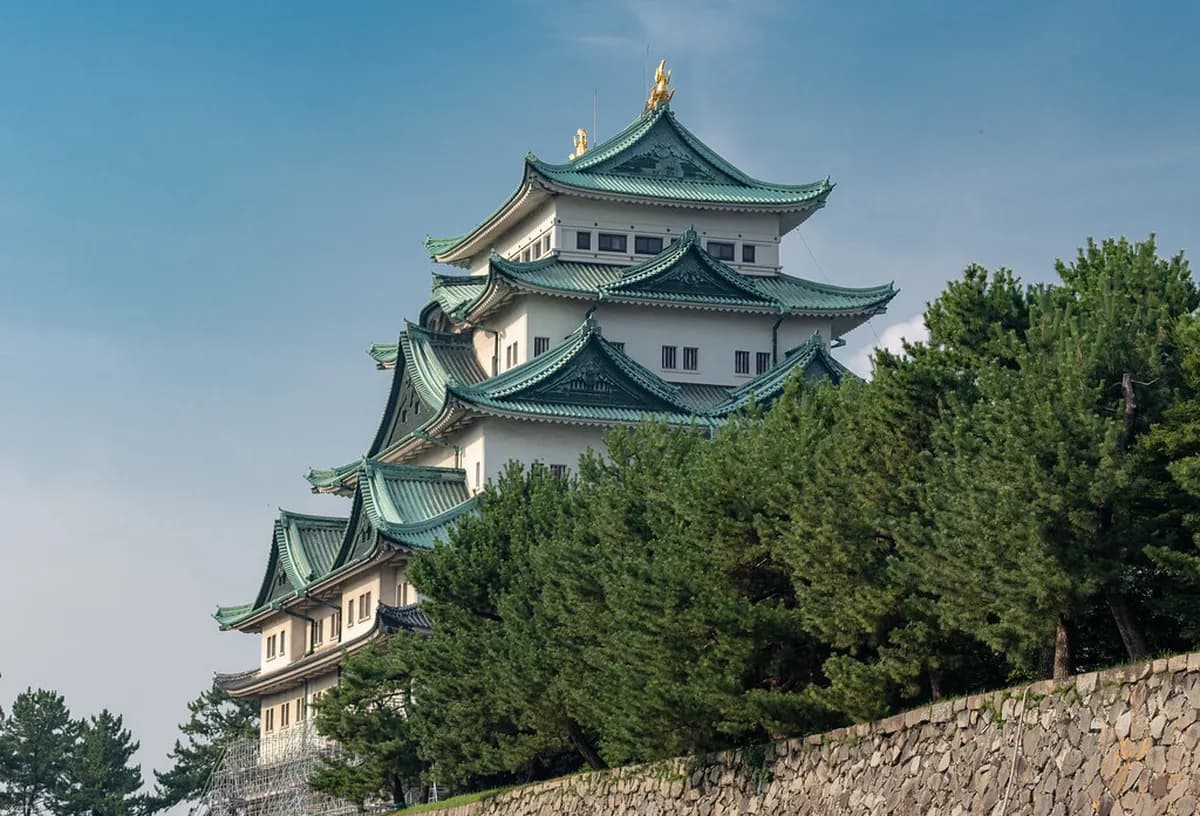
The Donichi Eco Kippu is more than just a simple transportation pass. It acts as a discount coupon for dozens of attractions across the city. You can save 100 yen on your entry to the famous Nagoya Castle. Simply show your valid transit pass at the ticket window when you arrive.
Many other popular spots offer similar savings to pass holders. The Higashiyama Zoo and Botanical Gardens provide a discount on adult admission. You can also save money at the Nagoya City Science Museum and the Art Museum. These small savings add up quickly if you visit three or four spots.
Some restaurants and shops also participate in the discount program. Look for the 'Tokunavi' logo or stickers at the entrance of local businesses. It never hurts to ask the staff if they offer a discount for pass holders. This is a great way to try local food while staying on a budget.
The total savings from attraction discounts can often exceed 500 yen per person. When combined with transit savings, the pass pays for itself very quickly. Make a list of the places you want to visit to see how much you save. Most major museums and historical sites are included in this benefit program.
Comparing the Donichi Eco Kippu to Manaca and 24-Hour Tickets
Choosing the right ticket depends on your travel schedule and frequency of use. The Manaca card is a rechargeable IC card that offers convenience but no flat discounts. It is best for people who only take one or two short rides per day. However, it does not provide the unlimited travel benefits of the Eco pass.
The standard Nagoya 24-Hour Subway Ticket costs 760 yen for adults. This ticket is valid for exactly 24 hours from the time of first use. It is a better choice if your sightseeing spans across two different calendar days. For example, starting at 2:00 PM on Monday and ending at 2:00 PM on Tuesday.
The Donichi Eco Kippu is clearly the winner for weekend-only travel. At 620 yen, it is significantly cheaper than the 24-hour ticket option. You only need to take three subway rides to break even on the cost. Most tourists take at least four or five rides when exploring the city.
- Break-even Analysis for Nagoya Transit
- 1 Ride: ~210 yen
- 2 Rides: ~420 yen
- 3 Rides: ~630 yen
- Pass Price: 620 yen
- Ticket Comparison for 2026 Travelers
- Eco Pass: Best for weekends
- 24-Hour: Best for weekdays
- Manaca: Best for single rides
- Me~guru: Included in passes
Frequently Asked Questions About Getting Around Nagoya
Many travelers wonder if the pass covers the trip to the new Ghibli Park. The Donichi Eco Kippu covers the subway to Fujigaoka Station on the Higashiyama Line. However, it does not

The pass is also not valid for travel to Chubu Centrair International Airport. The airport is served by the Meitetsu Railway, which is a private company. You must buy a separate ticket or use an IC card for the airport train. The Eco pass only covers municipal subways and city-operated buses.
You cannot use the JR Pass for the Nagoya Municipal Subway system. The JR Pass is only valid for Japan Railways trains and some specific buses. If you have a JR Pass, you will still need the Eco pass for city travel. This is a common mistake that can lead to confusion at the gates.
There is currently no digital version of the Donichi Eco Kippu for smartphones. You must use the physical paper ticket provided by the vending machines. While Mobile Suica and Manaca work for single fares, they do not offer this pass. Always carry your physical ticket in a secure place during your day out.
Frequently Asked Questions
Can I use the Donichi Eco Kippu on the Meitetsu Line?
No, the Donichi Eco Kippu is only valid for the Nagoya Municipal Subway and city buses. Private lines like Meitetsu, Kintetsu, and the JR lines require separate tickets or an IC card. This includes the train to the airport.
Is the Weekend Eco Ticket valid for 24 hours?
No, the Donichi Eco Kippu is valid for one calendar day only. It expires at the end of the day you first use it, regardless of the time. For a full 24-hour period, you should buy the 760 yen subway-only ticket instead.
Does the pass cover the Me~guru Sightseeing Bus?
Yes, the Donichi Eco Kippu fully covers the Me~guru Sightseeing Bus. This is a great way to reach major tourist spots like the Toyota Museum. Simply show your pass to the driver when you board or exit the bus.
Where is the best place to buy the pass if I am a tourist?
The easiest place to buy the pass is at the yellow vending machines in any subway station. If you find the machines confusing, visit the Station Master's Office at Nagoya Station. The staff there can help you buy the ticket with cash.
The Donichi Eco Kippu is an essential tool for anyone visiting Nagoya on a budget. It offers incredible value and makes navigating the city much more convenient. By following this guide, you can save money on both transport and major Nagoya attractions. Planning your weekend trips around this pass will ensure a stress-free experience.
Remember to check the calendar for the 8th of the month secret for extra savings. Keep your physical ticket safe and enjoy the freedom of unlimited travel. Nagoya has so much to offer, and the right transit pass makes it all accessible. Enjoy your journey through this historic and industrious Japanese city in 2026.
For the full picture, see our complete Nagoya attractions guide to plan the rest of your trip.
Keep planning with our Getting Around Nagoya and Nagoya Airport to City Center Transfer Guide guides.

Free: The Nagoya Essentials guide
Top things to do, where to stay, a perfect day plan, getting around, and the best time to go — a Nagoya mini-guide you can take offline.
You might also like

Continue reading
More guides you'll find useful