

Nagoya Festivals Guide: 8 Key Insights for Travelers
Discover the best Nagoya festivals with our seasonal guide. Includes tips on the Nagoya Matsuri, Naked Festivals, and dual-city itineraries with Osaka.
On this page
Nagoya festivals reward travelers who plan around seasons, transport, and heat. A matsuri is a Japanese festival, and in Nagoya that can mean cherry blossoms at a castle, lantern boats on a river, samurai parades through Sakae, or winter purification rites near Inazawa. For 2026, use this as a planning framework, then confirm final dates on official event pages.
The city is a strong base because major events sit close to rail lines and day-trip routes across Aichi. If you are still deciding whether to build a stop here, this festival calendar is one reason Is Nagoya Worth Visiting? My Honest 2026 Travel Review has a more interesting answer than many first-time Japan itineraries suggest.
Nagoya’s Festival Calendar: A Seasonal Overview
Nagoya has a practical year-round festival rhythm. Spring is scenic and easy for first-timers, summer is local and intense, autumn is the main heritage season, and winter is quieter except for illuminations and the Konomiya Hadaka Matsuri. The right choice depends on whether you want comfort, spectacle, food, or a deeper local ritual.
Hotel pressure is highest around cherry blossom weekends and Nagoya Matsuri in October. For those dates, book central rooms three to six months ahead if you want Sakae, Nagoya Station, or Fushimi. Summer rooms can be cheaper, but heat and ferry schedules make planning more fragile.
| Season | Typical window | Main appeal | Planning note |
|---|---|---|---|
| Spring | Late March to mid-April | Nagoya Castle blossoms and evening light-ups | Arrive early for photos before the castle grounds fill |
| Summer | June to August | River lanterns, fireworks, yukata, island ship parades | Heat and ferry schedules matter more than distance |
| Autumn | Mid-October to November | Nagoya Matsuri samurai procession and Sakae events | Book hotels early and pick viewing spots before lunch |
| Winter | December to February | Illuminations and Konomiya Hadaka Matsuri | Dress for long outdoor waits after sunset |
Spring: Nagoya Castle and Cherry Blossom Events
The Nagoya Castle Spring Festival is the easiest festival season for visitors. Hundreds of cherry trees frame the stone walls, moats, and reconstructed palace buildings, while temporary stalls and performances turn the grounds into a relaxed hanami area. Use the Nagoya Castle Visiting Guide: 8 Things to Know to plan gate access and nearby transit.
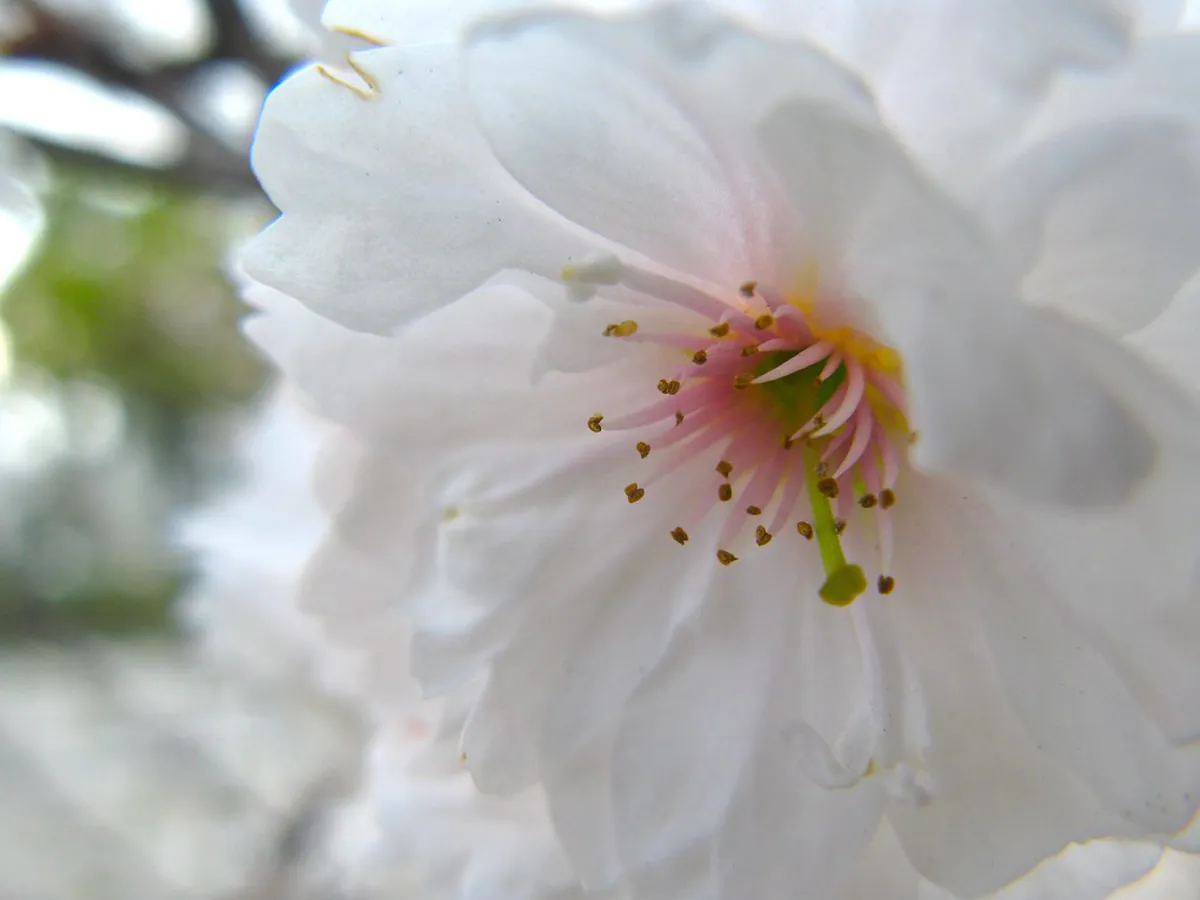
Peak bloom usually falls from late March to early April, but the exact week changes each year. In 2026, check bloom forecasts before locking non-refundable hotels, then aim for a weekday morning if photography matters. Bring a light jacket for the evening and cash for small food stalls.
Summer: River Festivals and the Nojima Ship Parade
Summer is where Nagoya and Aichi feel most local. The Owari Tsushima Tenno Festival sends lantern boats across the Tenno River, while coastal events on the Chita Peninsula focus on fishing, sea safety, and fireworks. A yukata, a light cotton summer kimono, is common at evening festivals, but breathable clothes and good shoes matter more than dressing up.
The Nojima Ship Parade on Shinojima is the event that needs the most logistical care. Check the Nojima Festival (Ship Parade) Official Site and ferry operator schedules before you go, because the island depends on boats from the Kowa area and the last return can limit your stay. For food breaks, use the 21 Best Dishes and Travel Tips for Nagoya but keep room for cold drinks and shaved ice.
Autumn: The Grand Nagoya Matsuri Samurai Parade
Nagoya Matsuri is the city's headline autumn event and the strongest reason to visit in October. The parade celebrates Oda Nobunaga, Toyotomi Hideyoshi, and Tokugawa Ieyasu, the three warlords tied to Japan's unification story. Expect samurai armor, princess processions, music, and dashi floats with karakuri mechanical puppets.
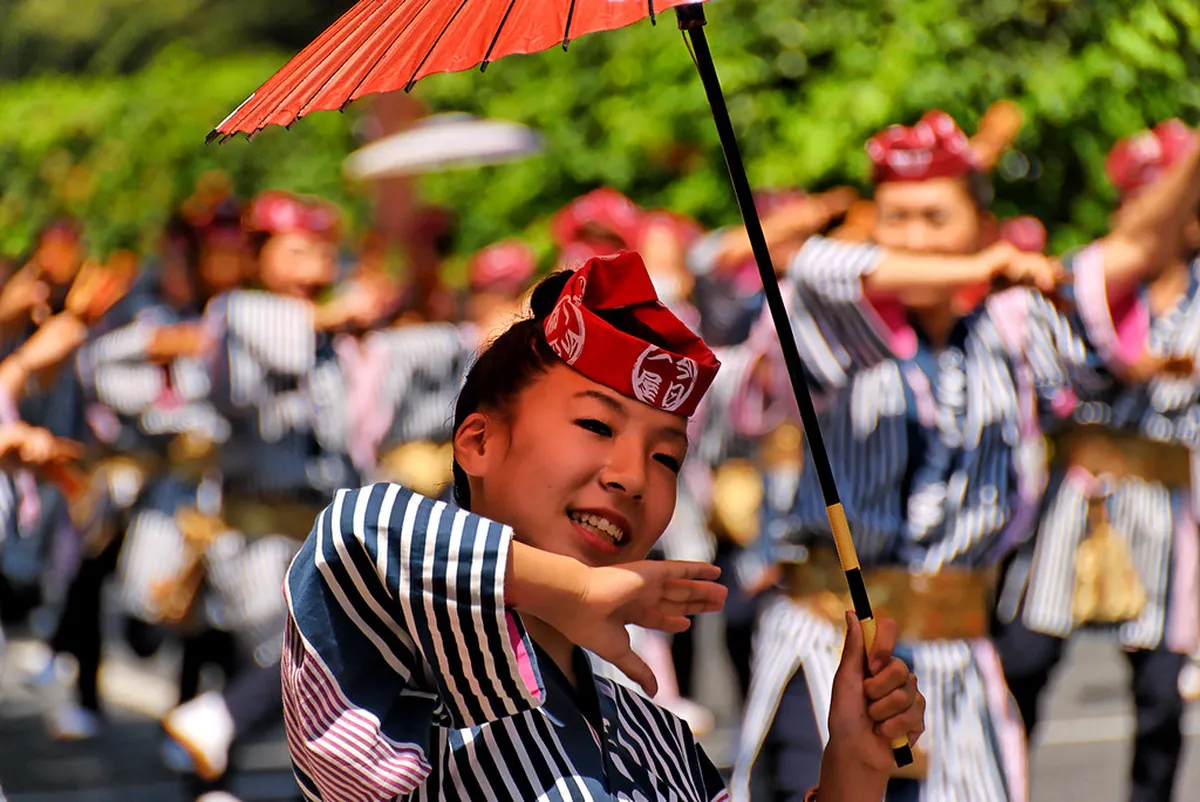
Most Nagoya festival parade viewing is free, including the main Nagoya Matsuri street parade. For the best curb positions, arrive before lunch. Paid seating or special river-view areas appear at specific events, so check official 2026 pages before assuming every good angle is first-come, first-served.
The most convenient viewing zones are around Sakae and the central parade route. Arrive before lunch for a front-row curb spot, especially if you want clear photos of armor details or puppets. The Nagoya Itinerary 2026: Plan Your Perfect 3 to 5 Day Trip can help you connect traditional lantern-lit floats with modern Sakae and Nishiki nightlife in one evening.
Winter: Illuminations and the Konomiya Naked Festival
Winter looks quieter on a festival calendar, but it has two strong draws. Illuminations turn areas around Sakae, Oasis 21, and nearby day-trip sites into easy night outings, while the Konomiya Hadaka Matsuri near Inazawa delivers one of Aichi's most intense traditional rituals. Hadaka means naked, though participants usually wear fundoshi loincloths.
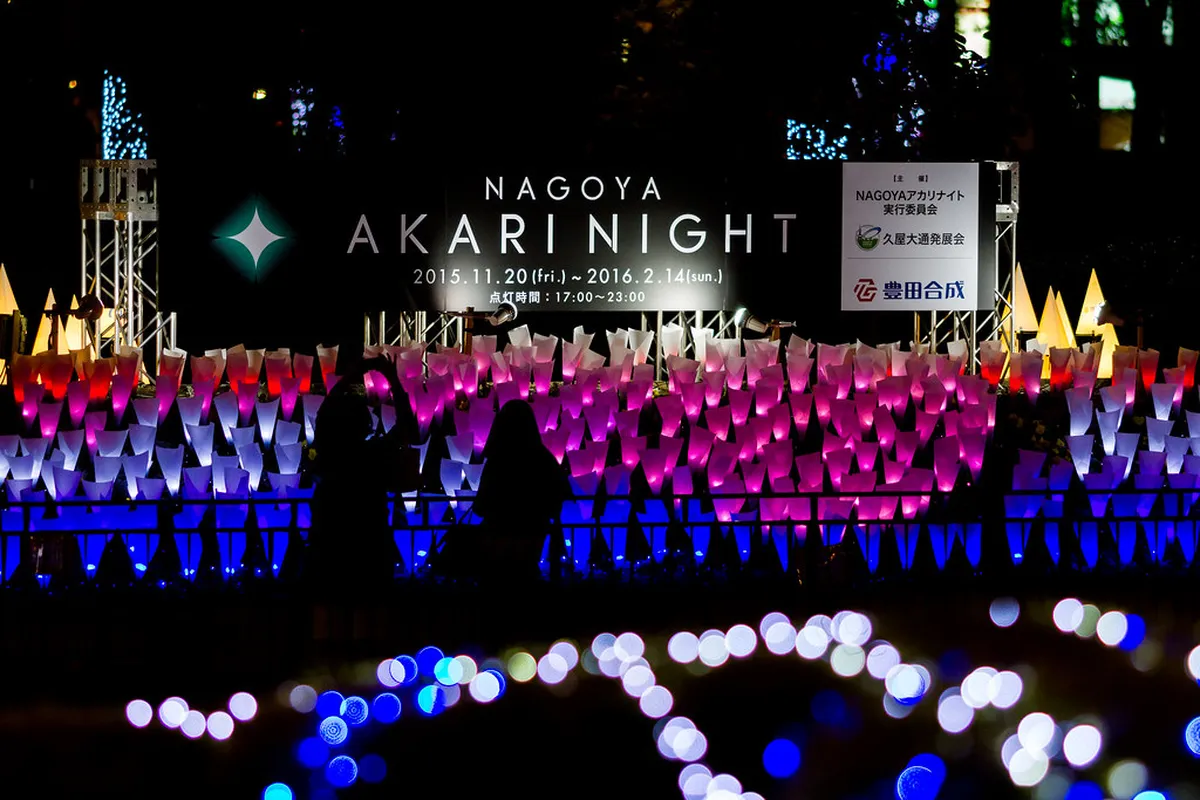
At Konomiya, crowds gather as participants try to touch the shin-otoko, the selected lucky man believed to carry away misfortune. Watch from the edges, avoid pushing into participant zones, and leave before the densest post-ritual crush if you are with children. After illuminations, use Nagoya Nightlife Guide 2026: Best Bars, Clubs & Izakayas areas around Sakae or Nishiki for dinner rather than making a long late transfer.
Must-See Nagoya Attractions Near Festival Sites
Festival days work better when you pair one event with one nearby attraction. Around Nagoya Castle, add the palace interior, castle park, or Meijo Park after blossom viewing. Near Sakae, Oasis 21 and Hisaya-odori Park give you open space before or after Nagoya Matsuri.
Atsuta Shrine is the key stop for travelers interested in shrine culture beyond the city center. For coastal summer events, use the 10 Best Nagoya Day Trip Itineraries and Planning Tips to decide whether Tsushima, Shinojima, or the Chita Peninsula fits your transport tolerance. The 8 Best Areas and Tips for Where to Stay in Nagoya guide is useful if you want to avoid late-night transfers after a crowded event.
Local Festival Food: Nagoya Meshi and Street Stalls
Nagoya meshi means local Nagoya food, and it gives festival trips a different flavor from Osaka or Tokyo. Look for miso katsu, tebasaki chicken wings, kishimen noodles, and hitsumabushi eel when you sit down for a proper meal. Around festival stalls, expect yakisoba, karaage, grilled skewers, kakigori shaved ice, and sweet castella cakes.
The smart move is to separate snack eating from destination dining. Eat light at the festival so you can move through crowds, then queue for Nagoya specialties after the main parade or light-up. Carry coins and 1,000 yen notes, avoid eating while blocking parade routes, and keep trash until you find marked bins.
Practical Planning: Tickets, Etiquette, and Transport
Most Nagoya festival viewing is free, including major street parades and many shrine events. Paid seating or special river-view areas can appear for specific events, so check official 2026 pages before assuming every good angle is first-come, first-served. Arrive early, but do not place bags or tripods where they block pedestrian flow.
Transport is usually straightforward inside Nagoya. IC cards work on subways, JR, Meitetsu, and most buses, but regional summer festivals are different: the last train, bus, or ferry can decide whether you need to leave before fireworks end. Tripods are also a poor fit for most routes, because they slow crowds and are risky near children or shrine processions.
At the Konomiya Hadaka Matsuri (February), avoid pushing into participant zones and leave before the densest post-ritual crush if you are with children. Tripods are also a poor fit for most parade routes — they slow crowds and are risky near shrine processions.
For a matsuri survival kit, carry water, a small towel, sunscreen, a portable fan, electrolyte tablets, a power bank, coin cash, and a compact trash bag. In winter, add gloves and disposable heat packs. Choose a crossbody bag or small backpack because large suitcases are a problem in parade crowds.
Dual-City Guide: Combining Nagoya and Osaka Festivals
Nagoya and Osaka work well together because the Tokaido Shinkansen makes the cities close in practice. Osaka is often framed as a festival capital, especially around Tenjin Matsuri, while Nagoya gives you samurai processions, lantern-lit heritage events, and easier access to Aichi coastal traditions. A good trip assigns each city a role instead of chasing every event.
The Shinkansen is the fastest choice, usually around 50 to 60 minutes between Shin-Osaka and Nagoya depending on the service. Kintetsu Limited Express is slower, often around two hours or more from Osaka-Namba to Kintetsu-Nagoya, but it can be cheaper and more convenient if you are staying near Namba. Do not use an Osaka day-trip pattern for Shinojima or remote coastal events, because ferry timing makes the return fragile.
| Route | Best use | Trade-off |
|---|---|---|
| JR Shinkansen | Fast Osaka-Nagoya transfers and tight festival itineraries | Higher fare, station is Shin-Osaka rather than Namba |
| Kintetsu Limited Express | Budget-aware trips from Osaka-Namba to Nagoya | Longer travel time and fewer late-night margins |
| Overnight in Nagoya | Coastal festivals, Nagoya Matsuri, Konomiya Hadaka Matsuri | Requires earlier hotel booking during peak dates |
Use our Nagoya attractions hub to plan the rest of your trip.
Explore Nagoya Festivals and Events
Use the main Nagoya festivals guide for the seasonal overview, then open these focused guides for each signature event.
Building the rest of the trip? Our Nagoya attractions guide covers the sights, districts and logistics around this guide.
Frequently Asked Questions
What are the best times to visit Nagoya for festivals?
Late spring and mid-autumn are the best times to visit. April offers cherry blossoms at the castle. October features the grand Nagoya Matsuri samurai parade.
Do I need to buy tickets for the Nagoya Matsuri?
No, the main street parades are free to watch. You only need tickets for special seated areas. Arrive early to get a good spot on the sidewalk.
What is the Naked Festival in Nagoya?
It is the Konomiya Hadaka Matsuri held every February. Thousands of men in loincloths participate in a purification ritual. It is one of Japan's oldest traditions.
Nagoya festivals provide an unforgettable look into the heart of Japanese culture. From samurai parades to winter lights, there is something for every traveler. Planning your trip around these events adds a special layer to your visit.
Remember to pack for the weather and book your hotels early. Nagoya's unique traditions will leave you with lasting memories of your time in Japan.
Free: The Nagoya Essentials guide
Top things to do, where to stay, a perfect day plan, getting around, and the best time to go — a Nagoya mini-guide you can take offline.
You might also like


Continue reading
More guides you'll find useful


