Nagasaki Kunchi Festival 2026: Dates & Essential Planning Tips
Nagasaki Kunchi takes place every October. Get ticket booking secrets, free viewing spots and dragon dance highlights before the crowds fill in.
On this page
The Nagasaki Kunchi Festival is one of the most spectacular autumn celebrations in Japan. This vibrant event blends centuries of history with a unique multicultural flair found nowhere else in the country. Travelers flock to the city every October to witness massive floats and energetic dragon dances.
This comprehensive nagasaki kunchi festival guide will help you navigate the crowds and find the best viewing spots. You will discover how to secure tickets and where to watch the performances for free. Understanding the local traditions will make your visit to this historic port city truly unforgettable.
Nagasaki's deep ties to China and the Netherlands are on full display during the three-day celebration. Each neighborhood brings its own specific artistry to the streets through elaborate costumes and rhythmic music. Prepare to dive into a world of Nagasaki culture that has thrived since the 17th century.
History and Cultural Significance
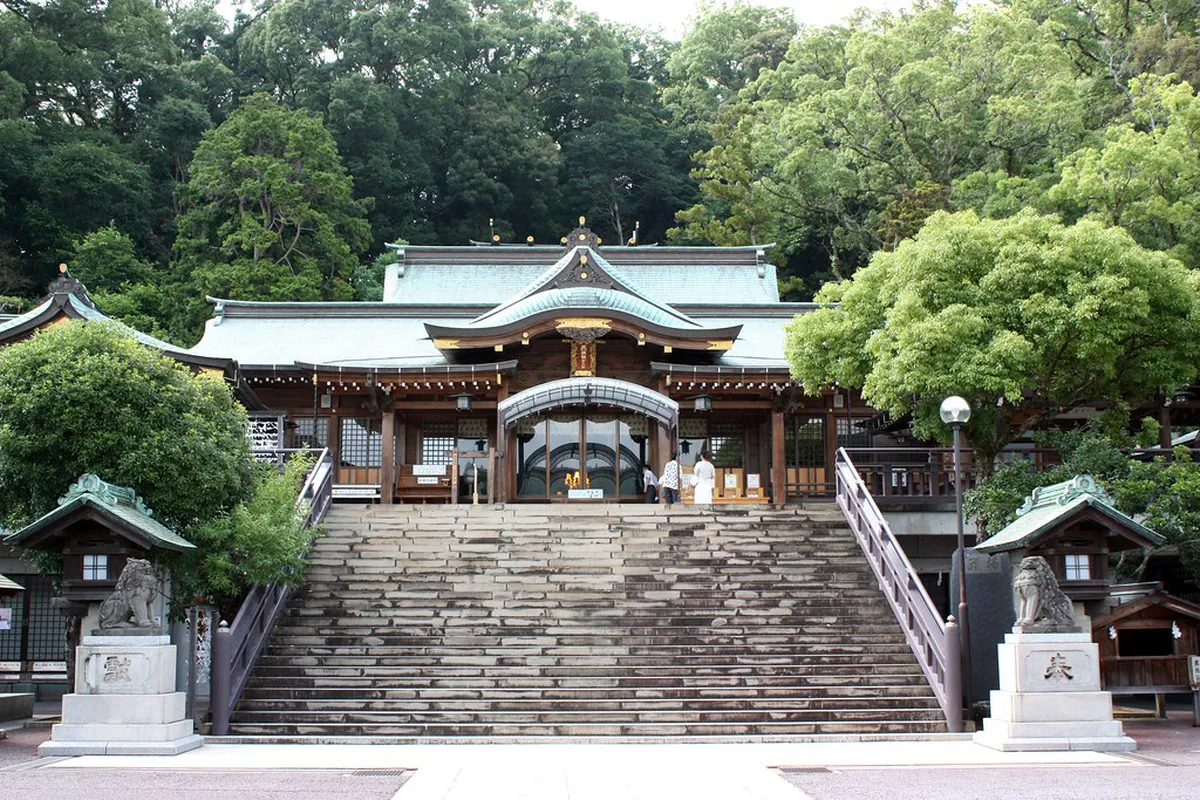
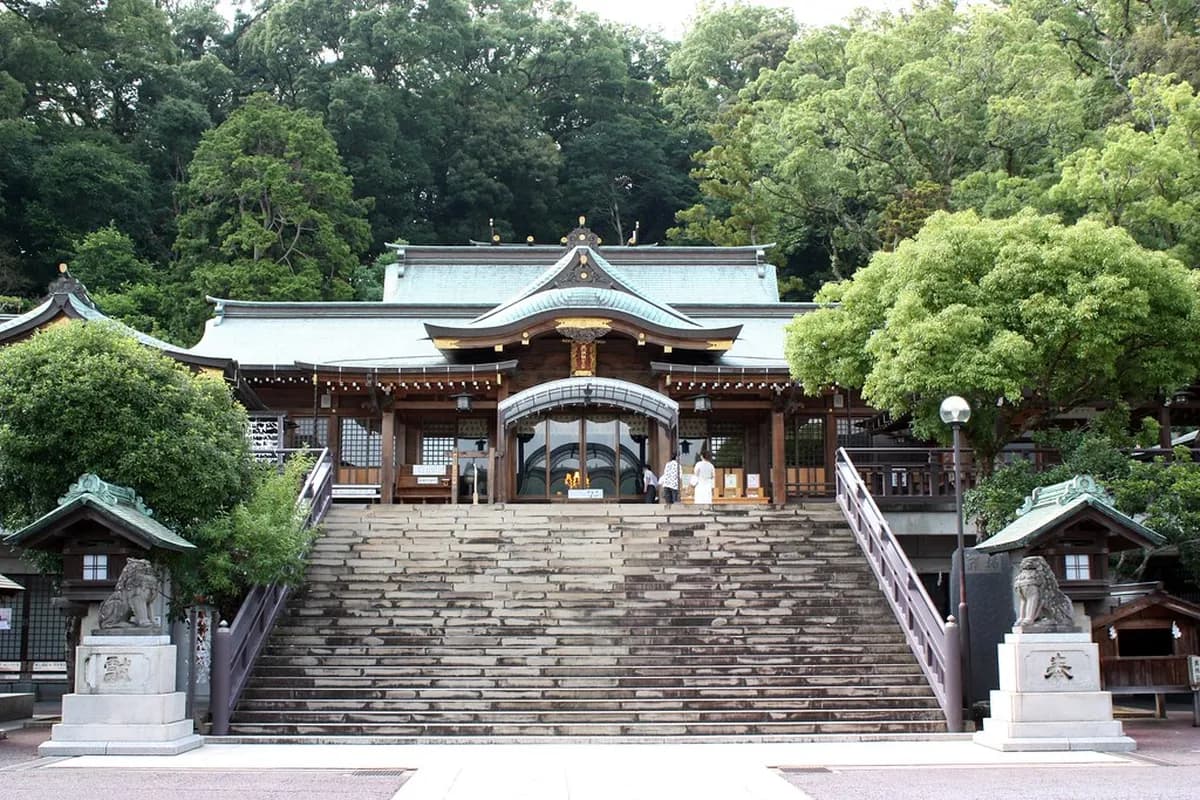
The roots of this festival stretch back to 1634 during the early Tokugawa Shogunate era. It originally began as a celebration for the local Suwa Shrine to showcase the city's prosperity. Over time, the event evolved into a grand display of international influences from Chinese, Dutch, and Portuguese traders who called Nagasaki home.
The government designates the festival as an Important Intangible Folk Cultural Property of Japan. This status protects the traditional dances and float designs that have been passed down for generations. You can learn more about these historical roots by visiting the Nagasaki Suwa Shrine Guide: History, Festivals & Visiting Tips before the event starts.
Unlike many other Japanese festivals, Kunchi features a distinct cosmopolitan atmosphere. The performances include motifs and instruments that reflect Nagasaki's history as Japan's only authorized gateway for foreign trade. This cultural fusion makes every performance a fascinating lesson in Japanese history and international relations.
2025-2026 Festival Dates and Times
The festival always takes place on the fixed dates of October 7, 8, and 9. These dates do not change regardless of which day of the week they fall on. Planning your Nagasaki 1-day itinerary around these dates is essential for any autumn visitor.
Performances begin as early as 07:00 on the first day at the main shrines. Early morning sessions are the most traditional and atmospheric for dedicated spectators. The final day usually concludes in the late afternoon or early evening, and you should consult nagasaki-kunchi.com for the specific 2026 daily schedule.
Evening performances provide a different energy as the floats move through the illuminated city streets. Arriving at your chosen venue at least an hour before the first performance is strongly recommended to secure a position. The overall schedule across all four venues runs from approximately 07:00 to 18:00 each day.
The Four Main Performance Venues
The festival centers around four primary venues where the most elaborate dances occur. Suwa Shrine (Suwa Jinja) serves as the main stage and offers the most prestigious viewing experience. Performers must first dedicate their Hono Odori dances here before moving to the other venues across the city.
The Otabisho stage sits in central Nagasaki near the harbor and provides a more open atmosphere alongside street food stalls. Yasaka Shrine offers a slightly more intimate setting for watching the traditional dedicatory dances. The Kokaidomae Plaza (also called City Hall Plaza) is the fourth major hub and accommodates large crowds for the dragon dances.
Each venue runs its own performance schedule, so it is worth circulating between them throughout the day. Walking between these locations is possible, though the streets become very crowded during the event. Refer to our Nagasaki landmarks guide to help navigate between these historic sites.
Ticket Booking and Seating Options
Paid seating offers the most comfortable way to enjoy the long performances without standing for hours. The most popular option is the masu-seki, which are traditional wooden box seats that fit four people. These seats provide an excellent view of the arena floor where the action unfolds.
Each venue has its own ticket sale window and price range. Central Park seats go on sale August 1 for the October 7–8 performances, priced ¥4,500–¥14,000. Suwa Shrine tickets open June 7 for October 7 and 9, ranging from ¥1,500 for standing spots to ¥36,000 for a four-person box. Otabisho seating opens July 14 for October 7 and 9 at ¥20,000–¥24,000, while Yasaka Shrine tickets release June 10 for October 8 at ¥26,000–¥30,000.
| Venue | Ticket Sale Opens | Festival Dates | Price Range |
|---|---|---|---|
| Central Park | August 1 | Oct 7–8 | ¥4,500–¥14,000 |
| Suwa Shrine | June 7 | Oct 7 & 9 | ¥1,500–¥36,000 (4-person box) |
| Otabisho | July 14 | Oct 7 & 9 | ¥20,000–¥24,000 |
| Yasaka Shrine | June 10 | Oct 8 | ¥26,000–¥30,000 |
The best seats often sell out within minutes of going on sale. If you miss the primary window, check local convenience stores and Nagasaki tourism offices for any returned allocations. Monitor the Japan Cheapo Kunchi Guide and the official site from late May onward for the exact 2026 release dates.
Free Viewing Areas and Parade Routes
You do not need a paid ticket to experience the excitement of Nagasaki Kunchi. The plaza in front of Nagasaki Station and Chuo Park are the two best-known free spots. These locations are perfect for travelers following a Nagasaki events calendar on a tighter budget.
The odoricho performers also parade through the city streets between the main venues throughout the day. Standing along the designated parade routes allows you to see the floats and dancers up close without any cost. The route from Suwa Shrine down to the Otabisho stage passes through some of Nagasaki's liveliest shopping streets.
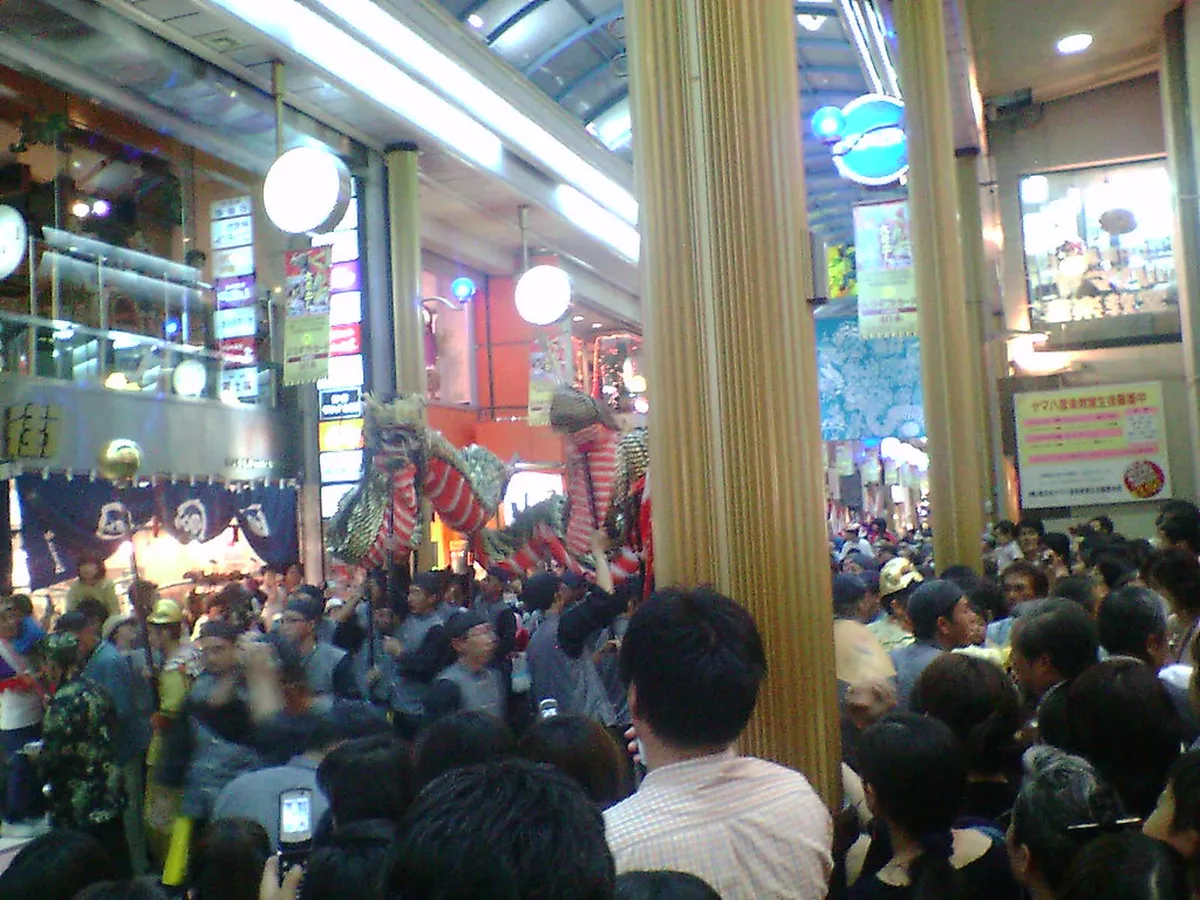
Free viewing areas fill up very quickly, so you should claim your spot at least 90 minutes before the first performance. Local residents often bring small foldable stools or mats to stay comfortable during the long wait. Be prepared to stand for several hours if you want the best vantage point near the street level.
Iconic Performances: Dragon Dances and Floats
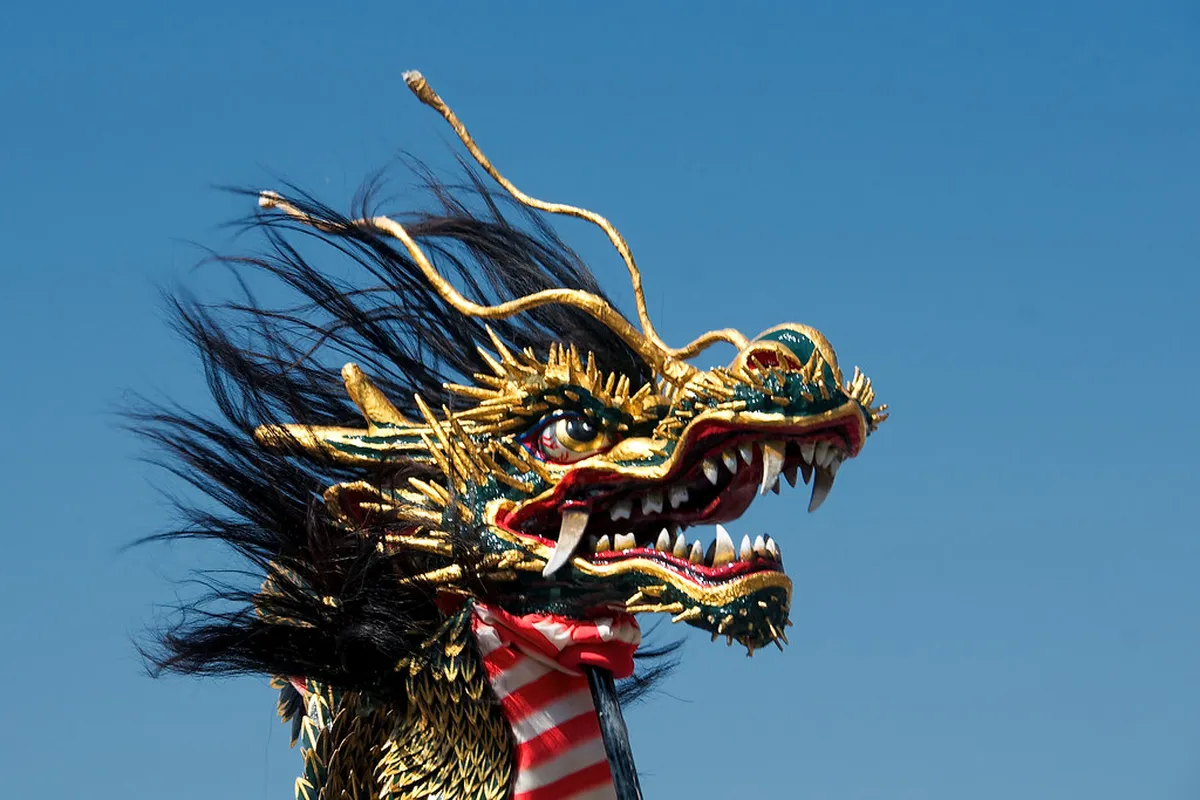
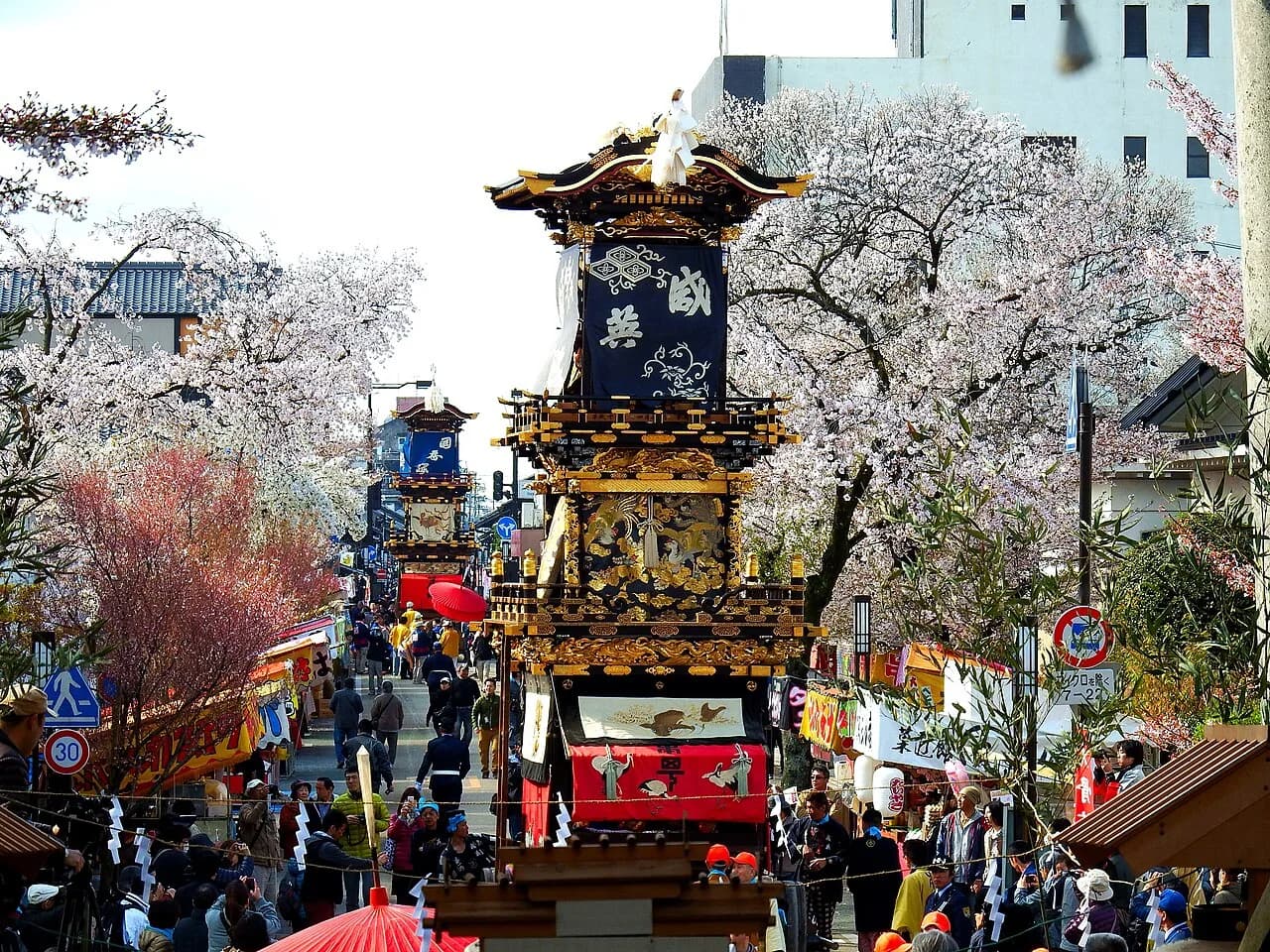
The Jaodori, or Dragon Dance, is the most famous element of the festival. Several performers manipulate a massive dragon on poles to make it appear as if it is flying through the air. This dance specifically highlights the deep Chinese influence on the culture of Nagasaki and draws the loudest crowd reactions of any performance.
A critical aspect of the festival is the seven-year rotation among the 59 participating odoricho neighborhoods. The neighborhoods are divided into seven groups, meaning any specific dance only appears once every seven years. This rotation explains why returning visitors always find something new — you cannot see everything Kunchi has to offer in a single visit.
The Dashimono floats are another highlight, often shaped like treasure ships, Dutch vessels, or shishi lions. These heavy structures are spun rapidly by teams of local men in a display of collective strength and precision. The energy of the crowd peaks when these floats begin their high-speed rotations in the arena.
The Niwa-mise (Garden Showing) Tradition
On October 3rd, four days before the main festival, Nagasaki holds the Niwa-mise — a neighborhood display of festival costumes, props, and treasures in private homes and gardens. This tradition allows the public to see the intricate lacquerwork, silk costumes, and float ornaments at close range before they are taken into the streets. The atmosphere is quiet and intimate compared to the main festival days.
What most visitors and competitors alike overlook is the origin of this ritual. During the Edo period, when Christianity was forbidden, city authorities required Nagasaki residents to demonstrate their non-Christian identity by publicly displaying Buddhist and Shinto festival equipment. The Niwa-mise was partly born from that obligation — households opened their gardens to show officials that they honored Suwa Shrine, not a hidden cross. The tradition survived long after the threat of persecution ended, becoming a cherished expression of neighborhood pride rather than a proof of faith.
You can find these displays by looking for neighborhoods with festive banners and red paper lanterns. This is also an excellent time to explore the Nagasaki Chinatown Food Guide: 8 Essential Dining Tips & Spots while walking between the household displays. The Niwa-mise serves as a compelling bridge between the city's complicated history and its present-day celebrations.
Essential Visitor Etiquette and Tips
The festival runs October 7–9 every year without exception since 1634. Performances begin as early as 07:00. The seven-year rotation among 59 participating neighborhoods means any specific dance only appears once every seven years — returning visitors always see something new.
The most important tradition to learn is the "Motte-koi" encore call. This phrase literally means "bring it back" and is shouted by the crowd to request a repeat performance. The encore matters because hauling a multi-hundred-kilogram float back into the arena at full speed demands a second burst of collective effort from the performers — which is why the second and third runs often draw the most explosive energy from both sides.
Umbrellas and parasols are prohibited in all main viewing areas to avoid blocking sightlines. Drones are strictly forbidden. Free viewing areas fill up very quickly — claim your spot at least 90 minutes before the first performance.
Umbrellas and parasols are prohibited in all main viewing areas to avoid blocking sightlines for those behind you. Bring a compact rain poncho if the forecast predicts showers, and a light jacket for the evenings, which can be cool by mid-October. Drones are strictly forbidden for safety and to protect the historic shrine buildings and performers overhead.
Wear comfortable, broken-in walking shoes because you will likely cover several kilometers between venues. The city is hilly, and the crowds slow public transport significantly during peak performance hours. Staying hydrated is also key — the October sun in Nagasaki can still feel warm during the midday performances.
Transportation and Getting Around Nagasaki
The local streetcar system is the most efficient way to travel during the festival. A day pass costs around ¥500–¥600 and allows unlimited rides, saving you the inconvenience of finding exact change for each ¥140 fare. Be aware that some stops may be bypassed if platforms become dangerously overcrowded during peak periods, so walking short distances is often faster.
- Suwa Shrine: board the blue or red line, alight at Suwa Jinja-mae, then walk two minutes to the shrine entrance.
- Kokaidomae Plaza: use the green or red line to Shiyakusho (City Hall), three minutes on foot — expect high crowd density around this stop.
- Otabisho stage: walk south from Kokaidomae about eight minutes; street stalls line the approach.
- Yasaka Shrine: a ten-minute walk uphill from the Shiyakusho stop; quieter crowds than the main venues.
Accommodation books out months in advance during the festival period. Hotels in the Hamamachi and Chinatown districts are the most convenient, placing you within walking distance of three of the four venues. If you are traveling from Fukuoka, the Kamome limited express connects Hakata and Nagasaki in under two hours, making a day trip technically feasible — though an overnight stay lets you catch both morning and evening performances. Check the Japanistry Event Page for any temporary transport reroutes confirmed closer to the 2026 dates.
Frequently Asked Questions
What are the dates for the Nagasaki Kunchi Festival 2025?
The festival takes place from October 7 to October 9 every year. These dates are fixed and do not change. Performances usually begin early in the morning at the major shrines across Nagasaki city. You can find more details in our Nagasaki events guide.
How do I buy tickets for the Nagasaki Kunchi performances?
Tickets are sold through a lottery system that typically opens in June or July. You can apply for box seats or individual chairs at the four main venues. Check the official festival website or local tourism offices for the most current booking links and deadlines.
Can I watch the Nagasaki Kunchi Festival for free?
Yes, you can watch many parts of the festival for free in public areas. The plaza in front of Nagasaki Station is a popular spot for free viewing. You can also stand along the parade routes to see the floats and dancers as they move between shrines.
What is the 'Motte-koi' call in the Nagasaki festival?
'Motte-koi' is a traditional encore call that spectators shout to bring performers back to the stage. It translates to 'bring it back' or 'come back.' It is a sign of great respect and appreciation for the skill and effort shown by the neighborhood groups.
What is the best venue to watch the Dragon Dance?
Suwa Shrine is considered the most prestigious venue to watch the Jaodori dragon dance. The steep stone steps provide a dramatic backdrop for the performance. However, the City Hall Plaza also offers excellent views and more space for larger crowds to gather.
The Nagasaki Kunchi Festival is a masterclass in cultural fusion and community spirit. From the rhythmic dragon dances to the high-energy float rotations, the event offers something for every traveler. Planning ahead for tickets and transport will ensure you have a smooth and enjoyable experience.
Whether you choose paid seating or find a free spot on the street, the energy of the crowd is infectious. Do not forget to join the locals in shouting for an encore as the sun sets over the harbor. This celebration remains one of the most essential cultural experiences in all of Japan.
Make sure to explore the rest of the city's landmarks while you are in town for the festivities. Nagasaki's history is deep and varied, offering plenty of treasures beyond the festival grounds. We hope this nagasaki kunchi festival guide helps you create lasting memories in this beautiful port city.
Use our Nagasaki attractions hub to plan the rest of your trip.
Free: The Nagasaki Essentials guide
Top things to do, where to stay, a perfect day plan, getting around, and the best time to go — a Nagasaki mini-guide you can take offline.
You might also like


Continue reading
More guides you'll find useful