Nagasaki Chinatown Food Guide: Essential Champon & Dining Spots
Discover Nagasaki Shinchi Chinatown's Champon culture, 8 essential dining tips, and how it compares to Fukuoka's ramen scene.
On this page
Nagasaki Shinchi Chinatown stands as a vibrant testament to Japan's long history of international trade. Traders from China settled in this port city during the Edo period when most of Japan remained closed. You will find a unique blend of cultures reflected in every bowl of noodles and steamed bun. This nagasaki chinatown food guide helps you navigate the best flavors in the district for 2026. For comparison with Fukuoka's ramen culture, Nagasaki's Champon offers a distinctly seafood-forward broth that reflects the city's fishing heritage.
The History and Culture of Shinchi Chinatown
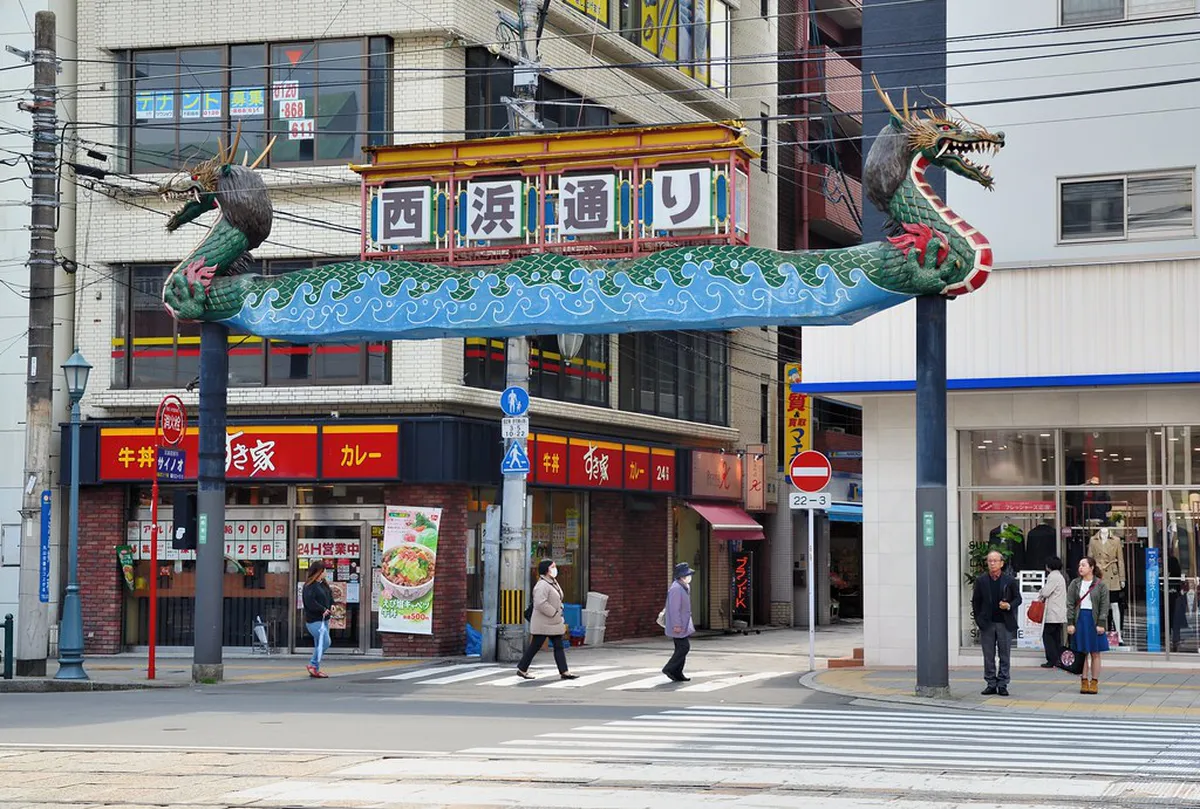
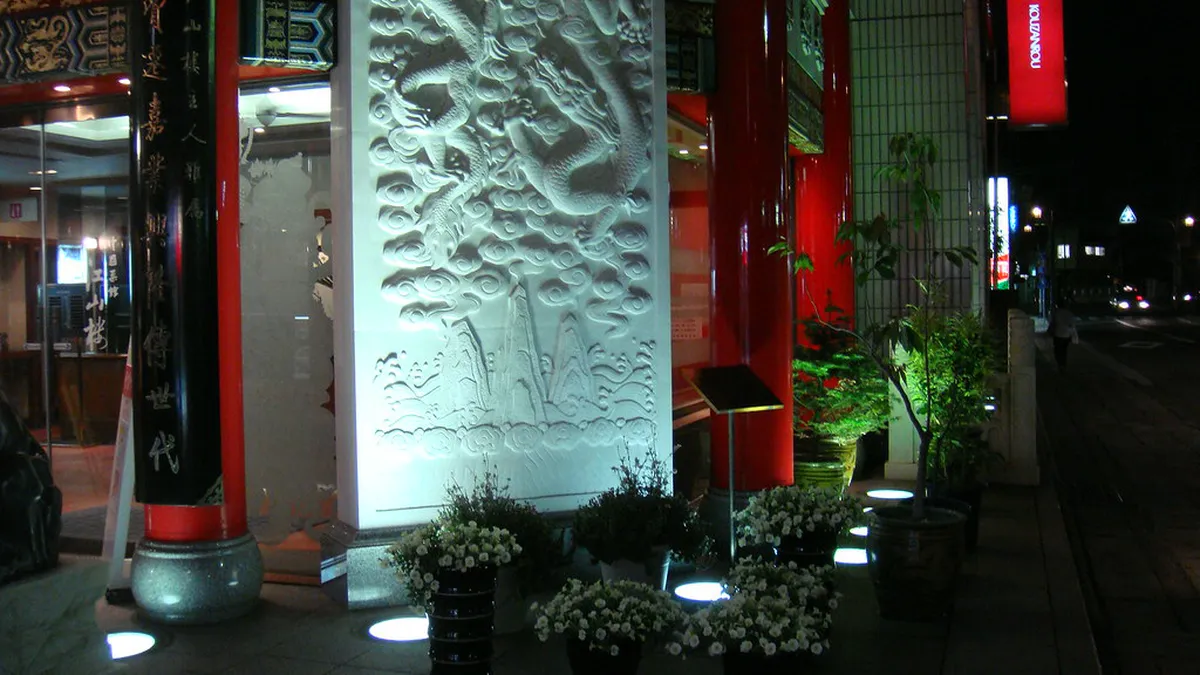
The origins of this district date back to the 17th century during the peak of maritime trade. Chinese merchants were allowed to reside here while most other foreigners were strictly restricted to designated zones. You can learn more about this era by visiting the historic Dejima nearby, where Dutch traders were separately confined to a small artificial island. The architecture throughout Shinchi still showcases traditional Chinese motifs and vibrant red lacquer colors.
Four majestic gates mark the entrances to this compact culinary neighborhood. The Seiryu-mon (East Gate) features a blue dragon, the Byakko-mon (West Gate) a white tiger, the Genbu-mon (North Gate) a black tortoise, and the Suzaku-mon (South Gate) a red phoenix. Each guardian animal represents a cardinal direction, a season, and an element in Chinese cosmology. Spending a few minutes walking the perimeter between all four gates gives you a quick orientation of the district's full layout before you start eating.
Local culture here is a deep fusion of Japanese hospitality and Chinese culinary tradition. Festivals often fill the streets with music, incense, and the aroma of frying ginger. The district is the oldest of its kind in Japan, predating the Chinatowns in Yokohama and Kobe. Visitors often feel as though they have stepped into a different world within the heart of Nagasaki.
Signature Dishes: Champon vs. Sara Udon
No visit to Nagasaki is complete without tasting the city's most iconic soul food. Champon is a hearty noodle soup featuring a rich broth made from pork and chicken bones, loaded with seasonal seafood and crisp vegetables. The thick, chewy noodles are cooked directly in the soup so they absorb every bit of flavor. Expect to pay around 1,000–1,600 yen for a full bowl at most restaurants.
Sara Udon offers a different texture for those who prefer a crunchier experience. This dish features thin, crispy fried noodles topped with a thick, starch-based sauce containing squid, prawns, and cabbage — the same filling as Champon, but served dry. Locals often splash a little Worcestershire sauce or vinegar over the top to cut through the richness. Prices typically run 1,100–1,700 yen.
| Dish | Style | Typical Price | Best For |
|---|---|---|---|
| Champon | Thick noodle soup, pork-chicken broth, seafood & cabbage | 1,000–1,600 yen | Warmth and comfort |
| Sara Udon | Crispy fried noodles, thick starch sauce, same seafood toppings | 1,100–1,700 yen | Contrasting textures |
| Toruko Rice | Pilaf + spaghetti + tonkatsu on one plate | 900–1,400 yen | Nagasaki fusion comfort food |
| Kakuni Manju | Braised pork belly in steamed bun | 300–500 yen each | Street food snack |
Choosing between them is a matter of preference for soup versus stir-fry. Champon provides warmth and comfort on a cool evening. Sara Udon delivers contrasting textures that shift as the sauce softens the noodles. Most restaurants serve generous portions suited to sharing.
- Champon — creamy pork-chicken broth, thick soft noodles, mixed seafood and cabbage, 1,000–1,600 yen
- Sara Udon — crispy thin noodles, thick starch sauce, similar seafood toppings, 1,100–1,700 yen
Toruko Rice: Nagasaki's Third Essential Dish
Most visitors arrive knowing about Champon and Sara Udon, but Toruko Rice (Turkish Rice) is the local comfort dish that regulars in Nagasaki rank alongside those two classics. The name has nothing to do with Turkey — the best theory is that the dish combines three culinary traditions (Japanese, Chinese, and Western) just as Turkey historically bridged East and West. On a single plate you get pilaf, spaghetti in meat sauce, and a breaded pork cutlet, all touching each other with no pretence of being separate courses.
The dish was invented in the 1950s in Nagasaki's cafes and became the city's definitive lunch. Restaurants in the Urakami district and along Shindaiku Street serve it as a set meal (teishoku) for around 900–1,400 yen. Portions are substantial, and the combination of flavours — savory pilaf, tomato-rich pasta, and crispy tonkatsu — gives you a snapshot of how Nagasaki absorbed foreign ingredients and made them entirely its own. Order it at a local kissaten rather than a tourist-facing restaurant for the most authentic version.
Top-Rated Restaurants in Nagasaki Chinatown
Kozanro is widely considered the gold standard for authentic Champon within the Chinatown district. This restaurant is famous for its exceptionally rich broth that locals queue for daily. Arrive before 11:30 to secure a table, especially on weekends. The interior provides a classic atmosphere that complements the traditional flavors of the menu.
Shikairo stands near the South Gate and offers a grander dining experience across multiple floors. This establishment is credited with inventing the modern Champon recipe and features a small museum on the upper levels. Dining here lets you enjoy views of the harbor while you eat. It is one of the many must-visit attractions for any food lover in the city.
Yossou, located just outside the district near Hamano-machi, is the place to try Chawanmushi — a savory steamed egg custard filled with chicken, fish cake, shrimp, and mushrooms. It is an elegant, quietly famous dish that many visitors skip because it does not feature in the big tourist promotional materials. The best time to visit Yossou is on a weekday after 14:00, when the lunch rush has cleared and you can linger over the delicate custard without feeling hurried. Lines form as early as 11:00 on Saturdays, so a weekday visit is strongly recommended.
Local vs. Tourist Champon: Where Locals Actually Eat
The three famous Chinatown restaurants serve reliable Champon, but locals in Nagasaki point to the Urakami district — about 10 minutes by tram from Nagasaki Station — as the place for the most honest version of the dish. Small shops here source their seafood directly from the morning market and cook in smaller batches. The broth is often thicker and creamier than the versions served in tourist-facing restaurants, with more cabbage and pork belly. Look for shops with hand-written daily specials written on A4 paper taped to the window — that is the reliable local signal.
Shindaiku Street is the other neighborhood worth knowing. This traditional shotengai (shopping arcade) near the Shindaiku-machi tram stop has not been polished for tourism. You can find fresh Kamaboko (fish cake) fried in front of you, smaller champon counters tucked between clothing shops, and family-run tempura stalls open only for lunch. Prices here run noticeably lower than in the Chinatown center. Many of these shops do not have English menus, so a translation app is useful, but staff are accustomed to non-Japanese-speaking guests pointing at things.
Hayama Coffee Shop near the Urakami Cathedral is a practical stop between meal-hunting. Nagasaki has a deep coffee culture rooted in the Dutch presence at Dejima, and Hayama is one of the city's long-standing examples of that tradition. Black coffee here is the local benchmark — worth a stop between your Urakami champon and your return tram ride.
Must-Try Street Food: Kakuni Manju and Beyond

Street food is the heart of the Chinatown experience and offers quick, satisfying bites between restaurant meals. Kakuni Manju is the star attraction: tender braised pork belly inside a soft steamed bun, simmered in a sweet soy and ginger glaze until the meat melts. You will find these buns at almost every corner stall in the district, sold for around 300–500 yen each.
Ebichiriman is another favourite — spicy shrimp wrapped in a light steamed dough. The balance of mild heat and fresh seafood makes it a good contrast to the rich pork buns. Many stalls also sell small portions of fried rice, dumplings, and Yori-yori cookies. Eating while walking is normal here; some stalls provide small standing counters if you prefer to pause.
Yori-yori deserve a specific mention. These twisted, deep-fried dough sticks are a Chinatown specialty that most general guides overlook. The name comes from the Japanese word for twisting, reflecting the distinct braided shape. They are fried until golden, with a satisfying hard crunch and a subtle toasted sweetness — more addictive than they look. Sold in colorful bags at around 200–400 yen, they make excellent low-weight souvenirs that survive the journey home.
Sweet Treats: Castella, Marakao, and the Portuguese Influence
Nagasaki's dessert scene reflects its history as a gateway for European influence in Japan. Castella cake is the most famous export, brought originally by Portuguese merchants in the 16th century. This sponge cake is known for its moist texture and a layer of coarse sugar at the bottom. You can find a full breakdown of shops and flavors in our comprehensive Castella guide.
Marakao is a Chinese-style steamed sponge cake that is lighter and airier than Castella. It often features a deep brown color from the use of unrefined cane sugar, and local bakeries serve it fresh every morning. Pairing these sweets with a cup of green tea makes a good mid-afternoon break before your evening circuit of the district.
Head to the Dutch Slope any day of the week and you can sample Castella for free from vendors before committing to a purchase. Flavors available in 2026 include honey, chestnut, matcha, and black sugar. Buying a boxed Castella from a well-regarded shop like Bunmeido or Fukusaya is one of the most reliable omiyage (gift) choices you can make from Nagasaki.
When to Visit: Food During the Lantern Festival
The Nagasaki Lantern Festival transforms the Chinatown district into a glowing wonderland every winter. This event celebrates the Lunar New Year and features over 15,000 colorful lanterns across the city. The food scene reaches its peak during this time, with many additional street stalls opening and seasonal specialties like warm almond tofu and sesame balls appearing across the district.
During the Nagasaki Lantern Festival (late January–early February) and the Okunchi Festival (October), Nagasaki's population effectively doubles. Book dinner reservations at least a week in advance for popular restaurants like Kozanro and Yossou during these periods.
In 2026, the Lantern Festival falls in late January and runs into early February. Restaurant queues will be significantly longer than normal — plan your main sit-down meal before 12:00 or after 14:00 to avoid the worst of the rush. The vibrant nightlife atmosphere extends later than usual during festival weeks, with stalls staying open past 21:00.
The Okunchi Festival in October is the other major food event to know. Nagasaki's population effectively doubles during both festival periods, so if you are visiting then, book dinner reservations at least a week in advance, particularly for Kozanro and Yossou.
Practical Tips for Navigating Nagasaki's Food Scene
Most shops in Shinchi Chinatown open around 11:00 and close by 21:00. Mid-afternoon between 14:00 and 16:00 is the quietest window for avoiding lunch crowds. Many smaller stalls accept cash only — keep yen coins available for street snacks.
Most shops in Shinchi Chinatown open around 11:00 and close by 21:00. Mid-afternoon — between 14:00 and 16:00 — is the quietest window for lunch crowds. Check the official Nagasaki Chinatown website for specific shop hours and holiday closures. Many smaller stalls accept cash only, so keep yen coins available for snacks.
The tram is your most efficient tool for covering the city's food neighborhoods. A one-day tram pass costs 600 yen and covers Lines 1 and 5 to the Shinchi Chinatown stop, plus onward to Urakami for local champon shops. From Shinchi Chinatown station, the nearest gate is a two-minute walk. You can easily build Chinatown into a 3-day Nagasaki itinerary that also covers the Peace Park and Glover Garden without any backtracking.
Nagasaki is a city of slopes — comfortable footwear is not optional. Many of the best local cafes and smaller champon shops require a short uphill walk from the nearest tram stop, but the views from the hillside neighborhoods more than justify the effort. A translation app helps in the Urakami and Shindaiku areas where English menus are uncommon, but picture menus and pointing are widely understood.
Frequently Asked Questions
What is the most famous food in Nagasaki Chinatown?
The most famous foods are Champon and Sara Udon. Champon is a creamy noodle soup with seafood, while Sara Udon features crispy fried noodles. Both dishes originated in this district and are essential for any visitor. You can easily try them on a day trip from Fukuoka.
How do I get to Nagasaki Shinchi Chinatown?
You can take the Nagasaki Electric Tramway to the Shinchi Chinatown stop. Lines 1 and 5 both serve this station frequently throughout the day. From the tram stop, the entrance gates are just a short two-minute walk away. The area is very accessible from the city center.
What are the four gates of Nagasaki Chinatown called?
The four gates are named after the cardinal directions they face. They are the Seifumon (East), Gyokumon (West), Hakumon (North), and Suzakumon (South). Each gate features intricate carvings of guardian animals like the dragon and phoenix. They serve as beautiful landmarks for navigating the district.
Is Nagasaki Chinatown open every day?
Most restaurants and shops are open daily, but some may close on Tuesdays or Wednesdays. Business hours typically run from 11:00 AM to 9:00 PM. During major festivals like the Lantern Festival, hours may be extended to accommodate more visitors. Always check individual restaurant schedules before your visit.
Nagasaki Shinchi Chinatown offers a delicious journey through Japan's unique international history. From the savory depths of Champon to the crispy crunch of Sara Udon, the piled-plate spectacle of Toruko Rice, and the subtle sweetness of Yori-yori cookies, there is something for every appetite. Plan your visit today to experience the best flavors this historic district has to offer.
Free: The Nagasaki Essentials guide
Top things to do, where to stay, a perfect day plan, getting around, and the best time to go — a Nagasaki mini-guide you can take offline.
You might also like



Continue reading
More guides you'll find useful