Gifu Castle And Mount Kinka Ropeway Travel Guide
Plan gifu castle and mount kinka ropeway with top picks, neighborhood context, timing tips, and practical booking advice for a smoother trip.
On this page
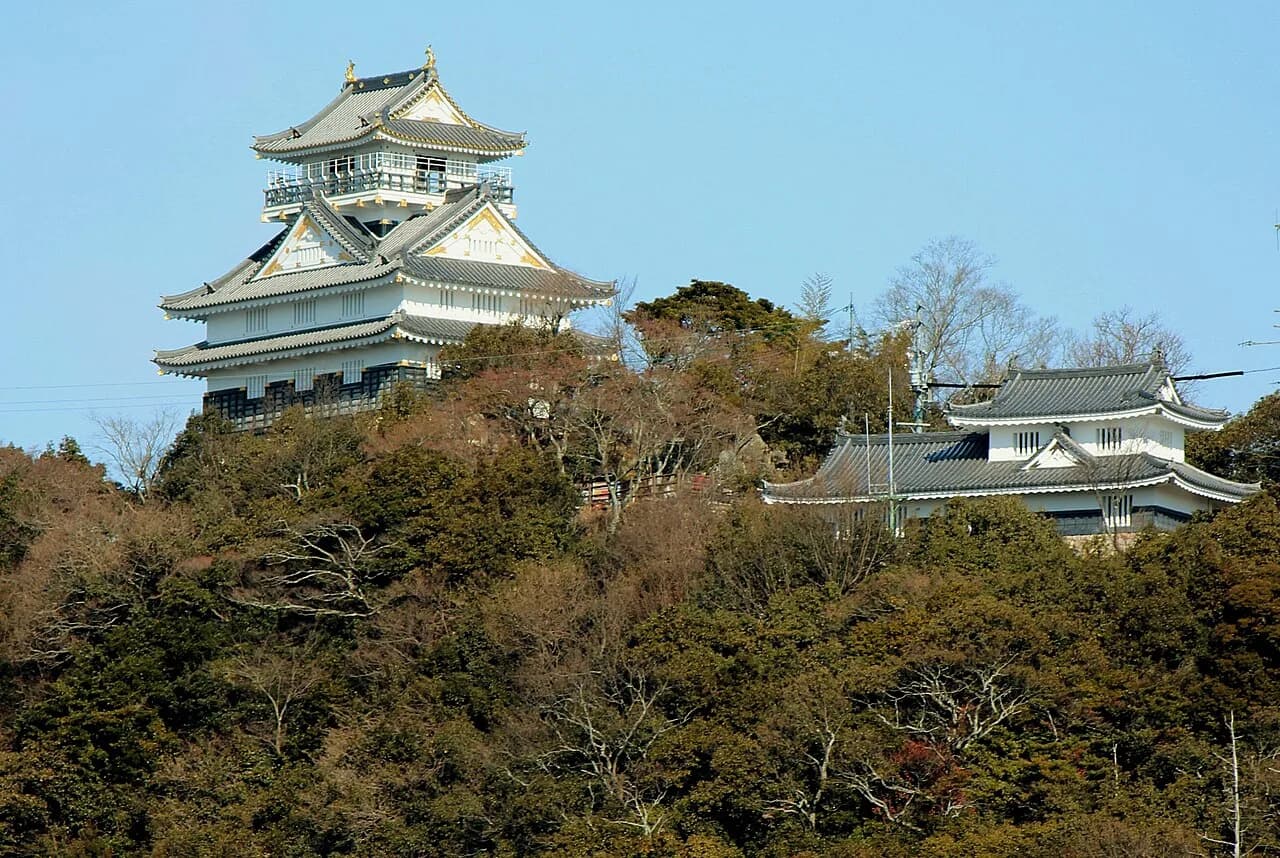
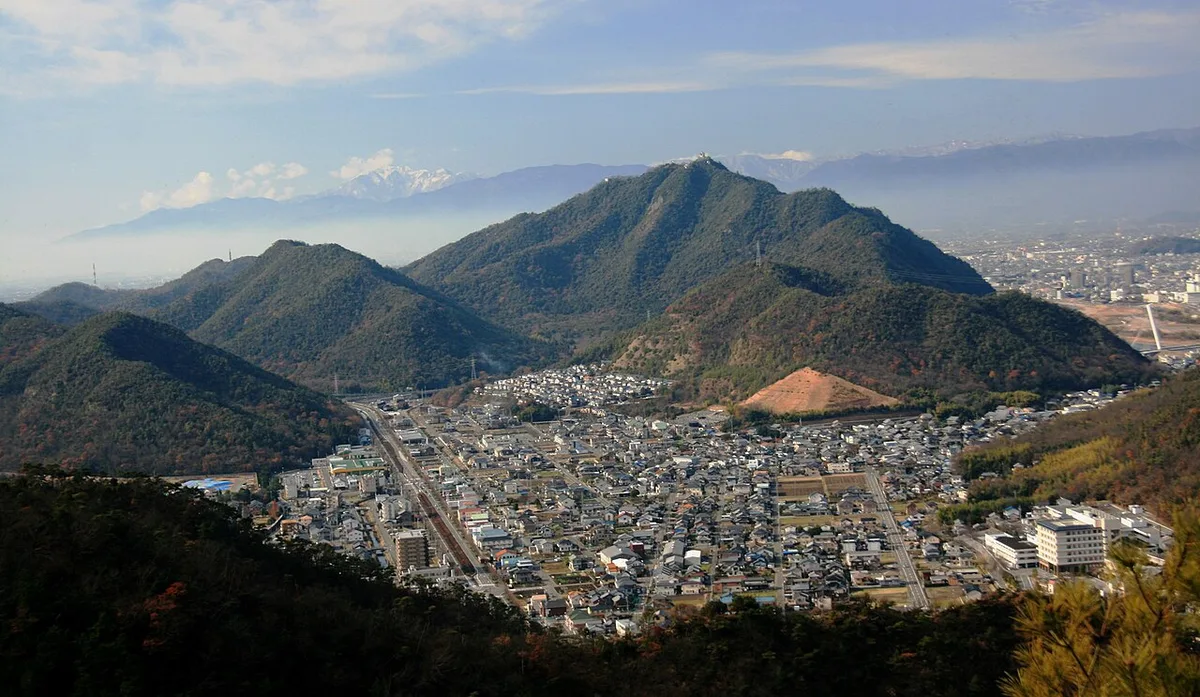
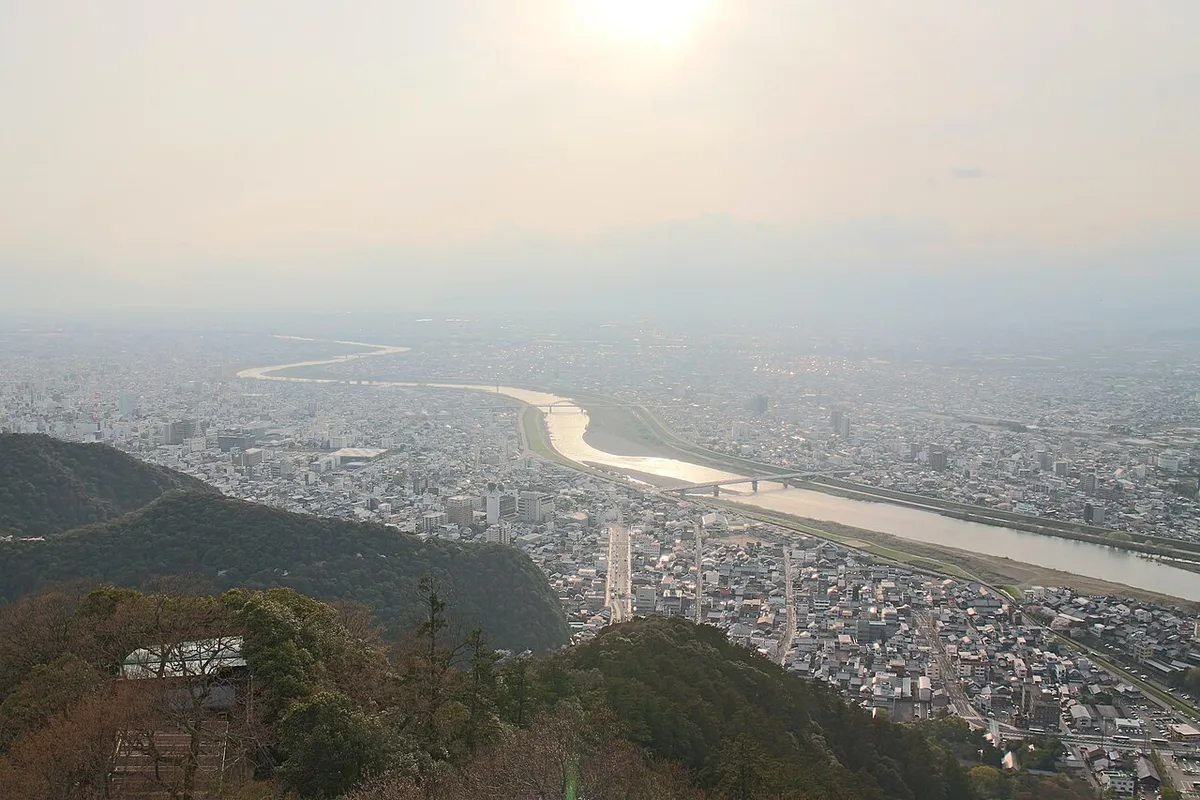
Gifu Castle and the Mount Kinka Ropeway form one of the most rewarding half-day excursions in the Nagoya region. A four-minute gondola ride lifts you 329 metres above the city, revealing sweeping views of Gifu and the winding Nagara River below. At the summit, a short uphill walk leads to Gifujo — the castle where warlord Oda Nobunaga headquartered during his rise to power.
Whether you visit on a day trip from Nagoya or stay overnight, this guide covers fares, hours, hiking options, and practical logistics. We have gathered the most current prices and details so you can focus on enjoying the summit rather than figuring out logistics.
Last updated June 2026.
Gifu Castle’s keep is closed for seismic reinforcement from 19 May 2026 until late October 2027, with reopening expected around April 2028. The Mt Kinka Ropeway, the mountaintop squirrel village and the Nagara River panoramas all stay open, so the climb is still worth it — you just can’t go inside the castle tower itself while the works are under way.
Mount Kinka Ropeway History
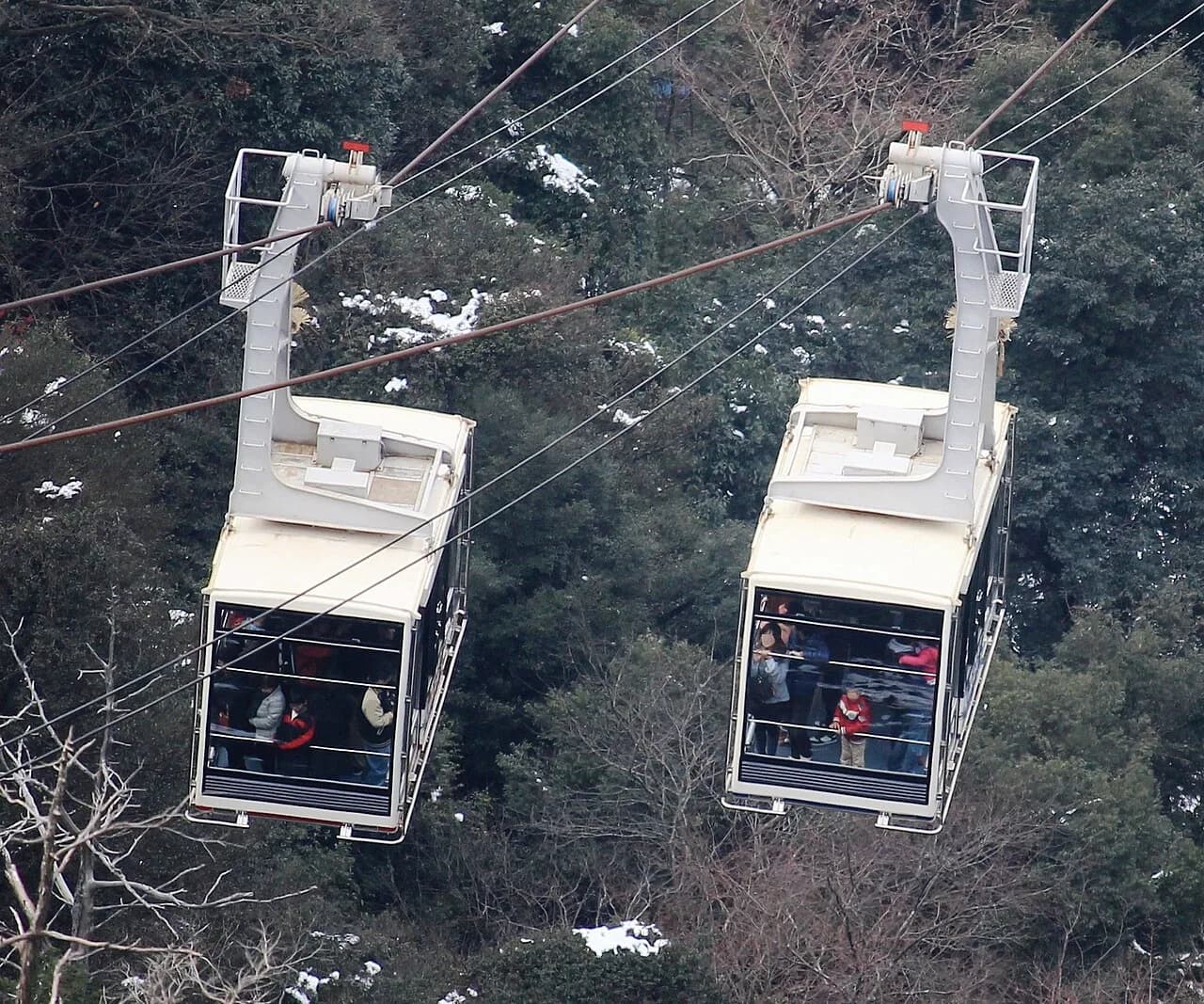
The Mount Kinka Ropeway, known in Japanese as 金華山ロープウェー (Kinkazan Ropeway), first opened in 1955. It is operated by Gifu Kanko Sakudo and has carried visitors up Mt Kinka for over seven decades. The line stretches 599 metres from the base station near Gifu Park to the summit station at roughly 320 metres elevation.
Each gondola carries up to 46 passengers and travels at 3.6 metres per second, making the one-way ride approximately three to four minutes. Despite being one of Japan's older ropeways, the infrastructure is well maintained and operates smoothly year-round. The system departs every 15 minutes on weekdays and every 10 minutes on weekends and public holidays.
The base station sits at the edge of Gifu Park, making the ropeway easy to reach from the city centre by bus. A souvenir shop, coin lockers, and vending machines at the base reflect decades of visitor infrastructure built around the ropeway. Gifu Park itself is free and open 24 hours, offering a pleasant starting point before you board the gondola.
Kinkazan Ropeway Fares and Tickets
Ticket prices as of 2026 are ¥1,300 for an adult round trip and ¥800 for a one-way fare. Children aged 4 to 11 pay ¥650 round trip or ¥400 one way. Children aged 3 and under ride free of charge.
Groups of 30 or more qualify for a discounted rate of ¥1,170 per adult round trip. Junior high and high school students in groups pay ¥1,000 round trip, while children in groups pay ¥500. A 50% discount applies to visitors with disabilities across all fare categories.
Card payments are accepted at the ropeway ticket counter, but cash is required at summit attractions including the Squirrel Village. Coin lockers at the base station cost ¥500 for a large unit and ¥300 for a small one. Tickets are valid for one trip on the day of purchase and will not be reissued if lost.
- Adult round trip
- Costs ¥1,300 per person for the full return journey up and down the mountain.
- Adult one-way
- Costs ¥800 per person for travel in a single direction only.
- Child round trip (ages 4–11)
- Costs ¥650 per child for the full return journey on the ropeway.
- Child one-way (ages 4–11)
- Costs ¥400 per child for travel in a single direction.
- Children 3 and under
- Children aged 3 and under ride free when accompanied by a paying adult.
- Group discount (30 or more people)
- Adults pay ¥1,170 round trip and junior-high students pay ¥1,000 round trip.
Getting to Gifu Park and Mount Kinka
From Nagoya Station, the JR Tokaido Line reaches Gifu Station in about 25 minutes for ¥480. The Meitetsu Limited Express is another option at ¥630, with a similar total travel time. For a full breakdown of all transit options, our Gifu transport guide covers bus and train combinations step by step.
From JR Gifu Station, buses numbered N41, N43, N73, N80, and N37 run to Gifu Park in about 20 minutes. Alternatively, bus N12 runs to the Nagarabashi stop, from which the ropeway terminal is a three-to-five-minute walk. The bus fare from Gifu Station is ¥220 in either case.
Drivers can park at the Gifu Park Tsutsumigai Parking Lot, which is free for the first hour and ¥310 after that. No road leads up the mountain itself, so the ropeway or the hiking trail are the only ways to the summit. The car park fills quickly on weekend afternoons, so arriving before 10:00 AM is strongly advisable.
The Ropeway Ride and Summit Views
The gondola departs every 15 minutes on weekdays, with the first upbound car at 9:00 AM and the last at 4:30 PM. On weekends and public holidays, the last upbound car runs as late as 8:00 PM for city night views. The last downbound car on weekdays leaves at 5:00 PM and at 8:30 PM on weekends and holidays.
The four-minute ride delivers a steadily expanding view of Gifu City as the gondola clears the treeline. Standing on the city-facing side of the cabin gives the best angle for photos of the Nagara River curving below. Vending machines near the base let you stock up on drinks before boarding, since eating and drinking are not allowed inside the gondola.
Once you exit at the summit station, two short flights of steep stairs lead up to the Kinkazan Observatory. The stairs total about 30 steps across two flights, but the gradient is sharp enough to slow most people down. At the top, the panorama takes in Gifu City, the Nagara River plain, and on clear days the broad Nobi Plain stretching toward Nagoya.
Weekday mornings before noon offer the quietest conditions on the observation deck. Weekend evenings draw visitors who want the city night view, which rewards staying until close to the last car. For seasonal timing across the full year, our best time to visit Gifu guide covers cherry blossom and autumn foliage windows.
- Weekday hours
- First car at 9:00 AM, last upbound at 4:30 PM, last downbound at 5:00 PM.
- Weekend and public holiday hours
- First car at 9:00 AM, last upbound at 8:00 PM, last downbound at 8:30 PM.
- Annual closures
- One or two maintenance days per year occur; check the official site before visiting.
Gifu Castle and Summit Attractions
From the summit station, Gifu Castle sits a further 250 steps up the mountain, a climb of about seven to ten minutes. The path is a steep mountain trail with no elevators or ramps, so it is not accessible by wheelchair beyond the observatory. The current keep is a 1956 concrete reconstruction housing a museum dedicated to the warlord who made this peak his stronghold.
Oda Nobunaga based himself at Gifujo in the 1560s, stamping his correspondence with the Tenka Fubu seal to declare his ambition to unite Japan. He also renamed the surrounding area 'Gifu', drawing on Chinese characters associated with great dynasties of the past. Castle entry costs a small additional fee on top of the ropeway ticket; weekday hours run 9:30 AM to 4:30 PM and weekends extend to 8:00 PM.
The Gifu Kinkazan Squirrel Village sits near the summit station and opens daily from 9:30 AM to 4:30 PM, with last entry at 4:15 PM. Children must be at least 4 years old to feed the squirrels directly, though younger children can watch. Strollers and pets are not allowed inside the enclosure, so plan accordingly if you are travelling with young children.
The summit restaurant Le Pont de Ciel serves meals with panoramic city views on weekdays from 10:30 AM to 3:30 PM. On weekends and holidays, a dinner service adds an evening session from 5:00 PM to 7:00 PM. Reservations are not required, and the restaurant menu is available online so you can plan your visit in advance.
Below the mountain, Gifu Park connects directly to Nagara River Cormorant Fishing Ukai docks a short walk downstream. Ukai season runs from late May through mid-October and pairs naturally with a morning at the castle. Combining both experiences covers Gifu's most distinctive historical and natural highlights within a single full day.
Can You Walk Up Mount Kinka Instead?
The Nanamagari Mountain Trail lets you hike from the ropeway base to Gifu Castle in roughly one hour. The trail is largely bedrock and steeper than it looks on a map, so proper footwear is genuinely important. The Gifu City official Mount Kinka Climbing Guide covers the full Nanamagari route with trail notes and access details.
Hikers approach the castle from a different angle and often pass quieter stretches of trail with few other visitors. The path is not suitable for strollers or visitors with limited mobility, making the ropeway the right choice for those groups. Fit hikers who prefer an active approach will find the ascent rewarding and the bedrock surface manageable with good shoes.
A practical strategy is to hike up and ride the ropeway down, saving tired legs for the descent. Starting the hike early in the morning keeps the climb cool and ensures you reach the castle before peak crowds. Plan for at least 2.5 hours total if you want to cover the castle, observatory, and Squirrel Village comfortably.
Half-Day Plan From Nagoya
For a simple Nagoya day trip, we would leave Nagoya Station around 8:15 AM and take the JR Tokaido Line to Gifu, which takes about 25 minutes and costs ¥480. Add the ¥220 bus from JR Gifu Station to Gifu Park, then aim for the 9:30 AM ropeway window after buying the ¥1,300 adult round-trip ticket. This puts you at the summit early enough to cover the Kinkazan Observatory, the 250-step climb to Gifu Castle, and Squirrel Village before lunch.
Allow about 30 minutes for the observatory and photos, 45 to 60 minutes for the castle area, and 20 to 30 minutes for Squirrel Village if travelling with children. If you want lunch with the view, plan around Le Pont de Ciel's weekday meal service from 10:30 AM to 3:30 PM. Without lunch, most visitors can be back near Gifu Station by early afternoon, leaving time for the Gifu Great Buddha or Kawaramachi old town.
Frequently Asked Questions
What are the Mount Kinka Ropeway operating hours and last entry times?
The ropeway runs daily from 9:00 AM, with the last upbound car at 4:30 PM on weekdays and 8:00 PM on weekends and public holidays. The last downbound car on weekdays departs at 5:00 PM and at 8:30 PM on weekends. One or two annual non-operating days are scheduled for maintenance, so check the official site before visiting.
Can I bring my pet on the Mount Kinka Ropeway?
Dogs up to medium size can ride the ropeway inside a cage. The ropeway offers free cage loans at the base station, but supply is limited and bringing your own is recommended. Pets are not permitted inside the Squirrel Village, and cages cannot be carried up the steep stairs leading to Kinkazan Observatory.
How much time do I need at Gifu Castle and Mount Kinka?
Plan for at least two to three hours to cover the ropeway ride, the Kinkazan Observatory climb, and the 250-step walk to Gifu Castle. Adding the Squirrel Village and the summit restaurant extends the visit to a comfortable half day. Arriving by 10:00 AM on weekdays gives you the most flexibility before the afternoon closure.
Is it better to hike or take the ropeway up Mount Kinka?
Most visitors take the ropeway for its panoramic four-minute ascent and ease of access. Fit hikers can climb the Nanamagari trail in around one hour for a more adventurous experience. A practical middle ground is to hike up and ride the ropeway down. Explore more Gifu attractions to plan a full day around the mountain.
Is Gifu Castle accessible by wheelchair?
The ropeway gondola can accommodate wheelchairs, and staff will assist passengers boarding and alighting. However, the 250-step mountain path from the summit station to Gifu Castle has no elevators or ramps and is not wheelchair accessible. Kinkazan Observatory is reached via steep stairs, and staff can assist wheelchair users upon advance contact.
Gifu Castle and the Mount Kinka Ropeway offer exceptional value for the modest ticket cost. The gondola, the Kinkazan Observatory panorama, the Nobunaga castle museum, and the Squirrel Village all sit within easy walking distance at the summit. Even a weekday start at 9:00 AM leaves comfortable time to cover every main attraction before the last downbound car.
Below the mountain, the Gifu Great Buddha at Shohoji Temple is a short walk from Gifu Park and worth adding to your plan. Combining the two makes for a rewarding full morning without needing to travel far across the city.
First-time visitors from Nagoya will find all logistics mapped out in our Gifu day-trip guide from Nagoya. Staying overnight opens up the Nagara riverside and Kawaramachi old town for a more unhurried Gifu experience.
Free: The Nagoya Essentials guide
Top things to do, where to stay, a perfect day plan, getting around, and the best time to go — a Nagoya mini-guide you can take offline.
You might also like


Continue reading
More guides you'll find useful