Igawa Canal Gujo Hachiman Water Town Travel Guide
Plan igawa canal gujo hachiman water town with top picks, neighborhood context, timing tips, and practical booking advice for a smoother trip.
On this page
Gujo Hachiman sits at the confluence of the Yoshida and Nagara Rivers in Gifu Prefecture, Japan. Clear spring water flows through a network of canals and lanes that thread the old town districts. The most photographed of these waterways is Igawa-komichi, a narrow 119-metre lane beside a spring-fed channel.
Large koi, amago cherry trout, and ayu sweetfish swim visibly through the clear water alongside the path. Residents historically used these channels on a tiered system for drinking water, vegetable washing, and laundry. Entry to the lane is free, and it connects naturally to several other water spots within easy walking distance.
Walking Igawa Canal: What to Expect
Find Igawa Lane at 512 Hachimancho Shimadani, Gujo, Gifu, a short walk south of Shinbashi bridge. The path runs 119 metres along a stone-walled channel backed by residential buildings draped in greenery. Old town facades in a preserved Edo-period style line the western side, creating the canal's distinctive enclosed atmosphere.
The koi here grow exceptionally large, fed daily by locals and visitors throughout the year. A small wooden honour box near the entrance dispenses fish food for 100 yen per bag. Drop in a coin, take a bag, and the fish will follow you along the path within moments.
Plan around 20 to 30 minutes for a relaxed walk, including time to feed the fish and photograph the water. Early morning or late afternoon light gives the best colour on the channel and the stone walls. Midday sun can flatten the reflections, so timing the visit to catch softer light pays off.
- Igawa Lane at a glance
- The lane entrance sits near 512 Hachimancho Shimadani, a two-minute walk from Shinbashi bridge.
- Entry is free and the path stays open to visitors at all hours of the day.
- Fish food costs 100 yen from the wooden honour box positioned at the lane entrance.
- Allow 20 to 30 minutes for the full walk, including time for fish-feeding and photos.
Other Water Spots to Pair With a Visit
Igawa Lane is the starting point for the water town experience rather than the full picture. The Yanaka Komichi area — sometimes called the three water lanes — sits nearby and offers a quieter walk. Its pebbled pathways follow smaller channels and attract fewer visitors than Igawa Lane, even on busy weekends.
Sogi-sui spring is the symbolic centre of Gujo Hachiman's water identity, a natural spring flowing year-round from the ground. Named after 15th-century poet Iio Sogi, it is listed among Japan's 100 Remarkable Waters. A vermillion bridge and weeping willow frame the spring, giving it the feel of a miniature Kyoto scene.
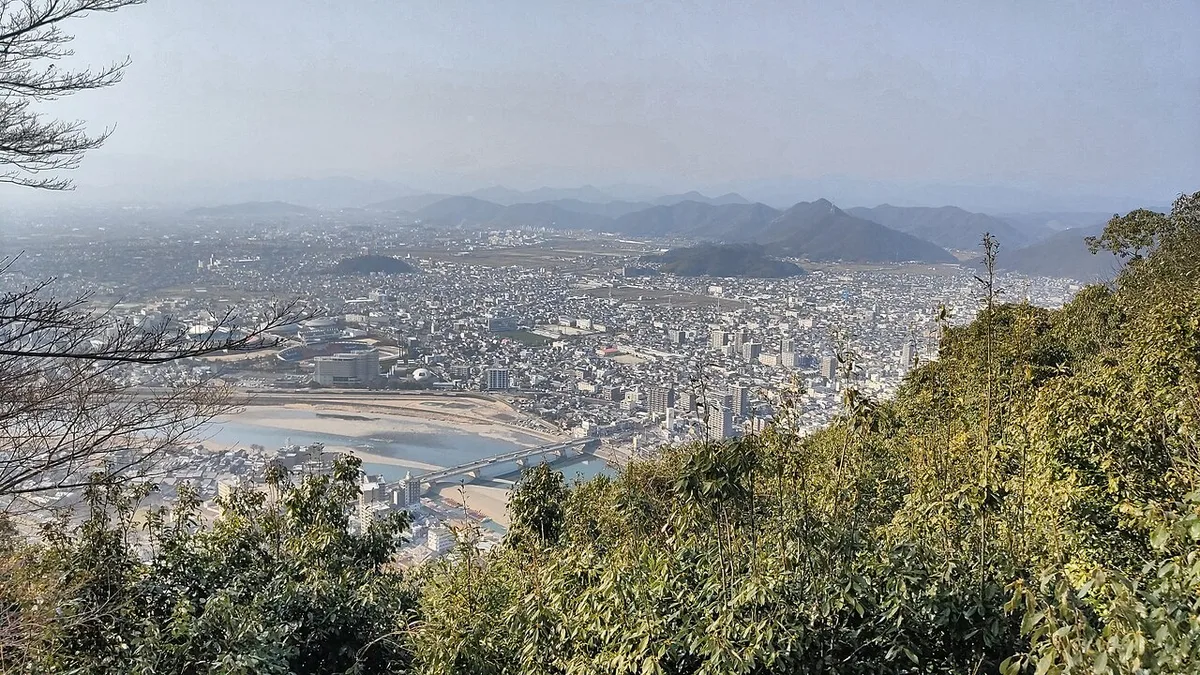
Stone water cisterns known as mizubune and communal wells appear throughout the old town lanes. They mark the original points where residents drew from the tiered canal network built after a destructive Edo-period town fire. Miyagase Bridge arcs over the Yoshida River nearby and gives a broad view of the whole water town layout.
Water Etiquette and Local Customs
Feudal lord Endo Tsunetomo redesigned Gujo Hachiman's waterways after fire destroyed much of the town in the Edo period. He divided the canal network into tiers: upper zones for drinking and cooking, lower zones for washing and laundry. Posted etiquette boards along the canals still reflect this hierarchy, and some locals continue to use the channels in this way today.
When feeding the koi along Igawa Lane, use only the 100-yen fish food from the honour box. Outside food can disrupt the fish's diet and affect the water quality in the channel. Do not enter the water or throw objects into the canal, as these channels remain part of the town's active water system.
Visiting early in the morning sometimes coincides with residents using the canals for light household tasks. Observing quietly without crowding the space is the most respectful approach to these moments.
When feeding the koi along Igawa Lane, use only the fish food sold at the lane entrance for 100 yen. Outside food can disrupt the fish's diet and affect the water quality in these active channels.
Where to Eat Near Igawa Canal
Goheimochi — a grilled rice cake in sweet miso sauce served on a stick — is the dish most closely tied to Gujo Hachiman. Higashi no Kumaya, a fifth-generation takeaway on Honmachi Street, is the most popular spot to try it, open 10:00 to 17:00. The shop is a five-minute walk from Igawa Lane and suits a pre- or post-canal stop.
Ayu, the sweetfish native to the Nagara River, is the regional delicacy of Gujo Hachiman and appears on most local menus. Shinbashi-tei serves ayu set meals alongside Hida beef grilled on a magnolia leaf, with lunch running 11:00 to 14:00. Tables fill quickly during summer weekends, so arriving at opening time avoids most of the wait.
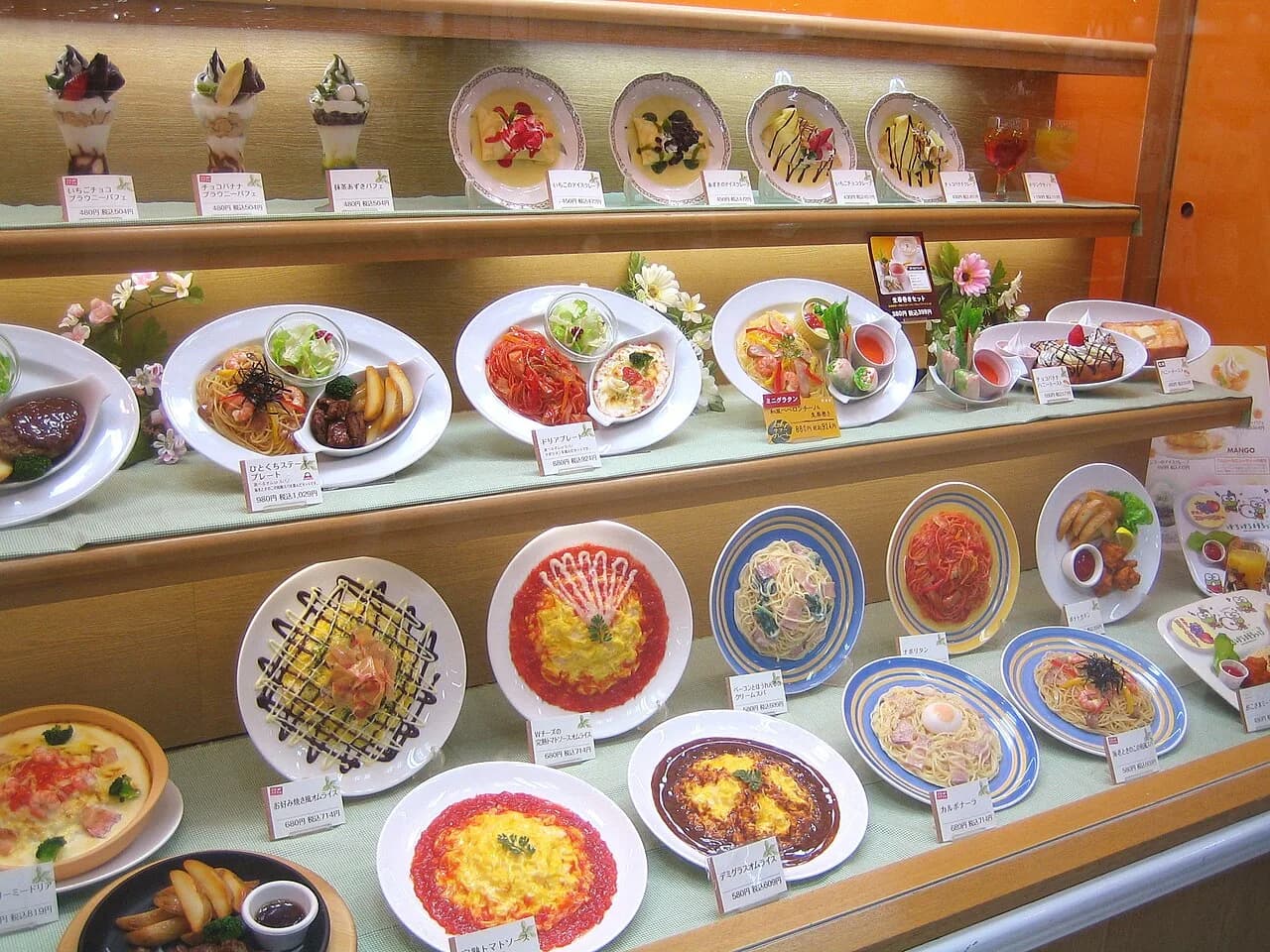
For a sweet break, Sogi-an near the spring serves matcha lattes and summer shaved ice, open 11:00 to 17:00, closed Wednesdays. The food sample workshops at Sample Kobo offer a quirkier activity a short walk from Yanaka Lane. Gujo Hachiman supplies around half of Japan's restaurant food replicas, and workshops let visitors make their own for 1,500 to 3,000 yen.
- Higashi no Kumaya — Goheimochi
- Specialises in fifth-generation goheimochi, a grilled rice cake coated in sweet miso sauce.
- Open 10:00 to 17:00 daily on Honmachi Street, a five-minute walk from Igawa Lane.
- Expect a short queue during the festival months of July through to September.
- Order at the counter and eat while walking; no advance booking is required.
- Shinbashi-tei — Ayu and Hida Beef
- Serves ayu set meals and Hida beef on magnolia leaf; lunch 11:00 to 14:00, dinner 17:00 to 19:00.
- Located near Shinbashi bridge, a three-minute walk from the Igawa Lane entrance.
- Tables fill quickly in summer, so arriving at the start of a sitting is advisable.
- Walk-in only at both sittings; no reservations are typically accepted here.
- Sogi-an — Matcha and Shaved Ice
- Open 11:00 to 17:00 daily except Wednesdays, located near the Sogi-sui spring.
- Matcha lattes and summer shaved ice are the most requested items on the menu.
- The traditional interior provides a calm break after a morning on the canal circuit.
- Prices are moderate and the setting suits a slow afternoon in the old town.
How to Get to Gujo Hachiman
From Nagoya, the fastest option is driving north on the E41 highway, which takes around 80 minutes. Our guide to How to Get to Gujo Hachiman: 2026 Guide covers the full range of public transport options from Nagoya and beyond. The combined train-and-bus fare from Meitetsu Nagoya Station runs approximately 2,600 yen and takes around 2 hours 10 minutes.
Highway tolls for the drive add roughly 4,000 yen, and dedicated parking lots sit near the old town entrance. A more scenic alternative is the Nagaragawa Railway from Nagoya's Mino-Ota Station, which follows the Nagara River through mountain terrain. This route costs around 1,800 yen one way and features a dining car, making the journey part of the day's experience.
From Tokyo or Kyoto, the trip exceeds three hours each way, making same-day returns impractical without a very early start. Most visitors using either city as a base plan a full Gujo Hachiman day itinerary from Nagoya instead, staying there overnight.
Best Time to Visit Gujo Hachiman
Spring from late March to May and autumn from October to November offer the most comfortable walking weather. Crowds in both shoulder seasons are manageable, and softer light suits photography of the old town and canal district. The full seasonal breakdown for Gujo Hachiman is worth reading before booking, especially if the Gujo Odori festival is a priority.
Summer from mid-July to early September brings the Gujo Odori, one of Japan's three major Bon Dance festivals. During the Obon peak in mid-August, the town draws over 250,000 visitors and accommodation books out weeks in advance. The canal district feels atmospheric at night during festival season, with yukata-clad crowds and live traditional music in the streets.
Winter visits are quieter, with some smaller shops reducing hours between January and March. The Kanzarashi festival in late January and early February draws craftspeople who dye koinobori fabrics in the icy Nagara River overnight. If visiting outside summer, the Gujo Hachiman Hakurankan Museum offers Gujo Odori dance demonstrations on most weekends.
Frequently Asked Questions
Is Igawa Canal free to visit?
Igawa Lane is free to enter and open at all hours. The only cost is optional fish food, sold for 100 yen per bag from a wooden honour box at the lane entrance. Most visitors spend 20 to 30 minutes here; the 119-metre path is short but easy to linger over when the koi are active.
What else is worth visiting near Igawa Canal?
Sogi-sui spring and Yanaka Komichi both sit within a ten-minute walk of Igawa Lane and complete the water town circuit. After the canal district, many visitors head uphill to Gujo Hachiman Castle Travel Guide, a short drive or a steep 40-minute walk from the old town. The combination covers the best of Gujo Hachiman in a comfortable half-day.
When is the best time to visit Igawa Lane?
Early morning gives the clearest water reflections and the quietest canal before tourist foot traffic builds up. Late afternoon also works well, especially in spring and autumn when low-angle light catches the stone walls along the channel. Summer visits during the Gujo Odori festival period add atmosphere but also bring bigger crowds to the lane.
Can you visit Igawa Canal without a car?
Yes — from Nagoya, the train-and-bus combination takes about 2 hours 10 minutes and costs around 2,600 yen. Once in town, Igawa Lane and all the main water spots are reachable on foot in the compact old town district. Street parking is not permitted in Gujo Hachiman, so arriving by public transport has practical advantages too.
Igawa Lane is a ten-minute walk, but it captures the character of Gujo Hachiman better than almost anywhere else in the old town. Clear spring water, large koi, and preserved canal architecture give it a quality that most mountain villages in the region cannot match. Pair it with Sogi-sui spring and Yanaka Komichi for a half-day that covers the town's water town identity completely.
Entry is free, the lane suits any fitness level, and the 100-yen fish-feeding adds a memorable hands-on layer to the visit. The full range of Gujo Hachiman attractions extends the old town well beyond the canal, but Igawa Lane is the right place to start. Plan a morning at the canals, an afternoon at the castle, and you will have seen the best Gujo Hachiman has to offer.
Free guide: Japan's Hidden Gems
12 under-the-radar places beyond Tokyo & Kyoto — with the best season to visit each and a local tip you won't find in the guidebooks.
You might also like


Continue reading
More guides you'll find useful