
Gujo Hachiman Food Sample Making Travel Guide
Discover gujo hachiman food sample making: top workshop picks, what to expect, prices, booking tips, and how to fit sampuru into your Gifu itinerary.
On this page
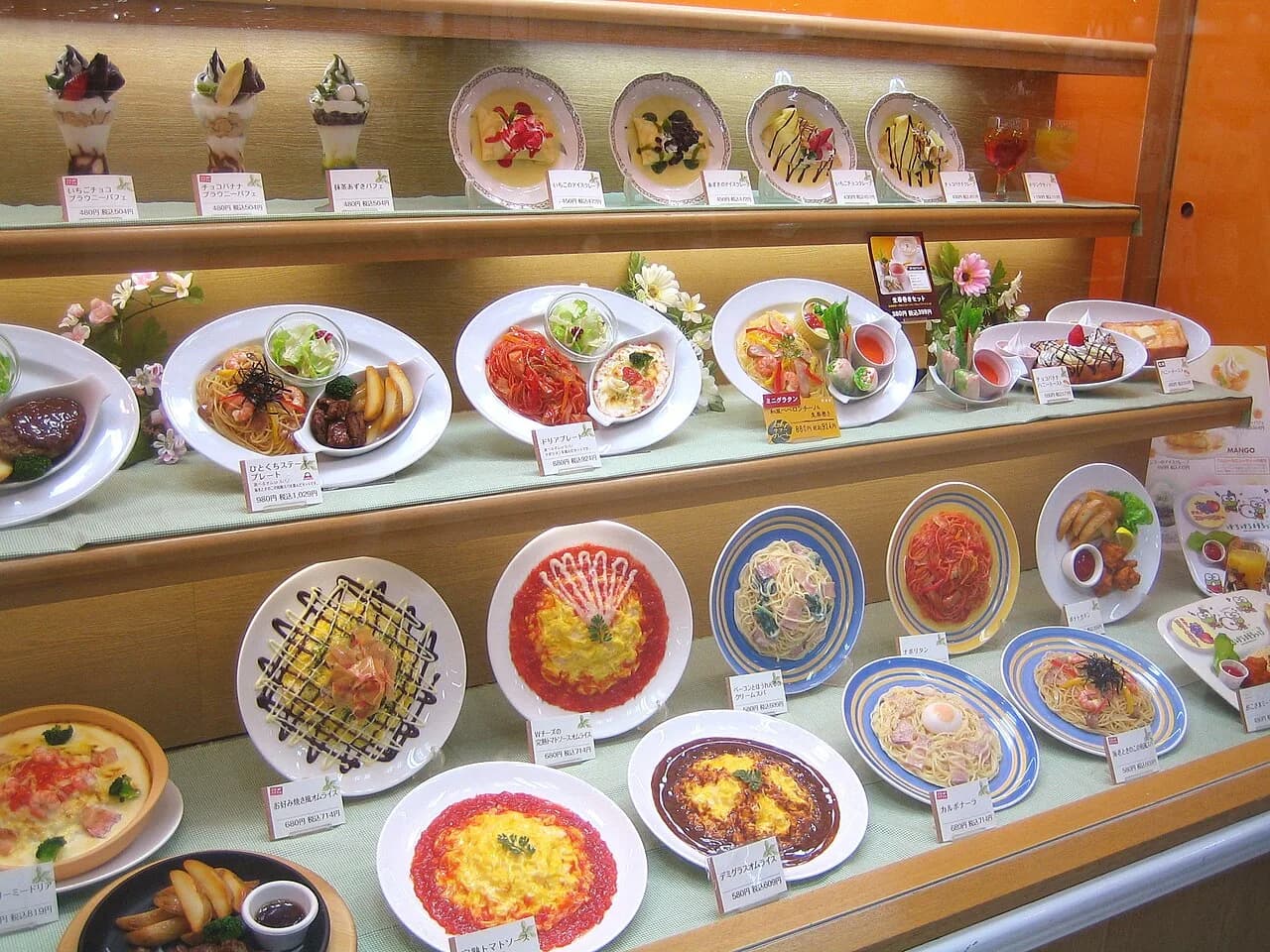
Gujo Hachiman, a small castle town in the mountains of Gifu Prefecture, is the birthplace of Japan's thriving food replica industry. The town is home to Iwasaki Mokei, one of Japan's leading manufacturers of shokuhin sampuru — the realistic food models displayed outside restaurants nationwide. Visiting here gives you a rare chance to make your own food sample by hand, crafting wax tempura or lettuce from coloured wax.
The town sits along the Yoshida River and rewards a full day, combining food sample workshops with a castle, canal walks, and traditional dance. Whether you have a few hours or a full day, Gujo Hachiman makes a rewarding side trip from Nagoya.
Last updated June 2026.
The Birthplace of Japan's Sampuru
Takizo Iwasaki, born and raised in Gujo Hachiman, is the founder of Japan's food replica industry. In 1932, working with wax in Osaka, he created the first successful food model — a replica omelet. He made the discovery after noticing how melted wax dropped into warm water could form petal-like shapes. That original creation, known as the Memorial Omelet, is still displayed at Sample Village Iwasaki today.
By the 1960s, his company had moved production back to his hometown, and Gujo Hachiman became the manufacturing capital of Japan's sampuru trade. Today a large share of all food replicas used by Japan's 1.4 million restaurants trace their origins to workshops in this town. The craft has evolved from hand-poured wax to precision silicone molds and hand-airbrushed PVC resin, but the core technique remains rooted here.
Visitors who appreciate this history will find it enriches the workshop experience considerably. Knowing that every wax tempura you make follows the same method Iwasaki pioneered over 90 years ago adds genuine depth to the activity.
Food Sample Workshops in Gujo Hachiman
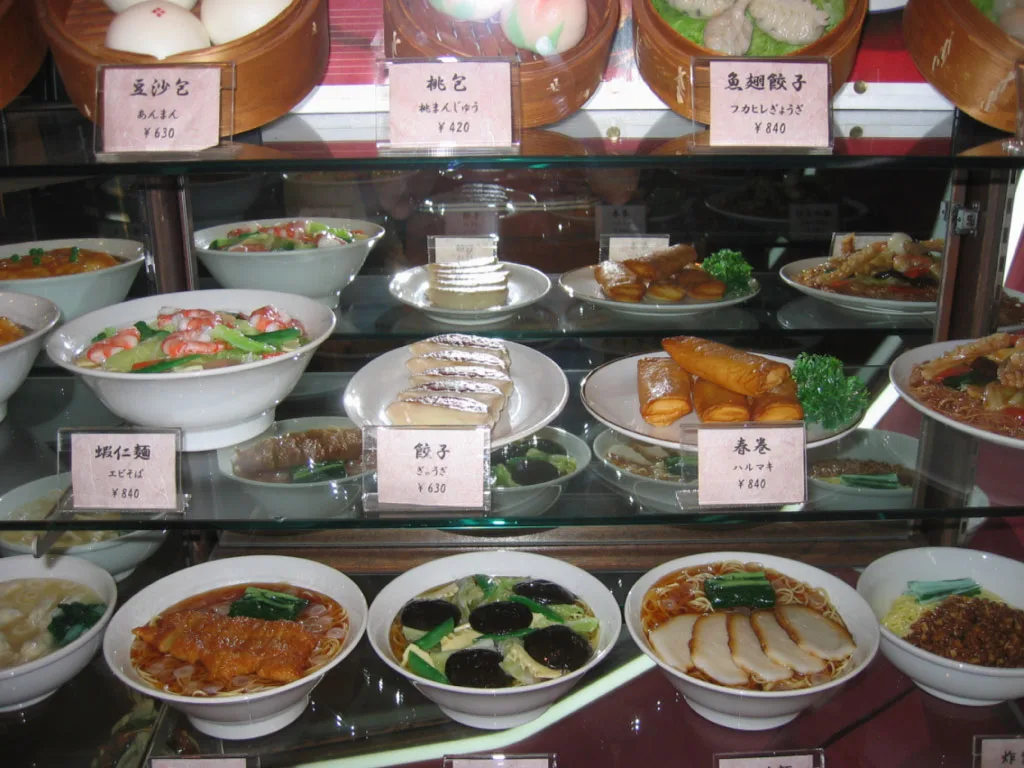
Two main venues offer hands-on food sample making experiences in Gujo Hachiman, and both are within easy walking distance of the town center. Choosing between them comes down to your group size, preferred items, and how much time you want to spend. We recommend checking availability before arriving, as popular slots — especially on weekends and during summer — can book out days in advance.
Visitgifu.com lists both venues and links to current booking pages, making it the most reliable starting point to confirm session times. The workshops sit naturally alongside Gujo Hachiman's top attractions, so you can combine both in a single morning.
- Sample Village Iwasaki
- This is the flagship workshop run by the Iwasaki family, founders of the food replica industry.
- Visitors can make wax lettuce or tempura in a guided session of 60 to 90 minutes.
- Reservation is required, and experience courses start from around ¥1,500 per person depending on the item.
- A showroom with giant replica displays and souvenir keychains is open alongside the workshop.
- Sample Kobo
- Sample Kobo is a smaller, more intimate workshop popular with families and smaller groups.
- Sessions focus on wax-dipping techniques for beginner-friendly items such as tempura and assorted side dishes.
- Walk-in availability is slightly more common here on quiet weekdays, though booking ahead is still advisable.
- Finished samples make excellent souvenirs and the shop sells pre-made sushi magnets and food-themed keychains.
What to Expect at a Sampuru Workshop
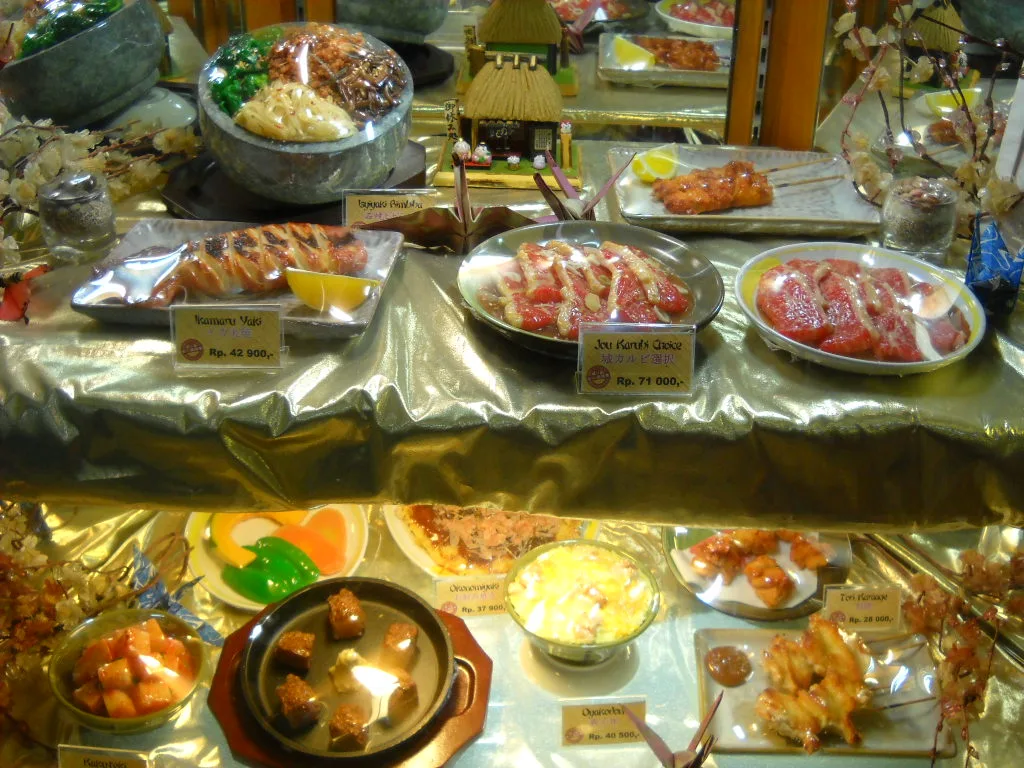
Most workshops begin with a short introduction to the history of sampuru before guides walk you through the basic technique. The classic exercise involves dipping a shape into warm, tinted wax to build up layers that mimic vegetable leaves or battered shrimp. No artistic skill is required — instructors guide each step, and the process is designed to produce satisfying results even for beginners.
The most popular beginner items are wax lettuce (sometimes called cabbage) and ebi tempura. Lettuce involves folding coloured wax into realistic leaf shapes, while tempura requires coating a shrimp form in a textured wax layer. More advanced sessions offer parfaits, ramen bowls, or sushi, which require extra time and usually cost more.
At the end of the session, your finished sample is yours to keep — guides typically wrap it carefully for travel. Many visitors also spend time in the shop buying sushi magnets and food keychains, which cost just a few hundred yen each.
No artistic skill is required — instructors guide each step, and beginners consistently produce satisfying results even on their first try.
Workshop Prices and Booking Tips
Workshop prices at both main venues typically range from ¥1,000 to ¥2,500 per person, depending on the item and session length. Simpler items like wax lettuce or basic tempura sit at the lower end, while multi-item plastic-casting courses cost more. Confirm the current price for your chosen item when booking, as rates can change seasonally.
Reservations are strongly recommended at both workshops, particularly on weekends, during Golden Week, and throughout August. Some quiet weekday sessions accept walk-ins, but arriving without a booking risks a full house. This is especially true at Sample Village Iwasaki, where group visits can fill slots quickly.
Check current session schedules and book directly at Iwasakimokei.com for Sample Village Iwasaki. Availability changes seasonally, so confirming a few days before your visit is always a good idea.
A one-day Gujo Hachiman itinerary can help you sequence the workshop alongside the town's other highlights without feeling rushed. Allow at least 90 minutes for the session itself, plus extra time to browse the souvenir shop afterward.
More Things to Do in Gujo Hachiman
The food sample workshops alone justify the trip, but Gujo Hachiman rewards spending a full day. The hilltop Gujo Hachiman Castle Travel Guide is a short walk from the town center and rewards the climb with sweeping river valley views. The wooden structure was rebuilt in 1933 and is one of Japan's few timber reconstructed castles.
Below the castle, the Igawa Canal district is the town's most photogenic quarter. Clear mountain water runs along stone-lined channels through an old merchant streetscape. The nearby Sogi-Sui spring is listed among Japan's top 100 water sources and merits a quick stop on the way through.
In summer, Gujo Hachiman hosts the Gujo Odori dance festival, one of Japan's three great Bon dances. The festival runs for roughly 30 nights from mid-July to early September, with peak August nights stretching until dawn. Timing your visit during the festival transforms the town completely and is well worth planning around.
Getting to Gujo Hachiman from Nagoya
The easiest way to reach Gujo Hachiman is by highway bus from Nagoya, with journey times of 70 to 90 minutes. Buses run several times daily and are the most popular option for visitors without a car. Our full guide to getting to Gujo Hachiman covers bus schedules, fares, and the train-plus-bus route from Gujo Hachiman Station.
Driving is also practical, as Gujo Hachiman sits just off the Tokai-Hokuriku Expressway. Travel time from Nagoya by car is roughly one hour, and paid parking is available near the main sightseeing area. Aim to arrive by 10 AM to secure a morning workshop slot before afternoon sessions fill up.
Third Workshop Option If You Have a Car
If the town-center workshops are full, or if your route continues north through Gujo, we would also check Yama-no-naka no Sanpuru-ya in the Shirotori area. It is not as convenient for a simple Gujo Hachiman stroll, but it suits drivers because it sits about 8 minutes by car from Shirotori Interchange, inside the Seiryu-no-Sato Shirotori roadside-station complex.
The appeal is menu variety. Current tourist-office listings show experiences such as decoration sweets from about ¥700, takoyaki from about ¥2,500, omelet rice or steak and hamburger sets from about ¥2,800, and pizza from about ¥4,000, with reservations needed. Hours are listed as 9:00 AM to 5:00 PM, with experiences until 4:00 PM and Tuesday closure. Treat it as a backup or car-based add-on rather than the first choice for a compact castle-town day.
Frequently Asked Questions
How much does food sample making cost in Gujo Hachiman?
Workshop prices typically range from ¥1,000 to ¥2,500 per person. Simpler items like wax lettuce or basic tempura cost less, while multi-item plastic-casting sessions run higher. Prices vary by venue and session, so confirm the current rate when booking to avoid surprises on the day.
Do I need to reserve a food sample workshop in advance?
Yes, reservations are strongly recommended at both Sample Village Iwasaki and Sample Kobo. Popular slots fill quickly on weekends, during Golden Week, and throughout August when the Gujo Odori festival draws large crowds to the town. Check en.Tabitabigujo.com for current listings and booking links.
What do you make at a Gujo Hachiman food sample workshop?
Beginner courses focus on wax lettuce and ebi (shrimp) tempura, made by dipping molds into warm coloured wax. More advanced sessions offer ramen bowls, parfaits, or sushi replicas. All finished samples are yours to keep, and on-site shops sell pre-made food replica keychains and magnets as gifts.
Is Gujo Hachiman worth visiting for a day trip from Nagoya?
Absolutely. The town is around 70 to 90 minutes from Nagoya by highway bus and packs a food sample workshop, a hilltop castle, canal walks, and a clear-water spring into a single day. Check Where To Stay In Gujo Hachiman Travel Guide if you want to extend your visit overnight.
Gujo Hachiman is one of those rare destinations where the main attraction is genuinely unique and not replicated at scale anywhere else in Japan. Takizo Iwasaki's pioneering wax experiments in the 1930s gave birth to an entire industry, and visiting the workshops here connects you directly to that origin. Budget at least two hours for the workshop itself and combine it with the castle and canal district for a full day.
Reserve your session well in advance, especially during summer, and check the latest prices on official booking pages before you go. Gujo Hachiman is compact enough to explore on foot, making the workshop an easy addition to a broader day trip from Nagoya.
Free guide: Japan's Hidden Gems
12 under-the-radar places beyond Tokyo & Kyoto — with the best season to visit each and a local tip you won't find in the guidebooks.
You might also like


Continue reading
More guides you'll find useful


