10 Essential Tips for Your Nagasaki Food Guide: What to Eat and Where
Discover the best Nagasaki food guide. Learn what to eat, from Champon to Sara Udon, with 10 expert tips on restaurants, local secrets, and a one-day eating route.
On this page
Nagasaki offers a food scene unlike anywhere else in Japan. Centuries of trade with China, Portugal, and the Netherlands left a culinary imprint that you taste in every bowl and every bite of sponge cake.
Most visitors arrive knowing about Champon and Sara Udon. Fewer realize there is a full menu of port-city hybrids waiting alongside those noodles — from a plate of Turkish rice that is not remotely Turkish to braised pork belly tucked inside a steamed bun. This guide covers all of them in 2026, with prices, neighborhoods, and honest advice on what to eat first.
For the broader trip, pair this with our Nagasaki attractions guide to plan your sightseeing around your meals rather than the other way around.
Why Nagasaki Food Tastes Different
During Japan's long period of national isolation, Nagasaki was the country's only sanctioned window to the outside world. Dutch traders operated from the artificial island of Dejima. Chinese merchants built Shinchi Chinatown. Portuguese missionaries and sailors arrived a century earlier, bringing sugar, castella cake, and frying techniques that traveled inland along the old Sugar Road. That compressed history shows up on every plate.
The practical result is a cuisine built on layering rather than purity. Champon is Chinese in origin but distinctly Kyushu in execution. Castella is Portuguese-derived but now more Nagasaki than anything you would find in Lisbon. Turkish rice is neither Turkish nor a coherent culinary concept, yet it has been beloved here for decades. Nagasaki food rewards curiosity, not caution.
The prefecture also lands more than 250 fish varieties from its bays and islands. That quiet seafood depth sits behind the more photogenic noodle dishes, and it is worth a meal of its own.
Nagasaki Food at a Glance
Use this table to budget and decide which dishes deserve lunch versus dinner. Most local specialties are affordable, and the priciest options — shippoku ryori, serious sushi — are optional splurges rather than must-haves for a first visit.
- Nagasaki Champon — thick noodles in pork-chicken-seafood broth; best at lunch; around ¥900–¥1,500
- Sara Udon — crispy or thick noodles with seafood-vegetable ankake sauce; ideal shared at lunch; around ¥900–¥1,600
- Turkish Rice (Toruko Raisu) — pilaf, spaghetti Napolitan, tonkatsu on one plate; strictly lunch; around ¥1,000–¥1,800
- Castella cake — eggy sponge with a sugar-crystal base; snack or gift; ¥300 for a single slice, ¥1,200–¥3,000 for a gift box
- Kakuni Manju — braised pork belly in a soft steamed bun; portable snack while sightseeing; ¥450–¥700
- Seafood and sashimi — local aji, saba, fugu, and seasonal oysters; best at dinner; ¥1,500–¥3,000 for a casual set
- Shippoku Ryori — banquet-style fusion course; evening splurge; ¥6,000–¥15,000 per person
A comfortable daily food budget for 2026 is ¥5,500–¥9,000 per person, mixing casual noodles, snacks, one seafood meal, and cafe stops. Add more if you plan shippoku ryori or a serious sushi dinner.
| Dish | What it is | Where to try |
|---|---|---|
| Nagasaki Champon | Thick noodles in pork-chicken-seafood broth with shrimp, squid, clams, pork, cabbage, bean sprouts | Shikairou (¥1,200–¥2,500, historic) or Chinatown shops (¥900–¥1,400) |
| Sara Udon | Crispy or thick noodles with thick savory ankake sauce and seafood-vegetable toppings | Kyousuien (¥900–¥1,400) or most Chinatown restaurants |
| Turkish Rice (Toruko Raisu) | Rice pilaf, spaghetti Napolitan, and tonkatsu on one plate with demi-glace sauce | Tsuruchan retro cafe (¥1,100–¥1,700, lunch only) |
| Castella cake | Eggy sponge with darkened top and sugar crystals on the base | Fukusaya or Bunmeido (¥300 per slice, ¥1,200–¥3,000 gift box) |
Champon: Where to Start
Nagasaki Champon is the city's signature bowl: thick Chinese-style noodles simmered in a cloudy broth built from pork bones and chicken bones, loaded with shrimp, squid, clams, pork, cabbage, and bean sprouts. The noodles are cooked directly in the broth, which is why they absorb flavor differently from noodles added to pre-made stock. It is filling without being fussy, and it makes sense after a morning of climbing Nagasaki's hills.
The origin story points to Shikairou, a Chinese restaurant near Glover Garden founded in 1899 by Chen Ping-shun. He is credited with creating the dish as a nutritious, affordable meal for Chinese students in the Meiji era. Shikairou is touristy and slightly pricey at ¥1,200–¥2,500, but it is a fair benchmark bowl and worth visiting once for the context. After that, move to Chinatown for quicker and often more honest versions in the ¥900–¥1,400 range. If two people are eating, order one champon and one sara udon. That single decision teaches you more about Nagasaki food than reading any guide.
Champon is best at lunch. Eating a large hot soup bowl as your only dinner slot is not a mistake, but it limits what else you can try in the evening.
Shikairou, founded in 1899, is the birthplace of Nagasaki Champon. The restaurant near Glover Garden still serves the original recipe and is worth visiting once for the historical context, even at ¥1,200–¥2,500 per bowl. For more affordable versions (¥900–¥1,400), head to Chinatown.
Sara Udon: The Dish Travelers Underestimate
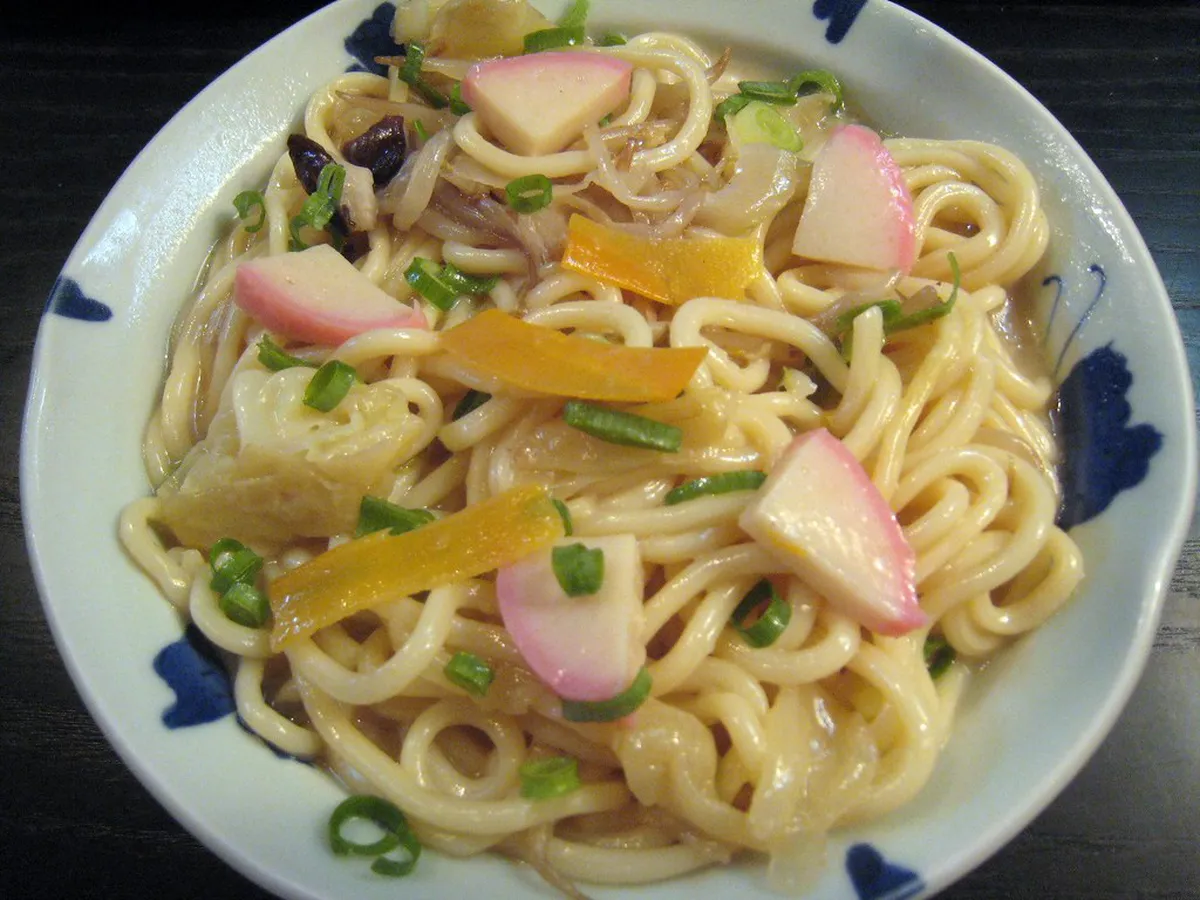
Sara Udon confuses first-timers because the name says udon but the standard version uses thin crispy fried noodles, not the thick soft noodles the name implies. The toppings overlap with champon — seafood, pork, cabbage, bean sprouts, carrot, sometimes kamaboko fish cake — but instead of broth you get a thick savory ankake sauce poured over the noodles. At first the noodles crackle. After ten minutes they soften into something completely different. That texture shift is intentional.
You can also order the thick-noodle version of sara udon, which uses soft chewy noodles closer to what champon uses. Most restaurants offer both; the menu typically says "hosomen" (thin crispy) or "futomen" (thick soft). If you are undecided, start with the thin version — it is the one that represents Nagasaki sara udon as most locals know it.
There is one key eating tip that most guides mention but visitors forget: add Worcestershire sauce or rice vinegar halfway through. Locals do this routinely. The acidity cuts the sweetness of the starch in the ankake sauce and wakes the whole dish up. Every table in a good sara udon shop will have a bottle of Worcestershire sauce sitting on it. Use it.
Six Recommended Nagasaki Champon and Sara Udon Restaurants
The restaurants below are grouped by neighborhood so you can pick based on where your sightseeing takes you that day. Prices shown are for a standard bowl at lunch.
Shinchi Chinatown — The easiest area for first-timers. Kozanrou is the Chinatown standby, known for a rich, slightly sweet broth and a premium champon in the ¥1,000–¥1,800 range. It offers both dishes and moves quickly at lunch. For a deeper dive into Nagasaki Chinatown dining, including smaller stalls and snack options, the area rewards a slow afternoon walk between meals.
Glover Garden and Oura area — Shikairou (founded 1899) sits near the garden entrance and serves the benchmark version of champon at ¥1,500–¥2,500. It is more expensive than Chinatown options, but the historic setting adds context. Chuka Daihachi, also in this area, is known for a creamy white broth with strong seafood umami and is often chosen by people who want a lighter, cleaner bowl than Shikairou's richer version.
Hamanomachi and City Center — Kyousuien, near City Hall, is the local workhorse choice for sara udon specifically, with bowls around ¥900–¥1,400. Less foot traffic from tourists means the kitchen's attention goes to regulars. Tokaen is another city-center option often picked by visitors who find Shikairou too heavy; the champon here is lighter and slightly sweeter.
Near Peace Park / Atomic Bomb Museum — Horaiken Bekkan sits a short walk from the museum entrance and serves a clean, balanced champon at around ¥1,200 for a lunch set. Most tourists starve in this quiet residential area because they do not plan ahead. This restaurant solves that problem without requiring a tram ride back to Chinatown.
Turkish Rice: The Plate That Shouldn't Work
Toruko raisu — Turkish rice — is one of Nagasaki's great culinary oddities: rice pilaf, spaghetti Napolitan, and tonkatsu (breaded pork cutlet) arranged together on a single plate with demi-glace or curry-adjacent sauce. Nobody agrees on where the name came from. Turkey has no meaningful connection to this dish. The most plausible theory is that the word "toruko" was borrowed from "toruko buro" (Turkish bath), which was slang for a type of establishment popular in mid-20th century Japan — a stretch by any logic, but that is the kind of city Nagasaki is.
The place to try it in 2026 is Tsuruchan, a retro kissaten-style cafe near Hamanomachi that has been serving Turkish rice for decades. Expect ¥1,100–¥1,700. The room is old and comfortable, the plate is enormous, and the whole thing makes sense only if you approach it as Nagasaki's version of yoshoku comfort food rather than as a refined dish. It is strictly a lunch call. Do not eat Turkish rice before a climb to Mount Inasa or an afternoon of steep staircase walking — it is heavier than it looks.
Turkish rice is the differentiator dish that tells you whether someone really knows Nagasaki food. Visitors who try it and laugh are the ones who understand the city.
Turkish rice at Tsuruchan (¥1,100–¥1,700) is heavier than it looks — the combination of rice pilaf, spaghetti, and tonkatsu is a lunch-only commitment. Avoid eating it before afternoon activities like climbing Mount Inasa or tackling steep staircase sightseeing routes.
Castella: Buy Small, Then Buy Better
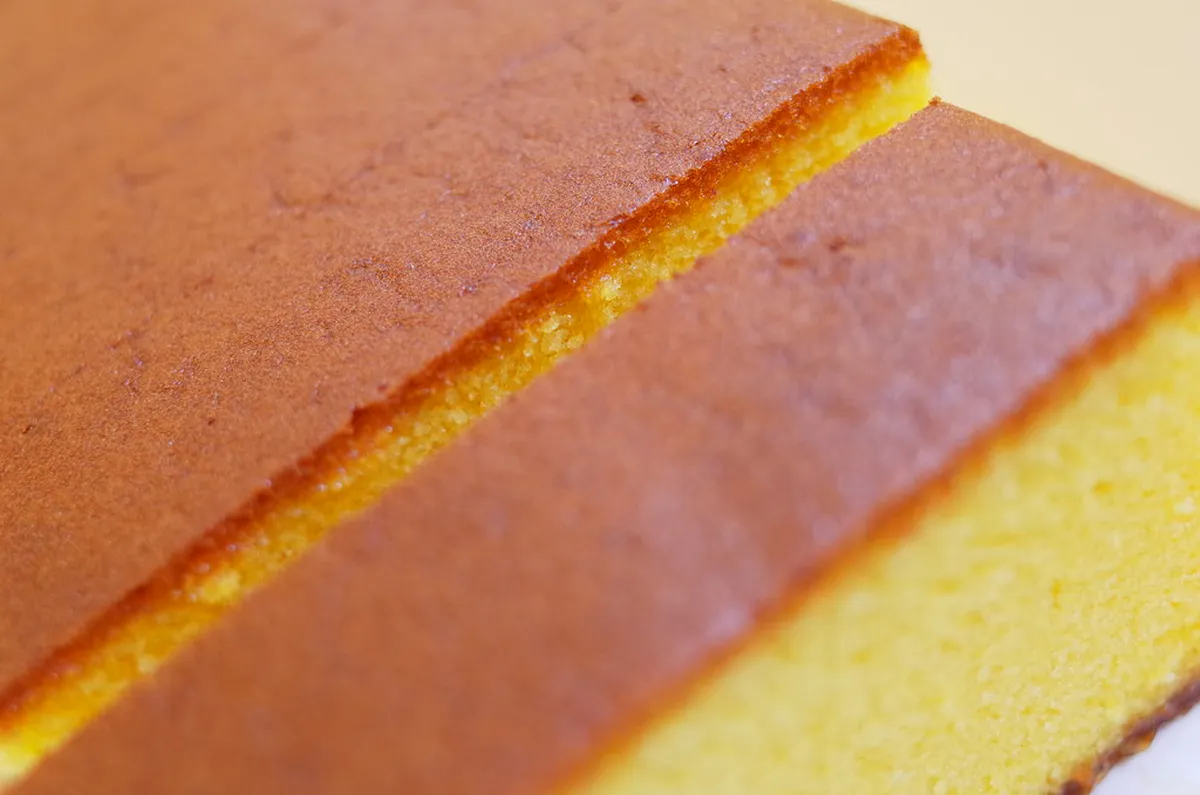
Castella cake arrived with Portuguese traders in the 16th century and became Nagasaki's signature sweet through centuries of local refinement. The classic version is a moist sponge with a darkened top, golden crumb, and a layer of sugar crystals — called zarame — pressed into the bottom. That crunchy base is the mark of a good castella. If a slice lacks it, you are eating a generic version.
The two names you will see everywhere are Fukusaya and Bunmeido. Both are reliable, gift-ready, and easy to find near the station and in Chinatown. A single slice runs ¥300–¥700; a boxed gift is ¥1,200–¥3,000 and up. The advice here is the same as with any unfamiliar food: buy one small piece before committing to a large box. Some travelers expect the light texture of Western sponge cake and are surprised by castella's eggy density. Try the standard variety at one shop, then decide which flavor — matcha, honey, or original — you want to carry home. For a deeper look at the history and the best shops by price tier, our Nagasaki Castella Cake Guide: 8 Essential Tips covers the full range.
Castella is best with black coffee, not matcha. Check expiration dates before buying gifts — good castella travels well, but not indefinitely.
Kakuni Manju and Chinatown Snacks
Kakuni manju is braised pork belly tucked inside a soft steamed bun. It is rich, portable, and sized for eating while walking, which makes it ideal between Dejima and Chinatown. Expect ¥450–¥700 depending on the shop. The bun is softer and slightly sweeter than a Hong Kong-style bao; the filling is closer to Okinawan rafute in its long-braised, almost gelatinous tenderness. One bun is a snack. Two is a decision you may regret before dinner.
Shinchi Chinatown is small compared to Yokohama but extremely walkable. Alongside kakuni manju you will find sesame balls, fried snacks, and sweet red bean pastes. The area is most atmospheric during the Nagasaki Lantern Festival, which runs around Lunar New Year — usually late January or February. Food stalls multiply, the streets fill, and walk-in availability at popular restaurants disappears. Book accommodation well in advance for festival dates in 2026.
The practical snack rule: one pork bun, one sweet, then stop. The rest of Nagasaki's food is worth saving room for.
Seafood: Nagasaki's Underrated Strength
Nagasaki Prefecture lands more than 250 fish varieties from its surrounding bays and island chains. In the city, most visitors focus on noodles and miss this entirely. That is a mistake on a two- or three-night stay. The seafood here is less about trophy counters and omakase performance than about freshness from a harbor that is genuinely close. Aji (horse mackerel), saba (mackerel), tai (sea bream), and fugu (blowfish) are local strengths. Colder months bring oysters and heartier hotpots.
For first-time visitors, the easiest seafood meals are casual sashimi sets, izakaya-style shared plates, and rice bowls. Around Hamanomachi Arcade and Shianbashi, you will find practical dinner options in the ¥1,500–¥3,000 range for a set meal with a drink. If you want a more serious sushi dinner, budget ¥3,000 at a local spot or ¥8,000–¥10,000 for an omakase-style experience. English menus can be thinner outside the main tourist center, so having a translation app ready helps.
Ten Ten Yu: The Sensory Experience of an Open Kitchen
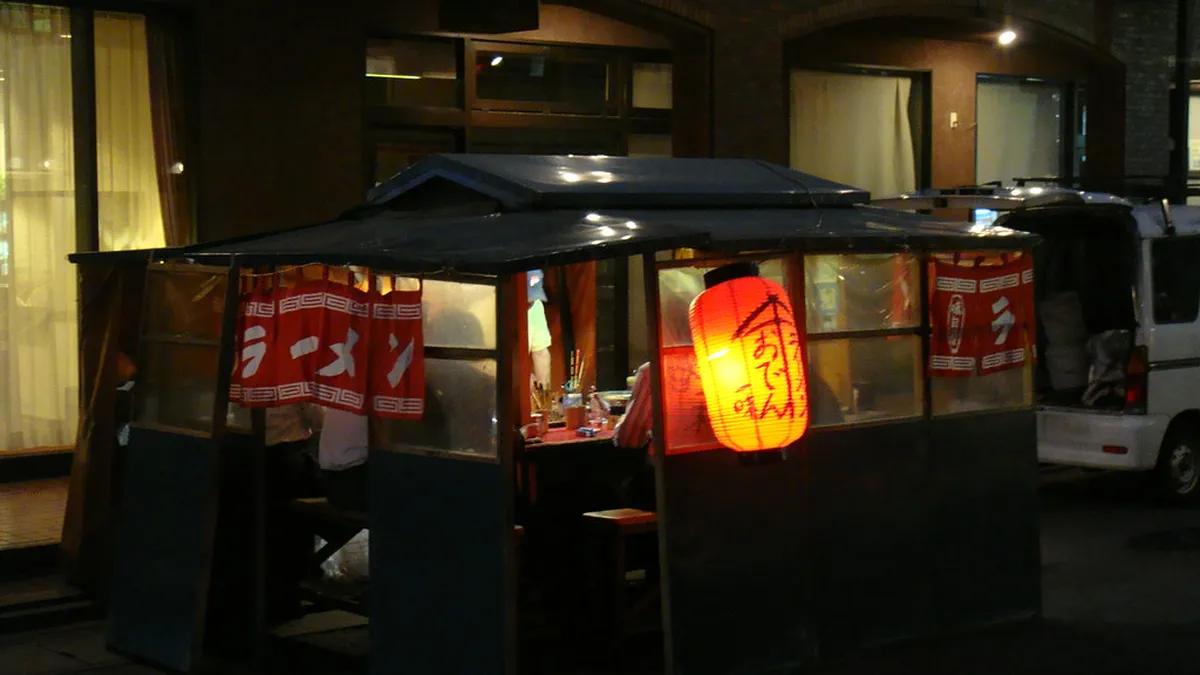
Ten Ten Yu is a small, busy shop where the kitchen is visible from the moment you walk in. The savory aroma of simmering broth hits you at the door. Watching the chefs toss ingredients in giant woks before the bowl arrives at your table is part of the experience, not just background.
The shop uses a specific type of alkaline water called toaku in their noodles, a traditional ingredient that gives the noodles a slight yellow tint and a distinct, pleasant smell that is hard to describe until you encounter it. This is the ingredient that separates Ten Ten Yu's noodles from most other champon shops. Toaku is increasingly rare outside of Nagasaki, which makes this one of the few places where you can taste it clearly.
Portions are generous and service is fast. This works well for a quick lunch between sightseeing stops. The atmosphere is local and unpretentious — the kind of place that fills with office workers at noon and empties by 13:30.
Shianbashi Ramen: An After-Dark Local Tradition
The Shianbashi district is where Nagasaki's evening food culture concentrates. After a day of sightseeing and a dinner of seafood or izakaya plates, many locals end the night with a bowl of Shianbashi Ramen — a garlic-heavy tonkotsu-style broth that fills the street with a recognizable aroma. The bowl is rich and thick, deliberately so, and it makes more sense at 22:00 than at noon.
This area also holds bars, casual restaurants, and the kind of narrow-street energy that Chinatown does not have after dark. If you want to see how Nagasaki eats when the tourist sites are closed, spend an evening here rather than retreating to your hotel after dinner. The district is compact and walkable, and stumbling into the right place by smell alone is a valid strategy.
For those staying in the area overnight, accommodation is easy to find nearby. The Capsule Hotel Nagasaki Dozamachi puts you steps from the evening food strip.
A Realistic One-Day Nagasaki Eating Route
Start the morning with coffee and a single slice of castella near the station or your hotel. Walk Dejima and the waterfront before the midday heat. Head to Shinchi Chinatown for an early lunch — champon and sara udon if you are with someone, champon only if solo. Add Worcestershire sauce to the sara udon halfway through. This single lunch covers the two most important dishes in the city.
Spend the afternoon at Oura Church, Glover Garden, or the Atomic Bomb Museum. If you are near the museum area, eat at Horaiken Bekkan before starting your tour rather than after — most people leave the museum tired and hungry with no plan. Grab one kakuni manju in Chinatown as an afternoon snack, but not two.
For dinner, move to Hamanomachi or Shianbashi for seafood: aji or saba sashimi, a shared fried dish, something seasonal. End in the Shianbashi district for garlic ramen or a quiet drink. The city's tram system connects all of these points efficiently; a 1-day tram pass costs ¥500 and removes every transit decision from your day. For a fuller version of this structure extended to three days, the Nagasaki 3-day itinerary maps meals around each sightseeing zone.
Explore Nagasaki Food and Dining
Use these guides to compare local dishes, dining areas and practical food experiences in Nagasaki.
Explore food guide in other cities
Frequently Asked Questions
What is the difference between Nagasaki Champon and Sara Udon?
Champon is a noodle soup with a creamy pork and seafood broth. Sara Udon uses similar toppings but serves them in a thick gravy over either crispy fried or soft noodles. Both are iconic dishes you should try during your stay. Check our travel tips for more details.
Where is the birthplace of Nagasaki Champon?
The dish was created at Shikairou Restaurant in the late 1800s. It was originally designed as a cheap, nutritious meal for Chinese students living in the city. Today, the restaurant still stands near Glover Garden and serves the original recipe.
Can you find vegetarian Champon in Nagasaki?
Standard Champon uses pork and seafood broth, so it is not naturally vegetarian. However, some modern cafes in the city center now offer vegetable-only versions upon request. It is always best to check the menu for 'yasai-only' options before sitting down.
Nagasaki's food is most interesting when you stop treating it as a noodle checklist and start reading it as a port city's history on a plate. Champon and Sara Udon are the foundation. Turkish rice is the punchline that earns its place. Castella is the Portuguese footnote that became something entirely local. The seafood is the part most first-timers miss and later regret missing.
Plan your meals around your sightseeing zones rather than around restaurant reputation alone. Every neighborhood in this city has at least one place worth eating at, and the tram connects them all for ¥500 a day. In 2026, Nagasaki remains one of Japan's most rewarding food cities for visitors willing to eat outside the obvious.
If you have more time to explore, use the Nagasaki 3 Day Itinerary: 8 Essential Planning Steps to structure meals across each district. There are more flavors in the surrounding coastline and islands than a single day can cover.
Hungry for more? Plan the rest with our Nagasaki day trips and hidden gems guides.
Free: The Nagasaki Essentials guide
Top things to do, where to stay, a perfect day plan, getting around, and the best time to go — a Nagasaki mini-guide you can take offline.
You might also like


Continue reading
More guides you'll find useful