10 Nagasaki Hidden Gems Off The Beaten Path
Discover 10 Nagasaki hidden gems off the beaten path. From the secret City Hall view to the remote Goto Islands, plan your offbeat Kyushu adventure today.
On this page
Nagasaki was named one of The New York Times' 52 places to visit in 2026 — and most travelers still only scratch the surface. They see the Peace Park and Gunkanjima, then leave. The city's real character lives in its steep hillside lanes, centuries-old shrine steps, the oldest Chinatown in Japan, and a scattering of offshore islands most visitors never reach.
This guide covers 10 hidden gems across Nagasaki city and the surrounding prefecture. It draws on the tram network, a free hilltop observation deck, and ferry routes that drop you onto islands where the scenery and history justify a longer stay. Updated for 2026, it reflects current entry fees, transit options, and the ferry schedule changes affecting Tsushima and the Goto Islands.
Plan your Nagasaki Itinerary for First-Timers in 2026 around these offbeat locations and you will find a city that goes far deeper than any standard tour covers. Every section below is walkable, tram-accessible, or reachable by a scheduled ferry from Nagasaki Port.
Must-See Hidden Attractions in Nagasaki City
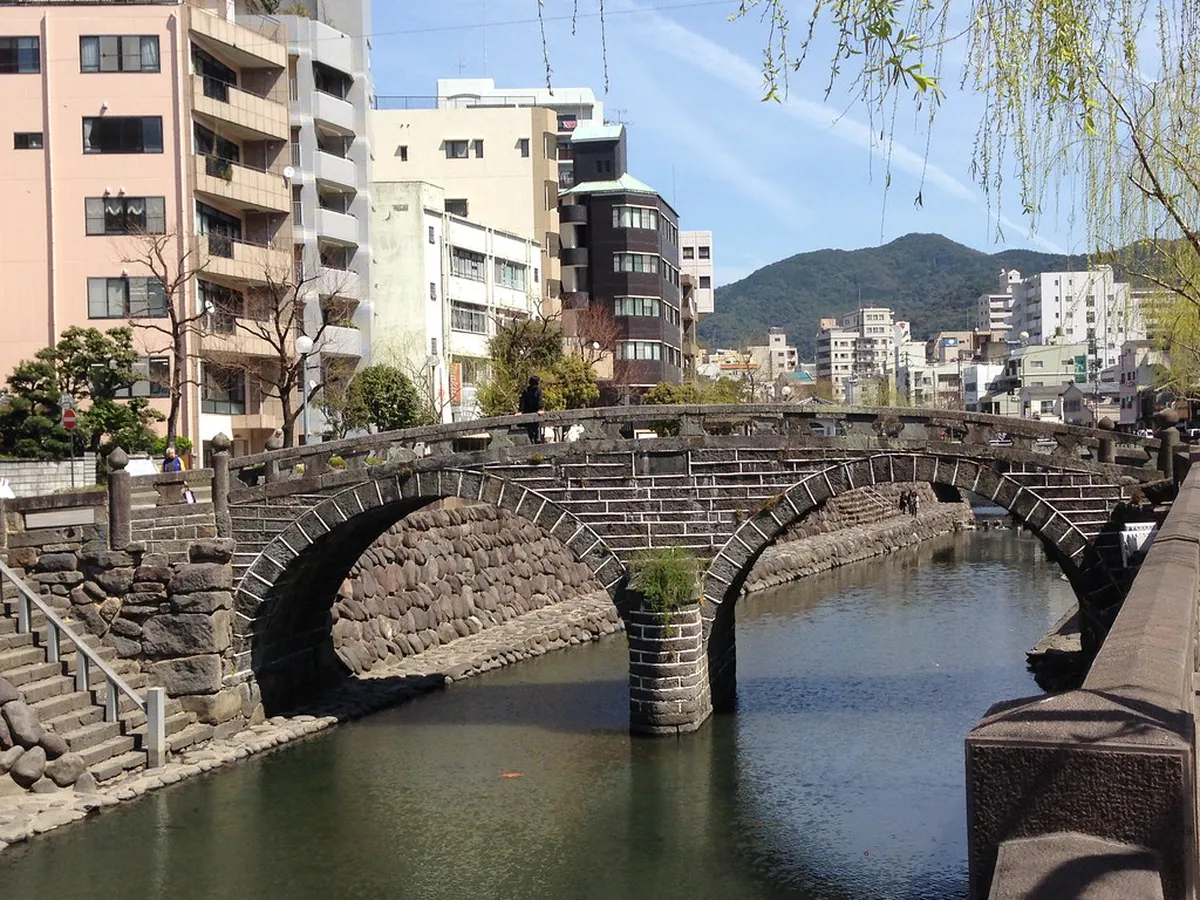
Start at Megane Bridge (Meganebashi) before 8:00 in the morning. The 1634 stone arch bridge earns its nickname — the two arches and their reflection in the Nakashima River form a pair of spectacles. Arrive early and you share it only with locals walking to work. Along the riverbanks, small heart-shaped stones are embedded among the rocks; finding them has become a local tradition, especially for couples.
The Teramachi district, just east of the city center, lines up a dozen Buddhist temples along a single quiet street. Most visitors walk past on the way to the tram stop. The temples are free to enter and the cemetery behind Kofukuji Temple — founded by Chinese merchants in 1629 — feels genuinely remote despite being five minutes from downtown. This is the kind of place Nagasaki hides in plain sight.
For a free panoramic view that almost no tourists find, go to the Nagasaki City Hall Observation Deck. It sits atop the new prefectural government building and is open to the public until 20:00. The 360-degree view takes in the harbor, Mount Inasa, and the surrounding hills without the crowds or the ¥1,000 ropeway fare that Mount Inasa demands. Go at dusk and you get Japan's famous "10 million dollar night view" for free.
The City Hall Observation Deck stays open until 20:00 and is completely free — no entrance fee, no ropeway cost. Best visited at dusk (17:00–19:00) when the harbor lights begin to twinkle and you catch the "10 million dollar night view" that Mount Inasa charges ¥1,000 to access from the ropeway.
Offbeat Museums, Art, and Culture in Nagasaki
The Nagasaki Museum of History and Culture (Rekibun) is one of the best regional history museums in Japan and is consistently overlooked by travelers rushing to the atomic bomb sites. Entry costs ¥630 for adults. The museum occupies the former site of the Nagasaki Magistrate's Office, and a full-scale reconstruction of the Edo-period courtroom anchors the permanent exhibition. Portuguese astrolabes, Chinese ceramics, and Dutch East India Company ledgers fill the display cases — a physical record of the centuries when Nagasaki was Japan's only open port.
Explore Dejima beyond its main entrance. The reconstructed Dutch trading post is well-known, but the newer bridge approach from the harbor side gives a cleaner sense of how the island sat in isolation from the city. The back rooms of the warehouses contain trade artifacts that most visitors skip, and the adjacent Nagasaki Seaside Park offers harbor views with no entrance fee at all.
Young artists have colonized the old wooden townhouses on the hillside slopes above the Dutch Slope. Several small galleries run free weekend exhibitions between April and November. None of them advertise in English, which makes finding them feel like a genuine discovery. Ask at your guesthouse for current listings.
Secret Parks, Gardens, and Outdoor Spots
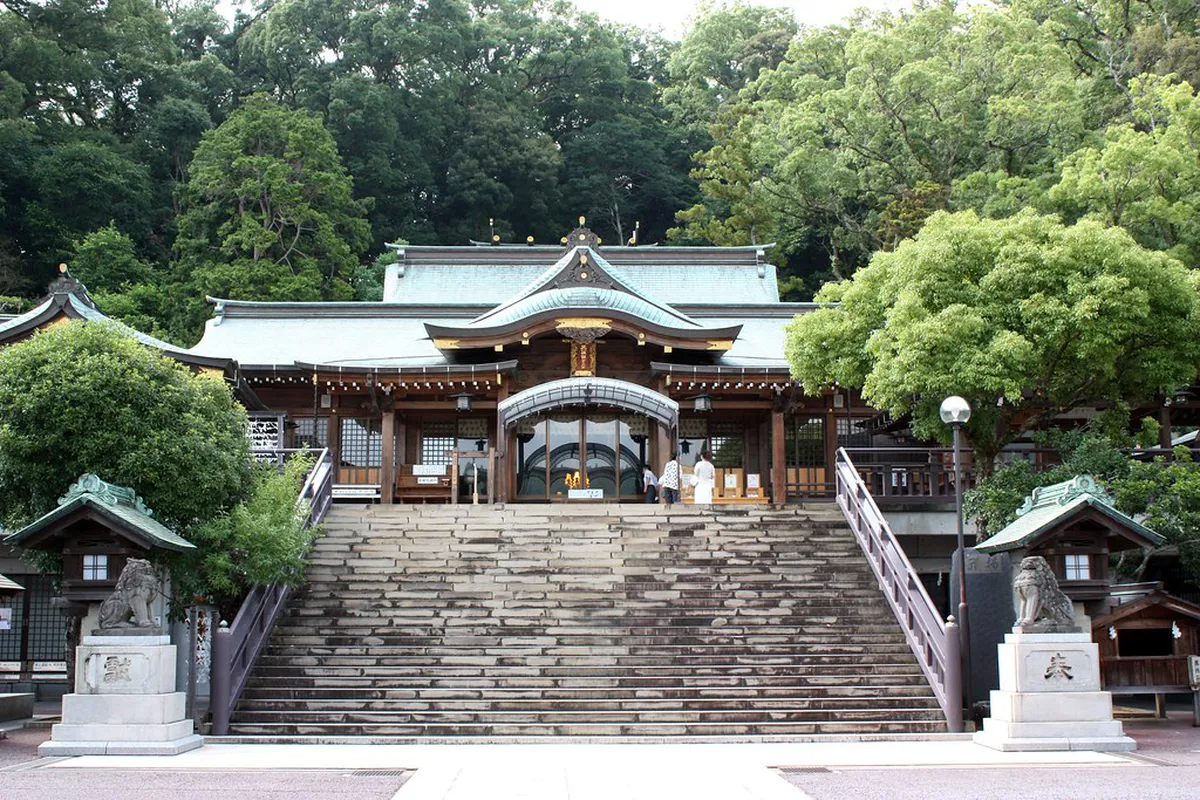
Visit Suwa Shrine on a weekday morning and climb all 200 stone steps before the tour groups arrive. The shrine has guarded Nagasaki since 1625 and its forested hilltop grounds feel genuinely far from the city below. In October, these same steps become grandstands for the Nagasaki Kunchi festival, a 370-year-old tradition of dragon dances and floating floats that is an Important Intangible Folk Cultural Property of Japan. The rest of the year, the shrine is quiet and free to enter.
The Minami-Yamate hillside district (Minamiyamatemachi) is the free alternative to the ticketed Glover Garden that sits just below it. Steep stone staircases on the left side of Oura Catholic Church lead to vantage points with sweeping harbor views. Oura Church itself is a UNESCO World Heritage Site — one of the Hidden Christian Sites of the Nagasaki Region — and costs ¥1,000 to enter the grounds. The free viewpoints above it are genuinely comparable to what you get inside.
At Sanno Shinto Shrine, two giant camphor trees survived the 1945 atomic blast despite being stripped bare by the explosion. Their combined canopy is now 40 metres across. The half-standing torii gate at the shrine entrance — blackened and split by the blast — is one of Nagasaki's most quietly powerful monuments and sits only 800 metres south of the hypocenter. Almost no tour buses stop here.
Nagasaki Shinchi Chinatown: A Culinary Hidden Gem
Nagasaki's Chinatown is the oldest in Japan, dating to the Edo period when Chinese merchants from Fujian Province settled in the Shinchi district during the years of national isolation. The four Chinese-style gates and year-round red lanterns mark the cross-shaped grid of narrow streets. Most visitors eat at the largest restaurants near the main entrance gate. The better food is in the smaller family shops one block further in.
Check out our 10 Essential Tips for Your Nagasaki Food Guide: What to Eat and Where for specific dish recommendations. Chanpon — the thick noodle soup loaded with seafood and pork introduced by Chinese immigrants over a century ago — is the dish that defines this place. The steamed buns sold by street vendors run about ¥150 each and make a better lunch than any restaurant. Arrive before 11:30 to avoid the queues that build from noon onward.
During Lunar New Year, the entire district transforms for the Nagasaki Lantern Festival, the largest of its kind in Japan. Thousands of lanterns are strung across the whole city center, far beyond the Chinatown boundaries. If you cannot visit during the festival, some lanterns stay hung year-round in anticipation of it — the neighborhood rewards a slow walk at any time of year.
Family-Friendly and Budget-Friendly Gems
Nagasaki's cheapest highlight costs nothing at all. The City Hall Observation Deck, the Teramachi temple walk, the Minami-Yamate hillside viewpoints, and the Nakashima River stone hunt are all free. The ¥140 flat-fare tram covers most of the city center and accepts Suica cards, making it easy to connect these spots without a taxi or tour bus.
Families with children tend to enjoy the Nagasaki Bio Park on the outskirts of the city, where animals roam in semi-open paddocks and capybaras famously allow close contact. It is not a hidden gem in the classical sense, but it is consistently overlooked by foreign tourists who skip straight to the UNESCO sites. Entry is ¥1,500 for adults, ¥800 for children. Plan half a day here combined with a stop at nearby Hasami, the traditional pottery town, which has free entry to its shop-lined main street.
The Minami-Yamate district pudding shops — popular with locals for their custard puddings flavored with ingredients inspired by nearby Oura Church's stained-glass windows — cost around ¥450 each and are the best snack stop between the UNESCO hilltop sites. Chocolate, green tea, salted caramel, and the signature strawberry variety are standard. They sell out by mid-afternoon on weekends.
How to Plan a Smooth Nagasaki Hidden Gems Day
The tram is the backbone of any offbeat Nagasaki day. The flat ¥140 fare covers five lines connecting Nagasaki Station, the city center, Chinatown, and the southern hillside districts. A one-day tram pass costs ¥600 and makes sense if you plan more than four rides. Suica works on all lines. The only gap is Mount Inasa, which requires the ropeway (¥1,250 return) or a taxi from the nearest tram stop.
Timing matters at three specific spots. Megane Bridge is best before 08:00 before social media crowds arrive. Chinatown should be visited before 11:30 or after 14:00 to avoid the lunch rush. The City Hall Observation Deck is better at dusk than midday — the harbor lights up as the sun drops behind the western hills, delivering a free version of the famous million-dollar view that most travelers pay ¥1,000 to see from Mount Inasa.
Most city-center sites are within a 2-kilometre radius of the Shianbashi tram stop. Wear comfortable shoes: Nagasaki is built on hills and the stone staircases to shrines and viewpoints are genuinely steep. The Dutch Slope area and Minami-Yamate can be combined in a two-hour walking loop. Allow six hours for a full city hidden-gems day covering Megane Bridge, Teramachi, Chinatown, Dejima, and the City Hall deck.
Day 2: Deep Dive into Nagasaki City's Secret Sides
A second day in Nagasaki shifts focus to the northern districts and the city's lesser-discussed hills. Start at the Hypocenter Park and Sanno Shrine's atomic-blast camphor trees, which take about an hour and cover history the Atomic Bomb Museum does not display outside. From there, take tram line 1 to the Suwa Shrine and climb the 200 steps. The ropeway to Mount Inasa departs from a stop nearby — going up at 17:00 gives you the daylight view and lets you stay for the night-view transition without making two trips.
The Dutch Slope (Oranda-zaka) is a short cobblestone street lined with Meiji-era wooden Western-style houses. It is technically famous but in practice sees few foreign visitors on a typical weekday morning. The Confucius Shrine (Kōshi-byō), a few minutes walk from Chinatown, features white stone scholar statues and a Chinese-inspired bridge over a koi pond. Entry is ¥660 including the small museum. Ask for the English guide paper at the entrance, as staff default to Japanese.
End the day at Mount Inasa. The ropeway runs until 22:00 (last descent). The observatory restaurant ITADAKI serves a five-course set menu for around ¥3,500 — an unexpectedly good meal at an altitude of 333 metres with the entire city lit below. On a clear night, the view justifies staying until the last gondola down.
Touring World Heritage Sites: Gunkanjima Landing Tours
Hashima Island — Gunkanjima, the "Battleship Island" — is a UNESCO World Heritage site and one of the most visually distinctive places in Japan. The 45-minute boat from Nagasaki Port deposits you at the edge of a ghost city: crumbling apartment blocks, rusted school buildings, and the skeletal infrastructure of a coal-mining settlement that housed 5,259 people per square kilometre at its 1959 peak before being abandoned in 1974. Book a Hashima Island tour at least 30 days ahead; morning slots sell out well in advance.
The key decision for Gunkanjima is which tour operator to book. Yamasa Kaiun and Takashima Kaijin are the two most established companies and both include landing-priority queues built into their tours. Landing depends entirely on sea conditions: check the weather at 07:00 on your tour day. If conditions cancel the landing, the cruise still circles the full perimeter and the guide narration on the boat is detailed. Even a no-landing cruise is worth doing.
One practical note: the landing pathway covers only about 10 percent of the island's area for safety reasons. The viewing platforms along the designated route give clear sightlines to the most photographed structures. Budget two to three hours total including transit. Gunkanjima Concierge also offers virtual tours for those who cannot make it in person, but no digital version replicates standing at the edge of those ruins with sea wind coming off Nagasaki Bay.
Gunkanjima landing is weather-dependent and can be cancelled without notice. Check sea conditions the morning of your tour. Even without a landing, the perimeter boat cruise delivers stunning views and detailed guide narration about the ghost city's history — a no-landing cruise is still worthwhile, but book operators like Yamasa Kaiun or Takashima Kaijin that include priority-landing queues if conditions permit.
World Heritage and Island Gourmet: The Goto Islands
The Goto Islands — an archipelago of 152 islands off the western edge of Nagasaki Prefecture — hold some of the most historically significant sites in Japan. The Hidden Christians (Kakure Kirishitan) of the Goto region practiced their faith in secret for 250 years during Japan's isolation era. Their churches, built in the late 19th century after Christianity was legalized, are now part of the "Hidden Christian Sites in the Nagasaki Region" UNESCO World Heritage listing. Shinkamigoto's Egami Church and Gorin Church on Hisaka Island are the two most architecturally striking. Neither is listed on standard Kyushu tours.
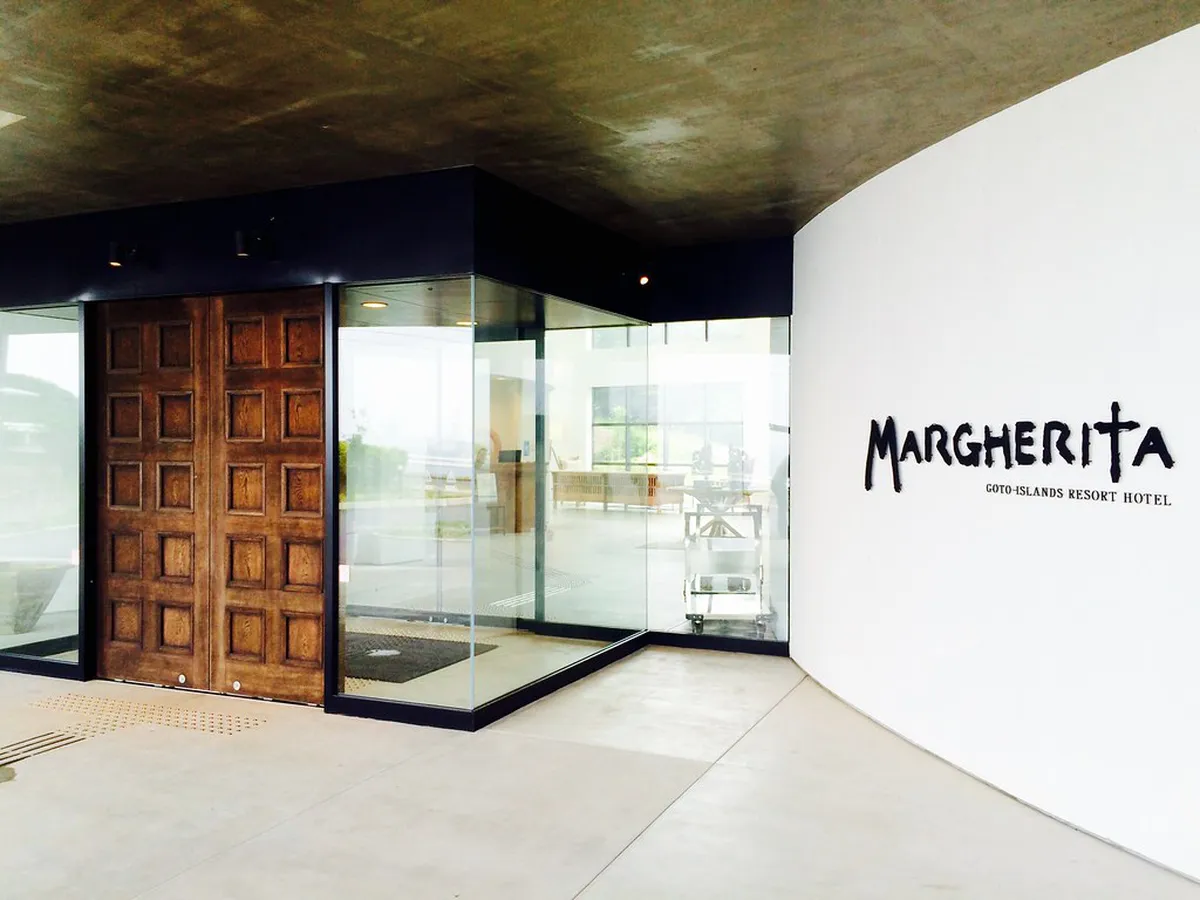
For consider several 14 Best Day Trips and Planning Tips from Nagasaki to these islands, but an overnight stay is more rewarding. The high-speed jetfoil from Nagasaki Port reaches Fukue Island in 90 minutes; a slower car ferry takes three hours and costs around ¥3,000 one-way for passengers. A four-day circuit covers Fukue Island, Nakadori Island, and the smaller outer islands. Rent a car or bicycle on Fukue — public transport is limited and the island roads are uncrowded.
The food angle that almost no English guide mentions: Goto is home to a shochu distillery, a wine producer, and a craft gin maker — all operating within a short distance of each other on Fukue Island. The official tourism body runs a guided bar-hopping tour that takes you through production facilities and tastings. Goto Udon — thin, hand-drawn noodles finished with camellia oil — is the island's signature dish and costs around ¥800 at any local restaurant. This combination of UNESCO heritage, remote scenery, and genuine artisan drink culture makes the Goto Islands one of the best undervisited destinations in Kyushu.
Tsushima Island: The "Ghost of Tsushima" Connection
Tsushima Island sits in the Korea Strait, geographically halfway between Nagasaki and South Korea. The PlayStation game "Ghost of Tsushima" drew directly from the island's landscapes, warrior shrines, and ancient forests — and since the game's release, interest from international visitors has grown significantly. But the island itself predates any gaming connection by centuries: it has over 200 ancient shrines, stone-paved mountain trails unchanged since the Heian period, and battlefield sites from the 1274 Mongol invasion that most of Japan has forgotten.
Tsushima is accessible by ferry from Nagasaki Port (about 3 hours 15 minutes by fast ferry; ¥4,000–¥5,500 one-way) or by ANA/JAL flights from Fukuoka in 35 minutes. The three-day official tourism itinerary recommended by Discover Nagasaki covers trekking to Kaneda Castle ruins — a 7th-century mountain fort with stone walls that survive largely intact — plus Watatsumi Shrine, which stands on stilts over the ocean and is one of the most photographed locations in Kyushu. Washinoki Pass offers a ridge-walk with views across to the Korean peninsula on clear days.
Tsushima does not have a lot of tourist infrastructure. There are a handful of guesthouses and minshuku (family-run inns) in Izuhara, the main port town, and renting a car is essential to reach the hiking trails in the north. The island is best visited in May or October, when temperatures are moderate and the mountain foliage is at its most dramatic. Avoid Golden Week — accommodation books out months ahead.
Iki Island: 150 Shrines and Premium Wagyu Beef
Iki Island is the least-covered of Nagasaki Prefecture's offshore islands among English-language travel media. The island hosts over 150 Shinto shrines — more shrines per square kilometre than almost anywhere in Japan — and the Tsukiyomi Shrine on the eastern coast is believed to be the original home of the moon deity Tsukuyomi no Mikoto, making it one of the most sacred sites in Japanese mythology. Arriving by high-speed ferry from Hakata (Fukuoka) takes 65 minutes; from Nagasaki Port the route goes via Tsushima and takes longer.
Iki Wagyu is raised on the island's grasslands and is distinct from Kobe or Matsusaka beef — the cattle graze freely in a mild maritime climate that produces well-marbled, leaner meat than the famous mainland brands. A full Iki Wagyu steak set at a local restaurant costs around ¥3,000–¥4,500, significantly less than equivalent cuts on the mainland. The combination of Shinto pilgrimages by day and a proper Wagyu dinner at night makes Iki a one-of-a-kind island stop that the discover-nagasaki.com official tourism board highlights but that almost no independent travel guide has written about in English.
Frequently Asked Questions
What are the best hidden viewpoints in Nagasaki city?
The Nagasaki City Hall Observation Deck is a top choice. It is free and less crowded than Mount Inasa. You can see the entire harbor from the top floor.
How do I visit the Goto Islands from Nagasaki?
Take a ferry or jetfoil from the Nagasaki Port Terminal. High-speed boats take about 90 minutes. You should book tickets in advance during peak season.
Is Gunkanjima worth it if the landing is cancelled?
Yes, the cruise still offers incredible views of the ruins. You will learn about the history from expert guides. The boat ride itself is very scenic.
Nagasaki rewards those who look beyond the well-known sites. The free City Hall deck, the Teramachi temple walk, the Hidden Christian churches of the Goto Islands, the ancient mountain trails of Tsushima, and the 150 shrines of Iki Island together make a case for Nagasaki Prefecture as one of the most varied and undervisited corners of Japan in 2026.
Wear good shoes, check the Gunkanjima weather forecast, and book your island ferries before you arrive. The hidden gems here do not require unusual effort to reach — they just require knowing where to look.
For the full picture, combine these hidden corners with our Nagasaki attractions guide covering the city's headline sights.
Free: The Nagasaki Essentials guide
Top things to do, where to stay, a perfect day plan, getting around, and the best time to go — a Nagasaki mini-guide you can take offline.
You might also like

Continue reading
More guides you'll find useful