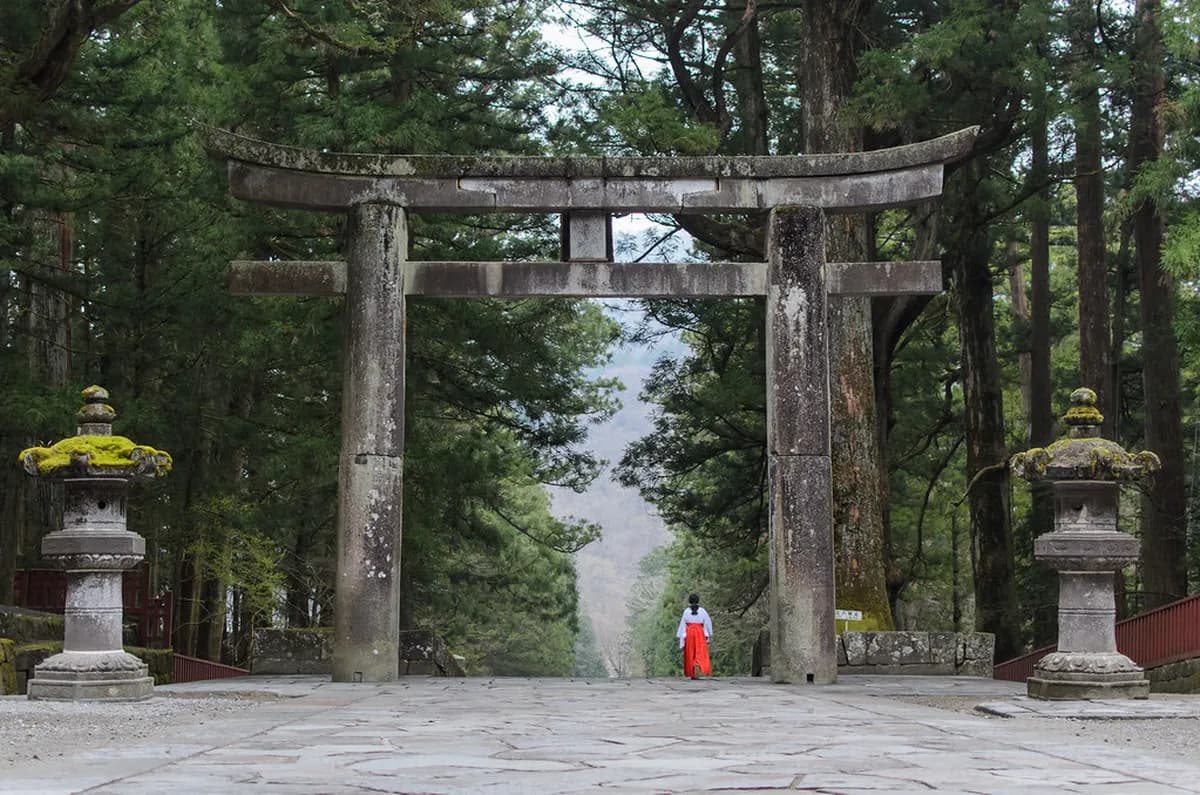
Nikko Yuba Food Guide
Plan nikko yuba food guide with top picks, neighborhood context, timing tips, and practical booking advice for a smoother trip.
On this page
Nikko's culinary identity is built around one ingredient: yuba. Walk along any street near the World Heritage shrines and you will see the word on nearly every restaurant sign. This guide explains what yuba is, how to eat it, where to find it, and what else to order while you are here.
The food scene in Nikko rewards visitors who plan ahead. Many restaurants close before 18:00 and popular yuba kaiseki spots fill up quickly. Knowing the local rhythms — and the full range of dishes on offer — makes the difference between a memorable meal and a missed opportunity.
Beyond yuba you will find exceptional soba, Tochigi Wagyu beef, mountain-spring shaved ice, and a sake culture rooted in the same pure water that sustains the region's tofu tradition. This nikko yuba food guide covers all of it.
Yuba: The Soul of Nikko
Yuba is the thin film that forms on the surface of heated soy milk. When the liquid is brought close to a boil, a delicate skin rises to the top. This skin is carefully lifted, either fresh or allowed to dry into sheets, and used across a wide range of dishes.
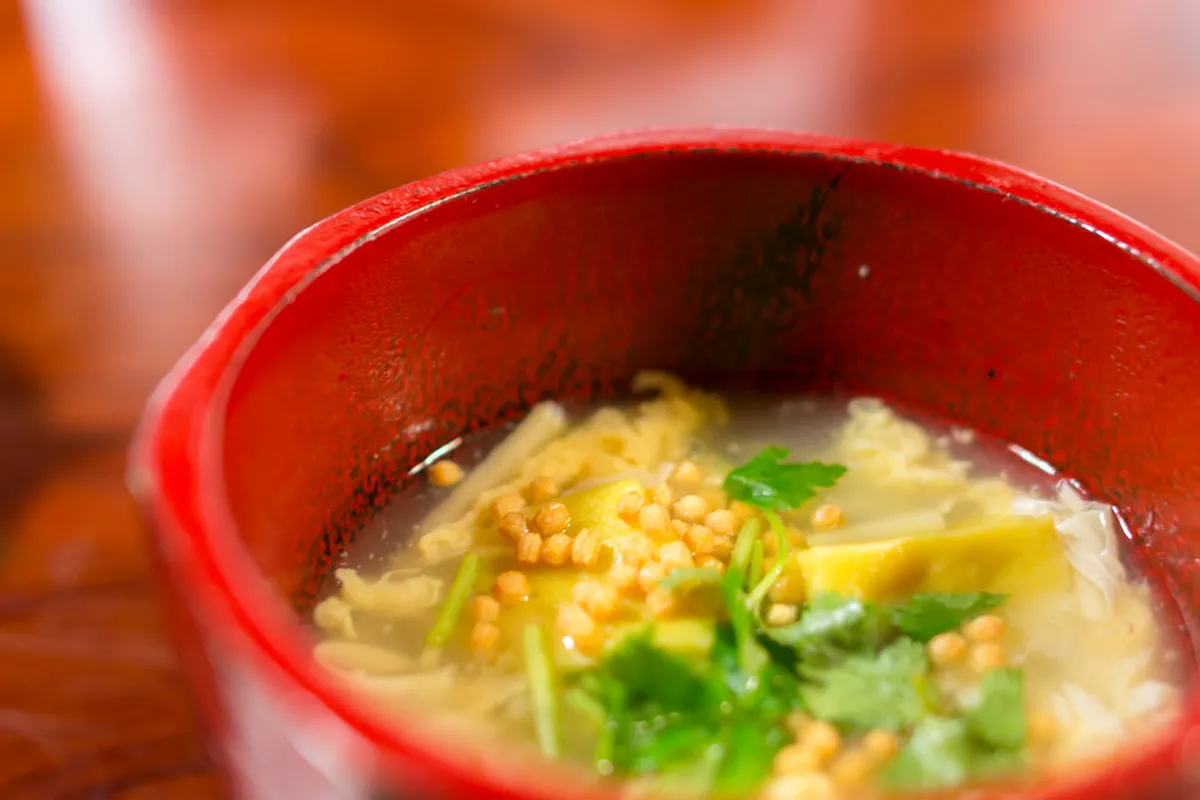
Nikko's yuba has a crucial difference from the more widely known Kyoto variety. During production, Nikko yuba is folded in half as the film is lifted, making it twice as thick. This double-layer gives it a firmer, meatier bite that holds up to simmering and frying in ways Kyoto yuba cannot. If you have only ever eaten Kyoto yuba, Nikko's version will feel like a different food entirely.
The reason yuba took root here is historical. Nikko's temples and shrines have housed monks and priests for centuries, all bound by strict vegetarian diets. Yuba provided a plant-based protein dense enough to sustain religious life in the mountains. That monastic heritage is why you can still find yuba sashimi — served cold with ginger and soy sauce — on menus that also date back generations.
A Full Course of Yuba
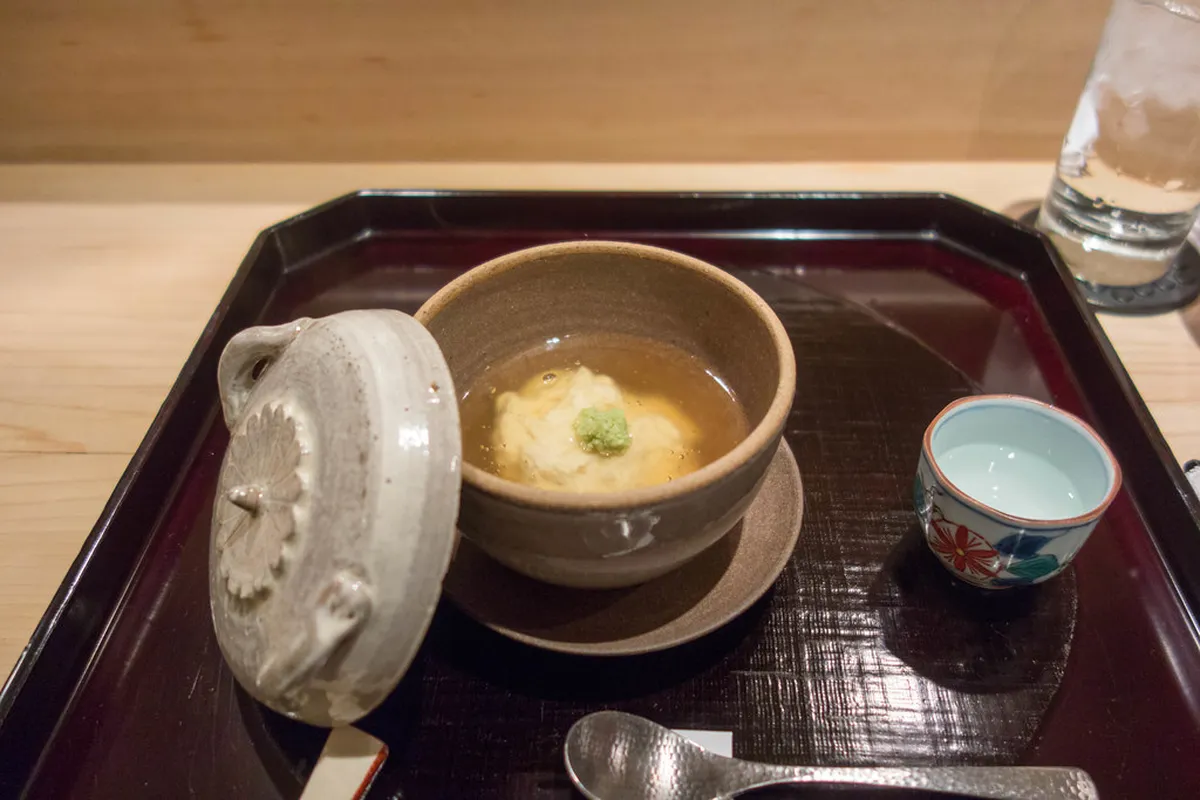
For anyone who wants to understand yuba fully, a kaiseki course — called Yuba Gozen — is the right choice. These multi-course meals move through every preparation style: sashimi-style hikiage yuba served cold in soymilk, simmered yuba in dashi broth, agemaki yuba (deep-fried rolled yuba), yuba tempura, and finishing rice dishes. Budget around ¥3,000–¥7,000 per person for a lunch set and ¥5,000–¥10,000 for dinner at an upscale venue.
Ganso Nikko Yuba Ryori Ebisuya is the long-established reference point — it was one of the restaurants that originally made yuba a Nikko specialty, and its course meals faithfully follow Buddhist vegetarian principles. For a more casual setting at a lower price, fudan Kaiseki Nagomi Chaya on the main shopping street near the World Heritage entrance is frequently booked out; reserve at least a day in advance. Hipparidako and HAZUKI CAFE both offer yuba lunch sets for under ¥2,500 if you want a lighter introduction.
One practical tip from staff at Nagomi Chaya: if you are visiting as a couple and one person is curious but not committed, order one yuba kaiseki set and one regular set and share. The menu carries pictures and most restaurants near the shrine approach are used to non-Japanese speakers.
Yuba as a Convenient Snack
Not every yuba encounter needs to be a sit-down meal. Several shops along the approach road to Toshogu Shrine sell portable yuba snacks suited to eating while walking.
Sakaeya's Age Yuba Manju is the most famous street snack: sweet bean paste wrapped in yuba-enriched dough and deep-fried. The queue outside can stretch past ten people on a weekend morning. Fudaraku Honpo sells Yuba Musubi — seasoned glutinous rice okowa wrapped in semi-dried yuba — as a takeout item. Nikko Gourmet Yuan offers Yuba Tamagoyaki, a rolled omelette layered with yuba. All three sit within a short walk of each other near the shrine entrance, so you can try more than one in a single pass.
These snacks cost between ¥200 and ¥600 each and require no reservation. They are also good options if you arrive at the attractions early and want something before the sit-down restaurants open for lunch around 11:00–11:30.
Yuba as a Warm Noodle Dish
Yuba soba is the most common lunch for day-trippers in Nikko. A bowl of buckwheat noodles arrives topped with a sheet of simmered yuba, the broth made lighter and sweeter by the soymilk notes the yuba releases as it cooks. Most soba restaurants along the main street and near the bus stops offer a version of this for ¥1,000–¥1,800.
Santate Soba Nagahataan follows the "santate" philosophy — soba freshly milled, freshly made, and freshly boiled — which produces a noticeably different texture from pre-made noodles. Yuba udon is the wheat-noodle alternative if buckwheat does not suit you. Both dishes are filling enough to carry you through the afternoon without the time commitment of a full kaiseki course.
Soba — Nikko's Favorite Noodles
Soba has flourished in Nikko for the same reason yuba has: pure mountain water and a long tradition of Buddhist temple food. The region's spring water produces a clean, light broth that lets the buckwheat flavor of freshly milled noodles come through without any muddiness.
Beyond Nagahataan, many of the yuba kaiseki restaurants also include a small portion of soba as a course component, typically near the end of the meal. Ordering soba and yuba together in one sitting — either as a combo set or as part of a course — is the most efficient way to cover both Nikko staples in a single lunch. Expect to pay ¥1,500–¥2,500 for a substantial soba set that includes a side of yuba.
Sake in Nikko — Tradition and Taste
The same mountain water that defines Nikko's yuba and soba is what makes its sake worth seeking out. Local breweries draw from springs filtered through volcanic rock, producing sake with a clean, slightly dry character. This is soft water brewing — the resulting sake tends toward delicate and fragrant rather than bold and rich.
Several shops near the shrine area carry bottles from local producers, and a few offer small tasting pours. If you are visiting in 2026, look for limited seasonal brews released during the autumn foliage period (late October through mid-November) when production is tied to the harvest cycle. A 300ml bottle for drinking in the ryokan room costs around ¥600–¥900 and travels well. Pair it with a side dish of yuba sashimi for an understated but genuinely local combination.
Tochigi Wagyu and Western Food
Not every meal in Nikko needs to be yuba or soba. Tochigi Wagyu, the prefecture's premium beef, has a strong presence in the dining scene. At Yama no Restaurant, you can eat wagyu steak with a view of Kirifuri Falls — a combination that justifies the higher price (¥4,000–¥8,000 for a main course). Gourmands Wagyu serves its steak on a sizzling iron plate; reservations are essentially required and the kitchen closes early, so book by mid-afternoon if you want dinner.
Western food has a surprisingly deep history in Nikko. The Kanaya Hotel, one of Japan's oldest Western-style hotels, still serves its Hundred-Year Rice Curry — a recipe recreated from the Taisho period (1912–1926) that draws curious visitors even without an overnight stay. Seiyo Ryori Meiji no Yakata, another institution, is known for its omelette rice with rich demi-glace sauce and a cheesecake called "Nirvana." Both restaurants reflect Nikko's early exposure to foreign visitors and diplomats during the Meiji era. Explore more about Nikko's key attractions to understand how the city's international history shaped its food culture.
Shaved Ice Made from Natural Ice
Nikko is one of Japan's few remaining places where natural ice kakigori is commercially available. Ice producers harvest water from mountain ponds each winter, store it in traditional ice houses (himuro), and shave it to order throughout the warmer months. Because the ice is made from exceptionally pure spring water, it shaves into an unusually fine, dry snow rather than coarse crystals, and melts slowly on the tongue without the headache some people associate with ordinary shaved ice.
Shogetsu Himuro is the dedicated natural ice specialist and worth queuing for in summer. Nikko Coffee Goyotei-dori, a cafe housed in a renovated old merchant building, also serves natural ice kakigori alongside its regular menu. Toppings typically include housemade fruit syrups and condensed milk; ask about seasonal specials, as stone fruit and grape syrups appear in their respective harvests. A bowl costs ¥900–¥1,500 depending on toppings.
Nikko's Specialty Products Beyond Yuba
Nikko Ningyoyaki Mishimaya produces the most photographed souvenir food in the city: baked cakes molded to precisely recreate the "See No Evil, Speak No Evil, Hear No Evil" monkeys from the Toshogu Shrine carvings. The owner studied sculpture at an art university and made the molds himself — vendors elsewhere sell generic monkey cakes, but these are noticeably more detailed. They are sometimes called "edible sculptures." Nikko Purin-tei sells creamy pudding made with local milk and eggs, packaged in retro glass jars, available with a soft-serve ice cream crown for a more indulgent version.
For gifts to take home, local sake bottles and lacquerware remain the most distinctive options. Yoshidaya, a long-established confectionery, sells halal-certified yokan (sweet bean jelly) — a detail worth knowing if you are traveling with guests who observe halal dietary rules. Traditional wood carvings near Toshogu Shrine range from small keychain pieces to full decorative panels. These come from a craft tradition tied to the shrine's construction and carry more local meaning than the generic souvenir shops.
Tips for Enjoying Meals in Nikko
The single most important thing to understand about dining in Nikko is that most restaurants cater to day-trippers and close far earlier than city restaurants. Many establishments stop serving by 17:00 and a significant number are closed entirely by 18:00. If you are staying overnight and expecting to eat a relaxed dinner after 19:00, your options shrink considerably. Plan your main meal as a late lunch rather than dinner, or confirm opening hours with your accommodation before heading out.
Cash is essential. Small yuba restaurants and traditional soba shops frequently do not accept cards. Bring enough yen to cover lunch, snacks, and any souvenir purchases before leaving your hotel. ATMs at the post office and convenience stores near Tobu Nikko Station are the most reliable in the area.
For kaiseki restaurants and Wagyu steakhouses, a reservation is not optional — it is required. Popular spots like Nagomi Chaya and Gourmands Wagyu fill up on weekends and during Nikko's fall foliage season, sometimes days in advance. Call or book online the morning you arrive at the latest. If you are visiting Nikko as a day trip from Tokyo, prioritise booking your meal before you leave the city.
For related deep-dives, see our 9 Best Ryokan in Nikko: Top Rated Picks for 2026 and 1-Day Itinerary: Day Trips From Nikko Travel Guide guides.
Frequently Asked Questions
What is yuba?
Yuba is the skin that forms on the surface when soymilk is heated. It is a traditional Japanese food, particularly famous in Nikko. Yuba has a delicate flavor and a unique texture, used in many local dishes.
Which nikko yuba food guide options fit first-time visitors?
First-time visitors should try a yuba set meal at a local restaurant. This offers a variety of yuba preparations in one sitting. Look for restaurants near the main Nikko Attractions: 20 Must-See Sights & Things to Do (2026 Guide) for convenience.
How much time should you plan for nikko yuba food guide?
For a casual yuba meal, plan about 30-60 minutes. If you opt for a full yuba course, allow 1.5 to 2 hours for the dining experience. Factor in travel time to and from your chosen restaurant.
Is nikko yuba food guide worth including on a short itinerary?
Absolutely. Yuba is a signature Nikko experience and easy to incorporate into any itinerary. Even a quick yuba snack or a simple yuba dish adds significant local flavor to your trip.
Nikko's food culture is inseparable from its spiritual and natural heritage. The pure mountain water, the centuries-old monastic tradition, and the local farmers who raise Tochigi Wagyu and mill buckwheat all feed into a dining scene that is genuinely distinct from anywhere else in Japan.
Start with a yuba snack near the shrine entrance, move to a kaiseki lunch if your schedule allows, and end with natural ice kakigori in the afternoon. Reserve early, carry cash, and eat before 17:00 to get the most from Nikko's restaurant scene in 2026.
Whether you are spending a full day or staying overnight, the food alone justifies the journey from Tokyo. Use this nikko yuba food guide to plan each meal with confidence and leave nothing on the menu untried.
Free: The Nikko Essentials guide
Top things to do, where to stay, a perfect day plan, getting around, and the best time to go — a Nikko mini-guide you can take offline.
You might also like


Continue reading
More guides you'll find useful