Nikko Travel Tips: The Ultimate Guide to Japan's Mountain Escape
Plan your Nikko trip with expert tips on transport, the best shrines, where to stay, and how to avoid the crowds in Japan's stunning national park.
On this page
Nikko is one of Japan's most rewarding day trips from Tokyo — and one of the easiest to get wrong. Ornate UNESCO shrines, a dramatic waterfall, and a high-altitude lake are all packed into a single mountain valley, which means crowds arrive early and buses fill fast. This guide gives you the practical tools to stay ahead of the rush: the right train, the right pass, and the right time to walk through the gate at Toshogu Shrine.
How to Get to Nikko from Tokyo
Reaching Nikko from Tokyo takes roughly two hours and costs far less than most day-trip destinations in Japan. Your choice of route depends on whether you hold a JR Pass and how much you value comfort over budget.
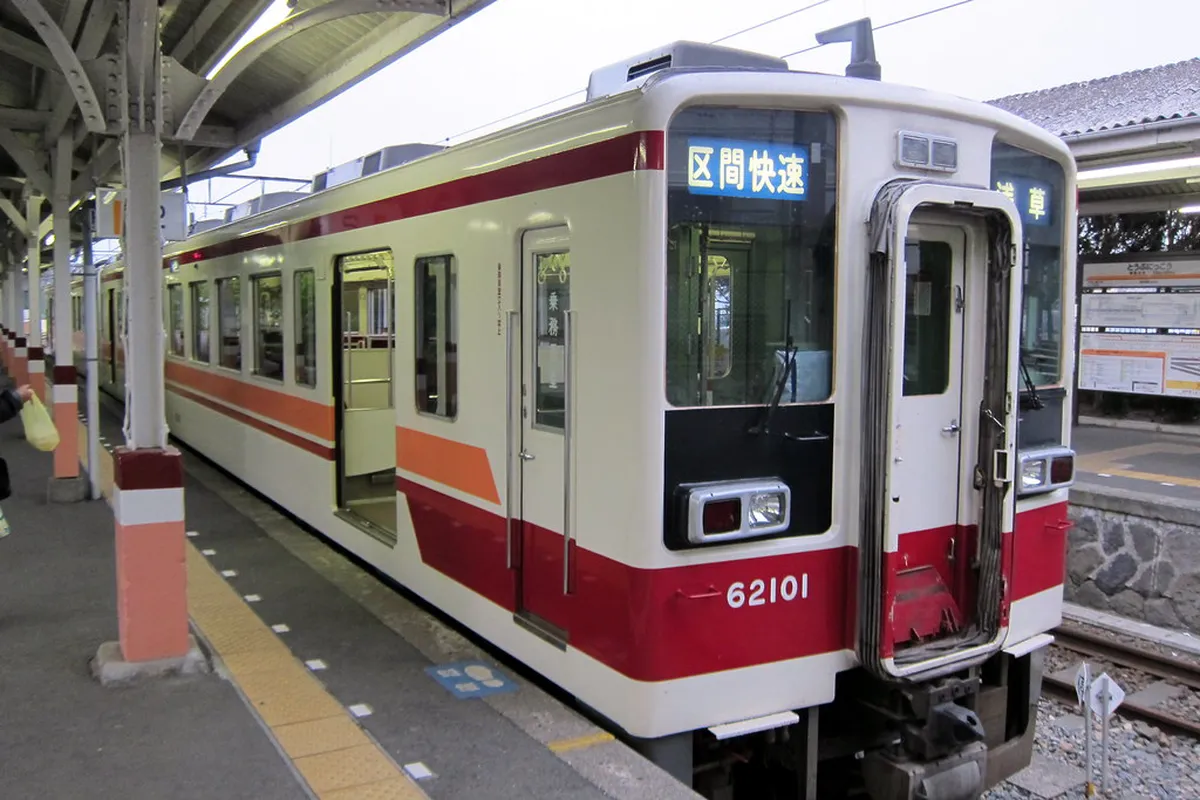
The Tobu Railway from Asakusa Station is the most popular option. The Limited Express (Spacia or Kegon services) runs direct to Tobu-Nikko Station in 1 hour 50 minutes for around ¥2,900 one-way. No transfers, no fuss. Budget travelers can take a slower local Tobu train for around ¥1,400 one-way, but expect about 2 hours 30 minutes and at least one transfer at Shimo-Imaichi.
JR Pass holders take the Tohoku Shinkansen from Tokyo Station to Utsunomiya (approx. 50 minutes), then the JR Nikko Line to JR Nikko Station (about 45 minutes). Total journey time is around two hours including the transfer, and the JR Pass covers both legs. However, the JR Nikko Line terminates at JR Nikko Station, a short walk from Tobu-Nikko Station — either starting point gives you access to the same buses.
A quick cost comparison: the Tobu Limited Express return costs roughly ¥5,800 before buses. A JR day pass covers the train legs but local Tobu buses are extra. If you plan to use buses extensively and are not on a JR Pass, the Tobu Nikko passes almost always come out cheaper — see the pass section below for exact figures.
Getting Around Nikko: Buses and Transportation
Walking covers the central shrine complex — it is about 20 to 30 minutes on foot from either Nikko station to Shinkyo Bridge. For everything beyond that, you need the Tobu Bus network. The World Heritage Loop Bus runs a circular route between the stations and the main heritage sites, making it easy for first-timers.
To reach Lake Chuzenji and Kegon Falls, board a bus at Tobu-Nikko Station bound for Chuzenji Onsen. The journey normally takes 45 minutes via the Irohazaka Winding Road — a switchback mountain road with 48 hairpin turns. Check the Nikko Public Transportation Route Map before you go.
The Irohazaka road is a serious bottleneck during autumn foliage season (late October to mid-November). On weekends, a 45-minute bus ride can stretch to three hours or more because of traffic jams. If you plan to visit Okunikko during koyo season, catch the first morning bus before 08:30 or go late afternoon once the tour buses have cleared. Avoid Saturday and Sunday entirely if your schedule is flexible.
Bus frequency drops in the evening and on winter weekdays. Check the last bus back from Chuzenji Onsen to the station before you head up — missing it means a costly taxi ride. IC cards (Suica, Pasmo) are accepted on most Tobu Bus routes, so you do not need to carry exact change for every journey.
Nikko Pass Guide: Which Pass Should You Buy?
Three passes dominate the discussion, and choosing the wrong one is a common mistake. The key question is how many days you are staying and whether you plan to visit Okunikko (Lake Chuzenji) or Kinugawa Onsen.
The Nikko World Heritage Area Pass (¥3,000, 2 days) covers a return journey from Asakusa on the Tobu local train plus unlimited rides on the World Heritage Loop Bus within central Nikko. It does not cover buses to Lake Chuzenji or trains to Kinugawa. This pass suits day-trippers who stick to the shrine complex.
The Nikko All Area Pass (¥5,000, 4 days) adds unlimited Tobu buses to Okunikko, including the Chuzenji and Yumoto Onsen routes. It also covers trains between Tobu-Nikko and Kinugawa Onsen. If you are spending two or more days in the area or want to reach Lake Chuzenji, this is the better value. The 4-day window also means you do not have to rush.
JR Pass holders should take the Shinkansen + JR Nikko Line as described above, then buy a separate local bus day pass (around ¥1,000) at Tobu-Nikko Station for in-area travel. The official pass details are on the Tobu Railway Nikko Pass page. Note that neither Tobu pass covers the Limited Express surcharge — expect to pay ¥1,650–¥1,940 extra each way if you want the faster, reserved-seat service.
Top Things to Do: Shrines, Nature, and History
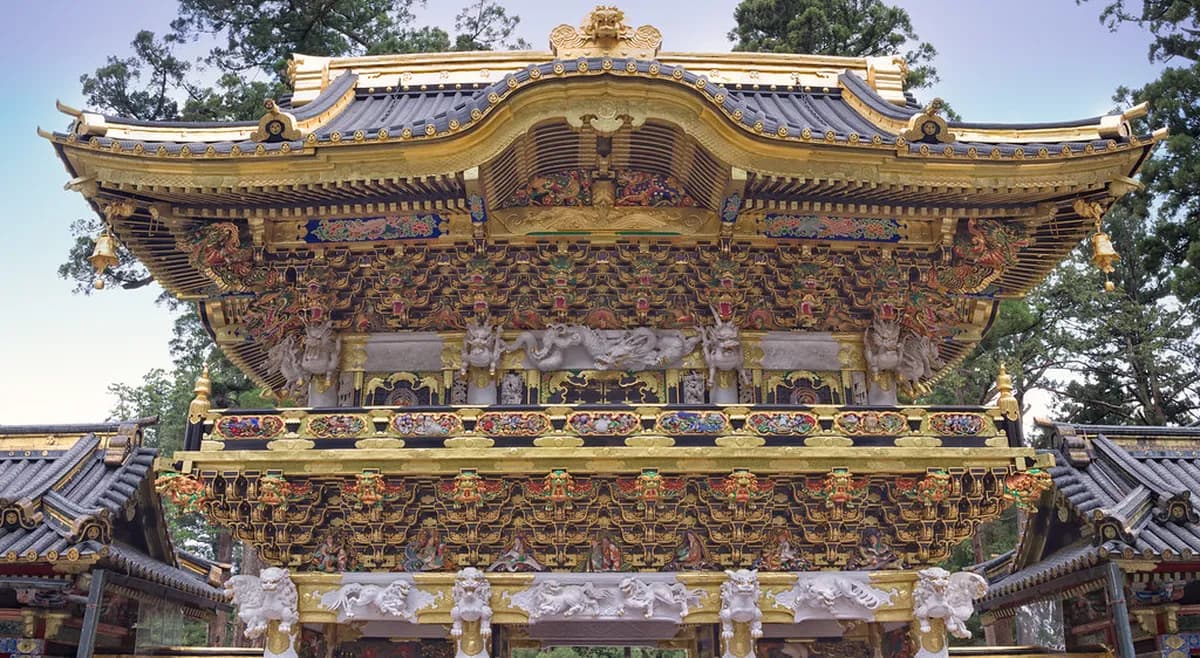
The UNESCO World Heritage zone in central Nikko alone could fill a full day. Toshogu Shrine (¥1,600 entry) is the centerpiece — an over-the-top 17th-century mausoleum dedicated to Tokugawa Ieyasu, covered in lacquerwork, gold leaf, and hundreds of intricate carvings. Allow two to three hours. Next door, Taiyuin Mausoleum (¥550) honors Ieyasu's grandson Iemitsu and attracts far fewer crowds despite similar architectural grandeur.
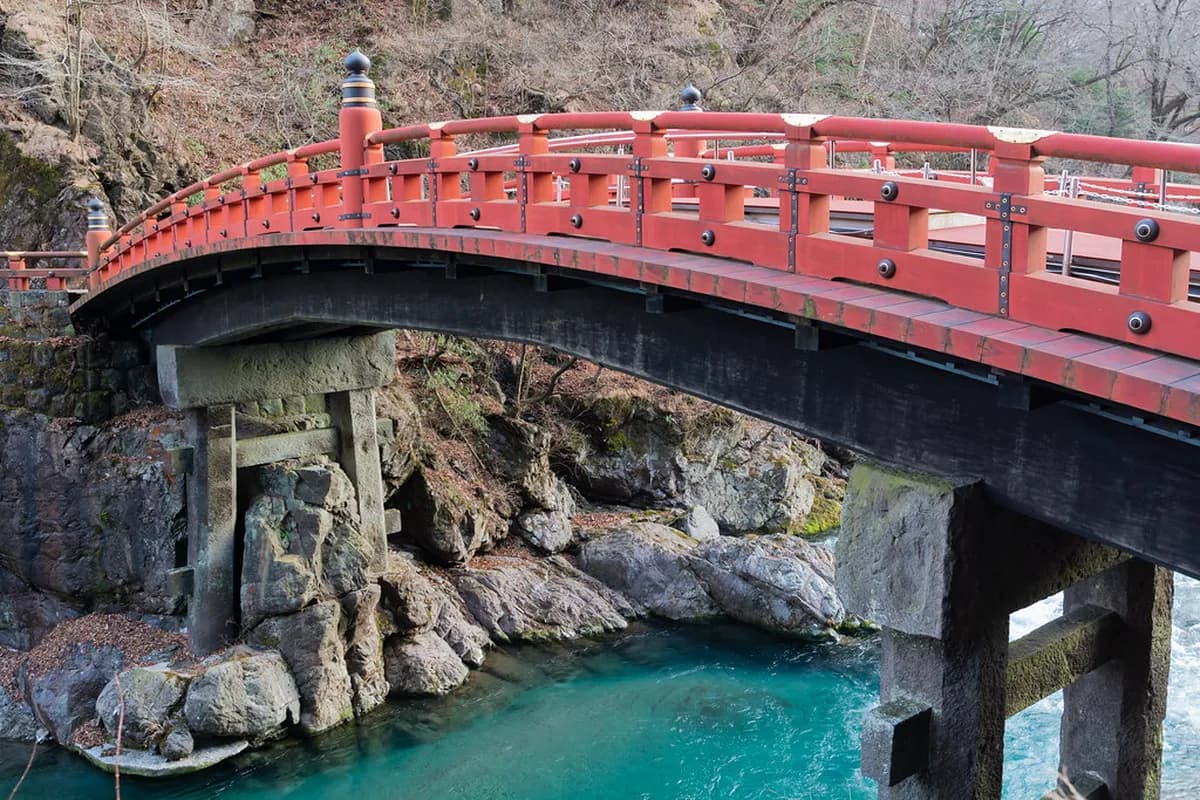
The Shinkyo Bridge charges ¥300 to cross — you return the same way, so many visitors photograph it from the riverbank for free. Rinnoji Temple (¥400–¥1,000 depending on which buildings you enter) houses three eight-metre gold Buddhas and a classical strolling garden, Shoyo-en, that is spectacular during koyo. The quieter Kanmangafuchi Abyss is a free walking trail lined with red-hatted jizo statues — a peaceful contrast to the shrine crowds.
Consider visiting Nikko with kids at Edo Wonderland Nikko Edomura (¥5,800), a theme park near Kinugawa Onsen where staff and guests wear Edo-period costumes. It is best combined with the All Area Pass since it is on a separate Tobu line. For a deeper look at the main sites, our Nikko temples and shrines guide covers entry fees, opening hours, and the best order to visit them.
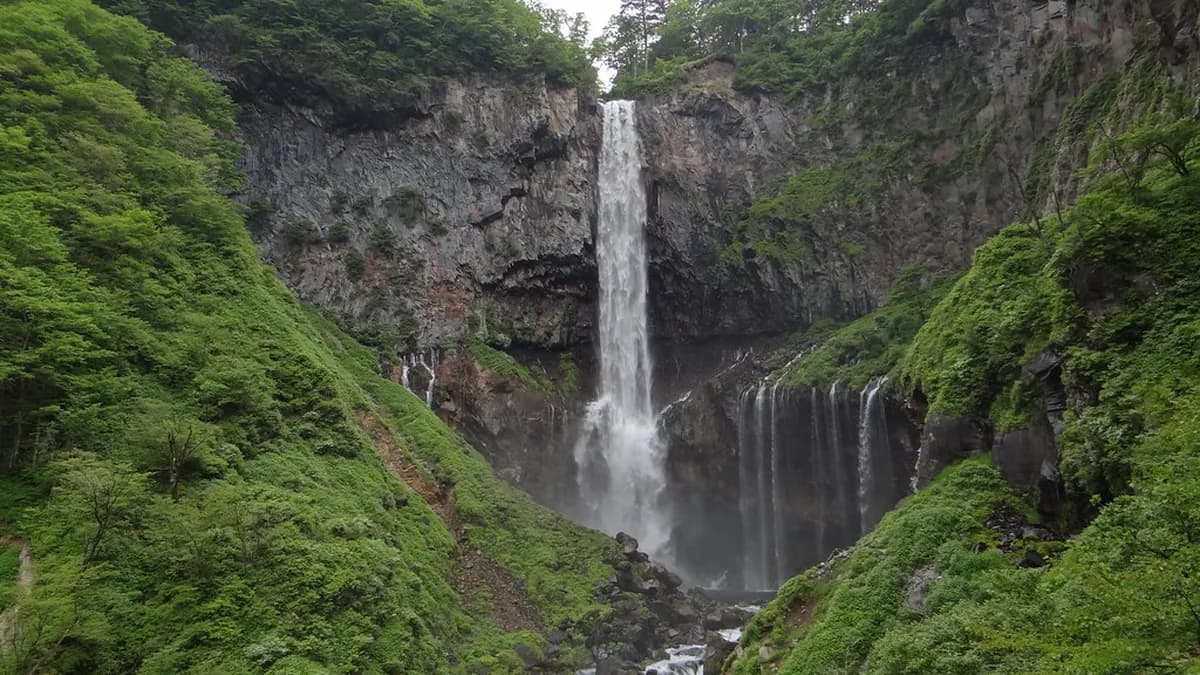
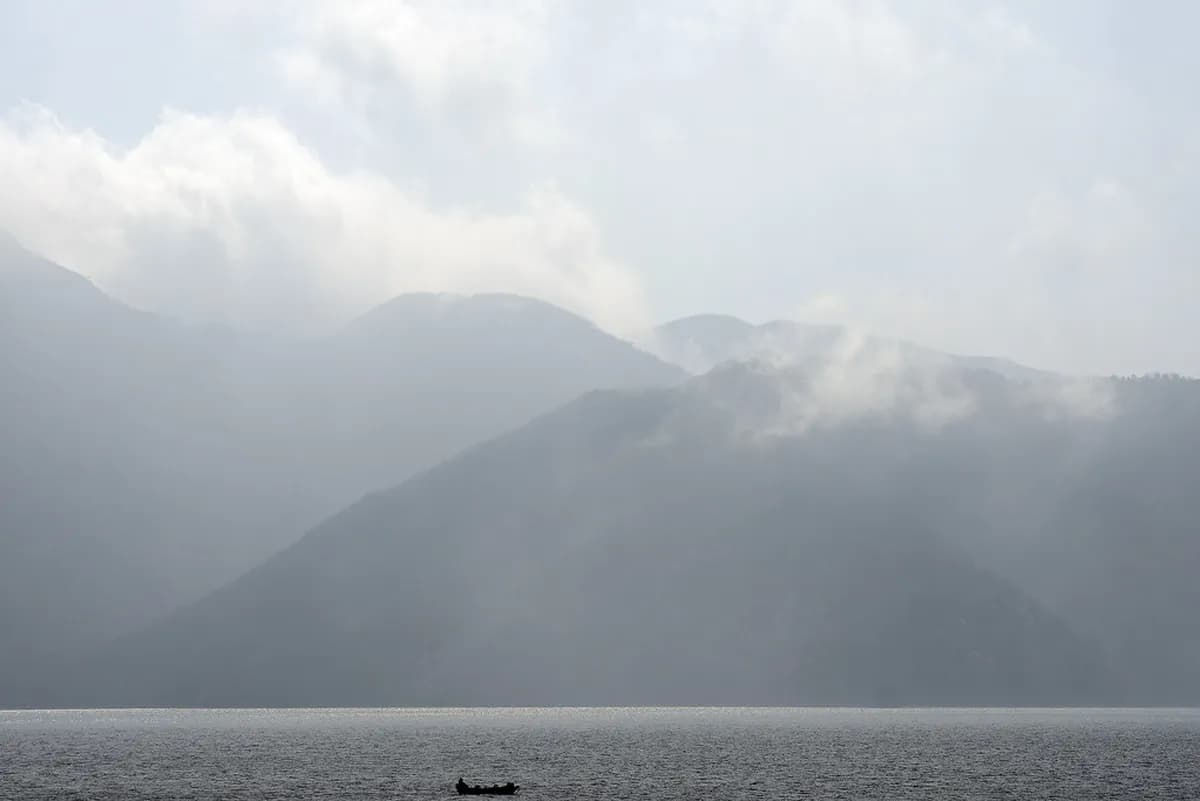
Nature lovers should prioritize Kegon Falls (free viewing from above, ¥600 for the lower observation deck elevator). At 97 metres, it is one of Japan's three great waterfalls and a dramatic sight year-round. Lake Chuzenji offers 55-minute cruises for ¥1,680, lakeside cafes, and access to Ryuzu Falls and the Senjogahara Marshland trails deeper into the national park.
Crowd Strategy: Getting the Most from Toshogu Shrine
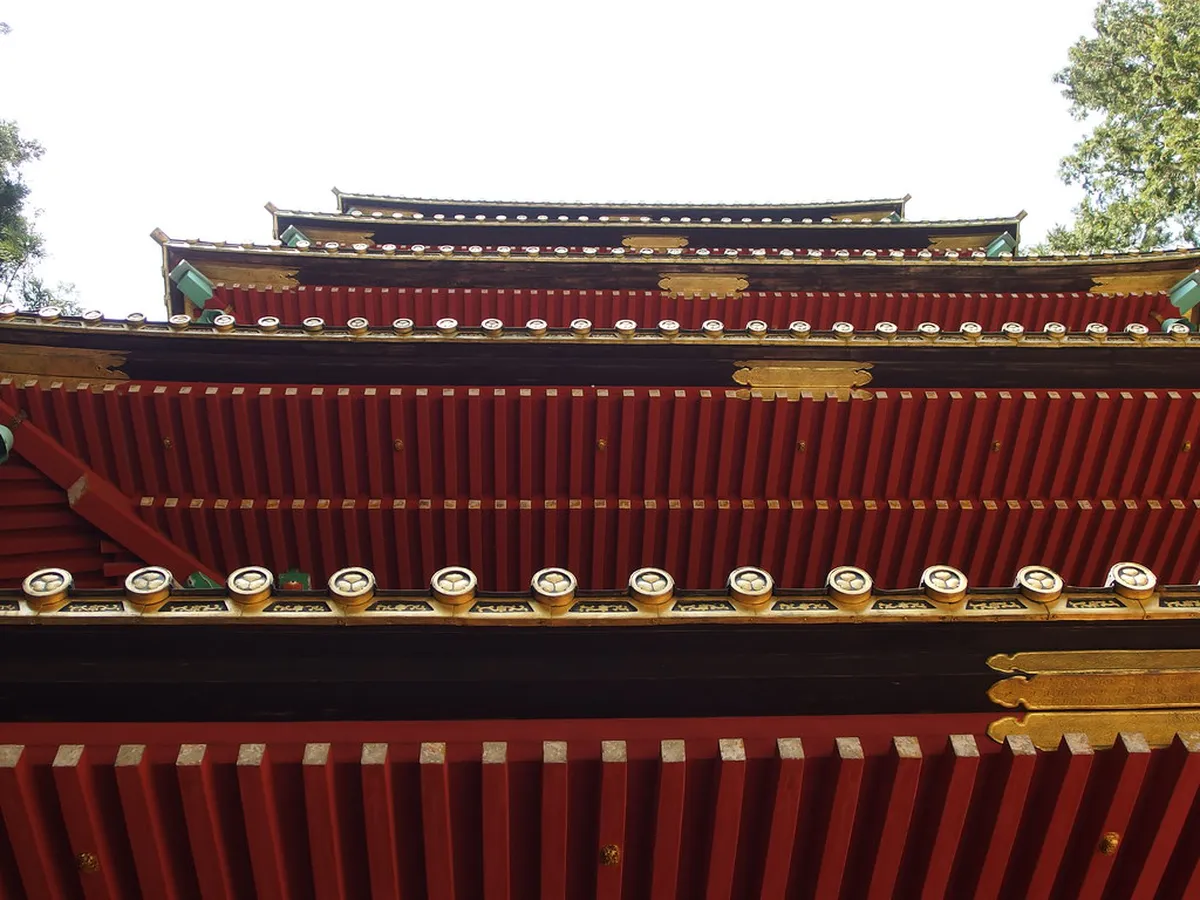
Toshogu Shrine is Nikko's biggest draw and also its biggest bottleneck. Tour buses from Tokyo begin arriving around 10:00. By 10:30 the main courtyard is packed and ticket queues stretch back past the Five-Storied Pagoda. On peak autumn weekends, the ticket office has been known to restrict sales to manage crowd flow — meaning you may wait to buy a ticket rather than to see the shrine.
The single most effective thing you can do is arrive at the ticket office when it opens at 08:00. The shrine before 09:30 is a different place: quiet cedar forest, no queues, and you can linger at the Sleeping Cat carving and the Inner Shrine mausoleum of Ieyasu without being jostled. Budget at least 90 minutes to see everything properly at this pace.
If an early start is not possible, aim to arrive after 15:00. Most tour groups clear out by mid-afternoon. The light is also softer for photography. Toshogu closes at 17:00 (16:00 from November to March), so a late afternoon visit works best for travelers staying overnight rather than doing a day trip. Weekdays are significantly quieter than weekends regardless of season.
A practical tip most travelers overlook: store your bag in a coin locker at Tobu-Nikko Station before you board the bus. The lockers are cheap (¥400–¥700), and traveling light makes a significant difference when you are climbing 200 stone steps up to Toshogu's inner courtyard in summer heat or autumn crowds. Retrieve your bag in the evening on the way back to the train.
Nature and Hiking in Okunikko and Lake Chuzenji
The Okunikko region sits at around 1,270 metres above sea level, a full 670 metres higher than central Nikko. Temperatures are noticeably cooler, making it a popular escape from Tokyo's summer heat. The drive up the Irohazaka Winding Road — 48 hairpin bends carved into the mountainside — is itself part of the experience.
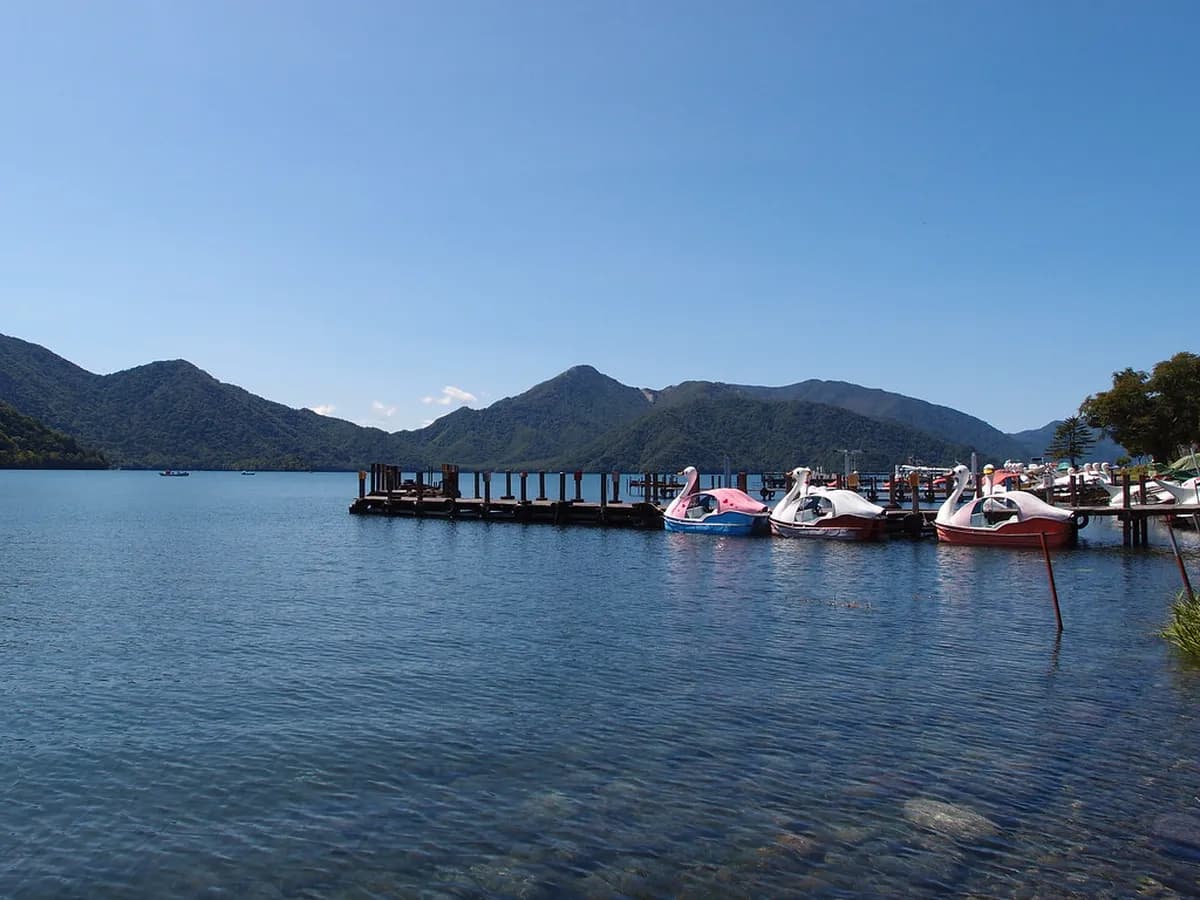
Lake Chuzenji is the highest lake in Japan and a natural hub for the national park. A gentle 2-hour loop walk around the eastern shore passes through cedar forest and along rocky promontories with views across to Mount Nantai (2,486 m). For serious hikers, the summit trail up Nantai takes 4–5 hours from Chuzenji Onsen and is open from late April to November.
Further north, Ryuzu Falls and the flat Senjogahara Marshland boardwalk trail offer easy walking with outstanding autumn colour. The Senjogahara circuit takes about one hour and requires no technical ability. The adjacent café Ryuzu no Chaya has seats facing the falls — an excellent rest stop. Check the last bus times back from Senjogahara (Yumoto Onsen route) before committing to the full trail.
Autumn in Okunikko peaks roughly one to two weeks before the foliage in central Nikko, typically in late October. If you time your visit for the last week of October on a weekday, you can see peak colour at the lake while the shrine crowds are still manageable lower down. See our Nikko Fall Foliage When To See: 10 Essential Tips & Spots for precise timing and the best viewpoints by year.
Best Time to Visit Nikko
Nikko rewards visitors in every season, but the trade-offs are real. Spring (late April to mid-May) brings cherry blossoms along the Nikko-Kaido road between Imaichi and the main town — a 15-kilometre avenue of cherry trees. The shrine precincts themselves are mostly cedar and pine, so expect blossom on the approaches rather than at the heritage sites themselves. Crowds are significant but less extreme than autumn.
Summer (June to August) is genuinely underrated. The altitude keeps temperatures 5–8°C cooler than Tokyo, making Nikko pleasant when the city is sweltering. Humidity is lower in the national park, hiking conditions are good, and accommodation prices drop. Expect some rain in June during tsuyu (rainy season). Summer also brings the Kinugawa Onsen Dragon King Festival in July, with portable shrines carried through the streets.
Autumn (late October to mid-November) is the most spectacular and the most crowded. The koyo foliage transforms the shrine forests and lake shores into vivid red and gold. Book trains and accommodation at least four to six weeks in advance for any Saturday or Sunday during peak foliage. The Irohazaka road congestion warning in the transport section above applies in full.
Winter (December to February) offers a quiet Nikko few visitors see. Snow sits on the shrine rooftops and cedar avenues, and Toshogu is often near-empty on weekday mornings. Some lakeside facilities at Chuzenji close, and snow chains may be required on the Irohazaka road. Budget travelers benefit from off-season hotel rates that can be 30–40% lower than autumn prices.
Nikko Festivals Worth Timing Your Trip Around
Nikko hosts two major festivals at Toshogu Shrine that are genuinely worth building a trip around — and unlike the autumn foliage rush, they are underbooked by international tourists. The Toshogu Spring Grand Festival takes place on 17–18 May each year. It features the Hyakumonozoroi Sennin Gyoretsu, a procession of more than 1,000 men dressed as Edo-era samurai, priests, and attendants re-enacting the spirit of Tokugawa Ieyasu being enshrined at Nikko. The second day includes traditional archery (yabusame) performed on horseback.
The Toshogu Autumn Grand Festival mirrors the spring ceremony on 16–17 October — before peak koyo crowds arrive but with the forests already beginning to change colour. Both festivals are free to watch from the shrine grounds (standard entry applies). Accommodation in central Nikko books out weeks in advance on festival dates, so reserve early.
A smaller but atmospheric event is the Yayoi Festival at Futarasan Shrine in mid-April, featuring mikoshi (portable shrine) processions through the cedar forest. It is largely attended by locals and gives a calmer window into Nikko's living shrine culture, distinct from the tourist spectacle at Toshogu. Festival dates for 2026 match the regular annual calendar — check Visit Nikko's official site for confirmation closer to your travel dates.
Where to Stay: Central Nikko vs. Lake Chuzenji vs. Kinugawa
Staying near Tobu-Nikko or JR Nikko station is the most practical choice for first-time visitors and day-trip extenders. You are within walking distance of the shrine complex, have easy access to morning buses, and can catch late trains back to Tokyo without stress. Budget guesthouses (dormitory beds from ¥4,500) and mid-range station hotels are both available. The main limitation: the neighborhood is quiet once tour groups leave, and dining options thin out by 20:00.
Staying at Lake Chuzenji or Chuzenji Onsen puts you inside the national park. You wake up to mountain lake views, have direct access to hiking trails before day-trippers arrive, and can catch Kegon Falls in the golden morning light. The trade-off is a 45-minute bus ride to the shrines each way, and the area has limited convenience stores. Ryokan rates here tend to run ¥15,000–¥30,000 per person with dinner and breakfast included. For a full breakdown, see our guide on Where to Stay in Nikko: 6 Best Areas and Lodging Guide.
Kinugawa Onsen is a hot-spring resort town about 20 minutes east of central Nikko on the Tobu Kinugawa Line. It suits travelers who want to soak in an onsen after a day of shrine-hopping more than those whose priority is being close to the heritage sites. The Nikko All Area Pass covers the train leg, which makes combining both areas easy on a two-day itinerary. The town has a slightly dated resort-hotel feel from 1980s construction, but the facilities are solid and prices are often lower than equivalent lakeside properties.
Day Trip vs. Overnight: Planning Your Time
A day trip from Tokyo is feasible but leaves little margin for error. Take the first Tobu Limited Express from Asakusa (departs around 07:30), be at Toshogu when the gates open at 08:00, and you have a full morning at the shrines before the crowds peak. Add Kegon Falls in the afternoon before catching a train back by 17:00. That schedule works, but it skips Okunikko, rushes lunch, and leaves no room for delays.
An overnight stay changes the equation significantly. Arriving the evening before means you walk to Toshogu in the quiet morning while day-trippers are still on the train. You can spend a full afternoon at Lake Chuzenji, eat a proper yuba kaiseki dinner, and still leave the next morning unhurried. For a detailed plan, see our Nikko 2-day itinerary.
Two full days suit most travelers who want both the shrine complex and the national park. Three days are worth considering if you plan to hike Mount Nantai, explore Senjogahara, or add a night in Kinugawa Onsen. The question of whether Nikko justifies the overnight cost usually resolves itself once you realize the shrines at dawn look completely different from the shrines at 11:00 AM.
What to Eat: Yuba and Local Nikko Specialties
Nikko's defining food is yuba — the thin skin that forms on the surface of heated soy milk during tofu production. Local Buddhist monks relied on it as a protein source for centuries, and Nikko yuba is now regarded as superior to Kyoto's, thanks to the exceptionally soft mountain water used in production. You will see it in every form across the town: raw, steamed, baked, fried, and in soup.
For a quick introduction, the yuba manju sold outside Tobu-Nikko Station costs around ¥250 and is filled with red bean paste with a faint tofu-skin wrapper. It is one of the best street food bargains in the region. Sit-down restaurants near the shrine approach serve yuba tasting platters — raw yuba sashimi, tempura, and grilled yuba — for ¥1,000–¥2,000. The restaurant Shiori on the main tourist strip is often recommended for its English-language explanations of each preparation.
For a full yuba experience, a yuba kaiseki dinner at a central Nikko ryokan or dedicated kaiseki restaurant costs ¥5,000–¥12,000 per person and typically includes six to ten courses built around seasonal yuba preparations. This is worth budgeting for on an overnight stay — it is genuinely one of the most distinctive regional meals in Kanto. Beyond yuba, look for local soba noodles, sake from nearby Utsunomiya breweries, and in autumn, chestnut sweets from shops along the main street.
For related deep-dives, see our 9 Best Ryokan in Nikko: Top Rated Picks for 2026 and 1-Day Itinerary: Day Trips From Nikko Travel Guide guides.
Frequently Asked Questions
How many days are enough for Nikko?
A single day trip from Tokyo allows you to see the main World Heritage sites. For a more relaxed experience and to explore the Okunikko nature area, consider an overnight stay. Two full days are ideal to experience both cultural and natural attractions.
Is the Nikko Pass worth it?
The Nikko Pass is generally worth it if you are traveling from Tokyo via Tobu Railway and plan to use local buses extensively. It offers savings over individual tickets. Compare the World Heritage Area Pass and All Area Pass based on your itinerary and duration.
What is the best time to visit Nikko?
Spring (April-May) and autumn (October-November) are popular for their pleasant weather and beautiful scenery. Autumn is especially famous for stunning fall foliage. Summer can be hot and humid, while winter offers a quiet, snowy landscape.
How do I avoid crowds at Toshogu Shrine?
Visit Toshogu Shrine early in the morning, ideally before 9:30 AM, or later in the afternoon after 3:00 PM. Most tour groups arrive between 10:00 AM and 2:00 PM. Weekdays are generally less crowded than weekends and holidays.
Can I use my JR Pass to get to Nikko?
Yes, you can use your JR Pass to take the Shinkansen to Utsunomiya and then transfer to the JR Nikko Line. However, the JR Pass does not cover local Tobu buses within Nikko itself. You will need to purchase separate bus tickets or a local bus pass.
Nikko rewards preparation more than almost any other Tokyo day trip. Get on the first train, arrive at Toshogu before the tour buses, store your bag in a station locker, and work your way out toward the lake in the afternoon. Whether you have one day or three, the combination of world-class shrines, a dramatic national park, and yuba you can only properly eat here makes Nikko one of the most complete destinations within reach of Tokyo in 2026.
Free: The Nikko Essentials guide
Top things to do, where to stay, a perfect day plan, getting around, and the best time to go — a Nikko mini-guide you can take offline.
You might also like
Continue reading
More guides you'll find useful