Things To Do In Nikko When Raining Travel Guide
Plan things to do in nikko when raining with top picks, neighborhood context, timing tips, and practical booking advice for a smoother trip.
On this page
Nikko, Japan, offers a magical experience even when the skies open up.
Rain can add a unique charm to its ancient shrines and lush landscapes.
This guide helps you discover the best things to do in Nikko when raining. You can still enjoy a memorable trip with careful planning and flexible ideas.
Embrace the mist and discover hidden gems that truly shine in wet weather.
Must-See Nikko Attractions in the Rain
Nikko's UNESCO World Heritage sites remain captivating even on a rainy day. The intricate carvings of Toshogu Shrine are sheltered by grand, overhanging structures, so you can wander the precinct without getting completely soaked. Spend two to three hours here and you will barely notice the weather.
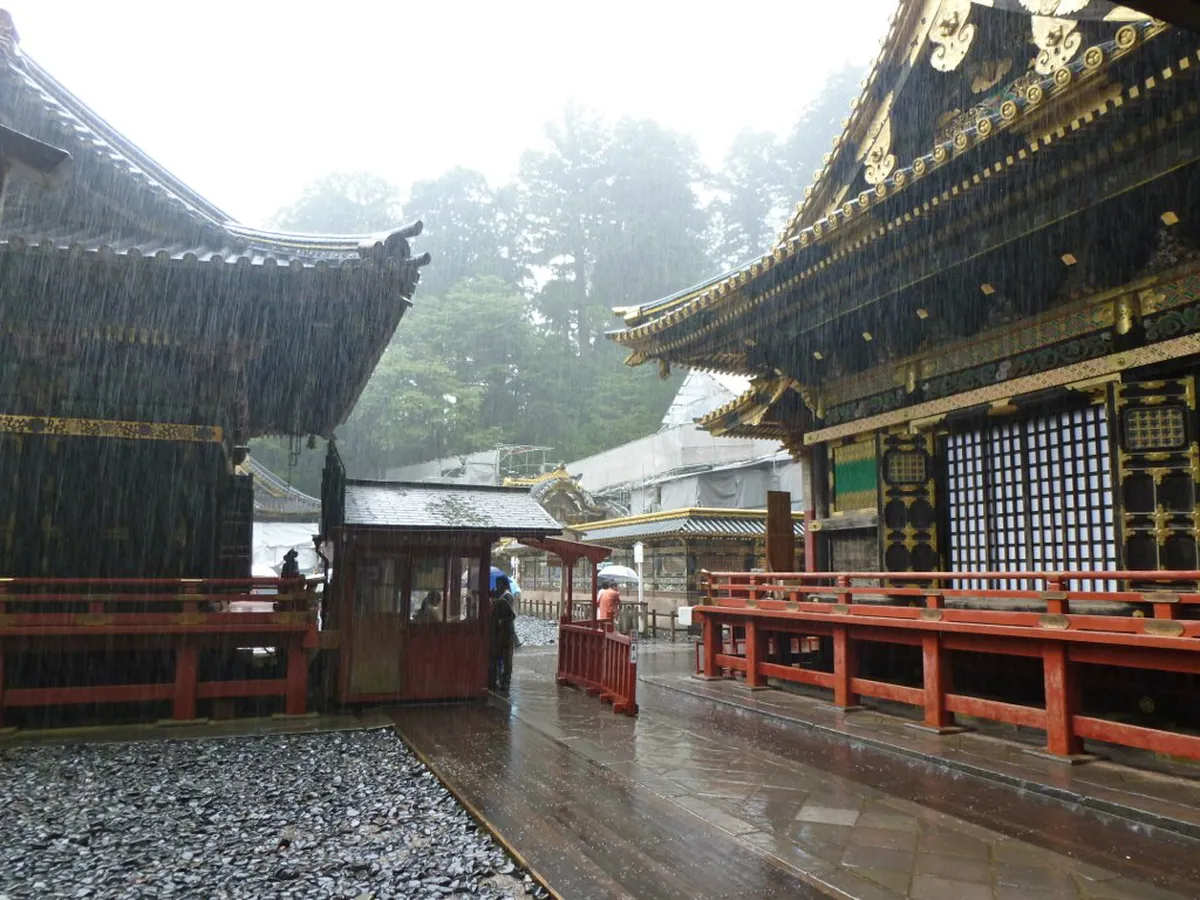
Explore the main shrine buildings at Toshogu Shrine. The Yomeimon Gate, with its hundreds of carvings, is especially impressive. Rain enhances the vibrant lacquered wood and gold leaf, and the wet stone paths create a reflective surface that adds real depth to photographs. Buy the combined ticket (¥1,300 for adults) to access Toshogu, Futarasan, and Rinnoji in one pass.
Futarasan Jinja Shrine offers a serene contrast to Toshogu's opulence. Its simpler architecture blends harmoniously with the natural surroundings, and the atmosphere becomes even more tranquil under rain. Rinnoji Temple's Taiyuinbyo — the mausoleum of the third shogun Iemitsu — tends to be quieter than Toshogu, making it ideal when crowds thin out on grey days. The heavy gate roofs channel rainwater away from the main paths, so the route between halls stays walkable.
The Shinkyo Bridge, the iconic vermilion span just below the shrine complex, looks stunning against a rainy backdrop. You cannot walk across it, but the view from the roadside is compelling: the vivid red arch, misty green cedar forest, and blue-grey river together make for an atmospheric shot that is hard to replicate on a clear day.
Museums, Art, and Culture in Nikko
Nikko provides several excellent indoor options for culture enthusiasts. These venues offer a genuine escape from the rain while deepening your understanding of the region. They span Edo-period history, contemporary trick art, and centuries-old tofu-skin cuisine — enough variety to fill a full rainy day.
The Nikko Edo Wonderland Edomura is an immersive historical theme park where most attractions sit indoors: live ninja and comedy shows, samurai armor photo experiences, and traditional craft workshops all run rain or shine. The park transports you back to Japan's Edo period. Plan for a full day; admission runs around ¥2,800 for adults and ¥1,450 for children (2026 prices).
TORIKKUA and PIA Nikko is a trick-art museum located immediately next to Edo Wonderland. The building is fully windowless, so rain is irrelevant inside. Interactive 3D paintings cover every wall, and the second floor is dominated by animal-themed illusions with prop stands for family photos. Admission is roughly ¥800 for adults. Check the official site at trickart-pia.com for current hours before visiting.
For a slower cultural experience, visit one of the specialist yuba restaurants in the central town area. Yuba — the delicate skin that forms on heated soy milk — is Nikko's most famous local food and a staple of the Buddhist temple kitchens that have fed pilgrims here for centuries. Check out our Nikko Yuba Food Guide for specific restaurant picks and multi-course kaiseki options.
Nikko Natural Museum: Learning About the Park Indoors
The Nikko Natural Museum is the most practical indoor stop near Lake Chuzenji, sitting directly at the top of the Iroha-zaka switchback road. If you have come up to Oku-Nikko for Kegon Falls and the weather has closed in, this museum turns the detour into a productive hour rather than a wasted one.
Inside, visitors explore detailed dioramas of Lake Chuzenji and the surrounding volcanic landscape, a large topographical model on the second floor, and a rare 500-year-old cedar annual-ring specimen that is said to be unique in Japan. A cinema room shows panoramic footage of the park's four seasons, which gives you a vivid sense of what Nikko's highlands look like in snow, autumn colour, and spring melt — useful context even if you are only visiting in summer. The natural history exhibits on geology, flora, and fauna add real depth to any outdoor exploring you plan for when the rain clears.
Opening hours: 09:00–17:00 (April–November), 10:00–16:00 (December–March). Closed Mondays from December through April (and the following Tuesday if Monday is a public holiday), and closed 29 December–3 January. Entry to paid areas closes 30 minutes before the stated closing time. Admission is ¥300 for adults. The museum sits a short walk from the Chuzenji Onsen bus terminus — the same stop you use for Kegon Falls and the England Embassy Villa.
Chasing Waterfalls: A Rainy Day Must-Do
Rainfall genuinely improves Nikko's waterfalls. The increased water volume amplifies both the visual drama and the sound, and the misty air that surrounds a thundering falls on a wet day is unlike anything you see in dry weather. This is one activity where the rain is an asset, not a problem.
Kegon Falls is the headline act. Fed by Lake Chuzenji, it drops 97 metres into a sheltered gorge, and a paid elevator (¥570 return, adults) descends to an underground observation platform directly in front of the base. You stay dry inside the elevator cabin and the observation tunnel. On rainy days, the twelve smaller cascades that flank the main drop are also running at full volume, creating a curtain-of-water effect that disappears in dry months. Arrive before 09:30 to avoid bus-tour crowds.
Ryuzu Falls, a twenty-minute drive north of Kegon along the Oku-Nikko road, is worth the detour. Water splits around a central rock formation that gives the falls their dragon-head name, and a lakeside teahouse immediately beside the viewing area lets you watch the cascade over a bowl of warm soba or green tea. The path from the car park to the viewpoint is paved and flat — no slippery hiking required.
When visiting any waterfall in rain, wear footwear with good grip and stay on the marked paths. Water levels can rise quickly after sustained rainfall, and the spray radius at the base of Kegon increases considerably. The views from the upper deck (free) are spectacular even if you skip the elevator.
Oku-Nikko: Observation Decks and Mountain Mist
The highlands of Oku-Nikko — the area above the Iroha-zaka switchbacks — take on a completely different character in rain. Low cloud wraps around Mount Nantai and rolls across Lake Chuzenji, creating layers of mist that clear and close again within minutes. Two observation points make the most of these conditions.
The Akechidaira Ropeway climbs to a deck at 1,373 metres that overlooks Kegon Falls, Lake Chuzenji, and the mountain range in one panoramic sweep. On a misty day, the falls appear and disappear through the cloud — a dramatic effect that clear-sky visitors never see. The ropeway ride takes about three minutes each way and operates daily from around 09:00–16:30 (check seasonal timetables). A round-trip ticket costs ¥720 for adults. The deck itself has a covered shelter, so light rain is not a problem.
The Hangetsuyama Observation Deck, a short drive from the ropeway station, faces directly toward Mount Nantai above the lake. When cloud is moving through the valley, the mountain alternately hides and reveals itself — locals call this the "mountain breathing" effect. There is no admission fee. It is a legitimate scenic stop that most visitors on day trips skip entirely, making it calm even on popular summer weekends.
When Heavy Rain or Fog Makes Oku-Nikko Not Worth the Trip
Mist at Lake Chuzenji can be beautiful, but a full whiteout is different. Sometimes the trip up is a poor use of a day. A few quick checks help you decide before you board the bus.
- Look at the hourly forecast, not the daily one. Oku-Nikko sits well above the town, so it is noticeably cooler and often cloudier. If the forecast shows a clear break in the afternoon, go up late rather than skipping it.
- Check the webcams and the road status. Nikko's tourist information and the bus operators post closures. Heavy rain can close sections of road or slow the buses badly.
- Match the sight to the visibility. Kegon Falls is still dramatic in poor visibility because you are standing next to it, and the elevator gets you close. The Akechidaira Ropeway view depends on clear sky, so save it for a better day if you can.
- Have a fallback ready. The Nikko Natural Museum and the lakeside cafes near Chuzenji Onsen are good places to wait out a heavy shower.
Typhoon days are different. If a typhoon is forecast, skip the mountain, because rain, wind and slippery roads all add risk. Stay in the lower town or reschedule. The shrine precincts are usually the safest option in ordinary rain, but they can also close in extreme weather, so confirm at the ticket office.
Dress warmly even in summer. Lake Chuzenji sits at about 1,270 metres and can be around 8–10°C cooler than central Nikko, especially when it is wet and windy.
Hydrangea Blooms and the Rainy Season
The rainy season in Japan (tsuyu, usually mid-June to mid-July in Nikko's area) brings the hydrangeas — ajisai — into peak bloom. These flowers actually need the humidity and rain to achieve their fullest colour. On wet days, water droplets sit on the petals and intensify the blues, purples, and pinks in a way that photographs cannot entirely capture.
Around Nikko's shrine and temple precincts, hydrangeas line the cedar-shaded paths and cluster along the stone walls. Look for them particularly along the approach to Futarasan Jinja and near the Rinnoji temple garden. The damp air makes their colors appear deeper and more saturated. Peak bloom typically runs from mid-June through mid-July, coinciding almost exactly with the wettest stretch of the rainy season.
For a more concentrated hydrangea experience, the road down to Ryuzu Falls is edged with large hydrangea bushes — the walk from the car park to the waterfall viewpoint becomes a floral corridor during peak season. The combination of blooming ajisai and the roaring falls in the same short walk is one of the more underappreciated rainy-season moments in all of Tochigi prefecture.
Katayama Sake Brewery: A Rainy-Day Hidden Gem
Nikko has an active sake-brewing tradition that most visitors never discover. Katayama Sake Brewery, operating since 1880 with a family now in its sixth generation, uses the same well water drawn in the Meiji era from beneath the warehouse. It is a fully indoor experience in a historic building, and completely rain-proof.
The brewery's daiginjo called "Shizengao" (natural face) won a gold prize at the National New Sake Appraisal — a significant distinction for a small regional brewery. The sake uses carefully selected rice from a specific district in Hyogo prefecture, and annual production is limited enough that it sells out each year. Beyond the flagship daiginjo, the brewery makes several other sake styles and produces a sake-infused liquor cake (about 1% alcohol) that keeps for two months and makes an unusual souvenir. The cake is popular with non-drinkers who want a taste of the flavour without the alcohol level of a full pour.
Brewery tours are available by prior reservation — contact them by phone or through the official website before your visit. The tour takes roughly 45 minutes and includes a look at the fermentation process and the original stone-walled storage room. On a rainy afternoon when outdoor touring feels unappealing, this is the kind of off-the-beaten-track stop that turns a frustrating weather day into a genuinely memorable one.
England Embassy Villa Memorial Park
The England Embassy Villa Memorial Park, on the shore of Lake Chuzenji, was a summer retreat for British diplomats from the late 19th century through much of the 20th century. The exterior architecture — dark timber framing, high-pitched roof, European proportions — looks genuinely out of place against the Japanese mountain landscape, which is exactly what makes it worth visiting.
Inside on the first floor, displays cover the history of Ernest Satow, one of the villa's most significant British resident diplomats, and his role in shaping the foreign quarter that developed around Lake Chuzenji. On the second floor, the hallway doubles as an enclosed terrace with floor-to-ceiling windows facing the lake. The standard rainy-day experience here is simple and unhurried: English black tea and a scone at the cultural exchange room on the upper floor, watching rain stipple the surface of the lake. It is the kind of quietly atmospheric afternoon that no amount of hurried sightseeing can replicate.
The adjacent Italian Embassy Villa is included in the same ¥450 adult / ¥200 student combined pass (open May 1–November 10, 09:00–17:00). The access road inside the park is gravel, so strollers and wheelchairs require some care. The Chuzenji Onsen bus stop is the nearest public transport point. Note that the park closes entirely from November 11 through the end of April — confirm dates before making the trip up.
Onsen in Kinugawa and Nikko During Rainy Season
Soaking in a warm onsen while rain falls outside is one of the defining pleasures of a Japanese rainy-season trip. The contrast between the cool, damp air and the hot mineral-rich water is genuinely soothing in a way that a clear-sky soak is not. The outdoor rotenburo (open-air bath) experience is especially good in light rain: steam rises from the water, the sound of rainfall replaces traffic noise, and the sky overhead changes constantly.
Kinugawa Onsen, roughly 15 kilometres east of central Nikko along the Kinugawa River valley, is the main onsen resort area. It is reachable by local bus or the Tobu Kinugawa line. Many ryokans and hotels here offer day-use bathing for non-guests, typically from 10:00 to 15:00 for around ¥600–1,200. Hoshino Resorts KAI Kinugawa is among the well-regarded options in the area, with indoor and outdoor baths and a clear focus on traditional Japanese hospitality. Consider an overnight stay at a Nikko ryokan if your schedule allows — the evening meal, morning bath, and walk to the station in light rain is a hard experience to beat.
If you are based in central Nikko town rather than Kinugawa, some smaller guesthouses offer hot spring baths as well. Remember standard onsen etiquette: shower thoroughly before entering the communal bath, keep towels out of the water, and avoid onsen if you have visible skin conditions or tattoos at establishments that follow traditional rules (many now accommodate visitors with tattoos — check in advance).
Family-Friendly and Budget Options
Families visiting Nikko on a rainy day have a range of genuinely child-appropriate options beyond the shrine complex. The key is knowing which venues cater specifically to younger visitors and what the actual costs look like.
Nikko Hana-ichi-mon-me is a large greenhouse complex featuring two glass houses filled with begonias (temperature-controlled between 15–25°C year-round), small animals including rare tortoises and rabbits, a fish pond, and seasonal strawberry picking (December through May). The indoor activity area includes a small-animal feeding experience at ¥100. When strawberries are in season, it is one of the most popular rainy-day family stops in the area. Check the official site at nikko-hanaichimonme.jp for current seasonal activity schedules.
The Nikko Natural Museum near Lake Chuzenji (covered in its own section above) charges only ¥300 for adults and is free for younger children, making it the most budget-friendly dedicated indoor attraction in Oku-Nikko. The interactive dioramas, stuffed animal displays, and seasonal film hold children's attention for an hour. Browsing the souvenir shops along Nikko's main approach road (Omote-sando) is free and gives younger visitors a chance to pick up a small memento — the carved wood crafts and yuba-flavoured snacks are particular to Nikko and hard to find elsewhere.
Getting Around Nikko by Bus and Train When It Rains
Rain changes how you should move between Nikko's two halves: the shrine area near the Tobu-Nikko and JR Nikko stations, and the Oku-Nikko highlands around Lake Chuzenji. Plan your transport before you plan your sights.
- Station to shrines: the walk from either station to Shinkyo Bridge and on to Toshogu is roughly 2 km and mostly uphill. In steady rain, take the Tobu "World Heritage Tour" loop bus instead. It stops near Shinkyo, Toshogu and Rinnoji, so you avoid the long wet climb.
- Shrines to Lake Chuzenji: Tobu buses climb the Iroha-zaka road, which has 48 hairpin turns, in about 40–50 minutes. In heavy rain the road can be slow and foggy. Leave extra time and do not schedule a tight connection.
- Buses run on a fixed timetable: in rain, service can thin out in the evening and after a landslide or road closure. Check the current timetable at the bus counter outside Tobu-Nikko Station and note the last bus back down from Chuzenji Onsen.
- Passes: if you are coming from Tokyo, ask whether a Tobu pass covering the trains and the Nikko buses suits your route. Compare it with the cost of paying per ride, since the bus up to Chuzenji is the biggest single fare.
A sensible wet-weather order is to do the covered shrine precincts and indoor museums in the lower town first. Then ride up to Oku-Nikko only if the clouds look like they will lift. If you are staying more than one night, spread the two areas over separate days. Our Nikko 3-day itinerary shows how to pair them, and day trips from Nikko covers what to do if Nikko is washed out entirely and you want to switch destinations.
Bring a compact umbrella and a waterproof shell, because wind on the highlands can flip an umbrella. Shoes with a grippy sole matter on wet cobblestones and the stone steps at Toshogu.
How to Plan a Rainy Day in Nikko
A few practical decisions separate a comfortable rainy day in Nikko from a frustrating one. The terrain is hilly, distances between the Oku-Nikko lake area and the central shrine precinct are significant, and the weather can shift quickly. Planning around the geography — rather than a simple "here to there" list — saves considerable time.
Pack waterproof outerwear, an umbrella, and shoes with solid grip. Nikko's stone paths become slippery quickly. Layers help because the temperature at Lake Chuzenji (1,269 metres above sea level) can be 5–8°C cooler than central Nikko town, even in June and July. A small backpack keeps hands free on wet steps.
Use the Tobu Nikko bus network for transport between the shrine area and Oku-Nikko. The Tobu Nikko Pass covers unlimited rides and entry discounts at several attractions — it is worth buying at Tobu Nikko station on arrival. The World Heritage Area bus loop runs roughly every 15 minutes during peak season; the Chuzenji Onsen bus (Line A or B) takes about 45 minutes to reach the lake. Check the Tobu Nikko timetable online before your visit, since off-season frequency drops and last buses leave the lake area by around 17:30.
Book tickets for Edo Wonderland and onsen day-use sessions online in advance if visiting during the tsuyu peak or Golden Week shoulder period. Kegon Falls elevator tickets can be purchased at the booth without waiting in rain, but the queue for the elevator itself builds quickly after 10:00. Arriving at major sites before 09:30 consistently yields shorter waits and more atmospheric, quieter photos.
Frequently Asked Questions
Which things to do in Nikko when raining options fit first-time visitors?
First-time visitors should prioritize Toshogu Shrine, Futarasan Jinja, and Rinnoji Temple. These UNESCO World Heritage sites offer extensive indoor areas to explore. The Nikko Natural Museum also provides a great introduction to the region's ecology. Consider a visit to Kegon Falls for a dramatic rainy-day natural spectacle.
How much time should you plan for things to do in Nikko when raining?
Plan at least a full day, or ideally two days, to comfortably enjoy Nikko's rainy-day attractions. The temple and shrine area alone can take several hours. Museums like the Nikko Natural Museum or Edo Wonderland require a few hours each. Factor in travel time between locations, especially if using public transport.
What should travelers avoid when planning things to do in Nikko when raining?
Avoid planning extensive outdoor hiking trails, as they can become slippery and dangerous in the rain. Also, do not assume all outdoor attractions will be closed; many offer sheltered viewing. Lastly, avoid underestimating the need for waterproof gear. Always check the latest operating hours for attractions, as they can change due to weather.
Is the day when it rains same with an animal?
No, the day when it rains is not the same with an animal. This phrase appears to be a misunderstanding or mistranslation. Rainy days are simply a weather condition. Animals react to rain in various ways, seeking shelter or adapting their behavior. There is no direct equivalence between a rainy day and an animal itself.
Is things to do in Nikko when raining worth including on a short itinerary?
Yes, absolutely. Nikko's primary attractions are well-suited for rainy weather, making it a great destination regardless of forecasts. Focus on the main shrines, temples, and indoor museums for a rich cultural experience. Even a Nikko Day Trip From Tokyo: The Ultimate 1-Day Itinerary can be incredibly rewarding. The rain often adds a unique, mystical ambiance to the historical sites.
Rain in Nikko does not diminish its allure; it simply transforms it.
The mist and dampness create a serene and mystical atmosphere around ancient sites.
With this guide, you can confidently plan an enjoyable and memorable trip. Embrace the unique charm of Nikko's rainy days.
From historical wonders to soothing onsen, Nikko shines brightly, rain or shine.
Free: The Nikko Essentials guide
Top things to do, where to stay, a perfect day plan, getting around, and the best time to go — a Nikko mini-guide you can take offline.
You might also like


Continue reading
More guides you'll find useful