Tobu Nikko Pass Guide
Plan tobu nikko pass guide with top picks, neighborhood context, timing tips, and practical booking advice for a smoother trip.
On this page
Getting to and around Nikko without the right pass costs real money fast. A single bus ride from Nikko station to Kegon Falls runs around ¥1,000 one-way — and you'll need several of those each day.
The Tobu Nikko Pass bundles your Tokyo-to-Nikko train and unlimited local buses into one ticket, cutting transport costs significantly and removing the need to count change at every stop.
This guide explains which pass fits your situation, where to buy it before you lose the option, and how to navigate Nikko's bus network without getting stranded at the wrong time of day.
Which Tobu Nikko Pass Is Right for You
Tobu Railway offers two main pass tiers for Nikko, and choosing the wrong one is a common mistake — especially because one of them can only be purchased in Tokyo.
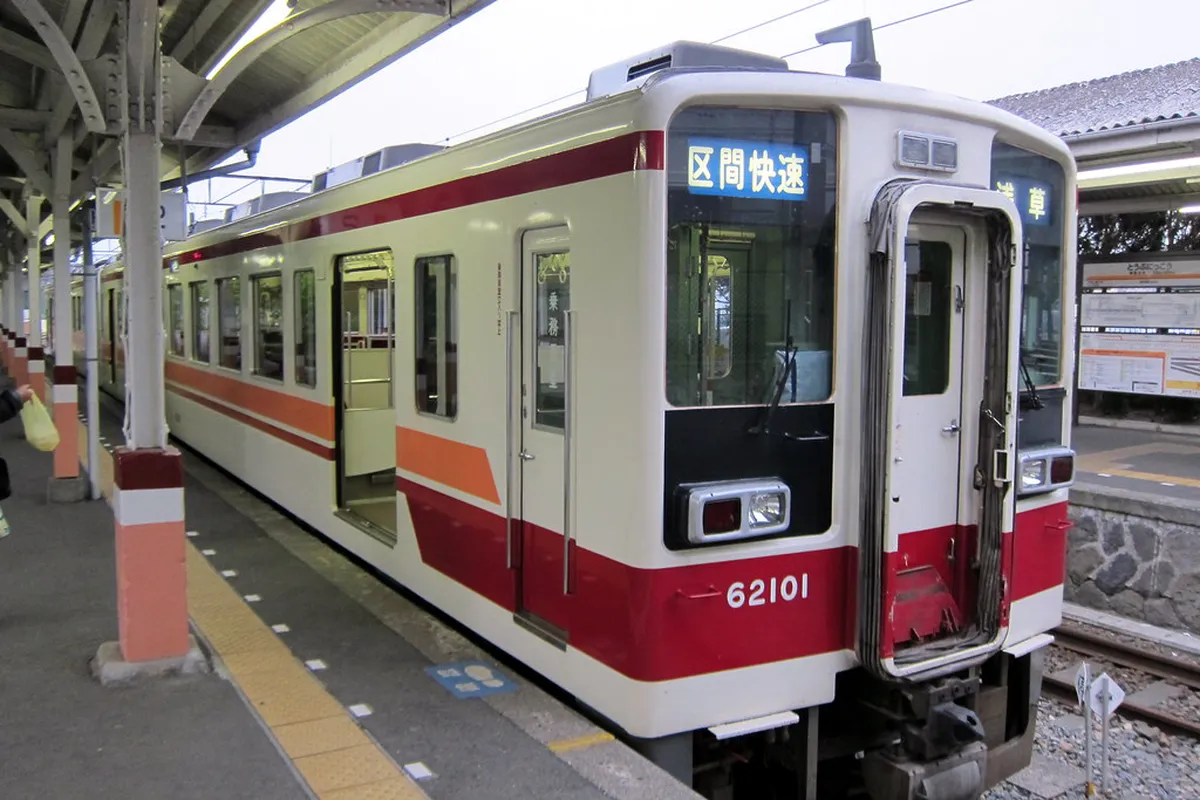
The Nikko Pass World Heritage Area covers a round-trip train from Asakusa (Tokyo) plus unlimited buses around the central shrine and temple district. It is valid for two days and suits a quick overnight trip focused on the UNESCO sites.
The Nikko Pass All Area extends bus coverage to all of Nikko City — including Yumoto Onsen, Lake Chuzenji, the Akechidaira Ropeway, and a Lake Chuzenji cruise boat. It is valid for four days at ¥4,780 from 20 April to 30 November, or ¥4,160 from 1 December to 19 April. If you plan to reach Yumoto or hike out to Senjogahara, this is the one to get.
There is a critical purchase rule: the 4-day All Area pass can only be bought at Asakusa Station in Tokyo. If you arrive in Nikko without it, you are limited to the 2-day passes sold locally. Buy it before you board the train.
Nikko Free Pass for JR Pass Holders
If you already hold a Japan Rail Pass, the equation changes. The Tobu All Area pass includes the Tokyo-to-Nikko train leg, which you don't need if you're arriving via the JR Nikko Line from Utsunomiya. In that case, the local bus pass — called the Nikko Free Pass — is the cost-effective choice.
The Nikko Free Pass covers unlimited Tobu buses within Nikko for two consecutive days. It does not include the train from Tokyo. You buy it at Tobu Nikko or JR Nikko stations, or in advance online at the Jorudan Tobu bus ticket portal.
There is a well-known local trap here: the ticket counter at Tobu Nikko Station does not open until 08:20. The vending machine follows the same schedule. If your plan requires catching an early bus — say the first run to Kegon Falls or the trailhead at Ryuzu Falls — you need to buy the pass the night before through the app or the online link above. Arriving at 08:00 with no pass and a 08:05 bus departure is a frustrating start to the day.
For reference, buying single-use tickets costs roughly ¥1,000 per ride in this area. Even two round-trips to Lake Chuzenji makes the pass worthwhile financially. Check the Tobu official website for current prices and coverage maps.
Where to Base Yourself in Nikko
Nikko splits into two very different bases, and the one you pick shapes everything from your morning routine to how much you rely on the bus pass.
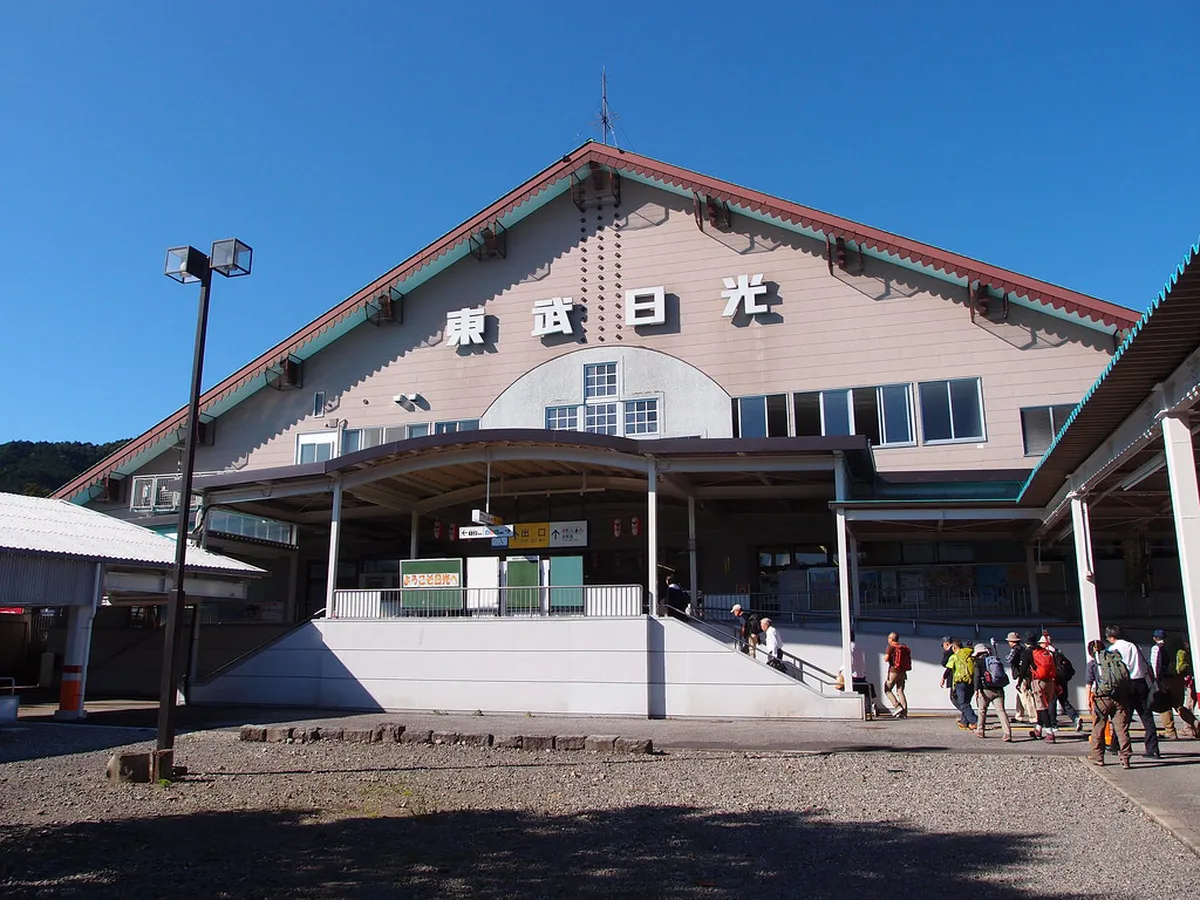
Nikko Town sits around the main stations and is the most practical base. You are within walking distance of the Toshogu Shrine complex, Rinnoji Temple, and Shinkyo Bridge. Convenience stores, restaurants, and the tourist information desk at the station are all close by. This is the right choice if your trip is one or two days and focused on culture.
Lake Chuzenji is about an hour's bus ride up the Irohazaka switchback road and puts you in the heart of Nikko's natural attractions — Kegon Falls, the ropeway, and the lake ferry are all nearby. The tradeoff is real: restaurants thin out considerably, there's little nightlife, and the buses between the lake and town run roughly every 40 minutes. The last bus back to Nikko Town leaves earlier than you'd expect, so check the timetable before committing to afternoon activities at the lake.
Earth Hostel Nikko Riverhouse is a popular budget option sitting along the river outside town. It offers a free daily shuttle to and from the stations and the World Heritage area, which effectively offsets some of the inconvenience of its location. For independent travelers who want a social atmosphere without paying ryokan prices, it is worth considering. See our guide on where to stay in Nikko for a fuller breakdown of accommodation types across both areas.
Mastering Bus Travel in Nikko
Buses are the backbone of getting around in Nikko once you leave the town center. The network is run by Tobu Bus and covers everything from the shrine area up to Yumoto Onsen at the far end of the national park.
The main line runs from Tobu/JR Nikko stations through the World Heritage area, along the lakeside at Chuzenji, past Ryuzu Falls, through Senjogahara, and up to Yumoto Onsen. Frequency varies: routes to the shrine area run fairly often during the day, but services to Yumoto thin to roughly one or two per hour and stop early in the evening. If you're hiking Senjogahara and plan to catch the bus back from Yumoto, confirm the last departure time before you set out — missing it means a very long walk.
There are also smaller focused passes if you only need coverage for part of the network. The Tobu Bus World Heritage Sightseeing Pass covers one day between the stations and the shrine complex for ¥600 — useful if you're spending a single day on the shrines and temples with no plans to go further. The Chuzenji Onsen Pass covers two days of unlimited rides between the stations and the lake for ¥2,300, and includes discount coupons for the Chuzenji Lake Boat Cruise, Akechidaira Ropeway, and the Nikko Natural Science Museum. The Yumoto Onsen Pass extends coverage all the way to Yumoto for ¥3,500 over two days and includes the same coupons plus access to Ryuzu Falls and Senjogahara.
Boards are easy to use: enter from the rear door, tap or show your pass at the front when you exit. A downloadable map of Nikko's public transportation routes covers all the stops if you want to plan in detail before arrival.
Must-See Attractions with Your Pass
The pass opens up a wide range of sites that would otherwise require multiple paid bus rides. Prioritizing the right combination saves both time and money.
The UNESCO World Heritage complex — Toshogu Shrine, Futarasan Jinja, and Rinnoji Temple — is the first priority for most visitors. Toshogu in particular is dense with intricate carvings and historically significant structures. Arrive before 09:00 if you can; the crowds are noticeably thinner in the first hour. Taiyuinbyo Mausoleum, the resting place of the third Tokugawa shogun Iemitsu, sits within the same complex but draws far fewer visitors — it's worth the extra twenty minutes.
Kegon Falls is Nikko's most iconic natural sight. The free viewpoint from the road is decent, but the paid elevator (around ¥570) takes you to an observation deck at the base where the scale of the falls becomes genuinely impressive. Combine it with a stop at Akechidaira Ropeway — the panorama from the top takes in both Lake Chuzenji and the falls simultaneously and is one of the best views in the Nikko National Park.
Senjogahara Marshland is the standout hike for those with the 4-day pass and a spare afternoon. The trail from Ryuzu Falls to Yumoto Onsen runs mostly flat through high-altitude wetlands, along clear rivers, and past Yudaki Falls — typically 3–4 hours one way, accessible to any fitness level. The bus drops you at Ryuzu Falls; check the last bus from Yumoto Onsen before you start. For a family-focused planning view, see our Nikko With Kids: The Ultimate Family Guide & Itinerary.
Cultural Sites and How to Structure Your Day
Most visitors split their time between the shrine complex in the morning and the lake area in the afternoon. This is sensible — shrines open at 08:00 (09:00 in winter) and cool light on the cedar-lined paths makes for better photos early in the day.
The Nikko Tamozawa Imperial Villa Memorial Park is a less-visited gem near the shrine area. It was used as a summer residence by the Imperial Family and blends Edo, Meiji, and Taisho architectural styles across 106 rooms and a well-maintained garden. Admission is around ¥550. It runs quieter than Toshogu on any given day and provides good cultural context for the region's relationship with Japan's ruling elite.
For shopping and craft, the Nikko Wood Carving Center near the shrine area displays and sells traditional carved pieces — a genuine local craft with history in the town. It functions partly as a studio and partly as a showroom, and browsing costs nothing.
For your afternoon, use the efficient Nikko itinerary as a day-by-day template. The standard two-day structure pairs the shrine complex on day one with the lake and falls on day two — which also lines up neatly with the 2-day pass duration for those not going to Yumoto.
What to Eat in Nikko
Nikko's signature dish is soba. The region's mountain water and locally-grown buckwheat produce noodles with a distinct earthy flavor, and most soba here is handmade — a different experience from the chain-restaurant versions in Tokyo. You'll find soba restaurants clustered along the main road leading up to Toshogu and in the town center near the station.
Order zaru soba (cold noodles with a dipping broth) in summer, or kake soba (hot broth) in cooler months. Sansai soba — served with mountain vegetables foraged locally — is the most regionally specific version and worth ordering if you see it on the menu.
Be aware that food options thin out significantly the further you travel from Nikko Town. At Lake Chuzenji and beyond, most restaurants are attached to hotels and tend to be expensive. There is one supermarket near the lake, but it keeps limited hours. If you're spending a full day in the Okunikko area, bring food from Nikko Town or stock up at a convenience store near the station before boarding the bus.
Practical Tips Before You Go
Buy the 4-day All Area pass at Asakusa Station in Tokyo before you board the Tobu Line. It cannot be purchased in Nikko. If you arrive without it, your only option is the 2-day pass sold locally at ¥2,300 (Chuzenji range) or ¥3,500 (Yumoto range).
If you need an early bus and are buying locally, use the Jorudan app or the online portal the evening before — the physical ticket counter and the station vending machine do not open until 08:20. This is a genuine operational constraint, not a rumor.
Nikko's buses run to a real schedule, not Tokyo frequency. Between the lake and Yumoto, gaps of 40–60 minutes between services are normal. Download the timetable or screenshot the relevant stops from Google Maps before going somewhere remote. The buses also start early — typically before 07:00 — which rewards early risers significantly.
Most places in central Nikko town accept credit cards. Cash becomes more important at roadside stalls, smaller soba shops, and any stops in the Okunikko area. Bring around ¥5,000 in small notes as a buffer. ATMs exist at the post office near the station.
For a broader view of what to do across the region, see our Nikko tour roundup and the Nikko Day Trip From Tokyo: The Ultimate 1-Day Itinerary for single-day planning.
For related deep-dives, see our 9 Best Ryokan in Nikko: Top Rated Picks for 2026 and 1-Day Itinerary: Day Trips From Nikko Travel Guide guides.
Frequently Asked Questions
Which tobu nikko pass guide options fit first-time visitors?
First-time visitors to Nikko should consider the All Nikko Pass. It covers roundtrip train travel from Tokyo's Asakusa Station and unlimited bus rides within Nikko. This pass simplifies transportation and offers excellent value for exploring major attractions.
How much time should you plan for tobu nikko pass guide?
To fully utilize a Tobu Nikko Pass and see the main attractions, plan for at least two to three days. A two-day trip allows you to visit the shrines, temples, and Lake Chuzenji. A three-day itinerary provides more time for hiking or exploring less-visited areas.
What should travelers avoid when planning tobu nikko pass guide?
Avoid visiting during major Japanese holidays without advance bookings, as attractions and buses become very crowded. Do not forget to check the validity period of your pass; some passes are for specific durations. Also, avoid relying solely on cash, as some larger establishments accept cards.
Is tobu nikko pass guide worth including on a short itinerary?
Yes, the Tobu Nikko Pass is definitely worth it even for a short itinerary, especially if you plan to visit multiple attractions. It offers significant savings on transportation costs compared to individual tickets. A Nikko Day Trip From Tokyo: The Ultimate 1-Day Itinerary can still benefit from the pass for local bus travel.
Which Must-See Tobu Attractions options fit first-time visitors?
For first-time visitors, focus on the UNESCO World Heritage sites: Toshogu Shrine, Futarasan Jinja, and Rinnoji Temple. Additionally, a visit to Kegon Falls and Lake Chuzenji is highly recommended for experiencing Nikko's natural beauty. These spots offer a comprehensive introduction to the region.
The Tobu Nikko Pass guide serves as your essential companion for an unforgettable journey.
It simplifies travel planning, allowing you to focus on Nikko's stunning beauty and rich history.
By understanding your pass options and local transportation, you can maximize your visit.
Embrace the adventure and discover all that this incredible Japanese destination offers.
Free: The Nikko Essentials guide
Top things to do, where to stay, a perfect day plan, getting around, and the best time to go — a Nikko mini-guide you can take offline.
You might also like


Continue reading
More guides you'll find useful