Nikko On A Budget Travel Guide
Plan nikko on a budget with top picks, neighborhood context, timing tips, and practical booking advice for a smoother trip to this beautiful mountain town.
On this page
Visiting the mountain town of Nikko does not have to break your bank account while exploring Japan. This destination is famous for its ornate shrines and stunning waterfalls that look beautiful in every season. You can easily enjoy a fulfilling trip here by planning your transportation and entrance fees carefully.
Many travelers wonder if they can experience nikko on a budget without missing the main highlights. The city offers a mix of expensive historical sites and free natural wonders that balance out your total costs. This guide covers how to get here, how to get around, what to see, where to sleep, and where to eat — all with spending limits in mind.
How to Get to Nikko from Tokyo
The cheapest and most direct route is the Tobu Nikko Line from Tobu-Asakusa Station. A local Tobu train (no express surcharge) takes about two hours and costs roughly ¥1,350 one way. If you want to shave 30 minutes off the journey, the limited express Revaty Kegon or the newer Spacia X adds a reserved-seat surcharge of around ¥1,100 on top of the base fare — worth it if you are exhausted and value the seat guarantee.
Travelers with a Japan Rail Pass can reach Nikko via Shinkansen from Tokyo or Ueno to Utsunomiya, then change to the JR Nikko Line for the final 40-minute leg. Note that JR Pass prices rose significantly after October 2023, so this route saves money only if you are already using the pass for other legs of your Japan trip. The Tobu route from Asakusa is usually the better budget choice for a standalone day trip.
Buy a Tobu Nikko Pass before boarding rather than paying separate fares — the round-trip train plus unlimited bus access is built into the pass price. The Tourist Information Centre inside Tobu-Nikko Station sells passes and can print you a bus timetable for the day. Aim to board the 07:30 train from Asakusa to arrive in Nikko by around 09:20 and maximize the daylight hours.
Must-See Nikko Attractions
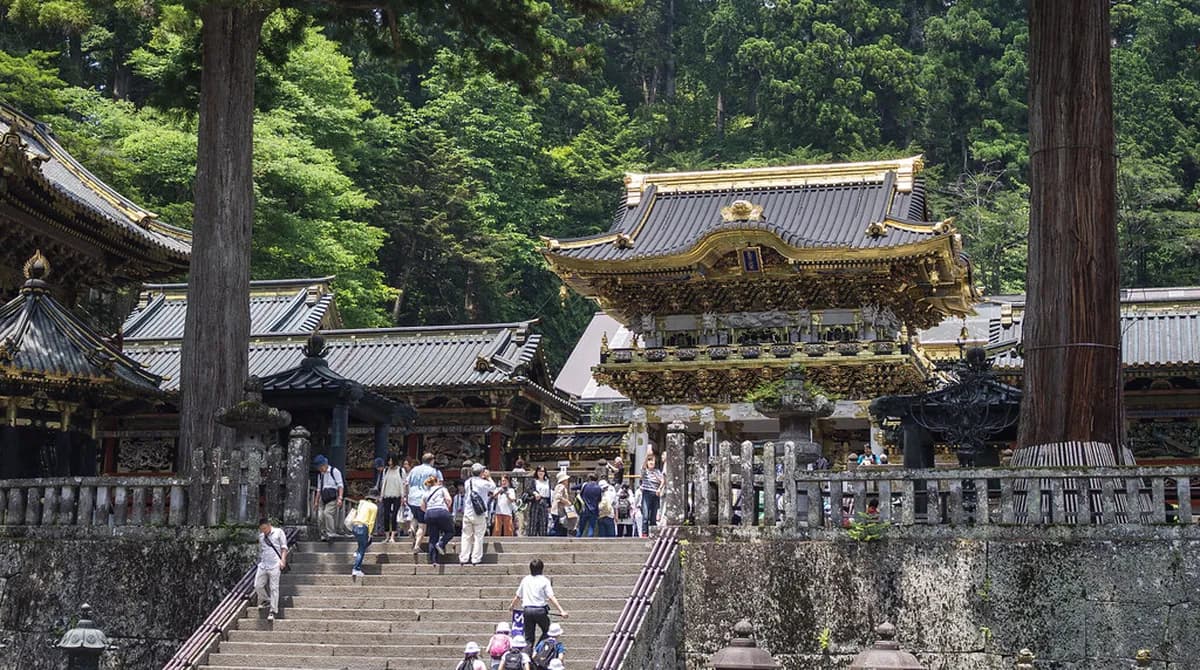
The Toshogu Shrine is the most famous landmark in the area and serves as a major cultural treasure. It features incredibly detailed gold carvings and the famous Three Wise Monkeys that visitors love to photograph. While the entrance fee is higher than other sites, it remains an essential stop for most first-time visitors.
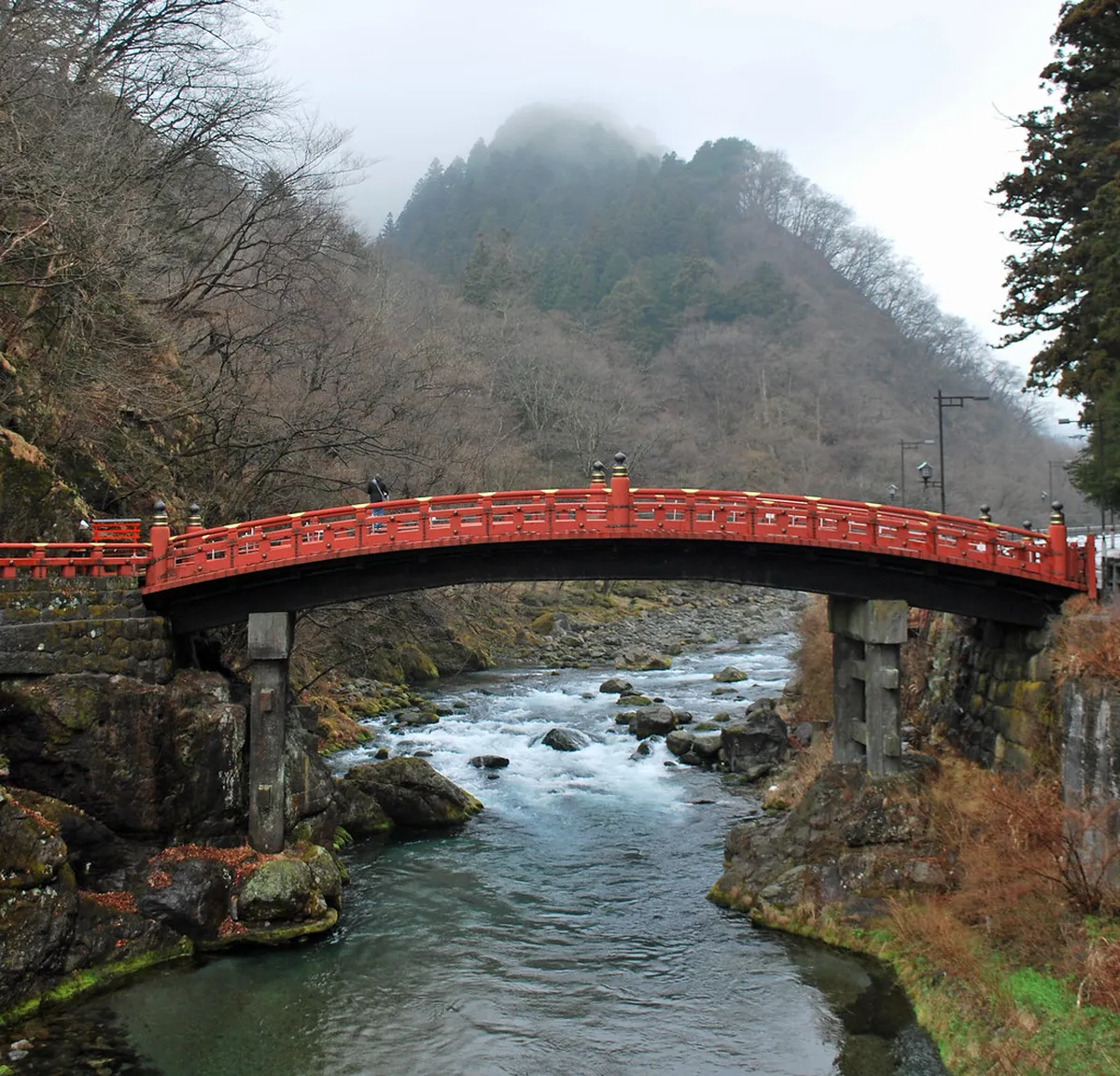
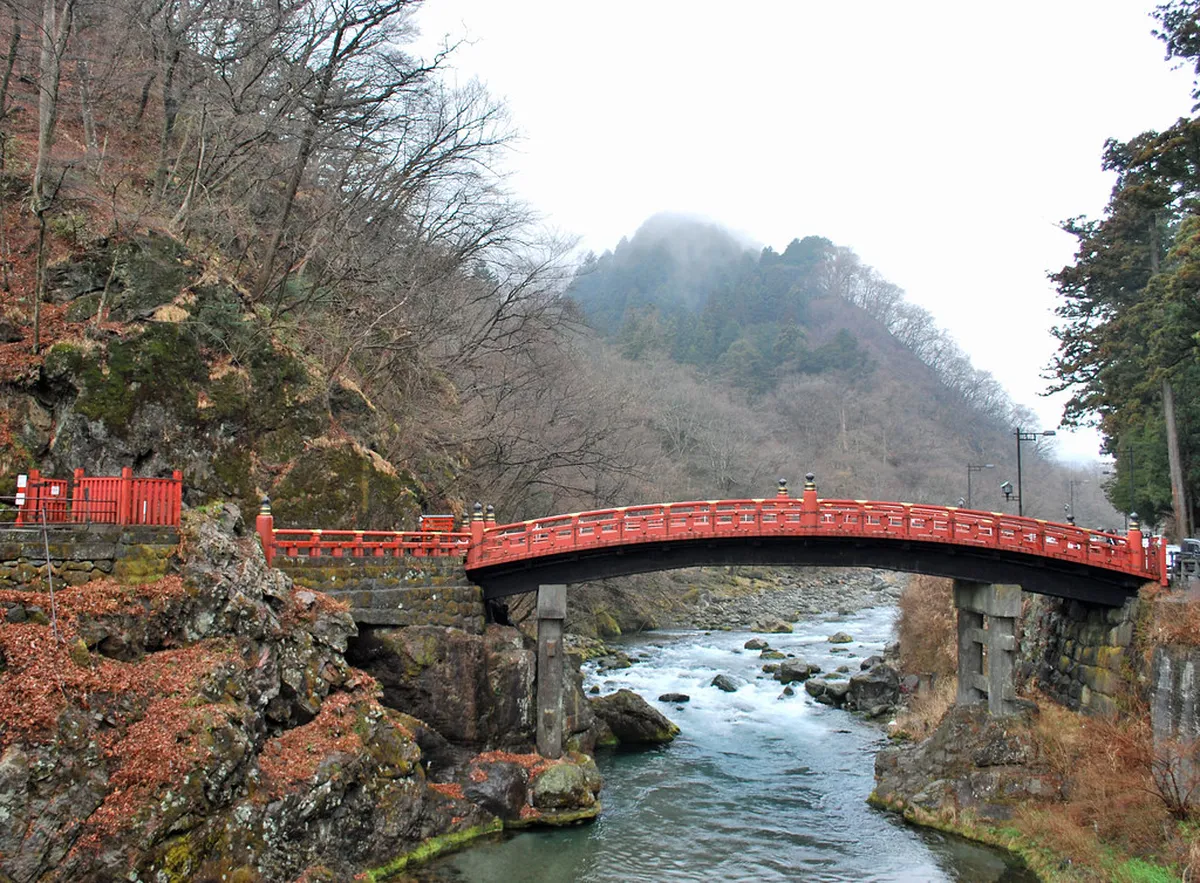
You can save money at the Shinkyo Bridge by viewing it from the adjacent road for free. Crossing the bridge requires a paid ticket of ¥300, but the view from the roadside is arguably more scenic anyway. This iconic red bridge looks particularly impressive when surrounded by the lush green forest or autumn leaves.
Consult our Nikko Toshogu Shrine Guide: 7 Essential Highlights and Tips to understand the best times to visit and avoid the crowds. Walking between the different heritage sites is an easy way to save on local bus fares. Most of the major shrines are located within a small area that is very pleasant for a morning stroll.
Museums, Art, and Culture in Nikko
Rinnoji Temple is the most important temple in Nikko and offers a peaceful atmosphere for reflection. The main hall contains three large wooden statues — Amida Nyorai, the Thousand-Armed Kannon, and the Horse-Head Kannon — that represent the local mountain deities. Admission to the main hall is ¥400; the Rinno-ji Treasure House garden, Shoyoen, costs an additional ¥300 and is frequently overlooked by crowds.
The Tamozawa Imperial Villa is a hidden gem that showcases traditional Japanese architecture and beautiful garden design. It was once a summer residence for the Imperial family and features over one hundred rooms. The entrance fee is quite reasonable and provides a quiet escape from the busier shrine areas nearby.
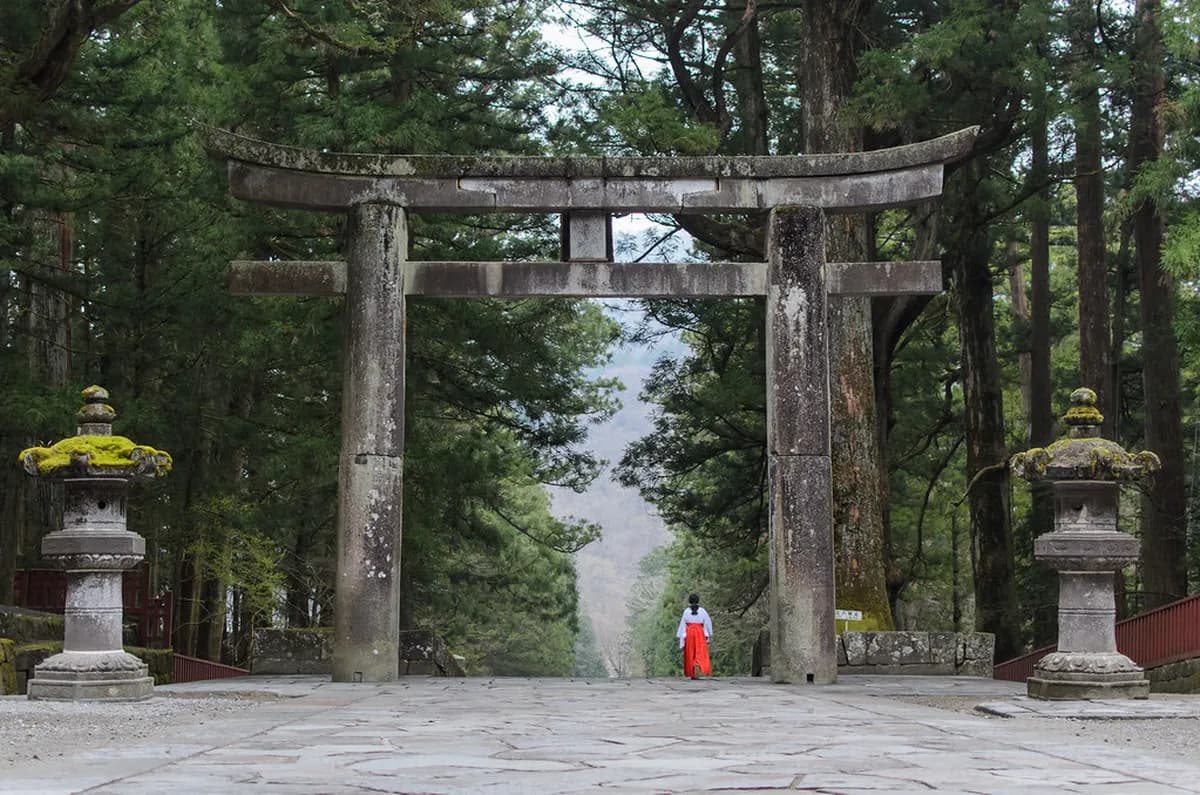
Futarasan Shrine is another cultural highlight that focuses on the worship of the surrounding mountains. It is older than the more famous Toshogu and offers a more rustic and spiritual experience. Exploring the outer grounds is free, allowing you to enjoy the ancient cedar trees without spending any yen. Taiyuin Temple, tucked deeper in the forest, also receives far fewer visitors than the main shrine complex — a peaceful and budget-friendly bonus stop.
Parks, Gardens, and Outdoor Spots in Nikko
Kegon Falls is widely considered one of the most beautiful waterfalls in all of Japan. You can view the falls from a free upper platform that offers a great perspective of the water. The paid elevator descends 100 metres to a base observation deck and costs ¥550 — a worthwhile upgrade if you want to see the full curtain of water up close. For more details on access, read our 10 Essential Tips for Your Kegon Falls Nikko Visiting Guide before you head up the mountain.
Ryuzu Falls, located further north toward Yumoto Onsen, splits around a rounded rock and resembles a dragon's head. There is a small cafe at the base where you can watch the water over a hot drink. The falls are free to view and are especially dramatic during the early-October foliage season.
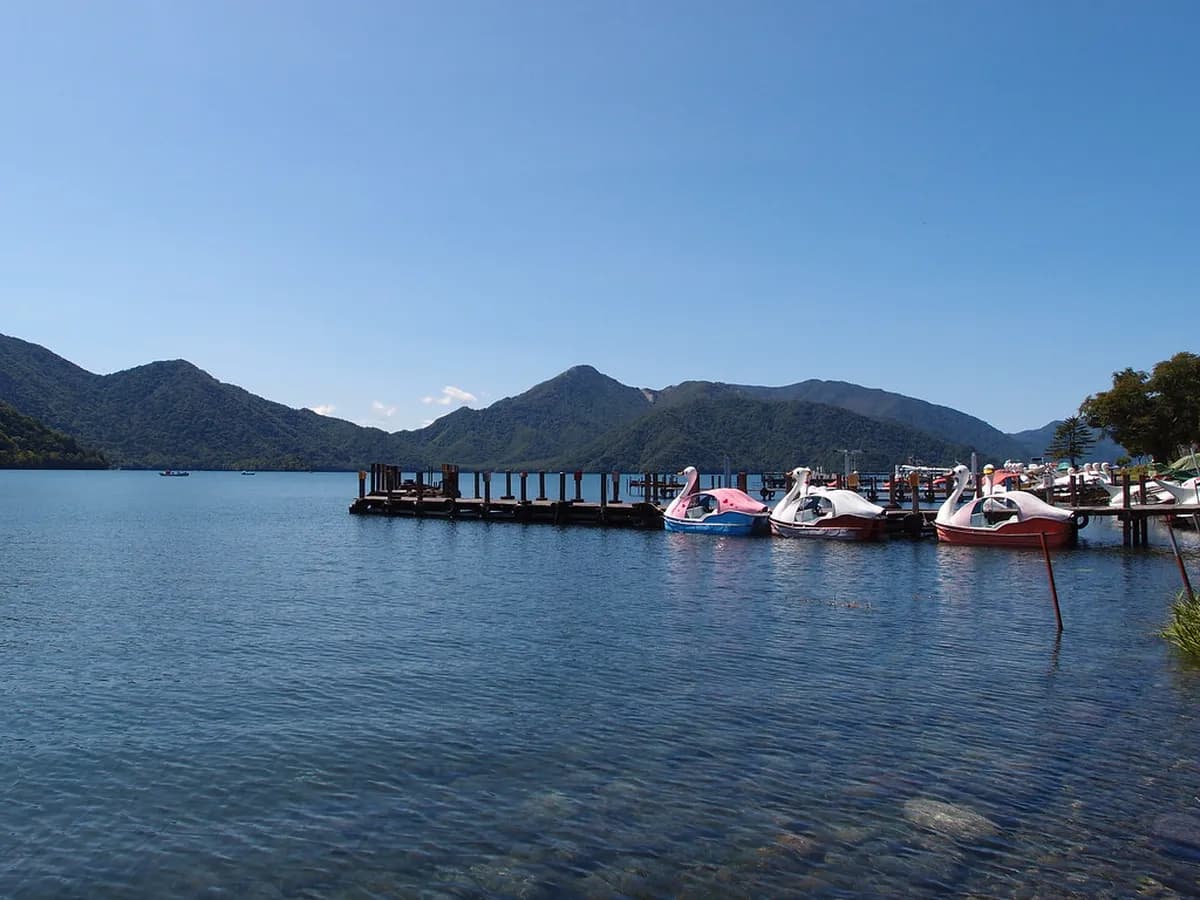
Lake Chuzenji sits at the foot of Mount Nantai and provides a stunning backdrop for outdoor activities. Walking the perimeter trails is a fantastic way to experience Nikko National Park for free. Adventurous travelers might enjoy summiting Mount Nantai for a challenging day of hiking — the trail starts at Futarasan Shrine on the lake and takes roughly six hours round trip.
Family-Friendly and Budget-Friendly Options in Nikko
The Kanmangafuchi Abyss is a scenic riverside path lined with dozens of stone Jizo statues. This area is completely free to visit and offers a unique and slightly mysterious atmosphere for families. It is a great place for children to explore while you enjoy the sound of the rushing Daiya River below.
You can find several free public footbaths in the Yumoto Onsen area at the top of the mountain. Soaking your feet in the warm volcanic water is a perfect way to relax after a long day of walking. Finding Free Things To Do In Nikko Travel Guide is easy if you venture slightly off the main tourist path.
Street food stalls near the heritage area offer affordable snacks like grilled dango or fried yuba. These treats allow you to taste local flavors without the price tag of a full sit-down restaurant meal. Many families enjoy a picnic lunch by the river to keep their nikko on a budget goals on track.
How to Plan a Smooth Nikko Attractions Day
Arriving at the shrines as soon as they open is the best way to enjoy the architecture in peace. Crowds usually peak around midday when the large tour buses arrive from the city. Early birds get the best photos and can finish the main sites before the afternoon rush begins.
Purchase your Toshogu Shrine entrance ticket at the Tourist Information Centre inside Tobu-Nikko Station rather than at the shrine gate itself. This saves you from standing in the ticket queue during the busiest part of the morning and gives you a few extra minutes inside the complex. A little planning at the station goes a long way toward a smooth day.
Group your visits by location to minimize the amount of time you spend traveling between different spots. The World Heritage area should be your first priority if you only have one day in the city. Check the weather forecast, as mountain conditions can change much faster than they do in Tokyo.
The Irohazaka Slope: A Budget Trip's Biggest Hidden Risk
Every guide shows photos of Lake Chuzenji and Kegon Falls in peak autumn colour. Almost none of them warn you what getting there actually costs in time. The Irohazaka slope — 48 hairpin bends ascending roughly 440 metres to the lake plateau — becomes severely congested from mid-October through mid-November. The official visitnikko.jp guidance notes that travel time from Nikko Station to Lake Chuzenji can stretch from the usual 45 minutes to over four hours during this peak period.
For a budget day-tripper, this is a serious risk. If you arrive mid-morning and board a bus toward the falls at 13:00 in late October, you may not reach the viewpoint until well after 17:00 — by which time buses back to the station are thinning out. The knock-on effect is a ¥3,000–¥5,000 taxi ride back, plus a missed return train.
The best hedge is to visit the lake area first thing in the morning before the crowds build, take the 07:30 train from Asakusa, and board the first bus to Kegon Falls before 10:00. Alternatively, visit in late September or early November when foliage is still attractive but traffic has not peaked. If you are set on mid-October, consider staying overnight in Nikko town rather than doing a day trip, so you can leave for the lake at dawn before the buses fill up.
Nikko Day Trip Map
The layout of Nikko is fairly linear, stretching from the train stations up toward the higher mountains. Most of the historical shrines are located within a twenty-minute walk or a short bus ride from the station. Understanding this geography helps you decide whether to walk or use your transportation pass.
The road to Lake Chuzenji involves many sharp turns and a significant increase in elevation. Buses are the most practical way to reach the upper lake area for those on a tight schedule. You can find a detailed map of Nikko's public transportation routes to help visualize the bus stops and plan your route before you arrive.
Keep a digital copy of the local bus map on your phone for quick reference throughout the day. Signal can be spotty in the deeper parts of the national park, so offline maps are very helpful. Knowing the location of the main bus hubs prevents you from getting stranded after a long hike.
Getting around Nikko
Buses are the backbone of Nikko transport and run frequently between the train stations and the main shrine area — roughly every 15 minutes on the core route. Buses heading further toward Lake Chuzenji and Yumoto Onsen run less often, sometimes once every 40 to 60 minutes. Check timetables before you leave each stop, because missing the last bus can be costly.
Transportation costs add up quickly if you pay for individual bus tickets. A single one-way ride to Kegon Falls costs ¥1,150. Using a dedicated pass almost always saves money. Review our Tobu Nikko Pass Guide to compare the different options available for international tourists. The digital versions can be purchased on your smartphone for extra convenience.
The two main Tobu passes for 2026 are the Nikko Pass World Heritage Area (¥3,000, valid two days, covers the round-trip train from Asakusa plus buses within the shrine zone) and the Nikko Pass All Area (¥8,000, valid four days, adds unlimited buses to the lake, Yumoto, and Kinugawa Onsen). If you are only visiting the shrines and Kegon Falls in a single day, the World Heritage Area Pass is the better value. The All Area Pass makes sense if you plan to hike to Yumoto or visit Kinugawa Onsen overnight. If you have a rail pass, learn how to get to Nikko with the JR Pass to factor in those savings separately.
How to Spend Your Day (or Longer) in Nikko
A single day trip is enough to see the main shrines and the famous red bridge near the town center. Start your day before 08:00 to make the most of limited time. Check out our Nikko Itinerary: 1-Day, 2-Day & 3-Day Plans (2026 Guide) for a step-by-step plan that covers all the essential landmarks and bus timings.
A suggested one-day sequence: arrive at Tobu-Nikko Station by 09:20, buy your bus pass at the Tourist Information Centre, take the bus to Shinkyo Bridge (Stop 7), walk up to the shrine complex and spend the morning at Rinnoji, Toshogu, and Futarasan. Lunch at Nikko Coffee on Goyoteidori around 12:15 (the 3-day simmered pork black curry with coffee is a strong value set). Board a bus to Kegon Falls by 13:15. Return to the station by 15:00–16:00 and catch an express back to Asakusa.
Staying for two days allows you to explore the natural beauty of the upper lake and waterfall regions at a more relaxed pace. You will also have the chance to enjoy the town after the day-trip crowds have returned to Tokyo — restaurant queues shrink noticeably after 17:00. Each season requires a slightly different approach: winter offers quiet snow-covered cedar paths, while late May and June bring lush greenery before summer humidity peaks.
Recommended Accommodation for Nikko
Budget travelers can find several excellent hostels that offer clean beds and a social atmosphere. Staying near the Tobu-Nikko station is the most convenient choice for those using the train system. You can find more detailed reviews in our guide on Where to Stay in Nikko: 6 Best Areas and Lodging Guide for all budgets.
The Earth Hostel sits along the river outside of town and offers free pick-up and drop-off from Nikko train station. It is popular with hikers for its remote, nature-immersed setting. Booking a few weeks ahead is essential during the peak autumn foliage season when dormitory beds sell out quickly.
If you want to stay closer to the shrine complex, Nikko town offers Western-style hotels a short walk from Tobu-Nikko Station with onsen baths and breakfast buffets. Traditional guesthouses, or minshuku, can also be affordable if you book a room without the dinner plan included. For a full hot-spring experience without leaving on a day-trip schedule, the Kinugawa Onsen district is 35–45 minutes by train from Tobu-Nikko Station and noticeably cheaper per night than properties in central Nikko town.
Where to Eat in Nikko on a Budget
Finding affordable food is a key part of enjoying nikko on a budget without feeling like you are missing out. Local supermarkets sell fresh sushi and bento boxes at a discount in the late afternoon. This is a reliable way to enjoy high-quality Japanese food for a fraction of the restaurant price, particularly useful if your return train is in the evening.
Nikko Coffee on Goyoteidori is the recommended lunch stop for value and atmosphere. It occupies a renovated machiya (traditional wooden townhouse) and serves a set lunch of pork black curry or omurice with coffee for a reasonable price. The seasonal kakigori shaved ice, made from mountain spring water, is an excellent budget dessert after the morning shrine walk.
Our Nikko food and restaurants guide lists several spots where you can try yuba, the local soy milk skin specialty. Yuba is a healthy and filling option available at multiple restaurants near the shrine complex, usually in the ¥1,000–¥1,500 range for a set meal. Street food stalls closer to the Shinkyo Bridge area sell grilled dango skewers for around ¥200–¥400 and are a good stop between sites. Note that dining options thin out considerably in the Lake Chuzenji area, so plan your main meal back in town before boarding the afternoon bus.
Frequently Asked Questions
Is Nikko worth a day trip from Tokyo?
Yes, Nikko is absolutely worth a day trip because it offers a unique blend of world-class architecture and natural beauty. You can see the main shrines in about four to six hours. This makes it a perfect escape from the busy streets of Tokyo.
How much does a day in Nikko cost?
A typical budget day costs around 5,000 to 7,000 yen including transportation and shrine fees. You can lower this by bringing your own lunch and focusing on free nature spots. Using a Nikko Pass also helps reduce your total travel expenses significantly.
Is it better to visit Nikko or Kamakura on a budget?
Both are great, but Kamakura is generally cheaper because the train fare from Tokyo is much lower. Nikko offers more dramatic mountain scenery and more ornate shrines. Choose Nikko if you want a deeper nature experience and don't mind the longer train ride.
Nikko is a magnificent destination that remains accessible even for those traveling with limited funds. By using the right transportation passes, arriving early to beat the crowds, and being aware of seasonal traffic on the Irohazaka slope, you can see the best of the region without surprises. The combination of ancient history and fresh mountain air makes every yen spent here feel like a great investment.
We hope this guide helps you plan an unforgettable and affordable journey to this special part of Japan. Remember to pack comfortable walking shoes and check the local weather before you depart from Tokyo. Safe travels as you explore the incredible wonders of Nikko on your next adventure.
Free: The Nikko Essentials guide
Top things to do, where to stay, a perfect day plan, getting around, and the best time to go — a Nikko mini-guide you can take offline.
You might also like



Continue reading
More guides you'll find useful