10 Best Things to Do in Nikko in Winter
Discover the magic of Nikko in winter. From the frozen Kegon Falls and Kamakura snow festivals to secluded onsens and snowshoeing, plan your perfect snowy escape.
On this page
Nikko in winter is a quiet paradise of frozen waterfalls and snow-dusted shrines. The best window for a snowy visit is mid-January to late February 2026, when temperatures regularly drop below -5°C and the icefalls are at their most dramatic. I visited in late January and found the frozen Kegon Falls breathtaking against a clear blue sky — the kind of scene you do not get in any other season.
Our late-January trip hit the biting mountain winds near Lake Chuzenji quite hard. We needed heavy windbreakers over thick coats just to stay comfortable. The Best Time to Visit Nikko: Seasonal Guide & Weather Tips for mild weather is late November, but winter silence gives the shrines a spiritual depth that crowds in autumn simply cannot match.
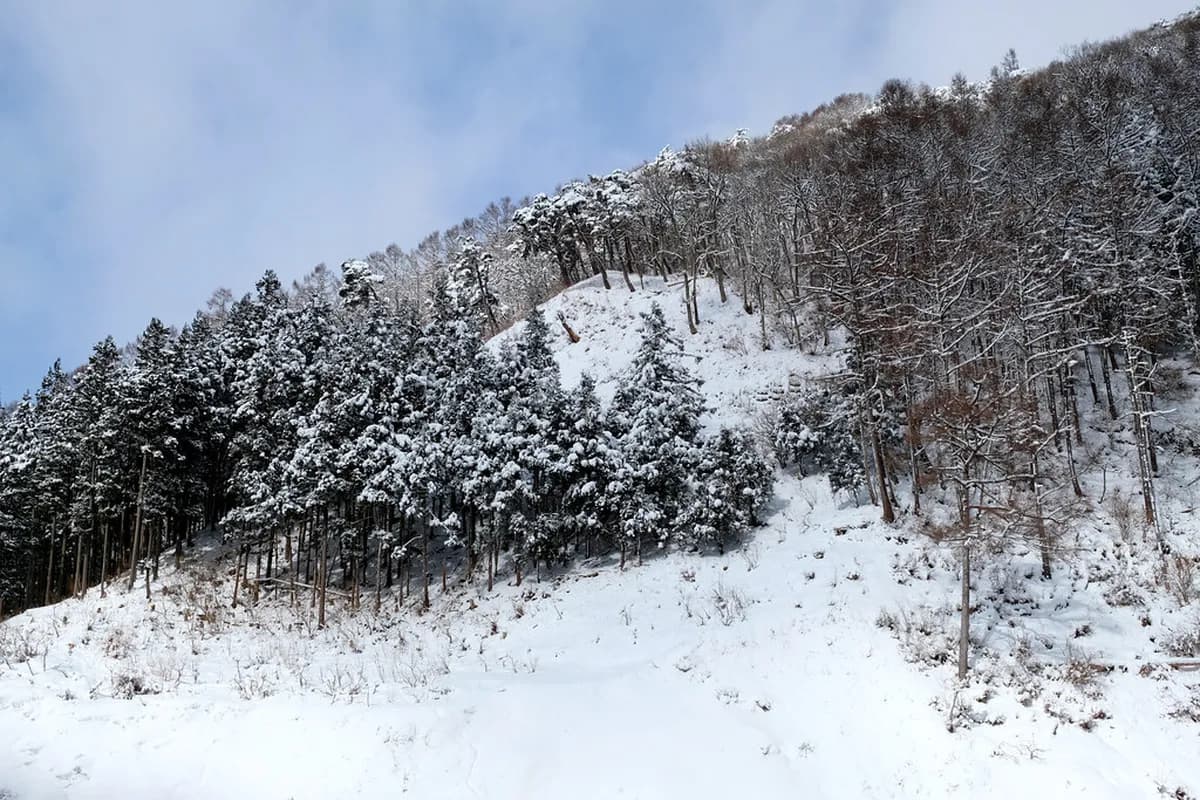
Traveling from Tokyo is easy by train, but you must prepare for significant temperature drops above 1,200 metres. The town transforms into a silvery landscape that resembles a traditional ink painting. Whether you seek hot springs, history, or snowshoeing, winter offers a perspective that no other season does.
Witness the Frozen Majesty of Kegon Falls and Lake Chuzenji
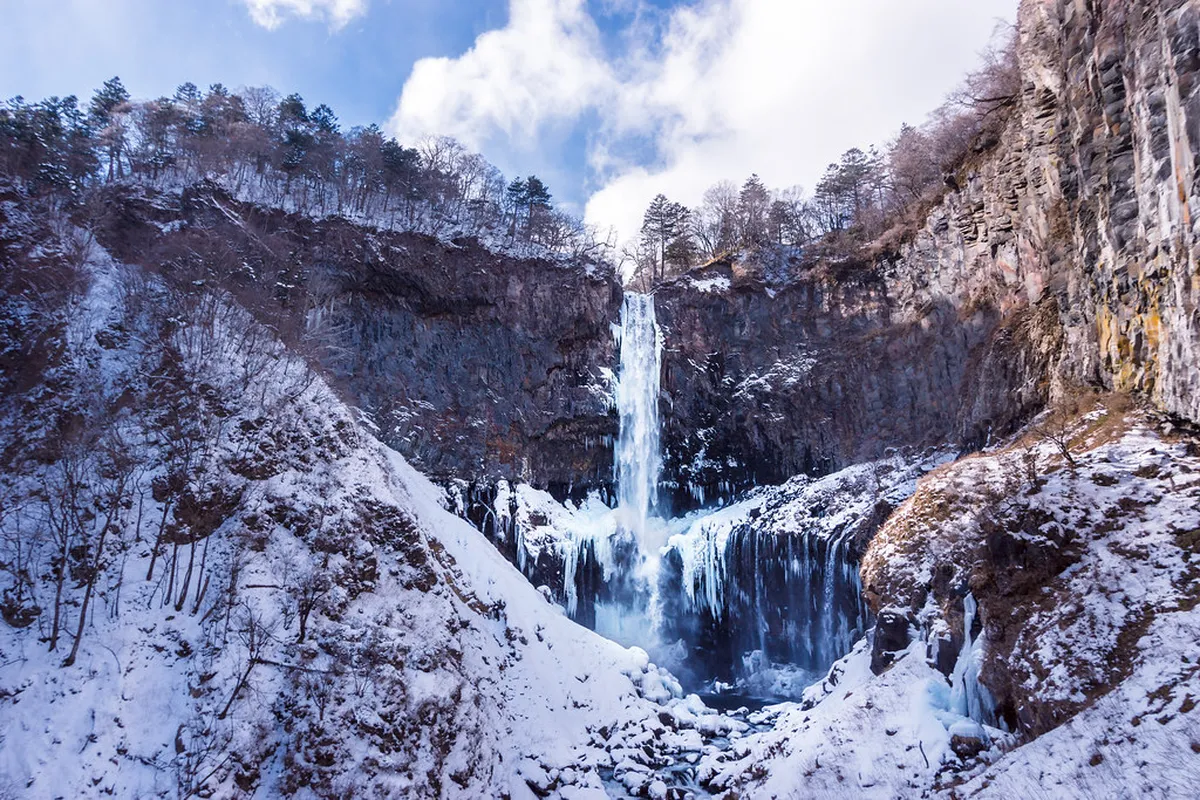
The iconic Kegon Falls becomes a massive ice sculpture during deep winter. Small streams surrounding the main fall freeze into delicate, bright-blue ice needles while the central column continues to cascade behind them. This natural phenomenon is best seen from the lower observation deck (elevator round trip ¥570) in the early morning, when the sun strikes the ice at a low angle and produces an intense, almost electric-blue glow. Peak icefall conditions arrive in the first half of February after at least two to three consecutive weeks of below-zero nights.
Lake Chuzenji, sitting at 1,269 metres above sea level, has an ethereal quality when cold air rolls off Mount Nantai. On still days, lake water splashes onto shoreline trees and piers then freezes solid overnight, draping the branches in translucent ice crystals. The Chuzenji Temple on the eastern shore offers a quieter, more contemplative experience than the busier shrines below — and you can try copying Buddhist sutras with a traditional brush, a meditative practice open to non-Japanese speakers. The wind off the lake can be fierce; pack a balaclava on top of your usual layers.
Nearby Ryuzu Waterfall, a short drive north toward Senjogahara, freezes more extensively than Kegon and sees far fewer visitors. The frozen tiers give it a completely different look from its autumn form and make for uncrowded winter photography. Check local conditions before heading up the Irohazaka winding road — snow tires are required and chains are recommended in January and February.
Experience the Yunishigawa Onsen Kamakura Snow House Festival
The Yunishigawa Onsen Kamakura Festival is Nikko's defining winter event. Hundreds of small snow huts — kamakura — are built along the banks of the Sawaguchi River each year from late January through the end of February. After dark, candles lit inside each hut cast a warm amber glow across the snow, creating a scene that earned the festival a place in Japan's Night View Legacy registry. The combination of flickering light, still cold air, and the sound of the river makes it one of the most atmospheric evenings in the entire Kanto region.
You can reserve a larger kamakura to enjoy a traditional barbecue meal cooked at your own table inside the snow hut. Eating hot food inside a house built entirely from snow is one of those experiences that sounds improbable but is entirely real. Book the hut meal well in advance — spaces sell out weeks ahead on peak festival weekends. The festival area is best reached by bus from Kinugawa Onsen Station; the ride takes around 40 minutes.
Dress in your warmest gear because riverbed temperatures drop sharply after sunset. Many visitors choose to stay overnight in a local ryokan to enjoy both the evening illuminations and a private hot spring bath. The nearby Yunishigawa Onsen inns are small and book quickly; reserve a room as soon as you confirm your dates.
Go Snowshoeing Across the Senjogahara Marshland
Senjogahara is a 400-hectare highland marshland that transforms into a silent snowfield in winter. The Nikko Yumoto Visitor Center (see the winter hiking guide) offers guided snowshoe tours of two to four hours that are well suited to beginners. Rental equipment is available on site, so you do not need to haul your own snowshoes from Tokyo. The guided route leads through pine and beech forest, across the frozen marshland, and rewards you with an unobstructed view of Mount Nantai rising above the white plain — a composition that does not exist in any other season.
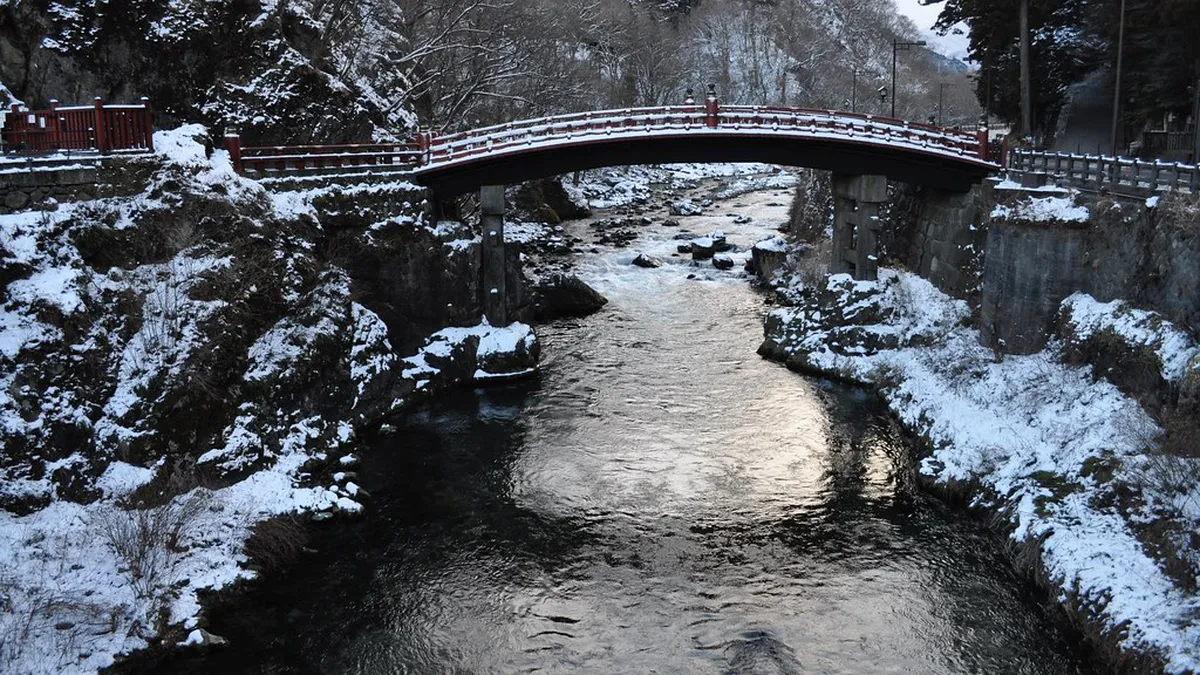
Yudaki Waterfall and nearby Lake Yunoko are often partially frozen by mid-January. The southern end of Yunoko freezes solid on the coldest nights, producing an unusual still-life of ice extending from the shore. The Yumoto Visitor Center sits just minutes from both and can advise on current snow depth before you start a snowshoe tour. Tours typically depart in the morning; arrive by 09:00 to guarantee a rental slot on busy winter weekends.
The Nasu Heisei-no-Mori Forest, in the northern reaches of Nikko National Park, offers a longer snowshoe experience on a protected 560-hectare estate that was once exclusive to the Imperial Family. The Nasu Heisei-no-Mori Field Center runs guided walks led by nature interpreters who identify animal tracks and explain the ecology of the winter forest. It is a more remote outing than Senjogahara — allow a full day from central Nikko — but the scale and the silence are exceptional.
Visit the Shrines and Temples Under a Blanket of Snow
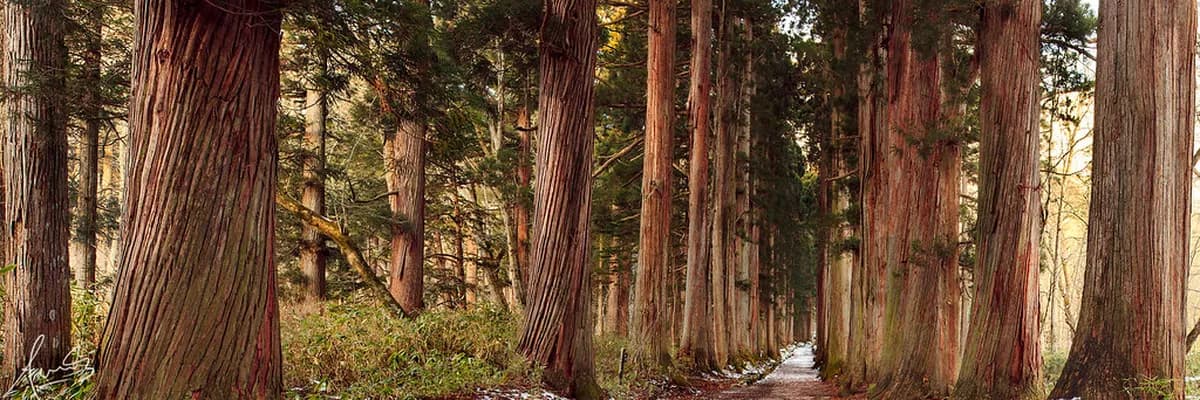
The Toshogu Shrine looks magnificent when white snow settles on its intricate carvings. The vibrant gold and red lacquerwork pops against a clean white background in a way that the green and grey of summer never allows. Walking through the cedar-lined approach feels like entering a different century. Watch your step on the stone paths — they become genuinely dangerous when icy, and the slope up to the inner sanctuary has claimed more than a few visitors.
The Taiyu-in Mausoleum, a short walk from Toshogu, deserves equal attention and receives far fewer visitors in winter. It is the resting place of Tokugawa Iemitsu, the third shogun, and was intentionally built to be slightly less grand than Toshogu in deference to his grandfather Ieyasu. That restraint makes it feel more human. The 130 stone steps leading to the main hall are genuinely striking under snow, framed by lantern-topped gates. Admission is ¥550 for adults; a combined ticket with the Homotsuden treasure hall costs an additional ¥300. Visit early in the morning when the light is best and the paths are freshly cleared.
The Rinno-ji Temple complex is worth an hour, especially for the three golden Buddha statues in the Sanbutsudo hall. Check the temple website for special winter prayer times. Fewer tourists mean you can hear the crunch of snow beneath your boots — and that quiet enhances the spiritual feeling of these UNESCO World Heritage sites considerably.
Soak in Secluded Outdoor Onsens in Okukinu and Nasu
Nikko's three main onsen areas each offer a distinct experience in winter. Choosing between them depends on how deep into the mountains you want to go and how long you are staying.
| Onsen Area | Character | Snow Factor | Access | Best For |
|---|---|---|---|---|
| Okukinu | Four remote inns, mixed-bathing rotenburo | Very high — deep mountain valley | Bus from Kinugawa Onsen, road may close | Total immersion, couples, off-grid stay |
| Kinugawa / Kawaji | Riverside resort strip, easy day-trip | Low — valley town, light snow | Direct train from Asakusa via Tobu | Easy onsen day trip from Tokyo |
| Nasu Onsen | Shika no Yu hot spring, oldest in Tochigi | Moderate — highland plateau | Shinkansen to Nasushiobara + bus | Combined with snowshoe tour in Nasu |
Okukinu is the most atmospheric of the three. The four inns in the valley — reachable only by a single winding mountain road — offer open-air baths carved into the riverside rock. Some facilities allow mixed bathing; guests wrap in a provided towel and sink into the water while snow falls silently around them. Book at least three to four weeks in advance for any January or February weekend. Be aware that the access road can close during heavy snowfall, so confirm conditions with your inn before departure.
Nasu Onsen, in the northern end of Nikko National Park, combines well with a snowshoe tour of the Nasu Heisei-no-Mori Forest. The hot spring Shika no Yu is said to have been discovered 1,300 years ago when a deer was seen healing its wounds in the water. The drive or bus ride from Nasushiobara Shinkansen Station takes around 40 minutes and passes through gently rolling highland countryside that looks spectacular under a light snowfall.
Explore the Nasu Highlands: Tree Climbing and the Killing Stone Legend
The japan.travel winter itinerary for Nikko National Park highlights an activity that most travel guides ignore entirely: tree climbing in the Nasu Highlands. Using ropes, harnesses, and guided instruction, visitors ascend mature trees in the Nasu-Kogen area to survey the surrounding snowscape from the treetops. The experience is booked through the Nasu-Kogen Visitor Center and requires advance reservation. Looking down at a snow-covered forest from ten metres up, with Mount Nasu visible in the distance, is a perspective that no walk-in attraction can replicate.
A short walk from the Nasu Yumoto Onsen area stands Sessho-seki, the "Killing Stone." Local legend holds that the volcanic stone is the transformed corpse of a nine-tailed fox (Kyubi no Kitsune) that attempted to assassinate the Emperor in the twelfth century. Anyone who drew near was said to die from its toxic emissions — the stone sits in a region of active volcanic fumaroles, so the legend has a practical basis. In March 2022, the Killing Stone split cleanly in two, triggering concern among believers that the spirit had been released. A Shinto ceremony was held to pacify it. The two halves remain in place; visiting in winter, when no tour groups are present and light snow settles on the broken edges, produces an eerie and genuinely memorable image.
Indulge in Winter Flavors: Nikko Soba and Fresh Strawberries
Nikko is one of the best places in the Kanto region to eat hand-made soba. The cold, clean mountain water from the Nikko foothills produces buckwheat noodles with a firm, nutty texture that differs noticeably from what you get in Tokyo. Several small soba restaurants operate near the shrine entrance throughout the winter season, and a hot bowl of tororo soba — soba topped with grated mountain yam — is an ideal way to warm up after two hours in the cold.
Tochigi Prefecture is Japan's leading strawberry-producing region, and its signature variety, Tochiotome, is at peak sweetness in winter. The Nikko Strawberry Park runs an all-you-can-eat picking experience inside heated greenhouses throughout the cold months. Two separate house styles allow visitors to pick from standing-height raised beds or traditional soil-level rows; the raised beds are accessible for prams and wheelchairs. Condensed milk is provided free at the counter, though the berries are sweet enough to eat plain. It is an excellent family-friendly option for a winter afternoon when outdoor conditions are poor.
See 102 World Landmarks Lit Up at Tobu World Square
Tobu World Square recreates 102 famous buildings and World Heritage Sites at 1:25 scale — from the Taj Mahal to the Colosseum to Tokyo Tower — set in landscaped grounds near Kinugawa Onsen. In winter, the models are occasionally dusted with real snow, which adds a convincing layer of realism to the miniature scenes. The park typically runs evening illumination events from late November through early March, turning the outdoor exhibits into a light-filled landscape after dark. Confirm current operating dates at the Tobu World Square website before visiting, as event schedules shift year to year.
Admission is around ¥2,800 for adults; the park is a 20-minute drive from Imaichi IC on the Nikko Utsunomiya expressway, or a short taxi from Kinugawa Onsen Station. It works well as a half-day add-on when the weather is too overcast for waterfall photography or when you are traveling with children who have reached their temple saturation point.
Navigate Nikko's Winter Transport and Road Closures
The most important thing to know before driving to Nikko in winter is that Route 120 between Nikko and Numata in Gunma Prefecture closes from approximately late December through late April. GPS devices do not always flag this closure. If your navigation app plots a route over the mountains from Gunma, reject it and enter from Tochigi Prefecture instead — via the Irohazaka winding road from the east.
The Irohazaka road itself remains open in winter but requires studded or snow tires for all vehicles. Chains may be required during active snowfall. The 28 hairpin bends of the ascent are one-way in each direction; the descent is a separate set of curves. Rental cars from Tokyo are typically equipped with winter tires in the relevant season, but confirm this when booking. Most travelers find that public transport is the safest choice: Tobu Railway from Asakusa runs directly to Nikko Station year-round, and local buses connect the station to the shrine area and to Chuzenji Lake.
For those using public transport from getting to Nikko from Tokyo, the Tobu Nikko Line from Asakusa is the most direct option. The journey takes about two hours on a limited express and costs roughly ¥1,400. Bus schedules to remote onsens such as Okukinu are reduced in winter; confirm the last return bus time before heading out.
For related deep-dives, see our 9 Best Ryokan in Nikko: Top Rated Picks for 2026 and 1-Day Itinerary: Day Trips From Nikko Travel Guide guides.
A Two-Day Winter Itinerary for Nikko (One Night)
Winter daylight ends around 16:30–17:00, and mountain roads slow buses, so a compact plan works better than a packed one. This route groups the town sights on day one and the high-altitude lake area on day two. Do the lake area second, because road conditions are easier to judge after you have seen the weather.
Day 1: Shrines and temples in the town
- 09:00 – Arrive at Tobu-Nikko or JR Nikko station and take the bus toward the shrine area. Start at Rinno-ji and the Sanbutsudo hall while the paths are freshly cleared.
- 10:30 – Walk the cedar-lined approach to Toshogu Shrine. Wear shoes with grip, since the stone steps are the slipperiest part of the trip.
- 13:00 – Have a late lunch of yuba or soba in town. See our Nikko food and restaurant guide for places that stay open in winter.
- 14:30 – Visit Taiyu-in (¥550), which is quiet in the afternoon. Then warm up with a hot drink at one of the cafés in the best cafes and desserts in Nikko list.
Day 2: Irohazaka, Kegon Falls and Lake Chuzenji
- 08:00 – Take the first bus up the Irohazaka road. The ride takes roughly 45–60 minutes in snow, so allow extra time.
- 09:30 – Go straight to the Kegon Falls observation deck (¥570), when the ice is lit at a low angle.
- 11:00 – Walk along the frozen shoreline of Lake Chuzenji and visit Chuzenji Temple. For more lakeside stops, see the Lake Chuzenji guide.
- 14:00 – Start the return bus before the afternoon cold sets in. Check the last departure time at the bus stop, because winter timetables can differ from summer ones.
If you have a third day, add the Senjogahara snowshoe tour or the Yunishigawa kamakura evening described above. Our 3-day Nikko itinerary shows how to fit those in.
Essential Packing Guide for Nikko's Freezing Temperatures
Packing correctly is essential for enjoying the mountain cold. Focus on a layering system: moisture-wicking thermal base layers, a mid-layer fleece or down jacket, and a waterproof windproof shell. Wool socks outperform cotton in cold and damp conditions. A heavy windproof coat makes the difference on the exposed shore of Lake Chuzenji.
- Waterproof snow boots with ankle support — essential for icy stone paths at Toshogu and Taiyu-in
- Touch-screen compatible gloves — lets you use your phone and camera without exposing bare skin to -10°C
- Disposable heat packs (kairo) — available at any convenience store; slip into boots and coat pockets for six to eight hours of warmth
- Warm beanie or balaclava — the wind off Lake Chuzenji is intense even on sunny days
- Portable power bank — cold temperatures drain phone batteries two to three times faster than normal
- Microspike crampons (optional) — clip onto boots for icy temple steps; available at outdoor shops in Tokyo for around ¥3,000
One item most guides skip: a small dry bag or waterproof pouch for your camera. Walking between heated shrine interiors and -5°C outside air causes lenses to fog immediately. Seal your camera in the bag before going indoors, then let it acclimatise slowly before removing it. This prevents condensation damage and saves the first five minutes of every photo stop.
How Winter Compares to Other Seasons in Nikko
Winter in Nikko offers the lowest crowd levels of the entire calendar year. Temperatures often hover between -7°C and 5°C (19°F to 41°F) during the day at the main shrine area, and drop further at Chuzenji level. Prices for accommodation are generally lower than autumn foliage peak. You will find the shrines quiet enough to hear the cedar branches creaking — a contrast to the October and November crowds that can number in the thousands daily.
| Season | Weather | Crowds | Prices | Signature Event | Best For |
|---|---|---|---|---|---|
| Winter (Mid-Dec to Mid-Mar) | -7 to 5°C | Very Low | Budget-friendly | Kamakura Festival | Snowscapes, onsens |
| Spring (April to May) | 5 to 18°C | Moderate | Standard | Yayoi Festival | Cherry blossoms |
| Summer (June to August) | 18 to 28°C | High | Premium | Lantern Floating | Hiking |
| Fall (October to Nov) | 8 to 16°C | Very High | Highest | Autumn Festival | Red leaves |
If you prefer avoiding crowds, the cold months are the clear choice. The crisp air also makes the gold leaf on the temples sparkle more intensely under low winter sun than it ever does in summer humidity. Most travelers find two full days covers the main sights comfortably, with a third day if you plan to add a snowshoe tour or an overnight at an onsen.
For the wider city context, see our complete Nikko tourism attractions guide.
Explore in winter in other cities
Frequently Asked Questions
Is Nikko worth visiting in winter?
Yes, Nikko is definitely worth visiting for its stunning frozen waterfalls and quiet atmosphere. You can enjoy unique snow festivals and beautiful shrine scenery without the usual crowds. The hot springs are also best during the cold months.
How do I get to Nikko from Tokyo in winter?
The easiest way is taking the Tobu Railway from Asakusa or a JR train from Shinjuku. These trains run regularly regardless of snow. Once in Nikko, use the local bus network to reach the shrines and lake.
Do I need snow tires to drive to Nikko?
Yes, snow tires or chains are mandatory for driving in the mountain areas during winter. The Irohazaka road can be very icy and dangerous. Most travelers find using the public bus system much safer and easier.
Nikko in winter offers a serene and magical experience for every type of traveler. The combination of ancient history and natural ice formations creates a unique destination. Plan your trip between mid-January and late February 2026 to see the best snow festivals and icefalls. Prepare for the cold, and you will discover the quiet beauty of this mountain town.
Free: The Nikko Essentials guide
Top things to do, where to stay, a perfect day plan, getting around, and the best time to go — a Nikko mini-guide you can take offline.
You might also like
Continue reading
More guides you'll find useful