Ginzan Onsen Taisho Romance Street: Ultimate Travel Guide & Tips
Discover Ginzan Onsen's enchanting Taisho Romance Street. Plan your trip with detailed guides on attractions, access, local shops, and seasonal experiences for an unforgettable visit.
On this page
Step into a living postcard at Ginzan Onsen's Taisho Romance Street, a charming hot spring town in Japan. This picturesque village feels like a journey back to the early 20th century. Traditional wooden ryokan line the Ginzan River, illuminated by gas lamps at dusk. It truly offers a magical escape for travelers seeking nostalgic beauty.
The street's unique Taisho-era architecture creates an unforgettable atmosphere. Many visitors come specifically to experience this historical charm. Prepare to immerse yourself in stunning scenery and relaxing hot springs. This guide provides everything you need for a memorable visit to Ginzan Onsen.
You will find practical tips for planning your trip, from transportation to local dining. Discover the best ways to enjoy the Taisho Romance Street and its surrounding natural beauty. Get ready to explore this hidden gem in Yamagata Prefecture.
What is Ginzan Onsen's Taisho Romance Street?
Ginzan Onsen translates to "Silver Mountain Hot Spring," a name reflecting its past as a silver mining town. Located in Obanazawa City, Yamagata Prefecture, it is famous for its remarkably preserved Taisho-era townscape. Wooden ryokan — multi-story traditional inns — line both sides of the Ginzan River. These buildings evoke a sense of nostalgic romance for all who visit.
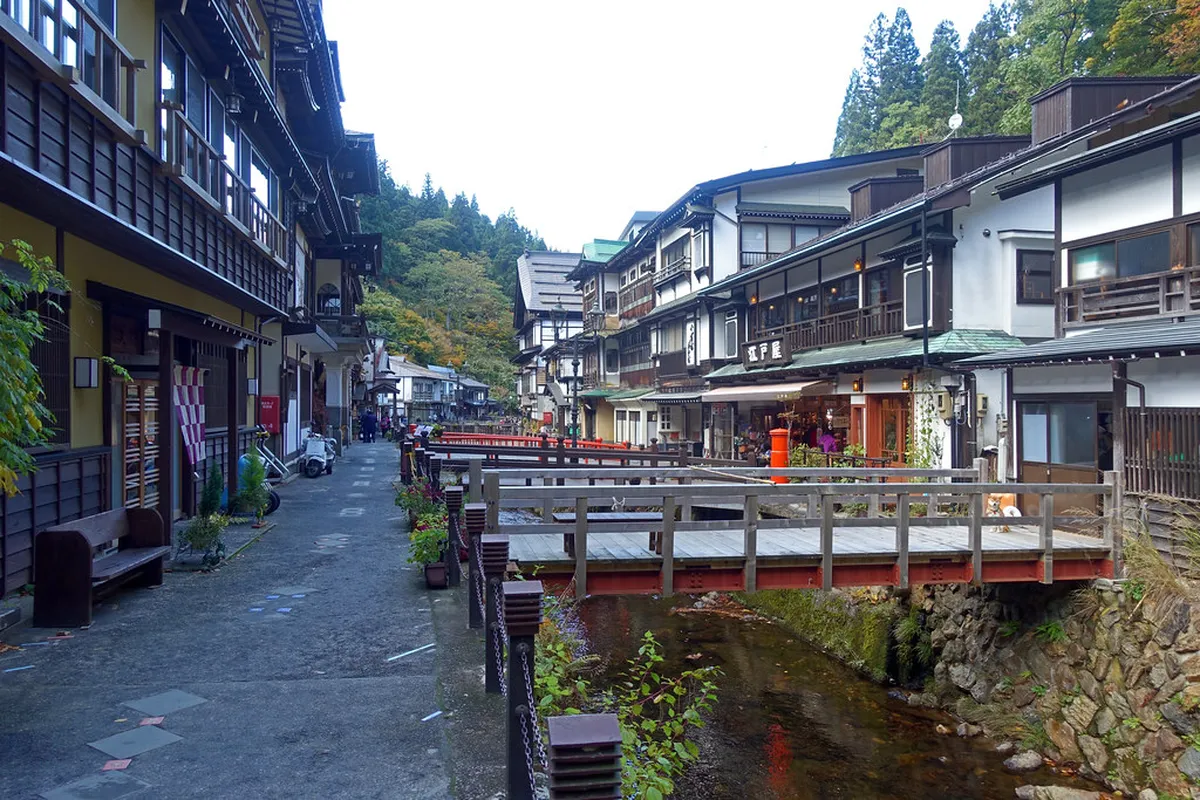
The street's architecture dates back to Japan's Taisho period (1912–1926). This era blended Western influences with traditional Japanese design. Gas lamps further enhance the retro ambiance, especially as evening falls. At night, the lights turn on and their reflections dance on the river surface, wrapping the whole hot spring town in a magical atmosphere.
Many of the ryokan feature intricate wooden carvings and traditional plasterwork. These details showcase the craftsmanship of the period. The compact nature of the town allows for easy exploration on foot. You can immerse yourself in its unique historical charm effortlessly. For more on Ginzan Onsen's attractions, check out our guide on the Ginzan Onsen guide.
The Oshin Effect: How a TV Drama Put Ginzan Onsen on the Map
Ginzan Onsen's fame as a tourist destination owes a significant debt to a 1983 NHK morning drama called Oshin. The series, which followed a young girl's hardships in early 20th-century Japan, was partly set in this region and became one of the most-watched programmes in Japanese television history. The show's audience ratings peaked above 60%, and millions of viewers were captivated by the snowy, gaslit streetscape it depicted. Tourists began arriving in numbers that the town had never seen before.
The drama sparked a lasting association between Ginzan Onsen and a kind of wistful, romanticised Taisho-era Japan. That connection explains the "Taisho Romance Street" branding you see everywhere today. Kokeshi dolls — the round-headed painted wooden figures traditional to the Tohoku region — are sold across the village as souvenirs, directly tied to the rural northeastern setting of the Oshin storyline. If you spot a shop window full of colourful kokeshi, you are looking at a piece of that cultural legacy.
For international visitors, the Oshin connection is a useful piece of context. It explains why the town attracts so many Japanese visitors who come with a very specific emotional attachment to the place — and why peak winter weekends fill up ryokan months in advance. During popular seasons, accommodation can be extremely difficult to secure, so booking early is strongly recommended.
Planning Your Visit: Best Time to Go & Seasonal Highlights
Ginzan Onsen offers a distinct charm in every season, making it a year-round destination. However, winter is arguably the most iconic time to visit. Heavy snowfall can reach two to three meters, transforming the street into a breathtaking winter wonderland. The wooden ryokan become blanketed in snow, creating a truly magical scene.
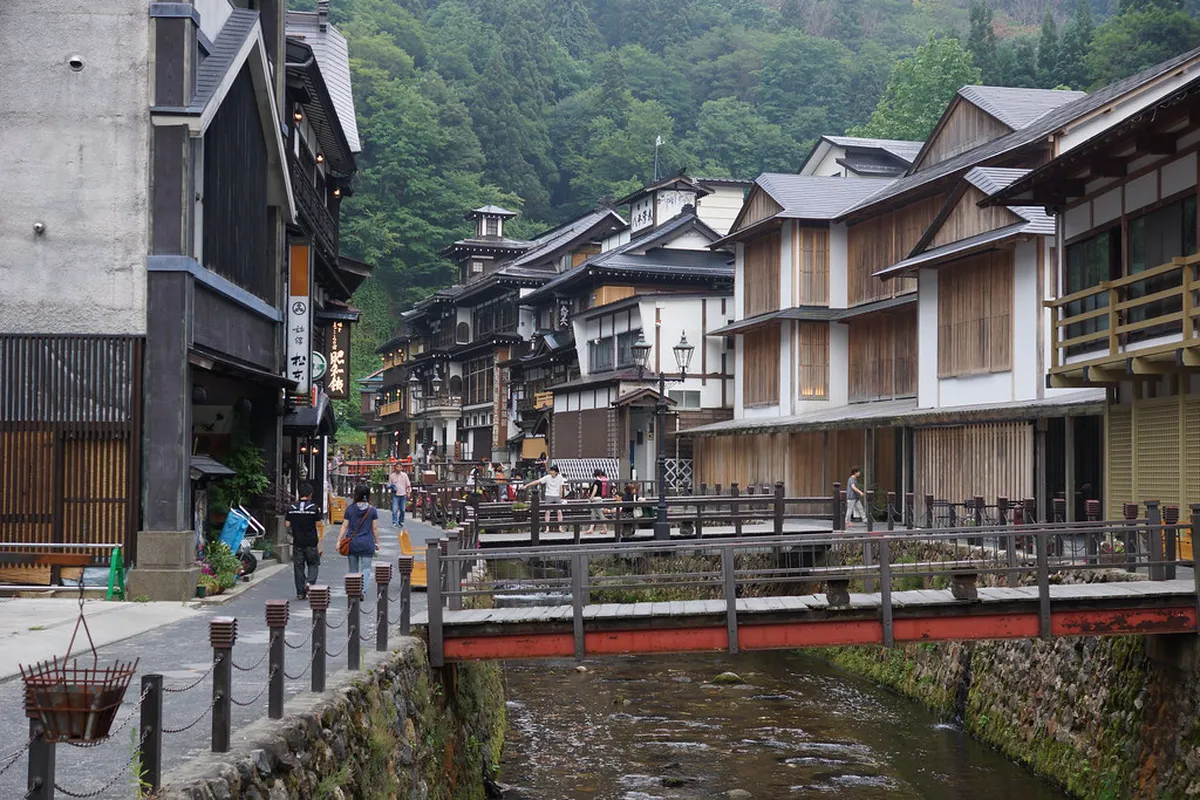
During winter, gas lanterns cast a warm amber glow on the snow-covered street and river. The scene is particularly striking from early evening as the gas lamps ignite. Be aware that in January and February the cold outside is severe and shops can close early due to snowfall, so wearing full winter layers and non-slip boots is essential. Roads can be icy, and there may be day-visitor restrictions during very busy winter periods.
Spring brings a gentle thaw and budding greenery, offering a fresh perspective on the town. Summer provides lush landscapes and pleasant temperatures for hiking around the area. Autumn showcases vibrant fall foliage, adding rich colours to the historic street — the area around Shirogane Falls is especially beautiful then. Each season provides a unique backdrop for your Taisho Romance experience.
Consider visiting during shoulder seasons like spring or autumn for fewer crowds. These times still offer beautiful scenery without the peak winter rush. Always check the weather forecast before your trip to pack appropriately. Planning ahead ensures a comfortable and enjoyable visit.
Getting to Ginzan Onsen: Access & Transportation Guide
Reaching Ginzan Onsen typically involves a train journey followed by a bus ride. The most common route is to take a JR Yamagata Shinkansen to JR Oishida Station. From there, a local bus completes the trip to Ginzan Onsen in approximately 35 to 40 minutes. Bus services are limited, so checking the timetable in advance is essential.
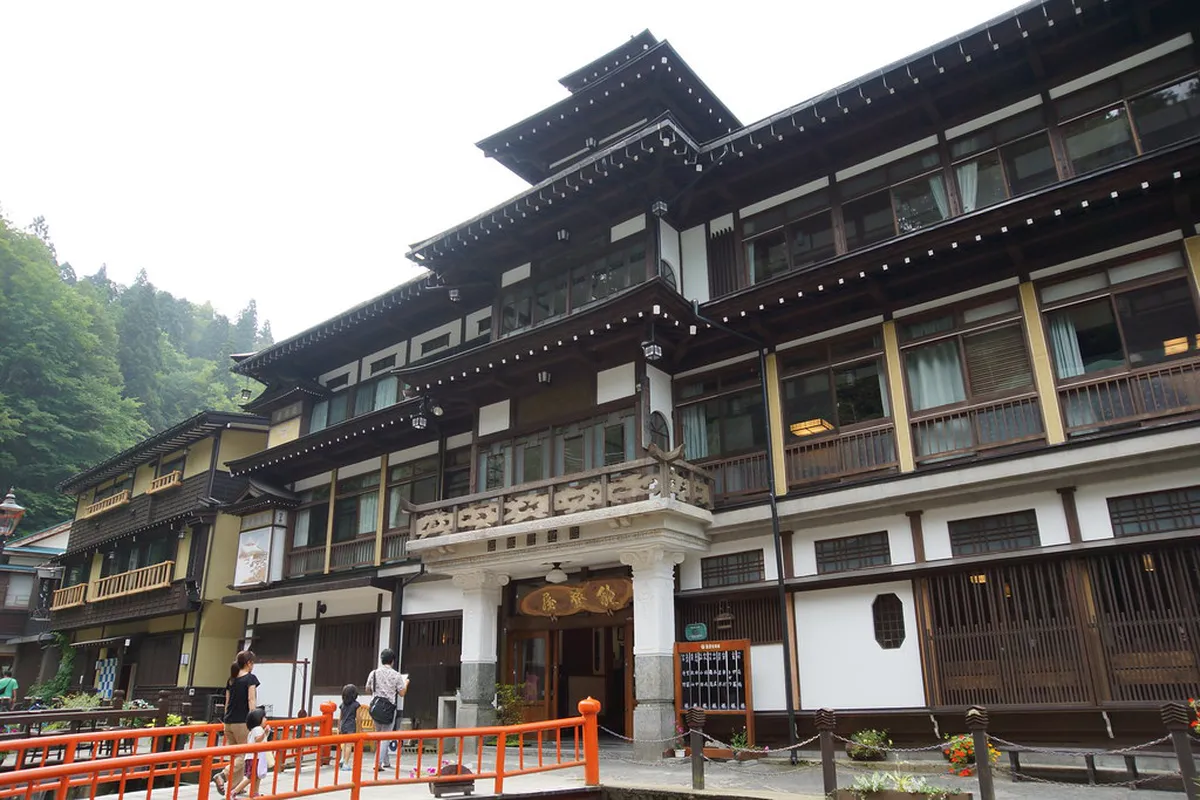
From Yamagata Station, travel first to Oishida Station and then transfer to the bus. A direct bus from Yamagata Airport to Ginzan Onsen may also operate seasonally — verify this with the airport information desk. The bus usually stops at the Taisho Romankan, a short walk from the main street. Some ryokan offer shuttle services from JR Oishida Station for their guests; inquire when booking your accommodation.
Driving to Ginzan Onsen is possible via Obanazawa IC on the Tohoku-Chuo Expressway. Parking near the main street is limited, so visitors typically use designated lots at the town entrance. During busy periods, a shuttle bus operates into the village. In winter, winter tyres are mandatory — roads become icy quickly, and allow extra travel time during adverse weather. For more detailed directions, consult our guide on getting to Ginzan Onsen.
Exploring the Taisho Romance Street: Must-See Sights & Activities
The main activity in Ginzan Onsen is simply strolling along the Taisho Romance Street. Admire the historic wooden ryokan and the charming Ginzan River flowing alongside them. The town is compact — you can walk from one end to the other in around 15 minutes — but its atmosphere rewards slow, deliberate exploration. Notice the intricate wooden carvings and traditional plasterwork on each building facade.
Photography is a popular pastime, especially at dusk when the gas lamps illuminate the street. Arrive around 16:00–16:30 in winter to position yourself on the small stone bridges before the lamps ignite. The reflections of the warm light on the dark river surface are the defining shot of Ginzan Onsen. A tripod is useful for low-light exposures; if you do not have one, brace against a railing and shoot in burst mode. The changing colours of the sky as the sun sets behind the mountains add another dimension to your timing.
Browse local shops for souvenirs and traditional crafts. Kokeshi dolls in various sizes and painted designs make excellent, lightweight gifts. Don't miss the opportunity to wear a traditional yukata while exploring the street — many ryokan provide these cotton kimonos for guests, adding to the immersive Taisho Romance experience. The town's public restrooms are located at the far end of the hot spring resort area.
Day Trip Itinerary: Making the Most of Your Time in Ginzan Onsen
A day trip to Ginzan Onsen requires careful planning to maximise your experience. Aim for an early start from JR Oishida Station to catch a mid-morning bus. The bus ride itself takes around 40 minutes, offering scenic views of the Yamagata countryside. This ensures you arrive with ample time for exploration before dusk.
Upon arrival, you will likely disembark at the Taisho Romankan bus stop. From there, it is about a 5-minute walk — from Ginzanso Ryokan toward the town — to reach the heart of the street. Plan approximately 60 to 80 minutes of free exploration: this is genuinely enough time given how compact the area is. Use the time for photos, a short shop visit, and the Shirogane waterfall walk upstream.
Consider visiting Shirogane waterfall and the Nobesawa Silver Mine trail first, while your legs are fresh. These natural attractions are a 10–15 minute walk beyond the main street. Afterwards, return to the village for a footbath or lunch. A note on cold-weather reality: in January and February the outdoor temperatures can make extended stays genuinely uncomfortable, and there is no guarantee of finding a warm seat in a crowded café. Factor warmth into your itinerary as seriously as sightseeing.
Ensure you note the return bus schedule from the Taisho Romankan stop well before you arrive. The last afternoon departures fill quickly in peak season. Planning your departure to avoid missing the bus back to JR Oishida Station is critical — missing it can mean a long wait or an expensive taxi. For more on day trips, see our Ginzan Onsen day trip guide.
Indulge in Ginzan Onsen's Hot Springs: Public Baths & Footbaths
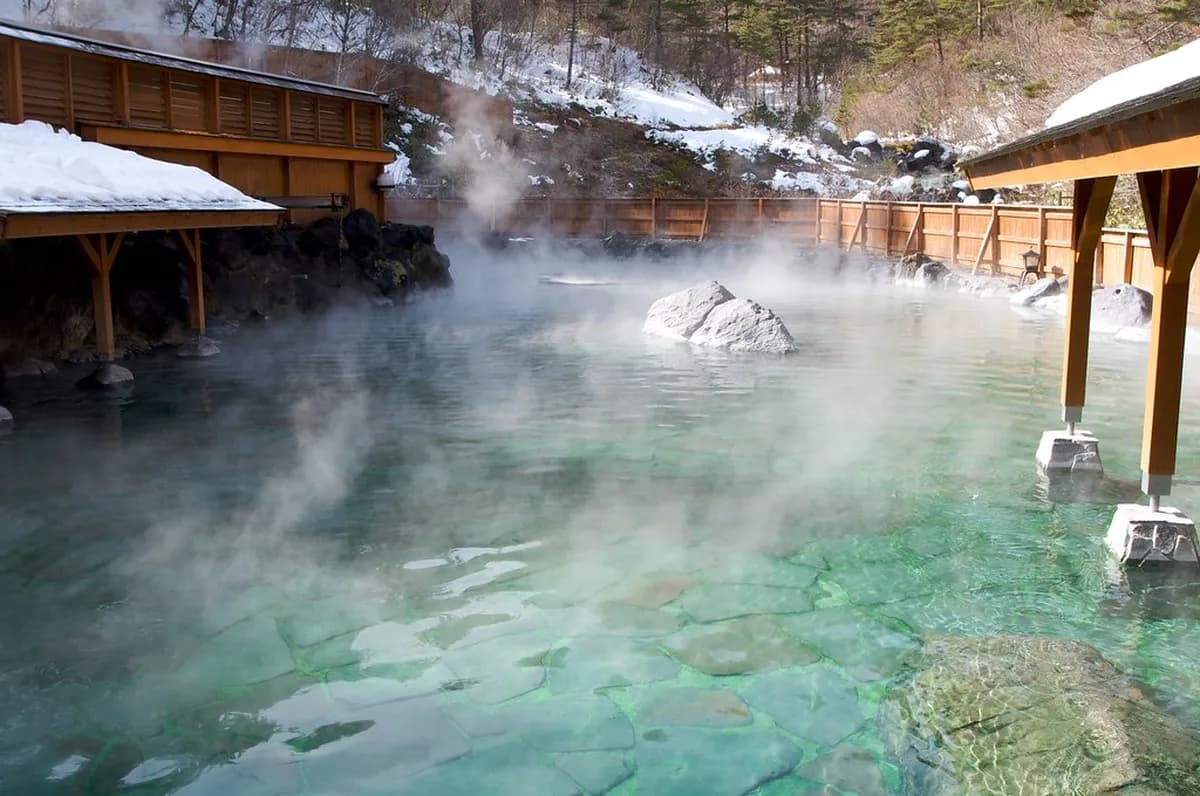
No visit to Ginzan Onsen is complete without experiencing its therapeutic hot springs. The spring water runs at 55°C (131°F) and flows directly from the mountains through the Ginzan River corridor. While staying at a ryokan offers private onsen access, day visitors can enjoy public baths. Shirogane-yu is the public bath open to non-staying guests, and it is known as a building designed by renowned architect Kengo Kuma. His design gives a contemporary restrained exterior to what is otherwise a deeply traditional bathing experience.
The bathing fee at Shirogane-yu is 500 yen for adults. Operating hours run from 08:00 to 17:00. This provides a perfect opportunity to relax and warm up, especially after a cold morning exploring the street. Remember to follow proper onsen etiquette: wash thoroughly at the designated stations before entering the main bath, and do not submerge small towels in the water.
For those who prefer not to commit to a full bath, Ginzan Onsen also offers the Waraku Ashiyu — a free outdoor footbath open to all visitors. Soaking your feet in the warm, mineral-rich water for 10 to 15 minutes is a genuinely effective way to recover warmth during a winter visit. The footbath is popular but rarely requires a long wait. It is one of the few pleasures at Ginzan Onsen that costs nothing.
On tattoo policies: the public Shirogane-yu is generally more lenient toward tattooed visitors than private ryokan baths, but it is always worth checking directly before your visit if this is a concern.
Local Flavors & Souvenirs: Shops, Cafes, and Dining
The Taisho Romance Street is home to several charming shops and eateries. Opening hours listed below are typical but can vary — shops may close early during heavy snowfall or on non-scheduled days, so flexibility matters. Always carry cash, as smaller establishments may not accept credit cards.
- Nogawa To-fu — sells local tofu specialties including nama-age (crispy deep-fried tofu), a warming snack for cold days. Closes when sold out; non-scheduled holidays.
- Izunohana — the most popular café and dining spot for day visitors, with a second-floor window seat overlooking the street. Obanazawa City is famous for soba, and buckwheat sweets are on the menu. Closes around 19:00; closed Wednesdays.
- Wamoyo — specialises in takeout sweets and drinks, including hot drinks for warming up; also stocks Yamagata souvenirs. Closes around 18:00; closed Wednesdays and Thursdays.
- Kurie — a café and bar with a panoramic second-floor view of the hot spring resort. Closes around 18:00 (last orders 17:30); closed Mondays and Tuesdays.
- Edoya — a souvenir shop selling miscellaneous goods and retro crafts, including kokeshi dolls. Closes around 18:30; non-scheduled holidays.
- Yagihashi Shop — focuses on local sake and regional souvenirs; staff will recommend bottles suited to your taste. Closes around 18:30; closed Thursdays.
- Shirogane — a restaurant at the far end of the resort area, set in a renovated old private home. Offers set menus using local ingredients and is one of the few places open late. Closes around 22:00 (last orders 21:30); closed 10–11 December, 7–8 January, 5–6 February, and 11–12 March and 31 March.
For a local speciality unique to the Obanazawa area, look for tama konnyaku — a soy-braised konjac skewer served hot. It is inexpensive, easy to eat while walking, and provides warmth that the cold air quickly demands.
Beyond the Street: Shirogane Falls & Silver Mine History
While the Taisho Romance Street is the main draw, Ginzan Onsen offers more to explore. Just a short walk from the village center lies Shirogane Falls. This beautiful double waterfall stands 22 meters high. The falls are a serene natural escape, particularly striking in autumn foliage season and when frozen into ice columns in deep winter.
Beyond the falls, you can discover remnants of the Nobesawa Silver Mine — the original reason for the town's existence. The mine flourished during the Edo period as an officially controlled operation under the shogunate, with silver extracted and transported across the region. After the mine's decline in the late 19th century, the settlement reinvented itself as a hot spring resort. The current multi-story ryokan townscape largely dates from the early 20th century, following a devastating flood that wiped out earlier buildings. Whether the mine tunnels themselves are accessible varies by season; signage near the trailhead gives current conditions.
Walking trails around the falls and mine provide pleasant opportunities for light hiking. The Ginzan River, which runs through the town, originates from these mountains and carries water at a therapeutic temperature of 55°C before cooling to safe bathing temperatures at the public bath. Exploring these natural and historical sites adds genuine depth to your Ginzan Onsen experience beyond the famous street itself.
Essential Travel Tips & FAQs for Ginzan Onsen
What is Ginzan Onsen famous for? Ginzan Onsen is renowned for its stunning Taisho-era architecture and magical winter scenery. It is a picturesque hot spring town that feels like stepping back in time to early 20th-century Japan. The gas lamps illuminating snow-covered wooden ryokan create an iconic image beloved in Japanese popular culture.
How long do you need in Ginzan Onsen? For a day trip, 80 minutes of on-site time is sufficient to explore the main street, walk to Shirogane Falls, and soak in the footbath. An overnight stay allows for a more relaxed experience, evening illuminations, and the full ryokan dinner-and-bath experience. Many visitors find an overnight stay offers the most immersive atmosphere.
Is Ginzan Onsen worth visiting? Absolutely. Its unique historical atmosphere and natural beauty make it a highly recommended destination. The town offers a tranquil escape from modern life and a genuinely preserved piece of early 20th-century Japanese architecture.
Can you go to Ginzan Onsen at night? Yes, visiting at dusk and into the evening is highly recommended. The gas lanterns illuminate the street from around 16:30–17:00 in winter and their reflections on the river create a breathtaking scene. This evening ambiance is a highlight for many travelers and offers excellent photography opportunities.
Practical basics: Wi-Fi is available at ryokan and some facilities but may be weak across the town — consider bringing mobile Wi-Fi for reliability. Public restrooms are located at the far end of the hot spring resort area, past Shirogane restaurant. Signal and connectivity improve once you return toward the bus stop at Taisho Romankan.
Nearby Attractions & Extended Stays
If you have more time in Yamagata Prefecture, consider extending your trip beyond Ginzan Onsen. Tendo Onsen, the starting point for several organised tours to Ginzan, is another famous hot spring town known for traditional Japanese inns and its connection to Japanese chess (shogi). It offers a different and more resort-oriented onsen experience.
Yamagata City, the prefectural capital, offers historical sites and local cuisine. The Yamagata Castle Ruins at Kajo Park and various museums are worth exploring. The city provides a contrast to the tranquil mountain setting of Ginzan Onsen. Depending on the season, you might catch local festivals: the Hanagasa Festival in Yamagata City is a vibrant summer event held in August each year.
For those interested in Taisho-era architecture more broadly, the Life Bunshokan in Yamagata City — a red-brick prefectural hall from the same period — makes a fascinating half-day addition to a Yamagata itinerary. Consider exploring more of the Tohoku region for a comprehensive trip through Japan's rural northeast.
Frequently Asked Questions
Do I wear clothes in an onsen?
No, it is customary to bathe naked in Japanese onsen. You should wash thoroughly at the designated washing stations before entering the hot spring bath. Small towels are often provided for modesty outside the water, but they should not enter the bath itself.
What is the best way to get to Ginzan Onsen?
The best way to reach Ginzan Onsen is by taking the JR Yamagata Shinkansen to JR Oishida Station. From there, a local bus service connects directly to Ginzan Onsen. The bus journey takes approximately 35-40 minutes and is timed to meet train arrivals.
What is the history of Ginzan Onsen?
Ginzan Onsen originated as a silver mining town during the Edo period, with the Nobesawa Silver Mine being its primary industry. After the mine's decline, it transformed into a renowned hot spring resort. The current Taisho-era architecture largely dates from the early 20th century after a flood.
What should I wear for Ginzan Onsen in winter?
For Ginzan Onsen in winter, wear warm, layered clothing, including a waterproof outer shell. Thermal underwear, a warm hat, gloves, and waterproof, non-slip boots are essential due to heavy snow and cold temperatures. These items will help you stay comfortable during your visit.
Ginzan Onsen's Taisho Romance Street offers a truly enchanting escape into Japan's past. Its unique architecture, soothing hot springs, and stunning seasonal beauty create an unforgettable experience. Whether you visit in winter, spring, summer, or autumn, the town promises a magical atmosphere. Planning your trip carefully will ensure a smooth and enjoyable journey.
From exploring the historic streets to relaxing in a traditional onsen, every moment contributes to a memorable adventure. Remember to savor the local flavors and discover the natural wonders surrounding the village. This guide aims to equip you with all the necessary information. Your perfect Ginzan Onsen experience awaits.
Embrace the nostalgic charm and create lasting memories in this picturesque Japanese hot spring town. The blend of history, nature, and relaxation makes Ginzan Onsen a must-visit destination. Start planning your journey to this extraordinary place today.
Free guide: Japan's Hidden Gems
12 under-the-radar places beyond Tokyo & Kyoto — with the best season to visit each and a local tip you won't find in the guidebooks.
You might also like


Continue reading
More guides you'll find useful