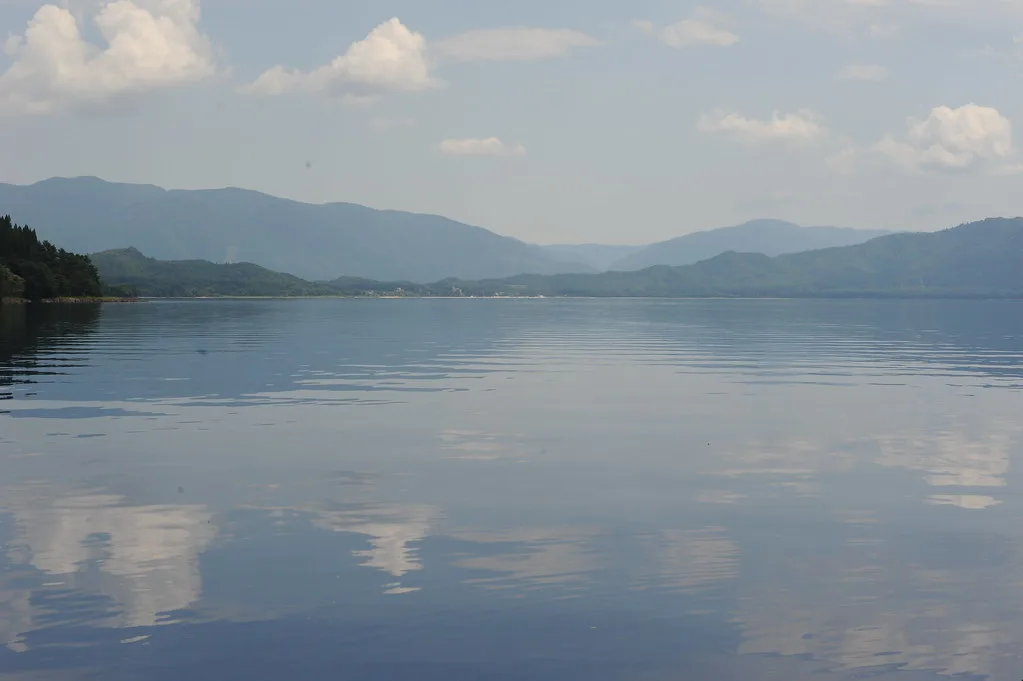
Ginzan Onsen Day Trip From Yamagata Travel Guide 2026
Plan your Ginzan Onsen day trip from Yamagata with top picks, timing tips, and practical booking advice for a smoother, unforgettable experience.
On this page
Planning a Ginzan Onsen day trip from Yamagata offers a glimpse into a bygone era. This guide is crafted for first-time visitors seeking to experience the nostalgic charm of this historic hot spring town. We provide a realistic itinerary and essential planning tips for a seamless journey. Ginzan Onsen, famed for its gas lamps and traditional ryokan, evokes a magical atmosphere. While an overnight stay is ideal, a day trip is absolutely feasible with careful planning. We'll help you navigate transportation and maximize your time in this picturesque destination. This guide was last updated in June 2026 to ensure the most current information.
Ginzan Onsen Day Trip: At a Glance
A day trip to Ginzan Onsen from Yamagata requires strategic timing. The town's compact nature makes it perfect for a focused visit. We recommend arriving mid-morning to enjoy the daylight and staying until dusk for the enchanting illuminations. This itinerary balances travel time with exploration and relaxation. You will experience the iconic streetscape and local flavors. Keep an eye on bus schedules for a smooth return journey.
- Day 1: Nostalgic Onsen Charm
- Morning: 10:30 AM – 1:00 PM, Arrive, explore Taisho-era street
- Afternoon: 1:00 PM – 4:00 PM, Public foot baths, soba lunch
- Evening: 4:00 PM – 5:30 PM, Gas lamp illuminations, depart
What to See and Do in Ginzan Onsen
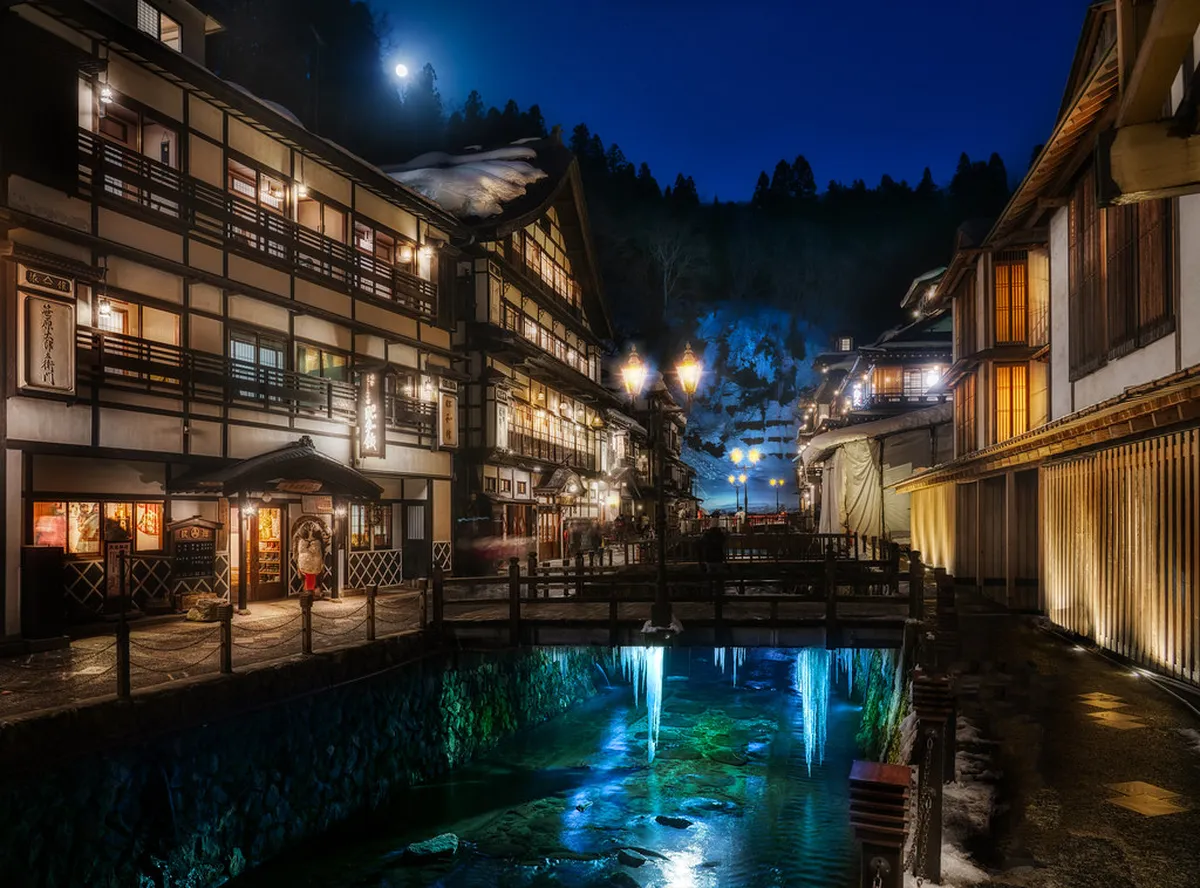
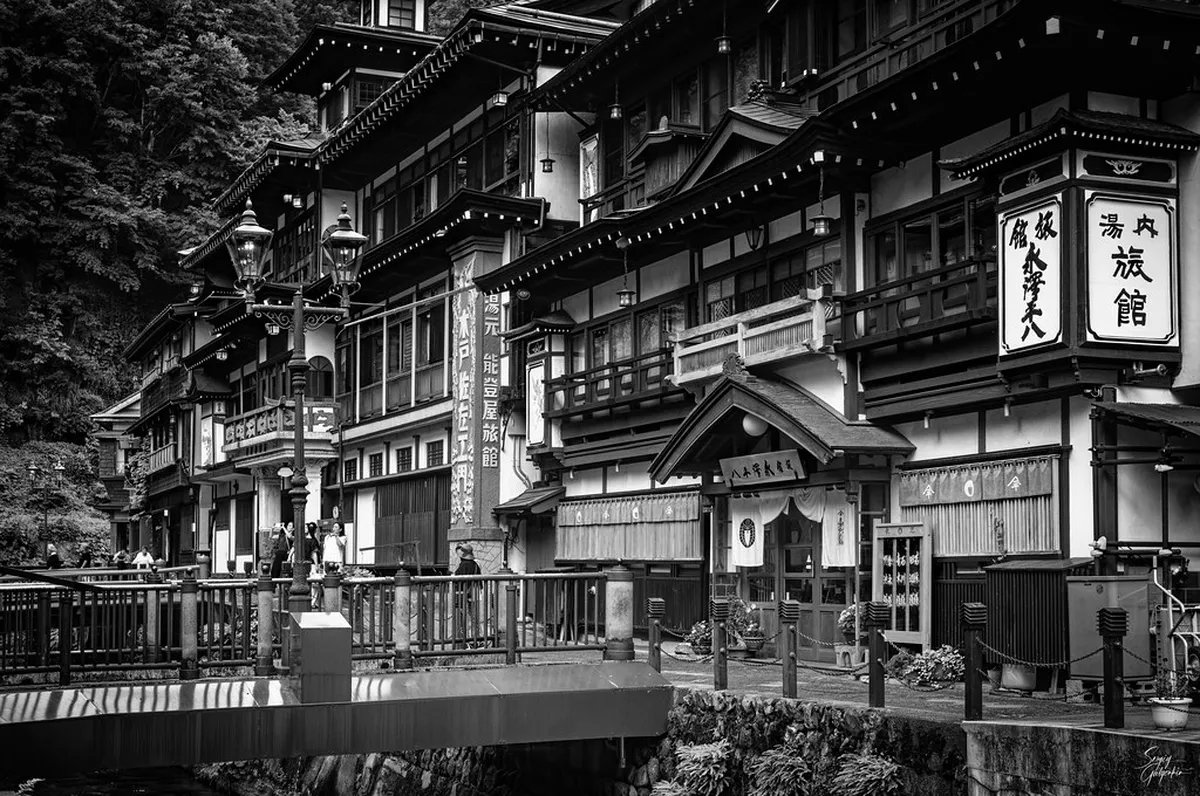
The heart of the town is the Ginzan River canyon, flanked on both sides by tall wooden ryokan built during the Taisho era (1912–1926). Walking this single main street — roughly 300 metres end to end — is the primary activity. Look for the Kote-e painted plasterwork decorating the facades of several inns: these colourful relief murals are unique to this town and easy to miss if you don't know to look for them. Snowflake tile patterns embedded in the road itself are another subtle detail worth noticing.
The Warashiyu footbath on the riverbank is free and open to all visitors. Hot spring water flows directly from the source, making it one of the few genuine outdoor footbaths in Tohoku. In peak winter weekends and the Obon summer season it fills up fast — aim to arrive before 11:00 or after 14:00 to get a spot without queuing. Bring a small towel.
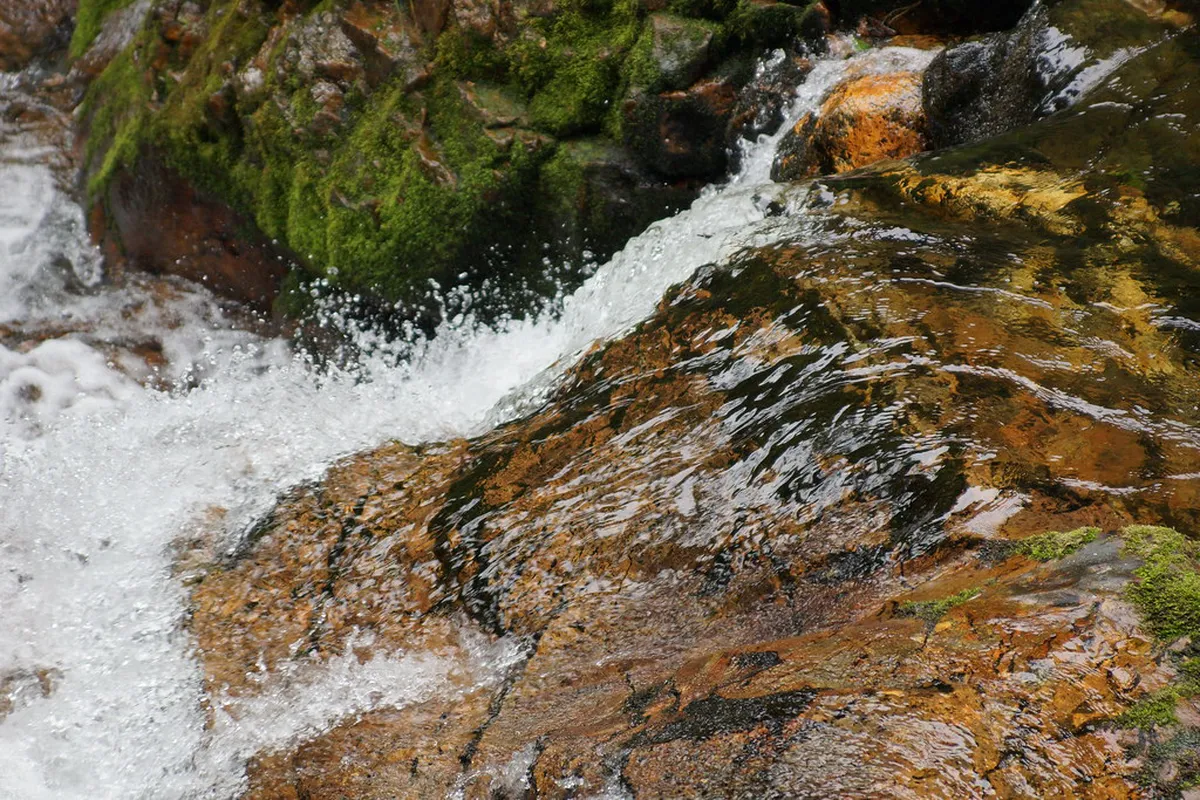
A short walk upstream leads to Shirogane Falls (Shirogane-no-taki), a 22-metre vertical drop surrounded by cedar forest. The path takes about 15 minutes on foot from the main street and is passable in most seasons. Shirogane waterfall is especially photogenic in early spring when snowmelt boosts the flow.
Beyond the falls, the Senshinkyo Gorge offers a scenic riverside walk through verdant greens in early summer and brilliant autumn foliage in October and November. Most day-trippers skip it, which means it rewards those who build in an extra hour. The full gorge loop adds roughly 45 minutes to your visit.
Best Time of Year for a Ginzan Onsen Day Trip
Winter is the season most photographers target, and for good reason. Heavy snowfall blankets the wooden inns, and the gas street lamps glow amber against the white — the image that most online searches return. However, snow is not guaranteed every day even in January or February, and mountain roads can close or require tire chains. Check road conditions before you go if arriving by car. Bus and train services generally operate year-round.
Autumn (late October to mid-November) is arguably the most comfortable season for a day trip. Crowds are lighter than winter, temperatures are cool without being extreme, and the surrounding forests turn vivid red and yellow. Spring brings cherry blossoms to nearby Obanazawa city in late April. Summer is green and quiet — ryokan vacancies are slightly easier to find, and cherry-picking orchards operate in Tendo City if you want to combine attractions on the way back to Yamagata.
Whenever you visit, avoid arriving on a Wednesday if possible. Many soba houses around the main street close by 14:00 or 14:30 on weekdays, with Wednesdays having the fewest options open. Saturday and Sunday typically see more restaurants operating, but also more visitors competing for seats.
How to Get to Ginzan Onsen: Transit Details
Accessing Ginzan Onsen requires a combination of train and bus travel. From Yamagata Station, take the JR Yamagata Line (local, approximately 50 minutes) or the Yamagata Shinkansen (approximately 30 minutes) to Oishida Station. Upon arrival at Oishida Station, transfer to the Obanazawa Bus "Ginzan Line" (operated by Hanagasa Bus / Nagasa Bus) departing from in front of the station. The bus ride lasts approximately 30–40 minutes. A one-way bus ticket costs ¥1,000 per person, payable in cash only. Bus services are infrequent, running about 4–5 times a day; typical departure times from Oishida are 09:50, 12:35, 14:10, 15:55, and sometimes 17:45. Always verify the latest schedule on the current timetable page before you travel.
Travelers coming from Tokyo can take the Yamagata Shinkansen Tsubasa directly to Oishida Station — about 3 hours 20–30 minutes from Tokyo Station. This is the simplest single-transfer route if you are making a dedicated day trip from the capital. From Sendai Station, take the highway bus run by Yamako Bus towards Shinjo, alight at Obanazawa (approximately 2 hours, ¥1,900 one way), then connect to the same Ginzan line bus for the final 30-minute leg. From Sendai Airport, take the Sendai Airport Access Railway to Sendai Station (approximately 25 minutes, ¥660), then follow the Sendai route above.
Yamagata Airport offers the most direct option if you are flying in: the "Oishii Yamagata Airport Sightseeing Bus" runs directly to Ginzan Onsen in approximately 80 minutes and costs ¥2,000 per person one way. This service runs only three round trips per day and does not require a reservation, but seat availability is limited on winter weekends. Check the airport website for current departure times before booking your flight connections around it.
Taxi and Car Options for Day-Trippers
If there are four people in your group, a taxi from Oishida Station to Ginzan Onsen becomes competitive in cost per person versus the bus — and offers total flexibility on departure time. Obanazawa Taxi operates a dedicated "Ginzan Onsen 3-Hour Course" round-trip from Oishida Station, which is worth pre-booking since cabs can be scarce at the resort, especially on weekends. Book the return leg before you leave the station. Many ryokan also offer a pick-up service from the bus stop or Oishida Station for guests — if you are planning a day-use onsen at one of them, ask when you book.
Drivers arriving by car should note that the main street of Ginzan Onsen is entirely car-free. The only public parking area for non-guests is the Taisho Romankan parking lot, which is large but fills quickly on weekends and during peak winter season. In winter, the mountain approach road can require tire chains or studded tyres — check conditions via the Yamagata Prefecture road information service the morning of your visit. Arriving before 10:00 greatly improves your chances of securing a space without circling.
Is a Ginzan Onsen Day Trip Worth It?
The honest answer is yes — with caveats. The town is compact and walkable within two to three hours, and the scenery is genuinely unlike anything else in the Tohoku region. Because Oishida Station is a Shinkansen stop, Ginzan Onsen is only about 30 minutes of bus travel from a bullet-train connection. The ROI of a day trip is high given that distance. The trade-off is that overnight ryokan stays cost ¥20,000–¥40,000 or more per person (roughly USD 200–400 at current exchange rates), and availability is extremely tight year-round — so a day visit is often the only realistic option anyway.
What day-trippers give up is access to the full onsen bath and the evening ryokan meal — the two experiences that define the town's reputation. The gas-lamp street illuminations switch on around dusk (typically from 17:00–17:30 in winter) and are visible to anyone still in the town at that hour, ryokan guest or not. Timing your bus departure for after dark gives you that signature winter shot without an overnight stay. Budget about 1.5 to 2 hours travel each way from Yamagata City.
One practical limitation: lunch. Soba is the dominant local food, but many restaurants close around 14:00–14:30, particularly on weekdays. If you catch the 09:50 bus from Oishida, you arrive around 10:30 and have a comfortable window to eat before the kitchens close. Arriving on the 12:35 bus means you may find doors already shut by the time you settle in. Pack a snack as insurance.
What Day-Trippers Can Do Instead of a Ryokan Soak
Not staying overnight does not mean missing the hot spring experience entirely. Several ryokan in Ginzan Onsen offer day-use onsen (higaeri nyuyoku) plans for non-guests, typically priced at ¥500–¥1,500 per person. Availability is limited and varies by season — call or email the ryokan directly at least a few days in advance to confirm a slot. This is not widely advertised in English, so asking explicitly when you inquire makes the difference.
A more accessible option is to rent a Taisho-era costume from one of the local shops near the main street. Kimono and hakama rentals run approximately ¥1,000–¥2,000 for a few hours and make the atmosphere significantly more immersive. You can combine costume rental with the Warashiyu footbath, which creates the photographs most people are actually hoping to take. The rental shops handle dressing, and the outfits are suitable for walking the cobblestone street in all but the heaviest winter snowfall.
For visitors combining this with a broader the Ginzan Onsen guide itinerary, the History and Culture Museum near the main street provides a dry, indoor option during inclement weather. Entry is low-cost and the exhibits explain the mining history that originally gave Ginzan (literally "Silver Mountain") its name — a dimension of the town most visitors overlook entirely.
What to Book in Advance
For a smooth Ginzan Onsen day trip from Yamagata, booking ahead is crucial for a few specific things. Shinkansen tickets, particularly during peak travel seasons and Golden Week, can sell out days in advance. Book your train as early as possible if you have fixed dates. The local bus from Oishida Station does not require a reservation, but knowing the exact timetable is essential — plan your train arrival to align with a bus departure, not the other way around.
Dining options in Ginzan Onsen are charming but few. The popular soba restaurants on Taisho-era street close early and seats are limited. Consider making a lunch reservation, especially on a weekday. The Ginzan Taisho Romankan visitor facility can confirm current restaurant hours. If you plan to access a day-use private onsen, inquire about availability beforehand — some ryokan require reservations by the previous day at 17:00 at the latest. Ticket windows for any seasonal events should also be checked against your travel date.
Frequently Asked Questions
How do I get from Yamagata to Ginzan Onsen?
Take the JR Yamagata Line from Yamagata Station to Oishida Station. This train ride is about 30-50 minutes. From Oishida, transfer to a local bus for a 30-40 minute ride to Ginzan Onsen.
Can you do a day trip to Ginzan Onsen?
Yes, a day trip to Ginzan Onsen is entirely possible and highly recommended. Plan for an early start to maximize your time. Ensure you check bus schedules carefully for your return journey.
Is there a Ginzan Onsen in Yamagata?
Ginzan Onsen is a hot spring town located in Yamagata Prefecture, Japan. It is not directly in Yamagata City but is a popular destination accessible from the city. The town is nestled in the mountains of Obanazawa.
Is Ginzan Onsen worth going?
Ginzan Onsen is definitely worth visiting for its unique Taisho-era ambiance and beautiful scenery. The gas-lit streets and traditional architecture offer a memorable experience. It feels like stepping back in time.
A Ginzan Onsen day trip from Yamagata provides a captivating escape into a historical setting. With careful planning, you can fully enjoy its unique charm. Remember to prioritize transport logistics and embrace the nostalgic atmosphere. We encourage you to verify all schedules and opening hours closer to your travel date. This ensures a smooth and enjoyable visit to this magical hot spring village. Your journey to Ginzan Onsen will surely be a highlight of your trip.
Free guide: Japan's Hidden Gems
12 under-the-radar places beyond Tokyo & Kyoto — with the best season to visit each and a local tip you won't find in the guidebooks.
You might also like


Continue reading
More guides you'll find useful