

9 Best Ryokan in Nikko: Top Rated Picks for 2026
Discover the best ryokan in nikko for 2026. Our guide covers luxury stays with private onsen, budget picks, and essential booking tips for your Japan trip.
On this page
After my fourth trip to the cedar-lined mountains of Tochigi, I have realized that choosing the right accommodation is vital. Nikko is a place where the atmosphere of the lodging defines your entire experience of the UNESCO heritage sites. Last refreshed January 2026 after my most recent autumn scouting trip, this guide reflects the latest pricing and booking trends.
Finding the best ryokan in nikko requires balancing your desire for traditional luxury with the practicalities of mountain travel. Many visitors struggle to choose between the central shrine area and the more remote hot spring districts like Kinugawa. This guide simplifies that choice by highlighting properties that offer exceptional service, authentic baths, and stunning seasonal views.
Is a Ryokan Stay in Nikko Worth the Cost?
When travelers ask what is a Ryokan? An Onsen?, they are often looking for a deep cultural immersion rather than just a bed. A ryokan is a traditional Japanese inn where the focus is on hospitality, seasonal food, and communal or private bathing. In a city like Nikko, these stays often include multi-course kaiseki dinners that feature local delicacies like yuba or fresh trout.
Staying in a traditional inn is definitely worth the investment if you value a slower pace and high-quality local cuisine. Before booking, you should spend some time choosing where to stay in Nikko based on your itinerary needs. Central locations are better for early morning visits to the Nikko Toshogu Shrine Guide: 7 Essential Highlights and Tips sites before the crowds arrive.
Most high-end ryokan in the region charge between $300 and $600 per night for two people including two meals. While this may seem expensive, it covers a gourmet dining experience that would cost significantly more at a standalone restaurant. The value lies in the seamless blend of relaxation and cultural education provided by the attentive staff.
Which Area of Nikko Should You Stay In?
Nikko splits into three distinct lodging zones, and your choice shapes the entire trip. Central Nikko, close to the Toshogu shrines and Shinkyo Bridge, suits first-timers who want to walk to the main heritage sites before tour buses arrive. Properties here are typically smaller boutique ryokan rather than full resort complexes.
Kinugawa Onsen, about 12 km east of the shrines along the river valley, is the largest hot spring resort district. It holds the biggest properties on this list — Asaya, Kinugawa Plaza, and Kinugawa Hotel Mikazuki — all accessible directly from Kinugawa-Onsen Station on the Tobu Railway. Kinugawa suits travellers who prioritise onsen variety, buffet-style meals, and family amenities over proximity to the shrines.
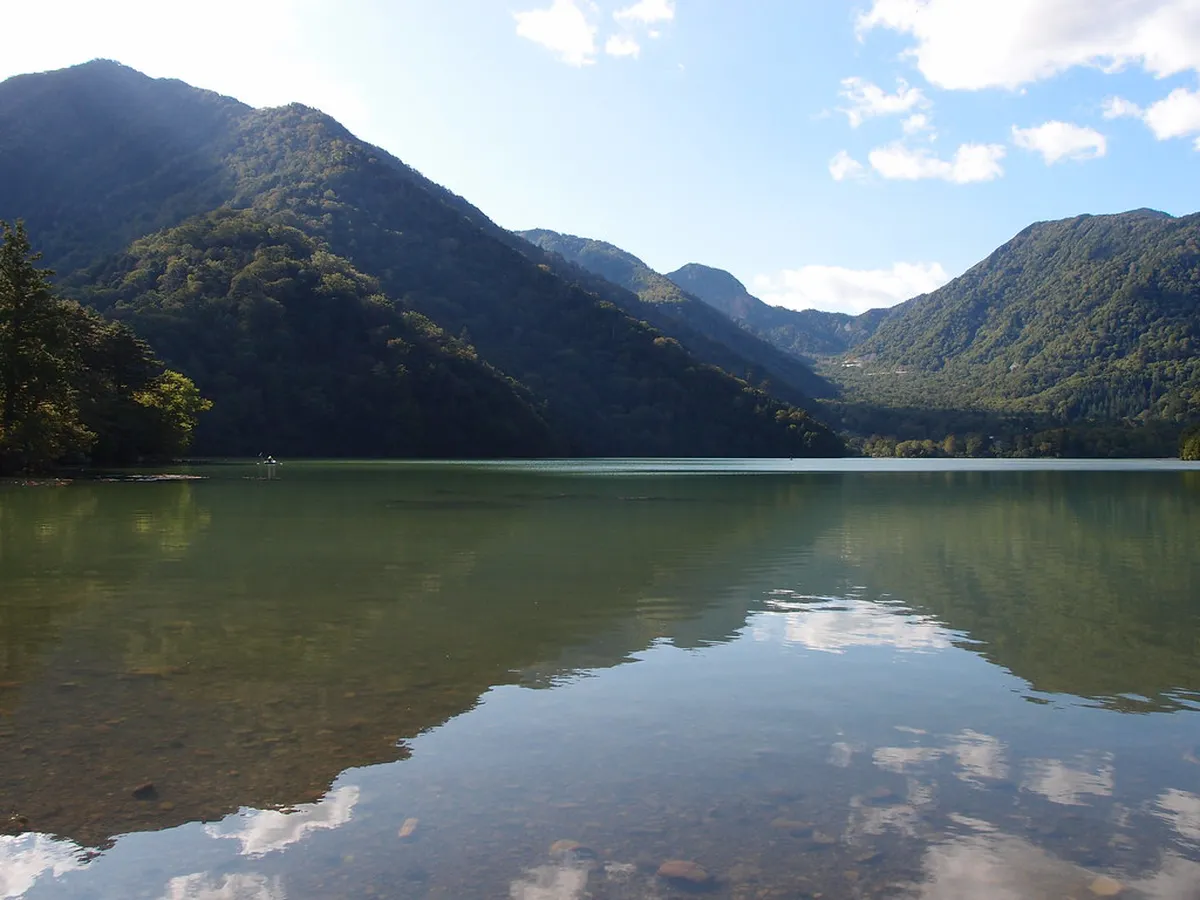
Oku-Nikko, the remote western zone encompassing Lake Chuzenji and Yumoto Onsen, offers the most atmospheric setting. Hotels Shikisai and Hanaan sit near the lake; Okunoin Hotel Tokugawa is further up in the valley. The trade-off is a 40–60 minute bus ride to the shrines. If you have two or more nights, put one night in Kinugawa and one night in Oku-Nikko to experience both landscapes. For a single-night stay, Kinugawa offers the easiest balance of access and onsen quality.
9 Best Ryokan in Nikko for an Authentic Stay
This section provides a Summary: Nikko Ryokan with Private Onsen options that cater to different budgets and travel styles. Each of these Beautiful Nikko Ryokan with Private Onsen has been selected for its unique character and high guest satisfaction. Whether you want to be near Kegon Falls or deep in the forest, there is an option here.
I suggest checking the Villa with Private Hot Spring Bath options for the ultimate secluded experience. Many properties also serve as a great base for exploring the rugged 17 Best Nikko Hiking Trails for Every Skill Level (2026) nearby. Be sure to book at least three months in advance for autumn foliage or spring blossom seasons.
- Okunoin Hotel Tokugawa: A Secluded Luxury Escape
- This luxury estate sits tucked away in a quiet valley near the main shrine complex.
- Expect to pay $600–$1,000 per night for two people including two seasonal kaiseki meals; the Premium Suite with Open Air Bath runs $765–$1,360.
- The hotel provides complimentary shuttle from Nikko Station and shuttle service to Toshogu Shrine.
- Two room types offer private onsen: the Villa with Private Hot Spring Bath (open-air) and the Premium Suite upgrade.
- Asaya Hotel: Iconic Rooftop Onsen and Buffets
- Located in the Kinugawa district next to the river, this resort features a stunning atrium, rooftop pool, and karaoke rooms.
- Rates typically range from $400–$700 for a Superior Room with Private Hot Spring Bath including buffet breakfast and dinner.
- In-room onsen are indoors with large windows overlooking the Kinugawa River; Asaya has been serving guests for over 130 years.
- Visit the rooftop bath at night to see the stars while soaking in the steaming mineral water.
- Hotel Hanaan: Serene Views Over Lake Chuzenji
- Perfectly positioned between Kegon Falls and Lake Chuzenji, rooms have views of the lake and the famous red torii gate.
- Pricing falls between $350 and $500 per night for two people, with breakfast and dinner included.
- In-room terrace onsen overlook the lake; Kegon waterfall is a five-minute walk away.
- Ask for a Superior room for the clearest lake views from your private bath terrace.
- Hotel Shikisai: A Deep Forest Retreat
- On the forested border of Lake Chuzenji, this ryokan has semi open-air and fully open-air private bath options.
- Budget approximately $300–$600 for a night including dinner and breakfast; rooms accommodate up to six people.
- Private baths sit on terraces overlooking the forest — note these use heated water, not natural spring water from below.
- A shuttle runs from JR Nikko Station and Tobu Nikko Station, a 35-minute ride.
- Kinugawa Plaza Hotel: Riverside Relaxation and Flexible Meals
- Sits on the Kinugawa riverbank with a Deluxe Suite and open-air bath starting at $450 for two.
- Unusually flexible meal policy: choose between no meals, breakfast only, or full board — budget rooms with no onsen start around $150.
- Private kashikiri (reserved) onsen can be rented by the hour even by guests in standard rooms.
- The hotel also has indoor and outdoor public onsen, karaoke, billiards, and a hot spring footbath.
- Kinugawa Hotel Mikazuki: Best for Families
- Known for its massive kids' pool, play area, and infinity pool overlooking the mountains.
- Rates start at $500 for two people; top-floor Club9 rooms with private onsen book out fastest.
- Buffet breakfast and dinner are included; the property sits on the Kinugawa River east of the main town.
- Book Club9 rooms at least two months in advance — they routinely sell out for weekends year-round.
- Nikko Hoshino Monogatari: Central Boutique Hospitality
- Walking distance from Shinkyo Bridge, this mid-range boutique ryokan is the most convenient for shrine visits.
- Prices range from $240–$380 per night, making it the most affordable centrally located pick.
- Walk about 15 minutes from Tobu Nikko Station or take any local bus to the Shinkyo stop.
- Arrive before 17:00 to ensure you have time to relax before the multi-course dinner service begins.
- Turtle Inn Nikko: Budget-Friendly Family Stay
- This family-run inn offers a casual and affordable take on the ryokan experience without heavy kaiseki meals.
- Rates are typically $80–$150 per night, making it the most accessible option on this list.
- Twenty-minute walk from the shrines or a short bus ride from Nikko Station.
- The private family bath can be reserved at no extra cost — a genuine perk at this price point.
- Annex Turtle Hotori-An: Quiet Riverside Living
- Nestled in a residential area, this inn features rooms with private wooden baths and river sounds.
- Prices range from $140–$260 per night depending on the meal plan chosen.
- Best reached by a ten-minute taxi from Nikko Station.
- The sound of the nearby river creates a peaceful backdrop that larger resorts cannot replicate.
Nikko Ryokan Comparison at a Glance
Use this table to quickly match a property to your priorities. Prices are per night for two people in 2026 and include meals unless noted. Always confirm current rates directly with the property or on your booking platform.
| Ryokan | Zone | Price range (USD) | Private onsen type | Meals |
|---|---|---|---|---|
| Hotel Shikisai | Oku-Nikko (Lake Chuzenji) | $300–$600 | Semi open-air, open-air terrace | Breakfast & dinner |
| Hotel Hanaan | Oku-Nikko (Lake Chuzenji) | $350–$500 | Open-air terrace, lake views | Breakfast & dinner |
| Asaya Hotel | Kinugawa Onsen | $400–$700 | Indoor, river views | Buffet B&D |
| Kinugawa Plaza Hotel | Kinugawa Onsen | $150–$1,000+ | Indoor, semi open-air, hourly rental | Flexible (optional) |
| Kinugawa Hotel Mikazuki | Kinugawa Onsen | $500–$900+ | Semi open-air (Club9 rooms) | Buffet B&D |
| Okunoin Hotel Tokugawa | Oku-Nikko (Tamozawa) | $600–$1,360 | Open-air villa or premium suite | Breakfast & dinner |
| Nikko Hoshino Monogatari | Central Nikko | $240–$380 | Shared & private options | Multi-course dinner |
| Turtle Inn Nikko | Central Nikko | $80–$150 | Family bath (reservable) | Room-only option |
| Annex Turtle Hotori-An | Central Nikko | $140–$260 | Private wooden bath | Flexible |
The Kinugawa properties consistently offer the widest onsen variety and the most family infrastructure. The Oku-Nikko cluster wins on scenery and seclusion. Central Nikko properties give you the best access to the shrines without needing a bus or shuttle.
Nikko Onsen: Understanding Local Bathing Culture
Understanding the local etiquette is essential for a respectful and relaxing experience in the hot springs. You must wash your body thoroughly at the provided stations before entering the communal bath water. Reviewing some essential Nikko travel tips will help you navigate these social norms with confidence.
Tattoos are still a sensitive subject in many traditional Japanese baths, though attitudes are slowly changing. If you have large tattoos, I recommend booking a ryokan with a private bath to avoid any potential issues. Some modern resorts provide waterproof stickers to cover small tattoos for guests using the public facilities.
The water in Nikko varies by zone. Kinugawa waters are sodium-chloride spring water known for warming the body and softening skin. Yumoto Onsen in Oku-Nikko contains hydrogen sulfide, giving it a distinctive milky-white colour and its reputation for soothing sore joints. Always stay hydrated by drinking water before and after your soak to prevent dizziness from the heat.
According to local historical records, Buddhist monks travelling between Nikko's temples and mountain retreats used these springs for healing for centuries. That lineage gives the onsen here a different atmosphere from resort towns like Hakone — more meditative, less purely recreational.
Family-Friendly and Budget-Friendly Ryokan Tips
Traveling with children to a traditional inn requires some planning, as some luxury properties have age restrictions. Look for larger resorts like Kinugawa Hotel Mikazuki, which offers kid-friendly pools and buffet-style dining. These facilities often provide smaller yukata and slippers for children to make them feel part of the experience.
Budget-conscious travelers can save money by booking a 'room only' plan and exploring local eateries. You should definitely try the local specialty by checking out a Nikko Yuba Food Guide for affordable lunch options. Many smaller inns offer the same high-quality onsen water as luxury resorts at a fraction of the price.
Another tip for saving is to visit during the mid-week period when room rates can drop by thirty percent. Avoid national holidays and the peak of the autumn foliage season if you are on a strict budget. Booking directly through the hotel's official website can sometimes yield exclusive discounts or free shuttle reservations.
Kinugawa Plaza Hotel deserves a special mention here: their no-frills weekday rooms start at $150 per night for two, yet guests can still pay to use the kashikiri private onsen on-site. This combination is rare in Japan and makes it the best value private-onsen experience on the entire list.
How to Plan a Smooth Ryokan Stay
Travelers usually arrive in the early afternoon to make the most of the facilities before the dinner service begins. Most ryokan have a strict check-in time between 15:00 and 18:00 to accommodate the complex meal preparation. If you arrive late without notifying the staff, you may miss your dinner without receiving a refund.
The Tobu Railway is the most efficient way to reach the city from Tokyo. You can easily learn How To Get To Nikko From Tokyo: 10 Essential Travel Tips using the Spacia X limited express train. For Kinugawa properties, ride to Kinugawa-Onsen Station rather than Tobu Nikko Station — it saves 20–30 minutes of local transit time once you arrive.
Most ryokan provide towels, yukata, toothbrushes, and skincare products, so you do not need to pack heavy. The yukata is acceptable attire throughout all areas of the inn, including the dining room and garden. Most facilities operate their baths 24 hours a day, though some close briefly for cleaning between 01:00 and 05:00.
If you plan to visit both the shrines and an Oku-Nikko ryokan in one day, arrange check-in for the following afternoon. Trying to sightsee and check into a Lake Chuzenji property on the same day is the most common scheduling mistake — the bus journey alone takes 40 minutes from the station.
What to Skip: Overrated Ryokan Experiences
I recommend skipping ryokan that do not include a traditional dinner unless you have a specific restaurant in mind. Many local eateries in Nikko close by 18:00, leaving unprepared travelers with very few food options. The 'room only' experience often misses the point of the hospitality that makes a ryokan special — unless you are at Kinugawa Plaza Hotel, which has on-site dining regardless of your room plan.
Be wary of 'modern' ryokan that charge a premium for western furniture while sacrificing the traditional onsen quality. Sometimes these properties are just standard hotels with a bit of tatami matting on the floor. You should prioritize the quality of the bath and the authenticity of the food over the presence of a sofa or a flat-screen television.
Finally, skip staying in the remote Yumoto area if you only have one night in the city. The long bus ride can eat into your sightseeing time, making the trip feel rushed and stressful. Stick to the central area or Kinugawa for shorter itineraries to maximise your relaxation time.
Check out more private onsen options around Japan!
While Nikko is incredible, you might also consider a Hakone ryokan with private onsen for a different vibe. Hakone is famous for its views of the Mt. Fuji area and its unique volcanic landscape. Both regions offer high-quality water, but Nikko tends to feel more spiritual and historically significant.
The Mt. Fuji area is perfect for those who want iconic mountain views directly from their balcony bath. However, Nikko often provides a more quiet and forested atmosphere that feels less commercialised than Hakone. Your choice should depend on whether you prefer lake views, mountain peaks, or ancient temple surroundings.
Regardless of the region you choose, the private onsen experience remains one of the highlights of a Japan trip. It offers a level of privacy and intimacy that communal baths simply cannot match. Compare the seasonal availability of each region to find the best fit for your specific travel dates.
Frequently Asked Questions
What is the best time to book a ryokan in Nikko?
You should book at least three to four months in advance for peak seasons like autumn foliage. Mid-week stays in the winter offer the best value and fewer crowds. Always check for seasonal festivals that might drive up prices.
Are tattoos allowed in Nikko onsen?
Many traditional ryokan still restrict guests with visible tattoos in communal baths. I recommend booking a room with a private bath or a 'kashikiri' bath to avoid issues. Some larger resorts may allow small tattoos if covered by a patch.
Do Nikko ryokan accommodate dietary restrictions?
Most high-end ryokan can accommodate allergies or vegetarian diets if notified at least three days before arrival. However, strict vegan or gluten-free meals can be challenging due to the traditional use of dashi and soy sauce. Always confirm via email.
Choosing the best ryokan in nikko is the first step toward a truly memorable mountain getaway. From the luxury of Okunoin Hotel Tokugawa to the budget-friendly Turtle Inn, there is a perfect match for every traveler. Use the comparison table above to match a property to your zone preference, budget, and onsen style before your booking window opens.
Remember to embrace the local etiquette and take the time to enjoy the slow pace of life in the cedar forests. A stay in a traditional inn is more than just a place to sleep; it is a gateway to the heart of Japanese culture. I hope this guide helps you find the perfect soak for your 2026 journey into the mountains of Nikko.
Free: The Nikko Essentials guide
Top things to do, where to stay, a perfect day plan, getting around, and the best time to go — a Nikko mini-guide you can take offline.
You might also like
Continue reading
More guides you'll find useful


