10 Nikko Hidden Gems and Essential Travel Tips (2026)
Discover 10 Nikko hidden gems beyond the main shrines. Includes local craft workshops, secret lakeside villas, and practical tips for the Nikko All Area Pass.
On this page
After my third visit to the Tochigi highlands this past autumn, I realized most travelers miss the soul of the region. While the main shrines are breathtaking, the true magic of Nikko lies in its quiet lakeside villas and mossy forest paths. This guide was updated for 2026 to ensure all pricing and access details remain accurate for your upcoming trip.
I first discovered the nikko hidden gems mentioned here while escaping a sudden downpour near Lake Chuzenji. Ducking into a former embassy villa revealed a side of Japanese history that felt far more intimate than the gilded temples. Whether you are a first-timer or a returning visitor, these spots offer a peaceful alternative to the standard tourist circuit.
Nikko serves as a perfect escape from Tokyo, but it requires careful planning to avoid the midday rush. Our editors have vetted each location on this list to guarantee they provide a unique and authentic experience. Expect to find a mix of architectural wonders, serene nature trails, and local craft experiences that define the local culture.
Why Visit Nikko Japan?
Travelers often wonder if the long train ride from Tokyo justifies a single day of temple hopping. Nikko is worth visiting because it blends spiritual history with some of Japan's most dramatic natural scenery. The region transforms with every season, offering vibrant cherry blossoms in spring and deep crimson maples in the autumn. There is genuinely no other place in Japan that packs UNESCO shrines, alpine lakes, and accessible hiking trails into such a compact area.
The main attraction of Nikko is undoubtedly the Toshogu Shrine, but the surrounding National Park is the real draw for nature lovers. You can find ancient cedar forests and high-altitude lakes just a short bus ride from the town center. Planning a trip here allows you to see a different side of Japan that feels worlds away from the neon lights of Shinjuku.
If you enjoy hiking, photography, or traditional craftsmanship, you will find plenty to keep you occupied for several days. The area is particularly famous for its yuba — tofu skin — which is a culinary must-try for any food enthusiast. I recommend checking the Best Time to Visit Nikko: Seasonal Guide and Weather Tips to align your trip with the peak foliage or local festivals.
Crowds can be intense during the autumn peak, so having a list of lesser-known spots is essential for a good experience. A well-rounded visit includes both the famous landmarks and the quiet corners where you can hear the wind through the cedars. You should plan for at least two full days to do Nikko justice.
Nikko All Area Pass: Is It Worth It?
The single best piece of advice for any Nikko trip is to buy the Nikko All Area Pass before you board the train in Tokyo. The pass covers one round-trip journey on the Tobu-Nikko Line from Asakusa Station and unlimited bus rides within designated zones for up to four days. Without it, a single bus ride up to Lake Chuzenji costs 1,100 yen each way, and the costs compound quickly once you add the waterfalls and Yumoto Onsen routes.
You can purchase the pass at the Tobu Asakusa Station ticket counter or at a Tobu travel office. In 2026 the standard Nikko All Area Pass costs around 4,780 yen per adult, which typically saves you 2,000 to 3,000 yen over two packed days compared to paying individual fares. The pass also comes with discount coupons for several hotels, including the Nikko Astraea Hotel, which can offset a portion of your accommodation cost.
There is one important distinction: the Nikko All Area Pass does not cover JR trains. If you are traveling to Nikko with the JR Pass, you will take the JR Nikko Line from Utsunomiya rather than the Tobu Line from Asakusa. That route is covered by the national JR Pass, but you will still need separate tickets for local Nikko buses. Check how to get to Nikko with the JR Pass to see which option suits your travel style before you leave Tokyo.
The bus timetables in Nikko run less frequently than most visitors expect. Some mountain routes operate only once per hour, and the last bus back from Yumoto Onsen departs in the early evening. Download the Tobu Bus timetable app or consult the map of Nikko's public transportation routes before your first full day to avoid being stranded after a long hike.
How to Get Around Nikko
Most travelers arrive at either the JR Nikko Station or the Tobu-Nikko Station, which sit side by side in the town center. Buses depart from the stop directly in front of both stations and run along three main routes: the central shrine area, Lake Chuzenji and the embassy villas, and the high-altitude Yumoto Onsen. For the hidden gems in Okunikko, take any bus heading toward Yumoto Onsen, which climbs the famous Irohazaka road with its 48 hairpin turns.
Walking is a viable option for exploring the central town and the Kanman-ga-Fuchi Abyss area. The walk from the station to the Shinkyo Bridge takes about twenty minutes and passes many interesting local craft shops. Reaching the lakeside villas on foot from the town is not realistic, however, due to the significant elevation gain — take the bus.
If you prefer more flexibility, some visitors rent cars to reach remote trailheads like the Hangetsuyama Observatory parking area, which opens at 07:00 in summer. Taxis are available from the station but add up quickly if you use them for multiple hops. For most itineraries covering the central shrines plus lake and waterfall sites, the bus system is sufficient and far cheaper.
Bear spray is not widely sold in Nikko, but bear bells are available at outdoor shops near the station. The mountain trails around Lake Yunoko and Senjogahara have active bear sighting notices in 2026, so carry a bell whenever you venture off the main road. Mosquitoes are also intense from late June through August — bring repellent for any trail time outside the shrine grounds.
Shinkyo Bridge and Central Nikko Travel Guide
The vermilion Shinkyo Bridge marks the entrance to the sacred shrine grounds and is the most photographed spot in all of Nikko. By legend, the bridge was formed by two snakes that appeared to help Nikko's first head priest cross the Daiya River. Only the Imperial Family is permitted to walk the bridge without paying the 300 yen crossing fee, but you can get the same photograph from the public sidewalk a few meters away at no cost. The real draw is the contrast of the red lacquer against the turquoise river below.
From the Shinkyo Bridge it is a short walk up to the main shrine complex. The Toshogu Shrine is the elaborate mausoleum of Tokugawa Ieyasu, founder of the Edo shogunate, and its Yomeimon Gate is often described as the most ornate gate in Japan. Arrive before 09:00 on weekdays to avoid the worst of the crowds — by midday on autumn weekends the queues at the inner halls stretch far beyond the torii. The famous Three Wise Monkeys carving on the Sacred Stable is visible without a paid entrance ticket.
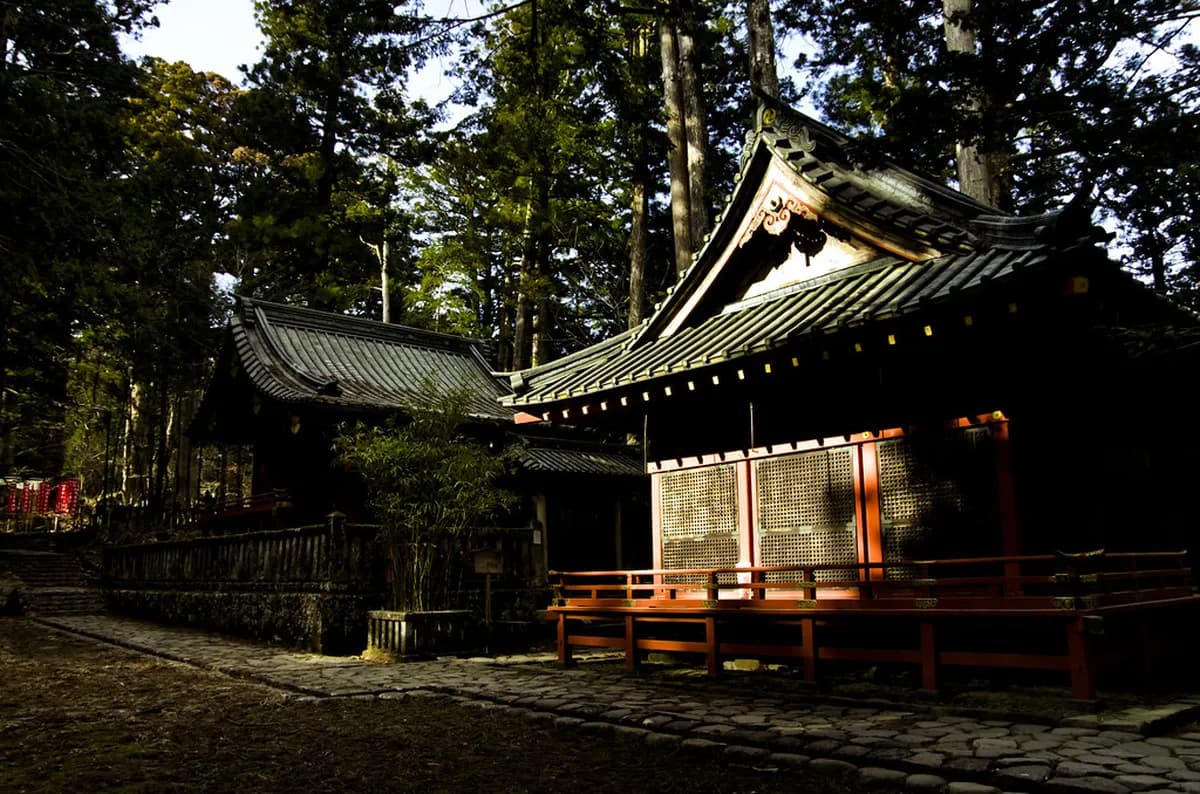
A few minutes' walk from Toshogu, Futarasan Shrine predates its neighbors by over 400 years and is dedicated to the deities of Nikko's three sacred mountains. The atmosphere here is considerably quieter and more contemplative. Entry to the grounds is 250 yen and access to specific inner halls costs a little more. Nearby Rinnoji Temple houses three enormous gilded Buddha statues inside its main hall — the Sanbutsudo — which together form one of the most striking displays in Tochigi Prefecture.
Central Nikko also hides the Cedar Avenue, known locally as Sugi-Namiki. Over 13,000 Japanese cedar trees line a 35-kilometer road stretching from Nikko toward Imaichi, planted in the early Edo period by a feudal lord who could not afford a more expensive gift to the shrine. Most visitors walk only the short central section near the shrine approach, but the full avenue is a nationally designated special historic site. It is free to walk at any time.
Kegon Falls: Seeing Every Level
Kegon Falls is the most famous waterfall in the region and drops nearly 97 meters from Lake Chuzenji into a rocky gorge below. The main upper viewing deck is free and gives a wide aerial perspective of the cascade, but do not leave it at that. Pay the 570 yen elevator fee to descend to the lower observation level — the elevator dates to 1930 and drops you 100 meters inside the cliff face to a three-tiered platform directly in front of the falls.
From the lowest platform you can see twelve secondary waterfalls seeping through the rock face alongside the main drop. The spray is heavy in the morning when the flow is at its peak. The whole experience at the lower level takes about 20 minutes and is one of the best-value paid views in the Nikko National Park. The observation area is open from 08:00 to 17:00 from March through November, with reduced hours in winter.
For a completely different angle, walk five minutes along the lakeside road to the Akechidaira Ropeway station. The ropeway lifts you above the treeline to a panoramic deck where you see Lake Chuzenji, Kegon Falls, and Mount Nantai all at once. The round-trip ropeway fare is around 750 yen. The effect — looking down at the falls with the lake sitting behind them as if someone left a faucet running — is unlike any other viewpoint in the area.
If the main falls are busy, the nearby Ryuzu Falls offer a calmer alternative. The water splits around a large boulder at the base in a shape that resembles a dragon's head, giving the falls their name. There is a small tea house at the foot where you can eat a bowl of hot soba noodles while watching the river flow past.
Nikko Tamozawa Imperial Villa: The Quiet Alternative
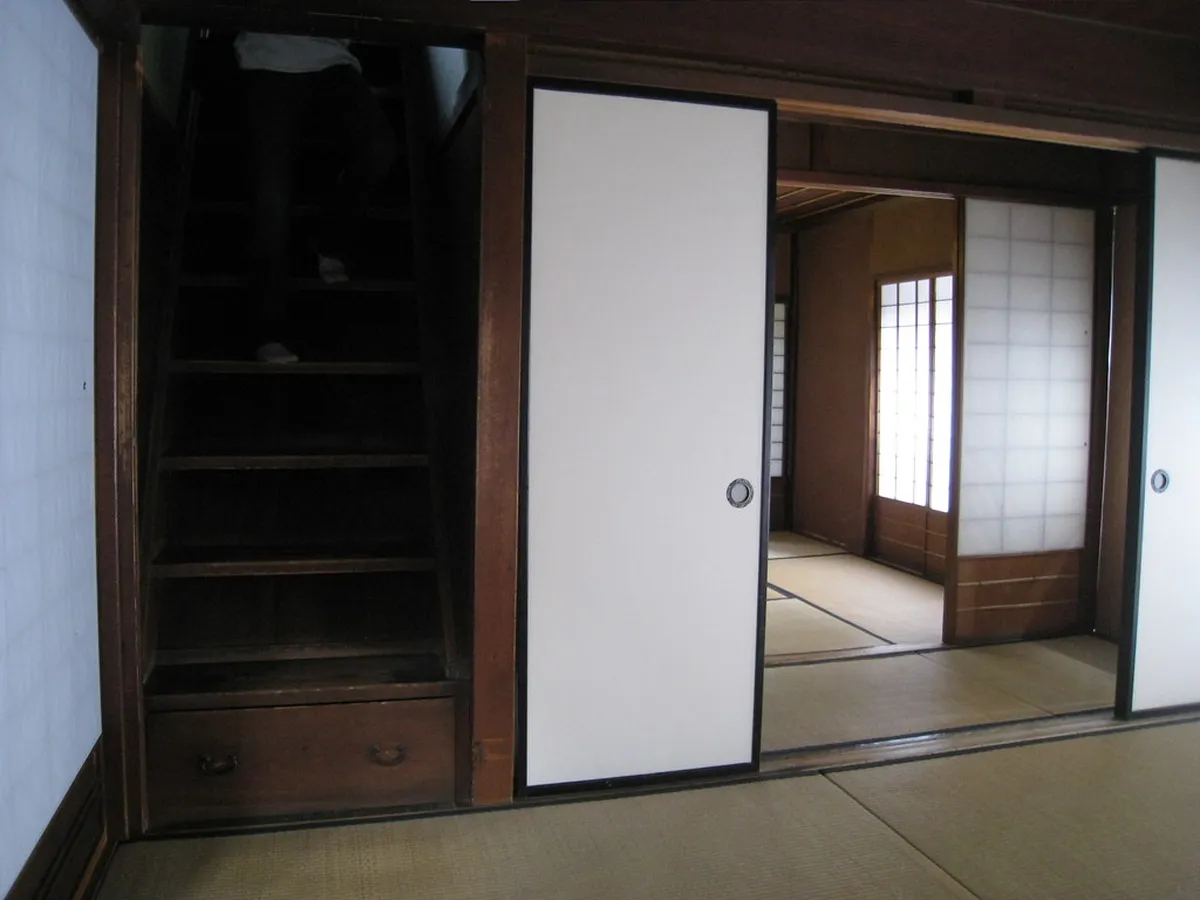
The Tamozawa Imperial Villa is one of the most underrated buildings in all of Japan and almost nobody visits it on the same day as the main shrines. The sprawling wooden palace served as a summer retreat for the Imperial Family from the Meiji era onward and contains 106 rooms across two wings. The western wing uses clean Meiji-era geometry while the eastern rooms retain the darker, heavier joinery of Edo-period construction — walking between them is a genuine lesson in how two architectural philosophies coexisted in one building.
Entry costs 600 yen per adult and the villa is open from 09:00 to 17:00 daily except Tuesdays. It is located a ten-minute walk from the main shrine area, making it easy to combine with a morning shrine visit before the tour buses arrive. The manicured garden wraps around a central pond and provides one of the most peaceful open-air spaces in Nikko regardless of the season.
This site is the right choice for travelers who feel shrine fatigue after Toshogu. It is appropriate for all fitness levels, family-friendly, and takes about 60 to 90 minutes to explore properly. The villa also connects to the Nikko Treasure House (Rinnoji Treasure Hall), which displays lacquerware, portable shrines, and Edo-period objects for an additional 300 yen — a worthwhile add-on for anyone interested in the material culture of the shogunate era.
Italian and British Embassy Villas: Lakeside Hidden Gems
Sitting on the southern shore of Lake Chuzenji, the Italian Embassy Memorial Villa and the British Embassy Villa Memorial Park are two of the most distinctive hidden gems in all of Nikko. Both villas date to the 1920s and were built for foreign diplomats who escaped the Tokyo summer heat by retreating to the cool mountain air at 1,270 meters above sea level. Take the bus to Chuzenji Onsen station and walk about fifteen minutes along the lakeside path to reach them.
The Italian Villa was designed by architect Antonin Raymond in 1928 and combines European modernism with Japanese craft details. Admission is typically 300 yen and the house is open from April through November between 09:00 and 17:00. The second-floor veranda offers the most iconic view of the lake with Mount Nantai as a backdrop — the kind of photograph that rarely appears in standard Nikko guides. The building's stone fireplace and timber detailing reward a slow, room-by-room exploration.
The British Embassy Villa next door is a black-and-white timbered building that uses a Japanese charred-wood technique called shou sugi ban on its exterior — a detail that surprises most visitors who assume it is simply painted black. Tickets are around 300 yen, or you can buy a combined ticket for both villas at a small discount. The villa includes a tea room serving scones and Earl Grey, which makes for a genuinely memorable break with a view of the water. Both villas are best visited mid-morning on weekdays when foot traffic is minimal.
Lake Chuzenji and the Hangetsuyama Hike
Lake Chuzenji is Japan's highest natural lake, sitting at 1,270 meters and ringed by forest and volcanic peaks. The lake itself offers ferry rides included with the Nikko All Area Pass, and the circuit from the embassy villas to the ropeway station is one of the most scenic flat walks in the region. Most visitors see the lake only from Kegon Falls or the ferry dock — the Hangetsuyama hike gives you the overview that puts everything else in context.
The Hangetsuyama Observatory gate opens at 07:00. From the parking area at 1,600 meters, the trail to the summit observatory is about one kilometer with 120 meters of elevation gain, taking roughly 30 minutes at a comfortable pace. On a clear day you can see Mount Fuji to the southwest and the full breadth of the lake below. An extension trail continues another 200 meters through what feels like an old-growth haunted forest, but check current bear notices before venturing that far.
The trail is rated easy to moderate and is suitable for most fitness levels wearing solid footwear. The early morning visit is genuinely better — the lake surface catches the light differently before 09:00 and you are almost certain to have the viewpoint to yourself. If you want a more serious challenge, the gate to the Mount Nantai summit trail starts at Futarasan Shrine on the lake shore. The round trip takes about six hours and involves 1,200 meters of elevation gain. See the guide to summiting Mount Nantai for a full trail breakdown.
The Sake Brewery and Cedar Avenue: What Most Guides Skip
Almost every Nikko guide covers the shrine complex, the waterfalls, and the lakeside villas. Almost none of them mention the Watanabe Sahei Sake Brewery, which sits a short walk from the main station and runs free tasting sessions for visitors who email ahead to reserve a slot. The owner speaks excellent English, walks you through the fermentation process using Nikko's mountain spring water, and pours five different sake varieties — everything from dry junmai to a lighter summer brew. It is entirely free and takes about 45 minutes. Reserve at least two days before your visit to secure a morning time slot.
The Cedar Avenue is equally overlooked. The road from Nikko toward Imaichi is lined by over 13,000 Japanese cedar trees — the national tree of Japan — in a planting project that dates to the early 1600s. The avenue stretches 35 kilometers and is listed as a Special Historic Site of Japan, making it one of the longest tree-lined roads in the world. Most visitors walk only the paved section near the shrine approach without realizing the scale of what surrounds them. Even a ten-minute walk down the quieter southern stretch, away from the bus road, gives a completely different and far quieter atmosphere than the main shrine approach.
These two stops are best combined at the start of day one, before the shrine crowds arrive. Leave Tokyo on the first express train from Asakusa, reaching Tobu-Nikko Station by around 09:30. The brewery is a five-minute walk from the station; the Cedar Avenue begins a few minutes beyond that. You will be finished and heading toward the shrines before 11:00, when the majority of day-trippers are just arriving.
Yumoto Onsen, Yudaki Falls, and Lake Yunoko
The end of the Tobu bus line delivers you to Yumoto Onsen, a small hot-spring village that smells of sulfur the moment you step off the bus. The free public footbath (Anyo-no-yu) sits at the center of the village and uses natural volcanic water to soothe tired feet after a day of hiking. It is open from around 09:00 until early evening and costs nothing. Bring a small towel — none are provided. This is a genuinely social spot where local residents stop regularly, and it is a good place to practice a few words of Japanese.
Yudaki Falls flows directly down a 70-meter rock face from Lake Yunoko into the forest below. The falls look more like a wide ski slope than a conventional cascade, spreading 25 meters across the cliff at peak flow. There is no admission fee. Take the bus to the Yudaki-iriguchi stop and follow the short trail to the lower viewing area. A snack stand near the base sells grilled salt-crusted fish on a stick — a small but memorable detail that several competitors' guides have noted and that is worth stopping for.
Lake Yunoko itself sits a five-minute walk above the top of the falls. The 3-kilometer walking path around the perimeter is free and takes about one hour at a leisurely pace. The lake is significantly quieter than Lake Chuzenji and offers a more intimate alpine experience. Early morning mist rising off the sulfurous surface creates an atmosphere that is genuinely hard to photograph accurately. Kayak and paddle boat rental is available at the lakeside boat dock during summer months.
The Senjogahara Marshlands connect Yudaki Falls to Ryuzu Falls via a mostly flat 5.5-kilometer trail on raised wooden walkways. The landscape changes from alpine forest to open grassland to river gorge over the course of the walk. This trail is the best single hike in the Nikko National Park for non-specialists, and it remains uncrowded even during the autumn peak because most visitors stick to the bus stops rather than walking between them.
Local Craft Experiences: Craft Beer and Hanko Carving
Murmur Biiru Stand is the local craft beer bar that most Nikko visitors never hear about. It is located in the central town area and typically opens from 11:00 to 18:00. The menu changes seasonally and features small-batch brews made using Nikko's mountain spring water. Expect to pay between 800 and 1,200 yen for a pint of seasonal ale or a tasting flight of three. The yuba chips served alongside are a sharp, savory snack that pairs well with a crisp local IPA, and they are made from the same tofu skin that defines Nikko's food identity.
The Yuin-Shino Hanko Workshop lets you carve your own Japanese name seal under expert guidance. A hanko is the personal stamp used on official documents across Japan, and having one carved with your name in katakana or kanji makes an unusually personal souvenir. The experience costs around 3,000 yen per person and takes about one hour. Book a time slot in advance as the workshop keeps limited daily openings. The finished seal is a practical object you can actually use on official documents or as a wax-seal stamp for letters and cards.
Both experiences work well as afternoon activities after a morning at the shrines or an early start at the lakeside. The central town area where both are located is walkable from Tobu-Nikko Station in about fifteen minutes. Always carry some cash as neither location accepts all credit card types consistently.
Where to Stay in Nikko
Deciding Where to Stay in Nikko: 6 Best Areas and Lodging Guide depends largely on whether you prefer town convenience or mountain serenity. Staying near the Tobu-Nikko station is ideal for those who want easy access to restaurants and the early morning trains. The central area has several charming guesthouses and traditional ryokans that cater to a variety of budgets. Dining options here stay open past 20:00, which matters after a long day on the trails.
For a more immersive nature experience, book a stay at a lakeside hotel in the Chuzenji Onsen area. Waking up to the view of the lake and being within walking distance of the embassy villas is a major advantage. Keep in mind that dining options in the mountain area are very limited after 18:00, so booking a hotel with a meal plan is strongly advisable. There is one supermarket in the Chuzenji area, but it closes early.
The Nikko Astraea Hotel sits high in the mountains above Lake Chuzenji and is one of the few ryokan-style properties in the region with an explicitly tattoo-friendly onsen policy. The hotel advises tattooed guests to use the onsen after 21:00 when Japanese guests are less likely to be present, and the facility runs 24 hours. This is worth knowing before you book — most Nikko onsens maintain the traditional policy barring visible tattoos entirely. The Nikko All Area Pass includes a percentage discount at the Astraea Hotel, making it a logical pairing.
Budget travelers should look into the Earth Hostel, which offers a friendly atmosphere, a unique riverside setting, and free pick-up and drop-off from Nikko train station. The Nikko Kanaya Hotel is the oldest Western-style resort hotel in Japan and has hosted figures including Albert Einstein and Isabella Bird. Even if you do not stay there, stop for a coffee and admire the Meiji-era architecture.
Day Trip to Nikko: Logistics and Realistic Expectations
A day trip to Nikko from Tokyo is doable but requires discipline. Take the first available express train from Asakusa Station on the Tobu-Nikko Line, departing around 07:30 and arriving by 09:30. With the Nikko All Area Pass already in hand, head straight to the central shrine complex and finish there by 12:00. Take the bus to Kegon Falls and the lake for the afternoon, aiming to catch the 16:30 bus back down the Irohazaka. You can realistically see five or six sites in a single day this way.
What a day trip cannot cover is the Okunikko region — Yumoto Onsen, Lake Yunoko, and the Senjogahara Marshlands require at least one overnight stay to explore without rushing. The last bus from Yumoto Onsen back toward the town departs before 17:00 in most seasons, which makes a round trip in a single day near impossible unless you arrive at Nikko very early by car. The hidden gems at the lake and mountain areas reward those who stay.
Weather in Nikko changes quickly at altitude. The lake area can be 5 to 8 degrees cooler than the town center even in July, and afternoon cloud descends fast in September. Pack a light waterproof layer regardless of the forecast. The shrine grounds tend to stay clear even when the mountain is cloudy, so if you are forced to restructure your day, reverse the order and do the lake first in the morning before any weather rolls in.
Frequently Asked Questions
Is the Nikko All Area Pass worth it for a day trip?
The pass is generally worth it if you plan to visit Lake Chuzenji or the waterfalls. It covers the round-trip train from Tokyo and all local buses. You will likely save money compared to paying for individual tickets. Check your budget options before purchasing.
What are the best hidden gems in Nikko for nature lovers?
The Kanman-ga-Fuchi Abyss and Lake Yunoko offer the best escapes for nature enthusiasts. These spots are much quieter than the main shrine area. You can enjoy forest walks and volcanic scenery without the large crowds of central Nikko.
How much time should you plan for Nikko's hidden gems?
You should plan at least two full days to see the hidden gems properly. One day is usually consumed by the main shrines and Kegon Falls. Staying overnight allows you to visit the lakeside villas and remote trails in the early morning.
Nikko is a destination that rewards those who are willing to venture a little further than the average tourist. By including these hidden gems in your 2026 itinerary, you will experience the quiet dignity and natural splendor that makes this region so special. The mix of imperial history, alpine beauty, and craft culture creates a unique atmosphere that stays with you long after you return to Tokyo.
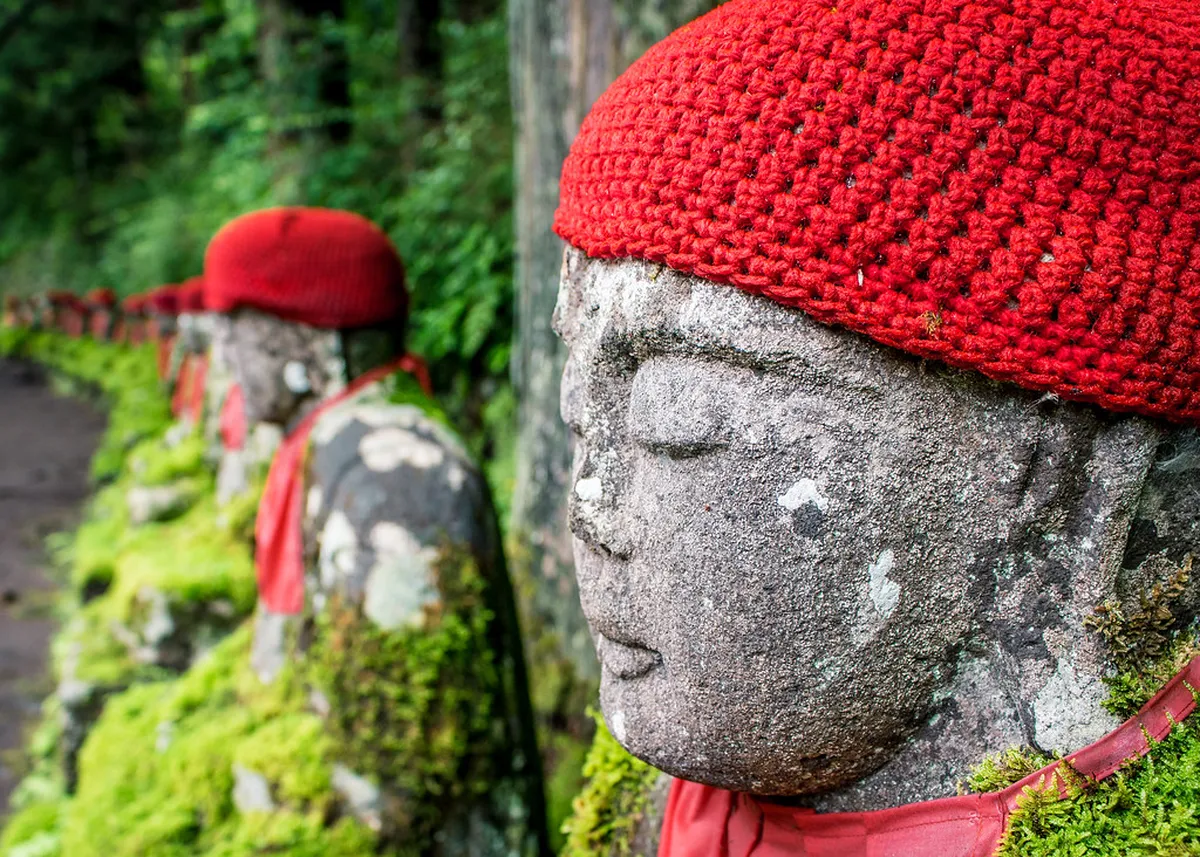
Remember to pack comfortable walking shoes, carry some cash, and download the bus timetables before your first full day. Whether you are counting Jizo statues at the abyss, sipping sake at the Watanabe Sahei Brewery, or warming your feet in a volcanic footbath at Yumoto, Nikko offers something that no other day trip from Tokyo can match.
Free: The Nikko Essentials guide
Top things to do, where to stay, a perfect day plan, getting around, and the best time to go — a Nikko mini-guide you can take offline.
You might also like


Continue reading
More guides you'll find useful