10 Takayama Hidden Gems: Escape the Crowds in the Alps (2026)
Discover the best Takayama hidden gems, from the quiet Higashiyama Walking Course to Hida Furukawa. Plan your crowd-free Hida region trip today.
On this page
After my third visit to the Hida region during the autumn festival, I realized that Takayama's true magic hides in its silence. While most travelers cluster in the main historic district, the most authentic experiences wait just a few blocks away. This guide highlights the secret corners where the Edo-period atmosphere remains undisturbed by the modern rush.
Many of these spots are within walking distance of the station. Others require a short train or bus ride of 15 to 30 minutes. We recommend using these expert Takayama travel tips to navigate the city like a seasoned local and make the most of every hour on the ground.
Each section below includes practical access details, honest crowd timing, and at least one local secret that most visitor guides skip. Whether you seek mossy temple paths, artisan workshops, or soaking pools with Alps views, these hidden gems provide a deeper look into Japanese mountain culture than the standard tourist circuit ever could.
Beyond Sanmachi Suji: Exploring Takayama's Quiet Backstreets
The historic Sanmachi Suji district is undeniably beautiful but can feel like an outdoor museum during midday. Crowds peak between 11:00 and 15:00, making it difficult to appreciate the intricate wooden machiya architecture. The fix is simple: walk two streets east or west and you enter residential alleys where the local rhythm of life continues unchanged.
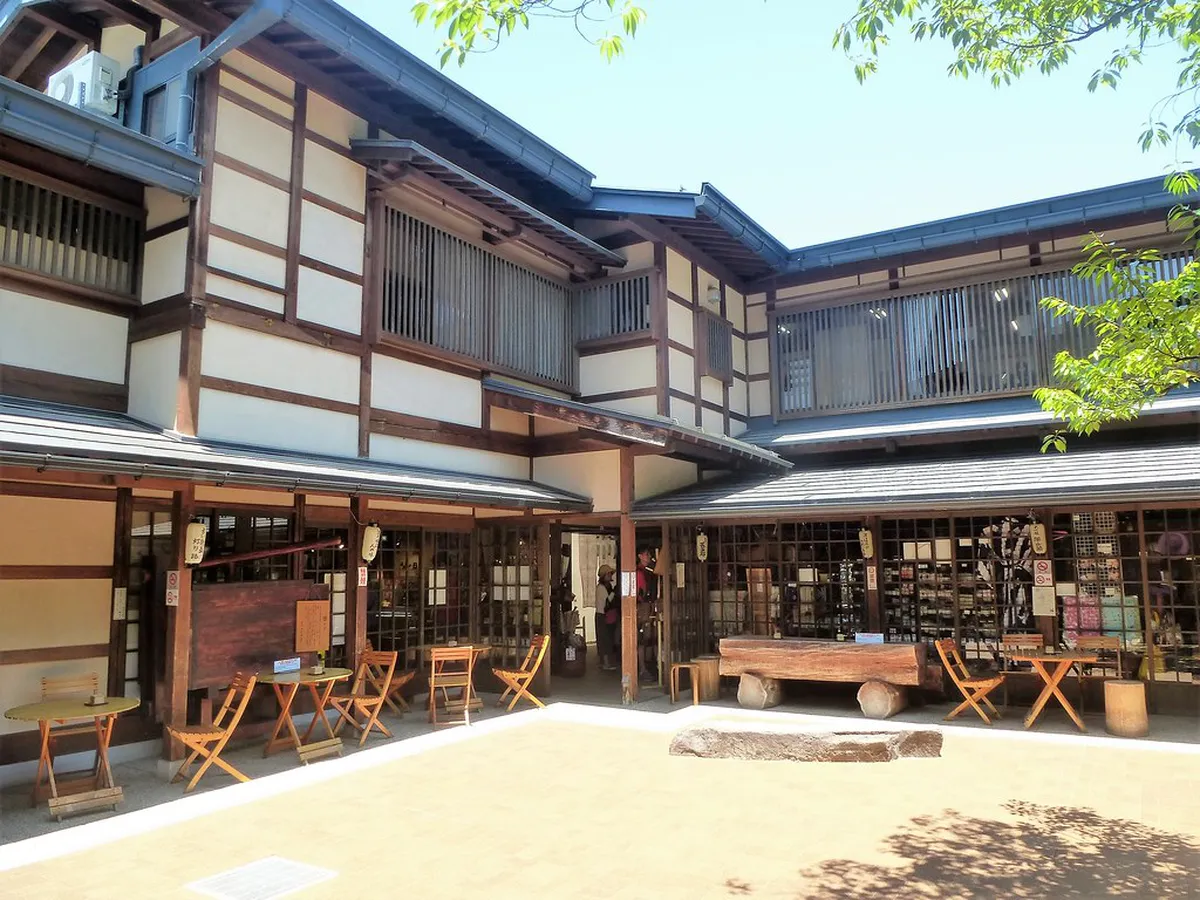
The Teramachi district sits just north of Sanmachi Suji and offers a near-identical aesthetic without the commercial pressure. Traditional homes line small canals where koi swim under stone bridges. It serves as the perfect gateway to the Higashiyama trail and the cluster of temples that ring the city's eastern edge.
For the morning market, the smaller Jinya-mae Market in front of Takayama Jinya is a better pick than the Miyagawa riverside stalls if you want genuine vendor interaction. The farmers here typically have more time to explain their seasonal mountain vegetables and handmade charms. Arrive before 08:30 to beat both the tour groups and the afternoon closing at 12:00.
The Higashiyama Walking Course: A Zen Escape from the Crowds
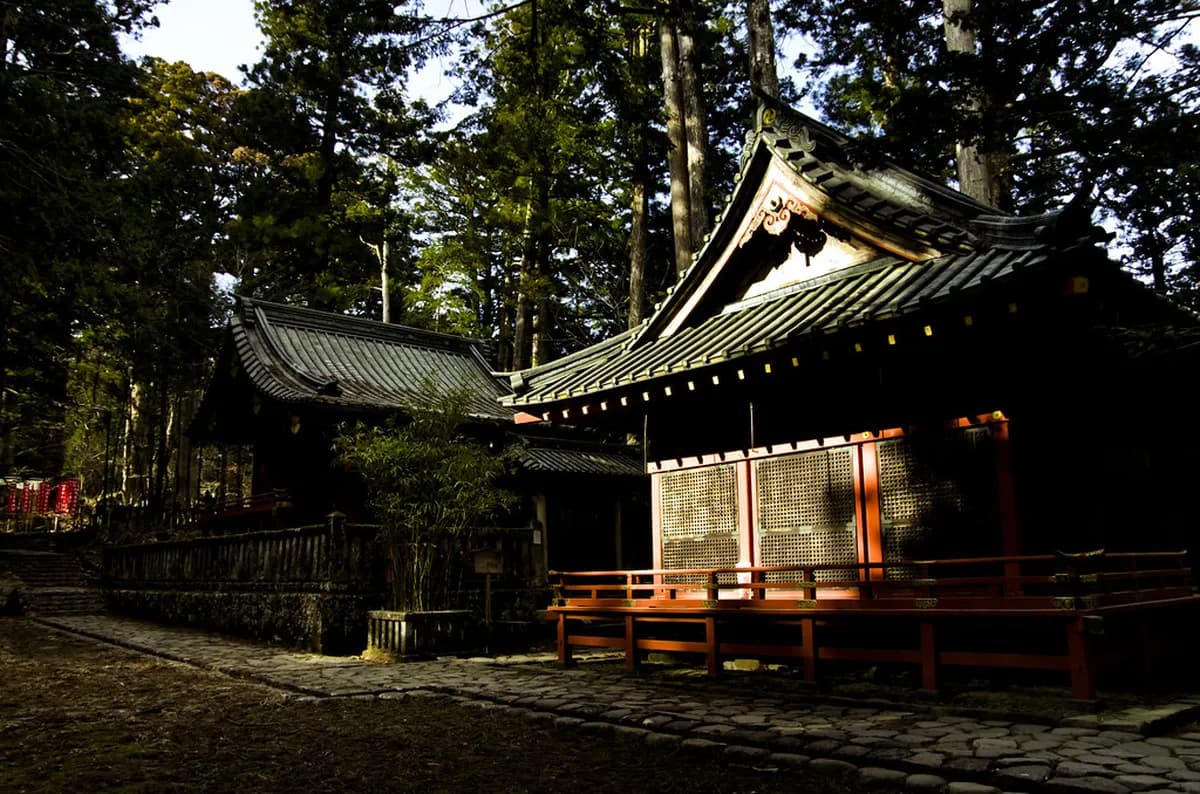
The Higashiyama Walking Course is a 3.5-kilometre trail that connects thirteen Buddhist temples and Shinto shrines along Takayama's forested eastern ridge. The route is free to walk and typically takes two hours at a relaxed pace. Start at Sogenji Temple and follow the stone-paved path north as it winds through mossy graveyards, past stone lanterns half-covered by cedar roots, and beside ancient bell towers that clang softly at the quarter-hour.
The most visited section ends at Zenkoji Temple, about 40 minutes in. Walking past that point almost guarantees solitude. The back half of the trail passes Unryu-ji — a Zen temple with a calm garden, no admission fee, and a cherry tree in the courtyard that blooms around mid-April without a tourist in sight.
This route is essential for any comprehensive 3-day itinerary focused on the spiritual side of the city. Go before 09:00 to hear the temple bells in true silence. Bring a small notebook: several temples along the path offer unique calligraphy stamps (goshuin) for about 300 yen each, hand-written on the spot.
Hida Furukawa: The Peaceful Neighboring Town
If Takayama feels too busy, the 15-minute local train to Hida Furukawa offers an immediate change of pace. A round-trip ticket costs around 480 yen. The Shirakabe Dozo district — white-walled storehouses mirrored in a canal packed with thousands of carp — is the town's signature image and remains genuinely quiet outside of the Furukawa Matsuri drum festival in April.
Fans of the 2016 anime film Your Name will recognize the train station steps, the old library near Ketawakamiya Shrine, and the hill above the canal from several key scenes. Despite the film's global popularity, the town sees a fraction of Takayama's visitor numbers and retains a strong sense of local pride. The sake breweries on the main street offer intimate tastings with far less queuing than their Sanmachi Suji counterparts.
Visit in the late afternoon to catch the golden hour light across the white walls. In winter the scene is extraordinary: snow settles on the kura rooftops and the canal goes glassy and still. The town is also worth exploring for the broader day trips from Takayama it unlocks — it sits on the Hida line toward Shirakawa-go bus connections, including routes to Kamikochi via the alpine corridor.
Hida no Sato (Hida Folk Village): An Open-Air History Lesson
The Hida Folk Village (Hida no Sato) is an open-air museum that relocated over 30 traditional gassho-zukuri farmhouses from across the Hida region onto a single wooded hillside site. Entry is 700 yen for adults and 200 yen for children. The museum opens at 08:30 and runs until 17:00 year-round.
The experience is similar to Shirakawa-go but with significantly smaller crowds and more hands-on engagement. Daily rotating craft demonstrations cover sashiko needlework, kumihimo braiding, and wood carving. In winter, the thatched roofs disappear under heavy snow and the site becomes one of the most photogenic scenes in the Japanese Alps — worth a visit even in sub-zero temperatures.
Take the Sarubobo city loop bus from the main station; the ride takes about ten minutes and drops you directly at the village entrance. Go early on weekdays to have the farmhouses almost to yourself. The interiors are furnished with original tools and hearth equipment that tell a visceral story of mountain life before electricity reached the Hida valleys.
Morning Markets: Miyagawa and Jinya-mae
Takayama operates two morning markets daily, both running from 07:00 to 12:00 (08:00 to 12:00 from December to March). The Miyagawa Market stretches along the Miyagawa River near Nakabashi Bridge and is the larger of the two. It counts as one of Japan's Three Great Morning Markets and fills about 50 stalls with fresh mountain vegetables, seasonal pickles, miso, flowers, and Sarubobo charm vendors.
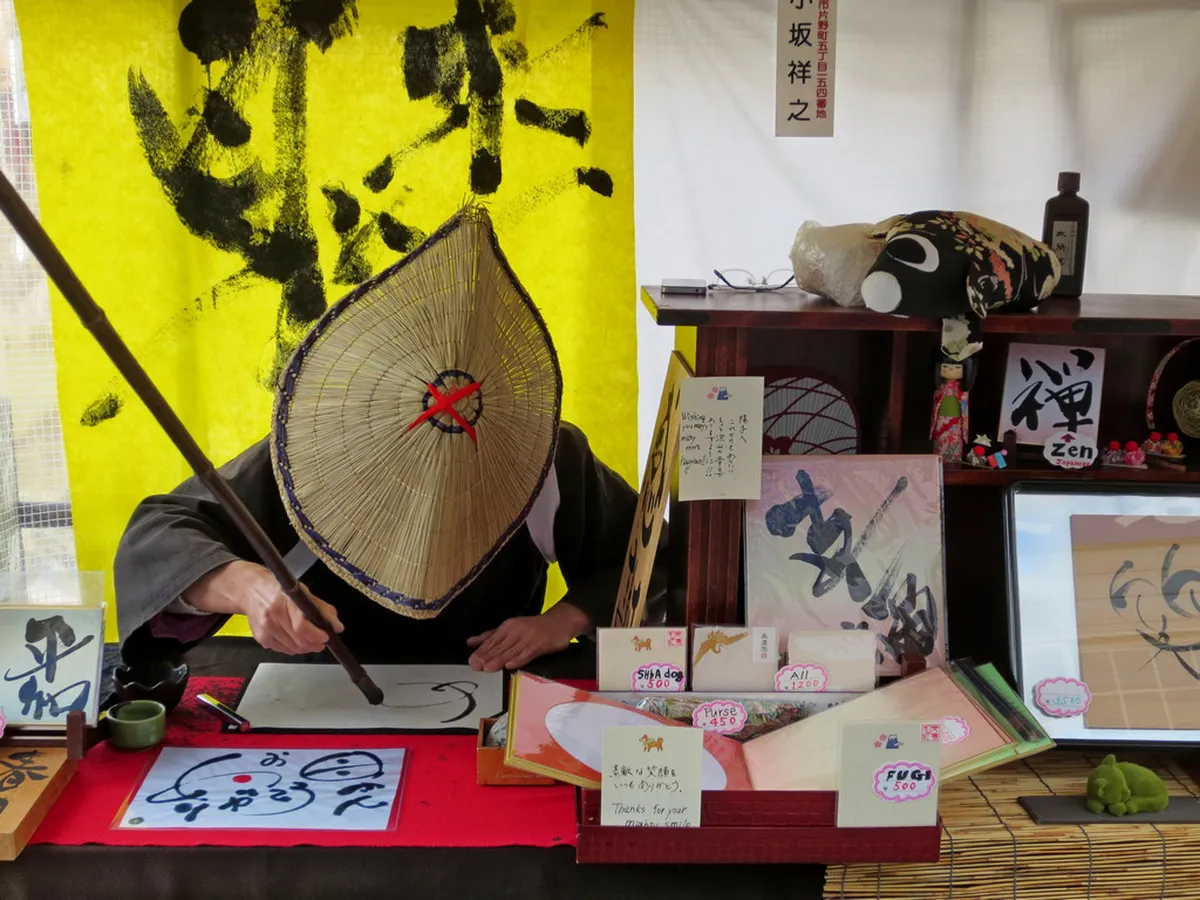
The Jinya-mae Market operates in the square in front of Takayama Jinya and is smaller, quieter, and more local in character. Farmers from the surrounding Hida valleys bring heritage vegetables that rarely appear in supermarkets — dried bracken ferns, small Hida leeks, and foraged mushrooms in autumn. Interactions here feel unhurried and genuine.
Both markets are free to browse. The crowd timing rule is simple: arrive before 08:30 for the best produce and the most conversation. By 10:30 the tour groups arrive and the stalls shift into souvenir mode. Pick up a warm cup of amazake (sweet fermented rice drink) from one of the stall vendors — it costs around 200 yen and is the perfect way to warm up on a cold Hida morning.
Local Culinary Specialties: Beyond Hida Beef
Hida beef (Hidagyu) is the headline act and worth trying — the A5-grade sushi nigiri from the Old Town takeout stalls is as good as the hype suggests. But the dish that locals actually order at dinner is Hoba Miso. A dried magnolia leaf arrives on a cast-iron stand over a small charcoal flame, loaded with miso paste, sliced mushrooms, spring onions, and thin strips of Hida beef. As it sizzles, the leaf releases a faint woodsy smoke that perfumes the whole broth. You use the bubbling miso as a dipping sauce, then pour what remains over rice. Most restaurants serve this set for around 1,800 to 2,500 yen and it is something no competitor guide covers in this kind of detail — find it at local izakaya in the streets behind Sanmachi Suji rather than at tourist-facing restaurants on the main strip.
Sake is the other non-negotiable. Takayama's six operating breweries cluster in Sanmachi Suji and are identifiable by a sugidama — a ball of cedar branches — hanging above the entrance. The best hidden-gem brewery experience is at Funasaka Shuzo, which still uses spring water from the adjacent mountains and offers free tastings of four to six varieties year-round. Look for their nama (unpasteurized) seasonal releases in spring and autumn, which sell out quickly and rarely appear outside the region.
For a budget snack, skip the tourist-facing Hida beef skewers (around 600 yen each) and hunt down Hoba Miso Ice Cream — a pale, slightly savory soft-serve sold at a small stall near the Miyagawa Market. The flavour is genuinely surprising, not sweet-miso but lightly caramelized with a clean dairy finish. It costs 350 yen and is the kind of thing that ends up being the most-talked-about food memory of the trip. Check the Hida Takayama Tourism Website for a current map of seasonal stalls.
Artisan Workshops and Traditional Hida Crafts
The Hida region is famous for its woodworkers — so skilled during the Edo period that the shogunate conscripted them to build temples and palaces in Nara and Kyoto. Their descendants still work in small studios tucked away in the northern part of the city. The signature craft is Shunkei lacquerware: a transparent finish applied over bare wood that highlights the natural grain, entirely unlike the opaque red lacquer most visitors associate with Japan. A small Shunkei tray costs 3,000 to 8,000 yen; a proper set of soup bowls runs 15,000 yen and above.
The Sarubobo doll is the other Hida craft worth understanding properly. It is a faceless red cloth figure traditionally sewn by grandmothers for their granddaughters as a charm for marriage and safe childbirth. The face was left blank so the doll could reflect the owner's emotions rather than imposing its own. Several small shops near the Miyagawa River run 45-minute Sarubobo sewing workshops for around 1,000 yen; you choose the color (red for luck, yellow for money luck, green for health) and leave with a charm that is genuinely tied to local history rather than mass-produced for the tourist trade.
Support these local workshops directly. The quality of handmade Hida goods is exceptional and reflects centuries of mountain craftsmanship. Always ask before photographing an artisan at work — many prefer to maintain concentration during detailed processes. The tourism board at Takayama Jinya Official Site maintains a list of verified workshops that welcome visitors.
Hidden Onsen and Relaxation Spots in the Hida Region
The Okuhida Onsengo cluster — five hot spring villages named Hirayu, Fukuchi, Shinhirayu, Tochio, and Shinhotaka — sits about 60 to 90 minutes by bus west of Takayama Station. Hirayu Onsen is the oldest, reportedly discovered by Takeda clan warriors in the 16th century, and the most accessible. A return Nohi Bus ticket from Takayama to Hirayu costs around 2,000 yen. Day-use rotenburo (outdoor baths) at several Hirayu ryokan run 700 to 1,000 yen per person and overlook the forested valley walls.
For visitors staying in Takayama itself, a quieter option is Hirayu no Mori — a large public bath complex at Hirayu Onsen with multiple outdoor pools, including one built beside a waterfall. Weekday afternoons see minimal crowds even during peak autumn season. Pack a towel (or rent one for 200 yen) and plan to spend 90 minutes here before the last bus back.
The Shinhotaka Ropeway, a two-stage cable car with Japan's only double-decker gondola, ascends to 2,156 metres for panoramic Northern Alps views. A combined return ticket costs approximately 2,900 yen. The summit platform is cold year-round — bring a layer even in August. Pair the ropeway with a short soak at Shinhotaka Onsen at the base for a full mountain day without driving.
Seasonal Secrets: Timing Your Visit to Avoid the Rush
Autumn (early to late November) is peak season for crowds and for foliage. The Hida Mountains turn deep crimson and the morning markets overflow with matsutake mushrooms and persimmons. If you visit in November, book accommodation at least two months ahead and arrive on a weekday. Winter (December to February) is the local secret: snow settles on the thatched roofs of Hida Folk Village, the sake breweries hang fresh sugidama, and the Old Town empties out completely by 20:00. Temperatures drop to minus five or below at night, so pack layers accordingly.
Spring brings the Sanno Festival in April at Hie Shrine — the spring half of the Takayama Matsuri, one of Japan's Three Most Beautiful Festivals. Twelve ornate floats process across the red Nakabashi Bridge. The cherry trees along the Miyagawa River bloom during the same window, usually in early April. This is a genuinely special convergence that rewards early planning; festival-week hotels sell out months in advance.
Summer (June to August) is the least visited season and often overlooked by international travelers. The Hida Mountains stay cool relative to lowland Japan, the morning markets are lush with mountain greens, and the Higashiyama trail is at its most atmospheric under a canopy of dark cedar. Crowd-avoidance strategy for any season: visit Sanmachi Suji before 09:00 or after 17:00, use the mid-day hours (11:00 to 15:00) for the Higashiyama trail, Hida Folk Village, or the train to Hida Furukawa.
Winter is the local secret season for Takayama: snow blankets the thatched roofs of Hida Folk Village, sake breweries hang fresh cedar-branch decorations, and the crowded Old Town empties completely by evening. Bring warm layers for sub-zero nights.
Logistics Reality Check: How to Plan Your Takayama Day
Getting to Takayama is straightforward but not instant. From Nagoya, the JR Hida Limited Express runs a direct service in around 2 hours 30 minutes; from Osaka and Tokyo the journey takes roughly 4 hours via a shinkansen and limited express combination. The JR Pass covers the Hida Limited Express, making it an efficient addition to a broader Japan rail itinerary. From Kanazawa on the bus from Kanazawa side, the expressway bus takes around 2 hours 30 minutes and offers mountain scenery that rivals the train.

Within the city, the most useful tool is the Machinami city loop bus (one-day pass: 700 yen), which stops at Hida Folk Village, the temple district, and the morning market area. Taxis are available but the compact central grid is genuinely walkable. Renting a bicycle from a shop near the station (around 800 to 1,200 yen per day) is the best option for covering both the eastern Higashiyama trail and the northern craft workshops in a single morning.
Most hidden gems in this guide are free or low-cost. Budget for transport to Okuhida if you plan to soak (around 2,000 yen for buses), entry to the Hida Great Limestone Cave (1,100 yen), and the Hida Folk Village (700 yen). For the best Hida beef restaurants, book dinner tables the morning of your visit — same-day reservations at smaller local spots are usually fine on weekdays, tight on weekends. Always carry at least 5,000 yen in cash; morning market stalls and many small workshops are cash-only.
Frequently Asked Questions
What is the best hidden gem in Takayama for nature lovers?
The Higashiyama Walking Course is the top choice for nature lovers. It offers a 3.5-kilometer trail through forests and historic temples. This path provides stunning views and a peaceful atmosphere away from the city center.
How can I avoid crowds in Takayama's Old Town?
Visit the Sanmachi Suji district before 9:00 AM or after 5:00 PM to avoid the heaviest crowds. During the middle of the day, explore the Teramachi district backstreets. These areas offer similar architecture with much less foot traffic.
Is Hida Furukawa worth a day trip from Takayama?
Yes, Hida Furukawa is definitely worth a visit for its quiet canals and white-walled storehouses. It is only 15 minutes away by train and offers a more local feel. The town is perfect for fans of the movie Your Name.
Takayama's hidden gems offer a necessary counterbalance to the fame of its historic old town. By stepping off the main path, you discover the quiet resilience and deep spirituality that defines the Hida region. These secret spots provide the most lasting memories of a trip to the Japanese Alps.
We hope this guide helps you find the peace and authenticity you are looking for in Gifu prefecture. Safe travels as you explore the mossy temples, quiet canals, and artisan workshops of this beautiful mountain city. The true heart of Takayama is waiting for you just around the next corner.
Free: The Takayama Essentials guide
Top things to do, where to stay, a perfect day plan, getting around, and the best time to go — a Takayama mini-guide you can take offline.
You might also like


Continue reading
More guides you'll find useful