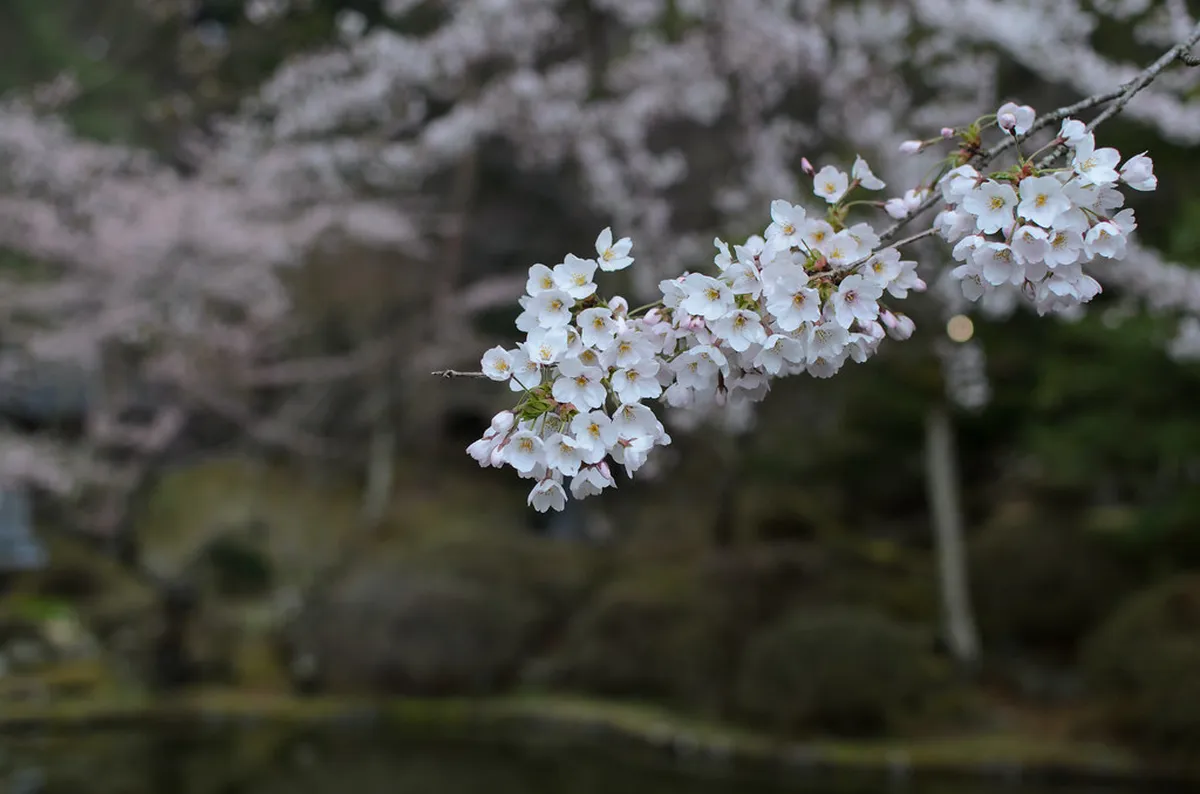
Takayama Cherry Blossom Spring Guide: Best Spots & Timing
Plan your trip with our takayama cherry blossom spring guide covering peak dates, spots like Nakabashi Bridge, and Gifu travel tips.
On this page
Takayama's sakura season arrives two to three weeks later than Tokyo and Kyoto. That delay is a gift: travelers who miss the early coastal peak can catch a second chance here in the Hida mountains, where the bloom is quieter, the architecture is older, and the backdrop is dramatically different. This guide covers the exact timing, the best spots in the city center, and what to do in the surrounding Gifu Prefecture while the trees are in full bloom.
Peak season in 2026 is expected to fall between early and mid-April, based on historical averages from the Japan Meteorological Corporation. Temperatures range from 2–5°C / 36–41°F at night to 15–20°C / 59–68°F during the day. Pack layers; the Hida mountain air bites even on clear afternoons.
When Is Cherry Blossom Season In Takayama?
In an average year, the first blossoms open in Takayama around late March to early April, with peak bloom (mankai — 80% of flowers open) landing on roughly 10 April. Full bloom typically holds for five to seven days before a warm spell or wind accelerates petal fall. Cooler years push the peak to the third week of April; warm years pull it to the first week.
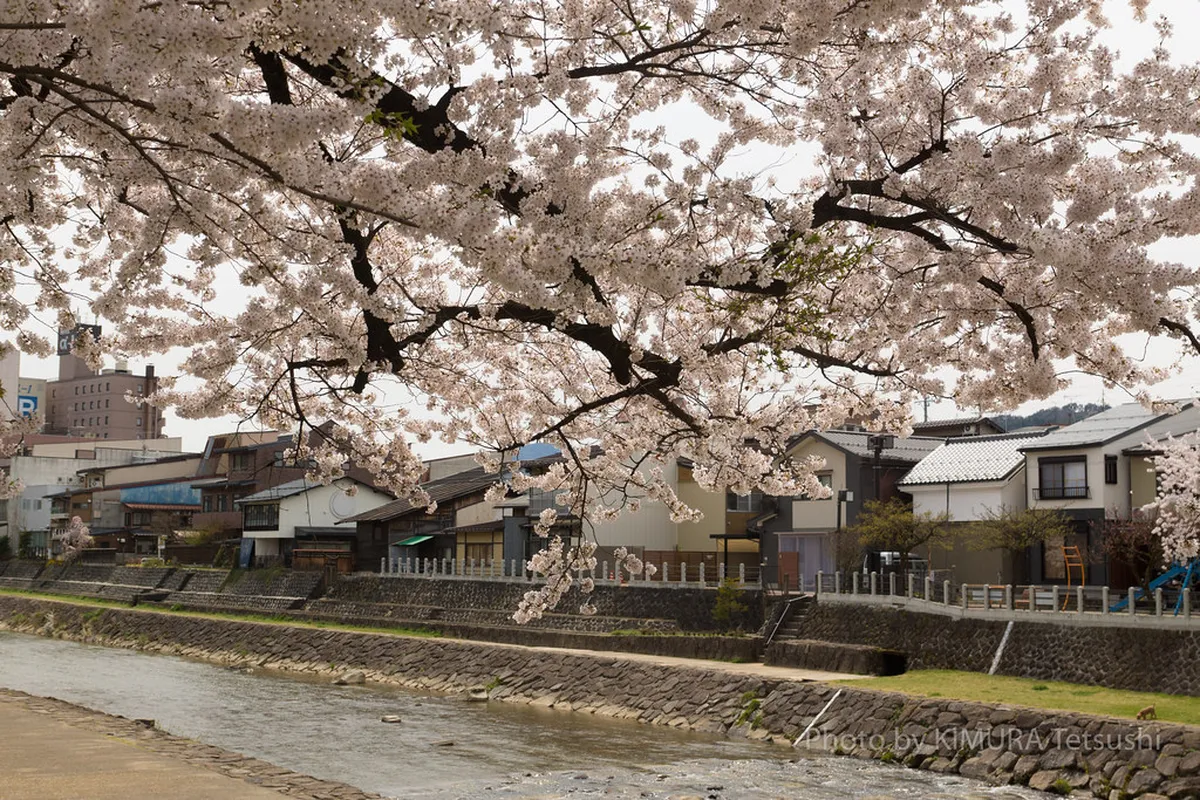
Compare that to Kyoto, where peak bloom usually arrives around 25–30 March, and Tokyo, which peaks in late March to early April. Takayama runs roughly ten to fifteen days behind both cities. If you land in Tokyo on 1 April and find bare trees, Takayama will be close to its best by the time you arrive via the Hida Limited Express a week later. This staggered front is the key planning insight that most travel sites miss when writing about Takayama.
Check the the month-by-month weather for historical temperature and rainfall data before booking. The mountain elevation keeps nights cold well into late April, which actually slows petal drop and can extend the viewing window by two to three extra days compared to lower-altitude cities.
| Period | Bloom Stage | Crowds | Temperatures | Notes |
|---|---|---|---|---|
| Late March | Early buds | Low | 0–12°C / 32–54°F | Cheaper hotels, snow still possible |
| Early April | Opening bloom | Moderate | 5–15°C / 41–59°F | Best for photography without crowds |
| Mid-April (peak) | Full bloom / mankai | Very high | 8–18°C / 46–64°F | Spring Festival overlap — book 3+ months ahead |
| Late April | Petal fall / konoha | Moderate | 10–20°C / 50–68°F | Pink carpets on ground, fewer tourists |
Top Cherry Blossom Spots in Central Takayama
The Miya-gawa Riverbank is the most accessible starting point. Rows of cherry trees line both banks of the main river through the heart of the city, and you can view them from any of the central bridges. The 2026 Spring Festival covers the parade routes that pass along the river, which add traditional floats and musicians to the blossom scenery in mid-April. You can Open the Takayama map to locate exact river access points before you arrive.
The Enaka-gawa Riverbank runs east of the Miya-gawa and looks more like a narrow canal. Weeping cherry trees overhang the water here, and the scale feels intimate rather than grand. This is the spot for a quiet evening stroll — far fewer tour groups venture this way compared to the main river. It connects directly to the Higashiyama Walking Path, where you can continue through a series of small temples under the blossoms.
The Kitayama Walking Path, north of the city center, follows a hillside lined with older cherry trees. It is one of the least-photographed spots in Takayama despite being within easy walking distance of the station. Early morning here — before 07:30 — is almost completely empty even during peak week.
Shiroyama Park: The Best Spot for Hanami Parties
Shiroyama Park sits on a forested hill a short walk south of the Sanmachi-suji District. Over 1,000 trees cover the slopes, and from the top you get a panoramic view of the entire city framed in pink. Local families claim spaces here from 09:00 onward on weekends during peak bloom — this is genuine Takayama hanami culture, not a tourist performance.
The park is free to enter at all hours. Vendors set up near the lower entrance selling grilled skewers, mitarashi dango (sweet soy-glazed rice dumplings), and canned sake. Grab supplies from the morning markets beforehand if you want fresh Hida beef snacks at a better price. A blanket and a thermos of warm tea are the only other essentials — the benches fill fast on sunny afternoons.
For the most dramatic view, climb to the old castle ruins at the top of the hill. The stone foundations frame the city below through a canopy of branches. At sunset the light turns golden and the park thins out as families leave for dinner, giving you the best chance of a crowd-free photograph.
Iconic Landmarks: Nakabashi Bridge and Takayama Jinya
Nakabashi Bridge is the single most photographed location in the Hida region during cherry blossom season. The bright red lacquered bridge reflects off the Miya-gawa with pink trees on both banks — it is the image that appears on every Takayama tourism poster. Tour buses typically arrive between 09:00 and 11:00 and again between 14:00 and 16:00. Arriving before 07:30 gives you the bridge almost to yourself, and the low eastern light at that hour hits the red lacquer directly. Evening illumination starts around 18:30 and runs until 21:00 during the bloom period, turning the bridge and surrounding trees into a glowing reflection on the water.
Takayama Jinya, a short walk upriver, is Japan's only surviving Edo-period government outpost. The white plaster walls and garden courtyard are surrounded by mature cherry trees that predate the building's 1816 restoration. Admission costs 440 yen for adults and includes access to the inner garden, which is worth the entry fee during full bloom. Most visitors photograph Nakabashi and skip the Jinya — the opposite approach gets you both fewer crowds and a more authentic historical backdrop.
For food directly beside the bridge, the Jinya-mae morning market operates from 07:00 to noon and sells fresh mitarashi dango, roasted chestnuts, and pickled vegetables. Hida beef sushi — thin-sliced wagyu draped over pressed rice — is sold at several stalls just south of the bridge along the river walk. It costs around 400–600 yen per piece and is worth the splurge as an iconic Takayama spring food.
Takayama Spring Festival and Sakura Overlap
The Takayama Spring Festival (Sannomatsuri) runs on 14 and 15 April every year. In a typical season, this date falls within one week of peak bloom — sometimes at mankai, sometimes just after. Eleven enormous yatai floats, some dating to the 17th century, are wheeled through the old town streets with mechanical karakuri puppets performing on each one. The festival is UNESCO-listed and draws thousands of visitors on both days.
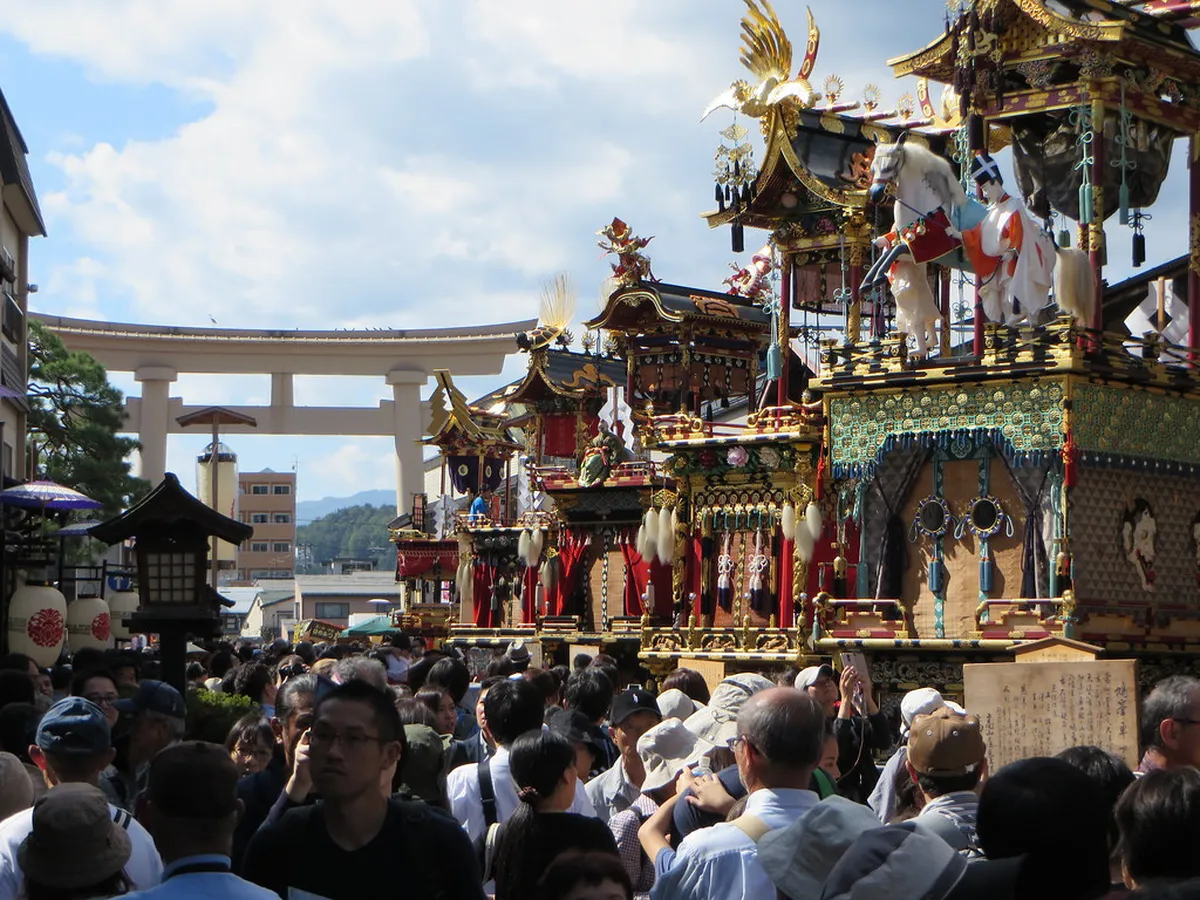
This overlap creates a planning fork. If the bloom peaks on or just before 14 April, the festival atmosphere is extraordinary — but the city is at its absolute busiest. Accommodation within walking distance of the Sanmachi-suji District sells out six months in advance for these two days. If you plan to attend the festival, book by October of the previous year and accept that you will share the viewing spots. If crowds are a priority concern, target the days immediately before or after 15 April: the floats return to their storehouse, the tour buses clear out, and the blossoms are still largely intact.
No competitor guide draws this connection explicitly, but it is the single most important logistical fact for anyone timing a spring trip to Takayama in 2026.
Exploring Gifu: Best Sakura Spots Near Takayama
Hida Furukawa is the easiest day trip from Takayama — fifteen minutes by local JR train on the Takayama Main Line. The white-walled kura storehouses and koi-filled Seto River canal look spectacular framed against cherry branches. It is genuinely quieter than central Takayama and gives a more local feel to the blossom experience. Most visitors are day-trippers from the city who arrive after 10:00, so going early gets you the canal almost to yourself.
Shirakawa-go, one hour by highway bus from Takayama Station, blooms slightly later than the city due to its higher valley elevation. The UNESCO-listed gassho-zukuri farmhouses with their steep thatched roofs make an unusual backdrop for sakura. For detailed info on this heritage site, check the a Shirakawa-go day trip guide for bus schedules and current access conditions. The last bus back to Takayama typically departs around 16:30, so plan your day accordingly.
Gero Onsen, roughly fifty minutes south by limited express, sits along the Hida River with riverside cherry trees lining the footpaths near the outdoor bath houses. Combining a cherry blossom walk with a rotenburo (outdoor hot spring) soak while watching petals fall into the steam is one of the best spring experiences in Gifu Prefecture. Entry to public baths costs 500–800 yen; private baths at riverside ryokans run 2,000–4,000 yen for a ninety-minute session.
Day-trip timing to Gero Onsen requires catching the 50-minute southbound limited express by mid-afternoon to return to Takayama for evening hanami illuminations. Most ryokans offer bath reservations for non-guests; call ahead during peak bloom season as slots fill quickly.
Travel Logistics: Getting to Takayama with a Rail Pass
The standard route from Tokyo is Tokaido Shinkansen to Nagoya (approximately 1h 45m), then the Hida Limited Express to Takayama (approximately 2h 30m). Total journey time from central Tokyo is around four to four and a half hours. A Japan Rail Pass covers both legs at no additional cost. If you are traveling from Osaka or Kyoto, take the Shinkansen to Nagoya first — the Hida departs from Nagoya Station's JR platforms.
Seat reservations on the Hida are mandatory during the peak bloom period. Reserve as soon as your pass is activated — both the 09:43 and 11:43 departures from Nagoya fill first. The train runs through the Hida River gorge for most of the journey, so a window seat on the left side (westbound from Nagoya) gives the best views of the mountain river valleys.
Follow the the train route from Tokyo for full booking steps and pass options. Once in Takayama, all central cherry blossom spots are within a twenty-minute walk from the station. Local buses run to Shiroyama Park and the Higashiyama Walking Path if you prefer not to walk the hill.
Where to Stay: Best Hotels and Ryokans for Spring
Takayama has a limited stock of accommodation relative to demand during cherry blossom season. Ryokans with river views book out three to six months in advance for mid-April. The best options are along the Miya-gawa, where you can watch evening illuminations from your room without leaving the building. Book a traditional ryokan early — most charge a non-refundable deposit for peak spring dates.
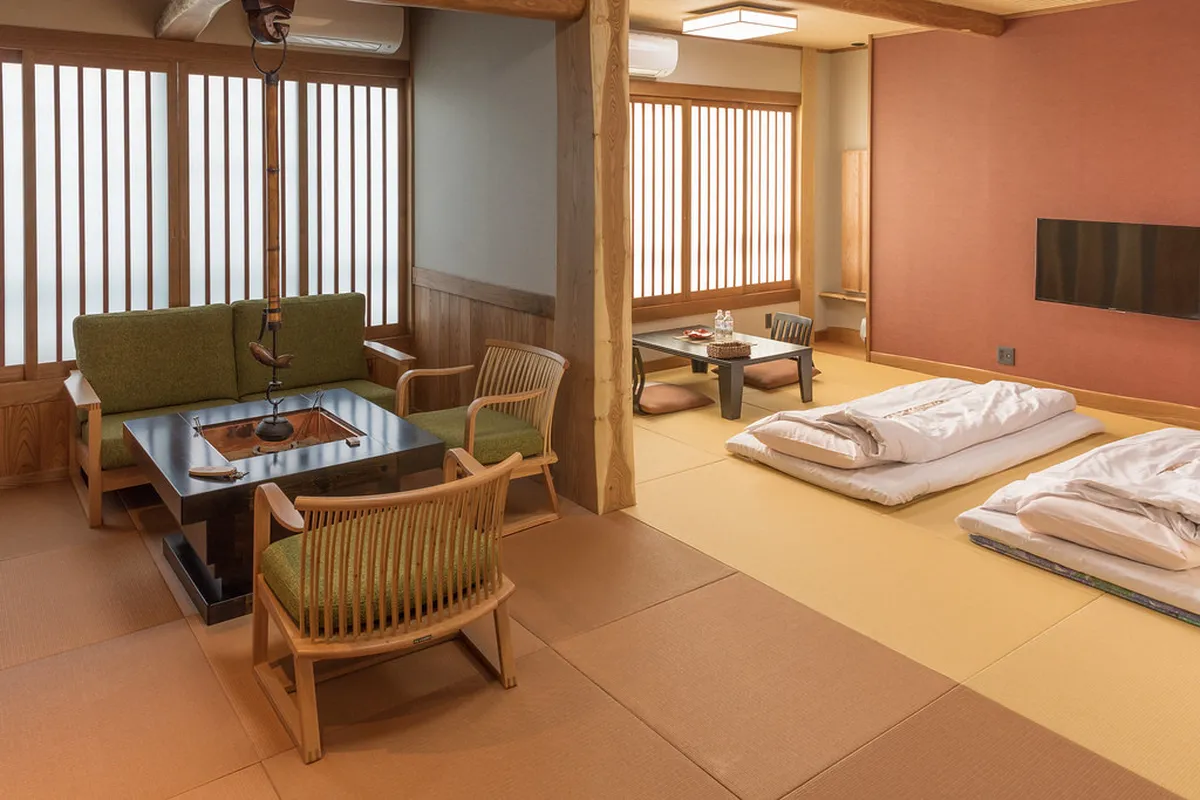
Mid-range business hotels cluster near the train station and offer more availability than riverside ryokans. They are a ten-minute walk from the Nakabashi Bridge and a fifteen-minute walk from Shiroyama Park. This works well if your priority is flexibility on arrival time rather than immersion in the traditional atmosphere.
Budget travelers will find several well-regarded guesthouses in the Higashiyama area, near the walking path. Prices run 5,000–9,000 yen per person per night during peak bloom, compared to 18,000–40,000 yen at full-service ryokans. Staying in this quieter eastern neighborhood also means you are positioned for an early morning walk along the Enaka-gawa before the day-trippers arrive.
Frequently Asked Questions
When is the best time to see cherry blossoms in Takayama?
The best time to see cherry blossoms in Takayama is typically from mid-April to late April. This mountain city blooms later than Tokyo because of its higher elevation and cooler climate. Visitors should check local forecasts as peak dates can shift based on yearly weather patterns.
Is Takayama worth visiting in April?
April is one of the most beautiful months to visit this historic mountain town. The combination of blooming sakura and the famous Spring Festival creates a vibrant cultural atmosphere. However, travelers should prepare for large crowds and higher prices during the peak bloom weeks.
How do I get from Tokyo to Takayama for cherry blossoms?
Travelers should take the Shinkansen to Nagoya and then transfer to the Hida Limited Express. This scenic train journey takes about four hours in total from central Tokyo. It is highly recommended to reserve your seats in advance during the popular spring season.
Takayama rewards travelers who arrive with a plan. The bloom window is short — five to seven days at mankai — but the higher altitude and mountain air keep the petals intact longer than in coastal cities. Time your visit for early-to-mid April, reserve the Hida Limited Express well in advance, and decide whether you want the Spring Festival energy or the quieter days on either side of it. Either choice delivers a version of this mountain city that Tokyo and Kyoto simply cannot replicate.
For the bigger picture, see our complete Takayama attractions guide.
Pair your spring trip with Takayama's hidden gems and a one-day itinerary.
Free: The Takayama Essentials guide
Top things to do, where to stay, a perfect day plan, getting around, and the best time to go — a Takayama mini-guide you can take offline.
You might also like


Continue reading
More guides you'll find useful