2 Days in Takayama Itinerary: The Ultimate First-Timer's Guide
Plan your 2 days in Takayama itinerary with this expert guide. Explore the Old Town, eat Hida beef, and visit morning markets with our day-by-day plan.
On this page
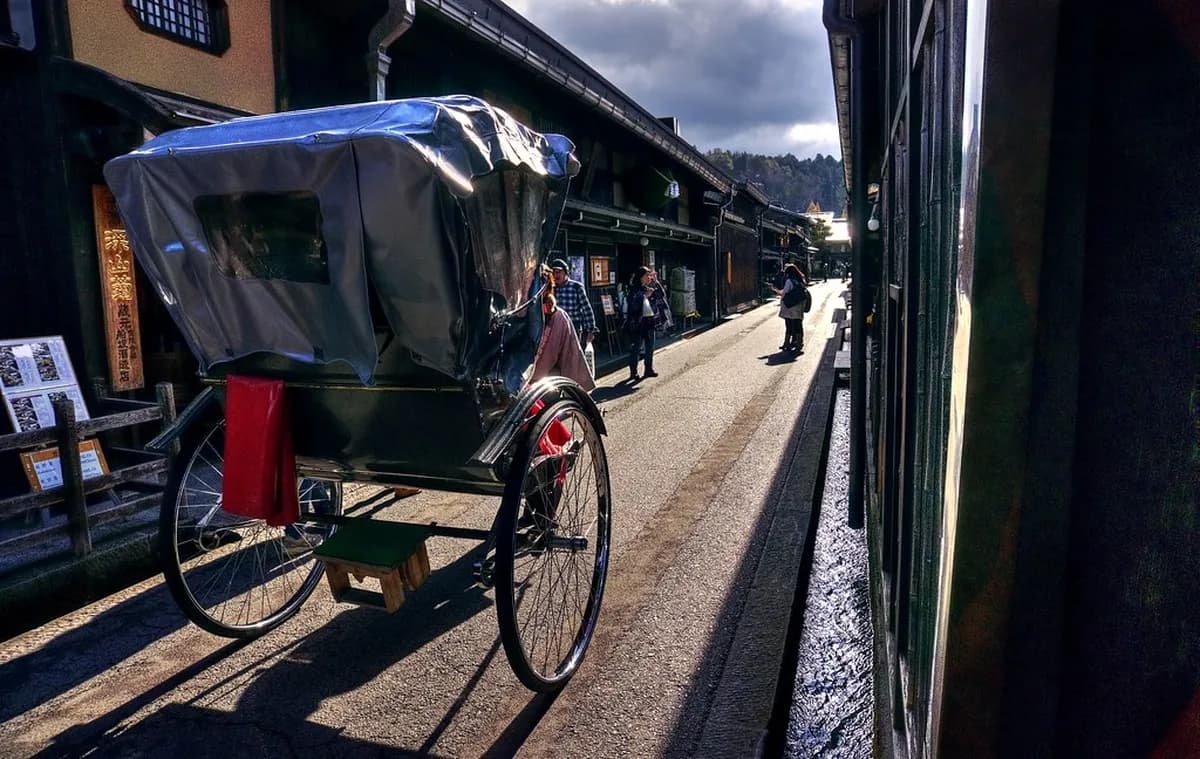
This 2 days in Takayama itinerary is built for first-time visitors who want to experience authentic Japanese heritage without the chaos of Kyoto. The city sits deep in the Japanese Alps of Gifu Prefecture, and its Edo-period streetscapes are among the best-preserved in the country. You can walk from the train station to the Old Town in under fifteen minutes. Two full days gives you enough time to cover the markets, the merchant district, the Folk Village, and the temple walk without rushing.
Takayama rewards early risers. Arriving at the Miyagawa Morning Market by 7:30 AM means you share the riverside stalls with local farmers rather than tour groups. The heavy wooden storefronts of Sanmachi Suji start opening around 9:00 AM, and the sake breweries begin pouring by 10:00 AM. Plan your day around these windows and the city feels effortless.
The city is compact enough that a single pair of walking shoes covers everything on this plan. Pack a light rain layer since the mountain weather can shift quickly, and bring cash for smaller market vendors who do not take cards.
Is Takayama Worth Visiting?
Takayama is consistently one of the most rewarding stops on any Japan itinerary. Competitors often call it the "Little Kyoto of Hida," and the comparison is fair: both cities have preserved wooden townhouses, morning markets, sake breweries, and hillside temple walks. The critical difference is scale. Takayama sees a fraction of Kyoto's tourist volume, meaning you can photograph the Sanmachi Suji canal streets without elbowing through crowds, even in peak autumn foliage season.
The city also has a distinct regional identity that Kyoto cannot replicate. Hida beef is a wagyu variety most visitors have never tried. The Hida Folk Village preserves farmhouses with gassho-zukuri thatched roofs built to shed three metres of Alpine snow. The sake here is brewed with snowmelt water from the surrounding mountains, giving it a cleaner finish than lowland varieties. These are reasons to come to Takayama specifically, not just as an alternative to somewhere else.
For those deciding between Takayama and Shirakawa-go as a side trip from Nagoya or Osaka: visit both if you can, but if time forces a choice, Takayama alone gives you more variety across two days. The Folk Village delivers the thatched farmhouse experience from within the city, and Shirakawa-go can be explored as a half-day excursion if you have a third day.
Takayama Station is only fifteen minutes' walk from the Old Town, so you do not need to rely on taxis or rental cars for the main attractions. The city's compact layout makes navigation straightforward even without prior planning.
How to Get to Takayama
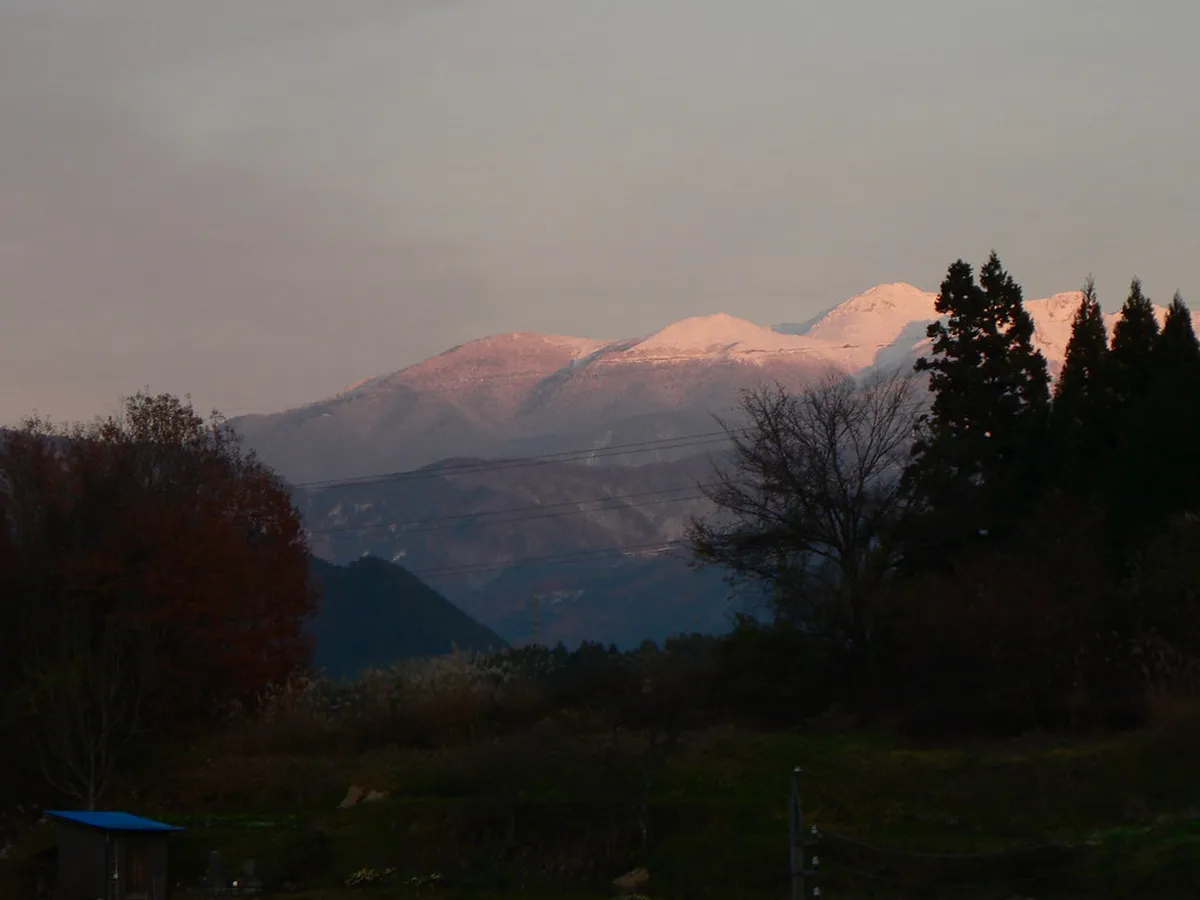
The standard route from Nagoya is the JR Wide View Hida Limited Express, which runs directly to Takayama Station in approximately two hours and thirty minutes. The train winds through mountain gorges along the Hida River and is one of the most scenic rail journeys in Japan. A reserved seat costs around 6,140 JPY one-way and is covered by the Japan Rail Pass and the JR Takayama-Hokuriku Area Pass. Book reserved seats at least a week ahead during Golden Week, autumn foliage season, and the Takayama Festival weekends in April and October.
From Osaka or Kyoto, the fastest connection is the Tokaido Shinkansen to Nagoya, then transfer to the Wide View Hida. Total journey time from Osaka is roughly three hours and forty-five minutes. From Tokyo, the same shinkansen-to-Hida connection takes about four hours and fifteen minutes, making an overnight stay essential.
From Kanazawa, take the JR Thunderbird or limited express via Toyama, then transfer to the Wide View Hida southbound. Journey time is around two hours and costs approximately 5,500 JPY. Highway buses from Nagoya, Osaka, and Matsumoto are a cheaper option but add travel time and are not JR Pass eligible.
Last train warning: the Wide View Hida runs only five to six services daily in each direction. The final departure from Takayama toward Nagoya is typically around 17:30 to 18:00. If you miss this train, there is no evening service and you will need to take a late highway bus or stay an extra night. Check the timetable on the JR Central website before your arrival day and plan your final afternoon accordingly.
Where to Stay in Takayama
The choice in Takayama is essentially ryokan versus modern hotel, and both have a strong case depending on your priorities. A traditional ryokan offers tatami-floored rooms, in-room or shared onsen baths, and a multi-course kaiseki dinner using Hida beef, mountain vegetables, and tofu made from local soy. Prices for mid-range ryokans run from 15,000 to 30,000 JPY per person per night including dinner and breakfast. The best properties book out three to four months in advance for the spring and autumn festival weekends.
Staying inside or adjacent to the Old Town is the most convenient option for this itinerary. You can walk to the Miyagawa Market in five minutes and to Sanmachi Suji in ten. Properties like Auberge Hidanomori and IORI Stay Ryokan sit within this zone. For a quieter stay, guesthouses slightly north of the station offer clean rooms from around 5,000 to 8,000 JPY per night and often include bicycle rental.
Budget travelers have solid options in the form of hostels near the station. K's House Takayama is a well-regarded backpacker option with dormitory beds from around 3,500 JPY and private rooms from around 7,000 JPY. Wherever you stay, confirm whether the property has its own onsen or can recommend a nearby public sento, because soaking after a full day of walking is well worth the extra planning.
Day 1: Morning Markets and Old Town Exploration
Start at 7:30 AM at the Miyagawa Morning Market, which runs along the east bank of the Miyagawa River between Kaji Bridge and Yayoi Bridge. Around thirty stalls set up here daily, selling local vegetables, pickled foods, flowers, sarubobo dolls, and handmade ichii wood carvings. Japan's National Tourism Organization highlights these regional markets as cultural keystones. The market opens at 7:00 AM from April through December and at 8:00 AM from January through March, closing around noon. The espresso in a souvenir cup from Garage Doto Coffee and the fish-shaped taiyaki waffles are the two food items worth stopping for.
Morning market strategy: If you want to avoid the tour-group surge, visit the Jinya-mae Morning Market first. It sits outside Takayama Jinya and is smaller, with perhaps a dozen stalls selling produce and flowers. It gets far less foot traffic than Miyagawa, and visiting it first lets you loop back to Miyagawa after 9:00 AM when the bus-tour crowds have thinned. The market stalls themselves are not the main draw; the river setting of Miyagawa is, and it photographs best in early morning light anyway.
After the markets, visit Takayama Jinya, the former government office of the Tokugawa shogunate. Admission is 440 JPY. The building has tatami rooms, wooden conference halls, and a rice storehouse that demonstrates the scale of the region's tax administration during the Edo period. It is one of only a handful of such administrative buildings surviving in Japan. Opening hours are 8:45 AM to 5:00 PM with seasonal variation.
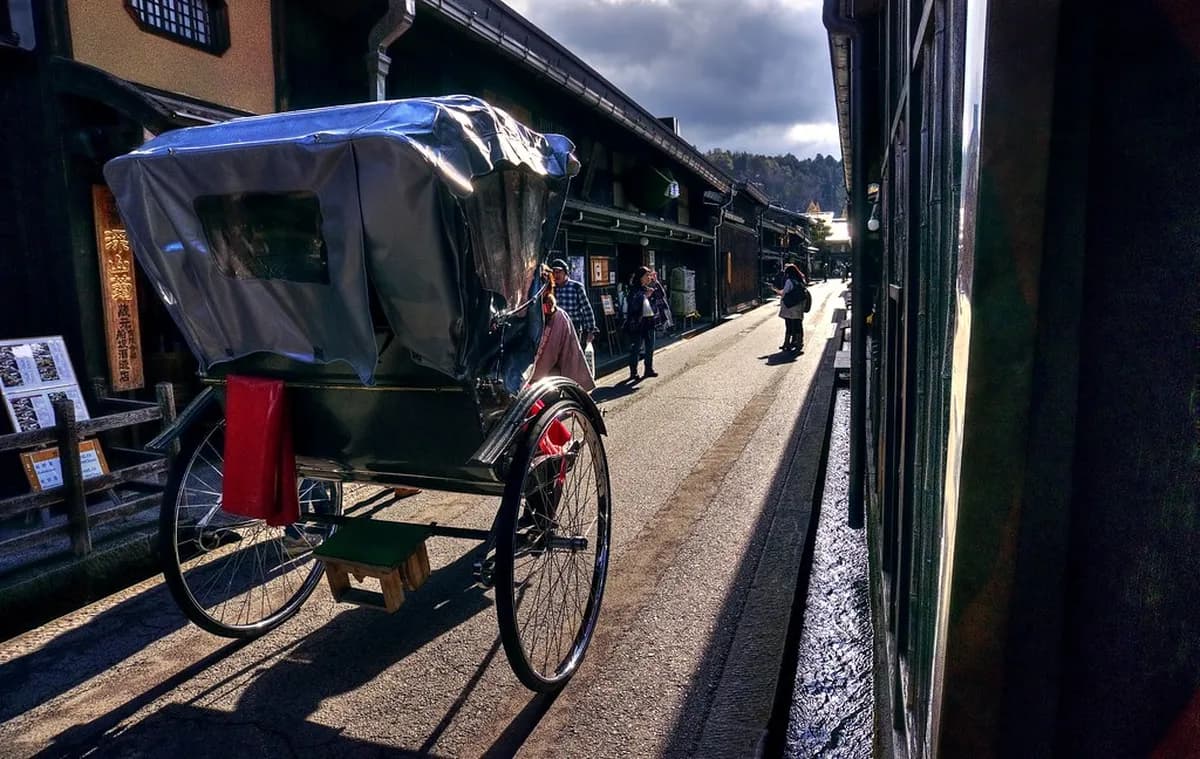
Spend your afternoon in the historic Old Town district. Three parallel streets — Kami-sannomachi, Naka-sannomachi, and Shimo-sannomachi — are lined with preserved wooden merchant houses, many functioning as sake breweries, miso shops, craft stores, and cafes. Walk the full length of each street and double back on the canal-side alleys. The light is particularly good in the late afternoon when it catches the dark timber facades. End your Old Town walk at the Sakurayama Hachimangu Shrine at the northern end, which dates to the Kamakura period and hosts the autumn Hachiman Festival each October.
For dinner on day one, head toward the eateries around Kajibashi Bridge on the western bank of the Miyagawa River. This strip has the highest concentration of Hida beef restaurants. See the eating section below for price guidance before you choose a spot.
The final Wide View Hida Limited Express from Takayama departs around 17:30 to 18:00, so plan your itinerary accordingly if you are returning to Nagoya or Osaka on the same day. Missing this train means staying an extra night or taking a late highway bus.
Sake Brewery Tasting in Sanmachi Suji
Sanmachi Suji has six sake breweries, most of which are identifiable by the sugidama hanging above the entrance — a cedar ball that signals a sake-selling establishment. The breweries open for tasting around 9:30 to 10:00 AM. The standard tasting system involves paying 300 to 500 JPY for a small cup (called a choko) and sampling three to five varieties lined up at the counter. At some breweries, a coin-operated dispenser lets you pour small measures of individual varieties for around 100 to 200 JPY each, which is the best value for trying a wider range.
The etiquette is straightforward: take a choko, taste one variety at a time, and pour out anything you do not finish into the designated waste cup rather than leaving it on the counter. Do not pour multiple varieties into the same cup without rinsing. The system operates on goodwill and the breweries are not charging for individual education sessions, so moving through at a reasonable pace is polite. Hirata and Funasaka are two of the most visited breweries on the street. Funasaka is notable for its free tasting of the flagship Shiraki Fudo label.
Sake from the Hida region is brewed with mountain snowmelt water and fermented in cold Alpine temperatures, which produces a clean, dry finish distinct from coastal lowland sake. If you drink even a small amount, be aware that sake absorbs faster than beer on an empty stomach. Have your market breakfast before you start tasting.
Day 2: Hida Folk Village and Higashiyama Walk
Leave your hotel by 9:00 AM for the Hida Folk Village (Hida no Sato). The Sarubobo Loop Bus departs from Takayama Station (Route A, left loop) and reaches the Folk Village stop in approximately ten minutes. A one-day bus pass costs 620 JPY and covers all the loop bus routes you will need for this day. Alternatively, the walk from the station takes about thirty minutes along a clear riverside path.
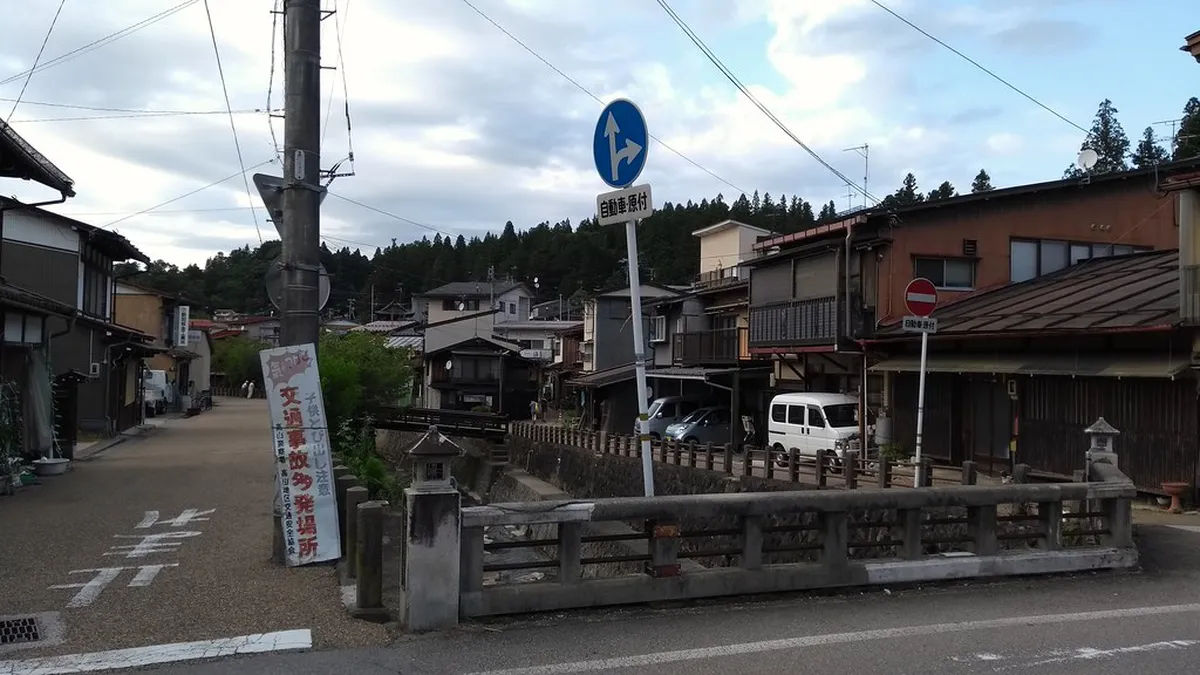
The Folk Village assembles over thirty traditional gassho-zukuri farmhouses relocated from across the Hida region onto a hillside park. The steep thatched roofs — some four to five storeys tall — are designed to shed the area's heavy snow loads, and the interior structures use no nails, only wooden joints and rope. Allow two to two-and-a-half hours to walk the full circuit. The best photo of the village is from the viewpoint at the top of the slope, looking down over the pond with the farmhouses arranged below. The on-site craft workshops run pottery and weaving sessions for an additional 1,000 to 1,500 JPY, bookable at the entrance. Japan-guide.com's Takayama section has additional visitor logistics.
Admission to the Folk Village is 700 JPY for adults. Opening hours are 8:30 AM to 5:00 PM year-round. The grounds are at their most dramatic in winter, when snow covers the thatched roofs, and in autumn, when the surrounding maples turn red. Summer is the greenest and most pleasant for walking but also the busiest.
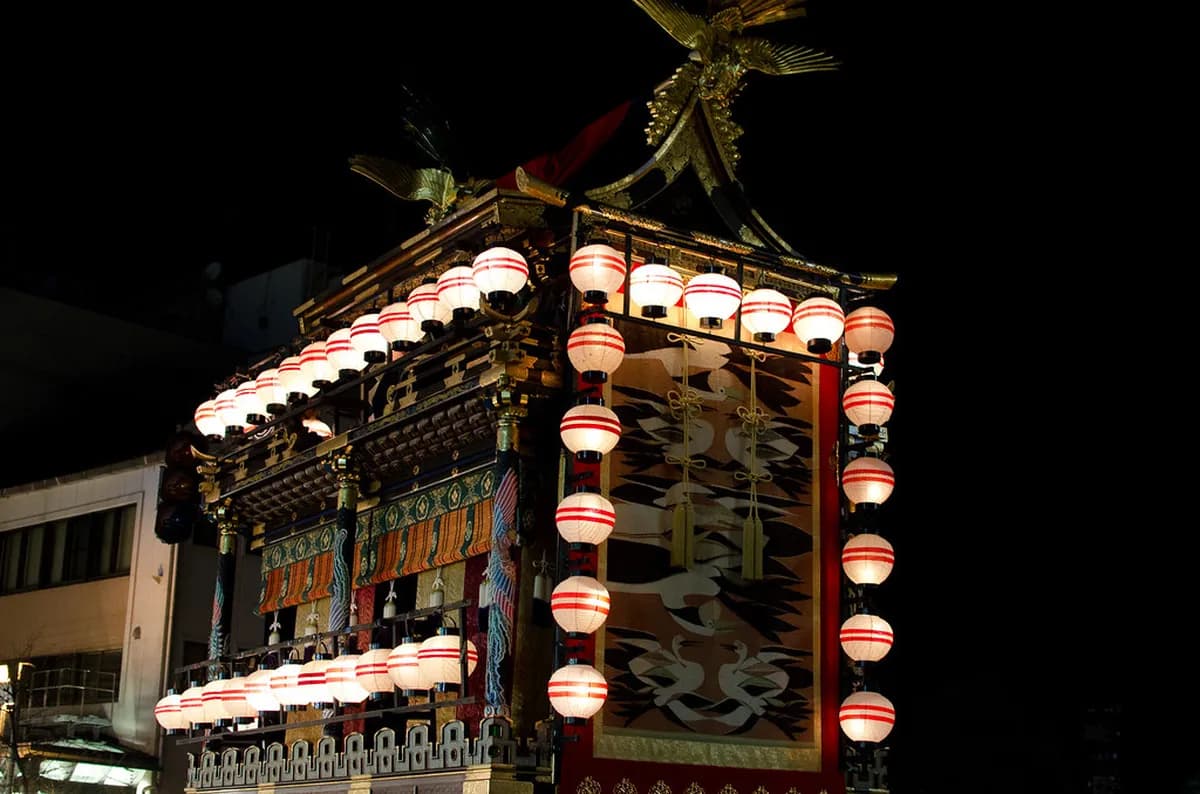
Return to town by early afternoon and pick up the Higashiyama Walking Course starting near Teramachi at the eastern edge of the city. The course is 3.5 kilometres and takes ninety minutes to two hours at a relaxed pace, passing thirteen temples and shrines on a forested hillside path. Notable stops include Sogenji Temple, Unryuji Temple, and the approach to Higashiyama Shrine. The course connects back to the edge of the Old Town via the quiet backstreets of Higashiyamamachi, which have a canal-side atmosphere similar to Sanmachi Suji but with almost no crowds. Visit the Takayama Festival Floats Exhibition Hall (Yatai Kaikan) near Sakurayama Hachimangu if you did not go on day one — four of the twelve historic festival floats dating from the 17th century are on rotating display, and admission is 1,000 JPY.
For the evening, try the izakaya alley at Dekonaru Yokocho near the station. Several small bars and restaurants serve Takayama ramen, hoba miso (miso grilled on a magnolia leaf), and local craft beer. It is a good low-key option before an early departure the following morning.
Where to Eat: Hida Beef and Local Specialties
Hida beef is a wagyu brand from Gifu Prefecture raised on Hida highland pastures. It has a marbling score that typically runs from A4 to A5, producing a buttery texture that melts quickly at low cooking temperatures. The beef appears across multiple price tiers in Takayama, and knowing the difference saves you from over- or underspending.
At the street food level, Hida beef sushi nigiri (one to two pieces of rare beef on rice) costs 500 to 800 JPY per piece at stalls in Sanmachi Suji and the Miyagawa Market. Beef croquettes and skewers run 300 to 600 JPY each. These are the most accessible entry points and a good way to taste the beef without a sit-down commitment. For a mid-range lunch, set menus at restaurants like Ajikura Tengoku or Kakusho offer Hida beef bowls, sukiyaki, or shabu-shabu lunch courses from 2,000 to 3,500 JPY. These sets typically include rice, miso soup, and pickles.
A full yakiniku dinner at a specialized Hida beef restaurant — where you grill premium cuts at the table — runs from 8,000 to 15,000 JPY per person. Maruaki is the most frequently cited high-end option. The quality justifies the price if your budget allows, but book at least two days in advance and confirm through your hotel concierge since most reservation lines are Japanese-only. Walking in at 6:00 PM without a reservation typically means a two-hour wait.
Beyond beef, the local specialties worth ordering are Takayama ramen (a clear, soy-based broth with thin noodles, distinct from Sapporo or Hakata styles), hoba miso served in a dried magnolia leaf over charcoal, and mitarashi dango (chewy rice balls in sweet soy glaze) as a market snack. The Dekonaru Yokocho alley near the station is the most convenient spot for ramen and izakaya dining in the evenings.
How to Get Around Takayama
The majority of this itinerary is walkable. Takayama Station sits at the western edge of the city, and the Old Town, morning markets, and most museums are within a twenty-minute walk east along the main road or the riverside path. You do not need a bus for anything on Day 1.
For Day 2, the Sarubobo Loop Bus is the easiest option for reaching the Hida Folk Village and the Higashiyama Walking Course trailhead. The bus runs two routes — the left loop (Route A, red bus) and the right loop (Route B, green bus) — departing from bus stop 6 outside Takayama Station. The left loop hits the Folk Village stop. A one-day unlimited pass costs 620 JPY and is the best value if you plan to use the bus more than twice. Single fares are 200 JPY per ride.
Bicycle rental is a practical alternative for those who want more flexibility. Several guesthouses and rental shops near the station offer city bikes from around 700 to 1,000 JPY per half-day. A bicycle cuts the walk to the Folk Village to about fifteen minutes and allows you to explore the riverside paths between the morning market and the eastern temple district at your own pace. Takayama has no subway or tram system, and taxis are available but expensive for short city hops.
Other Things to Do in Takayama
If you find spare time between the main itinerary stops, the Takayama Showa-kan Museum on Shimoichinomachi Street is worth thirty to forty-five minutes. The museum recreates a 1950s Japanese town from the late Showa period, with working pachinko machines, vintage electronics, old cinema posters, and a functioning retro classroom. Admission is 660 JPY. It is one of the quirkier cultural experiences in the city and tends to be undervisited compared to the historical sights.
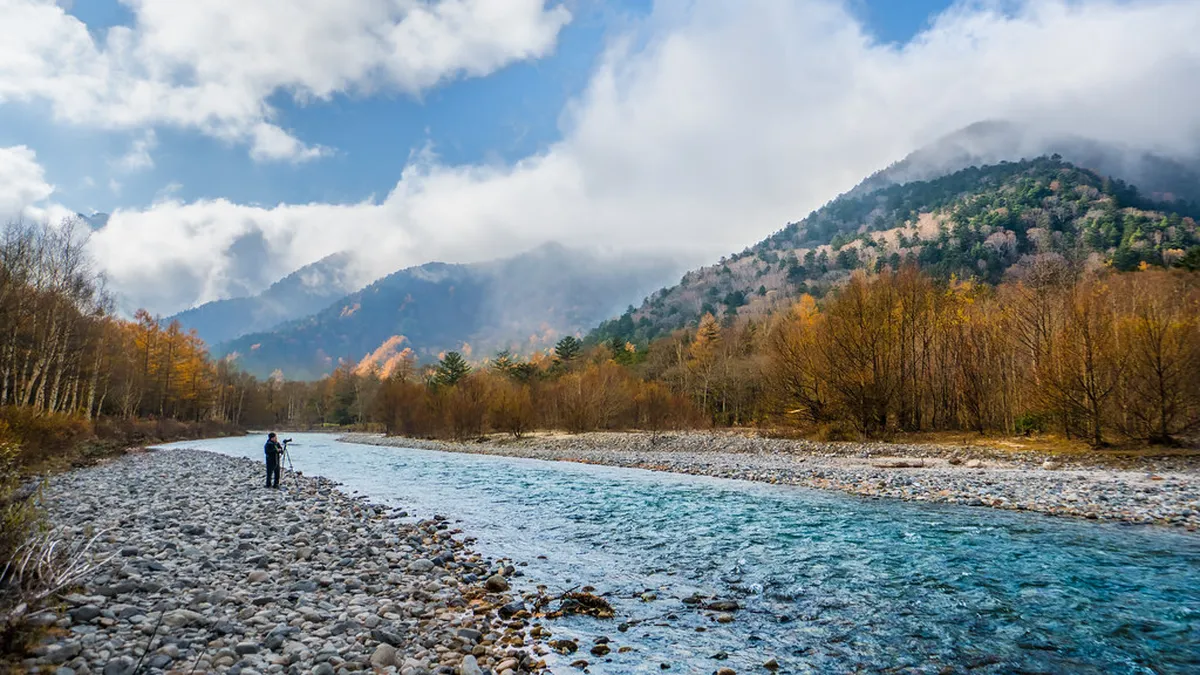
The Kusakabe Heritage House and the neighboring Yoshijima Heritage House sit a five-minute walk north of Sanmachi Suji and are both designated Important Cultural Properties. Kusakabe was built in 1879 as a wealthy merchant home and holds a collection of folk art. Yoshijima, built in 1908, was the home of a sake-brewing family and its interior shows the brewery layout still intact. Visiting both takes about an hour and costs around 500 JPY per property.
For anyone with a third day, a Shirakawa-go excursion via the Nohi Bus from Takayama Station takes fifty minutes each way. Book bus tickets at the Nohi Bus Center beside the station, ideally the day before. Take the first bus of the morning (typically 8:15 AM) to reach the village before the main tour groups arrive, and target the Shiroyama Viewpoint walk for the classic valley shot. The village entry to individual farmhouse museums costs 300 to 500 JPY each.
Frequently Asked Questions
How many days should you stay in Takayama?
Two days is the ideal amount of time for most visitors. This allows you to explore the Old Town, visit the morning markets, and see the Hida Folk Village. You can see the highlights without feeling rushed.
Is Takayama worth visiting for just one night?
Yes, one night is enough to see the Sanmachi Suji district and the morning market. However, you will have to skip the temple walk or the folk village. A two-night stay is much more relaxing.
What is the best time of year to visit Takayama?
Spring and autumn are the most popular seasons due to the famous Takayama Festivals. Winter is also beautiful if you enjoy heavy snow and a quiet atmosphere. Summer can be humid but remains cooler than Tokyo.
Spending 2 days in Takayama delivers a concentrated window into Edo-period Japan that Kyoto simply cannot replicate at the same crowd level. From the early morning market walk to the sake tasting in Sanmachi Suji, and from the gassho-zukuri farmhouses at the Folk Village to the quiet forested temple path of the Higashiyama course, the itinerary is dense without feeling hurried. Plan your last afternoon around the Wide View Hida train schedule — that departure window closes earlier than most travelers expect, and missing it is the most common logistical mistake in Takayama. Book your ryokan and your dinner reservation before you travel, and the rest of the city takes care of itself.
Short on time? See our one-day Takayama plan, or extend the trip with a day trip into the Hida region.
Free: The Takayama Essentials guide
Top things to do, where to stay, a perfect day plan, getting around, and the best time to go — a Takayama mini-guide you can take offline.
You might also like


Continue reading
More guides you'll find useful