Nikko Cherry Blossoms Travel Guide
Plan nikko cherry blossoms with top picks, neighborhood context, timing tips, and practical booking advice for a smoother trip.
On this page
Nikko transforms into a soft pink wonderland when the spring season finally arrives in the mountains. Witnessing the nikko cherry blossoms offers a unique experience compared to the earlier blooms in Tokyo. The cooler mountain air delays the flowering process, giving travelers a second chance to see the petals.
Many visitors flock to this UNESCO World Heritage site to see the historic architecture framed by delicate flowers. Understanding the timing and locations is essential for a successful trip to this scenic region. This Nikko Travel Guide: The Ultimate Trip Planner provides everything you need to plan your spring adventure.
Planning ahead ensures you catch the peak bloom before the mountain winds scatter the blossoms. You will find a mix of crowded festivals and quiet, hidden groves throughout the city. Expect a blend of deep history and natural beauty that only a Japanese spring can provide. Prepare for a journey that connects ancient spiritual sites with the fleeting beauty of nature.
Must-See Nikko Attractions
The main town area serves as the primary hub for viewing nikko cherry blossoms near historic landmarks. Shrines like Toshogu often feature beautiful trees that complement the gold-leaf carvings of the buildings. These locations offer a rare chance to photograph 17th-century architecture alongside vibrant spring colors. Visitors should arrive early to capture the best light before the midday crowds arrive.
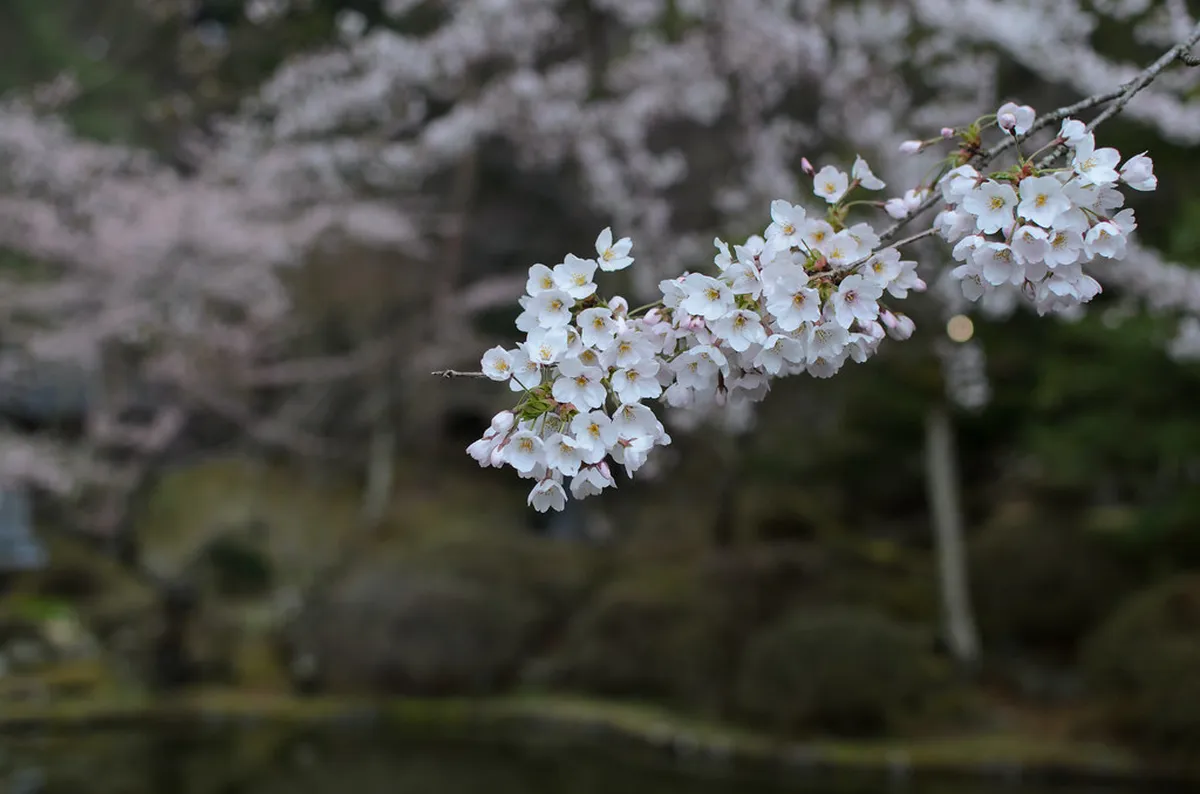
The Nikko cherry tree migration is a curated self-guided event running from April 1 to April 26, 2026, that traces a route from Tobu Nikko Station to Toshogu Shrine. Event pamphlets available at the station introduce around 30 notable specimen trees, including a weeping cherry over 200 years old at the Tobu Nikko station forecourt and the rare diamond cherry (Kongo-zakura) at Rinno-ji temple. Tracking this migration is one of the most satisfying ways to see Nikko Attractions: 20 Must-See Sights & Things to Do (2026 Guide) during the bloom. The event is free; simply pick up the pamphlet and follow the numbered stops at your own pace.
The Nikko Tosho-gu Shrine Spring Regular Grand Festival is the city's signature event, held annually on May 17–18. It features a spectacular procession of over 1,200 people dressed as armored samurai warriors marching through the shrine grounds. Yabusame (horseback archery) is performed on the main approach on May 17. Watching the armored marchers pass under late-blooming mountain cherries is a memory you will likely never forget.
Museums, Art, and Culture in Nikko
Spring in Nikko is not just about the trees but also about the spiritual rejuvenation of the temples. Mt. Nikko, Rinno-ji stands as one of the most significant cultural sites in the entire region. The temple grounds are home to the Kongo-zakura, a diamond cherry tree that is a mutation of wild mountain cherry, with a distinctive shape formed when it was transplanted in the Meiji Period. In a normal year, peak bloom at Rinno-ji falls in mid-to-late April, slightly later than the lower town.
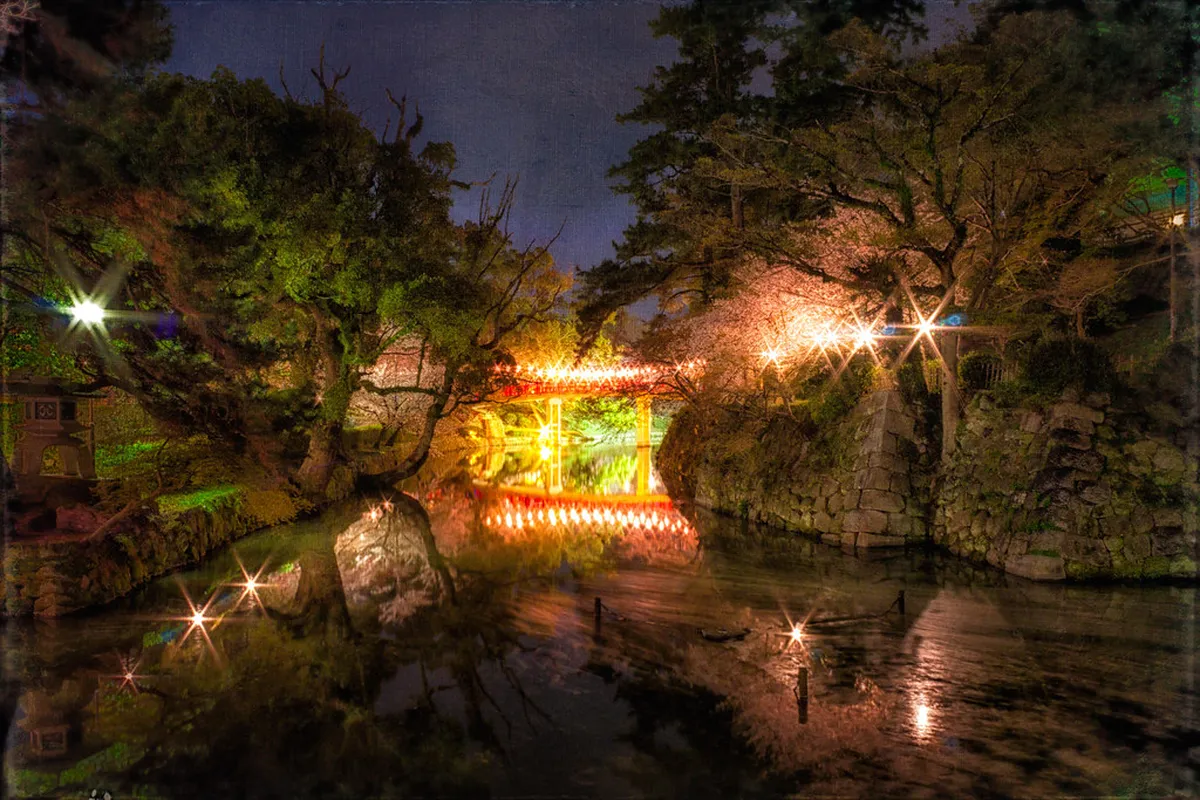
Art lovers will find seasonal displays in local galleries that celebrate the fleeting beauty of the sakura. Many traditional crafts in the area use cherry blossom motifs during the months of April and May. You can find hand-painted fans and lacquerware that reflect the specific shades of pink found in the mountains. The Nikko Toshogu Museum, just outside the main shrine complex, runs spring exhibitions that pair samurai artefacts with seasonal decorative arts — a more sheltered option on a wet April day.
The Nikko Tamozawa Imperial Villa is an underrated stop during cherry blossom season. Built as a retreat for Emperor Taisho, the villa's garden contains specimen trees reputed to be over 200 years old, and entry costs only ¥600 for adults. The connection between the blossoms and local deities is a common theme here: small shrine ceremonies are performed in April to welcome the season. This is a peaceful contrast to the busy tourist paths found elsewhere in the town center.
Parks, Gardens, and Outdoor Spots in Nikko
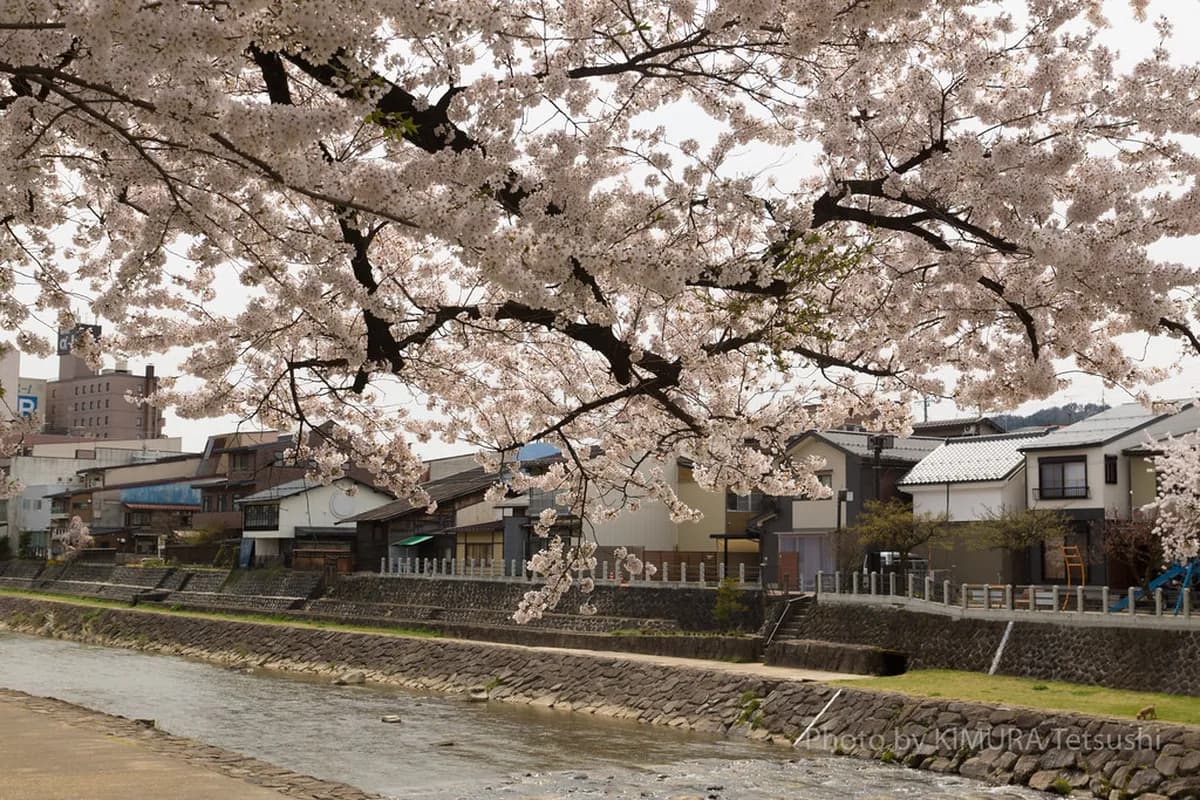
For those seeking wide-open spaces, the parks around the Kinugawa river offer spectacular vistas. Kinugawa park is a favorite for locals who want to enjoy a picnic under the trees. The park is famous for its weeping cherry trees (shidare-zakura) surrounding the central square — when multiple trees bloom simultaneously, their arching branches form a tunnel of pale pink. An added bonus is the attached public day-bathing facility fed by natural hot spring water, ideal for tired feet after a long walk.
Timing your visit is crucial because the mountain weather can be quite unpredictable in early spring. You should check the Best Time to Visit Nikko: Seasonal Guide & Weather Tips to ensure the flowers are actually in bloom. The elevation differences mean that while one park is peaking, another might still be dormant. Carrying a light jacket is always recommended as temperatures drop quickly once the sun sets.
Outdoor enthusiasts might enjoy hiking the trails that lead to higher vantage points overlooking the valley. These paths often reveal wild cherry trees that grow naturally among the evergreens and maples. The contrast between the dark forest and the bright pink blossoms is visually stunning. These hidden spots provide a sense of discovery for travelers willing to explore beyond the main roads.
Timing Nikko Cherry Blossoms by Elevation Zone
Nikko's topography creates two distinct cherry blossom seasons separated by altitude and variety. The lower town along National Highway 119 — the Nikko Highway — peaks in early to mid-April with Someiyoshino and mountain cherry trees. Kinugawa Onsen town, downstream at roughly 200 metres elevation, also blooms in early April. Plan a visit to these zones between April 3 and April 15 in a typical year to hit peak lower-elevation colour.
Above 1,200 metres at Lake Chuzenji and the Okunikko plateau, the sakura front arrives weeks later. Yamazakura (wild mountain cherry) patches appear in late April to early May near Ryuzu Falls and along the Irohazaka switchbacks. This elevation gap is not well covered by most guides: a traveler who misses lower Nikko's early-April window can still catch mountain cherries at the end of April without changing hotel. Conversely, visitors arriving in mid-April will see both zones in bloom simultaneously if the year's temperatures are close to average.
The Kinugawa Onsen Ropeway, operating year-round, lifts riders above the river gorge and provides an aerial view of the riverside cherry canopy during peak bloom. The ropeway runs continuously and costs around ¥1,200 round-trip. It is the single fastest way to see Kinugawa's blossoms from above without hiking. On clear days you can watch the petals drop into the river current far below.
Family-Friendly and Budget-Friendly Options in Nikko
Traveling with a family requires a balance between structured sightseeing and open play areas. The Nikko highway features roughly 16 kilometres of cherry trees planted along both sides of National Highway 119, free for everyone to enjoy. Driving or cycling along these sections allows kids to run around without the constraints of a temple. It is one of the most budget-friendly ways to see the blossoms in the region.
Many local festivals offer affordable street food that children typically enjoy during the spring season. You can find sweet treats like sakura mochi or savory snacks at stalls near the main stations. These markets provide a lively atmosphere that keeps younger travelers engaged with the local culture. It is a great way to experience the festive spirit without spending a lot of money.
For a unique family experience, consider visiting the nearby theme parks that decorate for the season. Places like Edo Wonderland often have special spring performances and themed activities for children. These venues combine history with entertainment in a way that is accessible for all ages. They offer a controlled environment where families can enjoy the blossoms and learn about Japanese history.
How to Plan a Smooth Nikko Attractions Day
A successful Nikko Day Trip From Tokyo: The Ultimate 1-Day Itinerary requires careful timing to avoid the heavy morning rush. Trains from Asakusa or Shinjuku fill up quickly during the peak of the cherry blossom season. Booking your seats at least a week in advance is highly recommended for a stress-free journey. Starting your day before 8:00 AM allows you to reach the shrines before the tour buses arrive.
To travel comfortably during the sakura season, consider using the local bus system instead of walking everywhere. The hills in Nikko can be tiring, especially if you are trying to see multiple spots in one day. Purchasing a digital pass can save you time and money on individual fares. These passes often include discounts for some of the smaller museums and attractions along the route.
Crowd management is another vital part of planning a smooth day in the mountains. Popular spots like the Shinkyo Bridge will be very busy during the middle of the day. Try visiting these iconic locations very early or late in the afternoon for better photos. Planning a lunch break away from the main tourist strip — Nikko's Menuki Street has over 70 long-established stores with spring-limited sakura menus — can also provide a much-needed rest from the crowds.
Spring Festivals and Events in Nikko
The Yayoi Festival at Nikko Futarasan Shrine runs every year from April 13 to April 17. This festival has a tradition of more than 1,200 years, celebrated with Hanaya floats decorated with artificial Yashiotsutsuji (rhododendron) flowers parading through the town accompanied by Nikko folk music. The violent climax on April 17 — where the heavy Hanaya float is charged up the steep stone slope of Futarasan Shrine — is the most dramatic moment. Entry is free and the route passes the Shinkyo Bridge.
The Kinugawa Onsen nighttime cherry blossom illumination, known locally as "Kinugawa Man Sogo of cherry blossoms by night," runs April 3–12, 2026 (18:00–20:30) at the Kinugawa Onsen-jinja and Gokoku-jinja Shrines precincts. Admission is free. The Someiyoshino lining the shrine approach glows against the dark sky and Kagura dance performances are staged on the shrine stage. This is the best free evening activity in Nikko during the sakura season.
Combining the nighttime illumination with a visit to the hot spring district makes for a complete day. Spend the morning in the main town following the cherry tree migration pamphlet, have lunch on Menuki Street, and then take the bus down to Kinugawa in the late afternoon for the evening light-up. Most ryokan in Kinugawa Onsen offer check-in from 15:00, which makes this sequence practical for overnight guests.
Kinugawa Onsen Shrines and Night Illuminations
The Kinugawa Hot Spring shrine complex sits about 1 kilometre southwest of Kinugawa Koen Station, combining two adjacent shrines in a single precinct: Gokoku-jinja (dedicated to those who died in service) and Kinugawa Onsen-jinja. When you pass through the first torii gate, a row of Someiyoshino trees lines the stone path leading toward a second torii. The arrangement makes this one of the most photogenic entrance approaches in the region, especially in the early morning before other visitors arrive.
The solemnity of the Gokoku-jinja section adds a reflective dimension that is entirely absent from the main tourist circuit. During spring, falling petals settle across the memorial markers, creating a quiet scene that many visitors find more moving than the crowded shrine precincts in the town. It is a poignant reminder of the cycle of life and the seasons. Early April is the best time to visit as the Someiyoshino here blooms slightly ahead of higher-elevation spots.
For those staying at high-end accommodations like Hoshino Resorts KAI Kinugawa, this shrine is a ten-minute walk from the main resort building and is the obvious first stop on a morning stroll before the public baths open. The proximity to the hot spring town makes it an easy addition to a relaxing morning walk. You can experience the spiritual side of Nikko and then return to your ryokan for a soak. This combination of culture and relaxation is a highlight for many travelers in the region.
Famous Cherry Blossom Spots in Nikko: What to Know Before You Go
In Japanese, cherry blossoms are called sakura (桜), and the act of viewing them is known as hanami (花見). Understanding these terms helps you navigate local maps and event flyers more effectively. Another key word is mankai (満開), meaning full bloom — this is the stage most forecasts target, typically lasting four to seven days before petals begin falling. Knowing when mankai is predicted at your specific location matters more than simply booking around a fixed date.
Nikko is home to several iconic trees with their own names and historical records. The Kongo-zakura (diamond cherry) at Rinno-ji is over 500 years old and is designated as a protected cultural object. The weeping cherry at Tobu Nikko Station forecourt anchors the Nikko cherry tree migration route at its starting point, and its pendulous branches cascade over the pavement in a style very different from the compact Someiyoshino lining the highway. Finding these specific trees is a goal for many photography enthusiasts. You can follow a Nikko Itinerary: 1-Day, 2-Day & 3-Day Plans (2026 Guide) to ensure you don't miss these legendary spots.
The symbolism of the cherry blossom is deeply rooted in the Japanese concept of mono no aware — a bittersweet awareness of the ephemeral nature of all things. Seeing the blossoms peak and then fall within a few days perfectly illustrates this philosophy. It is this fleeting quality that makes the season so precious to both locals and visitors alike. Embracing the uncertainty of bloom timing, rather than fighting it, is the mindset most likely to result in a rewarding trip.
CHERRY BLOSSOMS IN CHUBU
While Nikko is a primary destination in Kanto, the neighboring Chubu region offers a different spring atmosphere. Chubu includes famous spots like Kanazawa and the Japanese Alps where blossoms often bloom at different intervals. Comparing these regions helps travelers decide where to go if they miss the peak in Tokyo. The rugged landscape of Chubu provides a dramatic backdrop for the delicate pink petals.
Many travelers combine a visit to Nikko with a trip further west into the Chubu area. This route allows you to follow the blooming front as it moves across the main island of Japan. You might see the end of the season in one city and the beginning in another. It is a fantastic way to extend your spring holiday and see more of the country's diverse scenery.
The logistics of moving between these regions are relatively simple with the high-speed rail network. You can easily transition from the historic temples of Nikko to the castle towns of Chubu. Each area has its own local varieties of cherry trees and unique festival traditions. Exploring both gives you a comprehensive view of how Japan celebrates its most famous season.
Recommended Length: 1 Day
A one-day trip to see the nikko cherry blossoms is very popular for those staying in Tokyo. You should focus your morning on the main shrine complex to beat the largest crowds. After exploring Toshogu and Rinno-ji, head toward the river for a scenic walk. This ensures you see the most significant historical and natural sites within a limited timeframe.
Lunch should be a quick but authentic experience featuring local specialties like yuba. Many small restaurants near the shrines offer seasonal sets that are perfect for a mid-day break. Afterward, take a bus toward the Kinugawa area to see the riverfront blossoms and, if the dates align, the evening illumination. This transition allows you to see two different environments in a single afternoon. Using a Tobu Nikko Pass Guide can help you navigate these transport links efficiently.
End your day with a visit to a local hot spring or a quiet park before heading back to the station. The evening light often provides a beautiful glow on the blossoms that is perfect for photography. Aim to catch a return train around 18:00 to avoid the late-night fatigue. This compact schedule covers the essentials while leaving room for spontaneous discoveries along the way.
Having a Hard Time Finding a Tour?
If you are having a hard time finding a tour during the busy spring season, do not worry. Many independent guides and companies like Tobu Top Tours offer specialized packages that include transportation and skip-the-line access to major shrines and temples. Booking these services can save you a significant amount of time during the peak bloom period. Photography-focused tours are especially worth considering, as guides know which trees are at peak on any given morning.
Last-minute travelers might find that group tours are fully booked weeks in advance. In this case, exploring the city on your own with a well-planned map is a viable alternative. Many of the best blossom spots are easily reachable by public bus from the main station. You can create your own adventure and move at your own pace without following a strict group schedule.
Comparing different tour options is important to ensure you get the best value for your money. Some tours focus on photography, while others emphasize the historical and spiritual aspects of the city. Choose a package that aligns with your personal interests to make the most of your trip. Professional guides can often take you to hidden spots that are not mentioned in standard guidebooks, including private-garden weeping cherries that only appear on the cherry tree migration pamphlet.
- Guided Temple Walks — cultural tours starting at Toshogu Shrine, covering major historic sites with an expert on site ceremonies; moderate cost, suited to first-timers.
- Riverside Sakura Cruises — motorless boat rides on the Kinugawa River guided by a skilled boatman; each 40-minute ride includes gentle rapids and views of the cherry-lined banks; mid-range pricing.
- Private Taxi Tours — door-to-door service covering the full city at your pace; the best option for families with young children or visitors with mobility constraints; higher cost but unlimited stops.
Frequently Asked Questions
When is the cherry blossom season in Japan and Nikko?
The season usually runs from late March to early May across the country. In Nikko, the peak bloom typically occurs in mid-to-late April due to the higher elevation. You should check local forecasts in early April for the most accurate timing. For more booking options, see our 10 Best Ways to Experience Nikko Tours: A Complete Travel Guide guide.
How do you say cherry blossom in Japanese?
The word for cherry blossom is 'sakura'. If you are referring to the activity of viewing the flowers, the term is 'hanami'. Knowing these words helps when looking for local event signs and festival schedules. Most locals will appreciate your effort to use these traditional terms during your visit.
Where are the best places to see cherry blossoms in Nikko?
Top spots include the Toshogu Shrine area, the banks of the Kinugawa River, and the Nikko Highway. Each location offers a different perspective, from historic architecture to natural landscapes. The Nikko Highway is particularly famous for its long rows of trees. Arriving early at these popular spots is highly recommended.
How long do cherry blossoms last?
The full bloom period usually lasts about one week before the petals begin to fall. However, the total window from the first bud to the end can be around two weeks. Strong winds or heavy rain can significantly shorten this timeframe. It is best to plan your trip for the middle of the predicted peak.
What do you do at a cherry blossom festival?
Most people enjoy 'hanami' by having a picnic under the trees with friends or family. You can also enjoy seasonal street food, traditional performances, and evening illuminations. Many shrines hold special ceremonies to celebrate the arrival of spring. It is a time for celebration, reflection, and enjoying the outdoors.
Experiencing the nikko cherry blossoms is a highlight for any traveler visiting Japan in the spring. The combination of ancient history and fleeting natural beauty creates a truly magical atmosphere. By planning your timing and transport carefully, you can enjoy the best that the region has to offer.
Whether you prefer crowded festivals or quiet shrine gardens, Nikko has a spot for every traveler. Remember to respect the local environment and the spiritual significance of the temple grounds. Take plenty of photos but also take time to simply enjoy the view without a screen.
Your journey through the pink-hued mountains will provide memories that last a lifetime. We hope this guide helps you navigate the season with ease and confidence. Safe travels as you explore the stunning spring landscapes of this historic Japanese city.
Free: The Nikko Essentials guide
Top things to do, where to stay, a perfect day plan, getting around, and the best time to go — a Nikko mini-guide you can take offline.
You might also like


Continue reading
More guides you'll find useful