Nikko Festivals and Events Calendar: Toshogu in May & October
Nikko's festival calendar runs January to December. See when the two Toshogu Grand Festivals happen in May and October and what each event involves.
On this page
Nikko, a UNESCO World Heritage site in Tochigi Prefecture, runs a packed calendar of festivals from January through December. Most events tie directly to the historic shrine and temple complex that draws millions of visitors each year. Knowing which festival falls when — and what it actually involves — makes the difference between stumbling into a crowd and witnessing something genuinely memorable.
The biggest draws are the two Toshogu Grand Festivals in May and October, featuring a 1,000-samurai procession. But Nikko rewards visitors in every season: snow-hut villages in winter, ancient float parades in spring, ceremonial oddities in summer, and blazing autumn foliage from mid-October onward. This guide covers each major event with dates, practical access details, and what to expect on the ground.
Toshogu Grand Festivals: Spring and Autumn
The Nikko Toshogu Shrine Grand Festivals are the centrepiece of Nikko's event calendar, held twice a year — the Grand Spring Festival on May 17–18 and the Grand Autumn Festival on October 16–17. Both commemorate Tokugawa Ieyasu, the first Tokugawa Shogun, whose mausoleum sits at the heart of the Toshogu complex.
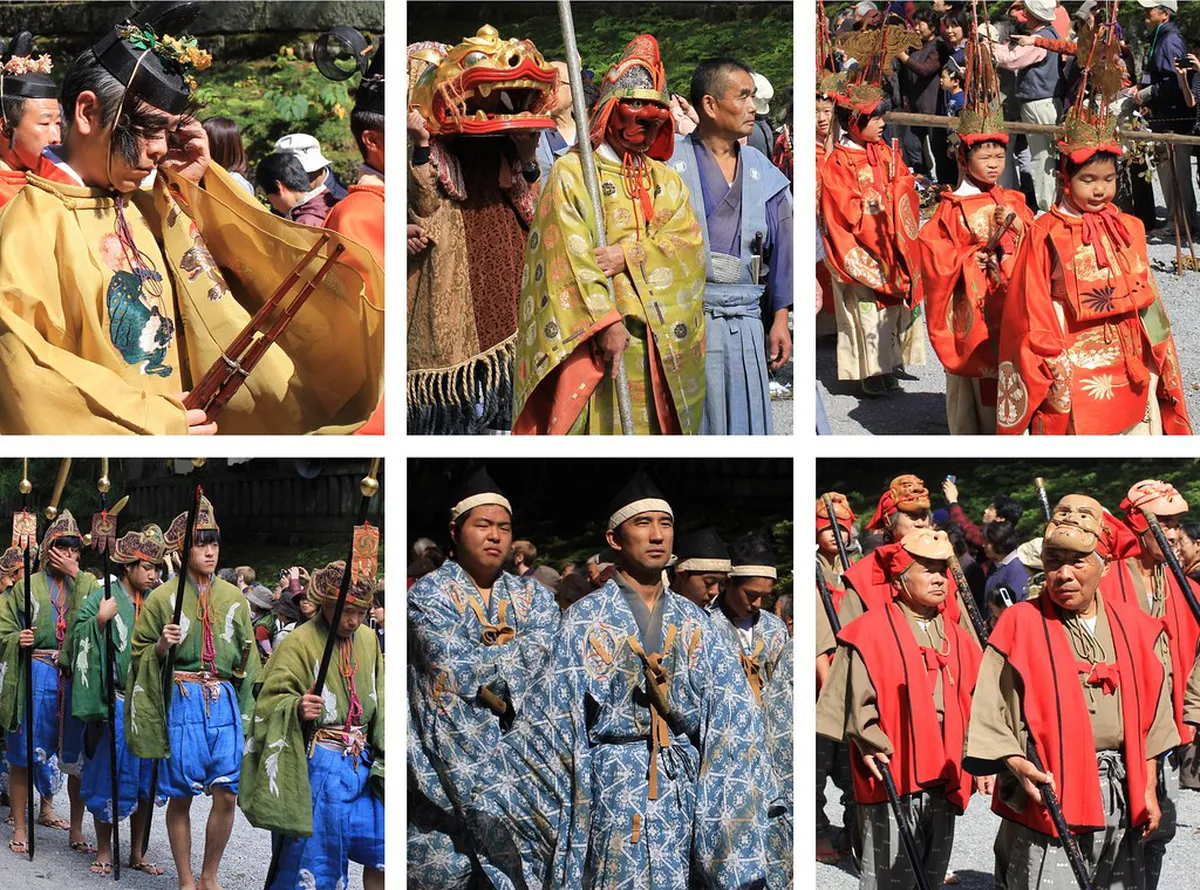
The headline event is the Hyakumonozoroe Sennin Musha Gyoretsu — the Procession of 1,000 Samurai. Nearly 800–1,000 participants dress as Edo-era foot soldiers, cavalry, and archers and march from Futarasan Shrine to Otabisho, roughly one kilometre away. The procession follows the Omotesando route, which is the main cedar-lined avenue approaching Toshogu — position yourself along this stretch early. For the autumn festival, yabusame (horseback archery) opens the event on October 16, starting around 13:00; the main procession runs October 17 from 11:00 to 14:00.
Admission to the viewing area is free, though a ¥100 donation is customary. Crowds are substantial — arrive at least 90 minutes before the procession starts to claim a front-row spot. For full coverage of the shrine itself, see Nikko Toshogu Shrine Guide: 7 Essential Highlights and Tips. The spring and autumn festivals together are the single strongest reason to time a Nikko visit around a specific date.
Nikko Yayoi Festival: April
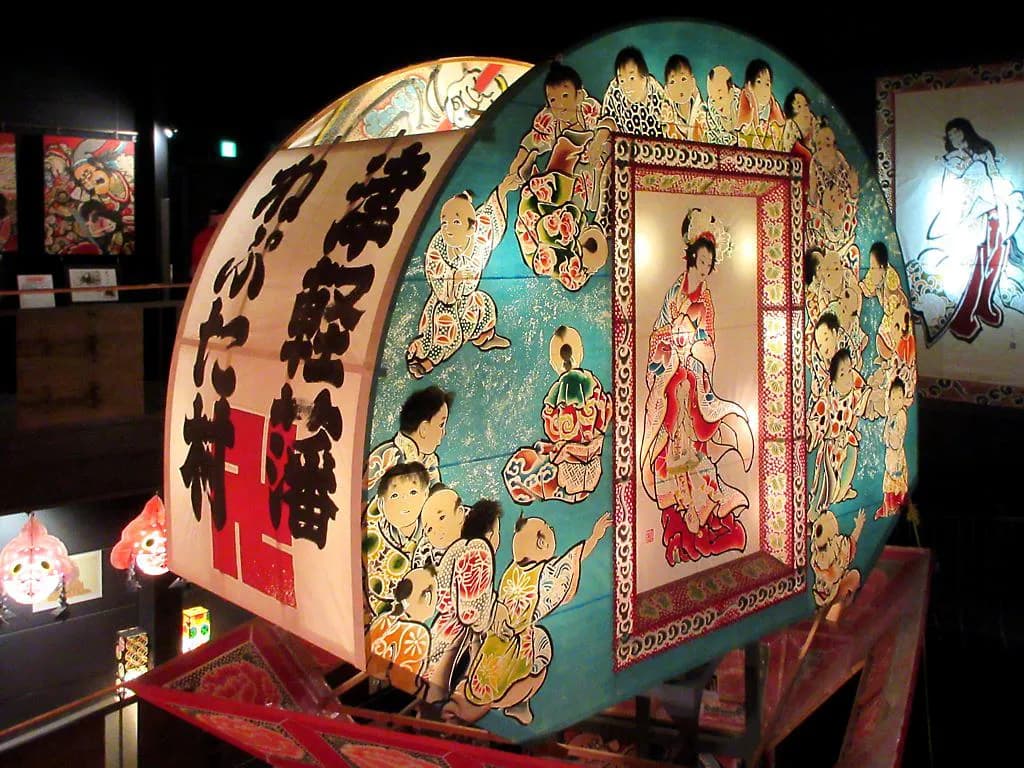
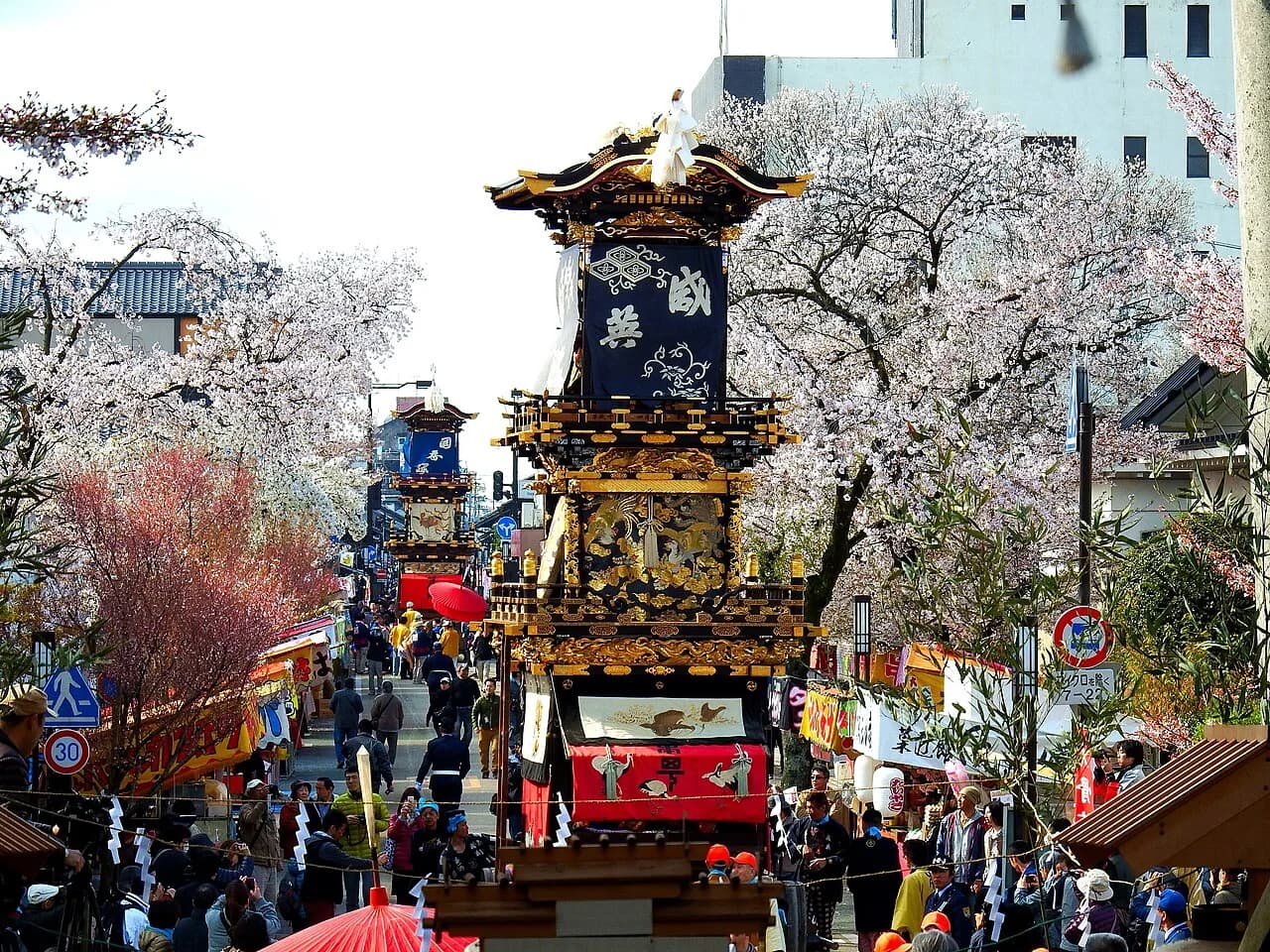
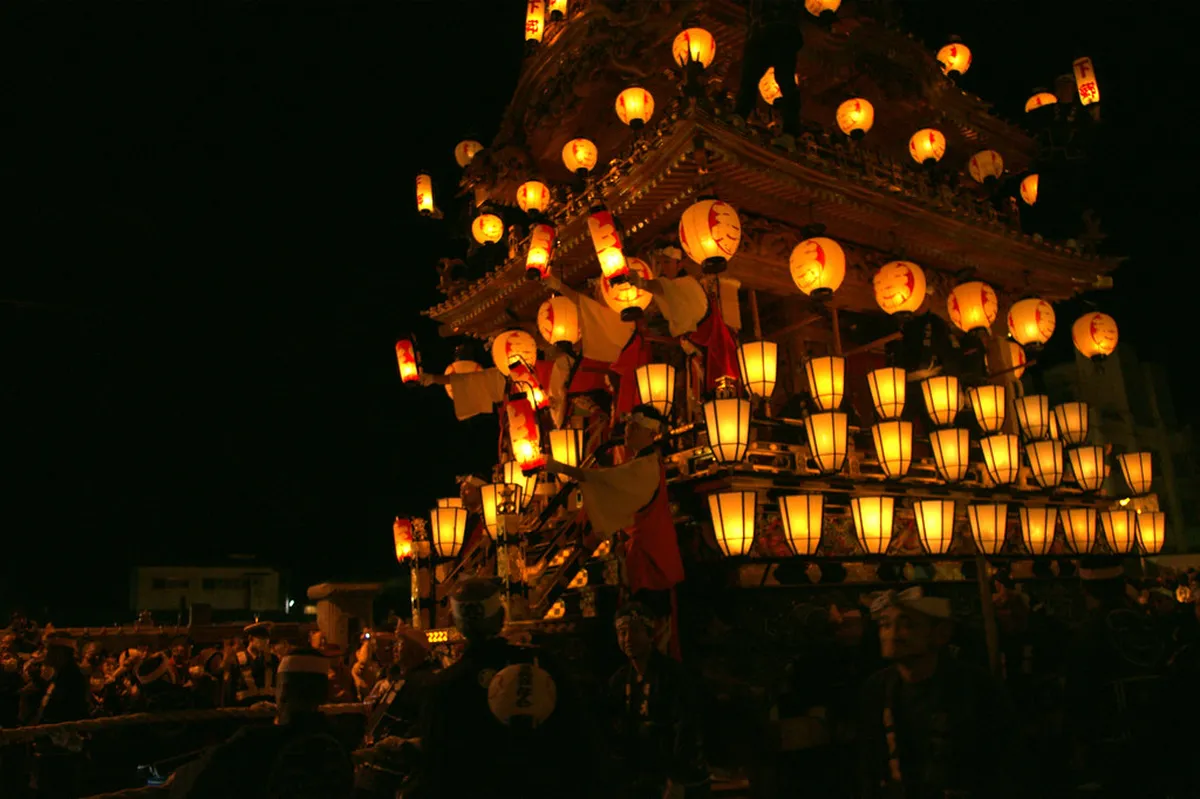
The Yayoi Festival (Nikko Yayoisai) takes place April 13–17 at Futarasan Jinja Shrine and is said to be 1,200 years old. It celebrates the arrival of spring, with eleven elaborately decorated mikoshi (portable shrines) representing the twelve districts of Nikko carried through the city in procession. Visitors are welcome to help pull the floats, which makes this more participatory than the Toshogu festivals.
The key days are April 16 (Yoimatsuri/eve festival) and April 17 (Regular Festival). On the 16th, floats assemble at Old Nikko City Memorial Park at 14:00, parade at 14:30, and converge at Kamihashi Bridge by 15:00. On the 17th, all floats gather at noon, then at 15:00 the Shinmei Mawari procession begins — culminating in groups running the portable shrines up the steep steps to the shrine hall, which is the visual climax of the whole festival. Entry is free. Full schedule details are on the Visit Nikko official site.
Getting there from either Tobu Nikko Station or JR Nikko Station: take any bus toward Chuzenji Onsen or Yumoto Onsen and alight at the Nishi Sando stop (about 7 minutes), then walk 10 minutes. You can also walk the entire 30 minutes from either station. Car access is possible via Nikko IC on the Nikko Utsunomiya Road (about 7 minutes), but parking near the festival is tight — public transport is strongly recommended. For a broader Nikko plan, a 2-day Nikko itinerary works well around the Yayoi Festival dates.
Nikko Waraku Odori and Summer Events
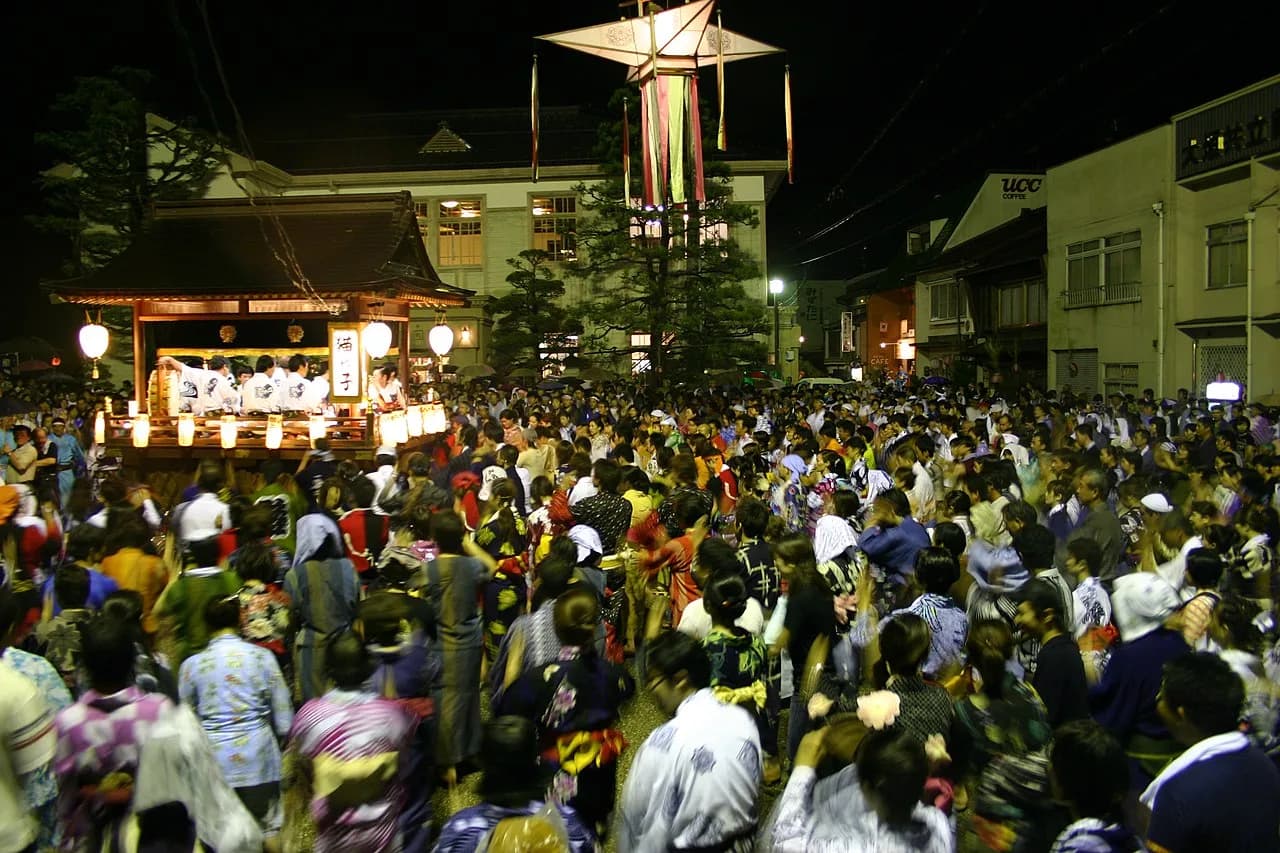
The Nikko Waraku Odori is a lively summer dance festival held each August in the streets of central Nikko. Locals and visitors alike join in traditional Bon Odori-style dancing, making it one of the more approachable events for first-timers who want to participate rather than just watch. The atmosphere is informal compared to the ceremonial Toshogu festivals.
August also brings the Gohanshiki — the Ceremony of Forced Rice Eating — at Rinnoji Temple (see the dedicated section below). Together with the Waraku Odori and various onsen-town fireworks, August is a surprisingly rich month for those who assume Nikko is mainly a spring or autumn destination. Summer is also when Kegon Falls runs at full volume after the rainy season, making the combination of festival and nature more rewarding.
Gohanshiki: The Ceremony of Forced Rice Eating
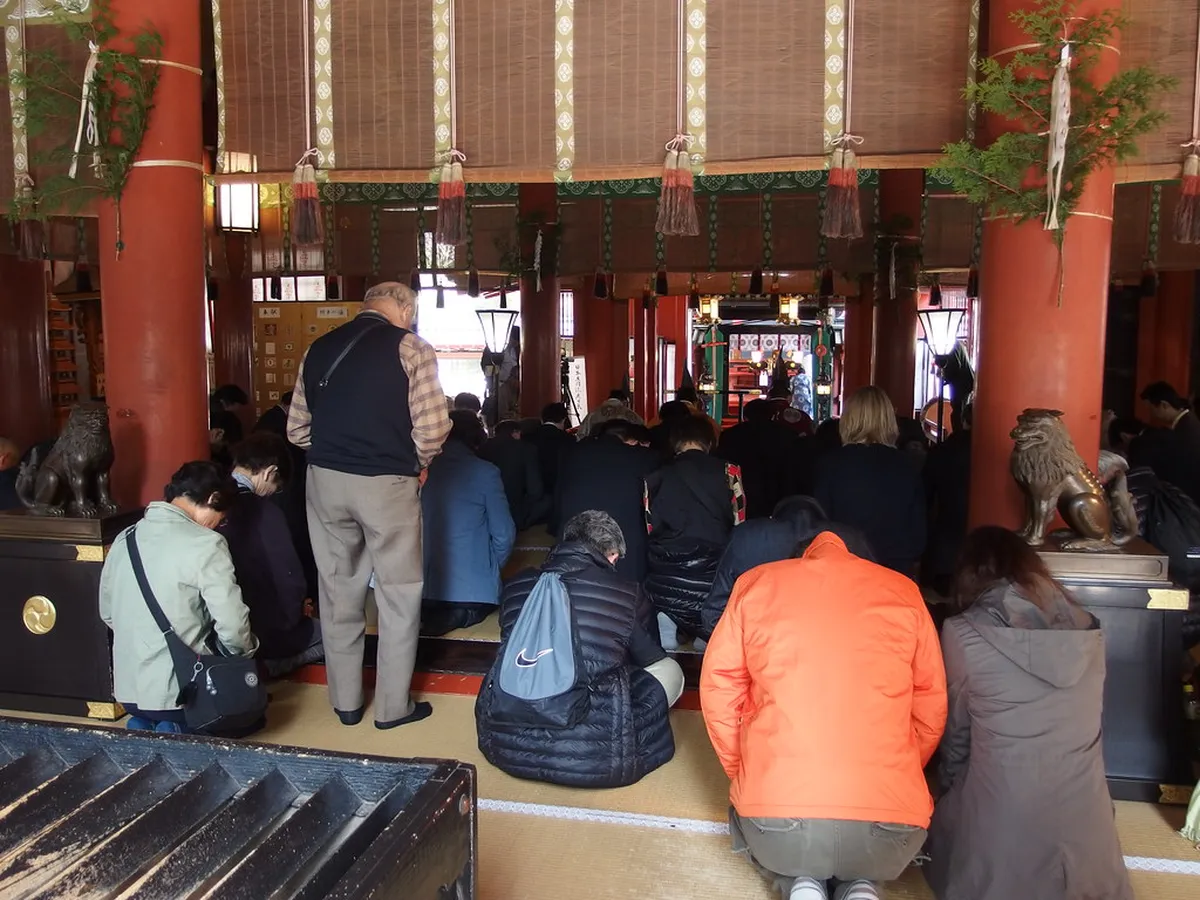
The Gohanshiki, held on August 1 at Rinnoji Temple, is one of Japan's stranger sacred rituals — and one that no other festival destination in the Kanto region replicates. During the ceremony, a Buddhist priest places large mouthfuls of white rice into the mouths of seated participants, who must consume it without using their hands. The ritual originates from a prayer for a bountiful harvest and good health, and has been performed at Rinnoji for centuries.
The ceremony is brief — the actual rite lasts around 30 minutes — but the lead-up involves chanting, incense, and formal robes that make it feel like a genuine religious event rather than a tourist spectacle. Attendance is open to visitors; no advance reservation is typically required, but arrive early as seating is limited. Rinnoji Temple is a five-minute walk from the Nishi Sando bus stop, the same access point used for the Yayoi Festival. Admission to the temple grounds requires the standard Rinnoji entry ticket (around ¥400).
No SERP competitor covers this event with practical visitor detail, which means it is genuinely underreported for international travellers. If you are in Nikko in late July or early August, August 1 is worth building a day around. The combination of Gohanshiki in the morning and a stroll through the wider Toshogu complex afterward makes for a full half-day. Check the official Visit Nikko site to confirm the 2026 schedule.
Autumn Foliage and the Toshogu Autumn Grand Festival
October is when Nikko fires on all cylinders. The Toshogu Grand Autumn Festival (October 16–17) coincides with the start of Nikko's koyo — the famous autumn leaf season that runs from mid-October through mid-November. The foliage peaks first around Lake Chuzenji and Ryuzu Falls at higher elevations (typically late October), then descends to the lower shrine areas around early November.
The best foliage spots in the national park include Ryuzu Falls, Kanmangafuchi Abyss, Lake Chuzenji, and the approach to the Toshogu complex itself. Combining the October 16–17 festival with a walk to Nikko National Park gives you both the samurai procession and vivid colour in the same trip. On festival days, buses between Nikko Station and the shrine area run frequently but fill up fast — aim to arrive before 10:00 if you want both the yabusame archery and a good foliage walk.
Accommodation books out weeks in advance during peak koyo weekends in late October and early November. If you are planning around the autumn festival specifically (October 16–17), mid-week dates are significantly less crowded than weekends, and hotels in the Kinugawa Onsen area offer a viable base with evening fireworks as a bonus.
Fireworks in Kinugawa Onsen
Kinugawa Onsen, a hot spring resort town about 15 minutes by train from Tobu Nikko Station, holds fireworks displays over the Kinugawa River on multiple dates through summer and autumn. The reflections off the river gorge make these displays more visually striking than a typical flat-ground show. Summer night sakura viewing along the riverbank is also a local draw during late March to early April.
The fireworks light up the night sky over the Kinugawa River, creating a beautiful reflection. Many ryokans offer special viewing packages for guests. Confirm specific dates and times with local tourism boards as exact schedules vary each year.
Staying overnight in Kinugawa Onsen after a festival day in central Nikko is practical and relaxing. You can find excellent ryokan options in Nikko and Kinugawa. The train between Tobu Nikko Station and Kinugawa Onsen Station takes about 14 minutes on the Tobu Kinugawa Line, making it easy to split a two-day trip between the festival sites in town and the hot spring atmosphere of the river valley.
Yunishigawa Onsen Kamakura Snow Festival
In January and February, Yunishigawa Onsen — about 30 minutes by bus from Kinugawa Onsen Station — becomes one of the most atmospheric winter destinations in the Kanto region. Hundreds of illuminated snow huts called kamakura are set up across the valley, glowing from the inside after dark. You can book a hut for a private dinner: expect to sit on straw mats with a small grill at the table, surrounded by snow walls.
Daytime activities include sledding, sleigh rides, and walks along the snow-covered riverbank. The event typically runs late January through mid-February. Access is straightforward: take the Tobu Kinugawa Line to Yunishigawa Onsen Station, then a local bus (approximately 30 minutes), or board a direct bus from Kinugawa Onsen Station (approximately 60 minutes). Visiting Kegon Falls in winter is worth combining with this trip — the waterfall partially freezes on cold years, adding an extra spectacle to the Nikko area visit.
A Traditional Spring Festival in Nikko Near Tokyo
Nikko hosts several traditional spring festivals that draw visitors seeking authentic cultural experiences. The Nikko Toshogu Shrine Annual Grand Spring Festival is one of the most significant. It features a spectacular procession recreating ancient samurai parades.
Another notable spring event is the Nikko Yayoi Festival, celebrated at Futarasan Jinja Shrine. This festival, held from April 13th to 17th, showcases elaborate floats. Each float represents a different town district. You can find more details on the English Official Website.
The Yayoi Festival is known for its unique 'hikiage' ritual, where floats are pulled through narrow streets. This requires careful coordination and skill from the participants. It reflects the community spirit and historical traditions. More information is available on the Japanese Official Website.
Experiencing these spring festivals offers a deep dive into Japan's rich cultural tapestry. They provide excellent photo opportunities and a chance to witness living history. Plan to arrive early to secure a good viewing spot, especially for the parades. The main procession often passes by the Nikko Toshogu Shrine.
Mashiko Pottery Fair: A Week of Pottery and Japanese Crafts
The Mashiko Pottery Fair, held twice a year in spring and autumn, is a must-visit for craft enthusiasts. Mashiko is a town famous for its distinctive pottery, located a short distance from Nikko. This fair showcases the work of hundreds of potters.
Visitors can browse and purchase unique ceramic pieces directly from the artists. It's an excellent opportunity to find authentic Japanese souvenirs. Prices vary widely, offering options for every budget.
The fair also features workshops and demonstrations, allowing visitors to learn about the pottery-making process. This immersive experience offers a deeper appreciation for local craftsmanship. Allow ample time to explore all the stalls. The spring fair usually runs during Golden Week (late April to early May), and the autumn fair in late October to early November — both periods overlap with other Nikko events, so planning the Mashiko detour as a half-day from Nikko makes logistical sense. Traveling to Mashiko from Nikko typically involves a train or bus journey of roughly 90 minutes each way.
Ashikaga Flower Park Wisteria and Hitachi Seaside Park
Two seasonal flower events within day-trip range of Nikko round out the spring calendar for 2026. The Ashikaga Flower Park Wisteria Festival (usually late April to mid-May) in Ashikaga City is around 45 minutes by car or 60–90 minutes by train from Nikko. The park's great wisteria tree — over 150 years old — produces cascading purple canopies that look otherworldly in photographs. Entry costs around ¥300–¥2,000 depending on the blooming peak, with higher prices during the most spectacular flowering windows.
For flower lovers, the Nemophila Harmony at Hitachi Seaside Park is an unforgettable sight. While not in Nikko itself, this park is a popular day trip destination from the Tokyo region. It offers stunning blue nemophila fields in spring 2026. The vast expanse of blue flowers creates a breathtaking landscape, perfect for photography. This seasonal event typically runs from late April to early May — check the park's official website for exact dates and blooming conditions.
Both Ashikaga and Hitachi require commitment to travel from Nikko, so they work best as dedicated day trips rather than add-ons to a festival day. If you are travelling on a Nikko Day Trip From Tokyo: The Ultimate 1-Day Itinerary and want to catch one of these flower events the same week, Ashikaga is geographically more convenient given its proximity to the Tobu Nikko Line corridor.
Planning Your Nikko Festival Visit
The two Toshogu Grand Festivals (May 17–18 and October 16–17) are the headline events and worth planning around specifically. Book accommodation at least 4–6 weeks out for these dates, as the 2026 festivals will coincide with popular travel windows. Midweek visits are less crowded than weekends for nearly every event on this list.
Consider purchasing a Nikko Pass if you plan to use buses extensively within the region. The World Heritage Pass covers buses between the station and the shrine area, which is the route you will use most during festival days. Arrive at festival sites before 09:00 for popular events — the shrine complex already has queues by mid-morning on festival days. Wear comfortable shoes and carry cash, as many food stalls and donation boxes at religious events do not accept cards.
A two-day structure works well: base yourself in Nikko town on day one for the main festival procession and shrine visit, then move to Kinugawa Onsen on day two for hot springs and an evening fireworks show. This splits the crowds and adds a qualitatively different experience to the trip. Full attraction details are in the Nikko Attractions guide.
Explore festivals and events in other cities
Frequently Asked Questions
Which nikko festivals and events options fit first-time visitors?
First-time visitors should prioritize the Nikko Toshogu Shrine Annual Grand Spring Festival or Autumn Festival. These events offer spectacular parades and traditional ceremonies. The Nikko Yayoi Festival in April also provides a vibrant cultural experience with its unique floats. Check the festival dates before your trip.
How much time should you plan for nikko festivals and events?
Plan at least half a day to a full day for major festivals like the Grand Spring or Autumn Festival. This allows time to witness the main events and explore the surrounding shrines. Smaller local events might only require a few hours of your time. Consider a 2-day Nikko itinerary to include both festivals and sightseeing.
What should travelers avoid when planning nikko festivals and events?
Avoid arriving without checking event schedules and transportation options, especially during peak season. Also, do not expect to drive directly to festival sites, as many areas are pedestrian-only or have limited parking. Book accommodations well in advance if traveling during popular festival periods.
Is nikko festivals and events worth including on a short itinerary?
Yes, including a festival can greatly enrich a short Nikko itinerary. Even a Nikko Day Trip From Tokyo: The Ultimate 1-Day Itinerary can be enhanced by experiencing a portion of a festival. Choose one major event and plan your day around its highlights. It offers a memorable cultural immersion.
Nikko's rich tapestry of festivals and events offers a captivating glimpse into Japan's enduring traditions. From the grandeur of the Toshogu Shrine's annual samurai processions to the intimate quirk of the Gohanshiki ceremony at Rinnoji, there is always something worth timing a visit around. Planning ahead — especially for the May and October grand festivals — ensures you get a front-row experience rather than a crowded afterthought.
Whether you seek historical pageantry in spring, blazing foliage in October, or snow-hut dinners in January, Nikko delivers across every season. Use this guide to anchor your itinerary around the event that fits your travel window, and let the surrounding Nikko Attractions: 20 Must-See Sights & Things to Do (2026 Guide) fill the rest of the day naturally.
Free: The Nikko Essentials guide
Top things to do, where to stay, a perfect day plan, getting around, and the best time to go — a Nikko mini-guide you can take offline.
You might also like
Continue reading
More guides you'll find useful