Takayama Weather by Month: Seasonal Temps & Best Times
See monthly temperatures and packing advice, plus why mid-May to mid-June and the first three weeks of October offer the best conditions.
On this page
Takayama sits at roughly 570 m elevation in the Hida region of Gifu prefecture, wedged between two ranges of the Japanese Alps. That altitude pushes temperatures about 5°C below Nagoya in summer and brings heavy snowfall through winter. The best months for most travelers are mid-May through mid-June and the first three weeks of October — mild, low-humidity, and outside the festival spike windows.
Our late-May trip hit a sudden mountain chill during the evening — pack a light cardigan. This Takayama Itinerary for First-Timers helps you navigate these seasonal shifts effectively. Understanding the weather patterns ensures you enjoy the Hida region tourism board offerings without surprises.
The Takeaway: Best Time to Visit Takayama by Month
Takayama has a temperate four-season climate. You can visit any month, but the experience differs sharply. Mid-April delivers cherry blossoms and the spring Sanno Matsuri festival on April 14–15 — stunning, but accommodation books out six months ahead. Late October brings fall foliage and the Hachiman Matsuri on October 9–10, with the same booking pressure.
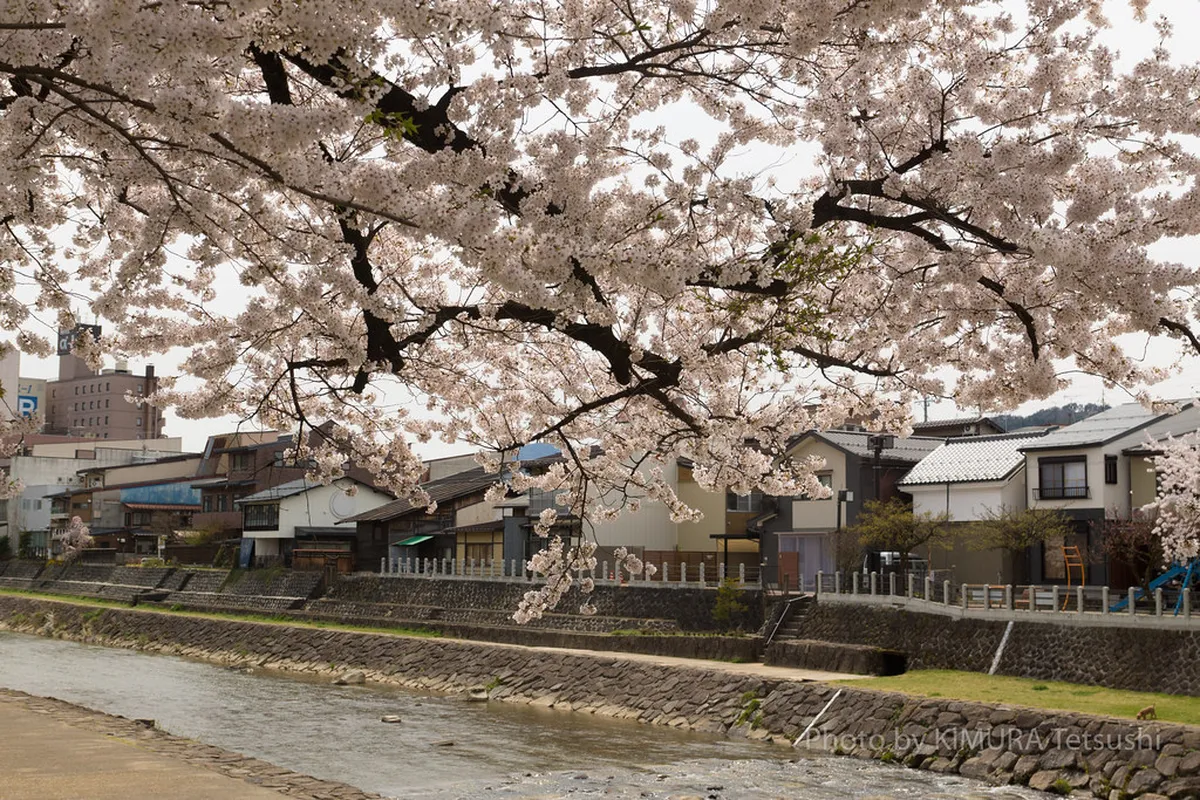
Shoulder windows — late May, June, and September — offer comfortable temperatures, lower prices, and thinner crowds. Summer (July–August) is warm and occasionally humid, but evenings cool quickly compared to Kyoto or Tokyo. Winter (December–February) averages -5°C / 23°F overnight and delivers deep, photogenic snow.
Many visitors come specifically to see the Takayama in Winter Snow: 10 Essential Experiences & Guide scenery. Off-peak months like January and February offer the best accommodation value in the calendar year.
Monthly Temperature and Precipitation Data
The table below gives average highs, lows, and the character of each month. Use it to match your packing list and decide whether crowd levels matter to you. These figures are based on JMA climatological normals maintained by Japan's official meteorological authority.
| Month | High °C/°F | Low °C/°F | Conditions | Crowd Level |
|---|---|---|---|---|
| January | 3 / 37 | -5 / 23 | Cold, snow cover likely | Low |
| February | 4 / 39 | -5 / 23 | Cold, cloudy, snow | Low |
| March | 9 / 48 | -2 / 28 | Warming, plum/late cherry | Moderate (late month) |
| April | 17 / 63 | 3 / 37 | Cherry blossoms, Spring Festival | Very High (14–15 Apr) |
| May | 22 / 72 | 9 / 48 | Fresh green, comfortable | Moderate |
| June | 25 / 77 | 14 / 57 | Rainy season starts late month | Low–Moderate |
| July | 29 / 84 | 19 / 66 | Hot, rainy season, great hiking | Low |
| August | 31 / 88 | 18 / 64 | Peak heat, Obon crowds mid-month | Moderate (Obon) |
| September | 26 / 79 | 16 / 61 | Sunny, thin crowds, early foliage | Low |
| October | 20 / 68 | 9 / 48 | Fall foliage, Autumn Festival | Very High (9–10 Oct) |
| November | 13 / 55 | 3 / 37 | Peak foliage early month | Low–Moderate |
| December | 6 / 43 | -2 / 28 | Snow begins, closures 29 Dec–3 Jan | Low |
Precipitation peaks during the summer rainy season (mid-June through July) and again during winter snowfall months. May and October are statistically the driest months, making them ideal for outdoor walking and photography.
Takayama's valley position means cold air drains off the surrounding mountains overnight and pools at street level until well after sunrise. Even on days forecasting 29°C, start mornings in a light layer — the temperature can feel 5–7°C colder before 09:00, especially at the morning markets that open at 07:00.
January is cold and quiet. Snow cover is likely and stays on the ground for days after a fall. Most visitors find the atmosphere peaceful — the morning markets still run, and ryokan rates sit at their annual low. Pack heat-tech underlayers and waterproof insulated boots. Many businesses close from December 29 through January 3 for the shogatsu New Year holiday.
February mirrors January in temperature and snow cover. Skies are often cloudy. The city is uncrowded, making it one of the most rewarding months for photographers who want Hida Folk Village's thatched roofs blanketed in snow without tour groups in the frame.
March sees temperatures begin to rise, but conditions vary day to day. Plum blossoms appear in early March; late-month cherry blossoms emerge toward month's end. Crowds build late in March — book accommodation by February if you plan to arrive after the 20th.
April brings cherry blossoms (peak usually April 10–20) and the Sanno Matsuri on April 14–15. This is the city's busiest window. Weather swings from cool to pleasantly warm. Book trains and ryokan at least four months ahead for festival dates. The second half of April is calmer and still beautiful.
May is one of the best months. Fresh green maple canopy, comfortable temperatures of 9–22°C / 48–72°F, and moderate crowds. The rainy season has not yet started. Late May is the sweet spot: school holidays are over, accommodation is available with reasonable notice, and the mountains are inviting for day hikes.
June starts sunny and warm. The rainy season typically arrives in the final week of the month. Even during tsuyu, it rarely rains all day — morning walks and afternoon museum visits usually work. June is underrated for budget travelers: prices sit well below the festival windows.
July is hot with the rainy season extending through the month. Afternoon highs reach 29°C / 84°F. Evenings cool significantly. July is excellent for hiking toward Kamikochi and Mount Norikura — alpine trails are fully open and crowds are lighter than August. Pack a folding umbrella for afternoon showers.
August is the peak of summer. The rainy season ends in early August and temperatures approach 31°C / 88°F. Evenings cool noticeably. The Obon holiday in mid-August brings domestic tourists, particularly to mountain hiking trails. Aim for the first or last week to avoid the Obon surge.
September is consistently sunny after the rainy season. Temperatures of 16–26°C / 61–79°F with thin crowds make this the most underrated month. Early foliage begins on high ridgelines above the city by late September. Most travelers skip September because there is no named festival — which is exactly what makes it rewarding.
October is one of the finest months. Warm, often sunny days with cool evenings. Fall foliage begins by late October. The Hachiman Matsuri on October 9–10 brings the same booking pressure as the spring festival — reserve ryokan and limited-express Hida trains at least three months out for those dates. Early October is also excellent for high-altitude hikes before mountain huts close.
November offers peak fall foliage in early month. The city is not crowded. Temperatures drop steadily — by month's end you'll feel the first hints of winter. A mid-weight fleece and windproof jacket are sufficient for most of November.
December turns cold quickly. Snow is possible from early in the month and often settles on rooftops by mid-December. The city is quiet except for a brief visitor spike in the days just before the New Year closure. Shops, restaurants, and morning markets shut from December 29 through January 3 — verify each venue's holiday hours before arrival.
Must-See Takayama Attractions and Seasonal Festivals
Weather directly controls what you can see and how you see it. The Takayama Old Town Sanmachi Suji: Complete Visitor Guide district is at its most photogenic in early morning light after overnight rain in autumn — the dark wooden facades glisten and the crowds have not yet arrived. Rainy days in June create a moody atmosphere that many photographers prefer.
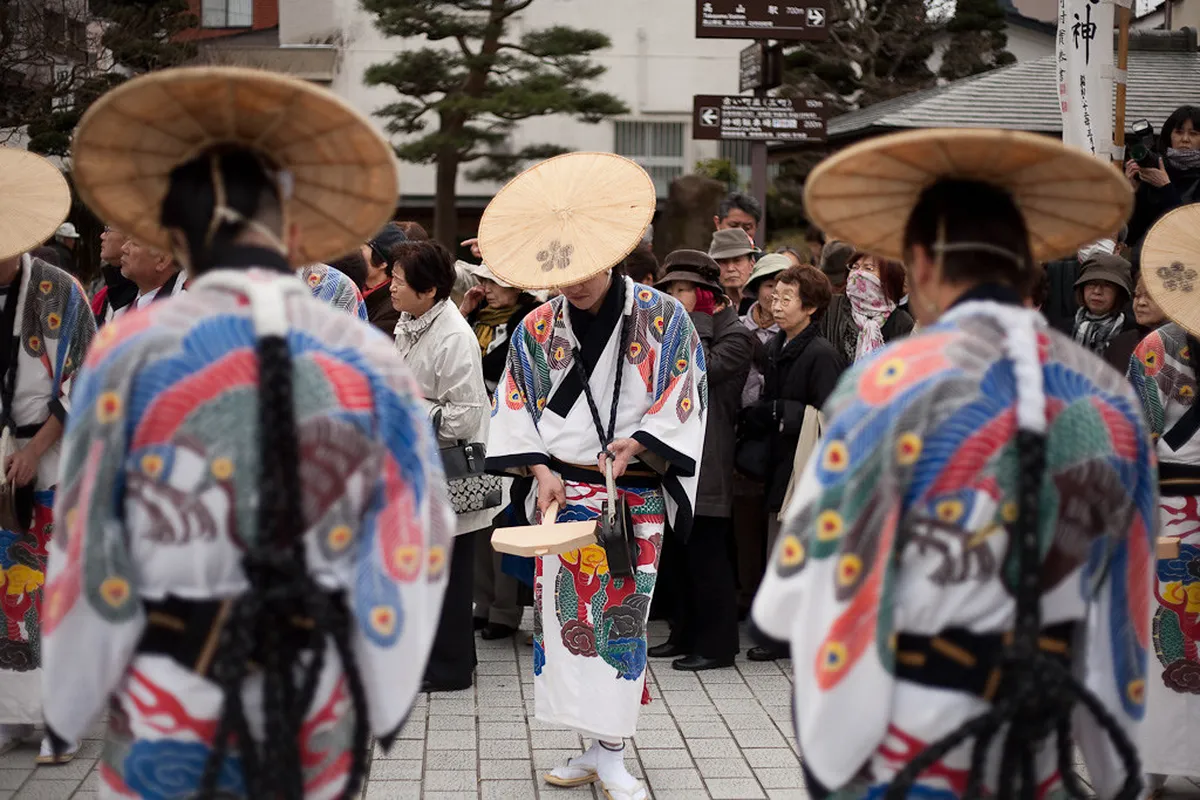
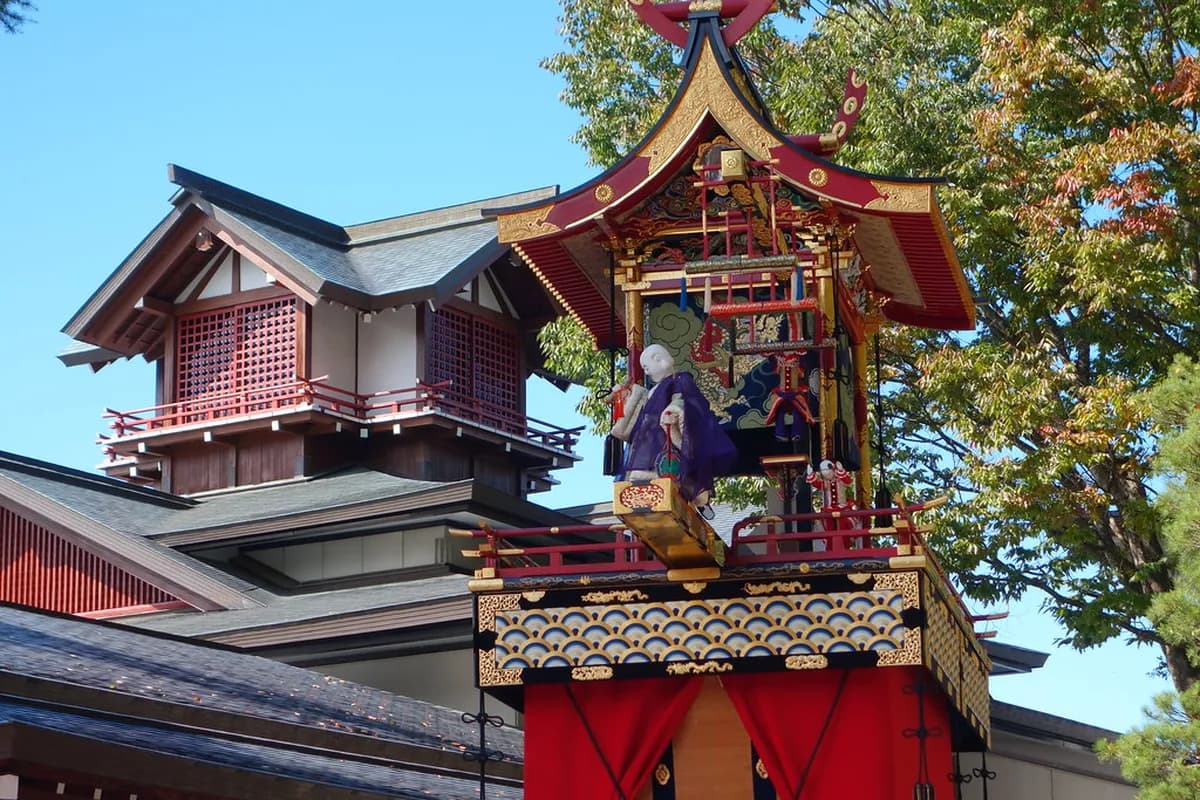
The Takayama Spring Festival 2026 Guide: 10 Essential Planning Tips notes that ornate yatai floats cannot be displayed if rain is forecast on April 14–15. Festival organizers make last-minute decisions based on hourly reports. Arriving a day early positions you for both the parade and the quieter procession route on the evening before.
The Autumn Hachiman Matsuri on October 9–10 follows the same rules. Clear, crisp evenings enhance the lantern processions through Sanmachi Suji. Temperatures drop sharply after sunset — bring a mid-weight layer even if the afternoon felt warm.
Parks, Gardens, and Outdoor Spots by Season
Shiroyama Park above the Old Town is the main cherry blossom destination in mid-April. The castle ruins trail offers views over the city when skies are clear, but the path becomes slippery after rain — wear grippy soles. By late May the park fills with fresh green maple canopy, and the crowds thin considerably compared to festival week.
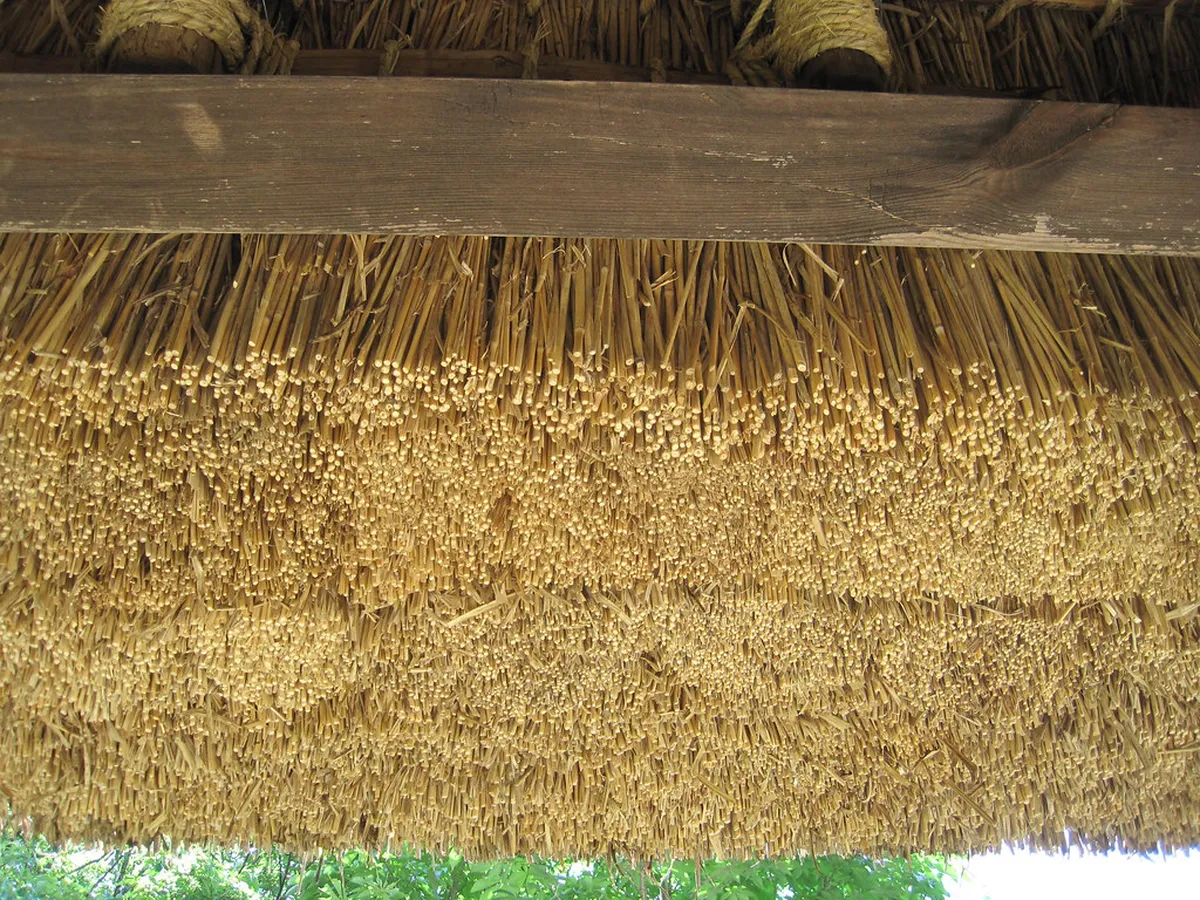
The Hida Folk Village (Hida no Sato) open-air museum is accessible year-round. Snow-covered thatched roofs in January and February are among the most photographed subjects in Gifu prefecture. Summer visits are comfortable because the village sits slightly elevated and benefits from shade trees. Allow two hours minimum and visit early morning to avoid tour groups.
Hiking in the Japanese Alps surrounding Takayama peaks in late July through early September. Trails toward Mount Norikura and the Kamikochi valley are fully open by mid-July. September is the sweet spot: fewer hikers than August, lower temperatures, and early foliage starting on high ridgelines by late month. Many mountain huts close by mid-October and alpine trails can carry snow from that point.
Museums, Art, and Culture (Best Rainy Day Activities)
Rainy season typically arrives in mid-June and lasts through July. Takayama offers several excellent indoor options. The Takayama Jinya — a restored Edo-period government building — provides a fascinating look at historical administration and requires about 90 minutes. It stays open regardless of weather and costs 440 yen.
The Hida Takayama Museum of Art houses European glass and furniture from the Art Nouveau and Art Deco periods — an unexpected contrast to the surrounding mountain town. It is climate-controlled and well-suited for a two-hour rainy afternoon. Local sake breweries on Sanmachi Suji also offer sheltered tasting experiences; most charge 500–1,000 yen for a three-cup flight.
For a structured rainy-day route, start at the Takayama Jinya when it opens at 08:45, walk to the Kusakabe Folk Museum by 11:00, have lunch in the covered arcade off Sanmachi Suji, and finish at the Festival Float Exhibition Hall (Yatai Kaikan), where the actual festival floats are stored year-round and displayed under roof. Use this Takayama Interactive Map to plan the walking order.
Family-Friendly and Budget-Friendly Options by Season
Winter (January–February) is the lowest-cost window. Ryokan rates drop 20–40% compared to festival weeks, and the morning markets still operate daily. Children enjoy the snow play areas near Hida Folk Village. Bring waterproof boots and heat-tech underlayers — the cold is manageable with proper gear but biting for underprepared visitors.
Summer is underrated for families with older children who want hiking. July evenings are cooler than any other major Japanese city, and the Hida highlands provide relief from coastal heat. Mid-August brings Obon holiday crowds and slightly higher prices, so aim for the first or last week of August instead.
Budget travelers should target November and early June. Accommodation prices sit between the shoulder-season and peak-festival rates. Restaurants and markets remain fully operational. The Ryokan in Takayama (2026) guide covers mid-range options that discount heavily in these windows — expect to pay 9,000–14,000 yen per person per night including dinner and breakfast, compared to 18,000–25,000 yen during festival weeks.
How to Plan a Smooth Takayama Trip (Weather Considerations)
Daylight hours in Takayama range from about 9.5 hours in December to 14.5 hours in June. Longer summer days allow for later hiking starts and evening market browsing. Winter visitors should plan morning activities first — most attractions are most accessible before midday, and mountain routes can ice over by mid-afternoon.
Buses to Shirakawa-go from Takayama run on a fixed schedule that does not adjust for weather. In winter, services can be delayed or cancelled after heavy snowfall. Check the Nohi Bus website the evening before departure and allow buffer time. The journey takes about 50 minutes under normal conditions.
One planning detail that catches many first-timers off guard: Takayama's valley position means cold air drains off the surrounding mountains overnight and pools at street level until well after sunrise. In summer, this can make 07:00 feel 5–7°C colder than the afternoon peak temperature — enough to make a light jacket essential when visiting the morning markets (Jinya-mae Asaichi and Miyagawa Asaichi open at 07:00). Even on a day forecasting 29°C / 84°F, start the morning in a layer you can shed by 10:00. This cold-air drainage effect also means fog is common before 09:00 during spring and early autumn — atmospheric for photography, but an extra hour's patience often transforms hazy shots into clear ones.
September is the overlooked month. Skies are consistently sunny after the rainy season ends, temperatures sit at 16–26°C / 61–79°F, crowds are at their annual low, and early foliage on the high ridges above the city makes day hikes unusually rewarding. Most travelers skip September because it lacks a named festival — which is precisely why it rewards those who know.
Check Hotel Availability: Peak Season vs. Off-Peak
Most businesses in Takayama close from December 29 through January 3 for the New Year holiday. If visiting during this window, verify each attraction's holiday hours independently — the morning markets, sake breweries, and most restaurants shut entirely for several days.
Two windows have near-zero availability if you book late: the Spring Festival (April 14–15) and the Autumn Festival (October 9–10). For festival dates, book ryokan and hotels a minimum of three to four months ahead. Trains from Nagoya also sell out — reserve the limited-express Hida service at the same time you book accommodation.
The New Year period from December 29 to January 3 is a second full-blackout window. Most local restaurants, shops, and the morning markets close entirely. Only temples and shrines remain open. If you plan to visit during this week, book by October and verify each attraction's holiday schedule independently — closures vary by property.
Off-peak availability is rarely a problem outside those three windows. Even during fall foliage peak in early November, a week's notice is usually sufficient. Use the Ryokan in Takayama (2026) guide to identify properties that hold rooms for last-minute bookings in low season.
Wind Speed and Climate Patterns
Cold winds from the Japanese Alps lower perceived temperature significantly in the Hida valley. Wind speeds peak in March, when gusts from the north can make a 9°C / 48°F afternoon feel closer to 3°C / 37°F. Secure light hats and wear a windproof outer shell during early spring visits. The Hida region's climate profile explains these mountain-driven patterns in detail.
Snow-bearing winds from the Sea of Japan reach Takayama frequently in January and February. These create the heavy, wet snow typical of Gifu prefecture — it sticks to tree branches and rooftops for days after a fall. Summer winds are milder, providing a welcome valley breeze that distinguishes Takayama evenings from humid lowland cities.
The mountain chill is most noticeable during summer evenings after 19:00. Afternoon highs of 31°C / 88°F can drop to 20°C / 68°F within two hours of sunset. Carry a mid-layer even on the hottest summer days — it is the single most common piece of packing advice that first-time summer visitors wish they had followed.
What to Pack for Takayama by Season
Layering is essential in every season. Morning temperatures in spring and autumn can be 10°C / 18°F cooler than the afternoon peak. Waterproof footwear is the single most useful item year-round — cobblestone streets in Sanmachi Suji are slippery in rain and ice.
| Season | Months | Essential Items |
|---|---|---|
| Spring | Mar–May | Packable rain jacket, light cardigan, walking shoes with grip, small umbrella |
| Summer | Jun–Aug | Breathable layers, light mid-layer for evenings, sunscreen, folding umbrella for rainy season |
| Autumn | Sep–Nov | Mid-weight fleece, windproof jacket, scarf for evenings, warm socks |
| Winter | Dec–Feb | Heat-tech underlayers, waterproof insulated jacket, non-slip boots, gloves, hand warmers |
Non-slip boot soles matter most in January and February when pavements outside the main Old Town are rarely gritted. Portable hand warmers (kairo) are sold at every convenience store in Takayama from October onward and cost about 100 yen per pair.
Frequently Asked Questions
When is the rainy season in Takayama?
The rainy season typically occurs from mid-June through July. Expect frequent showers and high humidity during this period. Indoor activities like museums are recommended.
Does it snow in Takayama in December?
Yes, snow usually begins to fall in mid-December. By late December, the city often has a steady snow cover. Temperatures frequently drop below freezing at night.
What is the best month for cherry blossoms?
Mid-April is the best time to see cherry blossoms in Takayama. This is later than Tokyo due to the higher elevation. The blooms often coincide with the Spring Festival.
Takayama offers a beautiful experience regardless of when you choose to visit. The key is matching your personal interests to the local climate patterns. Check Areas and Hotel Picks for Where to Stay in Takayama early if visiting in peak season.
Whether you want festival energy or quiet snowy streets, plan your layers well. The Hida region remains one of Japan's most atmospheric mountain destinations. Enjoy the unique weather and the timeless charm of this alpine city.
Pair this with our broader Takayama attractions guide for the full city overview.
Free: The Takayama Essentials guide
Top things to do, where to stay, a perfect day plan, getting around, and the best time to go — a Takayama mini-guide you can take offline.
You might also like


Continue reading
More guides you'll find useful