Takayama to Kyoto Travel Guide: 8 Essential Planning Steps
Master your Takayama to Kyoto journey with our guide to transport options, 5-day itineraries, and the best hidden stops like Nihonkai Sakana Machi.
On this page
The route from Takayama to Kyoto connects two of Japan's most historically layered cities. One is a mountain town where the Edo period feels genuinely preserved; the other is a former imperial capital with over 1,600 temples competing for your attention. Getting between them takes planning — transport options vary widely in cost, flexibility, and what you can see along the way.
This guide covers every major decision: how to travel, what to do in each city, which stops to add, and what to book in advance. All pricing and schedules reflect 2026 conditions. Using this Takayama Interactive Map alongside this guide will help you lock in a route that fits your pace and budget.
Best Ways to Travel from Takayama to Kyoto (Train vs. Bus vs. Car)
Quick answer: Train is fastest and most reliable. Car unlocks the best detours. Bus is cheapest for solo travelers. All three are practical — the right choice depends on your group size and which stops matter to you.
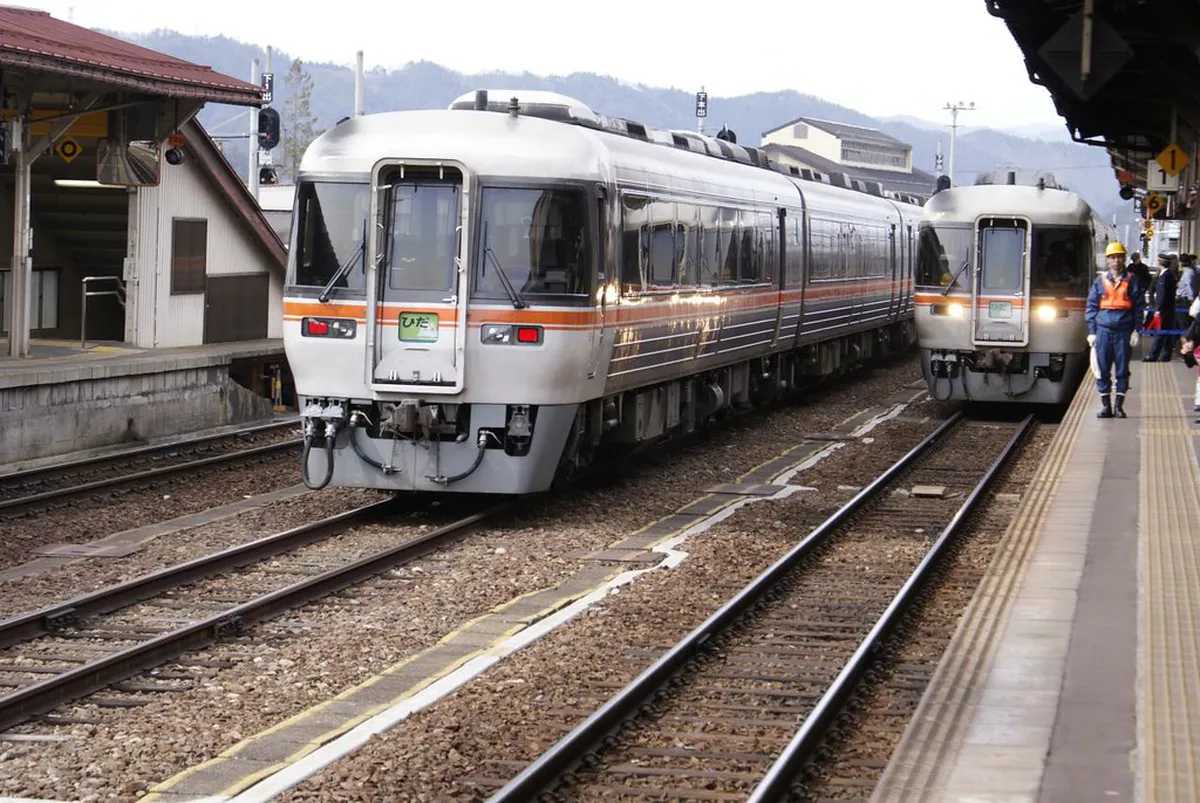
The standard train route uses the JR Hida Wide View Express from Takayama to Nagoya (about 2 hours 30 minutes, 5,520 JPY), then the JR Tokaido Shinkansen from Nagoya to Kyoto (about 35 minutes, 5,640 JPY). Total: roughly 3 hours 15 minutes and 11,160 JPY one-way. Seats on the Hida fill up during Golden Week and the New Year period — reserve in advance. Sit on the right side (facing Nagoya) for the best Hida River views.
Highway buses run direct Takayama–Kyoto service via Nohi Bus. Journey time is around 4.5 hours and tickets cost approximately 5,000–6,000 JPY. Buses are clean and punctual but miss the mountain scenery the train provides. Good option for solo travelers who want to save money and don't plan side detours.
Driving the Chubu-Jukan Expressway takes about 3 hours 14 minutes for the 261 km distance under normal traffic, plus 5,500–7,000 JPY in tolls. The real advantage of a car is access to Gujo Hachiman, Gero Onsen, and Shirakawa-go — none of which sit conveniently on the train line. Parking in Kyoto is expensive (2,000–3,000 JPY per day at central garages) and the city centre is genuinely hostile to cars. Most drivers park at a Kyoto suburb station and take the subway in.
Reserve your Hida Wide View Express seat when you book accommodation — the train runs approximately once per hour and the scenic right-side window seats (facing Nagoya) sell out first in spring and autumn. At Nagoya Station, allow at least 30 minutes to transfer between the Hida arrival platforms and the Shinkansen gates.
| Method | Time | Cost (per person) | Key trade-off |
|---|---|---|---|
| Train (Hida + Shinkansen) | ~3 hrs 15 min | ~11,160 JPY | Scenic, JR Pass eligible, no detour flexibility |
| Highway Bus | ~4.5 hrs | ~5,000–6,000 JPY | Cheapest, fewer departure times, limited scenery |
| Rental Car | ~3 hrs 14 min + stops | ~7,000–10,000 JPY (tolls + fuel) | Maximum detour access, parking costly in Kyoto |
Recommended Takayama to Kyoto Itinerary (5–10 Days)
Five days is the minimum to see the major highlights without rushing. Seven to ten days allows for Shirakawa-go, Kanazawa, and a slower pace in Kyoto's quieter neighbourhoods. Below is a practical five-day baseline you can expand.
- Day 1 — Takayama Old Town: Sanmachi Suji heritage walk from 9:00. Takayama Jinya government house tour after lunch. Hida beef dinner in the evening. Budget 440 JPY per museum entry.
- Day 2 — Markets and Folk Village: Miyagawa Morning Market from 8:00. Hida Folk Village in the afternoon (700 JPY entry). Local sake brewery tasting at 17:00. The Sarubobo community bus connects the key stops.
- Day 3 — Transit via Gero Onsen: Take the 10:00 Hida Express south. Stop in Gero Onsen for a riverside foot bath or a 90-minute soak at one of the public bathhouses (500–800 JPY). Continue to Nagoya, transfer to the Shinkansen, arrive Kyoto by 18:00.
- Day 4 — Southern and Eastern Kyoto: Fushimi Inari Taisha gates from 7:30 before the crowds arrive. Kiyomizu-dera by midday (500 JPY entry). Gion district walk at dusk.
- Day 5 — Western Kyoto: Arashiyama Bamboo Grove from 8:30. Kinkaku-ji Golden Pavilion in the afternoon (500 JPY entry). Dinner on Pontocho Alley.
For a 7-day version, add Shirakawa-go from Takayama on Day 2 afternoon (50-minute bus, advance booking essential) and a half-day in Kanazawa before Kyoto. Our Takayama Itinerary for First-Timers covers the Hida days in more detail.
Top Road Trip Stops: From Gero Onsen to Hikone Castle
Drivers on this route have genuine options that train travelers miss entirely. Gero Onsen is the most obvious stop — it sits roughly halfway to Nagoya and is one of Japan's three great hot spring towns. The riverside public baths cost 500 JPY and take under an hour. It makes an excellent midmorning break if you leave Takayama early.
Seafood lovers should consider the northern coastal detour through Fukui prefecture. Nihonkai Sakana Machi, a large fish market near the Sea of Japan, is one of the best lunch stops on any route through the Chubu region. You can eat fresh crab bowls, grilled sea urchin, and local yellowtail at prices well below what you would pay at a restaurant in Kyoto or Osaka. The market is about 90 minutes northwest of Takayama and adds roughly two hours to the total drive — worth it for serious seafood travelers.
Gujo Hachiman deserves a stop if you have a car. The castle town sits 90 minutes south of Takayama on the Chubu-Jukan Expressway and is famous for its Obon dance festival (held nightly through August) and crystal-clear Yoshida River. Local soba noodles here are a genuine upgrade over highway rest-area food. Train travelers can reach Gujo Hachiman by Nagaragawa Railway from Mino-Ota, but it requires a time-consuming detour that most itineraries can't absorb.
Hikone Castle, on the eastern shore of Lake Biwa, is the most convenient final detour before Kyoto. Unlike most Japanese castles, this one is original — it survived the feudal period without being bombed or reconstructed in concrete. Entry costs 800 JPY and the climb takes 15 minutes. It sits less than an hour east of Kyoto, making it an easy afternoon stop before checking in. Shirakawa-go is accessible from Takayama by bus (50 minutes, 2,470 JPY one-way) and can be combined with a Kanazawa stop on a longer route — book bus seats in advance on the Nohi Bus website, as this route sells out weeks ahead during foliage season and winter illumination events.
Must-See Takayama Attractions Before Your Departure
The old town core — Sanmachi Suji — is the reason most visitors come to Takayama. Three streets of preserved Edo-period merchant houses hold sake breweries, miso shops, and craft galleries. Get there by 9:00 and you will have an hour before the tour groups arrive. By 11:00 the lanes are crowded and prices at the stalls climb. Read the 10 Essential Things to Know About Takayama Morning Markets before your visit — the Miyagawa market, open daily from 8:00 to noon, is a different experience from Sanmachi and worth an early morning separately.
Hida beef is the local product no visitor should skip. It is a certified regional wagyu with a fat-to-lean ratio comparable to Kobe beef but produced in smaller quantities. Lunch sets in the old town cost 2,500–4,500 JPY for a skewer or sushi set; full dinner courses run 12,000–25,000 JPY. See our Hida Beef Experiences in Takayama guide for current restaurant recommendations.
The Takayama Jinya is the only intact pre-modern government office remaining in Japan. Entry costs 440 JPY. The afternoon light through the garden is particularly good. Full details are in our 6 Essential Tips for Your Takayama Jinya Guide. If time allows, add the Higashiyama Teramachi temple walk — a 3 km loop through 13 temples and shrines on the eastern hill. Compared with Kyoto's Higashiyama district, this walk is entirely uncommercialized: no souvenir stalls, no entry queues, and genuine neighbourhood silence between 8:00 and 10:00. It functions as a useful preview of Kyoto's temple culture at a fraction of the crowd density you will encounter later.
Exploring Kyoto: Key Districts and First-Day Highlights
Kyoto rewards a district-by-district approach. Trying to cross the city repeatedly to hit famous sites in ranking order leads to fatigue without depth. On your first day, anchor in the southeast — Fushimi Inari Taisha and the Higashiyama district contain the densest concentration of high-value sites per transit minute.
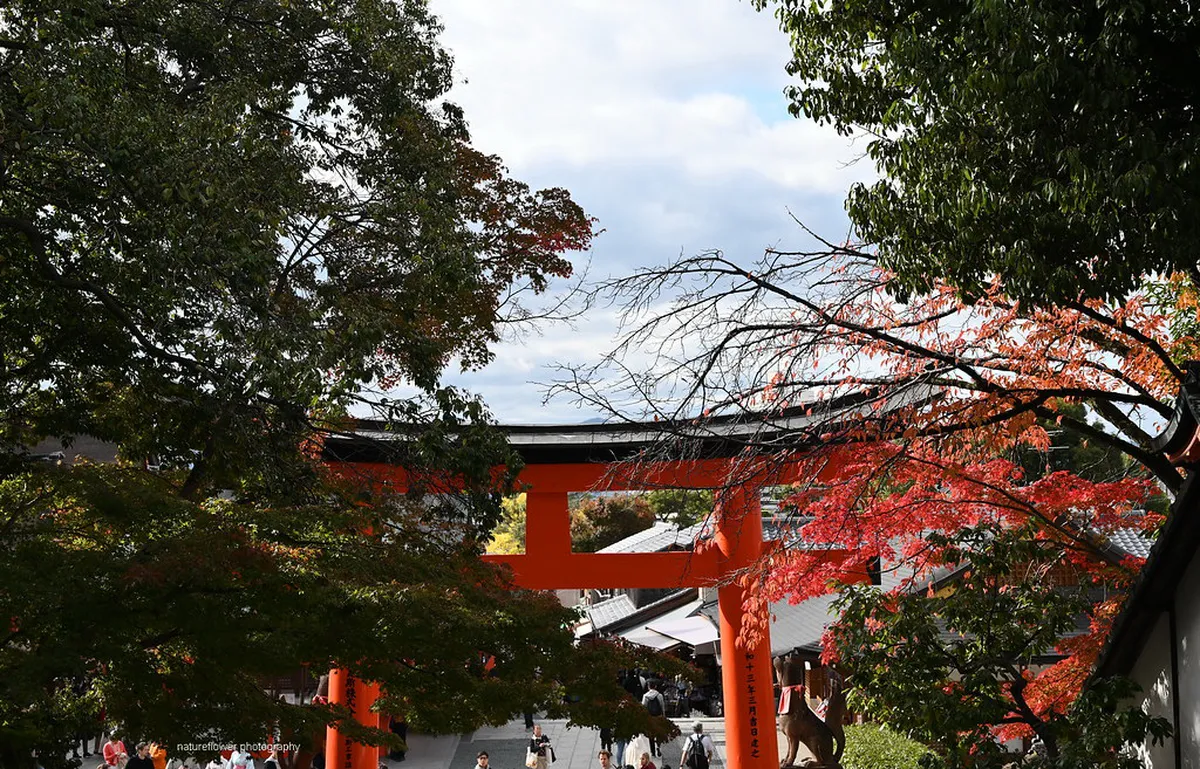
Fushimi Inari is free and open 24 hours. Arrive before 8:00 to walk the lower torii gate tunnels in relative quiet. The full hike to the summit takes about 2 hours; most travelers turn back after the first ridge, which takes 30–40 minutes and captures the best photography angles. Kiyomizu-dera is 15 minutes north by bus and opens at 06:00. The hillside platform view over Kyoto costs 500 JPY entry.
Western Kyoto — Arashiyama — is best tackled on a separate day. The Bamboo Grove walk along the main path takes under 20 minutes; the crowds can be dense by 10:00. Kinkaku-ji is nearby and self-contained (500 JPY, no interior access). The JR Sagano Line train connects Arashiyama to Kyoto Station efficiently. A daily bus pass (700 JPY) covers most intra-city movement and saves money over individual fares on a full day of sightseeing.
The Nijo Castle Official Site allows digital ticket purchase in advance. Nijo is worth a half-morning for its painted sliding doors and the famous nightingale floors that creak under every step — a deliberate security feature. It closes on Tuesdays in January, July, and August.
Essential Logistics: JR Pass, Luggage Forwarding, and Timing
The Japan Rail Pass covers the Hida Wide View Express and the Tokaido Shinkansen (non-reserved seats). For the Takayama–Kyoto one-way journey, you spend approximately 11,160 JPY without the pass. The 7-day JR Pass costs around 50,000 JPY. It only pays off if your full Japan trip includes Tokyo–Kyoto, Kyoto–Hiroshima, or similar long-haul Shinkansen segments. If you are doing only the Chubu and Kansai region, buy individual tickets.
Luggage forwarding (takkyubin) is worth using between Takayama and Kyoto. Most ryokan and larger hotels offer this as a service. You drop your bags the evening before departure, and they arrive at your next hotel by 16:00 the following day. Cost is typically 1,500–2,500 JPY per bag depending on size. Traveling with a day-pack only through the Hida Wide View Express is significantly more comfortable than managing large suitcases in the overhead racks.
One angle most planning guides overlook: if your itinerary focuses entirely on the Chubu and Kansai regions — Takayama, Kyoto, Osaka, Nara — without a Tokyo leg, consider flying into Chubu Centrair International Airport (NGO) near Nagoya rather than into Tokyo. The airport sits 30 minutes from Nagoya Station by meitetsu express train. From there, the Hida Wide View Express to Takayama departs directly. Compared to flying into Narita and taking the Shinkansen to Nagoya first, using Centrair can eliminate 2–3 hours of transit in each direction and removes the need to backtrack through Tokyo entirely. International flights serve Centrair from major Asian hubs, and the airport's single terminal is compact and stress-free on arrival.
Timing matters for the Hida Express specifically. Reserve your seat when you book accommodation — the train runs approximately once per hour and the scenic right-side window seats sell out first in spring and autumn. For Nagoya station transfers, allow 30 minutes minimum: the station is one of Japan's largest and the Shinkansen platforms are a significant walk from the Hida arrival platforms. Check the Tokyo to Kyoto Transport Guide for general shinkansen booking tips that apply equally to the Nagoya–Kyoto leg.
Accommodation Guide: Where to Stay in Takayama and Kyoto
In Takayama, staying within walking distance of the old town is worth paying a premium for. The streets are quiet after 20:00 and genuinely atmospheric — you lose that if you are commuting from a business hotel near the station. Ryokan in the Sanmachi area book out 2–3 months in advance during the Takayama Spring Festival (mid-April) and Autumn Festival (early October). Check our guide to ryokan in Takayama for vetted options across budget levels. Western-style hotels near the station work well for a transit-focused stay where you are moving on early the next morning.
In Kyoto, the choice of base determines your daily transport spend. Central Kyoto (Karasuma subway corridor) puts you 15 minutes from both the Arashiyama and Higashiyama districts by bus. East Kyoto (near Gion or Higashiyama-ku) reduces walking to the most-visited temple district but increases the commute to western sites. Avoid staying in Fushimi — it is a 30-minute subway ride from the main cluster of sights and gains you nothing except proximity to the Fushimi sake district.
Booking windows are the single most common planning mistake on this route. Cherry blossom season (late March to mid-April) and autumn foliage (late November) are the two peaks — for either window, book at least four months in advance. Mid-range rooms priced at 10,000–15,000 JPY per night disappear first; budget guesthouses and high-end ryokan stay available slightly longer. For flexible travel, look for properties with free cancellation up to 48 hours before arrival — Kyoto has many, particularly in the Karasuma and Shijo corridor. If your dates are firm, book non-refundable rates for savings of 15–25%.
Mountain Road Warning: Winter Driving Between Gifu and Kyoto
The Hida mountains receive 2–4 metres of snowfall between December and early March. Most Japanese rental car companies prohibit chains on their standard fleet — you must specifically request a winter-tire vehicle. The Nohi Bus route to Shirakawa-go also closes periodically due to avalanche risk. Train travelers have a clear advantage in winter.
Every general guide covers the Takayama–Kyoto road trip as a four-season option. It is not. The Hida mountains between Takayama and Gujo Hachiman receive 2–4 metres of snowfall between December and early March. The Nohi Bus route to Shirakawa-go closes periodically due to avalanche risk, and some mountain expressway sections require snow chains or studded tires. Most Japanese rental car companies in this region prohibit chains on their standard fleet — you need to specifically request a winter-tire vehicle.
If you are driving this route between late November and March, confirm road conditions at the Gifu Prefectural Road Information Center before departure (information is available in Japanese on the prefectural road website; Google Translate works adequately). The Chubu-Jukan Expressway itself stays open in most conditions, but the local roads between Takayama and Shirakawa-go are not maintained to the same standard. Build in a weather contingency day or plan the transit leg by train if your dates fall in this window. The winter illumination at Shirakawa-go is spectacular — but the access logistics require more preparation than summer visitors typically expect. Train travelers have a clear advantage in winter: the Hida Wide View Express runs on schedule through conditions that would close the mountain roads entirely.
Frequently Asked Questions
How long is the drive from Takayama to Kyoto?
The drive typically takes 3.5 to 4 hours via the Chubu-Jukan and Meishin Expressways. This does not include stops for lunch or sightseeing. Expect to pay around 6,000 JPY in highway tolls.
Is the JR Pass worth it for the Takayama to Kyoto route?
It depends on your total Japan itinerary. For just this one-way trip, the pass is not cost-effective. However, it is worth it if you are also visiting Tokyo and Hiroshima.
What is the best stop for lunch between Takayama and Kyoto?
Nihonkai Sakana Machi is the best stop for seafood lovers. If you prefer traditional towns, Gujo Hachiman offers great local soba noodles. Both are accessible by car or bus.
The Takayama to Kyoto route works best when you choose your transport method based on where you want to stop, not just how fast you want to arrive. Train travelers get reliability and scenery. Drivers get access to Gero Onsen, Gujo Hachiman, and Hikone Castle. Either way, the contrast between the Hida highlands and Kyoto's temple-dense lowlands remains one of the most rewarding itineraries in Japan.
Book your Hida Express seats and Kyoto accommodation early — these are the two bottlenecks that derail otherwise well-planned trips. The rest of the logistics fall into place once those are confirmed.
Free: The Takayama Essentials guide
Top things to do, where to stay, a perfect day plan, getting around, and the best time to go — a Takayama mini-guide you can take offline.
You might also like


Continue reading
More guides you'll find useful