
10 Matsumoto Hidden Gems and Local Travel Tips (2026)
Discover the best matsumoto hidden gems including the Crow Castle, 150-year-old miso breweries, and alpine day trips. Plan your trip with local transport tips.
On this page
I have spent years exploring the rugged corners of the Japanese Alps, and Matsumoto remains my favorite mountain base. While crowds swarm the streets of Kyoto, this castle town offers a refreshing breath of crisp alpine air and authentic history. I recently returned from a spring scouting trip to ensure these recommendations are current for the 2026 travel season.
This guide was last refreshed in October 2024 to reflect the latest entry rules and local transport schedules. You will find that Matsumoto balances its samurai heritage with a vibrant, modern art scene that many travelers overlook. Following a comprehensive Matsumoto itinerary allows you to see the icons and the secrets in just two days.
Is Matsumoto Worth Visiting?
Many travelers wonder if adding a stop in Nagano Prefecture is worth the detour from the main Tokyo-Osaka corridor. Matsumoto serves as a less crowded area of Japan that retains a distinct, small-town feel despite its historic importance. The city is perfectly positioned for those who want to experience the Japanese Alps without the intense hiking requirements.
One of the biggest draws is the lack of overwhelming tourist density found in the Shinjuku or Gion districts. You can walk between major sights easily, enjoying the view of snow-capped peaks framing every street corner. Deciding Is 2 Days Enough In Matsumoto Travel Guide depends on your interest in regional day trips like Kamikochi.
The local food culture is another reason to visit, especially for fans of buckwheat noodles and fermented specialties. I once sat in a tiny soba shop for an hour just watching the master hand-cut the dough with rhythmic precision. These slow-travel moments are exactly what make this city a standout destination for repeat visitors to Japan.
10 Matsumoto Hidden Gems and Local Travel Tips (2026)
Exploring these sites requires a mix of walking and using the convenient Town Sneaker bus system. I recommend starting early at the castle to beat the mid-morning tour groups that arrive from Nagano. You can find a variety of Matsumoto activities that range from guided history walks to hands-on craft workshops.
While the castle is the main draw, the surrounding merchant streets offer a glimpse into the city's Edo-period soul. Be sure to check the 8 Best Things to Eat in Matsumoto for the best places to try local horse meat or wasabi-infused snacks. Many of these locations have limited hours on Mondays, so plan your weekend visits with extra care.
The city also hosts a fantastic new Matsumoto City Museum that provides deep context for the local samurai history. If you are hunting for the 7 Best Soba Experiences in Matsumoto, look for the small shops tucked into the Nakamachi side alleys. Prices for most local attractions have remained stable for 2026, though some small increases for castle maintenance are expected.
- Matsumoto Castle (The Crow Castle)
- This National Treasure is one of Japan's premier original castles and is famous for its striking black wooden exterior.
- Adult entry costs 700 JPY and the gates are open daily from 8:30 am until 5:00 pm.
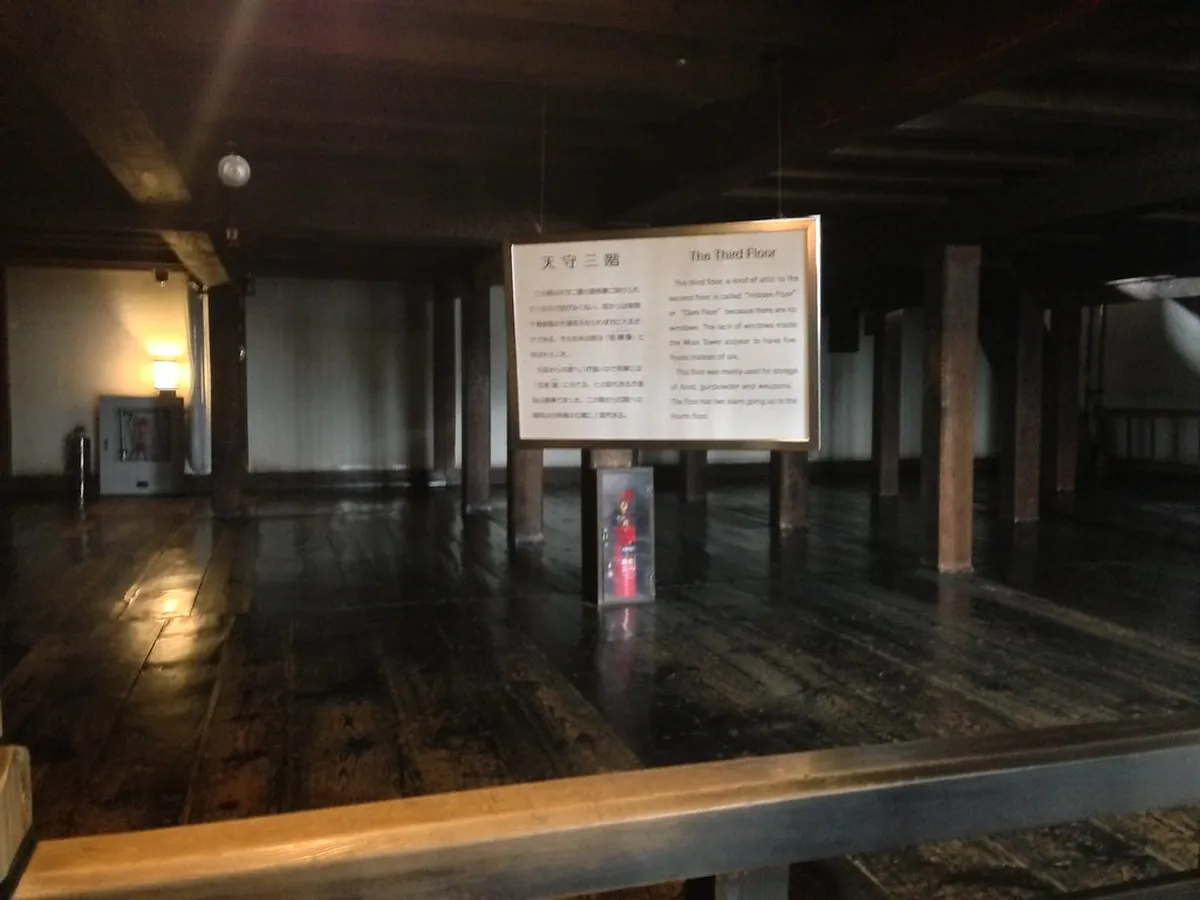
- Look for the hidden 6th floor which is completely invisible from the outside to trick historical invaders.
- I recommend visiting during the early morning to see the black walls reflected perfectly in the surrounding moat water.
- Ishii Miso Brewery (150-Year-Old Traditions)
- This family-run brewery has produced natural miso in cedar kegs for over a century and a half.
- Tours are generally free and the shop is open from 10:00 am to 5:00 pm most days.
- The miso ice cream is a surprising local treat that perfectly balances salty and sweet flavors.
- You should try the three-year-aged miso soup in the onsite restaurant for a truly deep, earthy flavor profile.
- Nakamachi Street (The White-Walled Merchant District)
- This historic street features traditional storehouses known as kura with distinctive black-and-white crisscross wall patterns.
- Most shops open around 10:00 am and close by 6:00 pm, making it a perfect afternoon stroll.
- The area is free to explore and contains dozens of small craft shops and hidden cafes.
- Keep an eye out for the Kurassic Hall, which often hosts local art exhibits inside a restored warehouse.
- Nawate-dori (The Famous Frog Street)
- This riverside pedestrian path is dedicated to frogs and lined with small stalls selling snacks and antiques.
- Stalls typically operate from 9:30 am to 5:30 pm depending on the weather and the season.
- It is a free public street located just a few minutes from the main castle entrance.
- Try the taiyaki (fish-shaped cake) filled with local azuki beans while you photograph the various frog statues.
- Matsumoto City Museum of Art (Yayoi Kusama)
- This vibrant gallery celebrates the work of world-renowned artist Yayoi Kusama, who was born in this city.
- Admission for the permanent collection is 410 JPY and it is open 9:00 am to 5:00 pm, closed Mondays.
- The giant polka-dot tulip sculptures outside are a popular spot for photos and are free to view.
- You can find exclusive Kusama-themed merchandise in the museum gift shop that is difficult to find elsewhere in Japan.
- Agatanomori Park (The Local's Nature Escape)
- This expansive green space was once a high school campus and now serves as a peaceful community park.
- The park is free to enter and remains open 24 hours a day for walking and relaxation.
- It is located at the end of the main city bus line about 15 minutes from the station.
- Visit the old wooden school building on the grounds to see beautiful Meiji-era architecture and quiet courtyards.
- Daio Wasabi Farm (Crystal Clear Alpine Water)
- This is one of Japan's largest wasabi farms and features iconic water wheels and walking trails.
- Entry to the farm is free and it opens daily from 9:00 am to 5:15 pm during peak season.
- The farm is located in nearby Azumino, which is a short 15-minute train ride from Matsumoto station.
- I suggest taking a clear-bottom boat tour on the river to see the incredibly pure water that feeds the plants.
- Norikura Kogen (Highland Waterfalls and Hiking)
- This alpine plateau offers stunning views of Mount Norikura and several massive, thundering waterfalls.
- Access to the hiking trails is free, though the bus from the city costs around 2,500 JPY round-trip.
- The area is best visited from late spring through autumn when the snow has cleared from the paths.
- The Zengoro Falls viewpoint is only a short walk from the bus stop and offers a great reward for little effort.
- Yama-ya Candy Shop (Traditional Sugar Crafts)
- This historic shop has been making traditional Japanese candies using rice malt for over 150 years.
- Typical candy bags cost between 500 and 1,000 JPY and the shop opens from 9:00 am to 6:00 pm.
- It is located near the Nakamachi district and retains its original wooden storefront and atmosphere.
- The 'mizu-ame' liquid candy is a local favorite that has been produced using the same recipe since the Edo period.
- Former Kaichi School (Meiji Era Architecture)
- This building is a National Treasure and represents a unique fusion of Western and Japanese architectural styles.
- Entry is 400 JPY for adults and the museum is open from 9:00 am to 5:00 pm daily.
- It sits about a 10-minute walk north of the castle in a quiet residential neighborhood.
- The intricate wood carvings above the main entrance depict angels and traditional Japanese motifs in a rare artistic blend.
Nagano or Matsumoto: Which Should You Choose?
Travelers often struggle to decide between staying in Nagano City or making the trip further south to Matsumoto. Nagano is the spiritual heart of the region, anchored by the massive Zenko-ji Temple and its bustling pilgrim streets. If you prefer deep religious history and a larger city feel, Nagano might be your preferred base for a few nights.
Matsumoto offers a more intimate atmosphere with its focus on samurai culture and the arts. The city feels more connected to the mountains, providing a better gateway for those heading into the Northern Alps. History buffs usually prefer the original castle here over the reconstructed structures found in many other Japanese cities.
Logistically, Nagano is a major Shinkansen stop, making it easier to reach from Tokyo in under 90 minutes. Matsumoto requires a slightly longer journey but rewards you with a more walkable downtown area and unique local crafts. Many visitors find that spending one night in each city provides the most balanced experience of the prefecture.
Getting to Matsumoto: Transport Trade-offs
The most popular way to reach the city is the Limited Express Azusa train departing from Shinjuku Station. This journey takes approximately 2.5 to 3 hours and offers beautiful views of Mount Fuji on clear days. You can learn How to Get to Matsumoto from Tokyo: 9 Essential Travel Tips efficiently by booking tickets in advance.
Budget-conscious travelers should consider the Highway Bus, which costs about half the price of the express train. While the bus takes roughly 3.5 hours, the seats are comfortable and the route includes scenic mountain passes. The JR Pass covers the Azusa train, making it the best value for those with an active national rail pass.
Once you arrive, the city is very easy to navigate on foot or by using the local rental bicycle program. The 'Town Sneaker' buses run on four circular routes and cost only 200 JPY per ride for adults. I recommend buying the one-day pass if you plan on visiting the Art Museum and the Kaichi School in one day.
Day Trips from Matsumoto: Narai-juku, Kamikochi and Snow Monkeys
Matsumoto sits in the middle of the Nagano mountains, so it works well as a base for longer outings. Daio Wasabi Farm and Norikura Kogen are covered above. These three trips need a full day each.
Narai-juku (Nakasendo post town)
Narai-juku is a preserved Edo-period post town on the old Nakasendo road, with a wooden-fronted main street about a kilometer long. Take the JR Chuo Line from Matsumoto to Narai, usually with a change at Shiojiri. Allow about an hour each way. Trains run roughly hourly, so check the return time before you wander. Half a day is enough. The street is free to walk, and a few small museums and craft shops charge a modest entry fee.
Kamikochi
Kamikochi is a flat riverside valley beneath the Hotaka peaks. It is the easiest way to see the Northern Alps without serious climbing. Direct buses leave from Matsumoto Bus Terminal and take about 1.5 hours each way. The valley is generally open from mid-April to mid-November, and autumn color peaks in October. Book the bus early on weekends. Most people walk the level path from Taisho Pond to Kappa Bridge, which takes about an hour.
Jigokudani Snow Monkey Park
The monkeys are the main draw from December to March. The trip is long: take the Limited Express Shinano to Nagano (about 50 minutes), then the Nagaden train to Yudanaka and a short bus ride. The last stretch is a 30-minute forest walk. Wear waterproof boots, because the path can be icy. Count on 3 to 4 hours each way from Matsumoto if you want to be back for dinner. If you are short on time, stay a night in Nagano on the way and pair the monkeys with Zenko-ji Temple.
| Trip | Best season | Approx. time from Matsumoto |
|---|---|---|
| Narai-juku | Spring to autumn | About 1 hour each way |
| Kamikochi | Mid-April to mid-November | About 1.5 hours each way |
| Snow Monkey Park | December to March | About 3 hours each way |
What to Skip in Matsumoto
While most of the city is delightful, I suggest skipping the generic souvenir shops located directly inside the train station. These shops often carry mass-produced items that lack the charm of the handmade goods found on Nakamachi Street. You will find better prices and more unique gifts by walking just ten minutes into the historic city center.
I also recommend avoiding the castle during the peak hours of 11:00 am to 2:00 pm on holiday weekends. The wait times to climb the steep internal stairs can exceed two hours during the cherry blossom season. The experience is much more enjoyable if you arrive right when the gates open at 8:30 am.
Generic western-style chain restaurants near the station also tend to under-deliver compared to local izakayas. Matsumoto has a thriving independent food scene that is worth the extra few minutes of walking to find. Stick to the local specialties like sanzuyaki (fried chicken) or soba to get the most out of your visit.
Matsumoto with Kids: Practical Planning
Traveling to 10 Best Things to Do in Matsumoto with Kids requires some specific preparation, especially regarding the castle's interior. The stairs inside the keep are incredibly steep and can be slippery for small children or those carrying toddlers. I recommend wearing socks with good grip, as shoes must be removed before entering the wooden structure.
Agatanomori Park is a fantastic place for children to run around and burn off energy between museum visits. The wide open lawns and ponds provide a safe environment that is far away from heavy city traffic. You can also find several family-friendly bakeries nearby that sell 'frog-shaped' breads and other fun treats.
The interactive exhibits at the City Museum of Art are often a hit with older children and teenagers. Kusama's bright colors and repetitive patterns tend to engage young minds more than traditional historical displays. Always check for family-sized rooms in local hotels, as many business hotels in the area are quite small.
Frequently Asked Questions
Is Matsumoto worth visiting?
Yes, Matsumoto is absolutely worth visiting for its original samurai castle and vibrant art scene. It offers a much more relaxed atmosphere than Tokyo or Kyoto. You can easily see the main sights in one or two days.
How much time should you plan for Matsumoto?
Two days is the ideal amount of time to explore the city center and one regional attraction. This allows you to see the castle, the art museum, and the historic merchant streets at a comfortable pace. Many travelers use it as a base for longer alpine trips.
Is Matsumoto castle original?
Matsumoto Castle is one of only twelve original keeps remaining in Japan, meaning it was not destroyed or rebuilt. Its wooden interiors and steep stairs date back over 400 years. This makes it a significant National Treasure for history enthusiasts.
Matsumoto is a rare Japanese city that manages to feel both historically significant and refreshingly modern. Whether you are climbing the steep stairs of the Crow Castle or eating miso ice cream, the city leaves a lasting impression. I hope this guide helps you find the hidden gems that make this alpine gateway so special.
Remember to book your transport in advance during peak seasons to ensure a smooth journey into the mountains. The crisp air and friendly locals are waiting to welcome you to the heart of Nagano Prefecture. Safe travels as you explore the best of what Matsumoto has to offer in 2026.
Free: The Matsumoto Essentials guide
Top things to do, where to stay, a perfect day plan, getting around, and the best time to go — a Matsumoto mini-guide you can take offline.
You might also like


Continue reading
More guides you'll find useful


