Matsumoto Travel Tips: 10 Essential Things to Know
Plan your trip with these expert Matsumoto travel tips. Covers transport from Tokyo, top attractions like the Crow Castle, and unique local art insights.
On this page
Matsumoto is a stunning city nestled in the Japanese Alps that offers a perfect mix of historic sites and modern art. Many travelers visit for the famous black castle but stay for the vibrant streets and mountain views. This guide provides essential matsumoto travel tips to help you navigate the city like a seasoned local.
The city serves as a vital gateway to the northern Alps and provides a more relaxed pace than Tokyo. You will find incredible food, unique museums, and charming shopping streets within walking distance of the station. Planning your logistics ahead of time ensures you maximize every moment in this cultural hub.
From the polka-dot buses to the historic samurai districts, there is something here for every type of explorer. Whether you are a solo backpacker or traveling with family, these tips cover everything you need for a smooth journey. Let us dive into the best ways to experience this alpine treasure.
Is Matsumoto worth visiting?
Travelers often wonder if they should add this city to their busy Japan itinerary. Matsumoto stands out because it balances a deep sense of history with a thriving contemporary art scene. The iconic Matsumoto Castle is one of only twelve original castles remaining in the country today.
Nature lovers will appreciate the dramatic mountain backdrop that frames the city streets. You can enjoy crisp alpine air while exploring boutique shops and traditional craft stores. The city feels less crowded than Kyoto but offers a similar level of cultural depth for curious visitors.
Foodies will also find plenty of reasons to visit, including the famous local buckwheat soba noodles. Many traditional restaurants serve these noodles alongside fresh wasabi grown in nearby mountain streams. This destination provides a high-quality experience without the overwhelming tourist density found in larger cities.
How long to spend in Matsumoto
Most visitors find that one full day is enough to see the major downtown highlights. This allows time for the castle, the art museum, and a stroll through the historic shopping districts. However, you should consider staying longer if you plan to explore the surrounding Nagano prefecture.
Spending two days allows you to include a half-day trip to nearby areas like the Daio Wasabi Farm. You can also use the extra time to enjoy the local craft beer scene or soak in an onsen. Deciding How Many Days in Matsumoto: A Perfect 2-Day Itinerary depends largely on your interest in mountain hiking and rural exploration.
Three days is the ideal duration for those who want to use the city as a base for the Alps. This schedule provides enough time for a full-day excursion to Kamikochi or the historic post town of Narai-juku. Longer stays allow for a more relaxed pace and deeper immersion into the local lifestyle.
Getting to Matsumoto from Tokyo and beyond
Reaching the city from the capital is straightforward and offers several choices for different budgets. The most popular method is the Limited Express Azusa train departing from Shinjuku Station. This direct route takes roughly two hours and forty minutes while offering scenic window views of the mountains.
Budget-conscious travelers should look into the highway bus options that depart from the Shinjuku Expressway Bus Terminal. These buses take about three hours and fifteen minutes but cost significantly less than the train. You can learn more about How to Get to Matsumoto from Tokyo: 9 Essential Travel Tips to find the best fit for your schedule.
If you are coming from Nagoya, the Limited Express Shinano provides a direct and beautiful journey through the Kiso Valley. Travelers using a JR Pass will find these express trains are fully covered for maximum value. Always check the latest schedules as departure times can vary slightly depending on the season.
- Limited Express Azusa (Train)
- Time: 2.5 to 3 hours
- Cost: ~6,600 Yen
- Departure: Shinjuku Station
- Best for: Speed and comfort
- Highway Bus (Coach)
- Time: 3.25 hours
- Cost: ~3,800 Yen
- Departure: Busta Shinjuku
- Best for: Budget travelers
- Shinkansen via Nagano
- Time: 2.5 hours
- Cost: ~10,000 Yen
- Departure: Tokyo Station
- Best for: JR Pass holders
Getting around Matsumoto city
The downtown core is remarkably walkable, making it easy to navigate between major sites on foot. Most attractions are located within a twenty-minute radius of the main train station. Walking allows you to discover hidden shrines and small cafes that you might otherwise miss on a bus.
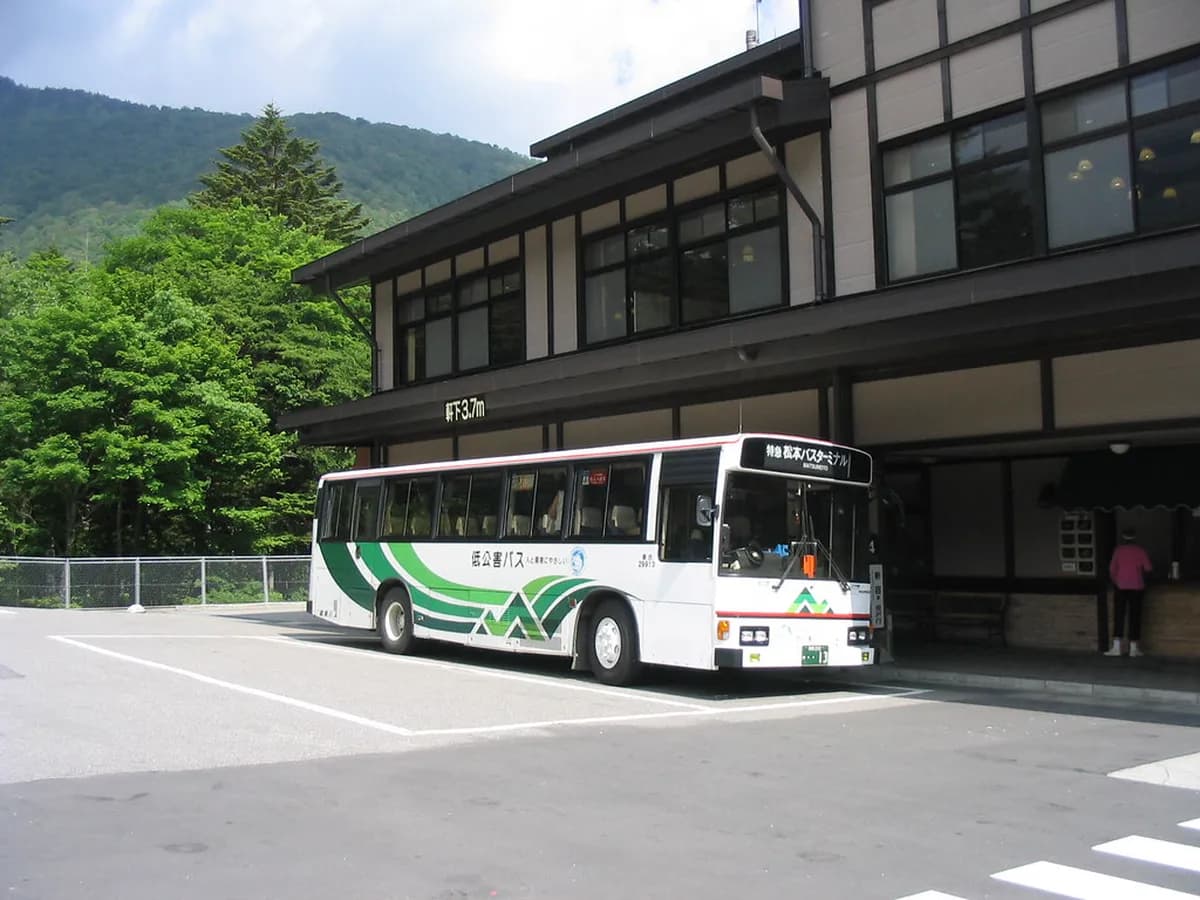
For those who prefer not to walk, the Town Sneaker loop bus is a fantastic and affordable resource. These colorful buses run four different routes that cover all the major tourist destinations in the city. You can purchase a one-day pass if you plan to use the bus more than three times.
Rental bicycles are another popular choice for exploring the flat city streets. Many hotels offer free cycles to guests, or you can find rental hubs near the station. Cycling is particularly enjoyable along the Metoba River where the paths are wide and the scenery is peaceful.
- Town Sneaker North Course
- Main stop: Matsumoto Castle
- Frequency: Every 30 minutes
- Flat fare: 200 Yen
- Vibe: Historic highlights
- Town Sneaker East Course
- Main stop: City Art Museum
- Frequency: Every 20 minutes
- Flat fare: 200 Yen
- Vibe: Art and culture
Top things to do in Matsumoto
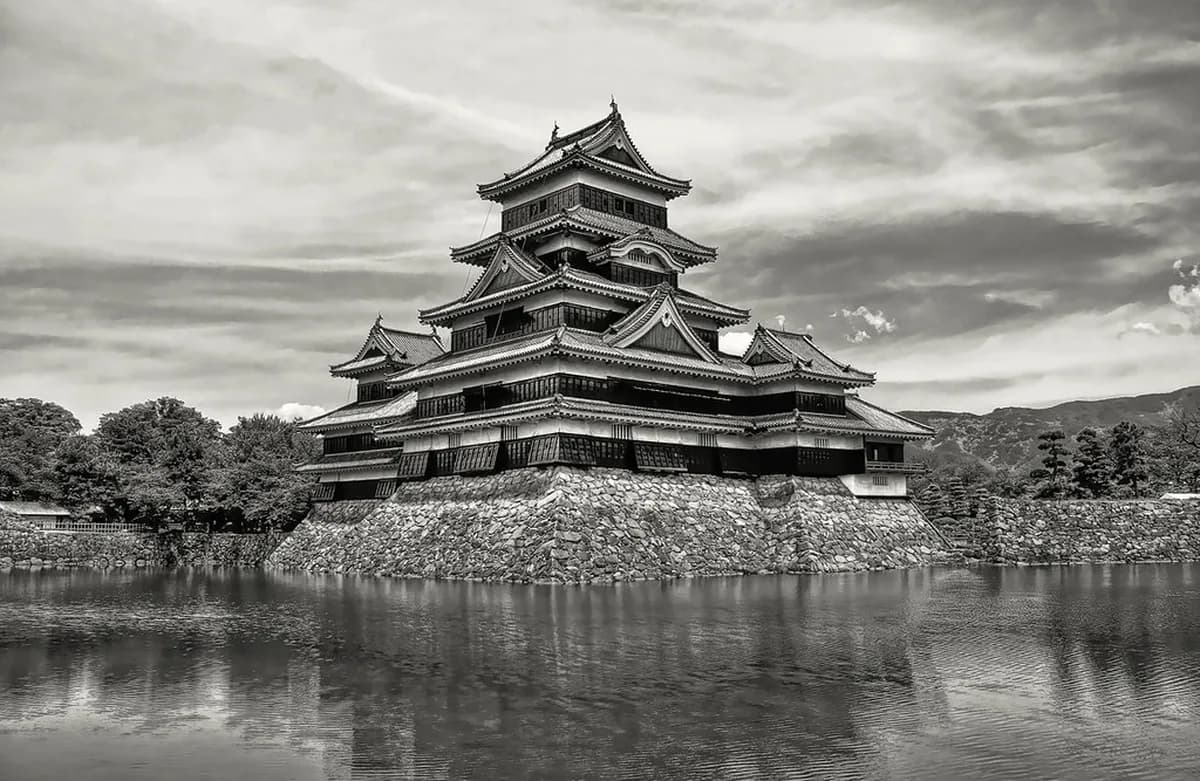
The primary draw for most visitors is the magnificent Matsumoto Castle, also known as the Crow Castle. Its unique black exterior and original wooden interior offer a rare glimpse into samurai-era architecture. Be sure to check the Matsumoto Castle Guide: 10 Essential Tips and Attractions for tips on avoiding long entry lines during peak seasons.
After the castle, head to Nawate Street, which is famously known as Frog Street due to its numerous frog statues. This riverside pedestrian path is lined with small shops selling traditional snacks like taiyaki and senbei crackers. It is a perfect place to find unique handmade souvenirs and local crafts.
Art enthusiasts must visit the Matsumoto City Museum of Art to see the permanent works of Yayoi Kusama. The building itself is covered in her signature polka dots and features massive outdoor sculptures. You can verify current exhibition hours on the Visit Matsumoto Official website before your arrival.
Do not miss the Nakamachi District, which features beautifully preserved storehouses with distinctive white-and-black crisscross patterns. These buildings now house charming cafes, folk art shops, and traditional restaurants. It is an excellent spot for a slow afternoon of photography and light shopping.
Day trips from Matsumoto
The city serves as an excellent base for exploring the wider Nagano region and the Japanese Alps. A popular choice is taking a 8 Essential Tips for a Matsumoto to Kamikochi Day Trip to experience world-class mountain scenery. This alpine valley offers flat hiking trails along crystal-clear blue rivers and dramatic peaks.
History buffs should take a short train ride to Narai-juku, one of the best-preserved post towns in Japan. Walking through its long main street feels like stepping back into the Edo period. Many travelers find this to be one of the most rewarding 10 Best Day Trips From Matsumoto for cultural photography.
If you enjoy unique culinary experiences, the Daio Wasabi Farm in Azumino is a must-visit destination. You can see how wasabi is grown in pristine running water and even try wasabi-flavored ice cream. The farm is easily accessible by a local train followed by a short taxi or bicycle ride.
For those with extra time, the nearby city of Nagano offers the famous Zenko-ji Temple and the Togakushi shrines. You can reach Nagano in about fifty minutes using the Limited Express Shinano train. This allows you to see two major regional cities without the need to change hotels.
Matsumoto with kids
Traveling with children is quite easy here due to the city's safe environment and spacious parks. Alps Park is a local favorite that features a long mountain slide and a small petting zoo. The park offers incredible views of the city and the surrounding mountains for parents to enjoy.
The castle grounds provide plenty of space for kids to run around while you admire the architecture. However, keep in mind that the castle interior has very steep stairs that might be difficult for toddlers. You can find more specific advice in our guide to 10 Best Things to Do in Matsumoto with Kids for a stress-free family vacation.
Many local restaurants are welcoming to families and offer kid-friendly versions of traditional dishes. The Town Sneaker bus makes it easy to move between attractions without tiring out small legs. Strollers are generally easy to use on the main sidewalks, though some historic streets have narrower paths.
Where to stay in Matsumoto
Choosing the right location depends on whether you prioritize transport access or historic atmosphere. Staying near the JR Matsumoto Station is the most convenient option for those planning several day trips. This area is packed with modern business hotels that offer great value and easy access to dining.
For a more traditional and upscale experience, consider staying in the historic district near the castle. The Matsumoto Hotel Kagetsu is a famous choice that blends classic Japanese hospitality with Western comfort. You can find more detailed recommendations on Where to Stay in Matsumoto: 8 Best Areas & Ryokans to match your specific travel style.
Budget travelers will find several high-quality hostels and guesthouses located within walking distance of the city center. Many of these properties offer communal kitchens and free bicycle rentals for their guests. Staying in a smaller guesthouse often provides a chance to interact with local residents and other travelers.
- Station Area Hotels
- Best for: Early departures
- Vibe: Modern and convenient
- Price: Mid-range
- Access: Near JR lines
- Historic District Ryokans
- Best for: Cultural immersion
- Vibe: Traditional and quiet
- Price: Premium
- Access: Near the Castle
Local Culture: Yayoi Kusama and Cherry Blossom Secrets
The world-renowned artist Yayoi Kusama was born in this city, and her influence is visible everywhere. You can ride the "Town Sneaker" bus decorated in her signature red polka dots as you move between sites. The local museum holds one of the largest collections of her early work in the world.
During the spring, the city transforms as thousands of cherry blossoms bloom along the castle moats and riverbanks. A local secret involves the use of blossom extracts in traditional tea rituals found in the Nakamachi shops. These seasonal teas are said to offer health benefits and a unique floral flavor profile.
Visiting the local shrines during festival times provides a deep look into the community's spiritual traditions. The Taiko drumming festivals are particularly energetic and draw crowds from all over the Nagano prefecture. These events showcase the city's commitment to preserving its heritage while embracing modern creative expressions.
Nagano or Matsumoto: Which is right for you?
Many travelers struggle to choose between these two major cities when planning their trip to the region. Nagano City is best known for its massive Zenko-ji Temple and its role as a winter sports hub. It feels more like a bustling transit center with a strong religious focus at its heart.
Matsumoto offers a more compact and artistic vibe that many find more charming for a short stay. The presence of the original castle gives it a historical edge that Nagano simply cannot match. If you prefer walking through boutique streets and exploring art galleries, this is likely the better choice for you.
Both cities are connected by a short train ride, so it is possible to visit both in one trip. However, if you only have time for one, consider what type of atmosphere you prefer for your home base. Use the following matrix to help make your final decision based on your travel priorities.
- Matsumoto Comparison
- Vibe: Artistic and walkable
- Main Attraction: Historic Castle
- Ease of Access: Direct bus/train
- Best for: Culture lovers
- Nagano Comparison
- Vibe: Religious and busy
- Main Attraction: Zenko-ji Temple
- Ease of Access: Shinkansen stop
- Best for: Temple seekers
Frequently Asked Questions
What is the best month to visit Matsumoto?
April is ideal for cherry blossoms, while October and November offer stunning autumn foliage. These months provide mild weather that is perfect for walking between the castle and the art museum. Avoid the humid heat of August if you prefer comfortable outdoor exploration.
Is the Matsumoto Castle interior worth the climb?
Yes, the interior provides a fascinating look at original 16th-century wooden construction and defensive features. However, the stairs are extremely steep and narrow, which may be challenging for some. You should wear thick socks as shoes must be removed before entering the building.
Can I use a JR Pass for the bus from Tokyo?
No, the highway buses from Shinjuku are operated by private companies and are not covered by the JR Pass. You should use the Limited Express Azusa train if you want to utilize your pass. For more transport details, check our Tokyo to Matsumoto guide.
Matsumoto is a rewarding destination that offers a rich blend of samurai history and modern creative energy. By following these matsumoto travel tips, you can enjoy a seamless experience from the moment you arrive at the station. Whether you are admiring the Crow Castle or exploring the polka-dot art, the city is sure to leave a lasting impression.
Remember to book your accommodation early if you plan to visit during the popular cherry blossom or autumn seasons. The city's walkability and excellent public transport make it one of the most accessible mountain destinations in Japan. We hope this guide helps you plan an unforgettable journey into the heart of the Japanese Alps.
Do not forget to try the local soba and explore the hidden gems tucked away in the historic side streets. Every corner of this city tells a story of tradition meeting innovation in a beautiful natural setting. Enjoy your travels and take plenty of photos of the stunning mountain scenery.
For related planning, see our how many days to spend in Matsumoto and Matsumoto weather month by month guides.
Free: The Matsumoto Essentials guide
Top things to do, where to stay, a perfect day plan, getting around, and the best time to go — a Matsumoto mini-guide you can take offline.
You might also like



Continue reading
More guides you'll find useful