Best Soba in Matsumoto: 7 Shops, Experiences & DIY Workshops
Seven soba picks in Matsumoto, from artisan shops like Nomugi to hands-on DIY workshops, with fresh Shinshu buckwheat near the castle. Updated 2026.
On this page
After my fourth visit to Nagano, I can confidently say that finding the best soba in Matsumoto is a culinary rite of passage. The city's proximity to the Alps ensures a supply of fresh water and buckwheat that is unmatched in Japan.
Updated January 2026 after my most recent autumn visit to the Matsumoto Soba Festival. This guide reflects the latest pricing and opening hours for the city's most beloved noodle houses.
While convenient, I suggest skipping the pre-packaged soba stands found inside the main train station concourse. These often use a high percentage of wheat flour and lack the springy texture of authentic Shinshu noodles. Your time is better spent walking ten minutes to a dedicated handmade shop for a far superior experience.
Why Matsumoto is the Heart of Shinshu Soba
Nagano Prefecture is widely considered the birthplace of Japanese buckwheat culture due to its high-altitude climate and volcanic soil. The region's pure alpine water is the secret ingredient that gives Shinshu soba its clean and refreshing finish.
Local chefs take immense pride in the Shinshu label, which signifies a long-standing heritage of noodle mastery. You can learn more about these local conditions in our 8 Best Things to Eat in Matsumoto which covers regional specialties.
Explore more about the city's history in our Matsumoto Castle Guide: 10 Essential Tips and Attractions before your meal. This National Treasure provides the perfect backdrop for a traditional Japanese lunch.
7 Best Soba Experiences in Matsumoto
The following selection represents the absolute best soba in Matsumoto based on texture, flavor, and tradition. These locations were chosen for their commitment to using local Shinshu buckwheat and traditional milling techniques.
I remember standing in the snow for thirty minutes just to get a seat at Nomugi during my first trip. The shop bell rings at exactly 11:25 am to signal the first seating for the lucky few in line. The first bite of those cold, nutty noodles made every shivering second worth the wait.
Whether you want a quick lunch or a deep cultural dive, these seven experiences offer something unique. Our guide covers more dining options in the list of 12 Best Restaurants in Matsumoto (2026).
- Kobayashi Soba: Historic Flavors Near the Castle
- This historic restaurant near the castle is famous for its fresh Azumino wasabi and classic atmosphere.
- Expect to spend 45 minutes here, with meals costing ¥1,400 to ¥2,200 between 11:00 am and 8:00 pm.
- Walk five minutes from the main gate and order the Kamo Soba for a rich, savory experience.
- Soba Noodles datokoro Nomugi: The Local Artisan Favorite
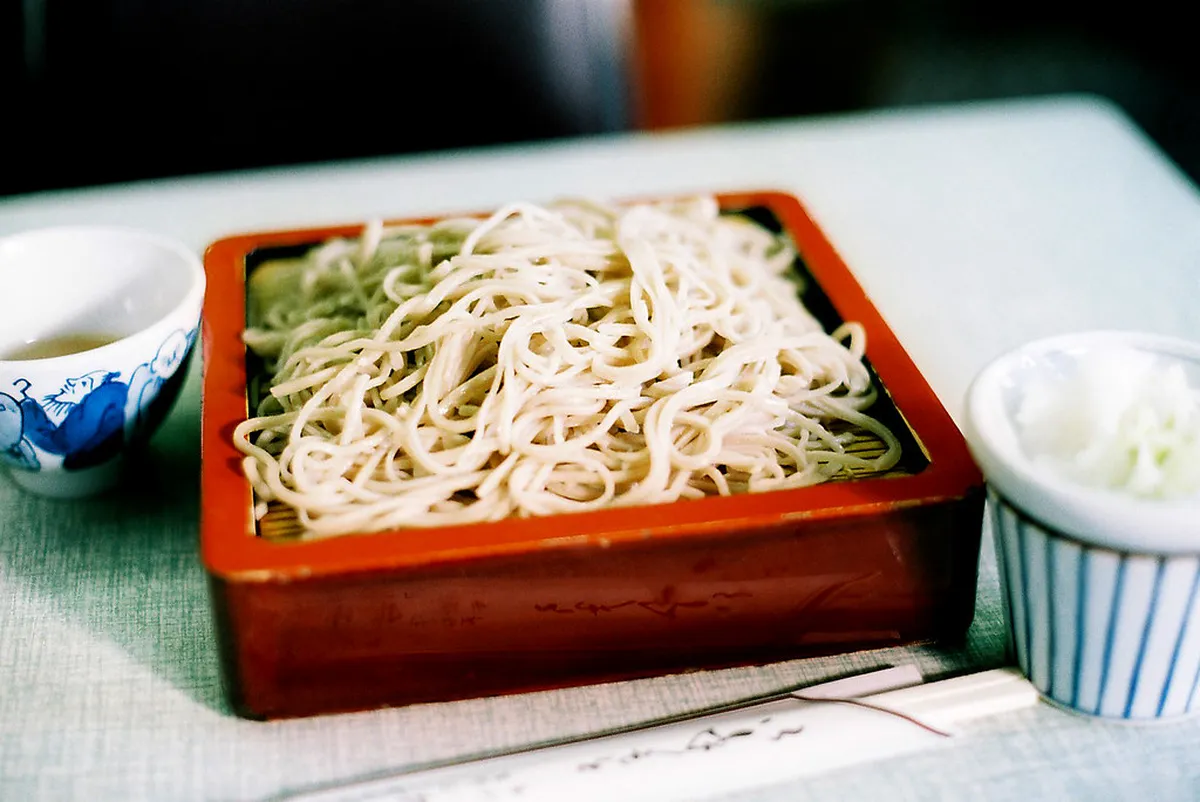
- This cozy artisan shop in Nakamachi serves 100% buckwheat noodles that are stone-milled daily for freshness.
- Sets cost ¥1,100 to ¥1,600, taking about 30 minutes to eat once you are seated inside.
- Arrive 30 minutes before the 11:30 am opening because the tiny six-seat interior fills up instantly.
- Handmade Soba Some PUSU: Seasonal Alpine Buckwheat
- This artisan spot uses seasonal alpine buckwheat to create thin, delicate noodles with a distinctive nutty profile.
- Lunch takes about 40 minutes and costs ¥1,200 to ¥2,000 between 11:00 am and 3:00 pm.
- The shop is a short walk from the station and offers a peaceful escape from the main crowds.
- Metoba Soba: Traditional Three-Tiered Mie Style
- Founded in 1952, this shop is the best place to try the traditional three-tiered Mie soba style.
- Allow an hour for this meal, which costs ¥1,500 to ¥2,500 and is served until 7:00 pm.
- Take a ten-minute bus from the station and try the mountain yam and matcha flavored noodle layers.
- Soba Takagai: Hands-On Soba-Making Workshop
- This workshop offers a hands-on experience where you knead, roll, and cut your own fresh buckwheat noodles.
- The 90-minute session costs ¥3,000 to ¥4,500 and runs between 10:00 am and 4:00 pm daily.
- Book your slot two days early and take the local bus to reach this engaging culinary school.
- Miyota Matsumoto: Modern Comfort and Regional Sides
- Miyota provides a modern environment and is well-known for serving large portions of crispy local fried chicken.
- Budget 40 minutes for a meal costing ¥1,000 to ¥1,800 between 11:00 am and 9:00 pm.
- The Miyota Matsumoto location inside the Midori building makes it a perfect final stop.
- Matsumoto Soba Festival: The Ultimate Autumn Experience
- This massive October event brings together the best buckwheat artisans from across the entire Nagano region.
- Spend two hours sampling bowls for ¥800 each on the castle grounds from 10:00 am to 4:00 pm.
- Visit the Matsumoto Castle grounds early to sample several varieties before the afternoon queues peak.
Is Matsumoto Soba Worth the Wait?
Is it worth spending your limited vacation time waiting for a table at a popular soba shop? The answer depends on your appreciation for artisan craft and the subtle flavors of fresh buckwheat flour.
In Matsumoto, the quality far exceeds standard city variants because of the proximity to the mountain sources. The artisan dedication to temperature and texture makes every bite a memorable part of your trip.
Most visitors find that the superior texture of handmade noodles is a highlight of their Matsumoto Itinerary for First-Timers. Choosing a shop with a shorter queue can still provide an excellent experience if you are in a rush.
Essential Tips for Your Soba Journey
Finding the right shop requires a bit of planning, especially during the busy autumn harvest season. Many of the best artisan locations close early once they sell out of their daily handmade dough.
Shops often shutter their doors by 2:00 pm if the demand is high. I recommend checking our Matsumoto Travel Tips: 10 Essential Things to Know to help navigate local dining customs and transport.
When your noodles arrive, try the first bite without any dipping sauce to appreciate the natural grain flavor. After finishing, the server will bring a red pot of hot sobayu to mix with your remaining sauce. If you have extra time, the nearby wasabi farms make for a perfect Azumino day trip.
Frequently Asked Questions
What makes Shinshu soba different from other Japanese noodles?
Shinshu soba is unique because it uses high-altitude buckwheat and pure alpine water for a cleaner taste. The noodles are often handmade and stone-milled, resulting in a more fragrant and springy texture than standard varieties.
What is the average price for a bowl of soba in Matsumoto?
A standard bowl of soba in Matsumoto typically costs between ¥1,100 and ¥1,800 depending on the toppings. Premium sets with tempura or specialty duck broth can range from ¥2,000 to ¥3,500 at high-end shops.
Do I need a reservation for soba-making workshops in Matsumoto?
Most restaurants do not require reservations for lunch, but you should arrive early to avoid long queues. However, soba-making workshops always require booking at least two days in advance to prepare the fresh ingredients.
Matsumoto is a city that rewards those who take the time to appreciate its slow-paced culinary traditions. From the artisan shops of Nakamachi to the castle grounds, every bowl tells a story of local heritage.
I hope this guide helps you discover your favorite noodle shop during your next trip to the Alps. Be sure to check How Many Days in Matsumoto: A Perfect 2-Day Itinerary you need to see everything else.
See our Matsumoto attractions guide for the broader city overview.
Free: The Matsumoto Essentials guide
Top things to do, where to stay, a perfect day plan, getting around, and the best time to go — a Matsumoto mini-guide you can take offline.
You might also like


Continue reading
More guides you'll find useful