

Day Trips From Tokyo Travel Guide
Plan day trips from Tokyo with top picks, neighborhood context, timing tips, and practical booking advice for a smoother trip.
On this page
Tokyo works exceptionally well as a base. Japan's rail network puts mountain, coastal, historic, and urban escapes within reach of Shinjuku or Tokyo Station, and many local routes accept a simple IC card tap. First finish the city's essentials with the complete Tokyo attractions guide; then use this guide to choose a change of pace outside the centre.
This guide compares twelve of the best day trips from Tokyo in 2026 — Hakone, Nikko, Kamakura, Mount Fuji and Kawaguchiko, Kawagoe, Kusatsu Onsen, Chichibu, Mount Takao, Enoshima, Narita, Yokohama, and Karuizawa — with transport details, budgets, seasonal timing, and advice on what to prioritize when you only have one day.
Key Takeaways
- All twelve destinations are reachable by train or bus from central Tokyo, most in under two hours.
- Start early — popular sites fill by mid-morning on weekends, and last trains back to Tokyo leave earlier than you expect.
- An IC card (Suica or Pasmo) handles the majority of routes; destination-specific passes (Hakone Free Pass, Nikko World Heritage Pass, Enoshima-Kamakura Freepass) save money on longer stays.
Mount Fuji & Kawaguchiko
Kawaguchiko is the most popular day trip from Tokyo for good reason. The lake town sits directly beneath Fuji's north face, and from the right vantage point the symmetrical cone reflects cleanly on the water. Highway buses from Shinjuku or Shibuya reach Kawaguchiko in about two hours (¥1,250–2,000 one way) and run frequently without the need to reserve a seat far in advance — though booking the day before is wise in peak season.
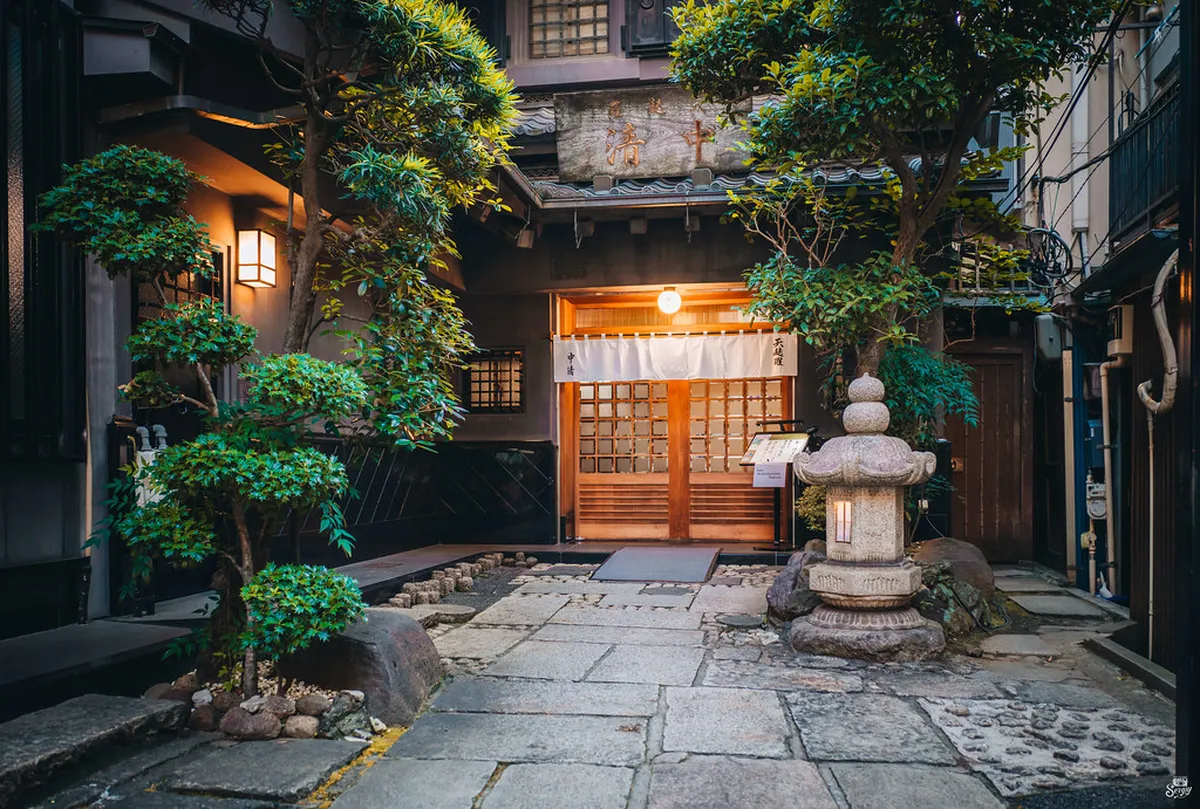
The classic first stop is Chureito Pagoda in Arakurayama Sengen Park. The 398-step climb is real effort, but the reward is a clear shot of the pagoda in the foreground with Fuji rising behind it — the image most people associate with the entire region. Arrive before 09:00 on a clear weekday to beat tour groups. From the park, head down to the lakefront for a cruise on Lake Kawaguchi, where the reflection is sharpest in the morning when the water is still.
The Kachi-Kachi Ropeway above the north shore takes you to an observation deck at 1,075 meters for a higher angle on Fuji without the 5th Station drive. For a longer itinerary, the things to do in Kawaguchiko guide covers the full spread of the Fuji Five Lakes area. Tours to Fuji 5th Station typically cost ¥15,000–20,000 per person (roughly $100–130 at 2026 rates) — check the weather before committing, as Fuji is clouded over more days than not. The local bowl to try is hōtō noodles, a thick miso-based hotpot that is the signature comfort food of the Fuji Five Lakes region.
The best times to see Fuji clearly are early morning before heat haze builds (May–June) and in winter when the air is coldest. See our the best time to see Mount Fuji guide for a month-by-month visibility breakdown.
Hakone
Hakone is where most Tokyo visitors go when they want hot springs, mountain scenery, and the chance of a Mount Fuji view, all in a single day. The Odakyu Limited Express Romancecar runs from Shinjuku to Hakone-Yumoto in about 85 minutes (reserved seat, no special pass required). The smarter option for a full day is the Hakone Free Pass (¥6,000 from Shinjuku in 2026, subject to change), which covers the Romancecar, the mountain railway up to Gora, the Hakone Ropeway over Owakudani, the Lake Ashi cruise, and local buses — essentially everything you want to do in one looping circuit.
The Hakone Open-Air Museum in Chokoku-no-Mori is the anchor of the day. Over 120 sculptures are distributed across open lawns against a backdrop of forested hills, and the Picasso Pavilion inside the main building is a genuine surprise. Allow 90 minutes. From there, the Hakone Ropeway climbs over the Owakudani volcanic valley — sulphur vents steaming from the rock, Fuji visible on clear days straight ahead. The black eggs (kuro-tamago) sold at the Owakudani station are hard-boiled in the volcanic springs and are famously said to add seven years to your life; they taste like regular hard-boiled eggs and are worth eating anyway.
End the circuit with the Lake Ashi pirate ship cruise to Moto-Hakone, where the cedar-lined avenue of Hakone Shrine meets the lakefront torii gate. The a day trip to Hakone guide covers the full Free Pass loop in sequence. If hot springs are the priority rather than sightseeing, the the best Onsen In Hakone guide narrows down the public baths worth stopping at along the route.
A Day Trip to Nikko
Nikko is two hours north of Tokyo and contains one of Japan's most ornate shrine complexes — Toshogu, the mausoleum of shogun Tokugawa Ieyasu — surrounded by ancient cedars at 600 meters elevation. The classic route is the Tobu limited express from Asakusa to Tobu-Nikko Station (¥2,700–3,000 round trip, or covered by the Nikko All Area Pass). Since 2023, the Spacia X — Tobu's premium limited express with reserved seats, an onboard café counter, and compartment seating — has been the most comfortable way to make the same journey in roughly an hour and 47 minutes. It sells out on autumn weekends well in advance; book at least a week ahead if your dates overlap with peak foliage.
The Toshogu complex warrants at least 90 minutes. The "see no evil, hear no evil, speak no evil" monkey carving above the stable is the most photographed detail, but spend the extra ¥200 to enter the inner sanctuary behind the main hall — the Nemuri-Neko (Sleeping Cat) carving and the path to Ieyasu's tomb are quieter and more atmospheric. Rinno-ji temple and the Shinkyo Bridge are both close by and together fill a satisfying morning. Budget ¥1,300–1,600 for Toshogu entry (check the official site for current rates) and around ¥2,000 per person for the full World Heritage cluster.
One practical warning specific to Nikko: the last limited express back to Asakusa often runs before 17:00 depending on the day and season. Check the Tobu timetable before you leave Tokyo and plan your afternoon around it — getting stuck on a slow local service after dark is a common mishap. Kegon Falls (100-meter drop, elevator to the basin, ¥570) and Lake Chuzenji are stunning but realistically require a second visit or an overnight stay. The a day trip to Nikko guide breaks down a tight one-day itinerary that fits everything into the Tobu timetable. For those wanting two days, the the best Ryokan In Nikko guide covers overnight options near the shrine district.
Kamakura: Temples, Sea Breezes, and Japan's Great Buddha
Kamakura is an hour from Tokyo by JR Yokosuka Line from Tokyo Station (¥940 one way) and packs a walkable coastal town with 65 temples, 19 shrines, a Great Buddha, and a beach. Most visitors arrive mid-morning and leave disappointed that they tried to see everything. A tighter focus works better.
Start at Tsurugaoka Hachimangu — free to enter, five minutes from the station, and the logical anchor for the day. Walk the cherry-lined Wakamiya-oji approach, browse Komachi-dori Street, then continue west to Kotoku-in. The Great Buddha (Daibutsu) is ¥300 for adults — 11.4 meters of bronze cast in the 13th century, sitting in the open air rather than inside a hall, which is unusual for Japan. Nearby Hase-dera (¥400) has hillside gardens and sea views worth the extra 45 minutes.
The Enoden tram connects Kamakura with Enoshima in 20 minutes. The Odakyu Enoshima-Kamakura Freepass (¥1,640 from Shinjuku) covers your round trip and unlimited Enoden rides if you plan to combine both. The a day trip to Kamakura sequences the main sites. For entry times and the quietest arrival windows at the Great Buddha specifically, see the Great Buddha visiting guide.
Kawagoe: Little Edo
Kawagoe earns its "Little Edo" nickname with a preserved street of clay-walled merchant storehouses (kurazukuri) that survived the fires that destroyed most of old Tokyo. The Tobu Tojo Line from Ikebukuro reaches Hon-Kawagoe Station in about an hour (¥480); the JR Kawagoe Line from Shinjuku also works. The fare is low enough that no pass is needed.
The Kurazukuri zone is a five-minute walk from the station and clusters around the Toki no Kane bell tower, which still rings at 06:00, 12:00, 15:00, and 18:00 daily. Early morning is ideal — the preserved lanes are quiet before 10:00, and the sweet potato snacks (the town's specialty) come out of the ovens fresh. Kashiya Yokocho (Candy Alley) has been selling traditional sweets since the Meiji era; the sweet potato varieties — chips, cake, ice cream, and roasted whole — are reliably good.
Hikawa Shrine at the north end of the main road is photogenic in any season and is known for its summer wind chime festivals. Kawagoe pairs well as a half-day, leaving the afternoon free for something back in Tokyo. The a day trip to Kawagoe guide covers the full walking route through the historic district.
Mount Takao
Mount Takao is the easiest nature escape from Tokyo. A direct Keio Line train from Shinjuku to Takaosanguchi Station takes about 50 minutes (no reserved seat, covered by IC card), and the mountain itself is 599 meters — accessible to non-hikers but rewarding enough for anyone who wants a full morning on the trails. On clear winter days the summit has an unobstructed view of Mount Fuji that summer haze makes impossible.
The main trail (Trail 1) runs from the station through a cedar path to Yakuo-in Temple and then to the summit in about 90 minutes at a relaxed pace. Alternatively, the chairlift (¥490 one way, ¥950 return for adults) gives you the open-air forest view for 12 minutes and deposits you halfway up. The cable car is faster but enclosed; the chairlift is the better experience when both are running. Note that the chairlift closes around 16:30, so plan your descent if you take it up. Stalls selling soba noodles, grilled rice crackers, and mochi line the lower section of the trail — start with a bowl of soba at the base before heading up.
Keio sells a Takaosan Ticket that bundles the round-trip train with discounted lift or cable car tickets and saves roughly 20% versus buying separately. The a day trip to Mount Takao guide details all seven trails and the best route for each season. For the best viewing windows for Fuji from the summit, see the the best Time To Climb Mount Takao guide.
Enoshima
Enoshima is a small island connected to the Shonan coast by a pedestrian bridge, about two hours from Shinjuku via Odakyu Line to Katase-Enoshima Station (¥640 one way). The island is roughly 1 kilometer end to end but involves serious climbing — stone steps wind up through a commercial street, past Enoshima Shrine, across the ridge, and down to the Iwaya Caves on the western cliffs. Wear comfortable shoes; the return means the same steps again.
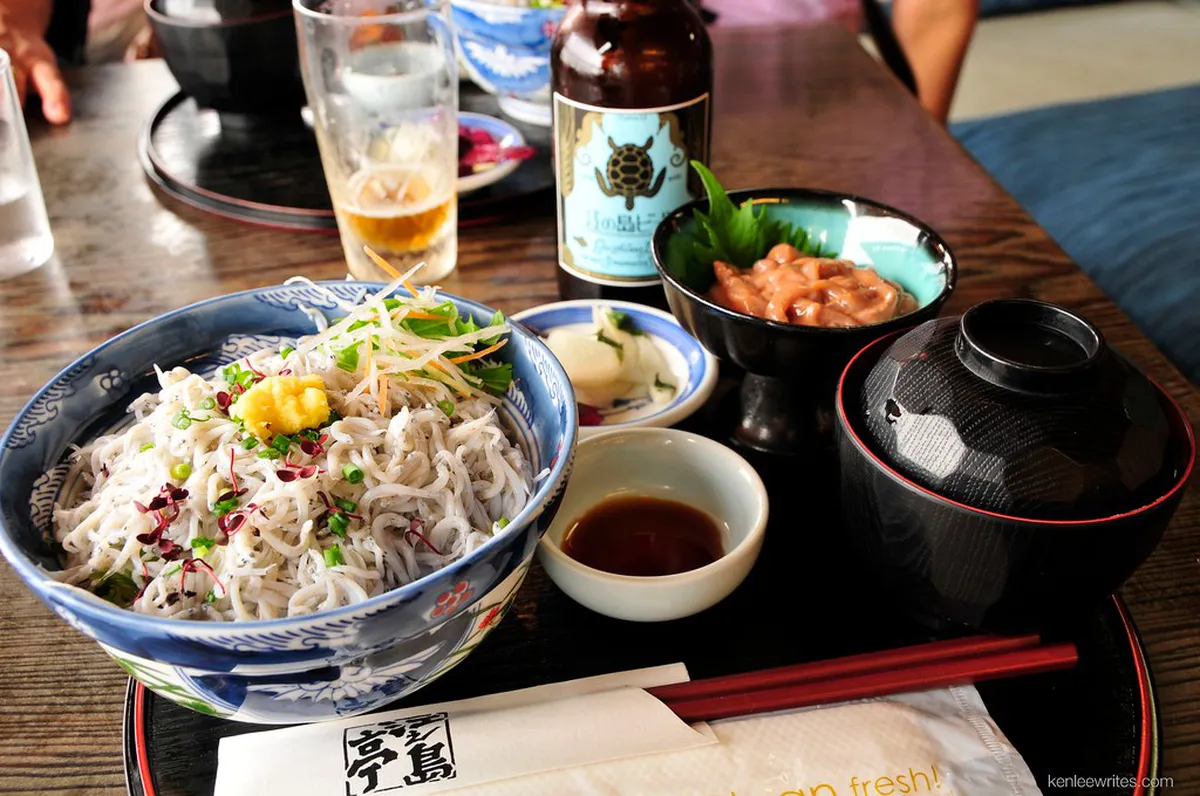
Enoshima Shrine is one of the three great Benzaiten shrines in Japan. The Iwaya Caves (¥500 adults) at the far end are the reward — cool, damp rock tunnels where the tide echoes and the second cave requires a handheld candle. The Sea Candle lighthouse at the high point offers panoramic views of Sagami Bay and, on clear days, Mount Fuji to the northwest. The island is also famous for shirasu (whitebait) served raw or cooked in don bowls — see the Enoshima shirasu guide for the best spots.
Enoshima pairs naturally with Kamakura via the Enoden tram (20 minutes). The Enoshima-Kamakura Freepass covers both legs. The a day trip to Enoshima guide covers the full island circuit.
Chichibu
Chichibu is two hours from Ikebukuro via the Seibu Line to Seibu-Chichibu Station (¥780 one way), in a mountain-ringed Saitama basin that feels genuinely rural. Hitsujiyama Park's shibazakura (moss phlox) carpet the hillside in pink and white each April through early May — arrive before 10:00 before the park fills. Outside flower season, Chichibu Shrine anchors the town and Mitsumine Shrine, perched on a forested ridge at 1,100 meters via a bus from the station, is among the most atmospheric mountain shrines in the Kanto region.
The food is worth making time for. Miso potatoes (crispy, sweet, savory — sold from stalls near the station) and waraji katsu (a giant breaded pork cutlet on rice, shaped like a straw sandal) are the town's signature dishes. In December, the Chichibu Night Festival is one of Japan's three great float festivals, with illuminated floats, fireworks, and taiko drums marking a tradition over 300 years old. The the best Time To Visit Chichibu guide breaks down each season's appeal.
Narita
Most visitors to Narita only ever see the airport, which means almost everyone misses a genuinely interesting town 15 minutes by bus or taxi from the terminals. Naritasan Shinshoji Temple — a major Buddhist temple complex founded in 940 CE — anchors the town and draws around 12 million visitors per year on New Year visits alone. The main hall, pagodas, and pond gardens are free to enter; allow 45 minutes to walk the full grounds.
Omotesando Street, the 800-meter approach to the temple, is lined with shops selling Narita's most celebrated local product: unagi (freshwater eel). The town has been a center of eel cuisine for centuries because the Tone River tributaries running through the area provided abundant eel year-round. Several restaurants along the approach have been grilling eel over charcoal for over a century; a full unaju (eel over rice) set runs ¥2,500–4,500. The where to eat unagi in Narita identifies the best shops along the approach with a note on queue times at peak hours.
Getting to Narita from Tokyo takes 60–80 minutes on the Keisei Main Line (¥1,050 from Ueno) or the JR Narita Line from Tokyo Station. The Boso-no-Mura open-air museum east of the city reconstructs Edo-period buildings and is worth adding if you have a full day — see the Boso-no-Mura guide for details. The things to do in Narita guide covers the temple, eel street, and the old town in a single logical walking order.
Kusatsu Onsen: The Day Trip None of the Lists Mention
Most Tokyo day trip guides stop at Hakone for hot springs. That makes Kusatsu Onsen — Japan's highest-ranked hot spring resort by the annual onsen quality survey — almost entirely overlooked as a day trip option. It takes about three hours from Tokyo (Hokuriku Shinkansen from Tokyo Station to Takasaki, then the JR Agatsuma Line to Naganohara-Kusatsuguchi, then a 25-minute bus), which is longer than most day trips on this list. But the reward is the Yubatake — a spectacular central hot spring field, 500 tatami mats wide, where the spring water runs at 95°C through wooden channels, cooling as it descends into the bathing pools. There is nothing like it anywhere else in Japan.
The free public baths (soto-yu) in the streets around the Yubatake are usable with no reservation — Otakinoyu and Gozanoyu being the most accessible — and the thermal water here is among the strongest naturally acidic springs in Japan, which is part of why Kusatsu has ranked first in hot spring quality for 20 consecutive years. The yumomi ritual, where locals stir the cooling water with long wooden paddles to a traditional chant, still runs as a demonstration at Netsunoyu three times daily.
Kusatsu works best as a day trip in winter or early spring, when the town is at its atmospheric peak, the streets are quieter than summer, and the contrast between the cold mountain air and the hot bath is exactly what the visit is for. The a day trip to Kusatsu Onsen guide covers the full transport chain and lists which public baths are genuinely walk-in accessible without advance booking.
Yokohama: The Easiest Urban Escape
Yokohama is about 30 minutes from Tokyo Station on the JR Tokaido or Keihin-Tohoku lines and works particularly well as a half-day trip. Walk the Minato Mirai waterfront, browse the Red Brick Warehouse, then continue to Japan's largest Chinatown for dinner. Families can add the CupNoodles Museum; garden lovers should allow extra time for Sankeien.
The JR Yokosuka Line connects Kamakura, Yokohama, and Tokyo Station without a transfer, so Yokohama can also be an evening stop after Kamakura. See the Yokohama day-trip guide for a timed route rather than trying to cover the whole port city.
Karuizawa: A Fast Alpine Change of Scenery
Karuizawa is just over an hour from Tokyo by Hokuriku Shinkansen, although the higher fare makes it a better choice for travelers who value time over budget. Rent a bicycle near the station for Kumoba Pond, old Karuizawa's shaded lanes, and the forested church area. Summer brings cooler air than Tokyo; autumn weekends bring the heaviest crowds.
This is not an IC-card-only excursion: reserve the Shinkansen separately and check the last convenient return before leaving. The Karuizawa attractions guide explains the station-area loop and seasonal tradeoffs.
How to Plan Your Day Trips from Tokyo
The Suica or Pasmo IC card handles almost every route on this list. Load ¥3,000–5,000 before leaving Tokyo. Exceptions where passes save money: Hakone Free Pass (¥6,000 from Shinjuku, covers the full loop), Nikko All Area Pass (Tobu trains and buses within Nikko), and the Odakyu Enoshima-Kamakura Freepass (¥1,640 from Shinjuku, covers Enoden tram unlimited). JR Pass holders can reach Nikko via Utsunomiya, but the Tobu route from Asakusa is more direct.
Depart by 07:00–08:00 for multi-site destinations. Mount Takao, Yokohama, and Kawagoe allow a later start. Nikko and Kusatsu Onsen need the earliest possible departure. Check last limited express times before leaving Tokyo — Nikko services can end before 17:00 on some days, and missing the last comfortable train home is a common mistake.
Entry fees are modest but stack up: Toshogu (Nikko) ¥1,300–1,600, Great Buddha (Kamakura) ¥300, Hase-dera ¥400, Takao chairlift ¥490 one way, Iwaya Caves (Enoshima) ¥500. Bring cash — card acceptance at temple gates and street stalls remains inconsistent in 2026, especially at Nikko and Kamakura. On rainy days, skip Kamakura and Takao in favour of Yokohama or Narita, both largely indoors and enjoyable regardless of weather.
When to Go: Seasonal Guide
Cherry blossom season (late March to early April) transforms Kamakura's Tsurugaoka Hachimangu approach, the hillside approach at Hasedera, and the Chureito Pagoda at Kawaguchiko into some of the most photographed scenes in Japan. Crowds are serious. Arrive before 09:00 on weekdays or accept that the photos will include a thousand other people. The Cherry Blossom Day Trips From Tokyo Travel Guide guide ranks the best blossom spots by timing and crowd level.
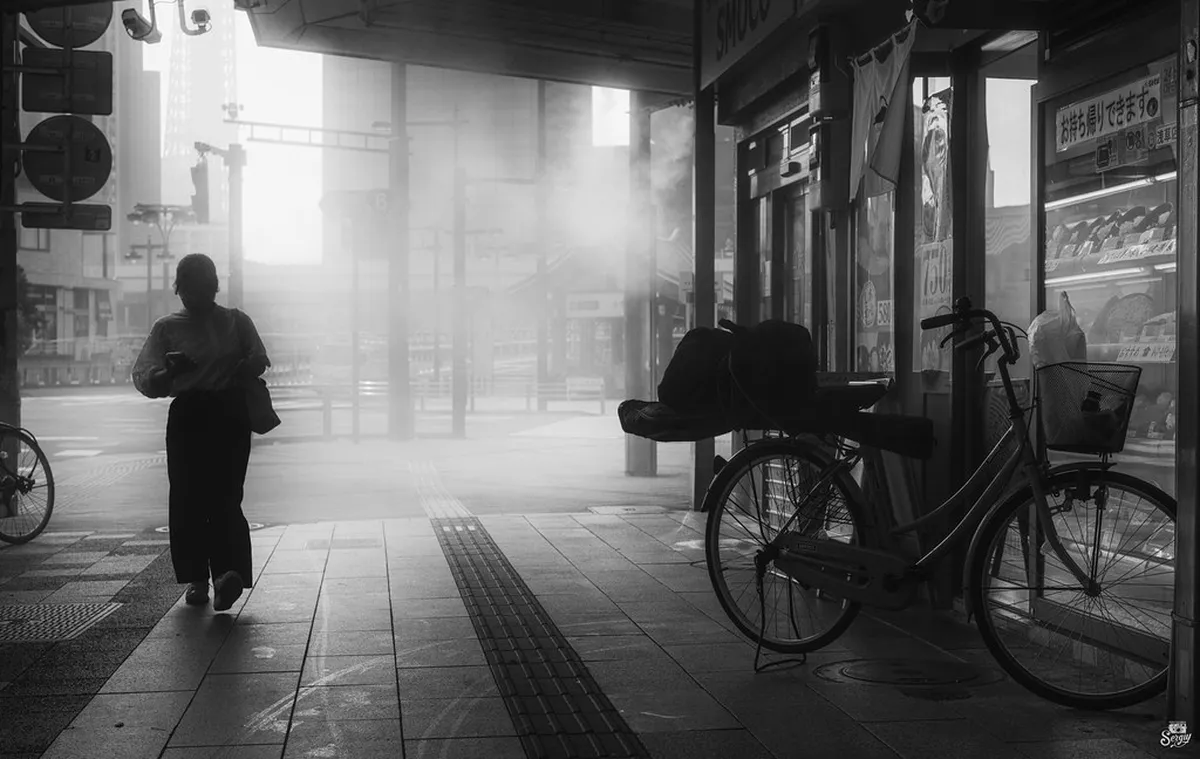
June is hydrangea season, and Hasedera in Kamakura has one of the finest displays in the country — the winding path through blue and purple blooms is genuinely beautiful, and the hydrangea crowds are lighter than the spring peak. Summer (July–August) is the busiest period across all destinations; start before 08:00 and plan to be back in Tokyo by mid-afternoon to avoid the worst of the heat.
Autumn (September to November) is the finest season for Nikko, Mount Takao, and Chichibu. Nikko's cedar forest turns gold and crimson and the light through the trees in the shrine complex is extraordinary. Peak foliage weekends at Nikko can be very crowded; weekday mornings manage the crowd problem without requiring a particularly early start. Mount Takao's cedar-lined paths are also excellent in autumn, and the summit Fuji views return as the haze lifts.
Winter is underrated for this list. Fewer tourists everywhere. Clear winter days give the best Fuji visibility from Kawaguchiko, the summit of Takao, and the Lake Ashi cruise in Hakone. Nikko in morning winter light is quietly spectacular. Kusatsu Onsen is at its best in winter — the combination of snow, freezing air, and the steaming Yubatake is the archetypal Japanese onsen experience.
Building the rest of the trip? Our Tokyo attractions guide covers the sights, districts and logistics around these meals.
Frequently Asked Questions
Where can I go for a day trip from Tokyo?
You can visit various places like Mount Fuji and Kawaguchiko for stunning nature views. Nikko offers historical shrines and temples. Kamakura provides a blend of ancient sites and coastal charm. Yokohama is perfect for a quick city escape with diverse attractions.
What is 1 hour away from Tokyo for a day trip?
Mount Takao is approximately one hour away by train from Shinjuku, offering excellent hiking. Yokohama is also about 30 minutes away by train, providing a quick urban getaway. Both destinations are easily accessible for a short trip.
Are there any good winter day trips from Tokyo?
Yes, many destinations offer unique winter experiences. Hakone provides beautiful snowy landscapes and relaxing onsen. Nikko's shrines look magical under a blanket of snow. You can also find Winter Day Trips From Tokyo Travel Guide for skiing or snowshoeing in nearby mountains.
What are some budget-friendly day trips from Tokyo?
Yokohama and Kamakura are excellent budget-friendly options, easily reachable by train with an IC card. Kawagoe offers a charming historical experience without high costs. Many parks and natural sites like Mount Takao also provide affordable outdoor activities.
Tokyo's train network is one of the great travel advantages in the world. Within two to three hours in any direction you reach mountains, hot springs, medieval shrine towns, a UNESCO heritage forest, and one of Japan's best coastal day-trip circuits. Pick two or three destinations matched to your interests and season, start early, and carry cash for the gates and stalls that still do not reliably take cards. The day trips outlined here cover every major category — the only question is which ones to prioritize on this visit.
Explore More Tokyo Guides
In-depth guides for planning your Tokyo trip.
- Onsen Near Tokyo for a Relaxing Escape
- Day Hikes Near Tokyo Travel Guide
- Winter Day Trips From Tokyo Travel Guide
- Cherry Blossom Day Trips From Tokyo Travel Guide
Day-Trip Destinations
Free: The Tokyo Essentials guide
Top things to do, where to stay, a perfect day plan, getting around, and the best time to go — a Tokyo mini-guide you can take offline.
You might also like


Continue reading
More guides you'll find useful


