Narita Unagi Eel Travel Guide
Plan narita unagi eel with top picks, neighborhood context, timing tips, and practical booking advice for a smoother trip.
On this page
Narita is Japan's grilled eel capital. More than 60 unagi restaurants line the stone-paved approach to Naritasan Shinshoji Temple Travel Guide, and the smell of kabayaki smoke drifting down Omotesando Street has greeted pilgrims and day-trippers for centuries. If you are transiting through Narita Airport or making a dedicated trip from Tokyo, eating eel here is the single best use of your time.
This guide covers everything you need: why Narita became the eel capital, what the different unagi dishes actually are, how Kanto and Kansai prepare eel differently, where to eat (especially Kawatoyo), and practical timing tips that will save you an hour of queuing.
Why Is Narita Famous for Unagi?
The story starts with Lake Imbanuma, a large freshwater lake on the western edge of Narita. During the Edo period, the lake and its connecting rivers were rich with wild eel. Because of that abundant local supply, eel became a staple ingredient in the area long before it became fashionable in Tokyo. Narita is considered the oldest city in Japan still actively serving eel dishes in this tradition.
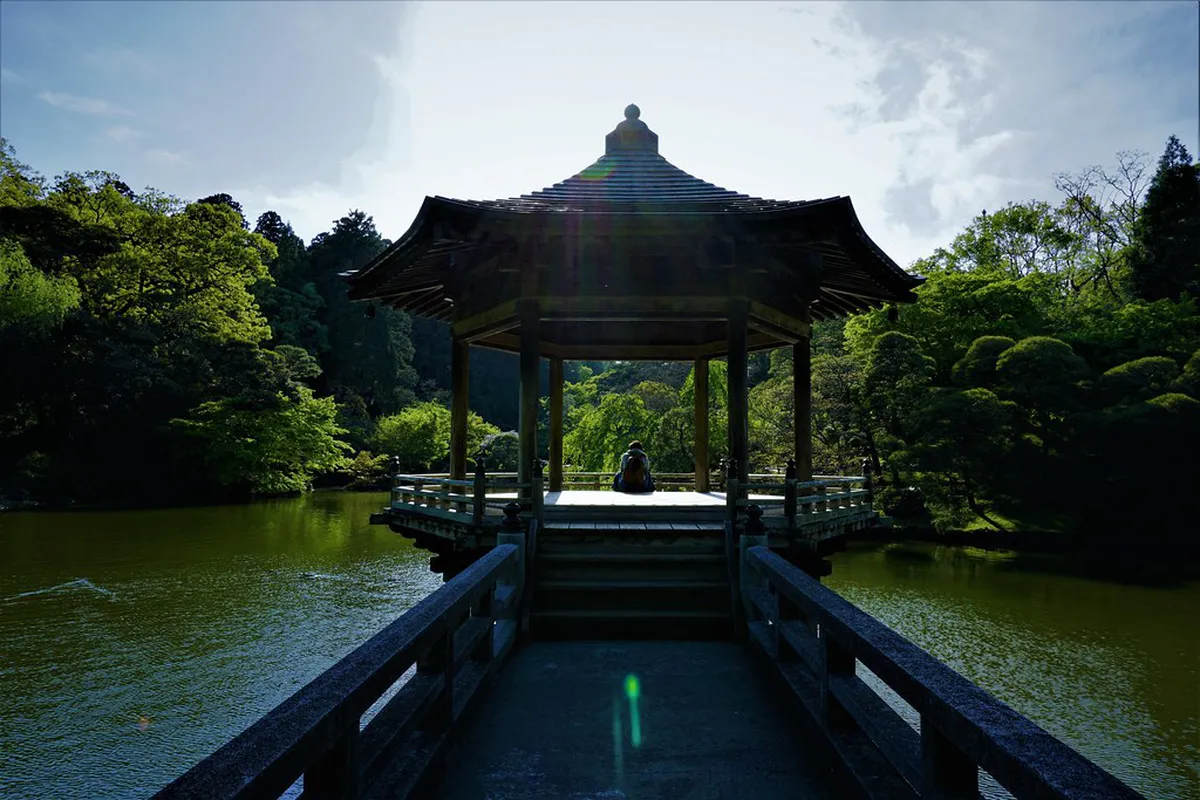
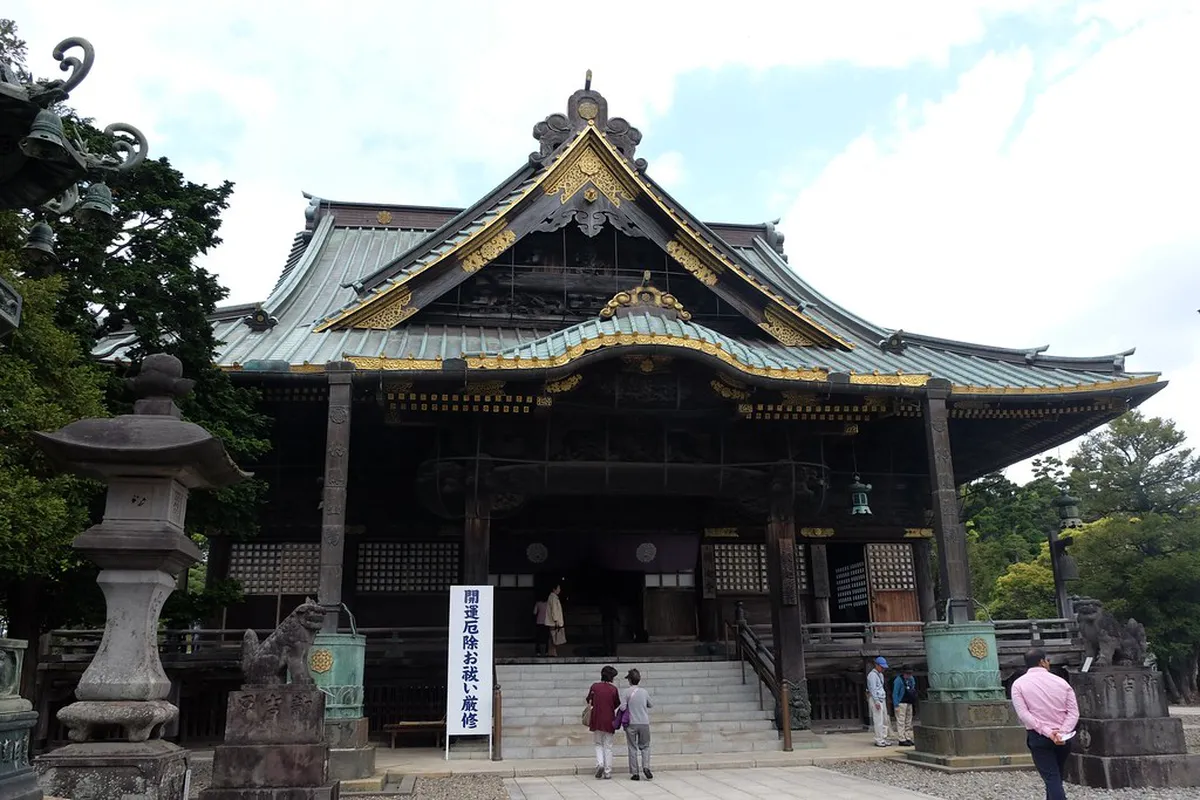
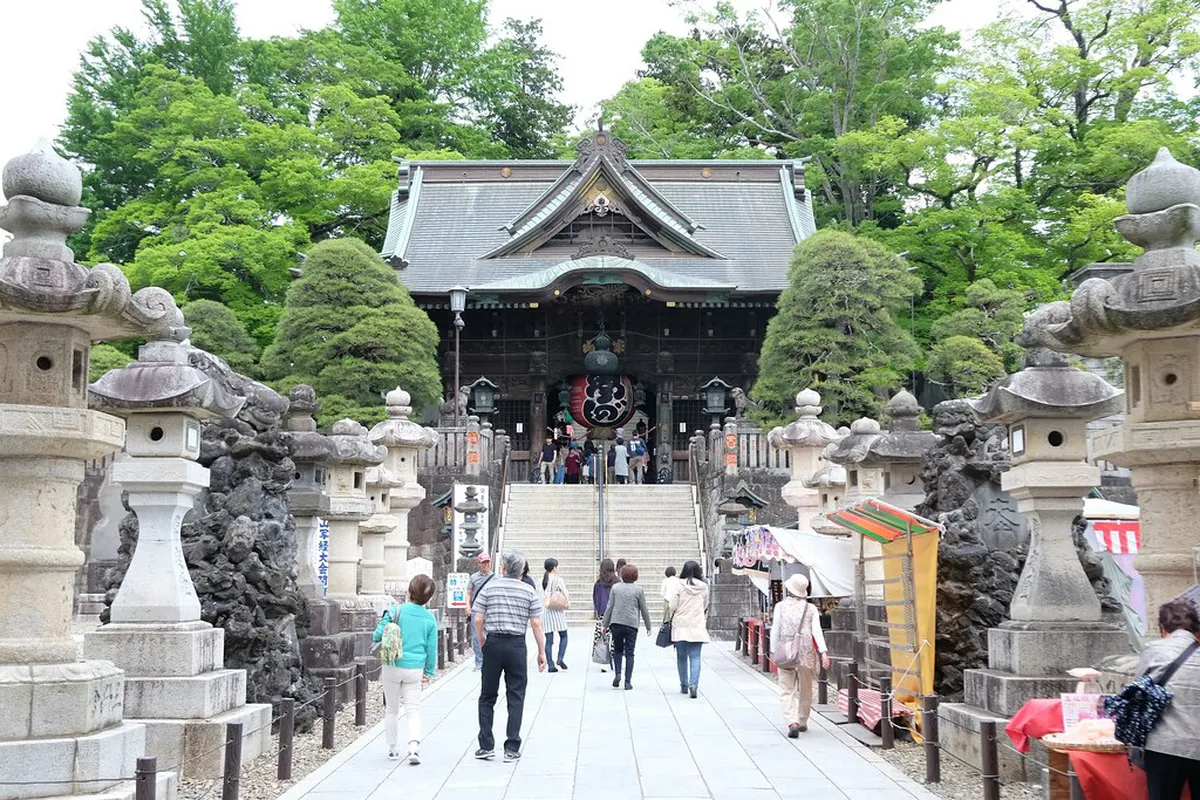
As the Naritasan Shinshoji Temple grew in popularity — it now draws close to ten million visitors annually — the number of restaurants on the pilgrim route expanded to match the foot traffic. By the mid-Edo period, grilling eel over charcoal and serving it over rice had become the standard offering for hungry pilgrims. Today around 60 restaurants on Naritasan Omotesando Street Travel Guide and its side streets specialize in unagi, making the strip one of the densest concentrations of eel restaurants anywhere in Japan.
Narita's reputation is also tied to freshness. Because the city sits outside Tokyo, many restaurants here still source farmed eel that arrives live and is processed on the day of service. You can often watch staff at the front of the restaurant splitting and skewering eels in the open. That transparency is part of the appeal.
What Is Unagi?
Unagi is Japanese freshwater eel, specifically Anguilla japonica, a species found in rivers and estuaries across East Asia. It is not the same as saltwater eel (anago), which you will find in sushi. Unagi has a richer, fattier flesh with a stronger flavor. Its skin secretes a natural sliminess that protects the fish, and that layer is rendered down during grilling, contributing to the dish's characteristic richness.
The Japanese have eaten unagi for at least 5,000 years. Eel bones appear in shell mounds from the Jomon period. One of Japan's earliest poetry anthologies, the Manyoshu (compiled around 759 AD), contains a poem recommending eel consumption to a friend who had lost weight over summer — proof that unagi's reputation as a stamina food predates the Edo-era kabayaki style by almost a thousand years.
In 2014, the Japanese eel was listed as an endangered species. Most unagi served today comes from farms that raise glass eels caught wild as juveniles. Japan accounts for roughly 70% of global eel consumption, which is why the price of unagi has risen steadily over the past decade. A full unaju set in Narita that cost around ¥2,000 ten years ago now routinely runs ¥3,000–¥5,000 depending on the restaurant and grade.
Doyo no Ushi no Hi: The Day of the Ox
Eating unagi on Doyo no Ushi no Hi (the Day of the Ox in midsummer) is one of Japan's most durable food customs. Doyo refers to the 18-day transition period before the start of autumn, usually falling in late July or early August. The Day of the Ox is the ox-sign day within that period according to the traditional zodiac calendar.
The custom has a good origin story. According to one widely repeated account, an eel restaurant in Edo was struggling with slow sales during summer and consulted Gennai Hiraga — a polymath inventor of the era sometimes called the Japanese Leonardo da Vinci. Hiraga reportedly wrote a sign saying "Today is the Day of the Ox, the day of eels," playing on a folk belief that eating foods beginning with the syllable "u" (う) on this day brought good health. Sales took off, and the tradition stuck.
In 2026, Doyo no Ushi no Hi falls on 25 July. On that day, queues at Narita's most popular restaurants begin forming before opening. If you plan to visit Narita around late July, either arrive at 10:00 when the first restaurants open or book a table in advance. Kawatoyo's main branch accepts reservations through its website.
Kanto vs. Kansai: How Region Changes the Eel
The two dominant unagi styles in Japan produce noticeably different eating experiences. Narita, being in Chiba prefecture east of Tokyo, follows the Kanto method.
In Kanto, the eel is split from the back (not the belly), grilled once, then steamed to render out excess fat and soften the flesh, and finally grilled again while being basted repeatedly with sweet tare sauce. The result is exceptionally tender — almost custardy in texture — with a lacquered, caramelized exterior. The steaming step is what makes Kanto-style unagi melt in the mouth. Splitting from the back was also a practical choice in samurai culture, where cutting open the belly (as in seppuku) carried an uncomfortable association.
Kansai-style, dominant in Osaka and Kyoto, skips the steaming entirely. The eel is split belly-to-front and grilled directly over charcoal. Without steaming, the skin gets crispier and the flavor is more concentrated, with a smokier char. Kansai practitioners often argue their method lets the natural flavor of the eel come through more cleanly. There is no objective winner — they are genuinely different dishes. If you eat unagi in Narita and then again in Osaka, you will taste the difference immediately.
Unagi Dishes: A Menu Guide
Narita restaurants offer more than just grilled eel over rice. Here is what you will encounter on most menus.
- Kabayaki — grilled eel (boneless, headless) basted in sweet tare made from soy sauce, mirin, sake, and sugar. The foundation of all other unagi dishes. Often served as a standalone plate alongside rice.
- Unadon — kabayaki served over rice in a bowl (donburi). The most accessible and affordable format, typically starting at ¥2,000–¥2,500 in Narita.
- Unaju — the same grilled eel and rice served in a lacquered box (jubako) instead of a bowl. Usually a higher grade of eel is used and the presentation is more formal. Expect ¥3,000–¥5,000 or more.
- Shiroyaki — eel grilled without any sauce. The absence of tare lets the natural flavor and fat of the eel speak for itself. Served with wasabi and soy sauce on the side. A good choice if you want to taste the eel rather than the sauce.
- Kimosui — clear broth soup made with eel liver. Almost always served as a side with unadon or unaju. The liver is low in fat and high in vitamin A. Its slight bitterness cuts through the richness of the eel rice.
- Kimoyaki — eel livers skewered and grilled with sweet tare. A popular bar-snack style dish. The bitterness is more pronounced than in kimosui; it pairs well with beer or sake.
- Kabuto-yaki — the eel head grilled on a skewer, either plain or basted. A savory, collagen-rich bite that restaurants often offer as a small side dish.
Sansho pepper (ground berries of the prickly ash tree) is served on the side at most Narita restaurants. A light sprinkle adds a citrusy heat that lifts the sweetness of the tare. Use it sparingly the first time — it is more aggressive than it looks.
Where to Eat Unagi in Narita: Kawatoyo and Beyond
Kawatoyo is the most recognized unagi restaurant in Narita, with multiple branches along and near Omotesando Street. The Honten (main branch) is the one most visitors target and where queues form earliest. The restaurant opens at 10:00 and staff begin grilling well before that — the smoke and aroma reach the street by early morning. Arriving just before opening on a weekday is the most reliable way to get a table without a long wait. On weekends and public holidays, queues of 30–60 minutes are common by mid-morning.
Kawatoyo seats diners in traditional tatami rooms. You remove your shoes at the entrance and sit on floor cushions (zabuton). The standard order is an unaju set, which includes the grilled eel box, kimosui liver soup, pickles, and green tea. Reservations for groups are accepted through the Kawatoyo website (available in English and Japanese). Solo diners and walk-in pairs are typically seated at the counter without needing to reserve.
Beyond Kawatoyo, the long-established Kikuya is known for its bento-style unaju boxes, which hold their quality even at room temperature — a practical option if you want to take one to eat on the train back to Tokyo. Several smaller family-run restaurants on the side streets off Omotesando offer unaju at ¥2,500–¥3,500, with shorter waits than the famous names. Walking the full length of the street before choosing lets you compare open-charcoal setups and current queue lengths at a glance.
Practical Tips for Your Narita Unagi Visit in 2026
Timing is the single biggest factor in a smooth Narita unagi experience. Most restaurants on Omotesando open between 10:00 and 11:00 and run until 15:00–16:00 (last order), with some reopening for dinner at 17:00. The lunch rush peaks from 12:00 to 13:30. Arriving at opening time cuts your wait from 40+ minutes to zero on most weekdays.
Budget ¥3,000–¥5,000 per person for a sit-down unaju set at a mid-range to well-known restaurant. Unadon options exist from around ¥2,000. The price gap between restaurants is rarely about ingredient quality — it more often reflects the grade of eel (standard vs. premium-size), the number of eel fillets layered in the box, and the restaurant's seniority on the street.
The walk from Narita Station (JR or Keisei) to Omotesando Street takes about 10 minutes on foot. From Narita Airport Terminal 2, the Keisei Narita Station is a short train ride away. A Narita layover guide covers the full transit logistics if you are connecting through the airport. Most visitors comfortably fit a temple visit and an unagi lunch into a three-hour layover.
Cash is accepted everywhere, but major credit cards (Visa, Mastercard) are increasingly accepted at Kawatoyo and a few larger restaurants. Smaller establishments are still cash-only. An ATM is available at the 7-Eleven on Omotesando Street. Note that most restaurants close one or two days a week — check the day before your visit if you are traveling specifically for the eel.
Frequently Asked Questions
Is Narita famous for unagi?
Yes, Narita is very famous for its unagi, or grilled freshwater eel. The city has a long history of preparing this delicacy. Many restaurants along Naritasan Omotesando Street Travel Guide specialize in unagi dishes. Visitors often come specifically to enjoy this local specialty.
Is eel unagi healthy to eat?
Unagi is considered a nutritious food, rich in vitamins A and E. It also contains beneficial omega-3 fatty acids. While healthy, it is often prepared with a sweet, savory sauce, so moderation is key. Enjoying it as part of a balanced diet is recommended.
Is unagi eel expensive?
Unagi can be relatively expensive compared to other Japanese dishes. The price reflects the quality of the eel and the intricate preparation process. Expect to pay anywhere from 2,000 to 5,000 yen or more for a good unagi meal. Prices vary by restaurant and portion size.
What is the tradition of eating eels on Doyo no Ushi no Hi?
Doyo no Ushi no Hi, or the Day of the Ox, is a traditional summer day in Japan. People eat unagi on this day to gain stamina and ward off summer fatigue. This custom dates back to the Edo period. Many restaurants see a surge in customers during this time.
Narita's unagi culture is genuinely distinct — not just a regional variation on a national dish, but a centuries-old tradition rooted in the lake fisheries that fed the city long before the temple drew crowds. Whether you eat at Kawatoyo, pick up a Kikuya bento for the train, or find a quieter family restaurant down a side street, the eel here is worth the trip from Tokyo.
Combine a slow walk along Omotesando Street with the temple grounds at Naritasan Shinshoji Temple Travel Guide and you have a full half-day. Arrive by 10:00, eat by 11:00, and you will be back at the airport with time to spare.
For tickets, hours and visitor details, see our Narita attractions hub.
Free guide: Japan's Hidden Gems
12 under-the-radar places beyond Tokyo & Kyoto — with the best season to visit each and a local tip you won't find in the guidebooks.
You might also like


Continue reading
More guides you'll find useful