Narita Airport Layover Things To Do Travel Guide
Plan narita airport layover things to do with top picks, neighborhood context, timing tips, and practical booking advice for a smoother trip.
On this page
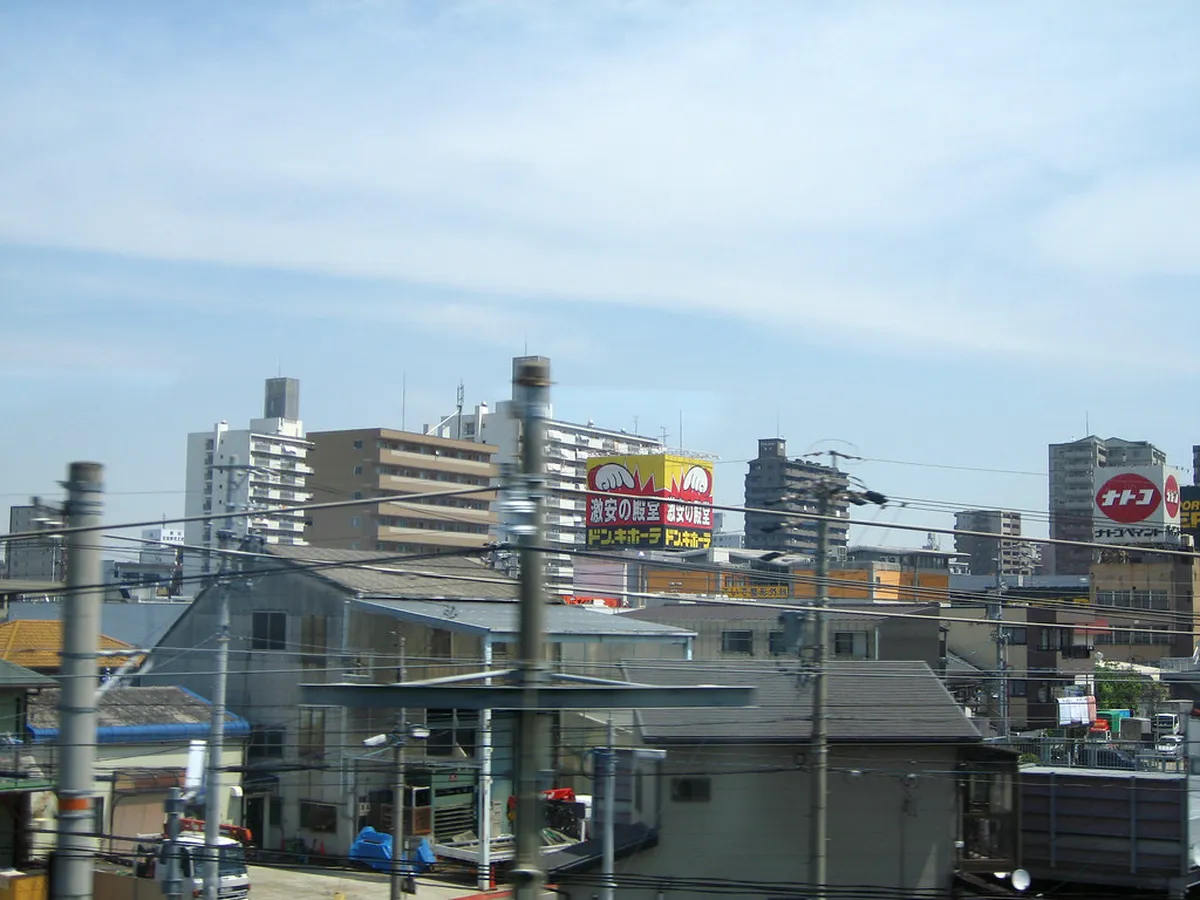
A layover at Narita Airport (NRT) is far more usable than most travelers expect. The airport has three terminals packed with dining, shopping, and services — and the city of Narita sits just 15 minutes away by train. Whether you have 2 hours or 12, there is a sensible plan for your time.
This guide covers what to do inside the airport, what to do in Narita City, and how to decide between the two based on how long you have. All times, floor numbers, and prices reflect 2026 conditions.
How Long Do You Have: Choosing Inside vs. Outside
Under 3 hours, stay inside the airport. The food courts, observation deck, and souvenir shops are more than enough to fill the time, and leaving creates real risk of missing your flight. Between 3 and 5 hours, the city of Narita is technically reachable but only comfortable if you travel light — store luggage first and move fast.
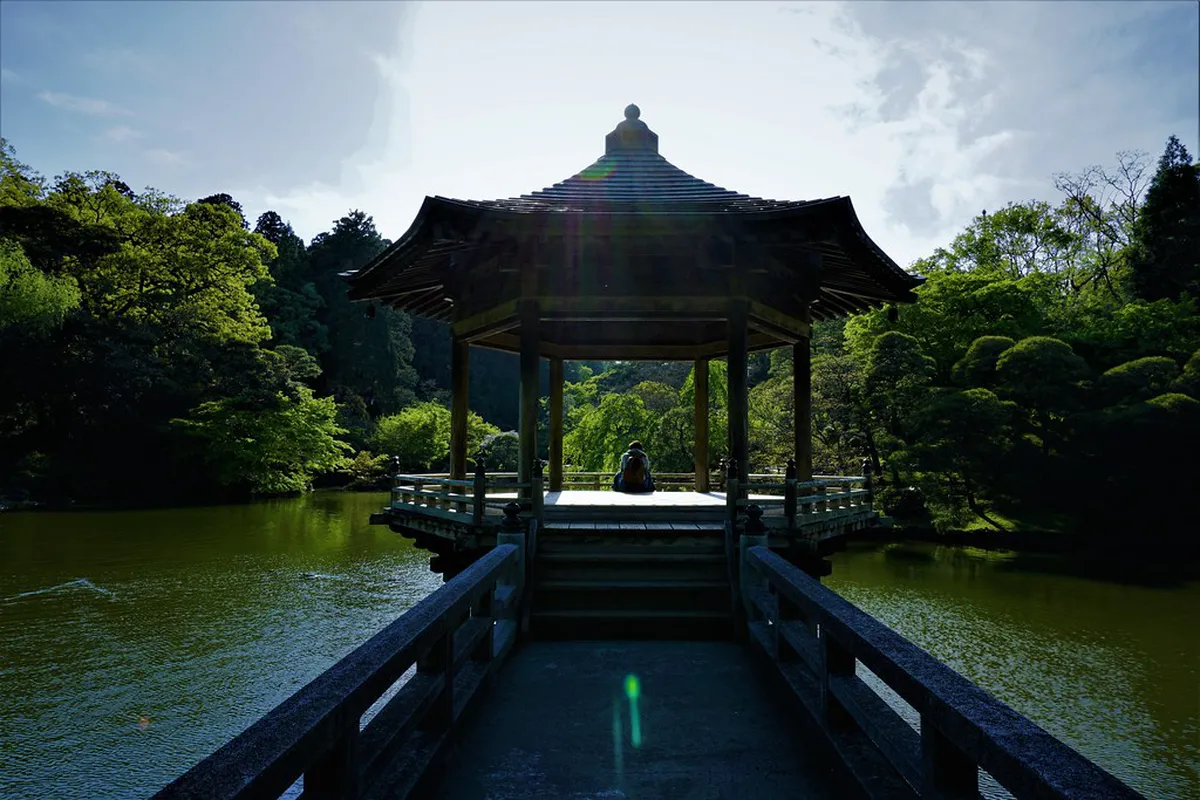
With 5 hours or more, you have genuine flexibility. The Keisei Line from Terminal 1 or Terminal 2 reaches Narita Station in under 20 minutes (around 240 JPY). From the station, Naritasan Shinshoji Temple Travel Guide and Omotesando Street are a short walk. Alternatively, a shuttle bus takes you to Shisui Premium Outlets (15–20 min, 360 JPY) or AEON Mall Narita (25 min, 250 JPY).
One rule applies regardless of duration: always confirm your return terminal and allow at least 90 minutes from boarding the train back to your departure gate. Security queues at Narita can be long during peak hours.
Inside the Airport: Terminal 1 Highlights
Terminal 1 is the largest of the three terminals and the most useful for souvenir shopping. On the 4th floor, Tokyo Shokuhinkan Omotasedokoro (open 7:30–20:30) stocks airport-exclusive KitKat flavors — white peach, melon and mascarpone — in 10-pack boxes for around 1,620 JPY. A box of six ramen servings with English-language instructions runs 1,080 JPY. It is the best single stop for last-minute gifts.
Also on T1's 4th floor, MUJI to Go (open 8:00–21:00) carries neck cushions, passport cases, and packing organizers — useful if you realize mid-trip you are missing something. The Pokemon Store (open 8:00–20:00), next to MUJI, sells NRT-exclusive Pikachu plush toys dressed as pilots, with "NRT" stitched onto the outfit. These are genuinely limited to the airport and popular with families.
The T1 Observation Deck on the 5th floor is currently closed for renovation until Spring 2026. If you arrive before the reopening, use the Terminal 2 observation deck on the 4th floor instead — it offers the same close-up runway views and is open 6:30–21:00 (from 7:00 between October and March). Allow about 30 minutes; it is especially worth visiting around sunset.
Inside the Airport: Terminal 2 Dining and Electronics
Terminal 2's 4th floor has the strongest dining lineup of any terminal. Cafe and Dining N's Court (open 6:45–21:30) is a food court with seating for over 200 people, power outlets at many tables, and a mix of traditional Japanese dishes and international options. It works well for families with different tastes or anyone who needs to charge a device before boarding.
Ippudo's airport outpost, Tokyo Tonkotsu Base Made by Ippudo (open 7:30–20:30), serves hakata-style thin noodles in rich pork bone broth for 800–1,000 JPY. It is a reliable last Japanese meal for ramen fans. On the same floor, Air BicCamera (open 8:00–20:00) stocks SIM cards, portable batteries, smartphone cables, and audio gear — practical if you forgot to sort connectivity before arriving.
For a guaranteed meal regardless of arrival time, Yoshinoya on the 2nd floor is open 24 hours. A medium beef bowl (gyudon) costs around 500 JPY and an English menu is available. It is a sensible option for very early or very late flights when almost everything else is closed.
Inside the Airport: Terminal 3 Food Court
Terminal 3 houses Japan's largest airport food court on the 2nd floor. Two spots stand out. Tatsu Sushi (open 7:00–20:00) does Edo-mae style sushi at the counter or to-go; the California roll is the most popular item with international travelers. Miyatake Sanuki Udon (open 5:00–21:00) serves chewy Sanuki udon in dashi broth made from dried sardines from the Seto Inland Sea, with tempura toppings — a full bowl for under 1,000 JPY.
Terminal 3 is used primarily by low-cost carriers, so it is often less crowded than T1 or T2. If you are flying out of T3 and want a proper sit-down meal without queuing, arrive at the food court early. The 5:00 AM opening at Miyatake Sanuki Udon makes it one of the few places at Narita that can feed you before a 6:00 AM departure.
Essential Airport Services Before You Go
Baggage storage is available at counters in Terminal 1 (1F and 4F) and Terminal 2 (1F and 3F). Rates run 300–500 JPY per day for a small or medium bag, 800 JPY for large luggage. Terminal 3 has coin lockers or you can use the T2 counters. If you want to ship a bag to your hotel instead, baggage delivery counters on the arrival floors (1F) of T1 and T2 charge around 2,000 JPY for a standard suitcase within the Kanto area.
Wi-Fi rental and SIM card counters are spread across all three terminals — T1 (B1F, 1F, 4F), T2 (B1F, 1F, 3F), and T3 (1F). Air BicCamera in T2 also sells SIM cards. Booking a pocket Wi-Fi online in advance is worth doing during peak travel seasons when walk-up stock runs low.
Japan Rail Pass holders should go directly to the JR EAST Travel Service Center. The T1 center is at B1F (open 8:30–19:00); the T2/T3 center is at the T2/3 station B1F (open 8:30–20:00). Bring your exchange order and passport. Staff speak English and can help with seat reservations and route planning across Japan.
The Tourist Information Center on the 1st floor of Terminal 1 (open 8:00–20:00) is the largest of its kind in any Japanese airport. Multilingual staff can assist with hotel bookings, theme park tickets, and transport. Ask here about the Narita Transit and Stay Program, which offers free guided tours to nearby Narita City attractions for qualifying layover passengers.
Rest and Refresh: The 9h Capsule Hotel and Sora no Yu Onsen
For a long layover or a very early departure, 9h nine hours in Terminal 2 (B1F, car park P-2) offers sleeping pods at 5,000–10,000 JPY per night. You can also book a pod for a short nap or pay around 1,000 JPY just to use the shower facilities. The reception is open 24 hours. Separate areas for men and women apply. Online reservations are strongly recommended — it sells out regularly, especially on overnight stops. Check availability for 9h nine hours Narita before your trip.
A less obvious option that no major competitor covers: Sora no Yu, a natural onsen hot spring three minutes' walk from Shibayama-Chiyoda Station (8 minutes from the airport by train, or free shuttle bus from all three terminals). Admission is 1,000 JPY for adults. Unusually for a Japanese onsen, Sora no Yu is tattoo-friendly — a deliberate policy given the airport location and the number of international travelers passing through. Hours run 11:00–22:45 (last entry 22:00). It is a genuine way to decompress after a long-haul flight without leaving the immediate airport area.
Outside the Airport: Narita City Attractions
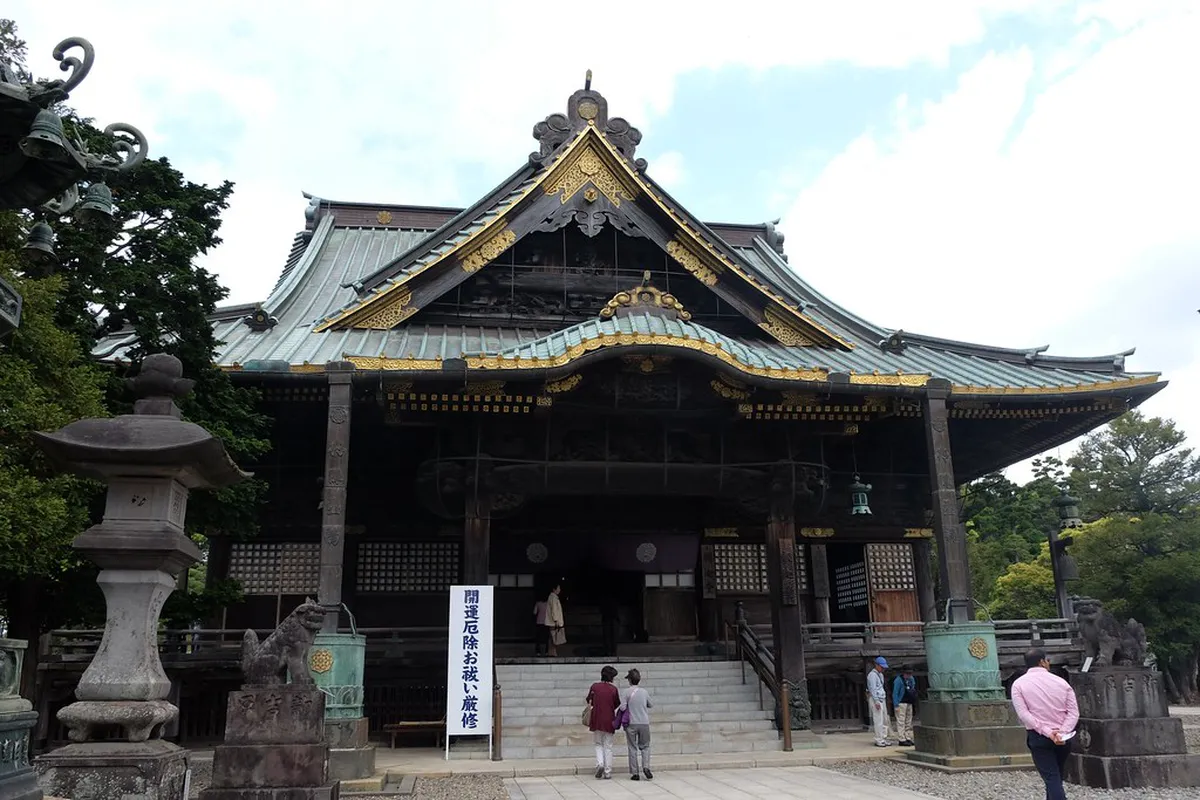
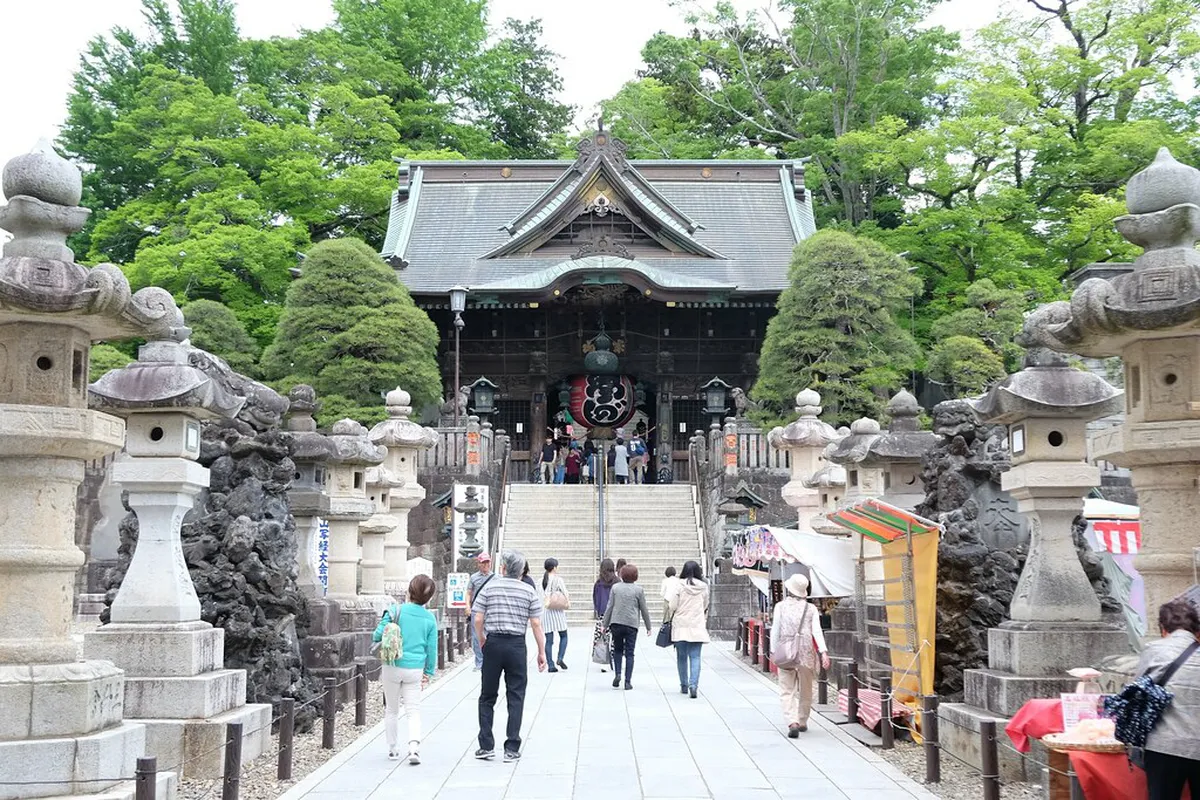
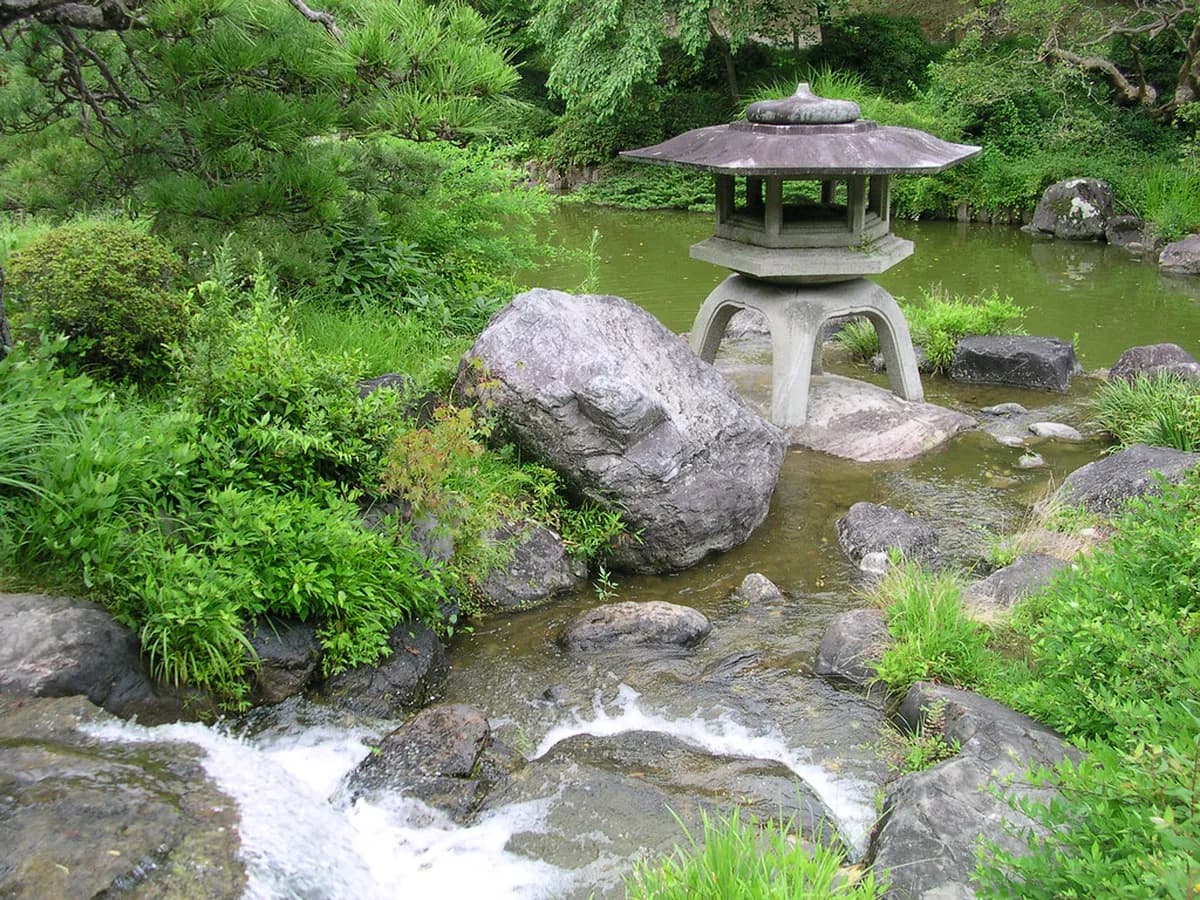
Naritasan Shinshoji Temple is the anchor attraction for any outside-airport layover. The temple has over 1,000 years of history and is free to enter. The grounds are large — allow 45–60 minutes to walk them properly. The adjacent Naritasan Park has seasonal flowers and quiet ponds; it extends the visit naturally if time allows.
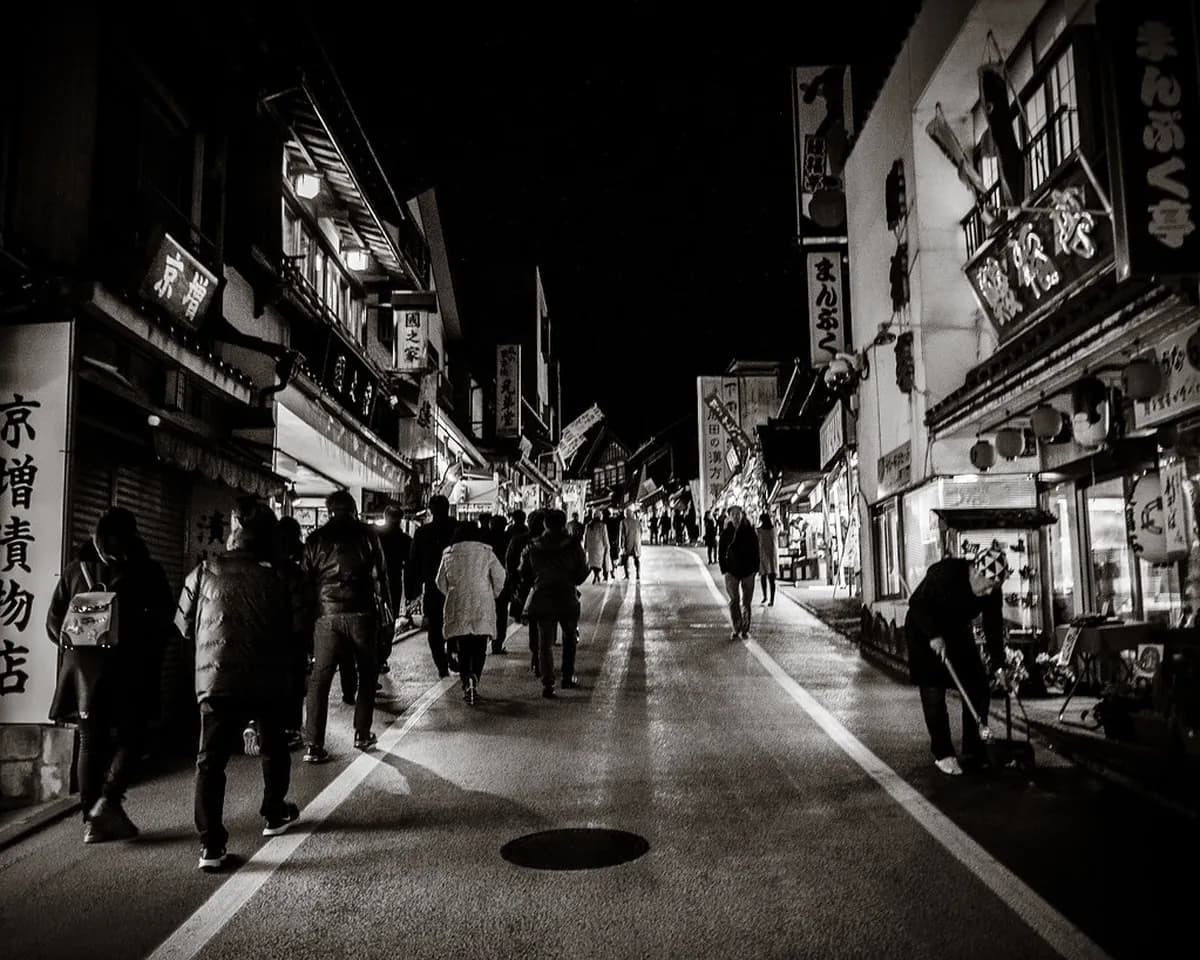
The 800-metre Omotesando Street between Narita Station and the temple gate is lined with over 150 shops and restaurants. The local specialty is unagi (eel), and several restaurants on the street have been grilling it for generations. For a broader Narita visit, see our Narita attractions guide for the full list of city sights including Boso-no-Mura open-air museum and the Narita Market.
For shopping outside the city, Shisui Premium Outlets sits 15–20 minutes from the airport by direct shuttle bus from T1 and T2 (360 JPY one-way, departures throughout the day, open 10:00–20:00). Over 200 brands are represented and tax refunds are available for international visitors. A 5-hour minimum layover is the practical floor for this trip. AEON Mall Narita (25 min, 250 JPY by bus, open 10:00–21:00) is closer and offers a supermarket, food court, and everyday Japanese retail — better for stocking up on snacks than brand shopping.
If you have 10 hours or more and want to reach Tokyo, travel time to Tokyo Station is around 60 minutes by the Narita Express (N'EX, around 3,000 JPY) or 41 minutes to Ueno/Nippori by the Keisei Skyliner (around 2,500 JPY). Budget travelers can take the low-cost bus from Tokyo Station or Ginza for around 1,300 JPY in about 90 minutes. For a full breakdown of transport options and what to do once you arrive, see our guide to getting from Narita Airport to Tokyo. For day trip ideas that work well from Narita before or after a Tokyo stop, see our Tokyo day trips guide.
Getting Between Terminals
Free shuttle buses connect all three terminals. Between T1 and T2, buses run every 10 minutes and take about 10 minutes (T1 Stop 6, T2 Stops 8 and 18). Between T2 and T3, buses run every 5–10 minutes and the ride takes around 3 minutes. You can also walk between T2 and T3 via a dedicated access corridor in 10–15 minutes, which is often faster during peak hours when buses fill up.
If you are connecting between flights and need to change terminals, build in at least 30 minutes on top of your security and boarding window. The shuttle buses are reliable but they do not wait and some departure gates are a substantial walk from the bus stop once inside the terminal.
Frequently Asked Questions
Can I leave Narita Airport during a layover?
Yes, you can leave Narita Airport during a layover if you meet Japan's visa requirements. A layover of at least 5-6 hours is recommended to allow for travel to and from Narita City. Consider the Narita Transit & Stay Program for guided tours.
What to do in Narita for 7 hours?
With a 7-hour layover, you can visit Naritasan Shinshoji Temple and stroll along Omotesando Street. Take the Keisei Line to Narita Station, which takes under 20 minutes. Enjoy traditional shops and perhaps an unagi meal before returning to the airport.
What to do in Tokyo for a 10-hour layover?
A 10-hour layover allows for a quick trip into Tokyo, though it requires careful planning. Travel to Tokyo Station takes about 60 minutes by fast train. You could visit the Imperial Palace East Garden or the bustling Shibuya Crossing briefly. However, focusing on Narita City attractions is often less rushed.
What can I do at Narita Airport for 3 hours?
For a 3-hour layover, staying within Narita Airport is best. You can enjoy the extensive food courts, browse souvenir shops, or relax at an observation deck. Terminal 3 boasts Japan's largest airport food court with many dining choices. Wi-Fi rental and SIM card services are also available.
Are there any free things to do during a Narita layover?
Yes, several free options exist for a Narita layover. You can explore the Naritasan Shinshoji Temple grounds and its beautiful park for free. The Narita Transit & Stay Program also offers free guided tours. Enjoy plane spotting from the airport's observation decks without any cost.
Narita Airport layovers in 2026 offer more than most travelers expect, whether you stay inside the terminals or venture out. From 24-hour gyudon at Yoshinoya to a genuine onsen soak at Sora no Yu, there is a practical option for every window of time. Plan around your layover length, store your luggage first, and you will arrive at your next gate more refreshed than if you had sat at the gate the whole time.
For tickets, hours and visitor details, see our Narita attractions hub.
Free guide: Japan's Hidden Gems
12 under-the-radar places beyond Tokyo & Kyoto — with the best season to visit each and a local tip you won't find in the guidebooks.
You might also like

Continue reading
More guides you'll find useful